Weight Lifting Machine for Factory: Global Export from China
Optimizing Procurement for High-Volume Strength Training Sourcing
Successful large-scale procurement requires balancing three critical checkpoints: technical specification alignment, logistics reliability, and long-term durability. When sourcing a weight lifting machine for factory production lines or large-scale commercial gym installations, distributors must move beyond simple unit pricing to evaluate the total landed cost and the reliability of the industrial gym machine supplier. Navigating these complexities ensures that your inventory remains high-performing while minimizing the risks associated with international shipping and assembly.
Direct sourcing from a China factory offers a distinct economic advantage for distributors looking to expand their SKU breadth without compromising on quality. By bypassing middle-tier trading companies, procurement leads can access wholesale pricing that directly enhances their distributor margin. This model allows for greater flexibility in product mix, enabling you to offer a diverse range of commercial strength training equipment that caters to both premium fitness clubs and high-traffic industrial training facilities.
To maximize ROI, professional buyers should evaluate the trade-offs between various sourcing models. A factory-direct approach typically requires a higher MOQ but provides the most significant cost savings and customization potential through OEM or ODM services. Conversely, working with smaller batches may reduce initial capital outlay but often results in a higher per-unit landed cost and limited control over specific machine configurations.
| Sourcing Model | Typical MOQ | Customization (OEM/ODM) | Impact on Distributor Margin | Best For |
|---|---|---|---|---|
| Factory-Direct Bulk Order | High | Full Capability | Maximum | Large-scale distributors & regional importers |
| Small Batch Wholesale | Low | Limited | Moderate | Boutique studio operators & local retailers |
| Trading Company Sourcing | Flexible | Minimal | Lower | Rapid prototyping & small-scale procurement |
When evaluating a potential weight lifting machine for factory integration or bulk distribution, we recommend requesting a detailed specification sheet and confirming the MOQ for customized branding. Before finalizing large-scale sea freight shipments, it is prudent to arrange a factory audit or a pre-shipment inspection to ensure all heavy duty weight lifting machinery meets your regional safety and durability standards.
Ensuring Integrity Through Export-Grade Logistics
For distributors managing high-volume shipments, the primary risk shifts from product quality to transit damage. High-density heavy duty weight lifting machinery is susceptible to structural misalignment or surface abrasion if the export packaging is insufficient. To mitigate these risks, professional importers must demand reinforced packaging solutions, such as high-density foam inserts, heavy-duty corrugated boxes, and customized wooden crates designed to withstand the rigors of international transit and multiple handling points.
Optimizing sea freight optimization is a critical lever for reducing your total landed cost. Effective container loading efficiency involves more than just fitting boxes into a space; it requires strategic volume management of large-scale equipment to maximize the cubic capacity of a 20ft or 40ft HQ container. By working closely with a China factory that understands volumetric optimization, procurement leads can reduce the number of shipments required, effectively lowering the shipping cost per unit and improving overall global distribution scalability.
To eliminate the uncertainty of overseas arrival, we implement a rigorous pre-shipment inspection protocol. This step ensures that every unit of your weight lifting machine for factory orders is verified against your technical drawings and quality standards before the container is sealed. This proactive approach to quality control protects your margins by preventing costly returns, assembly failures, or the need for on-site repairs after the equipment has reached your local warehouse.
Customization Capabilities: OEM and ODM Solutions for Global Brands
For distributors and large-scale gym operators, generic equipment often fails to meet specific market positioning or regional aesthetic standards. Sourcing a weight lifting machine for factory direct production allows for precise control over product differentiation. Whether you are looking to expand an existing line or launch a new brand, professional China factory capabilities provide the necessary infrastructure to scale your inventory with high-margin, custom-branded assets.
Defining the Scope: OEM vs. ODM for Strength Equipment
Understanding the technical distinction between these two models is critical for accurate sourcing and long-term product lifecycle management. While both paths offer customization, they impact your R&D investment and time-to-market differently.
OEM (Original Equipment Manufacturer) services are ideal for established brands that already possess validated blueprints and technical specifications. In this model, the factory produces your exact designs, focusing on precise manufacturing execution, material substitution, or specific private label applications. This is the most efficient way to maintain strict control over your brand identity while leveraging the production scale of a specialized industrial gym machine supplier.
ODM (Original Design Manufacturer) solutions cater to buyers who require a more collaborative engineering approach. If you seek to develop a unique piece of commercial strength training equipment but lack in-house engineering resources, the manufacturer provides the design, prototyping, and tooling. This allows you to bring a proprietary concept to market faster, utilizing the existing technical expertise of the manufacturer to refine ergonomics and structural integrity before mass production begins.
| Feature | OEM (Original Equipment Manufacturer) | ODM (Original Design Manufacturer) |
|---|---|---|
| Design Ownership | Buyer provides complete blueprints/specs | Manufacturer provides base design/engineering |
| Technical Input | High: Buyer controls all dimensions/materials | Moderate: Buyer refines existing concepts |
| Brand Integration | Full private label and custom colors | Standard branding or customized graphics |
| Development Speed | Fast: Focus on production execution | Variable: Requires design/prototype phases |
| Ideal For | Scaling proven, proprietary product lines | Launching new concepts with expert support |
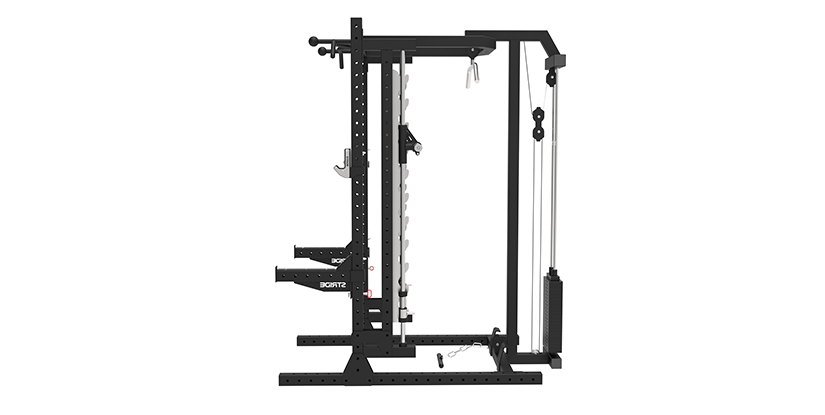
Strategic Decision Matrix: Standard Wholesale vs. Customized Solutions
Selecting the right procurement model depends heavily on your current inventory turnover and long-term brand strategy. For many importers, the decision involves balancing the immediate speed of a wholesale order against the long-term differentiation offered by a customized weight lifting machine for factory setting. While standard stock orders minimize initial R&D costs, customized solutions build a defensive moat around your brand through proprietary aesthetics and unique mechanical features.
When evaluating these options, procurement managers must account for the impact on lead time and minimum order requirements. A standard order typically utilizes existing production slots, whereas customized orders require dedicated tooling and validation phases. To assist in your strategic planning, the following comparison outlines the trade-offs between high-volume standard procurement and specialized manufacturing.
| Procurement Factor | Standard Wholesale (Stock) | Customized (OEM/ODM) |
|---|---|---|
| MOQ Requirement | Lower (Standard container/pallet volumes) | Higher (Volume-based per SKU/Design) |
| Lead Time Impact | Short (Ready-to-ship or existing production) | Extended (Includes prototyping/tooling) |
| Design Control | Low (Standardized colors and specs) | High (Full control over ergonomics/branding) |
| Landed Cost | Predictable (Standardized pricing models) | Variable (Based on material and engineering) |
| Market Differentiation | Moderate (Commonly available in market) | High (Proprietary and unique to your brand) |
If your objective is to quickly refresh your catalog or fulfill a single large-scale project, standard stock orders from a reliable heavy duty weight lifting machinery supplier are most efficient. However, if you aim to establish a premium market position with unique mechanical advantages or specialized branding, initiating a customized production cycle is the professional standard. We recommend requesting a detailed spec sheet or a sample approval before committing to high-volume customized production to ensure all technical requirements align with your market's expectations.
Technical Workflow: From Cad Prototyping to Quality Control
Precision is the foundation of high-performance strength training. For professional buyers, the customization process is not merely about aesthetics; it is a rigorous engineering workflow designed to mitigate technical risks. When you initiate a custom weight lifting machine for factory production, the process begins with high-fidelity CAD design. This stage ensures that every mechanical movement, pivot point, and load-bearing angle is mathematically optimized for both user ergonomics and long-term structural durability.
Once the digital blueprint is finalized, the transition to physical prototyping is essential for validating the design in a real-world environment. This phase allows for critical material selection—choosing the specific gauge of steel, density of high-impact polymers, or grade of upholstery required for your specific market tier. During this stage, you can also finalize color/logo customization, ensuring that the visual identity of your brand is seamlessly integrated into the heavy duty weight lifting machinery before the tooling phase begins.
The final and most critical stage of the manufacturing cycle is the quality control (QC) protocol. A professional industrial gym machine supplier does not simply ship finished goods; they implement a multi-stage inspection regime. This includes raw material testing, welding integrity checks, and functional load testing to ensure every unit meets international export standards. By understanding this workflow, procurement leads can better manage their production lead time expectations and ensure that the final landed product meets the uncompromising demands of commercial fitness environments.
Quality Control and Pre-Shipment Inspection Protocols
For distributors and large-scale gym operators, the true cost of equipment is not the initial purchase price, but the long-term TCO. Sourcing a weight lifting machine for factory settings requires a rigorous validation process to ensure that bulk shipments meet international structural standards. Without strict oversight, a single faulty batch can lead to catastrophic downtime, high maintenance costs, and damaged brand reputation among your end-users.
Reliability in commercial strength training equipment depends entirely on the precision of the manufacturing process. A professional industrial gym machine supplier must implement multi-stage testing—from raw steel tensile strength verification to final component movement smoothness. This level of detail ensures that every unit delivered to your warehouse can withstand high-volume usage without premature mechanical failure or aesthetic degradation.
To mitigate procurement risks, we recommend that importers conduct or commission a third-party factory audit or pre-shipment inspection. Verifying the welding integrity, bearing tolerances, and coating thickness before the container is sealed ensures that your heavy duty weight lifting machinery arrives ready for immediate commercial deployment, protecting your margins from the volatility of replacement logistics.
Multi-Stage Inspection Workflow
Our production line operates under a strict QC checklist designed to eliminate defects before they reach the shipping container. This process begins with raw material testing, where we verify the grade and thickness of the steel to ensure it meets commercial-grade specifications. Once the frame is constructed, we perform intensive inspections on welding integrity to prevent structural fractures under heavy loads. Finally, we conduct a full pre-shipment inspection, focusing on bearing smoothness and assembly precision to guarantee that every moving part operates with fluid, consistent resistance.
| Inspection Stage | Focus Area | B2B Quality Standard | Procurement Impact |
|---|---|---|---|
| Material Verification | Steel Grade & Gauge | Tensile Strength Compliance | Reduces long-term structural fatigue |
| Structural Welding | Joint & Seam Integrity | Full Penetration Welding | Minimizes maintenance/replacement calls |
| Mechanical Testing | Bearing & Cable Smoothness | Zero Friction/Consistent Resistance | Enhances end-user experience/ROI |
| Final Assembly | Tolerance & Bolt Tightness | High-Precision Fitment | Reduces on-site assembly labor/time |
By adhering to these factory-direct standards, we provide importers with the confidence that their bulk orders are consistent. Whether you are managing a single high-end studio or a nationwide distribution network, these protocols ensure that the weight lifting machine for factory settings you source remains a high-performing asset rather than a liability. We invite professional buyers to request a detailed technical spec sheet or discuss custom testing protocols during the sourcing process.
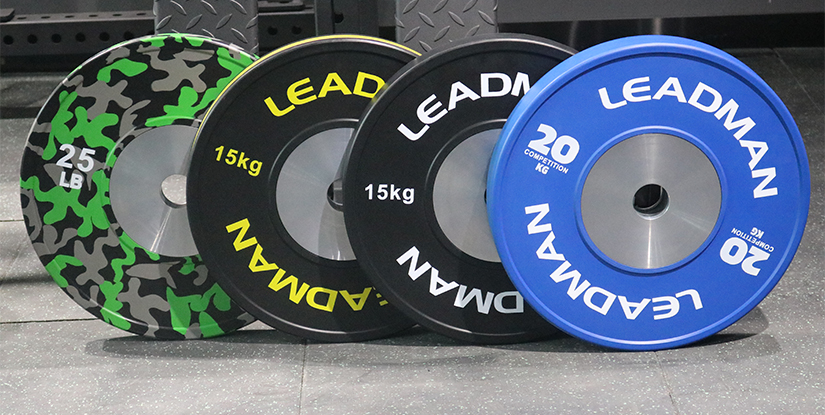
Ensuring Logistics Reliability and Shipping Safety
Beyond mechanical precision, the final stage of the procurement cycle involves protecting your capital through advanced export packaging. For high-volume importers, the risk of transit-related damage—such as frame warping, paint chipping, or component displacement—can significantly inflate the landed cost of a weight lifting machine for factory-scale distribution. We utilize reinforced, multi-layered corrugated cardboard and high-density foam inserts to secure every moving part, ensuring that even high-mass units arrive at your warehouse in pristine, retail-ready condition.
To optimize container utilization and reduce shipping overhead, our logistics team specializes in strategic load planning. We coordinate with international freight forwarders to maximize space efficiency within each 20ft or 40ft container, ensuring that the weight distribution is balanced for sea freight stability. This focus on shipping safety and volume optimization allows our partners to lower their per-unit freight costs, directly improving the competitive margins of their wholesale or retail offerings. We recommend that buyers confirm their specific container loading requirements during the initial MOQ and quote phase to ensure seamless integration with your local logistics provider.
Logistics Efficiency: Export Packaging and Container Loading Optimization
Optimizing the landed cost of a weight lifting machine for factory settings requires more than just selecting high-quality steel; it requires rigorous protection during international transit. For distributors and large-scale importers, the risk of structural deformation or surface oxidation during sea freight can turn a profitable bulk order into a logistical liability. A professional China factory must implement a multi-layered defense strategy to ensure that heavy-duty components arrive in showroom condition.
Standard packaging often fails to account for the extreme vibrations and humidity fluctuations found in maritime shipping. To mitigate these risks, we utilize export-standard packaging designed specifically for heavy duty weight lifting machinery. This includes reinforced 5-layer corrugated cartons and high-density foam buffers to protect sensitive moving parts and adjustment pins from impact damage.
Advanced Protection for Long-Haul Transit
The structural integrity of commercial strength training equipment depends on maintaining precise tolerances. Our logistics protocol includes heavy-duty steel protection, such as custom-sized wooden crates or steel frames, to prevent the bending of frames during container stacking. Furthermore, every unit undergoes a specialized moisture-proof treatment, involving VCI (Volatile Corrosion Inhibitor) films and desiccant packs, to prevent rust on exposed metal surfaces during long-duration sea freight durability cycles.
By prioritizing these high-spec packaging standards, wholesale buyers can significantly reduce replacement costs and minimize the downtime associated with damaged goods. Efficient container loading—balancing weight distribution and maximizing volumetric efficiency—ensures that your sourcing budget is spent on high-quality equipment rather than avoidable shipping losses or post-arrival repairs.
Container Loading Optimization Strategies
For large-scale distributors, the difference between a 20GP and a 40HQ container is not just volume; it is the calculation of total cubic capacity versus weight limits. Miscalculating the volumetric footprint of your weight lifting machine for factory procurement can lead to significant wasted freight spend. We provide detailed technical drawings and packing lists to help you optimize container loading efficiency, ensuring every cubic meter is utilized to maximize your margin.
Depending on the specific dimensions of the commercial strength training equipment, importers must choose between palletization and loose loading. While palletized shipments offer faster unloading and easier warehouse management, loose loading (floor loading) often provides superior volume utilization for high-density steel machinery. We assist our wholesale partners in determining the most cost-effective method based on their specific warehouse handling capabilities and local shipping cost optimization requirements.
| Loading Method | Container Type | Primary Advantage | Best Use Case |
|---|---|---|---|
| Palletization | 20GP / 40HQ | Rapid unloading & high safety | Small-batch OEM orders or high-end studio equipment |
| Loose Loading | 40HQ | Maximum volume utilization | Large-scale factory-direct bulk orders and heavy machinery |
| Hybrid Loading | 40HQ | Balanced weight/volume ratio | Diverse product mixes (Frames + Small Accessories) |
Before finalizing your sourcing plan, we recommend requesting a detailed packing list and a 3D loading simulation. This allows you to confirm the exact number of units per container, helping you accurately calculate the landed cost and plan your inventory turnover with precision. Contact our team to discuss your specific volume requirements and MOQ-based shipping configurations.
Ensuring Compliance: QC and Pre-Shipment Verification
The final stage of the procurement cycle is the most critical for mitigating long-term operational risks. For a professional industrial gym machine supplier, the responsibility extends beyond manufacturing to ensuring that every unit meets the strict quality benchmarks required for international commercial use. Relying on a single visual check is insufficient; a robust pre-shipment inspection protocol is mandatory to ensure that the hardware, upholstery, and electronic components are fully functional and compliant with your local safety standards before they leave the China factory.
We implement a multi-stage verification process that includes mechanical stress testing, welding integrity checks, and surface finish audits. To provide total transparency for our wholesale partners, we offer container loading supervision. This service ensures that the weight distribution is balanced and that the heavy-duty components are secured according to the pre-approved packing plan. By conducting these rigorous checks, we help you avoid the high cost of importing defective equipment and ensure that your bulk order logistics run smoothly from the factory floor to your local warehouse.
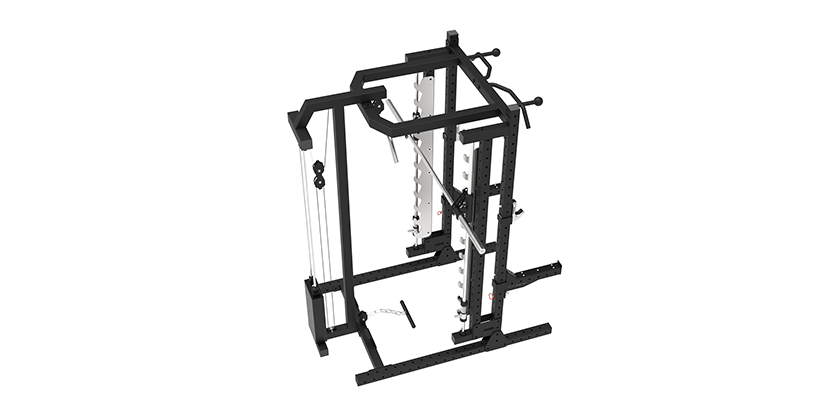
Strategic Sourcing: Moving Toward Long-Term Factory Partnerships
Transitioning from fragmented, one-off equipment purchases to a structured procurement model is essential for scaling commercial fitness operations. Relying on local retail distributors often leads to inconsistent quality and inflated landed costs. To optimize your long-term TCO (Total Cost of Ownership), professional buyers are increasingly shifting toward direct sourcing from a specialized industrial gym machine supplier. This approach ensures that your facility benefits from standardized mechanical durability and predictable maintenance cycles.
Establishing a long-term partnership with a reliable China factory allows you to move beyond the limitations of standard stock catalogs. Instead of reacting to supply chain disruptions, you can integrate your procurement cycles with the manufacturer's production schedule. This level of coordination is particularly vital when sourcing a weight lifting machine for factory environments or large-scale distribution hubs where equipment uptime and replacement part availability are non-negotiable business requirements.
Rather than searching for a single transaction, focus on building a relationship that supports your growth through OEM customization and scalable production. Whether you are expanding a gym franchise or building a wholesale distribution network, aligning with a manufacturer that understands global export standards will protect your margins and ensure your equipment remains a high-performing asset for years to come.
Evaluating Sourcing Models: Direct Manufacturer vs. Trading Company
Selecting the correct procurement channel is a pivotal decision that dictates your long-term margins and supply chain reliability. For procurement managers and distributors, the choice between a trading company and a direct manufacturer often comes down to the balance between service breadth and cost-efficiency. While trading companies may offer a wider variety of SKUs, they often lack the technical depth required for specialized commercial strength training equipment customization.
To assist in your decision-making process, the following framework compares common B2B sourcing metrics. This comparison highlights why professional buyers prioritize a direct industrial gym machine supplier when managing large-scale projects or recurring wholesale orders.
| Procurement Metric | Direct Factory-Direct Model | Trading Company / Agent Model |
|---|---|---|
| Pricing Structure | Optimized for high-volume/low-margin | Includes markup and service fees |
| OEM/ODM Capability | Full control over technical specifications | Limited to existing product catalogs |
| Minimum Order Quantity (MOQ) | Standardized by production line capacity | Often more flexible but higher unit cost |
| Quality Control (QC) | Direct oversight of pre-shipment inspection | Dependent on third-party reporting |
| Lead Time Control | Directly aligned with production cycles | Subject to intermediary coordination |
| Highly predictable for bulk shipments | Variable due to multiple handling layers |
When the objective is to secure high-performance heavy duty weight lifting machinery, the direct-to-factory route minimizes the risk of "spec-drift"—where the final product deviates from the original engineering intent. By engaging directly with the source, you gain the ability to audit the production environment, verify material grades, and ensure that every unit meets the rigorous demands of high-traffic commercial environments.
As you finalize your procurement strategy, we recommend moving toward the next stage of formal evaluation. To ensure your specific requirements for a weight lifting machine for factory settings or large-scale distribution are met, please contact our sales department to request a technical spec sheet, confirm current MOQ tiers, or schedule a virtual factory audit.
Optimizing Your Procurement Workflow
A professional procurement process for heavy duty weight lifting machinery requires more than just a simple purchase order; it requires a rigorous validation of technical specifications and supply chain reliability. To mitigate the risks associated with international sourcing, we encourage professional buyers to engage in a multi-stage evaluation process. This ensures that every piece of equipment arriving at your facility or warehouse meets your exact operational standards and durability requirements.
For distributors and large-scale facility operators, we offer a structured approach to facilitate seamless integration into your business model. Whether you are looking to secure bulk pricing for a new gym franchise or require custom branding to strengthen your private label presence, our team provides the technical documentation necessary for informed decision-making. This includes detailed CAD drawings, material grade certifications, and comprehensive maintenance protocols.
To streamline your sourcing, you may initiate any of the following professional inquiries:
- Request a Quote: Obtain detailed pricing tiers based on your specific volume requirements and shipping terms (FOB/CIF).
- Confirm MOQ & Lead Times: Align your project timelines with our production cycles to ensure predictable arrival dates.
- Sample Evaluation: Arrange for a sample evaluation to verify mechanical movement, upholstery quality, and structural integrity before full-scale production.
- Factory Audit: Schedule a virtual or on-site factory audit to review our QC processes, production capacity, and compliance with international export standards.
By engaging directly with our production team, you gain the ability to customize your order to fit specific commercial needs, ensuring your weight lifting machine for factory deployment or wholesale distribution is optimized for both performance and long-term ROI.