Are Cast Iron Weight Plates Good for Commercial Gyms?
Optimizing Inventory Margins with Cast Iron Weight Plate Selection
When a regional gym franchise or a large-scale fitness distributor evaluates a new facility build-out, the decision often hinges on the Total Cost of Ownership (TCO). Procurement managers frequently ask are cast iron weight plates good for high-volume environments because they need to balance immediate capital expenditure against long-term replacement cycles. Unlike specialized rubberized equipment, cast iron offers a predictable, low-cost entry point for scaling inventory across multiple locations.
The primary economic advantage lies in the significantly lower unit cost compared to bumper plates. For distributors managing large Minimum Order Quantities (MOQs) or facility managers outfitting expansive strength zones, this price differential allows for much faster inventory scaling. By choosing cast iron, buyers can allocate more budget toward high-margin machines or specialized functional training tools while still maintaining a professional, durable weight selection that meets standard commercial requirements.
Cost-Efficiency and Long-Term Value Comparison
Analyzing the financial trade-offs between material types is essential for accurate budget forecasting. While bumper plates offer specific advantages for high-impact Olympic lifting, they often carry a premium price that can inflate the initial procurement budget. In contrast, cast iron provides a lower upfront investment, making it a highly efficient choice for strength-focused zones where heavy lifting is performed with controlled movements.
| Dimension | Cast Iron Plates | Bumper Plates |
|---|---|---|
| Initial Purchase Price | Lower upfront investment | Higher unit cost |
| Lifespan in High-Traffic Settings | High durability (minimal wear) | High (designed for impact) |
| Maintenance Requirements | Periodic coating inspection | Minimal (rubber fatigue check) |
From a procurement standpoint, the durability of cast iron ensures that the cost-per-use remains exceptionally low. For distributors, the compact footprint of these plates also optimizes shipping density and warehouse storage, effectively reducing logistics overhead during large-scale international shipments.
The high density of cast iron provides a distinct logistical advantage over lighter or bulkier alternatives. Because these plates occupy minimal volume relative to their mass, distributors can maximize shipping container utilization and reduce the per-unit cost of freight. This space-saving characteristic is critical when managing warehouse overhead or calculating ocean freight expenses for large-scale facility outfitting.
When sourcing, prioritize suppliers with robust factory capabilities to ensure consistency across high-volume orders. A common procurement pitfall is receiving mismatched weight tolerances within a single shipment; therefore, always verify that the manufacturer maintains strict quality control over weight deviations. To secure the best margins, negotiate MOQs that align with your storage capacity while ensuring the supplier can guarantee uniform thickness and diameter across all SKUs in your inventory.
Evaluating Durability Standards for High-Traffic Commercial Environments
When assessing whether cast iron weight plates are good for your facility, the primary consideration is the distinction between structural rigidity and impact absorption. Unlike bumper plates designed to rebound, cast iron offers extreme density and stability under static loads. This makes them an exceptional choice for strength-focused training environments where precision and minimal movement are required.
However, procurement managers must account for the lack of "bounce" inherent in metal alloys. While cast iron is incredibly durable under consistent, controlled use, it is not intended for high-velocity Olympic lifting or high-impact drop scenarios. In high-traffic settings, using cast iron for heavy snatches or cleans without proper platform integration can lead to accelerated wear on both the equipment and your flooring. For distributors and gym owners, selecting the right material depends on whether the facility prioritizes the long-term structural integrity of heavy lifting stations or the shock absorption needed for dynamic weightlifting.
To make an informed sourcing decision, procurement specialists should evaluate how different plate compositions respond to mechanical stress and environmental factors. The following comparison highlights how material density and surface treatments affect long-term replacement cycles and maintenance overhead in a professional setting.
| Criteria | Cast Iron Plates | Bumper Plates (Rubber) | Rubber-Coated Iron |
|---|---|---|---|
| Impact Resistance | Low (Risk of structural deformation) | High (Designed for drops) | Moderate (Depends on coating integrity) |
| Surface Wear/Abrasion | Minimal (Highly resistant) | Moderate (Subject to tearing) | High (Coating may peel/crack) |
| High-Traffic Longevity | Excellent (Static/Controlled use) | Excellent (Dynamic/High-impact) | Good (Versatile/Mid-range) |
| Maintenance Requirements | Low (Periodic rust prevention) | Moderate (Cleaning/Surface checks) | Moderate (Monitor coating adhesion) |
From a wholesale procurement perspective, pure cast iron remains a high-value asset for strength-centric gyms due to its negligible depreciation from surface wear. While rubber-coated options offer a hybrid benefit, the long-term Total Cost of Ownership (TCO) for cast iron is often lower in traditional weightlifting environments where heavy, controlled movements are the standard.
Beyond mechanical impact, the Total Cost of Ownership (TCO) is heavily influenced by surface treatment quality. High-grade cast iron plates featuring premium powder coating or specialized industrial finishes significantly extend the replacement cycle by preventing oxidation and chipping. For facility owners, this reduces the frequency of maintenance-driven procurement. Additionally, for distributors, the high density and compact footprint of cast iron plates offer superior shipping and storage density compared to bulky bumper plates, optimizing freight costs and warehouse efficiency during large-scale inventory replenishment.
Cast Iron vs Bumper Plates: Strategic Material Trade-Offs
When evaluating the long-term value of a strength zone, procurement managers must weigh the immediate unit cost against the specific programming requirements of the facility. While bumper plates are essential for high-impact Olympic lifting, cast iron remains a staple for traditional strength training due to its compact footprint and lower unit cost.
Are cast iron weight plates good for high-density strength zones where floor space is at a premium? In many commercial settings, the answer depends on the intended use. Cast iron offers superior durability and density, making it ideal for heavy lifting and fixed-station training, whereas bumper plates prioritize impact absorption to protect equipment and flooring during dynamic movements.
| Procurement Factor | Cast Iron Plates | Rubber Bumper Plates |
|---|---|---|
| Unit Cost (TCO) | Lower initial investment | Higher per-unit cost |
| Space Efficiency | High (compact profile) | Lower (thicker diameter) |
| Primary Use Case | Traditional strength/Bodybuilding | Olympic lifting/CrossFit |
| Impact Resilience | Low (requires controlled drop) | High (designed for dropping) |
Selecting the right material is a balancing act between operational versatility and total cost of ownership. For distributors and facility owners, understanding these technical trade-offs is essential for optimizing inventory and ensuring the longevity of the training environment.
| Feature | Cast Iron | Bumper Plates |
|---|---|---|
| Impact Resistance | Low | High |
| Storage Footprint | Compact | Bulky |
| Price Point | Budget-Friendly | Premium |
From a procurement standpoint, the decision often hinges on the facility's primary revenue driver. If your gym layout prioritizes high-density bodybuilding stations or heavy barbell work with minimal floor vibration, cast iron provides a high-margin, space-saving solution. Conversely, if the facility targets high-impact functional training, the higher upfront investment in bumper plates is necessary to mitigate equipment damage and flooring wear.
Optimizing Inventory for Maximum ROI
To achieve the best return on investment, smart buyers should avoid a one-size-fits-all approach to weight plate procurement. For commercial weight plate durability in non-impact environments, cast iron is the superior choice for powerlifting racks, bodybuilding zones, and stationary lifting stations. Because these plates are thinner and more compact, they allow for more weight on a single barbell without hitting the collars prematurely, effectively maximizing bar capacity.
We recommend a hybrid inventory strategy to optimize both floor space and capital expenditure. Use rubber bumper plates exclusively for high-intensity functional training and Olympic lifting areas where impact absorption is critical. Simultaneously, stock cast iron plates for heavy lifting stations to reduce the total cost of ownership and keep your equipment footprint streamlined. This balanced procurement model ensures high-traffic zones remain durable while keeping your overall shipping and storage costs manageable.
Dimensional Precision and Compatibility in Gym Equipment Procurement
For high-traffic facilities, the long-term utility of iron weight sets depends heavily on dimensional precision. When sourcing at scale, distributors must ensure that every plate adheres to strict standard tolerances regarding both diameter and center bore thickness. Inconsistent casting can lead to uneven weight distribution or difficulty fitting onto premium barbell sleeves.
Beyond simple weight accuracy, these technical specifications directly impact commercial weight plate durability and overall maintenance cycles. If plates are not uniform, they can cause premature wear on barbell knurling or create uneven loading patterns that disrupt a balanced facility layout. Precision in manufacturing ensures that equipment remains interchangeable and reliable across different training stations.
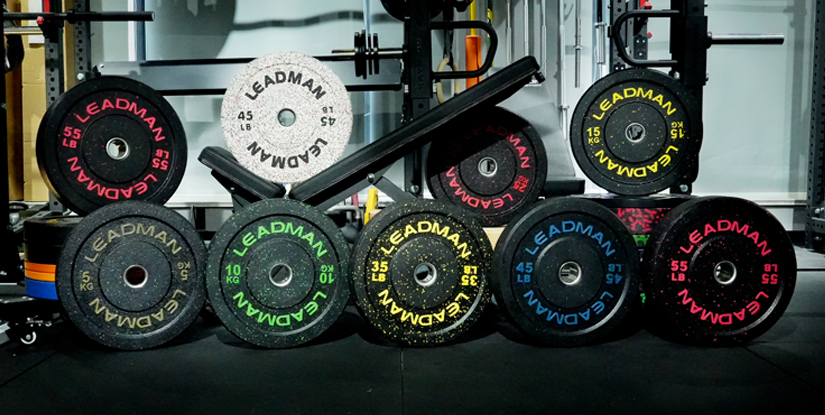
When evaluating the long-term value of a gym's inventory, procurement managers must weigh the maintenance profiles of different materials. While rubberized options offer shock absorption, cast iron provides a different set of technical advantages regarding dimensional stability and surface upkeep. Understanding these trade-offs is essential for calculating the Total Cost of Ownership (TCO) over a multi-year equipment lifecycle.
| Technical Metric | Cast Iron Weight Plates | Rubber Bumper Plates |
|---|---|---|
| Dimensional Accuracy | High; consistent diameter and thickness | Variable; subject to rubber compression |
| Coating Integrity | Stable; requires minimal paint/powder care | Requires monitoring for edge tearing |
| Maintenance Needs | Low; occasional wipe-down for oxidation | Moderate; surface cleaning and debris removal |
| Long-term Value | High; remains undeformed over time | Subject to material fatigue and compression |
From a sourcing perspective, cast iron is often the preferred choice for strength and bodybuilding zones where precision matters more than impact absorption. Because the material does not compress or deform under heavy loads, it maintains a predictable profile for years. This stability reduces the need for frequent replacements and ensures that the equipment remains a reliable asset for the facility's long-term operational budget.
Quality Control and Logistics Management
A successful procurement decision hinges on rigorous QC (Quality Control) protocols during the manufacturing stage. Buyers should prioritize suppliers that provide detailed reports on surface finish consistency to prevent premature oxidation. Inconsistent coatings can lead to excessive wear and tear, increasing long-term upkeep costs for the facility.
Effective logistics planning also requires specialized storage strategies. To maintain inventory integrity, ensure plates are kept in climate-controlled environments to mitigate moisture exposure. When managing high-volume orders, verify that packaging provides sufficient protection to prevent chipping during shipping, ensuring the equipment arrives ready for immediate commercial deployment.
Logistics and Volume Management for Bulk Weight Plate Orders
When evaluating whether cast iron weight plates are good for large-scale facility setups, procurement managers must look beyond the unit price to total landed costs. The density of cast iron offers a distinct advantage in high-volume sourcing, particularly regarding shipping efficiency and warehouse footprint.
Optimizing Storage Density and Shipping Costs
Are cast iron weight plates good for maximizing storage density in a distributor's warehouse? Yes. Because cast iron is significantly more compact than rubber bumper plates of the same weight, you can fit more mass into a smaller cubic volume. This smaller footprint directly reduces dimensional weight charges during international freight and lowers the cost per kg compared to bulkier alternatives. For distributors managing large MOQs, this translates to higher pallet density, fewer containers required per shipment, and more efficient use of vertical storage space in commercial warehouses.
Effective gym equipment procurement requires a clear understanding of how material density influences your bottom line. While bumper plates are essential for specific training modalities, the structural density of iron provides a superior ratio of mass to volume, which is a critical factor for long-term logistics planning and inventory management.
Cost-Efficiency and Volumetric Comparison
The following table outlines the primary logistical differences between the two most common plate types used in professional settings. This comparison helps facility managers decide which material best aligns with their shipping budget and floor space constraints.
| Dimension | Cast Iron Plates | Bumper Plates |
|---|---|---|
| Unit Cost | Lower | Higher |
| Storage Volume | Compact | Bulky |
| Shipping Weight-to-Volume Ratio | High (Efficient) | Low (Less Efficient) |
When calculating the total cost of ownership, the lower unit price of iron, combined with its high density, often results in a lower landed cost per kilogram. This makes cast iron an excellent choice for weight rooms where floor-to-ceiling storage optimization and minimizing shipping volume are top priorities.
Quality Control and MOQ Management
Scaling orders to meet high Minimum Order Quantities (MOQ) introduces specific risks regarding casting defects. For commercial buyers, rigorous quality control is non-negotiable to prevent receiving batches with structural inconsistencies or uneven weight distribution. Ensuring the manufacturer employs strict inspection protocols during the molding process prevents costly returns and downtime.
Despite the initial scrutiny required, the inherent durability of cast iron makes it a reliable long-term asset. High-traffic gyms benefit from reduced replacement cycles, as these plates withstand heavy use without the surface degradation common in lower-grade materials. This longevity significantly lowers the long-term Total Cost of Ownership (TCO) for facility owners and distributors alike.
Mitigating Long-Term Depreciation Through Proper Surface Treatment
For high-traffic commercial facilities, the longevity of iron assets depends heavily on the quality of the initial finish. Without a robust barrier, iron is highly susceptible to oxidation, which can degrade the aesthetic and structural integrity of the equipment over time.
Evaluating Coating Standards for Durability
When sourcing for large-scale distribution, buyers must distinguish between basic paint and industrial-grade finishes. While standard paint may suffice for low-use home gyms, it often chips or peels under heavy commercial use, leading to rapid rust formation. In contrast, powder coating provides a much thicker, more resilient layer that significantly enhances commercial weight plate durability by creating a seamless seal against moisture and humidity.
Selecting the correct treatment directly impacts your maintenance cycles and total cost of ownership. High-quality powder coating reduces the frequency of required touch-ups and protects the iron core from environmental wear, ensuring the plates maintain their value and professional appearance throughout their operational lifespan.
Procurement managers should evaluate the specific climate of the installation site—such as high-humidity coastal regions or indoor facilities with heavy perspiration—to determine the most cost-effective finish. The following comparison outlines how different surface treatments affect maintenance requirements and long-term asset value.
| Finish Type | Moisture Resistance | Durability Level | Cost-Effectiveness |
|---|---|---|---|
| Powder Coating | High | Excellent | Premium Investment |
| Liquid Paint | Moderate | Standard | Budget-Friendly |
| Raw/Unfinished Iron | Low | Minimal | Lowest Initial Cost |
While raw iron offers the lowest entry price, it requires frequent cleaning and specialized oiling to prevent oxidation. For distributors and gym owners prioritizing long-term ROI, powder coating is typically the preferred choice as it minimizes the need for constant upkeep and protects against the corrosive effects of environmental moisture.
Operational Protocols for Longevity
Effective equipment management extends beyond surface finishes. To protect your investment, implement strict humidity control within the facility to prevent moisture buildup. Regular cleaning protocols—using a dry, lint-free cloth to remove sweat and debris—are essential to prevent corrosive buildup. Additionally, prioritize storage best practices by keeping plates in a dry, elevated area rather than on damp floors. These routine steps minimize depreciation and ensure your inventory remains a high-value asset for years.
Common Sourcing Pitfalls in Commercial Weight Plate Acquisition
Are cast iron weight plates good for high-traffic environments? Yes, if sourced correctly. However, the primary risk for procurement managers lies in the hidden costs of low-quality manufacturing, which can drastically diminish your long-term ROI through frequent replacement cycles and increased maintenance labor.
A major pitfall in global sourcing is overlooking manufacturing precision. Substandard factory processes often result in uneven weight distribution, which can cause barbell imbalances and safety concerns in a commercial setting. Furthermore, poor coating quality—such as thin powder coating or low-grade paint—leads to premature rust and unsightly chipping. For high-volume distributors and facility owners, these defects are not just aesthetic issues; they represent a failure in durability that necessitates early reinvestment and complicates inventory management.
Evaluating Grade Discrepancies and Total Cost of Ownership
While bumper plates are often the default choice for functional training, the long-term value of cast iron depends heavily on the manufacturing precision of your supplier. To avoid the trap of low-cost, low-quality shipments, procurement teams must differentiate between standard wholesale products and those engineered for heavy-duty commercial use. The following comparison highlights why the initial price gap often narrows when considering the total cost of ownership (TCO).
For distributors and gym owners, sourcing the commercial grade ensures that equipment remains an asset rather than a recurring maintenance expense. Investing in higher manufacturing standards reduces the frequency of replacement cycles and protects your brand reputation against the wear and tear typical of professional fitness environments.
Mitigating Logistics and Quality Control Risks
Beyond technical specifications, procurement managers must account for the logistical vulnerabilities inherent in international freight. A significant oversight in many sourcing workflows is failing to verify factory QC processes regarding weight tolerance and surface integrity. Without strict oversight, a shipment may arrive with inconsistent mass, compromising the professional standard of a facility's strength training area.
Furthermore, the condition of the iron coating is highly susceptible to shipping-related damage. Long-distance maritime transit and heavy handling can cause micro-fractures in the finish, leading to immediate oxidation or unsightly chipping upon arrival. To protect your ROI, it is essential to confirm that suppliers utilize reinforced packaging and high-durability coatings capable of surviving the rigors of global logistics. Neglecting these details often results in receiving equipment that lacks the premium aesthetic required for high-end commercial gyms.