Black Cast Iron Weight Plates: Long Term Value Analysis
Quantifying the Long-Term Value of Black Cast Iron Weight Plates
Black cast iron weight plates are high-density, single-material strength training components engineered for heavy-duty use. B2B buyers prioritize these plates because they offer a predictable lifecycle, minimal degradation under high-volume usage, and a lower total cost of ownership compared to more delicate or specialized alternatives.
Defining the Total Cost of Ownership (TCO)
For a commercial gym, calculating ROI requires looking beyond the initial invoice price. While some materials may offer lower entry costs, the true lifecycle cost includes replacement frequency and labor. Because of high cast iron plate durability, these units withstand the rigorous environment of high-traffic facilities without the structural failures seen in lower-grade composite materials.
A professional procurement strategy accounts for the fact that black cast iron weight plates require almost zero maintenance frequency. Unlike rubber-coated versions that may suffer from peeling or oxidation of the inner core, high-quality cast iron remains structurally sound for decades. This stability ensures that distributors and facility owners can amortize the purchase cost over a much longer operational period, effectively reducing the annual depreciation expense.
Comparative Value Analysis: Material Selection and Lifecycle
When evaluating a procurement budget, the distinction between upfront expenditure and long-term utility is critical. Commercial iron weight plates are often selected for their ability to endure high-impact environments without the material fatigue associated with specialized coatings. The following comparison illustrates how the structural integrity of black cast iron weight plates translates into a superior return on investment compared to other common commercial options.
| Material Type | Initial Unit Cost | Durability Profile | Maintenance Needs | Typical Replacement Cycle |
|---|---|---|---|---|
| Black Cast Iron | Low to Moderate | High (Solid Core) | Minimal (Surface Wipe) | Long-Term (Decades) |
| Rubber Coated | Moderate to High | Moderate (Peeling Risk) | Moderate (Surface Care) | Medium (Coating Wear) |
| Bumper Plates | High | High (Impact Focus) | High (Deformation Risk) | Variable (Compression) |
From a distributor perspective, the lack of complex surface layers in cast iron reduces the risk of inventory damage during transit and storage. This reliability simplifies the gym equipment lifecycle cost, as the absence of peeling or cracking ensures that the plates remain a fixed asset rather than a recurring expense. For high-volume training facilities, the ability to amortize the cost over many years provides a distinct advantage in maintaining lean operational margins.
Strategic Procurement and Logistics Optimization
Optimizing a facility layout requires predictable inventory that occupies consistent space. For distributors and large-scale gym operators, the procurement strategy for black cast iron weight plates should leverage their compact footprint and structural uniformity. Unlike bulky bumper plates, high-density iron allows for denser storage configurations and more efficient weight-to-volume ratios in shipping containers.
When negotiating wholesale orders, buyers should focus on the interplay between MOQ and shipping efficiency. Because black cast iron weight plates are highly durable and resistant to transit-related deformation, they are ideal for high-volume sea freight. Managing a higher MOQ can often lower the per-unit landed cost, especially when the logistics profile is streamlined by the product's ability to withstand rigorous handling without the need for specialized protective packaging required by more fragile, coated alternatives.
Structural Foundations of Durability
In high-traffic gym settings, the longevity of weight plates is determined by their ability to withstand constant mechanical stress. Unlike thinner or composite alternatives, black cast iron weight plates are engineered with a high degree of density that ensures long-term structural integrity. This density is critical for preventing the internal fractures or warping that can occur during heavy loading cycles or repeated drops.
The inherent impact resistance of high-quality cast iron allows these plates to absorb kinetic energy without compromising their shape. For facility owners and distributors, this translates to a lower replacement frequency. While other materials may degrade under extreme temperature shifts or heavy usage, the solid composition of these plates provides a reliable baseline for equipment that can endure years of rigorous commercial use.
Surface Coating and Maintenance Cycles
A critical factor in the total cost of ownership is the quality of the protective finish. Low-grade commercial iron weight plates often utilize thin, inconsistent spray coatings that chip easily, exposing the raw metal to oxidation. In contrast, premium black cast iron weight plates undergo a more rigorous finishing process to ensure the surface coating quality remains intact under friction and impact.
Maintaining a professional gym aesthetic requires monitoring the maintenance cycle of your inventory. While high-grade plates require minimal intervention, inferior versions may necessitate frequent repainting or replacement due to rust accumulation. The following comparison highlights how material grade directly influences long-term maintenance needs:
| Feature | Standard Grade Iron | Premium Commercial Cast Iron |
|---|---|---|
| Coating Adhesion | Prone to chipping/peeling | High-density, impact-resistant |
| Oxidation Risk | Higher (requires frequent cleaning) | Minimal (stable surface finish) |
| Maintenance Cycle | Short (frequent resurfacing) | Extended (low-touch upkeep) |
| TCO Impact | Higher long-term labor costs | Optimized for long-term ROI |
For procurement managers, selecting a product with superior surface integrity reduces the hidden costs of labor and replacement. Investing in plates with a stable, high-quality finish ensures the equipment remains a durable asset rather than a recurring maintenance liability.
Optimizing the Procurement Decision for Long-Term ROI
When calculating the total cost of ownership, savvy facility owners look beyond the initial unit price to the gym equipment lifecycle cost. Choosing high-density black cast iron weight plates significantly alters the long-term ROI by decoupling purchase frequency from usage intensity. Because these plates are built to resist the structural fatigue common in lower-grade metal alloys, they offer a predictable lifecycle that stabilizes annual equipment budgets.
A strategic procurement decision focuses on minimizing replacement frequency to avoid the logistics of frequent reordering and shipping. By sourcing durable, high-quality cast iron, distributors and gym operators reduce the overhead associated with constant inventory turnover and restocking. Ultimately, the stability of the material ensures that the initial investment yields a much lower cost-per-use over the lifetime of the facility.
Comparing Lifecycle Costs Across Weight Plate Categories
To accurately assess the long-term ROI of a fitness facility, procurement managers must look beyond the initial purchase order and evaluate the Total Cost of Ownership (TCO). This framework accounts for the initial investment, the frequency of replacement, and the labor required for routine maintenance over several years of heavy commercial use.
While rubber-coated or urethane options may offer premium aesthetics, black cast iron weight plates typically provide a superior baseline for cost-efficiency. Their structural simplicity minimizes the variables that drive up long-term operational expenses in high-traffic environments.
| Material Type | Initial Investment | Maintenance Needs | Expected Lifespan | TCO Profile |
|---|---|---|---|---|
| Black Cast Iron | Lowest | Minimal (Dust/Rust Check) | Very High | Optimal for Bulk Scaling |
| Rubber Coated | Moderate | Moderate (Surface Wear) | Medium | Balanced Performance |
| Urethane | Highest | Low (Impact Resistant) | High | Premium/Specialized |
For distributors and large-scale gym operators, commercial iron weight plates offer a predictable depreciation curve. Unlike polymer-based coatings that can peel, crack, or degrade under extreme temperature fluctuations, the durability of high-quality cast iron ensures that the equipment remains functional without frequent replacement cycles, protecting your long-term margins.
When calculating the gym equipment lifecycle cost, the primary differentiator is the failure mode of the material. Polymer coatings are subject to delamination and impact-related cracking, whereas solid iron remains structurally intact regardless of surface impact. This distinction becomes critical when projecting annual replacement expenditures for high-volume facilities.
Annualized Depreciation and Replacement Frequency
In many commercial settings, the procurement decision shifts from "cheapest per unit" to "lowest cost per year of service." Because black cast iron weight plates lack a perishable outer layer, they avoid the common cycle of cosmetic and structural degradation seen in coated alternatives. This reliability allows facility managers to allocate budgets toward expansion rather than constant equipment refreshment.
The following breakdown illustrates how the durability of cast iron impacts the long-term financial outlook for a standardized weight room setup:
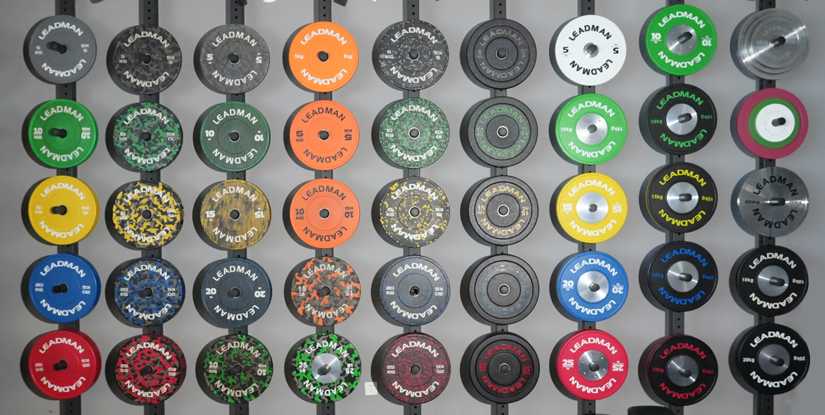
- Cast Iron: Near-zero replacement frequency due to material integrity; primary upkeep involves basic surface cleaning.
- Rubber/Urethane: Periodic replacement required as coatings crack, peel, or lose adhesion due to heavy mechanical use and environmental shifts.
For wholesalers and distributors, sourcing high-density cast iron ensures that the inventory remains a stable asset. While the initial unit price for coated plates might seem competitive, the cumulative cost of frequent replacements and increased labor for maintenance often makes the cast iron option the more fiscally responsible choice for long-term facility scaling.
Logistics Optimization and Bulk Procurement Efficiency
Beyond material durability, B2B buyers must account for the logistical variables inherent in wholesale procurement. Because black cast iron weight plates are high-density products, shipping density plays a decisive role in the landed cost per unit. Unlike lighter, volume-heavy alternatives, the compact footprint of solid iron allows for more efficient container utilization during international transit, maximizing the weight-to-volume ratio for sea freight.
When managing large-scale inventory, MOQ considerations often dictate the final margin. High-density iron allows distributors to pack more functional weight into a single shipment, effectively lowering the per-kilogram shipping cost. Furthermore, the robust nature of the black coating provides a layer of protection against oxidation during long-term storage in varied warehouse environments. This minimizes the risk of surface degradation before the product even reaches the facility, ensuring that wear and tear in high-traffic facilities remains a manageable variable rather than a constant procurement headache.
Optimizing Inventory Turnover and Storage Density
The physical dimensions of your equipment dictate your facility's long-term operational efficiency. When sourcing black cast iron weight plates, procurement managers must look beyond the unit price to consider how the product's profile influences the total facility footprint. High-density storage is a critical factor in maximizing usable square footage in premium commercial environments.
Unlike bulkier urethane-coated alternatives, commercial iron weight plates typically offer a slimmer profile, allowing for higher storage density on vertical racks and specialized plate trees. This compact form factor is essential for high-traffic facilities where inventory turnover is rapid and floor space is at a premium. By optimizing the spatial efficiency of your lifting zones, you reduce the overhead associated with cluttered weight rooms and improve the seamless movement of athletes through the training area.
Storage Configuration and Maintenance Comparison
Selecting a storage strategy requires balancing floor space against long-term maintenance labor. While the inherent cast iron plate durability ensures these units can withstand rigorous stacking, the choice between vertical and horizontal configurations impacts your gym equipment lifecycle cost through different wear patterns and accessibility speeds.
Vertical storage systems, such as wall-mounted racks or upright trees, are generally preferred for high-traffic zones due to their minimal footprint. However, horizontal plate trees may offer better stability for heavier loads. Below is a comparison to assist in your procurement decision-making process:
| Storage Configuration | Spatial Footprint | Maintenance Complexity | Ideal Application |
|---|---|---|---|
| Vertical (Wall/Upright) | Low / Minimal | Low (Easy access) | Boutique studios & high-density gyms |
| Horizontal (Plate Trees) | Moderate | Medium (Floor clearance) | Large commercial weight rooms |
| Bulk Floor Stacking | High | High (Manual handling) | Temporary storage or shipping prep |
For distributors and facility owners, investing in high-quality vertical storage often yields a better ROI by keeping the floor clear and reducing the frequency of equipment reorganization. When calculating total ownership costs, always factor in how your chosen storage method interacts with the weight and thickness of your specific plate inventory.
Preventing Oxidation and Managing Logistics
To protect the long-term value of your inventory, maintaining coating integrity is paramount. While the inherent cast iron plate durability is high, exposure to humidity in high-traffic training zones can lead to surface oxidation. We recommend establishing routine maintenance cycles where staff perform quick visual inspections for surface wear or moisture buildup. A simple application of specialized protective treatments can prevent rust, ensuring the black finish remains consistent and professional-looking over several years.
For distributors and large-scale buyers, logistics efficiency is heavily influenced by packaging and MOQ considerations. When ordering in bulk, ensure your supplier utilizes reinforced, moisture-resistant packaging to prevent damage during transit and long-term warehousing. Strategically managing your Minimum Order Quantity (MOQ) allows for better shipping density, reducing the per-unit freight cost while ensuring you have sufficient buffer stock to meet rapid turnover demands without compromising the asset's aesthetic or structural quality.
Sourcing Strategies for Bulk Commercial Iron Orders
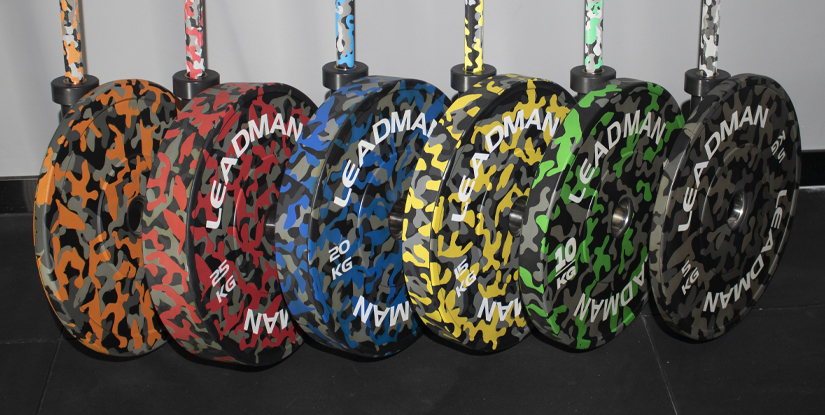
Transitioning from small-scale retail purchasing to high-volume procurement requires a fundamental shift in how facility managers evaluate black cast iron weight plates. While retail models focus on single-unit convenience, commercial-scale sourcing prioritizes logistics efficiency, unit cost reduction, and standardized manufacturing consistency.
Scaling Beyond Retail: the Wholesale Advantage
For distributors and large-scale fitness operators, sourcing commercial iron weight plates directly from manufacturing hubs offers significant advantages over local gym supply stores. Moving toward wholesale procurement allows buyers to navigate MOQ (Minimum Order Quantity) requirements to secure better pricing tiers, which is essential for maintaining healthy margins in competitive markets.
Direct-from-factory sourcing provides more than just lower unit costs; it offers control over the technical specifications of the order. When purchasing in bulk, buyers can better manage shipping density and container optimization, ensuring that the heavy freight costs associated with iron products do not erode the projected ROI. Establishing a relationship with a factory-direct supplier enables more predictable lead times and consistent quality control for large-scale facility fit-outs.
Procurement managers must weigh the immediate convenience of local availability against the long-term margin benefits of direct international sourcing. Choosing between a domestic distributor and a direct factory involves a strategic trade-off between speed and total landed cost.
Direct Factory vs. Local Distributor Comparison
| Sourcing Model | Cost-per-Unit | Lead Times | Quality Control (QC) | Logistics Complexity |
|---|---|---|---|---|
| Direct Factory | Lowest (Bulk Tier) | Extended (Sea Freight) | Direct Oversight/Customizable | High (Customs/Import Management) |
| Local Distributor | Higher (Markup Included) | Short (Ready to Ship) | Third-Party Verified | Low (Domestic Shipping) |
While a local distributor minimizes gym equipment lifecycle cost by reducing immediate shipping hurdles and lead times, the direct factory model is often superior for large-scale facility launches. For projects requiring massive volumes of black cast iron weight plates, the ability to negotiate specific tolerances and optimize container loading directly with a manufacturer can significantly lower the total cost of ownership despite the increased logistical oversight required.
Mitigating Hidden Procurement Risks
Maximizing long-term ROI requires looking beyond the initial invoice to account for logistical variables and quality assurance. One of the most significant hidden costs in bulk orders is inefficient shipping weight optimization. Because iron is exceptionally dense, improper palletization or suboptimal container loading can lead to excessive freight surcharges that diminish your margins.
To protect your gym equipment lifecycle cost, implement rigorous inspection protocols before the shipment leaves the factory. Relying solely on manufacturer claims is insufficient for high-volume orders; instead, demand specific durability verification through standardized testing. This includes checking for dimensional tolerances and surface uniformity to ensure every unit meets commercial standards. By integrating these strict quality control measures and optimizing weight distribution during the packing phase, buyers can prevent costly returns and ensure the reliability of their heavy equipment assets.
Risk Mitigation in Global Procurement and Quality Control
Procurement managers must look beyond initial unit costs to identify hidden maintenance liabilities. When sourcing black cast iron weight plates in bulk, the primary risk involves inconsistent manufacturing standards that lead to premature degradation and increased labor costs for facility upkeep.
Surface Finish and Oxidation Vulnerabilities
A common failure point in low-tier commercial iron weight plates is the lack of uniform surface coating consistency. If the protective layer is thin or unevenly applied, the underlying metal becomes highly susceptible to oxidation risks. In high-humidity gym environments or coastal regions, substandard coatings lead to rapid rust formation. This not only diminishes the aesthetic value of the equipment but also necessitates frequent cleaning and re-coating cycles, driving up the total cost of ownership.
To mitigate these issues, distributors should demand rigorous quality control (QC) standards from their manufacturers. Verification should include inspections for coating adhesion strength and uniform thickness across entire production batches to ensure long-term durability and minimal maintenance intervention.
Evaluating Coating Options for Long-Term Maintenance
Selecting the appropriate finish is a critical decision for balancing upfront procurement budgets against long-term operational expenses. Different surface treatments offer varying levels of protection against the environmental stressors typical in commercial fitness facilities, such as humidity and frequent handling.
| Finishing Method | Durability Rating | Maintenance Frequency | Rust Resistance | Cost-Effectiveness |
|---|---|---|---|---|
| Powder Coating | High | Low | Excellent | High (Long-term ROI) |
| Liquid Paint | Moderate | Medium | Good | Moderate |
| Raw Cast Iron | Low | High | Low | Low (High upkeep) |
While raw iron offers the lowest initial price point, the high frequency of cleaning and rust prevention required often negates any savings. For distributors and facility owners, powder-coated finishes generally provide the most reliable cast iron plate durability, reducing the need for frequent replacements and labor-intensive upkeep.
Optimizing Logistics and Batch Consistency
To protect the gym equipment lifecycle cost, procurement strategies must extend to the factory floor and logistics chain. Relying on a single, unverified shipment can lead to discrepancies in weight tolerances and aesthetic uniformity. To ensure high-volume reliability, professional distributor procurement should prioritize manufacturers that offer strict batch consistency protocols. This ensures that a shipment ordered today matches the physical dimensions and coating quality of an order placed six months from now.
Furthermore, managing the Minimum Order Quantity (MOQ) and shipping stability is essential for maintaining lean inventories without risking stockouts. A robust factory inspection process—either conducted by a third party or through detailed pre-shipment documentation—is a non-negotiable step. Verifying that the manufacturer can maintain steady output and stable shipping lanes prevents the logistical bottlenecks that often disrupt commercial facility expansions or seasonal inventory replenishment.