Cast Iron Plates Cons | Managing Cast Iron Plate Guide
Economic Implications of Cast Iron Inventory for Distributors
When evaluating heavy iron inventory, distributors must weigh immediate procurement savings against long-term operational overhead. A professional assessment requires checking three critical checkpoints: the risk of surface degradation, the technical specifications of protective coatings, and the logistical complexity of managing heavy, oxidation-prone stock in warehouse environments.
Analyzing the TCO of Iron Weight Stocks
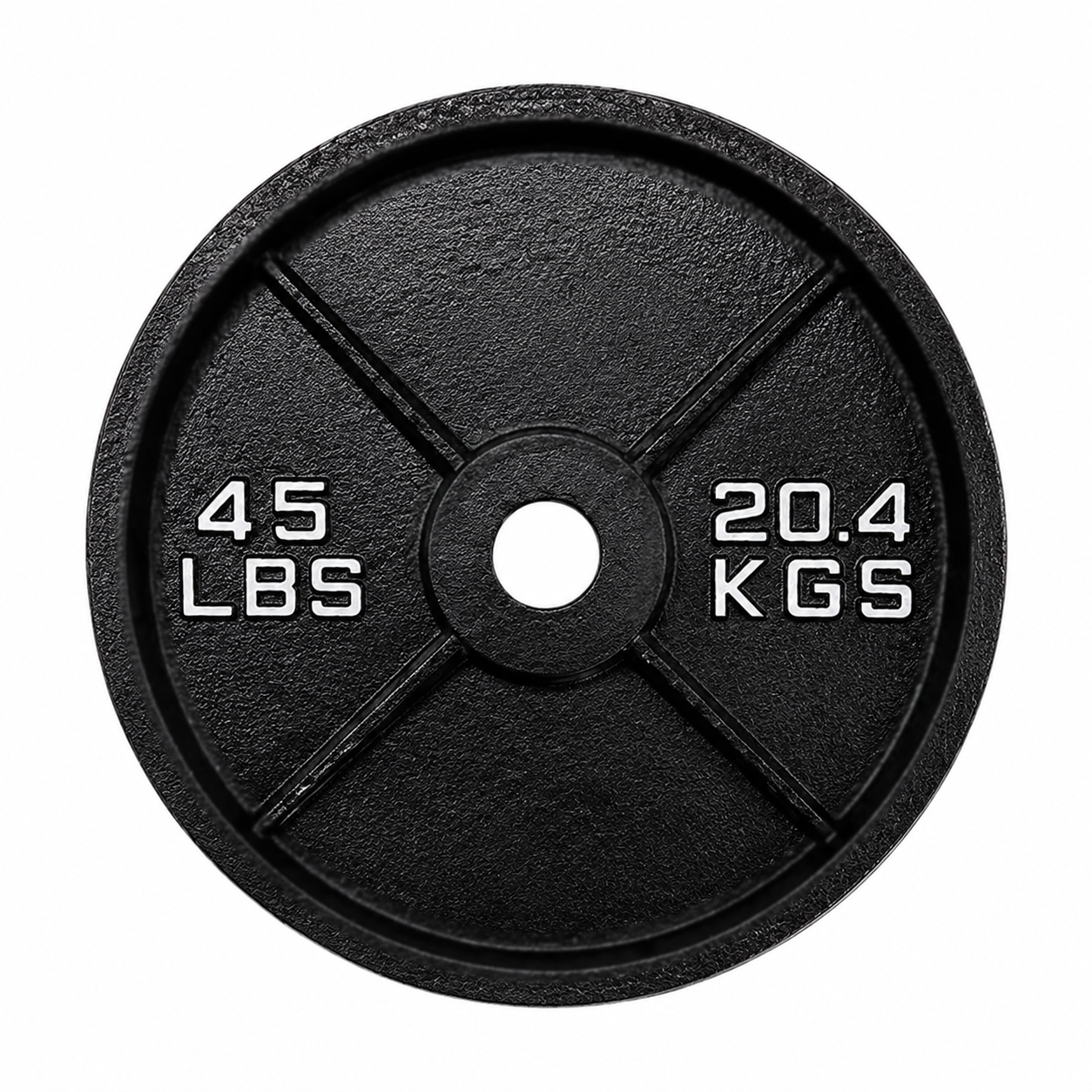
While the initial purchase price of cast iron is often lower than urethane alternatives, the true cast iron plates cons emerge when calculating the Total Cost of Ownership (TCO). Without strict oxidation prevention protocols, moisture exposure can lead to rust, which diminishes the aesthetic value and resale potential of the equipment. For high-volume distributors, this necessitates a budget for periodic commercial weight plate maintenance, such as re-coating or chemical treatments, to maintain gym equipment durability standards and ensure the product remains retail-ready for long-term facility use.
Surface Treatment and Maintenance Cost Comparison
To optimize procurement strategies, buyers should evaluate the trade-off between upfront capital expenditure and long-term upkeep. Selecting the appropriate surface finish directly affects the frequency of maintenance and the eventual lifespan of the inventory in humid or high-traffic environments.
| Treatment Type | Initial Investment | Maintenance Frequency | Long-term Durability | Primary Use Case |
|---|---|---|---|---|
| Raw Cast Iron | Lowest | High (Regular oiling/cleaning) | Moderate (Prone to rust) | Budget/Home Gyms |
| Powder Coated | Mid-Range | Low (Minimal surface care) | High (Resistant to moisture) | Commercial Facilities |
| Rubber Coated | Highest | Very Low (Impact protection) | Very High (Optimal longevity) | Premium Strength Zones |
For distributors focusing on high-turnover wholesale, powder-coated options often provide the most balanced ROI. This finish mitigates the most significant cast iron plates cons by providing a reliable barrier against oxidation without the extreme price premium of full urethane or heavy rubber encapsulation.
Optimizing Procurement Through MOQ and Quality Control
Scaling inventory involves a delicate balance between minimizing logistics costs and adhering to strict gym equipment durability standards. Large-scale buyers often face high MOQ (Minimum Order Quantity) requirements when sourcing premium-finished plates, which can tie up capital. To mitigate this, we recommend a tiered procurement strategy: consolidate orders for high-volume, powder-coated items to leverage shipping efficiencies, while maintaining smaller, targeted stock of specialized weights.
Furthermore, rigorous quality control (QC) during the manufacturing stage is non-negotiable. A single batch of poorly cast or improperly coated plates can compromise facility safety through uneven weight distribution or accelerated surface degradation. By implementing strict inspection protocols at the factory level—verifying both dimensional accuracy and coating adhesion—distributors can prevent the costly return cycles and reputational damage often associated with the inherent cast iron plates cons of lower-tier wholesale shipments.
Mitigating Oxidation Risks in High-Humidity Environments
One of the primary cast iron plates cons for international distributors is the susceptibility to moisture-induced rust. When sourcing for regions with coastal climates or high-humidity environments, facility management must account for the chemical reaction between oxygen and untreated iron surfaces, which can degrade the aesthetic and structural integrity over time.
Managing Environmental Degradation
Effective commercial weight plate maintenance begins with controlling the storage atmosphere. Without strict oxidation prevention protocols, even high-quality cast iron can develop surface pitting. We recommend that procurement managers evaluate the coating specifications during the initial order to ensure the product can withstand local ambient humidity levels. Implementing regular climate-controlled storage and routine surface inspections is essential for maintaining long-term asset value and preventing premature replacement cycles in large-scale gym installations.
Comparing Surface Finishes for Long-Term TCO
Distributors and facility owners must weigh initial procurement costs against the long-term Total Cost of Ownership (TCO). Choosing a finish is not merely an aesthetic decision; it is a strategic move to align with gym equipment durability standards and local environmental challenges. A lower upfront cost on raw iron may lead to higher labor costs for rust remediation later.
| Finish Type | Durability Level | Maintenance Frequency | Cost-Effectiveness |
|---|---|---|---|
| Raw Cast Iron | Low (High Oxidation Risk) | Frequent (Requires oiling) | High (Low Initial Cost) |
| Clear Lacquer | Moderate (Temporary Seal) | Occasional (Inspect for chips) | Moderate |
| Powder Coating | High (Industrial Grade) | Minimal (Low Touch-up) | Optimal (Long-term ROI) |
When calculating shipment volumes and MOQ, consider that powder-coated options offer better protection against the salt-heavy air of coastal gym locations. While raw plates are budget-friendly for short-term pop-up studios, premium commercial facilities typically opt for coated finishes to reduce the frequency of replacement and minimize labor-intensive cleaning schedules.
Optimizing Logistics and Storage Protocols
To mitigate the inherent risks of moisture exposure during transit and warehousing, distributors should prioritize strict storage protocols. For large-scale shipments, we advise requesting moisture-resistant packaging, such as vacuum-sealed pallet wraps or heavy-duty plastic liners, to shield the iron from sea air and condensation during long-haul ocean freight. This reduces the likelihood of surface oxidation before the shipment even reaches the facility.
Once the inventory arrives, seasonal maintenance planning becomes critical. In climates with high seasonal humidity, avoid storing plates directly on concrete floors, as rising dampness accelerates rust. Instead, utilize elevated metal racks or palletized shelving to ensure air circulation. For distributors managing high-volume stock, implementing a routine inspection cycle—specifically during peak humidity months—allows for early detection of surface wear, ensuring that the inventory remains compliant with professional gym equipment durability standards throughout its lifecycle.
Floor Protection and Impact Management Strategies
While cast iron plates offer unmatched density, their primary drawback involves the significant kinetic energy transferred during heavy lifting. Without proper impact management, the repeated force of dropping or even setting down heavy plates can cause structural damage to subfloors, leading to costly facility repairs and compromised facility safety.
To mitigate these cast iron plates cons, procurement managers must integrate high-density flooring types into their initial facility layout. Effective commercial weight plate maintenance extends beyond cleaning; it requires a robust foundation that absorbs shock and prevents lateral movement. Selecting the correct surface significantly impacts the total cost of ownership by protecting both the equipment and the building infrastructure.
| Flooring Solution | Impact Absorption | Durability Rating | Procurement Focus |
|---|---|---|---|
| High-Density Rubber Tiles | Moderate | High | Standard gym/studio setups |
| Multi-Layered Drop Mats | Extreme | Very High | Heavy lifting/Powerlifting zones |
| EVA Foam Mats | Low | Moderate | Light commercial/Home use |
When calculating the long-term ROI of a facility, the choice between specialized lifting platforms and standard flooring impacts both maintenance frequency and structural longevity. The following comparison highlights how different surfaces manage the physical stress associated with heavy cast iron weight sets.
| Surface Material | Impact Absorption | Durability | Cost-Effectiveness |
|---|---|---|---|
| Rubber Mats | Moderate | High | Excellent for general use |
| Wood/Platform | Low | High | Ideal for specialized zones |
| Concrete | Minimal | Extreme | Low initial cost; high risk |
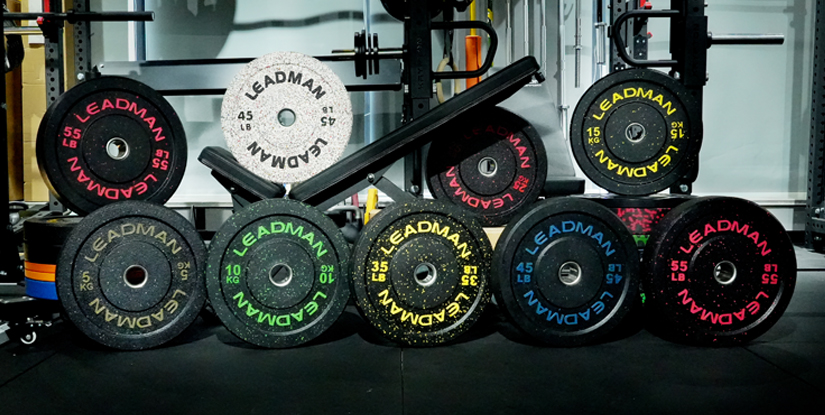
For distributors and facility owners, relying solely on concrete is a high-risk strategy due to potential cracking and noise transfer. Integrating high-grade rubber or dedicated lifting platforms provides a necessary buffer, ensuring that the weight of the iron does not compromise the building's subfloor over extended operational lifecycles.
Optimizing Equipment Longevity Through Environmental Control
Beyond physical impact, environmental factors play a decisive role in maintaining equipment integrity. One of the most significant cast iron plates cons in high-humidity regions is the tendency for surface oxidation. For distributors and wholesale buyers, providing guidance on cast iron oxidation prevention is essential to ensure clients meet high gym equipment durability standards. Uncontrolled moisture leads to rust, which not only degrades the aesthetic value but also affects the precision of the plate diameter over time.
Effective long-term management requires a structured maintenance cycle rather than reactive repairs. Procurement specialists should advise facility managers to implement strict moisture control protocols, such as utilizing industrial dehumidifiers in training zones. A standard professional maintenance cycle typically involves quarterly inspections of the coating integrity and periodic application of specialized protective oils. By integrating these preventive measures, operators can extend the usable lifespan of their iron inventory and reduce the frequency of replacement orders.
Standardizing Maintenance Schedules for Commercial Facilities
From a facility management perspective, the primary cast iron plates cons involve the gradual degradation of surface integrity due to environmental exposure. Unlike rubber-coated alternatives, raw cast iron is susceptible to oxidation when moisture levels are not strictly controlled. Failure to implement a routine commercial weight plate maintenance program can lead to unsightly rust, which complicates inventory turnover and diminishes the perceived value of your gym equipment.
To mitigate these issues, distributors and gym owners should prioritize consistent oxidation prevention through periodic cleaning and specialized coating reapplications. Effective maintenance schedules typically involve inspecting storage areas for humidity spikes and ensuring plates are wiped down after heavy use in high-sweat environments. By standardizing these protocols, you protect your initial procurement investment and extend the functional lifespan of the metal components.
Choosing the correct finish at the procurement stage significantly dictates your long-term operational workload. While raw finishes offer the lowest initial cost, they demand rigorous humidity control to meet gym equipment durability standards. In contrast, treated surfaces provide a buffer against environmental wear, though they require different upkeep strategies.
| Finish Type | Maintenance Frequency | Durability Profile | Cost-Effectiveness (TCO) |
|---|---|---|---|
| Raw Cast Iron | High (Monthly inspections) | Moderate (Prone to oxidation) | High initial savings; higher labor costs |
| Painted Finish | Medium (Seasonal) | Good (Surface protection) | Balanced; standard for boutique studios |
| Powder Coated | Low (Annual/Bi-annual) | Excellent (High impact resistance) | Higher upfront; lowest long-term TCO |
When evaluating wholesale options, consider that powder coating typically offers the best protection against the friction and moisture common in high-traffic commercial settings. For distributors managing large-scale inventory, investing in treated finishes can reduce the frequency of replacement requests and simplify the logistical burden of quality control during long-term facility use.
Operationalizing Routine Inspection and Facility Upkeep
To maintain high gym equipment durability standards, facility managers must transition from reactive repairs to a proactive routine inspection framework. A standardized checklist should include a monthly physical audit of all iron plates to identify early signs of surface pitting or structural hairline fractures. This prevents minor issues from escalating into full-scale replacement cycles that disrupt your operational continuity.
Implementing professional facility upkeep requires more than just cleaning; it demands strict moisture control within storage zones. We recommend that procurement officers integrate humidity monitoring into their facility management protocols, especially in regions with seasonal climate shifts. Maintaining a dry, ventilated environment for your weight plate inventory significantly reduces the labor required for rust removal and ensures your equipment remains in premium, resale-ready condition.
Optimizing Storage and Spatial Footprints
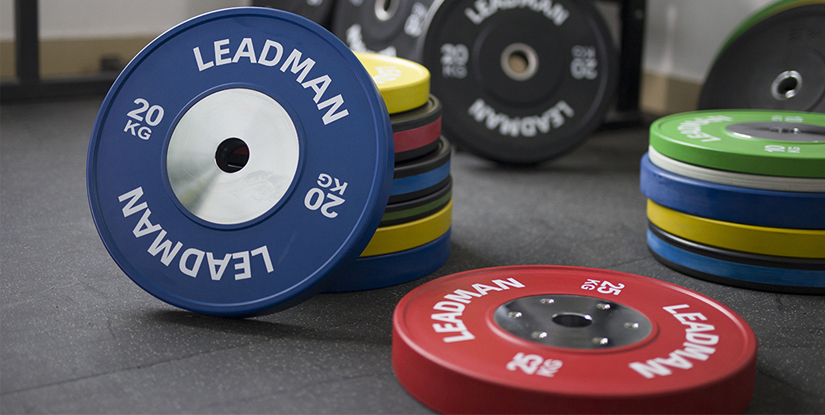
One significant drawback among cast iron plates cons is the substantial spatial footprint they require when not in active use. Unlike compact bumper plates or modular systems, heavy iron discs demand dedicated, high-capacity storage solutions to prevent floor clutter and maintain a professional facility layout.
For distributors and gym owners, managing these spatial challenges is a core component of commercial weight plate maintenance. Without structured vertical or horizontal storage—such as heavy-duty weight trees or multi-tier racks—the sheer volume of cast iron can quickly compromise navigable pathways. Planning for these dimensions during the initial procurement phase ensures that your facility remains safe, organized, and compliant with professional density standards.
Selecting the appropriate configuration depends on your specific facility layout and the accessibility requirements of your training zones. While vertical options prioritize footprint reduction, horizontal systems often offer higher stability for high-volume commercial settings.
Storage Configuration Comparison
| Storage Type | Primary Benefit | Space Impact | Ideal Use Case |
|---|---|---|---|
| Vertical Plate Trees | Compact footprint; maximizes floor area | Minimal (Small radius) | Boutique studios or high-density training zones |
| Horizontal Weight Trees | High stability; easier plate loading | Moderate (Extended length) | Large-scale commercial gyms and heavy lifting areas |
When sourcing storage, procurement managers must consider the total weight capacity to meet gym equipment durability standards. Using low-grade metal racks with heavy iron plates often leads to structural fatigue or tipping hazards. Furthermore, ensuring that all storage units include integrated floor protection—such as rubberized bases or recessed contact points—is essential to prevent damage to high-end gym flooring, which ultimately preserves the long-term value of your facility's infrastructure.
Mitigating Oxidation Through Strategic Placement
Beyond physical dimensions, the environmental context of your storage area directly impacts the longevity of your inventory. Effective cast iron oxidation prevention requires more than just surface coatings; it demands a proactive approach to moisture control within the facility. When sourcing large volumes, avoid storing plates directly on concrete floors or in high-humidity zones without adequate ventilation. High-traffic areas with significant perspiration or proximity to outdoor entryways can accelerate rust formation if the organized storage system is not shielded.
From a procurement decision standpoint, we recommend specifying storage solutions that elevate the plates slightly above the floor level. Whether utilizing tiered metal racks or elevated platforms, maintaining airflow around the discs prevents stagnant moisture buildup. This strategic placement minimizes long-term maintenance costs and ensures your equipment remains in top condition, protecting your initial investment and maintaining the aesthetic standards expected by premium commercial clients.
Quality Control Benchmarks for Wholesale Sourcing
Procurement managers must recognize that certain cast iron plates cons involve long-term structural risks if quality standards are ignored. While cast iron is exceptionally durable, substandard manufacturing can lead to brittle failure or uneven weight distribution, which directly compromises facility safety and increases liability in high-traffic commercial gyms.
Mitigating Structural and Surface Risks
Reliable sourcing requires vetting factories on their ability to maintain consistent structural integrity through controlled cooling processes. Beyond the physical build, effective commercial weight plate maintenance begins at the factory level with high-grade coating applications. Implementing strict oxidation prevention protocols—such as utilizing premium powder coating or specialized industrial lacquers—is essential to prevent rust buildup, ensuring the equipment remains professional and functional for years of heavy use.
Surface Treatment Comparison for Long-Term Durability
When evaluating wholesale orders, the distinction between surface treatments determines the total cost of ownership. Choosing the wrong finish can lead to premature oxidation, increasing the maintenance workload for gym owners and decreasing the resale value for distributors. Use the technical comparison below to align your procurement decisions with the specific environmental needs of your clients' facilities.
| Treatment Method | Durability Level | Oxidation Resistance | Cost-Effectiveness |
|---|---|---|---|
| Raw Cast Iron | Moderate | Low (High Rust Risk) | Highest (Low Initial Cost) |
| Powder Coating | High | High | Optimal (Balanced ROI) |
| E-Coating/Industrial Paint | Very High | Superior | Lower (Premium Pricing) |
For high-humidity environments or boutique studios, investing in powder coating typically offers the most reliable defense against corrosion. While raw iron is budget-friendly for bulk shipments, the subsequent labor required for cast iron oxidation prevention often outweighs the initial savings in commercial settings.
Inspection Criteria for High-Volume Procurement
To protect long-term ROI, procurement specialists must look beyond the unit price and audit specific manufacturing precision. High-quality batches should meet rigorous gym equipment durability standards regarding physical geometry. During the inspection phase, prioritize checking for thickness uniformity across the entire set; uneven density can cause instability during high-velocity lifts. Additionally, verify edge smoothness to ensure there are no jagged protrusions or casting burrs that could damage flooring or cause user injury.
Logistical integrity is equally critical for international trade. Ensure your supplier utilizes moisture-proof packaging, such as heavy-duty polybags or vacuum-sealed wraps, to prevent transit-related corrosion before the shipment even reaches your warehouse. When negotiating MOQ considerations, ensure the minimum order quantity does not compromise these quality control protocols. A slightly higher minimum order that includes standardized protective packaging often results in a lower total cost of ownership by reducing replacement rates and maintenance cycles.