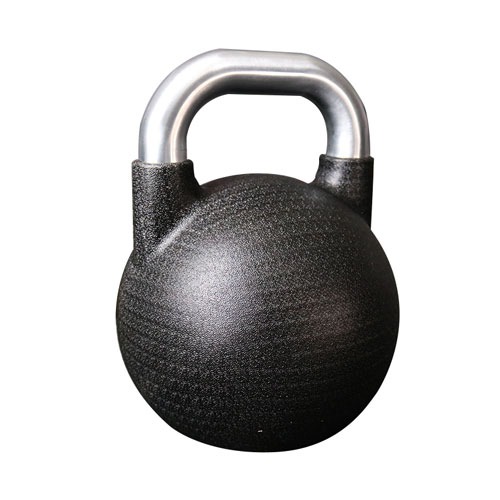
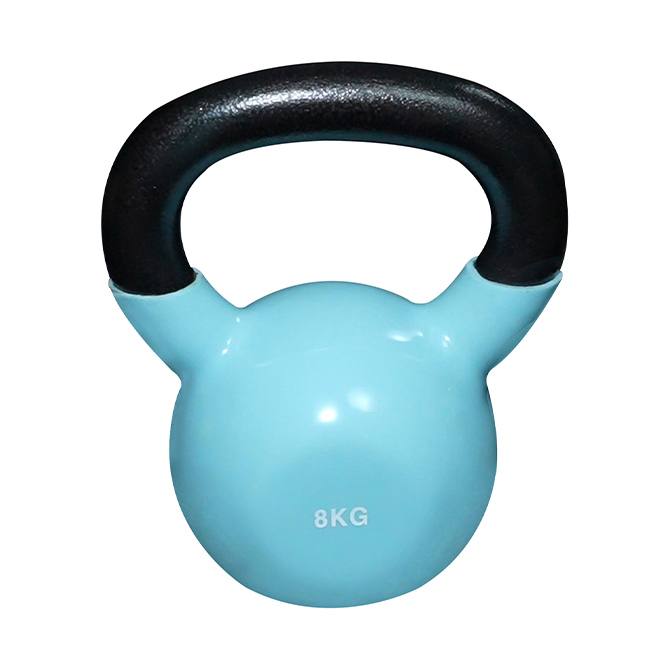
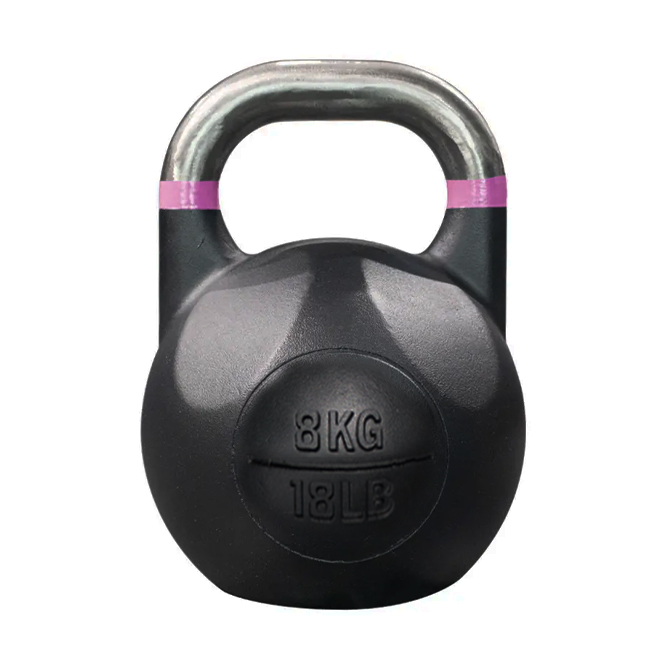
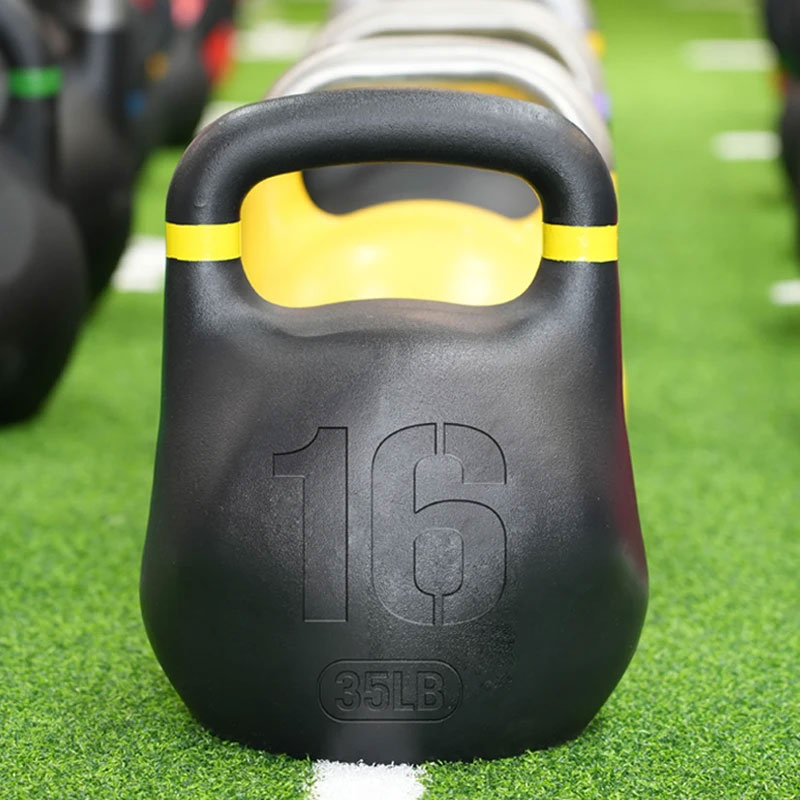
Cast Iron Kettlebell: OEM Contract Manufacturing and Supply
Cast Iron Kettlebell Sourcing for Global Distributors
For international gym equipment distributors and large-scale fitness retailers, the challenge of maintaining high margins while ensuring product consistency is a constant pressure. Whether you are supplying a boutique studio chain or stocking a massive warehouse for regional distribution, sourcing a reliable cast iron kettlebell directly from a China factory is the most effective way to control your landed cost and maximize your distributor margin. Relying on third-party traders often introduces unnecessary middleman markups and inconsistent quality control, which can jeopardize your brand reputation.
Optimizing your supply chain requires more than just finding a low price; it requires a partner capable of handling complex wholesale cast iron kettlebells orders with precision. By establishing a direct relationship with an OEM supplier, you gain transparency into the production cycle, allowing for better inventory planning and more predictable shipping schedules for your clients.
Sourcing Efficiency and Margin Optimization
When evaluating your next procurement cycle, consider the total cost of ownership rather than just the unit price. A professional commercial kettlebell manufacturer provides value through standardized weight tolerances and durable finishes that reduce replacement rates. Below is a comparison of the typical sourcing models used by professional importers to determine the best fit for their business scale.
| Sourcing Model | Primary Advantage | Typical MOQ | Best For |
|---|---|---|---|
| Local Retail Distributor | Low initial risk | No minimum | Small boutique studios |
| International Trading Company | Simplified logistics | Low to Medium | Small-scale importers |
| Direct China factory Sourcing | Maximum distributor margin | Medium to High | Large-scale distributors |
| Custom branded kettlebells (OEM) | Brand identity control | High | Global fitness brands |
For distributors looking to scale, moving toward custom branded kettlebells allows you to transition from a mere reseller to a recognized brand owner. This shift requires a partner capable of high-level ODM services, ensuring that your logo, color specifications, and packaging meet your specific market standards. Managing these variables through a single factory contact simplifies your sourcing workflow and ensures that every container arrives with the exact specifications requested.
Choosing between a standard stock order and a full customization project is a critical decision for your inventory management. While stock orders offer faster turnaround, investing in custom branded kettlebells through a dedicated commercial kettlebell manufacturer builds long-term brand equity and customer loyalty. To ensure your procurement process is seamless, we recommend requesting a detailed specification sheet and a sample evaluation before committing to a full container load.
Before finalizing your purchase, confirm the specific MOQ for your desired weight range and finish type. Our production team can also provide detailed information regarding export packaging and container loading optimization to minimize your shipping costs. Whether you require a simple logo application or a complete product redesign via ODM, we provide the technical support necessary to ensure your shipment meets all commercial-grade standards upon arrival.
Quality Assurance and Export-Ready Standards
Maintaining consistent product weight and surface finish is the most significant pain point for distributors receiving bulk shipments. A single batch of non-compliant weights can lead to costly returns and damage your reputation with commercial clients. To mitigate this risk, a professional cast iron kettlebell production line must implement a rigorous quality control (QC) protocol. This includes verifying weight tolerances for every single unit, inspecting the integrity of the handle, and ensuring the powder coating or paint application is uniform and durable for high-traffic gym environments.
Beyond the physical product, the efficiency of your logistics depends heavily on the quality of the export packaging. For high-volume importers, we utilize reinforced, heavy-duty cartons designed to withstand the rigors of ocean freight and long-distance container transport. This prevents damage during handling and ensures that your warehouse staff receives organized, intact inventory. By optimizing the loading pattern within a container, we help you reduce the per-unit shipping cost, directly improving your overall landed cost and maximizing your competitiveness in the North American market.
To move forward with your procurement planning, we invite you to contact our team to request a formal quote or a detailed product specification sheet. We can provide specific information regarding our current MOQ for various weight increments, as well as lead times for custom branding projects. For distributors requiring high-level customization, we also offer comprehensive support for factory audits and sample approvals to ensure every aspect of your order aligns with your brand identity and commercial standards.
Optimizing Inventory with Wholesale Cast Iron Kettlebells
Efficient warehouse management is a critical lever for distributors looking to maximize profit margins. When sourcing a cast iron kettlebell, the strategic decision to bypass middle-tier traders and work directly with a China factory can significantly reduce your landed cost. By managing your own stock levels through direct wholesale channels, you gain better control over your inventory turnover and can respond more rapidly to local market demand fluctuations.
For many distributors, the primary challenge lies in balancing the high cost of storage against the need for immediate availability. Utilizing wholesale cast iron kettlebells allows you to leverage economies of scale, ensuring that your most popular weights remain in stock without exhausting your working capital. Establishing a predictable sourcing rhythm with a reliable supplier helps mitigate the risks of stockouts and sudden price hikes in the global shipping market.
| Procurement Model | Inventory Strategy | Landed Cost Impact | Typical MOQ |
|---|---|---|---|
| Local Retail Distributor | Small batches, high frequency | High markup per unit | Low/No minimum |
| Direct Factory Sourcing | Bulk shipments, optimized turnover | Minimized middleman costs | High/Tiered |
| Custom Branded OEM | Long-term brand asset building | Optimized for scale | Customized per SKU |
Choosing custom branded kettlebells via an OEM agreement further enhances your competitive edge. Instead of competing on price alone with generic products, you build long-term brand equity while maintaining the cost advantages of a factory-direct supply chain. This approach ensures that your cast iron kettlebell offerings are not just commodities, but recognizable assets within your professional fitness catalog.
When evaluating your supply chain, the choice between a standard stock order and a specialized ODM approach often determines your long-term scalability. A professional commercial kettlebell manufacturer provides more than just physical units; they offer a structured framework for product differentiation through specialized weight increments and custom finishes. Understanding these structural differences allows distributors to better forecast their capital expenditure and manage the complexities of international logistics.
Comparing Sourcing Models for Global Distribution
The following comparison illustrates how different procurement routes affect your operational efficiency, specifically regarding lead time and the ability to scale a private label identity. For professional buyers, the transition from a trader-based model to a direct OEM partnership is often a pivotal step in stabilizing the landed cost of high-density iron goods.
| Sourcing Factor | Third-Party Trader Model | Direct Manufacturer Model |
|---|---|---|
| Primary Focus | Small-scale availability | High-volume distribution |
| Lead Time Control | Highly variable and unpredictable | Standardized based on production cycles |
| Branding Capability | Limited to generic stock | Full capacity for custom branded kettlebells |
| Shipping Efficiency | LCL or small parcel focus | Optimized for full container loading (FCL) |
| Price Stability | Subject to trader markups | Directly tied to raw material and factory costs |
To ensure your inventory remains both diverse and cost-effective, we recommend reviewing our current production schedules and MOQ requirements. Contact our team to request a detailed specification sheet, confirm your desired weight coverage, or discuss a potential factory audit to verify our quality control standards before your next bulk order.
Protecting Distributor Margins via QC and Export Packaging
For high-volume importers, the true cost of a cast iron kettlebell is not just the unit price, but the total landed cost inclusive of damage-related returns. Inconsistent casting or poor surface finishing can lead to significant replacement costs that erode your distributor margin. A professional commercial kettlebell manufacturer must implement a rigorous QC protocol that inspects every unit for structural integrity, weight accuracy, and coating uniformity before it enters the export pipeline.
Reliable export packaging is equally vital to maintaining the durability of your shipment during long-haul sea freight. Using reinforced, heavy-duty cartons and optimized palletization ensures that your wholesale cast iron kettlebells arrive at your warehouse in peak condition, minimizing breakage and reducing the overhead associated with damaged goods. When you partner with a dedicated factory, you are investing in a supply chain that prioritizes product stability and shipment efficiency, directly supporting your long-term ROI and professional brand reputation.
Custom Branded Kettlebells and OEM Manufacturing Capabilities
Establishing a distinctive brand identity is a critical strategic move for fitness distributors looking to move beyond generic commodity trading. When you source a cast iron kettlebell through our professional OEM services, you are not just buying equipment; you are investing in a proprietary product line that builds long-term market authority.
Generic, unbranded iron weights often lead to price wars and low margins. By utilizing custom branded kettlebells, distributors can implement specific color schemes, unique handle textures, and precision-etched logos that align with a premium private label strategy. This level of differentiation allows your business to occupy a higher market positioning tier, shifting the conversation from lowest-cost procurement to high-value brand equity. Whether you require specific weight increments or specialized finishes for professional gym equipment, our factory provides the technical infrastructure to scale your unique vision.
Technical Precision in Customization and Production
A high-performing commercial kettlebell manufacturer must offer more than just basic shapes; we provide a comprehensive technical platform for complete product differentiation. For distributors and studio owners, the ability to control the fine details of a product determines the success of a private label launch. Our technical processes are designed to meet strict commercial standards while allowing for high-level aesthetic and functional customization.
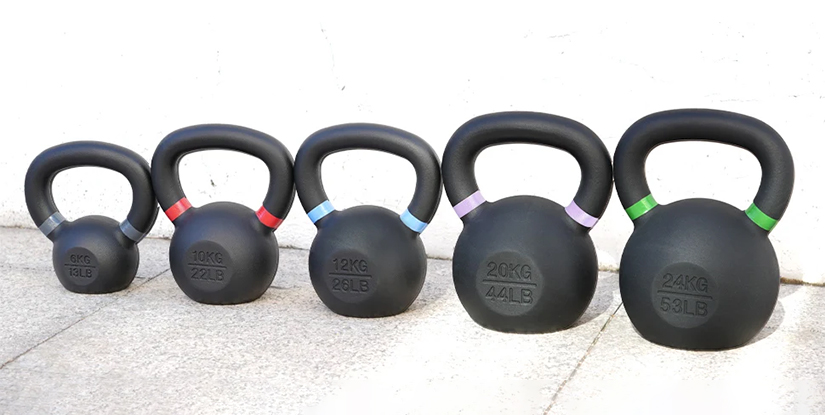
Our manufacturing capabilities extend to advanced surface treatments and structural customization. We offer professional logo embossing directly into the iron casting, ensuring your brand remains permanent and does not wear off under heavy commercial use. To enhance product durability and visual appeal, we provide high-grade powder coating in various colors, which serves as a protective layer against oxidation and adds a premium feel to the cast iron kettlebell. Beyond aesthetics, we support custom weight increments and specialized mold customization to meet specific training requirements or niche market demands.
The following table outlines the standard customization options available for bulk procurement through our wholesale cast iron kettlebells service, helping you evaluate the scope of your potential product line.
| Customization Feature | Standard Wholesale Option | Premium OEM/ODM Option |
|---|---|---|
| Branding Method | Standard Weight Relief | Precision Logo Embossing or Laser Etching |
| Surface Finish | Basic Black Paint | Multi-color Powder Coating or Textured Finish |
| Weight Specification | Standard International Increments | Custom Weight Increments and Mold Design |
| Handle Profile | Standard Smooth Casting | Custom Ergonomic or Textured Grip Profiles |
| Production Scale | Stock Order Fulfillment | Full Scale Private Label Manufacturing |
For procurement leads managing large-scale deployments, our high production capacity ensures that your custom orders move from the design phase to shipping without excessive lead time delays. Whether you are looking to refresh an existing product line or launch a completely new brand, our factory provides the scalability required to maintain consistent quality across all batches. We recommend contacting us to discuss your specific MOQ and to request a technical spec sheet for your custom design concept.
| Procurement Category | Standard Stock Procurement | Full OEM/ODM Custom Solutions |
|---|---|---|
| Branding Scope | Generic weight relief only | Custom logo embossing and brand identity integration |
| Color & Finish | Standard black paint or raw iron | Premium powder coating and custom color palettes |
| Weight Increments | Standardized industry increments | Customized weight sets and specialized molds |
| Product Differentiation | Low; highly competitive commodity market | High; builds proprietary brand equity |
| Typical MOQ | Lower threshold for stock availability | Higher requirements for specialized tooling |
| Lead Time Profile | Short; based on existing inventory | Extended; includes design and mold validation |
When evaluating your next batch, understanding these procurement tiers is essential for managing your landed cost and inventory turnover. While stock orders offer speed for immediate replenishment, a full OEM or ODM approach allows you to build a specialized product line that stands apart from generic competition. For distributors aiming to capture higher margins, the ability to control every specification—from the handle texture to the final color finish—is a significant competitive advantage.
We recommend that procurement officers contact our team to confirm the specific MOQ for customized production runs. Once your design requirements are finalized, we can provide a detailed quote and a projected timeline for your first production cycle. Whether you require a sample for quality evaluation or a full-scale factory audit, our team is ready to support your brand's expansion into the global commercial fitness market.
Commercial Kettlebell Manufacturer Quality Control and Standards
Selecting a reliable commercial kettlebell manufacturer is a strategic decision that directly impacts your long-term distributor margins and brand reputation. For importers sourcing from a China factory, the primary B2B sourcing risks involve inconsistent weight accuracy and substandard surface treatments that lead to high return rates and client dissatisfaction.
To mitigate these risks, professional quality control protocols must focus on three critical technical dimensions. First, the weight tolerance must be strictly regulated; even a slight deviation in a cast iron kettlebell can lead to non-compliance with commercial gym standards. Second, the surface finish—typically a powder coating or high-grade paint—must be uniform to prevent premature oxidation and chipping during high-frequency use. Finally, the structural durability of the handle and casting must be verified to ensure long-term safety in high-traffic environments.
By prioritizing these technical specifications during the sourcing process, distributors can ensure that every wholesale cast iron kettlebells batch delivered to their clients meets the rigorous demands of professional strength facilities, thereby reducing the total cost of ownership and replacement planning overhead.
Technical Inspection Stages for High-Volume Production
Reliable production requires a multi-stage inspection framework to ensure every unit meets strict commercial-grade specifications. A professional commercial kettlebell manufacturer implements rigorous checks starting at the raw material level to prevent structural flaws. During the casting phase, specialized technicians perform crack detection to identify any micro-fractures that could compromise the integrity of the cast iron kettlebell under heavy use. This stage is vital for maintaining long-term safety and reducing replacement liability for your clients.
Once the casting is complete, the focus shifts to surface and precision testing. We prioritize coating consistency through standardized application methods, ensuring the finish is resilient against impact and moisture. Following the finish, each unit undergoes a strict weight verification process to guarantee precision. This level of detail is essential when ordering wholesale cast iron kettlebells, as it ensures that your inventory meets the high expectations of professional strength coaches and facility managers. Before any container is sealed, a final pre-shipment inspection is conducted to verify that the entire batch aligns with your specific custom branded kettlebells requirements and global export standards.
| Technical Specification | Standard Production (Retail/Budget Grade) | High-End Commercial-Grade Standard |
|---|---|---|
| Weight Deviation | +/- 5% to 10% variance | Strict +/- 1% to 2% tolerance |
| Surface Texture | Rough casting with uneven edges | Smooth, precision-molded finish |
| Handle Smoothness | Potential friction points or burrs | Ergonomic, seamless grip surface |
| Coating Durability | Basic paint prone to chipping | High-impact powder coating or advanced finish |
| Packaging Standard | Single-unit retail boxing | Reinforced export-grade bulk packaging |
| Typical Application | Home use or low-traffic studios | High-throughput professional gym facilities |
The differences outlined above represent the critical gap between a standard product and a professional-grade tool. When managing large-scale procurement, even minor deviations in handle smoothness or weight accuracy can lead to significant logistical headaches and increased replacement costs. For distributors, opting for a higher standard of manufacturing ensures a lower total cost of ownership for the end-user and stabilizes your long-term brand value.
To ensure your inventory meets these professional requirements, we recommend requesting a detailed technical spec sheet or a sample evaluation before finalizing any bulk order. Our team can also provide guidance on specialized custom branded kettlebells production to ensure your brand identity is perfectly integrated with high-performance hardware. Please contact us to confirm your specific MOQ or to book a factory audit for your next large-scale shipment.
Efficient Export Packaging and Container Loading Logistics
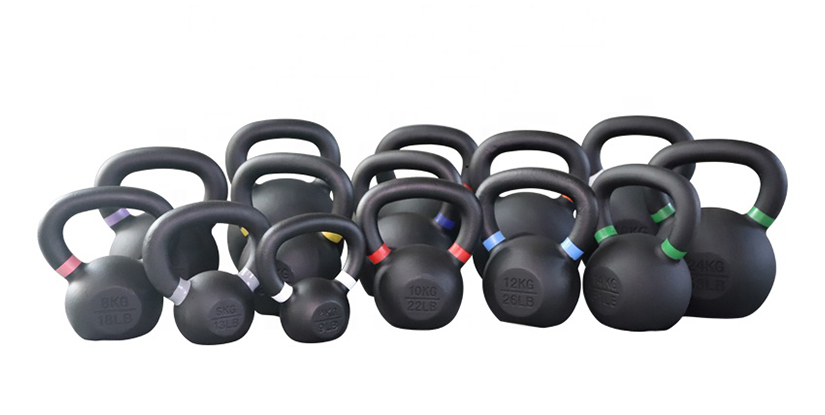
Optimizing the logistics chain for a cast iron kettlebell requires more than just standard boxing; it demands a strategic approach to volume density and structural integrity. For international distributors and gym equipment importers, the primary goal is to minimize the landed cost by maximizing container utilization while ensuring zero breakage during sea freight. A professional China factory understands that improper stacking or insufficient protection leads to damaged goods, high return rates, and eroded profit margins for the wholesale buyer.
To achieve high shipping efficiency, we implement standardized export packaging protocols designed specifically for heavy, high-density iron products. This involves using reinforced corrugated cartons, heavy-duty dividers, and palletization strategies that prevent shifting during transit. By optimizing the weight-to-volume ratio, we help importers reduce the per-unit shipping expense, ensuring that every cubic meter of the container is utilized effectively for custom branded kettlebells and bulk orders.
Logistics Optimization and Damage Prevention
Effective container loading is a critical component of the procurement process for any commercial kettlebell manufacturer. Because iron weights are exceptionally heavy, the loading sequence must be calculated to maintain a stable center of gravity within the shipping container. We utilize heavy-duty pallets and specialized bracing techniques to ensure that the cast iron kettlebell units do not collide or cause structural damage to the container walls or other cargo during ocean transit.
A robust damage prevention strategy includes multiple layers of protection: moisture-resistant wrapping to prevent surface oxidation and high-impact edge protectors for the outer packaging. This level of detail is essential for maintaining the premium quality of your wholesale inventory from the moment it leaves our factory until it reaches your warehouse. By focusing on these technical specifications, we ensure that your sourcing process remains predictable, cost-effective, and highly scalable for large-scale commercial deployments.
Packaging and Loading Method Comparison
Selecting the appropriate loading method is a decisive factor in managing the total cost of ownership. Procurement managers must weigh the speed of unloading against the density of the cargo. For distributors managing high-volume wholesale cast iron kettlebells, the choice between palletized and loose loading significantly impacts both labor costs at the destination and the final landed cost per unit.
| Loading Method | Description | Best Use Case | Logistics Advantage |
|---|---|---|---|
| Palletized Loading | Units are secured on heat-treated pallets and shrink-wrapped for stability. | High-end studio equipment and custom branded kettlebells. | Rapid unloading via forklift; minimizes manual handling risks. |
| Loose Loading (Floor Loading) | Individual boxes are stacked manually to fill every void in the container. | Mass-market distribution and high-volume wholesale orders. | Maximizes volumetric weight efficiency; reduces empty space. |
| Mixed SKU Pallets | Combining various weights on a single palletized structure. | Diverse gym setups and specialized boutique studio orders. | Streamlines inventory sorting and warehouse organization. |
When sourcing through a professional commercial kettlebell manufacturer, we provide detailed loading plans to prevent volumetric weight issues. For heavy iron products, the constraint is usually weight rather than volume; therefore, maximizing the weight-to-volume ratio is essential. We recommend confirming your specific MOQ and weight distribution requirements with our factory team before finalizing the shipping plan. This ensures that your sourcing strategy accounts for both sea freight stability and efficient warehouse receiving protocols.
Rigorous Pre-Shipment Inspection and Quality Assurance
Maintaining product integrity requires a disciplined QC protocol that begins long before the container is sealed. For professional buyers, the risk of receiving a batch with surface defects, dimensional inaccuracies, or weight deviations is a significant threat to distributor margins. To mitigate this, our factory executes a multi-stage pre-shipment inspection designed to ensure every cast iron kettlebell meets strict commercial-grade tolerances. This systematic approach provides the necessary transparency for overseas importers to confirm that their bulk orders align perfectly with the approved samples.
Our inspection process covers three critical layers of quality control. First, we verify the structural integrity and weight accuracy of each unit to ensure compliance with international standards. Second, we examine the surface finish and coating durability to prevent premature oxidation during long-haul sea transit. Finally, we conduct a rigorous loading supervision phase. This involves a final check of the heavy-duty cartons and moisture protection layers to guarantee that the wholesale cast iron kettlebells are protected against the high-humidity environments typical of ocean freight. By prioritizing these technical checkpoints, we act as a reliable supplier that protects your reputation and minimizes the potential for costly replacements or returns.
Strategic Procurement: From Sample Approval to Bulk Delivery
Navigating the transition from a single approved prototype to a full-scale shipment requires rigorous oversight to protect your distributor margins. For professional buyers, the primary risk in cast iron kettlebell procurement is not the initial sample, but the variance that occurs during high-volume production cycles. A reliable commercial kettlebell manufacturer must implement a systematic workflow that bridges the gap between individual sample validation and mass manufacturing.
The process begins with a formal sign-off on a physical specimen to establish the baseline for weight, texture, and coating. Once the factory receives this approval, the production timeline is triggered, typically encompassing casting, cooling, grinding, and finishing stages. To ensure batch uniformity, our China factory utilizes standardized molds and automated weight-checking protocols. This oversight is essential for wholesale cast iron kettlebells, where even a minor deviation in consistency in weight and finish can lead to costly returns or damaged brand reputation among commercial end-users.
Strict quality control (QC) standards are applied at every milestone, from raw iron inspection to the final powder coating application. By integrating these checks throughout the wholesale cycle, we mitigate the risk of structural defects or surface inconsistencies. For those seeking custom branded kettlebells, this meticulous approach ensures that your private label identity remains premium and uniform across every unit delivered to your warehouse.
Understanding the logistical architecture of a bulk order is critical for optimizing your landed cost and inventory turnover. For distributors, the procurement cycle is not a single event but a sequence of controlled stages designed to mitigate shipping delays and unexpected capital outlays. A professional commercial kettlebell manufacturer must provide transparency regarding the time required for production, customs clearance, and final port delivery to ensure your warehouse remains stocked without excessive overhead.
The following table outlines the typical workflow for large-scale orders, comparing the time investment required for standard versus customized orders. This structure helps procurement leads plan their seasonal inventory cycles and manage client expectations regarding lead times.
| Procurement Stage | Standard Wholesale Order | Custom Branded Order | Primary Focus for Importers |
|---|---|---|---|
| Sample Approval | 1–2 Weeks | 3–5 Weeks | Weight and Finish Verification |
| Production Lead Time | 30–45 Days | 45–60 Days | MOQ and Mold Setup |
| QC & Packaging | 7–10 Days | 10–14 Days | Export-Grade Durability |
| Ocean Freight/Logistics | 25–40 Days | 25–40 Days | Landed Cost Optimization |
When sourcing wholesale cast iron kettlebells, the complexity of the order significantly impacts the total lead time. Standardized production allows for faster turnaround, whereas custom branded kettlebells require additional time for specialized mold adjustments, logo application, and unique color coatings. We recommend that buyers initiate the sourcing process at least three months ahead of peak seasonal demand to account for these variables and ensure a smooth transition from the factory to your local distribution center.
Efficient logistics management extends beyond the production line. To minimize the total landed cost, we optimize container loading density and utilize reinforced export packaging designed to withstand long-distance maritime transit. Whether you are managing a small studio supply or a large-scale distributor network, aligning your procurement schedule with these established industry-standard timelines will protect your ROI and ensure consistent product availability for your clients.