Are Cast Iron Plates Good | Evaluating Cast Iron Plate
Defining Quality Standards for Commercial Cast Iron Plates
Cast iron plates are dense, heavy-duty weight increments used primarily in strength training environments. B2B buyers favor them for their cost-effectiveness and high density, making them essential for high-traffic gym settings where durability and long-term structural integrity are required under heavy use.
Prioritizing Structural Integrity and Density Consistency
For distributors and facility managers, assessing cast iron plate durability begins with the internal composition. High-quality manufacturing must ensure density consistency throughout the casting process to prevent air pockets or structural weaknesses. Without strict commercial weight plate inspection protocols, plates may develop hairline fractures or uneven weight distribution over time. Maintaining a uniform density is critical for ensuring the plates can withstand the rigors of constant loading and unloading in professional environments.
Beyond internal density, the external finish dictates the long-term maintenance cycle and aesthetic longevity of your inventory. For high-volume distributors, the choice between a raw finish and specialized coatings represents a trade-off between initial procurement costs and the total cost of ownership (TCO). A substandard coating can lead to premature oxidation or chipping, which complicates inventory management and reduces the resale value of the equipment.
Comparing Coating Methods for Longevity
| Coating Type | Surface Finish | Impact Resistance | Long-term Wear | Maintenance Needs |
|---|---|---|---|---|
| Powder Coating | Smooth, uniform texture | High (resists chipping) | Excellent; prevents oxidation | Minimal; wipe clean |
| Industrial Paint | Standard matte/gloss | Moderate | Susceptible to scratches | Occasional touch-ups |
| Raw Cast Iron | Rough, industrial texture | Maximum | High risk of rust/oxidation | Frequent oiling required |
When sourcing for premium commercial facilities, we generally recommend powder-coated options. While the initial unit cost may be higher than raw iron, the reduced frequency of rust-related inspections and the ability to maintain a clean, professional appearance provides a superior ROI for large-scale gym operators.
The Procurement Bottom Line: TCO and ROI
When deciding if are cast iron plates good for your specific inventory or facility needs, the decision must extend beyond the initial invoice price. For professional distributors and gym owners, a smart procurement decision balances upfront costs against the long-term maintenance cycles and equipment lifespan. Selecting plates that adhere to high durability standards—such as those with premium powder coatings—minimizes the need for frequent replacements and oxidation treatments. Ultimately, investing in superior casting quality and protective finishes ensures a much higher long-term ROI by reducing the total cost of ownership in high-traffic commercial environments.
Critical Inspection Points for Bulk Procurement
For distributors and facility managers, the long-term ROI of a shipment depends on rigorous commercial weight plate inspection protocols. Assessing the structural integrity of the iron core is vital to prevent cracking under heavy impact, while verifying surface coating quality ensures the product resists oxidation and chipping in high-traffic environments.
Evaluating Cast Iron Plate Durability
High-volume buyers must look beyond basic weight accuracy to ensure cast iron plate durability. A substandard casting process can lead to internal air pockets or uneven density, compromising the plate's lifespan. During your quality control phase, verify that the edges are smooth and the center bore is perfectly concentric to avoid uneven wear on barbells and sleeves. High-quality powder coating or specialized paint serves as a critical barrier, preventing rust—a common failure point in humid or high-use commercial settings.
Technical QC Checklist for Arrival Inspections
To mitigate the risk of receiving defective stock, procurement teams should implement a standardized physical audit upon container arrival. Inspecting for microscopic cracks or casting flaws is essential, as these structural weaknesses can lead to catastrophic failure during high-intensity training. Ensure the plates exhibit uniform thickness across the entire surface to maintain balance during heavy lifting.
Furthermore, perform a mechanical adhesion test on the surface finish. Check for signs of paint chipping or flaking, which often indicate poor surface preparation before the coating process. A robust, high-quality finish is a primary indicator of long-term rust resistance. If the coating appears brittle or shows uneven coverage, the shipment may fail to meet professional gym equipment quality standards, leading to premature oxidation and increased maintenance costs for the end-user.
Comparison of Inspection Indicators
To streamline your quality control process, use the following comparison to distinguish between budget-tier products and professional-grade equipment. Identifying these subtle differences during a warehouse audit can save distributors from high return rates and client dissatisfaction.
| Defect Type | Low-Quality Sign | Commercial-Grade Standard | Impact on Durability |
|---|---|---|---|
| Surface Texture | Bubbling or uneven pitting | Smooth, uniform coating | Increases rust vulnerability |
| Edge Profile | Jagged or sharp casting edges | Precision-ground, smooth radius | Accelerates barbell sleeve wear |
| Structural Core | Visible air pockets or cracks | High-density, solid casting | Risk of catastrophic breakage |
| Bore Centricity | Off-center or irregular hole | Perfectly concentric precision | Causes uneven weight distribution |
When sourcing in bulk, prioritizing these technical benchmarks ensures your inventory meets the rigorous demands of commercial strength facilities. A higher initial investment in precision casting often results in a lower total cost of ownership due to reduced replacement frequency.
Evaluating Coating Integrity and Oxidation Resistance
For distributors and facility managers, the longevity of an inventory depends heavily on the quality of the surface finish. In high-traffic environments, the protective layer serves as the primary defense against environmental degradation. A failure in coating integrity often leads to premature oxidation, which can compromise the aesthetic and structural professional standards of a commercial gym.
A rigorous commercial weight plate inspection should always prioritize the uniformity of the coating. Even minor imperfections or microscopic cracks can become entry points for moisture, leading to rust that affects cast iron plate durability over time. Buyers must evaluate how different finishes hold up against constant friction and humidity exposure.
| Coating Type | Durability Level | Maintenance Requirement | Best Use Case |
|---|---|---|---|
| Powder Coated | High | Low (Periodic Wipe) | Standard Commercial Gyms |
| Black Enamel | Moderate | Medium (Rust Check) | Boutique Studios |
| Raw/Natural Iron | Low | High (Oil Treatment) | Home or Specialized Strength Labs |
When calculating the total cost of ownership (TCO), procurement specialists must look beyond the initial unit price. While raw iron may offer the lowest upfront acquisition cost, the long-term labor and replacement expenses can be significant. Powder coating, for instance, offers superior resistance to chipping and abrasion, which reduces the frequency of onsite upkeep. Conversely, raw finishes require regular oiling to prevent oxidation, a task that is often neglected in high-volume facilities. Choosing a finish that aligns with your facility's climate and maintenance staff capacity is essential for maximizing your return on investment.
Optimizing Shipment Inspection and Storage Protocols
To protect your investment, implement a strict shipment inspection process upon arrival. Verify that all units are free from surface oxidation or chipped edges that suggest transit damage. Avoid any moisture exposure during the unloading phase, as even brief contact with damp loading docks can trigger surface rust.
Effective quality control (QC) extends to your storage protocols. Store incoming inventory in climate-controlled environments or elevated racking to prevent ground-level dampness. Implementing these rust prevention habits ensures that your stock maintains high gym equipment quality standards while awaiting deployment or sale.
Dimensional Precision and Compatibility Requirements
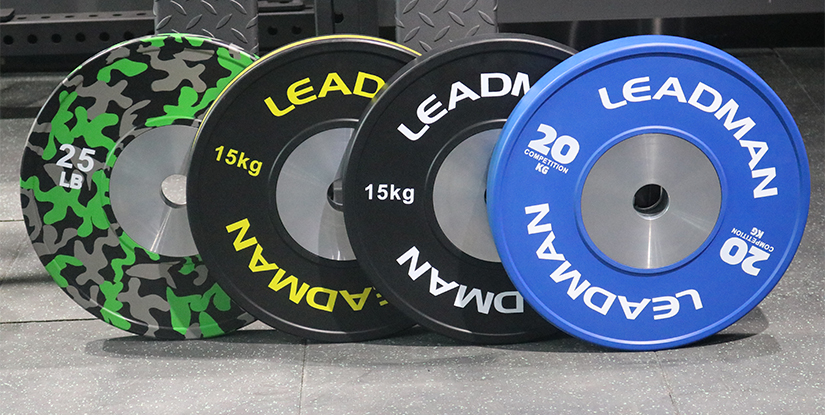
For B2B procurement managers, the true value of a shipment is determined by how seamlessly the inventory integrates with existing barbell systems. High-quality cast iron plates must maintain strict dimensional precision to ensure they fit standard Olympic sleeves without excessive wobble or friction-induced wear.
The Impact of Tolerance Levels on TCO
Strict tolerance levels are critical during a commercial weight plate inspection. If diameters vary beyond acceptable industry standards, the resulting compatibility issues can damage expensive barbell sleeves and increase maintenance frequency. In high-traffic environments, even minor deviations lead to uneven weight distribution and increased mechanical stress. Prioritizing precision over the lowest unit price enhances long-term cost-efficiency by reducing replacement cycles and extending the lifespan of your entire strength training ecosystem.
When evaluating the total cost of ownership, buyers must weigh the immediate savings of mass-market production against the long-term reliability of precision-engineered equipment. Choosing the wrong manufacturing tier can lead to hidden costs in the form of frequent replacements and damaged barbell sleeves.
Manufacturing Specification Comparison
| Specification Metric | Standard Mass-Market Production | High-Precision Commercial Grade |
|---|---|---|
| Diameter Tolerance | Higher variance; potential fitment issues | Strict adherence to Olympic standards |
| Surface Uniformity | Inconsistent; uneven weight distribution | Consistent thickness and smooth finish |
| Manufacturing Cost | Low initial unit price; higher replacement frequency | Higher upfront investment; optimized ROI |
| Ideal Use Case | Budget-focused home gyms or light use | High-traffic commercial facilities and distributors |
While standard production may lower your initial MOQ expenditure, premium specifications ensure that the weight remains stable under heavy loading. For distributors and facility owners, investing in higher precision reduces the risk of client complaints regarding equipment quality and ensures a more durable product lifecycle.
Receiving Inspection and Logistics Quality Control
Effective procurement extends beyond the initial order; it requires a rigorous receiving inspection protocol at the loading dock. To verify cast iron plate durability, technicians should manually test the bar sleeve fit on a sample of premium barbells. A perfect fit ensures the plates center correctly without excessive play, which is a hallmark of gym equipment quality standards. A professional wholesale procurement tip for distributors is to check for casting flaws or uneven coating thickness immediately upon arrival. Identifying these discrepancies early prevents the high cost of returning defective bulk shipments and ensures your inventory meets the expectations of high-performance commercial clients.
Logistics and Export Packaging for Heavy Iron Goods
When evaluating if are cast iron plates good for long-term inventory, B2B buyers must look beyond the unit price to the total landed cost. A low initial quote can quickly become an expensive liability if the supplier neglects high-standard export packaging, leading to increased logistics costs and replacement claims.
Protecting Margin Through Transit Damage Prevention
Effective transit damage prevention is a core component of a professional commercial weight plate inspection. For distributors, the goal is to ensure that heavy iron shipments arrive without chipped edges or coating abrasions. High-density palletizing and reinforced steel strapping are essential to mitigate the physical stresses of ocean freight. Without robust packaging protocols, the cost of replacing damaged goods often outweighs any initial savings gained from a lower MOQ or base price, ultimately impacting your bottom line and reliability as a supplier.
Packaging Configurations and Cost Implications
Procurement managers must decide between standard domestic-grade packaging and heavy-duty export configurations based on shipping distance and inventory turnover. While standard options reduce initial costs, they may not provide sufficient protection for long-haul ocean freight or multi-modal transport.
| Configuration Type | Palletization Method | Protection Level | Cost Impact |
|---|---|---|---|
| Standard Domestic | Basic wooden pallet | Minimal; light abrasions possible | Lower upfront cost |
| Standard Export | Reinforced pallet + Shrink wrap | Moderate; protects against moisture | Mid-range |
| Premium Industrial | Steel-reinforced crate + Corner guards | Maximum; prevents edge chipping | Higher shipping/unit cost |
Selecting the premium tier is often a strategic decision for international distributors. While the unit cost is higher, the investment in superior protection minimizes the risk of damaged goods during transit, ensuring that the cast iron plate durability remains intact from the factory floor to your warehouse.
Quality Control and Loading Supervision
To safeguard long-term cast iron plate durability, procurement specialists should prioritize suppliers who implement rigorous pre-shipment inspection protocols. Relying solely on factory-level testing is insufficient; true quality assurance requires active loading supervision to verify that weight distributions are balanced and that heavy iron loads are secured correctly within containers. This oversight ensures that every shipment meets strict gym equipment quality standards before leaving the port. By validating the structural integrity and coating resilience during the final packing stage, distributors can prevent the structural failures and cosmetic defects that often lead to costly returns and diminished brand trust in high-traffic commercial environments.
Sourcing Strategies for OEM and Wholesale Orders
When determining if are cast iron plates good for your long-term inventory, the decision hinges on the total cost of ownership (TCO) rather than just the initial unit price. B2B buyers must weigh the immediate savings of direct sourcing against the logistical agility of local networks.
Factory-Direct vs. Local Distributor: the ROI Calculus
Choosing between factory-direct vs. local distributor models requires a strategic look at your scale and storage capacity. Sourcing directly from a manufacturer often yields the lowest per-unit cost and allows for custom branding, but it necessitates higher MOQ considerations and carries greater shipping risks. Conversely, working with a local distributor reduces lead times and simplifies commercial weight plate inspection, as you can verify the physical quality of the coating and structural integrity before final payment. For high-volume distributors, direct sourcing maximizes margins, whereas boutique gym owners often find better value in local procurement to minimize transit damage and inventory holding costs.
To optimize your procurement budget, use the following comparison to evaluate which model best aligns with your operational scale and quality requirements. Selecting the right path ensures that cast iron plate durability is not compromised by logistical mismanagement or substandard gym equipment quality standards.
| Sourcing Model | Unit Cost | Quality Control (QC) | Logistics Complexity |
|---|---|---|---|
| Direct Factory (OEM) | Lowest | Requires 3rd-party inspection | High (International Freight) |
| Wholesale Importer | Moderate | Standardized batches | Medium (Regional Shipping) |
| Local Distributor | Highest | Immediate physical verification | Low (Domestic Delivery) |
While direct sourcing offers the highest margin potential for large-scale distributors, it demands rigorous oversight of the manufacturing process. For many facility managers, the ability to perform a hands-on commercial weight plate inspection via a local partner provides a safety net that protects against inconsistent casting or uneven coating thickness.
Mitigating Risk in Large-Scale Procurement
For buyers opting for high-volume international orders, ROI optimization depends on proactive risk management. Since you cannot physically touch every unit, you must mandate a strict bulk order strategy that includes video-based evidence of coating quality and dimensional accuracy. Request high-resolution footage of the surface finish to ensure uniform application, which prevents premature oxidation and maintains cast iron plate durability over years of heavy use.
Furthermore, prioritize shipping damage prevention by requiring reinforced palletization and standardized export packaging. A robust commercial weight plate inspection protocol should be established at the factory level, requiring the supplier to document weight tolerances and structural integrity before the container is sealed. By investing in these preemptive quality control steps, distributors can avoid the high replacement costs and logistical headaches associated with receiving substandard or damaged inventory.
Long-Term Asset Value and Replacement Cycles
For professional distributors and facility owners, the true cost of equipment is measured by its lifecycle rather than the initial purchase price. High-quality cast iron plate durability directly influences the Total Cost of Ownership (TCO) by extending the intervals between replacement cycles. In high-traffic commercial gym settings, inferior casting or substandard coatings lead to premature oxidation and structural chipping, forcing premature capital reinvestment.
Investing in premium-grade materials ensures a higher long-term asset value. While lower-cost alternatives may offer a lower upfront MOQ cost, they often suffer from frequent maintenance cycles and physical degradation. By prioritizing structural integrity during the sourcing stage, procurement managers can minimize operational downtime and ensure the equipment remains a reliable, high-value asset for the duration of its intended service life.
To effectively evaluate the long-term ROI, procurement teams must look beyond the per-unit price and analyze the frequency of replacement. The following comparison outlines how different material compositions impact your facility's operational budget over time.
| Plate Type | Typical Lifespan | Maintenance Needs | Cost-Efficiency Profile |
|---|---|---|---|
| Cast Iron | High (10+ years) | Minimal (Occasional rust prevention) | Highest initial ROI for high-volume use |
| Rubber-Coated | Moderate (5–7 years) | Moderate (Coating repairs/peeling) | Balanced for noise reduction |
| Urethane | Very High (10+ years) | Low (Highly resistant to wear) | High upfront cost; low long-term replacement |
While urethane offers superior surface resilience, cast iron plates remain the standard for distributors seeking the best balance of durability and capital efficiency. For large-scale commercial gym deployments, selecting well-cast iron minimizes the risk of structural failure and reduces the frequency of full-set replacements.
Maximizing your return on investment requires a rigorous commercial weight plate inspection protocol before finalizing any large-scale shipment. Buyers should focus on two critical technical indicators: coating integrity and structural stability. A high-quality finish prevents oxidation and ensures the surface remains smooth under heavy use, while a consistent, void-free casting process prevents hairline fractures that compromise long-term safety.
When conducting a quality audit or reviewing factory samples, look for uniform density and a seamless edge profile. These factors are essential to effective procurement decision-making, as they distinguish between products that will degrade within two years and those that will sustain heavy commercial workloads for a decade. Ensuring these standards are met during the initial sourcing phase protects your margins by reducing the need for unscheduled restocking or equipment replacement.