Barbell Cast Iron Plates | Quality Control Standards For
Evaluating Long-Term Value Beyond Initial Unit Price
For a regional gym franchise expanding across multiple locations, the procurement decision for barbell cast iron plates extends far beyond the initial invoice. While a lower per-unit price might seem attractive for a large-scale rollout, the true cost is dictated by the durability of the commercial weight plate manufacturing process and the subsequent impact on facility upkeep.
Distributors and facility managers must evaluate the Total Cost of Ownership (TCO) to avoid unexpected expenses. This involves weighing the initial capital expenditure against long-term maintenance cycles, such as repainting oxidized surfaces or replacing plates due to structural degradation. A high-quality cast iron plate with consistent coating and precise tolerances reduces the frequency of replacement and keeps the gym floor looking professional for years.
| Procurement Metric | Budget-Tier Casting | Premium Commercial Casting |
|---|---|---|
| Initial Unit Cost | Lower | Moderate to High |
| Maintenance Frequency | High (Rust/Chipping) | Low (Durable Coating) |
| Expected Lifespan | Short-to-Medium | Long-term/High-traffic |
| TCO Profile | Unpredictable/High | Stable/Predictable |
When sourcing in bulk, prioritizing manufacturers that implement rigorous iron plate quality inspection protocols ensures that your investment remains an asset rather than a recurring liability. Opting for superior manufacturing standards helps stabilize your long-term operational budget by minimizing the need for frequent inventory replenishment.
Long-Term TCO Comparison: Manufacturing Standards vs. Operational Impact
Understanding the financial implications of sourcing decisions requires looking past the FOB price. A discrepancy in manufacturing precision or coating thickness may appear negligible during initial unboxing, but these variables dictate the replacement cycle and logistics overhead over a multi-year period. High-tier manufacturing reduces the risk of transit-related defects and surface degradation that often plagues budget-tier imports.
| Operational Factor | Standard/Budget Manufacturing | Premium Commercial Grade |
|---|---|---|
| Replacement Frequency | Frequent (due to uneven weight/cracks) | Minimal (high structural integrity) |
| Coating Durability | High risk of chipping and oxidation | Resilient, high-adhesion finish |
| Logistics & Damage Risk | Higher risk of transit breakage | Optimized, reinforced export packaging |
| Long-term Asset Value | Rapid depreciation/High upkeep | Stable, long-term facility asset |
For distributors managing high-volume inventory, investing in superior barbell cast iron plates protects against the "hidden costs" of low-quality production. By selecting manufacturers that prioritize rigorous quality control and robust shipping standards, procurement managers can ensure that bulk fitness equipment logistics remain cost-effective and that the product remains retail-ready for the duration of its intended service life.
The Logistics Factor: Mitigating Transit-Induced Costs
While unit pricing is a primary KPI, the final landed cost is heavily influenced by the efficiency of bulk fitness equipment logistics. Many buyers overlook the correlation between inadequate protection and the hidden costs of transit damage. Relying on substandard shipping methods to save on freight often results in a higher TCO when shipments arrive with chipped edges, surface oxidation, or structural micro-fractures caused by excessive vibration and impact during sea freight.
To safeguard your margins, ensure your supplier adheres to strict export packaging standards. High-grade commercial plating should be palletized using reinforced steel or heavy-duty timber crates, with individual plate protection to prevent metal-on-metal friction. A rigorous iron plate quality inspection should not end at the factory gate; it must include a verification of the packing density and pallet stability. By prioritizing robust packaging, distributors avoid the logistical nightmare of processing returns and the inevitable loss of profit associated with damaged inventory arriving at the warehouse.
Precision in Commercial Weight Plate Manufacturing
High-volume distributors and gym operators prioritize structural integrity to minimize long-term replacement costs. In professional commercial weight plate manufacturing, the focus extends beyond basic casting to the precision of physical dimensions and material density, ensuring every unit performs reliably under heavy mechanical stress.
The Role of Manufacturing Tolerances and Density
For high-traffic facilities, even slight deviations in weight or thickness can disrupt barbell balance. Strict manufacturing tolerances are essential to ensure that barbell cast iron plates maintain consistent dimensions across a full set. This precision prevents uneven loading on barbell sleeves, which can lead to premature wear on expensive bar equipment. Furthermore, maintaining high density consistency throughout the casting process ensures that the iron is free from internal air pockets or structural voids. Without this internal uniformity, plates may develop micro-fractures over time, compromising their structural integrity during high-impact drops or heavy lifting sessions common in strength training environments.
Evaluating Coating Consistency and Surface Finish
A plate's longevity in a commercial setting is heavily dictated by its surface treatment. A high-quality iron plate quality inspection must scrutinize the application of protective layers to prevent oxidation and ensure rust resistance. Inconsistent coating consistency often leads to premature peeling, exposing the raw iron to moisture and causing unsightly corrosion that diminishes the equipment's aesthetic and functional value.
When sourcing for high-use environments, buyers should evaluate the presence of surface defects such as pitting, uneven spray patterns, or visible casting seams. A refined finish not only protects the metal but also ensures smoother handling for end-users. Use the following comparison to evaluate the durability of common finishing options against your facility's maintenance budget:
| Finishing Type | Rust Resistance | Maintenance Profile | Best Use Case |
|---|---|---|---|
| Black Powder Coating | High | Low; extremely durable | Commercial strength gyms |
| Standard Industrial Paint | Moderate | Medium; prone to chipping | Budget-conscious studios |
| Clear Lacquer/Sealant | Low to Moderate | High; requires periodic re-application | Residential or boutique settings |
Selecting a superior coating method reduces the total cost of ownership by extending the interval between equipment refurbishments and minimizing the need for onsite remediation.
Optimizing Bulk Fitness Equipment Logistics and Transit Safety
Once manufacturing standards are met, the focus shifts to how products withstand the rigors of international transit. Effective bulk fitness equipment logistics require more than just standard shipping; they demand a rigorous export packaging protocol designed for high-density loads. Because cast iron is heavy and lacks elasticity, even minor shifts during ocean or sea freight can cause impact damage or surface chipping if not properly secured.
Professional wholesale procurement managers should verify that suppliers utilize heavy-duty palletization techniques. This involves using reinforced wooden or heat-treated pallets that can support the extreme weight of multiple plate sets without collapsing. High-tier manufacturers implement specific shipping damage prevention measures, such as edge protectors, industrial-grade shrink wrapping, and corner bracing, to stabilize the load within sea containers. By ensuring the cargo remains immobile and shielded from moisture, distributors can mitigate the risk of transit-related defects, ensuring the product arrives at the facility in the same condition it left the factory.
Standardizing Iron Plate Quality Inspection Protocols
For commercial facility managers and distributors, long-term durability depends on strict adherence to manufacturing tolerances. Inconsistent dimensional accuracy across a single batch can lead to uneven weight distribution and premature wear on barbell sleeves, increasing the total cost of ownership for high-traffic gyms.
Reliable commercial weight plate manufacturing requires more than just visual checks; it demands rigorous testing of the physical integrity of the barbell cast iron plates. Discrepancies in thickness or center hole diameter can compromise the safety of the lifting environment and diminish buyer confidence during bulk procurement cycles.
To mitigate the risk of defective shipments, procurement officers should demand specific metrics during the pre-shipment inspection phase. A high-tier factory will provide a technical datasheet outlining the exact ranges for weight deviation and surface treatments. Beyond simple weight accuracy, the uniformity of the coating and the smoothness of the finish determine how easily the plates can be maintained in humid or high-use environments.
Use the following technical parameters to evaluate if a manufacturer's quality control protocols align with commercial-grade standards:
| Inspection Metric | Standard Requirement | Impact on Maintenance & Longevity |
|---|---|---|
| Weight Deviation | ±1% to 1.5% | Ensures balanced loading and barbell sleeve protection. |
| Coating Consistency | Uniform thickness/adhesion | Prevents premature oxidation and surface rust in gym environments. |
| Surface Finish | Smooth, non-abrasive edges | Reduces friction damage to barbell knurling and flooring. |
| Dimensional Accuracy | Tight tolerances on center hole | Prevents wobbling and uneven wear during heavy lifting sets. |
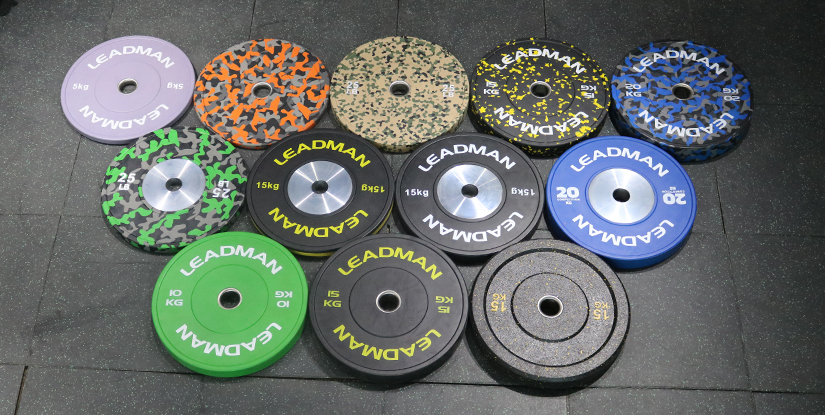
When negotiating bulk fitness equipment logistics, confirm that these iron plate quality inspection results are documented for every production lot. Consistent coating consistency is particularly vital for overseas shipments, as it protects the iron from moisture exposure during long-haul sea freight.
Optimizing Logistics and Export Packaging Standards
Beyond manufacturing precision, the physical integrity of a shipment is determined by the rigor of the export packaging. For distributors managing high-volume orders, substandard packing leads to chipped paint, bent edges, and high return rates, which directly erode profit margins and damage vendor reputation.
Effective bulk fitness equipment logistics requires a standardized approach to palletization and container loading. High-density items like cast iron require heavy-duty, reinforced wooden pallets that can withstand the static load of several tons. Relying on light-duty packaging or loose loading in a container significantly increases the risk of stack crushing and structural deformation during transit.
To ensure shipping damage prevention, verify that your supplier utilizes the following protective layers before the container is sealed:
- Heavy-Duty Corrugated Dividers: Prevents direct metal-to-metal contact between plates, reducing surface abrasions and paint chipping.
- Moisture-Resistant Film or Shrink Wrap: Essential for sea freight to mitigate the effects of salt air and humidity during long-haul transit.
- Edge Protectors: Rigid corner guards that stabilize the stack and prevent pallet straps from cutting into the iron surfaces.
When evaluating MOQ considerations, remember that efficient packaging density affects your landed cost per unit. A supplier capable of optimizing both pallet weight and volume can reduce your shipping overhead while maintaining strict export packaging standards. Always request a detailed packing list and photos of the palletized load to confirm that the weight distribution is optimized for stability and safety before the shipment departs the factory.
Coating Consistency and Surface Integrity Requirements
High-grade barbell cast iron plates must feature a uniform protective layer to withstand the rigors of high-traffic commercial environments. In professional commercial weight plate manufacturing, the focus extends beyond weight accuracy to the structural resilience of the exterior finish.
Preventing Oxidation and Chipping
A primary concern for gym owners and distributors is the long-term durability of the equipment. Inconsistent coating consistency often leads to localized thin spots, making the iron vulnerable to moisture. Without high oxidation resistance, these plates can develop rust, which compromises both aesthetics and structural surface integrity. Furthermore, a brittle or poorly applied finish is prone to chipping during high-impact use or frequent handling. Ensuring a robust, even application of paint or powder coating is essential to minimize maintenance cycles and protect your clients' long-term investment.
Evaluating Coating Methods for Commercial Use
Selecting the appropriate finish involves balancing initial procurement costs against the total cost of ownership. Depending on whether your facility is a high-humidity outdoor training zone or a climate-controlled boutique studio, the choice of coating significantly impacts the frequency of required maintenance and the overall lifespan of the inventory.
| Coating Type | Durability Profile | Maintenance Needs | Typical Setting |
|---|---|---|---|
| Powder Coating | High; excellent impact resistance | Minimal; highly resistant to chipping | Premium commercial gyms |
| Liquid Paint | Moderate; susceptible to scratches | Occasional touch-ups required | Standard fitness studios |
| Electroplating | Very High; superior corrosion protection | Negligible; extremely rugged | High-humidity or outdoor facilities |
When negotiating bulk fitness equipment logistics or sourcing large volumes, we recommend requesting technical specifications regarding the micron thickness of the coating. A thicker, more consistent layer ensures that the barbell cast iron plates remain visually pristine even under heavy use, protecting the distributor from frequent replacement requests due to cosmetic degradation.
Impact of Surface Defects on Logistics and Inventory
A rigorous iron plate quality inspection must prioritize the detection of structural imperfections like pitting or hairline cracks. Even minor surface defects can escalate into significant chipping issues during transit. If the cast iron is brittle or the coating is uneven, the vibration and mechanical stress during bulk fitness equipment logistics can lead to damaged edges and compromised packaging integrity.
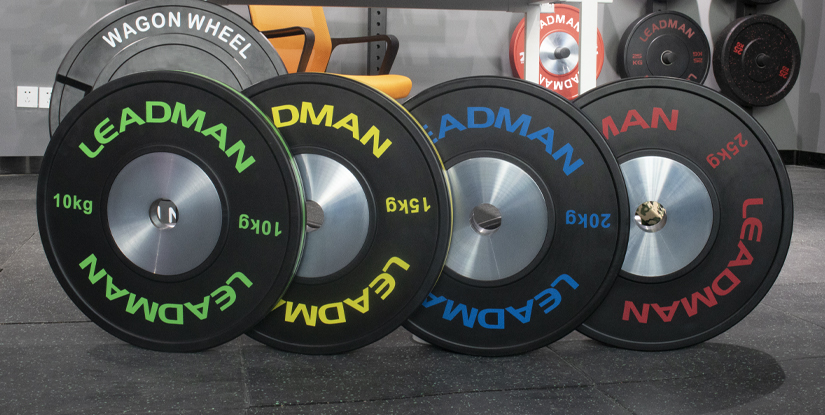
For wholesalers, these flaws translate directly into distributor concerns regarding return rates and warehouse storage efficiency. Damaged plates often result in uneven stacking, which can destabilize palletized shipments and complicate inventory management. To maintain high inventory turnover, procurement managers should ensure that factory-level QC includes stress tests that simulate the rigors of long-distance shipping and heavy-duty stacking in high-volume warehouse storage environments.
Optimizing Bulk Fitness Equipment Logistics and Export Packaging
Efficient bulk fitness equipment logistics requires more than just heavy-duty transport; it demands specialized packaging strategies to mitigate the inherent risks of moving high-density loads. Because barbell cast iron plates represent extreme concentrated weight, improper handling during ocean or road freight can lead to container shifting or surface damage.
To ensure shipping damage prevention, professional suppliers utilize reinforced pallets and heavy-duty shrink wrapping to maintain structural integrity during transit. Furthermore, incorporating moisture protection—such as VCI (Volatile Corrosion Inhibitor) bags or desiccants—is critical to prevent oxidation and rust before the shipment reaches the distributor's warehouse. Selecting a partner that prioritizes these protective layers reduces the Total Cost of Ownership (TCO) by minimizing returns and ensuring the product arrives in pristine commercial condition.
Distributors and procurement managers must weigh the trade-offs between shipping speed and protective density. The following comparison outlines standard configurations used in commercial weight plate manufacturing to help you select the most cost-effective method based on your transit requirements.
| Packaging Configuration | Primary Use Case | Protection Level | Logistical Advantage |
|---|---|---|---|
| Standard Wooden Palletization | Sea freight / Bulk ocean shipping | Moderate (Basic shrink wrap) | Maximizes container volume and weight capacity |
| Reinforced Steel/Wood Crate | Long-distance sea freight | High (Multi-layer protection) | Minimizes impact damage and stack compression |
| Corrosion-Resistant Layering | High-humidity maritime transit | Maximum (VCI + Protective coating) | Prevents rust during extended sea freight transit |
| Lightweight Modular Packing | Air freight / Express courier | Medium (Custom fit) | Reduces dimensional weight and transit time |
During the iron plate quality inspection process, we verify that the protective coating remains intact under simulated transit stress. For high-volume sea freight, we recommend a combination of heavy-duty palletization and moisture-resistant film to safeguard your investment against salt-air exposure. Choosing the right configuration ensures that your inventory arrives ready for immediate commercial use without the need for surface remediation.
Warehouse Management and Inventory Optimization
Effective storage of high-density iron products requires a strategic approach to facility layout. For distributors and large-scale gym operators, managing the footprint of barbell cast iron plates involves balancing high-capacity verticality with strict environmental controls to prevent surface degradation.
To maintain product quality, prioritize humidity control within your warehouse. Even with high-quality coatings, prolonged exposure to moisture in non-climate-controlled environments can lead to oxidation. We recommend utilizing pallet racking systems that keep stock elevated off concrete floors to mitigate rising dampness. When managing inventory turnover, ensure a First-In, First-Out (FIFO) rotation strategy; this prevents older stock from sitting idle, which reduces the risk of long-term environmental wear. Additionally, always adhere to strict stacking limits to prevent structural deformation of the bottom layers and to ensure safety for warehouse personnel during retrieval.
Sourcing Strategies for High-Volume Inventory Management
For distributors and large-scale facility managers, the procurement of barbell cast iron plates is a high-stakes balancing act between maintaining lean inventory turnover and ensuring absolute supply chain reliability. Relying on inconsistent suppliers can lead to mismatched weight sets or shipment delays that stall facility expansions.
The Challenge of Scale vs. Precision
In the realm of commercial weight plate manufacturing, there is a constant tension between mass production and dimensional accuracy. While high-volume production is necessary to meet global demand and lower unit costs, it often risks deviations in diameter or center-hole uniformity. Buyers must prioritize manufacturers who implement rigorous automated inspection protocols to ensure that every batch maintains the exact specifications required for professional barbell compatibility.
Strategic sourcing requires looking beyond the initial quote to evaluate a factory's ability to maintain precision at scale. For high-turnover distributors, a slight variance in plate thickness can disrupt standard pallet stacking and shipping dimensions, ultimately impacting the total landed cost and long-term storage efficiency.
Evaluating Sourcing Models for Scalability
Choosing the right procurement path depends heavily on your operational scale and the degree of oversight required. While direct manufacturing offers the highest margins, it demands more sophisticated logistics management. Conversely, working with distributors or trading companies can mitigate risk but often introduces a markup on the final landed cost.
| Sourcing Model | Typical MOQ | Lead Time | QC Oversight | Logistics Complexity |
|---|---|---|---|---|
| Direct Factory | High (1+ Pallet) | Longer (45-60+ Days) | High (Direct Inspection) | High (Full Export Management) |
| Trading Company | Moderate | Medium (30-45 Days) | Moderate (Third-party) | Moderate (Managed Services) |
| Local Distributor | Low (Case/Set) | Short (Immediate) | Low (Pre-vetted) | Low (Domestic Shipping) |
When managing bulk fitness equipment logistics, the direct factory model is ideal for established brands that can manage iron plate quality inspection remotely or via third-party agents. For smaller gym operators or boutique retailers, utilizing a local distributor provides a more predictable, though slightly more expensive, route to maintaining consistent stock levels without the burden of international freight complexities.
Optimizing Bulk Logistics and Export Standards
Efficiently managing large-scale shipments requires more than just a purchase order; it demands strict adherence to specialized export packaging standards. Because cast iron is heavy, dense, and prone to surface abrasions, the transit phase is often the most vulnerable point in the supply chain. Improper handling can lead to chipped edges or rusted surfaces, even if the product left the factory in pristine condition.
To prevent damage and ensure weight accuracy upon arrival, procurement managers should verify that the supplier utilizes high-grade palletization techniques. This includes using reinforced wooden or heat-treated pallets capable of supporting several tons of weight without collapsing. Furthermore, look for manufacturers who prioritize shipping container optimization through strategic loading patterns. Efficiently stacking plates prevents shifting during maritime transit, which protects both the product integrity and the structural safety of the container. A professional iron plate quality inspection should ideally include a post-packing weight check and a visual audit of the crate stability before the shipment is cleared for departure.