Chest Press Kettlebell: Factory Direct Wholesale Export
Chest Press Kettlebell: Lifecycle Value and TCO Analysis
A high-performance chest press kettlebell is a specialized piece of strength equipment engineered for high-frequency commercial use, providing stability during unilateral or bilateral pressing movements. Professional buyers prioritize these units because high-grade construction ensures long-term utility, making them a foundational asset for any commercial gym inventory.
Procurement professionals often face the hidden costs of low-quality equipment, where frequent replacements and high maintenance loads erode profit margins. By choosing wholesale gym equipment through direct sourcing, distributors can secure units that withstand heavy daily usage. Investing in premium kettlebell manufacturing standards reduces the frequency of replacement cycles and lowers the total cost of ownership across the equipment lifecycle.
Optimizing your commercial kettlebell supply involves evaluating more than just the initial purchase price. A lower upfront cost often results in higher long-term expenses due to surface wear, handle degradation, or weight inconsistencies. A factory-direct approach allows for better control over material density and coating durability, ensuring the equipment remains a functional asset rather than a recurring liability.
| Procurement Factor | Standard Wholesale Option | Premium Factory-Direct Option |
|---|---|---|
| Initial Capital Expenditure | Lower initial cost | Moderate initial investment |
| Replacement Frequency | Higher due to wear | Significantly lower |
| Maintenance Requirements | Frequent inspection needed | Minimal upkeep required |
| Long-term ROI | Variable/Unpredictable | High and stable |
| Durability Rating | Standard commercial | Heavy-duty commercial |
To ensure your facility or retail stock maintains high standards, we recommend evaluating specific material compositions and finish durability. Contact our supplier team to request a detailed specification sheet or to discuss MOQ requirements for your next bulk order.
When evaluating the long-term profitability of a fitness facility, the distinction between a budget-grade unit and a professional-grade chest press kettlebell becomes clear through the lens of operational efficiency. Low-cost alternatives often suffer from rapid surface degradation or weight drift, which can diminish the perceived quality of a high-end studio. By focusing on kettlebell manufacturing processes that utilize high-density casting and industrial-grade coatings, importers can offer products that retain their aesthetic and structural integrity for years.
The following table provides a granular comparison of the procurement variables that influence the total landed cost and long-term value for distributors and gym owners. While low-cost options may appear attractive during initial budget planning, the frequent replacement cycles and higher maintenance loads typically lead to a much higher total cost of ownership.
| Technical & Financial Metric | Low-Cost/Low-Quality Alternative | Premium Factory-Direct Unit |
|---|---|---|
| Material Integrity | Hollow or inconsistent density | Solid cast iron or high-density polymer |
| Surface Coating | Thin paint; prone to chipping/rust | Industrial powder coating or heavy-duty urethane |
| Weight Consistency | High variance (±5% or more) | Strict tolerance control (±1% to 2%) |
| Replacement Cycle | Short; high frequency of replacement | Extended; designed for heavy commercial use |
| Landed Cost Impact | Low initial cost; high replacement expense | Optimized initial cost; low long-term expense |
| Distributor Margins | Compressed by high return/defect rates | Stable through durability and brand trust |
For professional importers, the goal is to secure a commercial kettlebell supply that balances competitive pricing with the reliability required by premium fitness centers. We invite procurement leads to contact our team to confirm current wholesale pricing, request a sample for material evaluation, or discuss OEM customization options for your specific brand identity.
When evaluating the long-term profitability of a fitness facility, the distinction between a budget-grade unit and a professional-grade chest press kettlebell becomes clear through the lens of operational efficiency. Low-cost alternatives often suffer from rapid surface degradation or weight drift, which can diminish the perceived quality of a high-end studio. By focusing on kettlebell manufacturing processes that utilize high-density casting and industrial-grade coatings, importers can offer products that retain their aesthetic and structural integrity for years.
The following table provides a granular comparison of the procurement variables that influence the total landed cost and long-term value for distributors and gym owners. While low-cost options may appear attractive during initial budget planning, the frequent replacement cycles and higher maintenance loads typically lead to a much higher total cost of ownership.
| Technical & Financial Metric | Low-Cost/Low-Quality Alternative | Premium Factory-Direct Unit |
|---|---|---|
| Material Integrity | Hollow or inconsistent density | Solid cast iron or high-density polymer |
| Surface Coating | Thin paint; prone to chipping/rust | Industrial powder coating or heavy-duty urethane |
| Weight Consistency | High variance (±5% or more) | Strict tolerance control (±1% to 2%) |
| Replacement Cycle | Short; high frequency of replacement | Extended; designed for heavy commercial use |
| Landed Cost Impact | Low initial cost; high replacement expense | Optimized initial cost; low long-term expense |
| Distributor Margins | Compressed by high return/defect rates | Stable through durability and brand trust |
For professional importers, the goal is to secure a commercial kettlebell supply that balances competitive pricing with the reliability required by premium fitness centers. We invite procurement leads to contact our team to confirm current wholesale pricing, request a sample for material evaluation, or discuss OEM customization options for your specific brand identity.
Evaluating Durability for Commercial Kettlebell Supply
In high-traffic gym environments, equipment failure leads to increased maintenance costs and diminished user trust. For distributors and gym owners, sourcing a high-quality chest press kettlebell is a strategic decision to lower long-term total cost of ownership (TCO). Relying on a professional commercial kettlebell supply ensures that every unit can withstand rigorous, repetitive use without structural compromise or surface degradation.
Standard consumer-grade products often fail under the stress of heavy daily turnover, causing unexpected replacement cycles. By partnering with a specialized factory, procurement leads can secure units built with industrial-grade casting and reinforced handles. This level of durability is achieved through strict QC protocols and advanced manufacturing techniques that ensure dimensional accuracy and material density, making them suitable for even the most demanding professional facilities.
When managing wholesale gym equipment inventory, the margin for error is slim. Selecting a factory-direct source allows importers to verify the structural integrity of the chest press kettlebell before it leaves the China factory. This proactive approach to sourcing mitigates the risk of receiving substandard batches and ensures that the landed cost remains optimized through high-quality, long-lasting production.
Material Integrity and Manufacturing Standards
Procurement officers must distinguish between superficial finishes and true material integrity. A premium chest press kettlebell requires a high-density cast iron or steel core to prevent internal fractures during high-impact use. In a professional commercial kettlebell supply context, the casting quality is paramount; uneven density or air pockets within the weight can lead to structural failure, increasing the replacement frequency and hurting your ROI.
Beyond the core, coating durability determines the lifespan of the aesthetic and functional surface. High-grade powder coating or specialized rubberized finishes are essential to prevent chipping and corrosion in humid gym environments. When evaluating your next batch, compare these technical specifications to ensure your inventory meets the rigorous demands of commercial-grade facilities.
| Technical Specification | Standard Wholesale Grade | Premium OEM/ODM Grade |
|---|---|---|
| Core Construction | Standard Cast Iron | High-Density Precision Casting |
| Surface Coating | Basic Paint/Enamel | Industrial-Grade Powder Coating |
| Handle Finish | Smooth/Basic Texture | Enhanced Ergonomic Grip |
| Weight Tolerance | +/- 5% Variance | Strict +/- 1% Commercial Tolerance |
| Typical Sourcing Use | General Distribution | High-End Commercial Facilities |
Selecting the correct manufacturing tier allows distributors to align their product offering with their target market's needs. For those focused on long-term durability and low maintenance, requesting a detailed technical spec sheet or a sample for evaluation is a critical step in the kettlebell manufacturing process. We recommend confirming the specific coating thickness and weight tolerance standards with your supplier before finalizing a bulk order to ensure the product meets your brand's quality expectations.
Reliability in a commercial setting is measured by the ability to maintain a consistent inventory without frequent replacement cycles. For large-scale distributors, the goal is to minimize the frequency of re-orders caused by product degradation. This is why selecting a partner with advanced kettlebell manufacturing capabilities is essential. High-quality casting and precision-engineered handles ensure that the chest press kettlebell maintains its structural integrity even under the intense friction and high-impact scenarios typical of professional training environments.
Optimizing the total cost of ownership (TCO) requires looking beyond the initial purchase price. While lower-cost options may appear attractive for short-term margins, they often result in higher long-term expenses due to rapid wear and tear. By focusing on high-standard production, importers can reduce the frequency of replacement cycles and enhance their reputation for providing premium gear. We advise professional buyers to request a full material breakdown and a sample for stress testing to verify that the batch meets the rigorous standards required for high-traffic facility deployment.
Optimizing Inventory with Wholesale Gym Equipment Sourcing
For distributors and large-scale gym operators, the strategic procurement of a chest press kettlebell requires more than just finding a product; it requires establishing a reliable commercial kettlebell supply chain. Sourcing directly from a China factory allows importers to bypass the markups associated with mid-tier trading companies, ensuring a higher distributor margin and more competitive landed cost for end-users.
Managing inventory levels for heavy, high-density items like kettlebells presents unique logistical challenges. When ordering wholesale gym equipment, procurement professionals must balance the need for diverse weight sets against warehouse space constraints and shipping volumes. A direct-to-factory sourcing model provides the transparency needed to manage these variables effectively, particularly regarding weight tolerances and packaging durability during long-distance transit.
| Procurement Model | Primary Benefit | Typical MOQ | Lead Time Impact |
|---|---|---|---|
| Local Distributor | Small batch flexibility | Low | Immediate availability |
| International Trader | Reduced complexity | Medium | Moderate shipping delay |
| China factory Direct | Maximum wholesale margin | High | Controlled production cycle |
By focusing on direct wholesale procurement, buyers can better control the total cost of ownership. Whether you are looking for standard weight increments or specialized chest press kettlebell configurations, working with a specialized supplier ensures that your inventory remains high-performing and cost-efficient. We recommend buyers confirm the specific MOQ and lead time for custom weight ranges during the initial inquiry to ensure alignment with seasonal market demands.
Evaluating Manufacturing Capability and Quality Control
A critical factor in long-term procurement success is the technical capability of your kettlebell manufacturing partner. When sourcing high-density iron or cast steel units, the risk of weight variance and surface imperfections can lead to high return rates and damaged brand reputation. Professional buyers should prioritize a facility that integrates rigorous quality control into every stage of production, from raw material casting to the final powder coating application.
For distributors seeking to scale, the ability to leverage OEM or ODM services is essential for brand differentiation. A capable manufacturer does not just provide off-the-shelf stock; they offer the technical infrastructure to produce custom-branded handles, specific weight increments, or unique textures that meet your specific market requirements. This level of customization, combined with standardized export packaging, ensures that your shipments arrive at your warehouse or client site in pristine condition, minimizing transit-related losses.
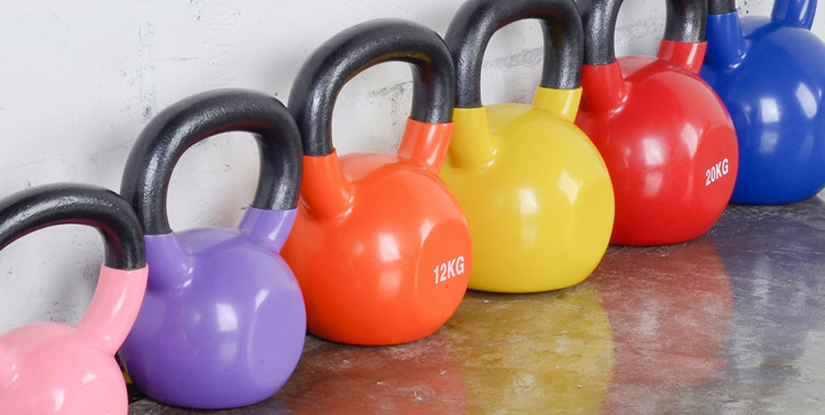
To ensure seamless integration into your existing inventory, we suggest conducting a thorough audit of the supplier's technical documentation. This includes requesting detailed specifications on weight tolerances, material density, and the durability of the protective finish. Before committing to a large-scale bulk order, we recommend a sample evaluation and a review of the factory's pre-shipment inspection protocols to confirm that all units meet your commercial-grade standards.
Scaling a fitness brand requires more than just a consistent product; it requires a partner capable of sophisticated private label execution. For many importers, the transition from selling generic stock to building a recognizable brand identity hinges on the ability to implement custom branding on high-demand items like the chest press kettlebell. A specialized manufacturer provides the technical support to ensure that your logo, color schemes, and unique weight markings are applied with precision, maintaining a premium aesthetic that justifies a higher retail price point in competitive markets.
To mitigate the risks associated with large-scale international logistics, professional procurement teams must mandate a strict pre-shipment inspection protocol. When managing bulk orders, even minor deviations in casting quality or coating thickness can compound into significant financial losses upon arrival. By coordinating directly with the production facility, you can ensure that every unit undergoes rigorous testing for weight accuracy and structural integrity before being cleared for export. This proactive approach to quality assurance reduces the friction of returns and protects your long-term distributor margins.
Customization Capabilities for Kettlebell Manufacturing
To maintain a competitive edge in the premium fitness market, distributors often require more than just standard stock. Our kettlebell manufacturing processes are engineered to support high-level OEM and ODM requirements, allowing you to build a distinct brand identity through specialized hardware. Whether you are looking to expand your existing product line or launch a new specialized series, our factory provides the technical infrastructure to move from concept to bulk shipment.
Customization extends beyond mere aesthetics; it encompasses the precise technical specifications required for professional-grade performance. We offer extensive control over weight increments to ensure your sets meet specific training protocols. Furthermore, procurement leads can specify the exact handle texture for optimal grip security and select various color coating options to align with your brand's visual standards. This level of private label flexibility ensures that your chest press kettlebell inventory meets the rigorous demands of high-end commercial facilities while maintaining your unique market positioning.
When sourcing specialized equipment, understanding the scope of customization is vital for managing landed costs and SKU complexity. Our wholesale customization tiers allow for scalable adjustments, ensuring that your chest press kettlebell orders remain cost-effective even with bespoke requirements. We recommend contacting our technical team to discuss your specific MOQ and design tolerances before finalizing your procurement plan.
Standard Inventory vs. Bespoke Manufacturing Comparison
For procurement managers, the decision between purchasing standard stock or engaging in full-scale customization depends on your specific market positioning and budget. While standard units offer faster shipping, customized production allows for a more integrated brand experience. The following table outlines the technical and logistical differences to assist your sourcing strategy.
| Specification Dimension | Standard Stock Units | Customized Manufacturing |
|---|---|---|
| Color & Finish | Industry-standard black or silver | Custom RAL colors or specialized coatings |
| Weight Increments | Pre-set standard weight increments | Bespoke weight graduation per client request |
| Branding & Logo | No branding or generic markings | Laser engraving or silk-screened logo |
| Packaging Design | Standard export shipping cartons | Custom branded retail-ready packaging |
| Typical MOQ | Low minimums for rapid replenishment | Higher volume requirements for production setup |
| Lead Time | Immediate availability for dispatch | Extended duration for mold/tooling adjustments |
Selecting the right path for your chest press kettlebell procurement involves balancing the speed of delivery against the depth of brand integration. For distributors looking to establish a high-end, proprietary line, the OEM route provides the necessary differentiation to justify premium pricing in local markets. Conversely, for rapid inventory replenishment to meet sudden demand, standard commercial kettlebell supply options remain the most efficient way to manage cash flow and warehouse turnover.
To ensure your specifications align with your logistical capacity, please contact our sales team to request a detailed spec sheet. We can provide precise MOQ tiers for both standard and custom runs, helping you calculate the final landed cost and optimize your initial order volume.
Quality Control and Export Logistics Management
Maintaining product consistency across large-scale shipments is a primary concern for any professional importer. To mitigate the risk of receiving inconsistent batches, our factory implements a rigorous multi-stage quality control protocol. Every chest press kettlebell undergoes systematic testing to ensure weight accuracy, handle integrity, and coating durability. This systematic approach ensures that whether you are ordering a small replenishment or a massive wholesale shipment, the unit specifications remain identical across all SKUs, protecting your brand reputation and reducing customer returns.
Our pre-shipment inspection process is designed to provide full transparency before any container is sealed. We conduct thorough physical audits, including weight verification and surface finish checks, to ensure every chest press kettlebell meets the exact tolerances requested during the OEM phase. This level of scrutiny is essential for distributors managing high-end facility installs where precision is non-negotiable. By identifying and correcting any deviations at the source, we help you avoid the high costs associated with faulty inventory and damaged goods upon arrival.
Beyond product integrity, we provide comprehensive export packaging solutions to safeguard your commercial kettlebell supply during long-distance transit. We utilize reinforced, heavy-duty cartons and optimized palletization layouts to maximize container density and reduce the risk of impact damage. Our logistics team also offers full logistics coordination support, assisting with documentation and shipping schedules to ensure your sourcing process remains predictable. This integrated approach helps you accurately calculate the total landed cost and manage warehouse lead times with confidence.
Quality Control and Export Standards for Global Importers
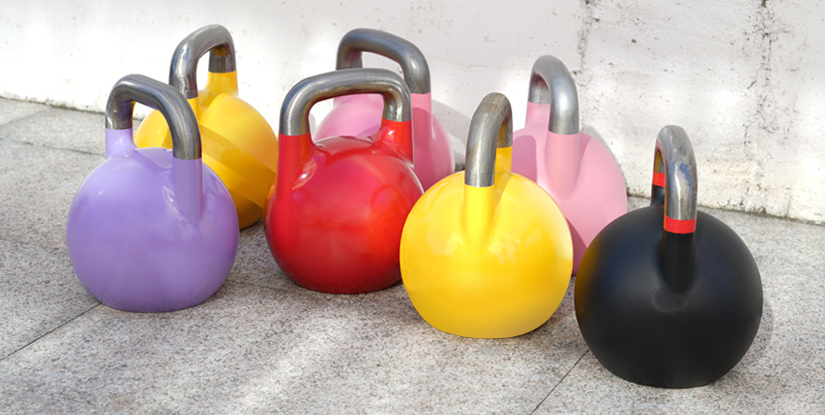
Reliability in a commercial kettlebell supply depends entirely on the rigor of the pre-shipment inspection process. For distributors and large-scale gym operators, receiving a shipment with inconsistent weight distributions or surface defects results in immediate replacement costs and damaged reputation. A professional China factory must implement strict protocols to ensure every unit meets international commercial standards before it enters a shipping container.
Our quality control protocols focus on three critical pillars: weight accuracy, surface integrity, and structural durability. We understand that for a chest press kettlebell, even a minor deviation in weight or a rough texture can compromise the user experience and the longevity of the equipment. Our factory-direct workflow includes automated weight verification and manual tolerance checks to ensure every piece matches the exact specifications requested in your wholesale purchase order.
Standardized Inspection and Durability Testing
To mitigate the risk of product failure in high-traffic commercial environments, we subject every chest press kettlebell to rigorous durability testing. This includes checking the bond strength of the coating and the precision of the handle grip. These inspection standards are designed to protect your margins by reducing the frequency of after-sales claims and replacement requests. By maintaining high kettlebell manufacturing standards, we ensure that your landed cost remains low due to minimal defect rates.
Beyond the product itself, our export protocols manage the complexities of international logistics. We provide detailed documentation for every batch, ensuring that the wholesale gym equipment you source is ready for immediate integration into your inventory or retail floor. Whether you are managing a single large-scale import or recurring smaller shipments, our sourcing transparency allows for better inventory planning and predictable lead times.
| Technical Specification | Standard Production Tier | High-End Commercial Grade |
|---|---|---|
| Weight Tolerance | +/- 5% deviation | +/- 1% precision standard |
| Coating Integrity | Basic powder coat | High-durability multi-layer finish |
| Handle Grip Durability | Standard texture | Enhanced ergonomic grip resistance |
| Manufacturing Standards | General fitness use | Heavy-duty commercial specification |
| Inspection Process | Random batch sampling | Individual unit verification |
Selecting the correct chest press kettlebell requires a clear understanding of how these technical variables impact your long-term total cost of ownership. While standard production may offer lower initial unit costs, the high-end commercial grade reduces maintenance overhead and replacement frequency in professional settings. We recommend that procurement officers review these specifications during the sample approval stage to ensure the final product aligns with your brand identity and durability requirements.
For distributors managing high-volume inventory, we offer full transparency regarding our production capabilities. We invite you to contact us to request a detailed spec sheet, confirm current MOQ tiers, or arrange a factory audit to verify our quality control systems firsthand. Whether you require OEM customization or standard bulk orders, our team is ready to assist with your global procurement needs.
Optimized Export Packaging and Global Logistics Strategy
The final stage of a professional chest press kettlebell procurement cycle involves rigorous export-ready packaging to safeguard your investment during long-haul transit. For international distributors, the risk of damage during sea freight or container loading can significantly increase the landed cost through unexpected replacement needs. To prevent this, we utilize heavy-duty, reinforced corrugated boxes and moisture-resistant liners designed specifically for high-density metal equipment.
Efficient palletization is a core component of our warehouse efficiency and shipping protocols. By optimizing the arrangement of each chest press kettlebell within a shipping container, we maximize volumetric density while ensuring structural stability. This meticulous approach to palletization and container loading minimizes movement during transit, reducing the likelihood of surface abrasions or impact damage. For large-scale importers, this precision directly translates to higher inventory yield upon arrival at your local distribution center.
We understand that managing lead time and shipping logistics is critical for maintaining a consistent supply chain. Our facility provides real-time updates on production status and container departure to ensure your inventory planning remains accurate. Whether you are managing complex multi-SKU orders or high-volume single-item shipments, our standardized logistics workflow ensures that your wholesale gym equipment arrives in peak commercial condition, ready for immediate deployment or retail sale.
Streamlining Procurement: MOQ and Logistics Planning
Effective inventory management for distributors requires a clear understanding of how production volume influences your supply chain. When sourcing a chest press kettlebell, the relationship between order scale and the production cycle directly impacts your landed cost and stock availability. Working with a factory allows for better synchronization between your procurement schedule and actual manufacturing output.
Managing bulk orders involves more than just selecting a supplier; it requires aligning your warehouse needs with the lead time of the China factory. High-volume requests for commercial kettlebell supply often require advanced scheduling to ensure material availability and precise weight calibration. By establishing a predictable MOQ, importers can stabilize their seasonal inventory levels and optimize shipping container utilization.
| Procurement Tier | Order Scale | Typical Lead Time | Primary Focus |
|---|---|---|---|
| Standard Stock | Low Volume | Short (7-14 Days) | Rapid replenishment |
| Customized Batch | Mid Volume | Medium (30-45 Days) | wholesale gym equipment customization |
| Full Container | High Volume | Long (60+ Days) | Maximum margin optimization |
To ensure your distribution timelines remain intact, we recommend initiating kettlebell manufacturing discussions well in advance of peak seasons. Whether you are requesting a specific chest press kettlebell specification or a diverse weight range, early confirmation of your MOQ allows our production team to reserve capacity and guarantee quality control standards. Please contact us to request a formal quote or to discuss specific shipping and packaging requirements for your next shipment.
Optimizing your procurement strategy requires a nuanced understanding of how different sourcing models affect your operational agility. Depending on whether your priority is immediate fulfillment or long-term brand differentiation, the choice between ready-to-ship units and bespoke production will dictate your final landed cost and market positioning.
Comparing Sourcing Models: Stock vs. Customization
For distributors needing rapid inventory turnover, sourcing standard units is often the most efficient path. However, for established importers looking to build a unique product line, leveraging kettlebell manufacturing capabilities for specialized designs offers a significant competitive advantage. Selecting the right model depends on your current warehouse capacity and your long-term branding goals.
| Feature | Ready-to-Ship (Stock) | Custom/Private Label (OEM) |
|---|---|---|
| Order Minimum | Low/Flexible | Higher MOQ |
| Custom Branding | Limited or None | Full OEM Capability |
| Design Control | Standardized Specs | High (Weight/Color/Logo) |
| Shipping Speed | Immediate Dispatch | Subject to Production Cycle |
| Ideal Use Case | Small Studio/Rapid Restock | Global Distributor/Brand Building |
When your business model shifts toward exclusivity, transitioning to an ODM or custom production approach allows you to control every detail of the chest press kettlebell, from handle texture to color-coded weight markings. While this requires more advanced planning regarding your sourcing timeline, the ability to offer a proprietary product line can significantly enhance your distributor margins and brand equity in the professional fitness market.
To ensure your distribution timelines remain intact, we recommend initiating kettlebell manufacturing discussions well in advance of peak seasons. Whether you are requesting a specific chest press kettlebell specification or a diverse weight range, early confirmation of your MOQ allows our production team to reserve capacity and guarantee quality control standards. Please contact us to request a formal quote or to discuss specific shipping and packaging requirements for your next shipment.
Optimizing your procurement strategy requires a nuanced understanding of how different sourcing models affect your operational agility. Depending on whether your priority is immediate fulfillment or long-term brand differentiation, the choice between ready-to-ship units and bespoke production will dictate your final landed cost and market positioning.