Wholesale Gym Supplies: Export Wholesale Factory Supply
Optimizing Commercial Footprints with Wholesale Gym Supplies
Many procurement managers fail by prioritizing low unit costs over functional density, leading to cluttered facilities and diminished space utilization. A superior commercial gym equipment sourcing strategy focuses on high-density, multi-functional configurations that maximize revenue per square meter. By sourcing wholesale gym supplies directly from a factory, distributors can implement modular systems that adapt to varying floor plans while maintaining high ROI.
Inefficient equipment layouts often result in "dead zones" where heavy machinery creates unusable gaps, increasing your total landed cost per usable training area. To mitigate this, professional buyers should prioritize high-density equipment—such as integrated strength stations and compact plate-loaded machines—that offer multiple movement patterns within a single footprint. This strategic approach ensures that your bulk fitness apparatus investment directly supports higher member throughput and long-term facility scalability.
| Sourcing Dimension | Standard Retail/Trader Model | Factory-Direct High-Density Model |
|---|---|---|
| Footprint Efficiency | Single-function machines with large gaps | Integrated, multi-functional stations |
| Space Utilization | Static layouts; high wasted area | Modular designs optimized for flow |
| Commercial ROI | Higher depreciation per square meter | Maximum utility per square meter |
| Sourcing Flexibility | Limited to available stock options | OEM/ODM capability for custom dimensions |
Many procurement managers fail by prioritizing low unit costs over functional density, leading to cluttered facilities and diminished space utilization. A superior commercial gym equipment sourcing strategy focuses on high-density, multi-functional configurations that maximize revenue per square meter. By sourcing wholesale gym supplies directly from a factory, distributors can implement modular systems that adapt to varying floor plans while maintaining high ROI.
Inefficient equipment layouts often result in "dead zones" where heavy machinery creates unusable gaps, increasing your total landed cost per usable training area. To mitigate this, professional buyers should prioritize high-density equipment—such as integrated strength stations and compact plate-loaded machines—that offer multiple movement patterns within a single footprint. This strategic approach ensures that your bulk fitness apparatus investment directly supports higher member throughput and long-term facility scalability.
| Sourcing Dimension | Standard Retail/Trader Model | Factory-Direct High-Density Model |
|---|---|---|
| Footprint Efficiency | Single-function machines with large gaps | Integrated, multi-functional stations |
| Space Utilization | Static layouts; high wasted area | Modular designs optimized for flow |
| Commercial ROI | Higher depreciation per square meter | Maximum utility per square meter |
| Sourcing Flexibility | Limited to available stock options | OEM/ODM capability for custom dimensions |
Customization for Professional Facility Layouts
Achieving a professional facility layout requires more than just selecting high-quality machines; it demands precise spatial engineering. For large-scale distributors and gym operators, the ability to request custom dimensions is a critical advantage when working with a direct China factory. Unlike standard stock models that force you to adapt your floor plan to the equipment, specialized OEM/ODM services allow the equipment to be engineered to your specific architectural constraints, ensuring every square meter generates maximum utility.
When managing complex procurement cycles, understanding the interplay between MOQ and customization is vital for controlling landed costs. While highly customized solutions may require a higher minimum order quantity, the long-term benefit is a seamless integration of equipment that minimizes "dead space" and optimizes member flow. Whether you are scaling a boutique studio or a multi-zone fitness center, leveraging factory-direct customization ensures your wholesale gym supplies order serves as a long-term asset rather than a spatial liability.
Maximizing Floor Layout Efficiency in High-Density Facilities
Effective gym layout optimization is a critical factor in determining the long-term profitability of a fitness center. For facility operators and distributors, the ability to maximize usable square footage directly influences the density of high-margin equipment and the overall user capacity. When wholesale gym supplies are selected without regard for footprint efficiency, the resulting cluttered environment can decrease the perceived value of the facility and limit operational scalability.
Professional procurement leads often face the dilemma of balancing a diverse equipment catalog with limited floor area. Sourcing space-saving designs directly from a factory allows for more strategic planning. By selecting equipment with integrated storage or specialized geometric profiles, importers can increase the number of functional training zones within the same physical footprint, effectively lowering the landed cost per square meter of usable training space.
Equipment Configuration and Footprint Comparison
When planning a high-density facility, the choice between standard equipment and specialized, compact versions significantly impacts your ROI. The following table compares common procurement options to assist in your commercial gym equipment sourcing strategy.
| Equipment Type | Standard Configuration | High-Density/Compact Option | Primary Procurement Benefit |
|---|---|---|---|
| Strength Machines | Large footprint, fixed paths | Multi-functional/Dual-purpose units | Higher utility per square meter |
| Free Weight Storage | Standalone racks | Integrated/Wall-mounted systems | Improved floor clearance |
| Cardio Equipment | Standard treadmills/bikes | Foldable or slim-profile models | Enhanced space-saving designs |
| Functional Training | Open area requirement | Modular/Stackable components | Optimized gym layout optimization |
For distributors looking to offer premium solutions, prioritizing bulk fitness apparatus that emphasizes footprint efficiency ensures that your clients can maximize their facility's revenue potential. We recommend reviewing technical specification sheets during the factory-direct sourcing process to confirm exact dimensions and clearance requirements before finalizing your bulk order.
Strategic layout planning is often hindered by the rigid dimensions of off-the-shelf inventory. For large-scale distributors and facility developers, the inability to adjust equipment dimensions to fit specific floor plans can result in significant "dead zones"—unproductive areas that consume square footage without generating revenue. This is where the distinction between a standard trader and a professional manufacturer becomes a critical factor in your procurement success.
Sourcing Models: Customization and Dimensional Control
A major advantage of working with a China factory is the ability to negotiate specific dimensions through OEM/ODM services. While trading companies typically offer fixed stock, direct manufacturing allows you to tailor the width, height, or depth of heavy-duty items to meet your unique facility requirements. This level of control is essential when managing the landed cost of specialized installations where every centimeter of floor space impacts the total return on investment.
| Procurement Model | Custom Dimensions | Footprint Control | Typical MOQ | Primary Sourcing Advantage |
|---|---|---|---|---|
| Standard Trader/Wholesaler | Limited to existing stock | Low (Fixed dimensions) | Low to Medium | Fast shipping, low complexity |
| Factory-Direct Sourcing | High (Via OEM/ODM) | High (Precision fitting) | Higher/Volume-based | Optimized space and ROI |
When managing large-scale projects, we suggest requesting detailed CAD drawings and technical spec sheets early in the process. Confirming exact dimensions and clearance requirements during the wholesale gym supplies procurement phase prevents costly installation delays and ensures that your high-density layout remains both functional and aesthetically professional.
Strategic layout planning is often hindered by the rigid dimensions of off-the-shelf inventory. For large-scale distributors and facility developers, the inability to adjust equipment dimensions to fit specific floor plans can result in significant "dead zones"—unproductive areas that consume square footage without generating revenue. This is where the distinction between a standard trader and a professional manufacturer becomes a critical factor in your procurement success.
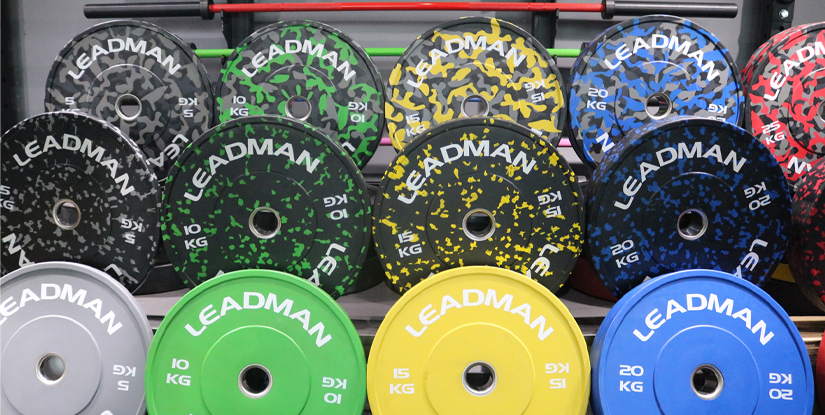
Strategic Sourcing: Balancing SKU Breadth and Inventory Turnover
For global distributors, the primary tension lies in maintaining a diverse catalog while ensuring high inventory turnover. Offering a wide range of wholesale gym supplies attracts more facility clients, but over-extending your SKU count without a streamlined commercial gym equipment sourcing strategy can lead to trapped capital and high warehousing costs. To maintain a healthy distributor margin, procurement professionals must balance variety with velocity.
Relying on a single-source China factory allows for better control over the supply chain, enabling you to pivot between high-volume staples and niche specialty items. By leveraging factory-direct advantages, distributors can optimize their product mix—integrating high-density equipment that maximizes floor space for end-users while minimizing the physical footprint in your own distribution centers. This strategic approach ensures that your capital remains liquid and your stock remains current.
| Sourcing Model | SKU Breadth | Inventory Turnover | Landed Cost | MOQ Requirement | OEM/ODM Capability | Logistics Complexity |
|---|---|---|---|---|---|---|
| Specialized High-Turnover Stock | Low (Niche/Focused) | High (Rapid Velocity) | Lower (Bulk Savings) | Higher (Volume-Based) | Limited | Low (Standardized Shipping) |
| Broad Catalog Diversification | High (Wide Variety) | Moderate (Variable) | Variable (Complex) | Lower (Per SKU) | High (Custom Branding) | High (Mixed Container Loading) |
| Direct Factory Sourcing | Moderate (Optimized) | High (Predictable) | Lowest (Direct Margin) | Negotiable (Tiered) | Extensive (Full Customization) | Managed (Direct Export) |
When evaluating bulk fitness apparatus procurement, the choice between a broad catalog and specialized stock depends on your regional market demand. While a diverse catalog can capture a wider client base, it often increases the risk of obsolete stock. Conversely, focusing on high-turnover, high-density products can optimize your gym layout optimization efforts and ensure a more predictable return on investment. We recommend reviewing your specific commercial gym equipment sourcing requirements against these tiers to determine whether your business model favors a high-volume, low-complexity approach or a customized, high-margin specialty model.
Maximizing Commercial ROI Through Intelligent Floor Planning
Effective gym layout optimization is not merely about aesthetics; it is a critical driver of a facility's revenue-per-square-foot. For commercial operators, every square meter must justify its existence through high-density utility. When procurement leads select high-density equipment—such as multi-functional cable machines or compact strength stations—they are effectively increasing the capacity of the facility without expanding the physical footprint. This optimization directly impacts the commercial ROI by allowing for higher member density and more diverse training zones within a constrained area.
From a sourcing perspective, professional buyers must look beyond the individual unit price and consider the total value of the spatial footprint. Sourcing bulk fitness apparatus that features integrated storage or modular designs can significantly improve space utilization. For example, selecting weight stacks that utilize verticality or strength equipment with built-in accessory storage reduces clutter and enhances movement flow. This level of detail ensures that the final installation remains professional and high-performing, reducing the long-term maintenance load and increasing the lifespan of the facility's capital expenditure. To ensure these specifications meet your facility's unique dimensions, we recommend requesting a detailed technical spec sheet or a 3D layout consultation during the initial sourcing phase.
China Factory Direct: Navigating MOQ and Production Lead Times
Effective commercial gym equipment sourcing requires a clear understanding of how order volume dictates production priority and logistics. When importing wholesale gym supplies directly from a China factory, procurement professionals must balance the advantages of lower unit costs against the constraints of production cycles and minimum requirements.
The MOQ (Minimum Order Quantity) typically varies based on the complexity of the product and the level of customization requested. For standard stock items, the MOQ may be relatively low to allow for rapid replenishment. However, when pursuing custom branding/OEM services to establish a unique brand identity, buyers should expect higher minimums to cover the specialized setup costs for tooling, painting, or specialized upholstery.
Managing lead time is critical for maintaining a consistent supply chain and avoiding facility downtime. Standard production cycles for high-density equipment are influenced by raw material availability and current factory capacity. For high-volume wholesale gym supplies orders involving OEM specifications, we recommend initiating the sourcing process well in advance of your facility launch or seasonal restocking period to account for both manufacturing and international transit windows.
Standardized Production and Logistics Framework
To optimize your procurement planning, it is essential to categorize your inventory requirements. Different classes of bulk fitness apparatus follow distinct manufacturing workflows, which directly impact your landed cost and total project timeline. For instance, heavy machinery requires more intensive structural testing, whereas smaller accessories can be processed through high-speed automated lines.
The following table outlines the typical production and shipping parameters for various equipment categories to assist in your gym layout optimization and inventory scheduling.
| Equipment Category | Typical MOQ Tier | Production Lead Time | Logistics Profile |
|---|---|---|---|
| Strength (Racks, Selectorized) | Low to Medium | 35–50 Days | High-density/Heavy/Containerized |
| Cardio (Treadmills, Cycles) | Medium to High | 45–60 Days | High-volume/Fragile/Crated |
| Accessories (Bells, Mats, Bands) | High (Volume-based) | 15–30 Days | Mixed/LCL or FCL Options |
[IMAGE: A high-angle shot of a professional warehouse interior showing organized rows of commercial strength equipment and shipping crates | ALT: organized warehouse storage for bulk fitness apparatus]
When calculating your total budget, do not overlook the impact of logistics on your final margins. While a factory-direct price might appear lower, the weight-to-volume ratio of your wholesale gym supplies order will dictate whether you utilize FCL (Full Container Load) or LCL (Less than Container Load) shipping. For maximum efficiency, we suggest consolidating diverse product categories into a single container to minimize freight expenses and streamline your customs clearance process.
Before finalizing your purchase order, we recommend contacting our team to confirm MOQ requirements for specific SKU models or to request a spec sheet for custom OEM projects. This ensures your facility's installation schedule remains aligned with actual arrival dates.
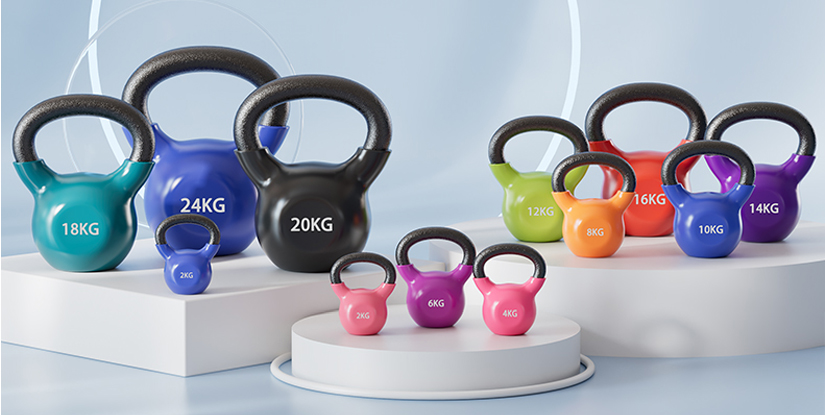
A well-structured shipping schedule is the final pillar of a successful facility launch. Delays in the supply chain do more than just postpone an opening; they disrupt your ability to execute precise gym layout optimization, potentially leaving expensive floor space unutilized while waiting for heavy-duty equipment to arrive. For large-scale distributors and gym developers, a mismatch between construction completion and equipment arrival can lead to significant increases in overhead and delayed ROI.
To mitigate these risks, professional buyers should integrate a rigorous pre-shipment QC (Quality Control) phase into their procurement timeline. Relying solely on factory output numbers is insufficient; verifying that every piece of wholesale gym supplies meets international safety and structural standards before it leaves the China factory prevents the much higher costs of on-site repairs or premature equipment failure. We recommend scheduling a formal inspection once production is nearing completion to ensure that all bulk fitness apparatus aligns with your approved samples and technical specifications.
By aligning your sourcing strategy with these logistical realities, you transform a simple purchase into a strategic asset. Whether you are managing a single studio or a nationwide distribution network, prioritizing transparency in production and shipping allows for a seamless transition from the warehouse to your facility floor.
Customization Capabilities: OEM and ODM for Brand Differentiation
For distributors and large-scale facility operators, standardizing a product line is often insufficient for long-term brand differentiation. Relying solely on off-the-shelf inventory limits your ability to command premium positioning in competitive markets. By leveraging OEM and ODM services, professional buyers can transition from mere resellers to established brands with proprietary product identities.
Effective commercial gym equipment sourcing requires more than just finding a low price; it requires a partner capable of technical execution. Whether you need to apply a private label to existing high-performance chassis or require a completely new structural design through ODM, working directly with a China factory ensures your specifications meet international commercial standards. This level of customization allows you to control everything from color palettes and upholstery textures to logo placement and specialized functional adjustments, directly impacting your brand's perceived value and market authority.
Technical Comparison: OEM vs. ODM for Procurement Decision-Making
Understanding the technical distinction between these two models is critical for accurate commercial gym equipment sourcing and budget forecasting. While both paths offer customization, the degree of design control and the associated upfront investment vary significantly. A procurement manager must weigh the speed of market entry against the long-term value of intellectual property and unique product architecture.
In an OEM (Original Equipment Manufacturer) arrangement, you typically select a proven, existing chassis and apply your branding, colors, and minor aesthetic adjustments. This is an efficient way to scale a product line with lower technical risk. Conversely, ODM (Original Design Manufacturer) services allow you to collaborate on the actual engineering and structural design. This is ideal for developers looking to introduce specialized functionality or unique mechanical movements to the market, though it requires more rigorous oversight of technical specifications and longer development cycles.
| Feature/Dimension | OEM (Original Equipment Manufacturer) | ODM (Original Design Manufacturer) |
|---|---|---|
| Design Control | Limited to aesthetics (colors, logos, upholstery) | Full structural and mechanical specification control |
| Development Speed | Fast; utilizes existing factory molds/blueprints | Slower; requires prototyping and engineering validation |
| Technical Complexity | Low; relies on established factory standards | High; involves custom engineering and R&D |
| Typical MOQ | Moderate; based on existing production lines | Higher; due to custom tooling and mold costs |
| Primary Objective | Brand identity and visual consistency | Product innovation and market differentiation |
When planning your next order of wholesale gym supplies, we recommend evaluating your project timeline against these two paths. If your goal is rapid inventory replenishment with consistent branding, OEM is the most cost-effective route. However, if you aim to optimize gym layout optimization through bespoke equipment dimensions or unique functional footprints, an ODM partnership provides the necessary manufacturing capability to execute your vision.
[IMAGE: A split-screen view showing a technician applying a logo to a finished weight bench on the left (OEM), and a CAD technical drawing of a custom cable machine frame on the right (ODM) | ALT: Comparison of OEM branding versus ODM technical engineering for commercial fitness equipment]Standardizing Quality Control and Export Compliance
The complexity of managing bulk orders from overseas increases exponentially when customized specifications are involved. For many procurement leads, the primary friction point is not the initial price, but the risk of inconsistency between a prototype and the final shipment. Without rigorous quality assurance protocols, custom branding or structural changes can lead to deviations that compromise both product durability and your brand's reputation.
To mitigate these risks, a professional manufacturing process must include strict QC protocols at every stage—from raw material inspection to final assembly. When sourcing wholesale gym supplies with custom requirements, it is essential to verify that the factory implements multi-stage testing. This includes checking weld strength for custom frames, upholstery tension for specialized seating, and the precision of electronic components in smart equipment. Establishing a clear pre-shipment inspection schedule ensures that any deviations are caught before the goods reach the port, protecting your landed cost from the high price of returns or faulty replacements.
Furthermore, international distributors must ensure that all customized items adhere to global export standards. This involves not only the physical product but also the export packaging and container loading procedures. High-density bulk fitness apparatus requires specialized crating and palletization to withstand long-distance maritime transit. By coordinating with a supplier that understands the logistics of heavy-duty commercial equipment, you ensure that your customized inventory arrives in pristine condition, ready for immediate deployment in your facility or distribution center.
Quality Assurance and Export-Grade Packaging Standards
For international distributors, the risk of receiving damaged or defective inventory is a significant threat to profit margins. High-quality wholesale gym supplies must undergo rigorous verification before leaving the China factory to ensure that the products arriving at your warehouse match the original specifications. Without strict oversight, even minor structural flaws can lead to expensive returns and diminished brand reputation.
To mitigate these risks, our commercial gym equipment sourcing protocols include a mandatory pre-shipment inspection. This process verifies mechanical tolerances, coating consistency, and structural integrity across every unit in a bulk order. We recognize that high-density equipment requires specialized handling; therefore, we implement heavy-duty, reinforced packaging designed specifically for sea freight durability. By prioritizing robust protection and systematic QC, we ensure your landed cost protection remains intact, preventing the unforeseen expenses associated with transit damage and product failure.
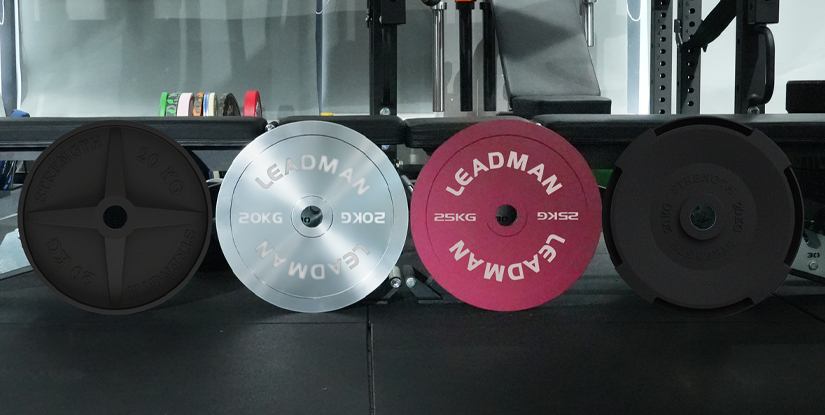
Standard Domestic vs. Professional Export Packaging
A common pitfall in global procurement is underestimating the physical toll of long-distance maritime logistics. Standard domestic packaging often relies on thin corrugated cardboard and minimal padding, which is insufficient for the vibrations and stacking pressures encountered during transoceanic shipping. For professionals sourcing bulk fitness apparatus, this lack of protection results in scratched finishes, bent frames, or compromised upholstery upon arrival, directly eroding your net margins.
To ensure high-density equipment remains in showroom condition, we utilize a rigorous packaging hierarchy. This includes specialized export packaging standards designed for heavy-duty logistics. We utilize high-strength 5-layer corrugated boxes, reinforced with edge protectors and heavy-duty palletization to stabilize the load. For sensitive components, we integrate high-density foam and corner guards to cushion reinforced steel frames against impact. This systematic approach to shipping damage prevention allows for efficient container loading and ensures that your OEM/ODM customization—from custom colors to branded upholstery—arrives exactly as specified, maintaining the professional standard of your facility or retail brand.
| Feature | Standard Domestic Packaging | Professional Export-Grade Packaging |
|---|---|---|
| Primary Protection | Single-layer cardboard & thin film | Multi-layer reinforced corrugated & high-density foam |
| Structural Support | Minimal edge protection | Reinforced steel-frame stabilization & corner guards |
| Logistics Readiness | Standard box stacking | Standardized palletization for sea freight stability |
| Risk Management | High risk of transit scratches/dents | Optimized for long-distance maritime durability |
| Procurement Value | Lower initial cost; higher damage risk | Protects landed cost and distributor margins |
Beyond physical protection, effective gym layout optimization relies heavily on the precision of the final delivery. When equipment arrives with even slight cosmetic or structural deviations, it disrupts the installation timeline and complicates replacement planning. For facility operators and distributors, a delay in unboxing or a damaged component is more than a nuisance; it is a direct hit to the operational launch schedule and the projected ROI of the facility.
To eliminate these variables, we integrate a comprehensive quality assurance framework that bridges the gap between the factory-direct production line and your final installation site. This involves strict adherence to technical drawings and material certifications, ensuring that every piece of commercial-grade equipment meets the high-stress demands of a professional environment. By aligning our sourcing standards with your specific facility requirements, we reduce the necessity for replacement planning and ensure that your capital expenditure translates into long-term, reliable performance.
Streamlining Global Procurement and Landed Cost Calculations
For international distributors and large-scale facility operators, the true cost of wholesale gym supplies extends far beyond the initial unit price. Effective procurement requires a deep understanding of the total landed cost, which encompasses every expense from the China factory floor to your local warehouse. Failing to account for these variables can quickly erode distributor margins and disrupt capital expenditure budgets.
A common pitfall in commercial gym equipment sourcing is overlooking the volatility of shipping logistics. When importing heavy, high-volume apparatus, unexpected freight surcharges, port congestion fees, or incorrect container utilization can lead to significant budget overruns. Relying on a middleman often introduces additional layers of markup and reduces transparency regarding the actual factory-direct pricing structure.
To maintain a competitive edge, professional buyers must mitigate hidden fees such as unexpected customs duties or specialized handling charges for oversized fitness machinery. By establishing a direct relationship with a reliable supplier, you gain better control over bulk fitness apparatus shipments, ensuring that your gym layout optimization plans are not delayed by inefficient logistics or unforeseen import taxation. We recommend requesting a detailed breakdown of FOB or CIF terms during your initial inquiry to ensure full cost visibility.
Comparing Sourcing Models: Trader vs. Direct Manufacturer
Choosing between a trading company and a direct manufacturer significantly impacts your long-term ROI and operational efficiency. While traders may offer a broader range of products, they often lack the technical control required for high-spec commercial installations. A direct manufacturer provides greater transparency in the supply chain, allowing for more precise adjustments to specifications and tighter control over the total cost of ownership.
The following table illustrates how different sourcing strategies affect your procurement metrics, including bulk fitness apparatus acquisition and long-term maintenance planning.
| Procurement Factor | Trading Company (Middleman) | Direct Factory-Direct Sourcing |
|---|---|---|
| Unit Price | Higher (Includes markup) | Lower (Direct production cost) |
| Customization (OEM/ODM) | Limited by supplier capability | High (Direct engineering control) |
| Quality Control (QC) | Third-party oversight required | In-house factory inspection protocols |
| MOQ Flexibility | Often higher or rigid | Negotiable based on production cycles |
| Lead Time Transparency | Indirect (Subject to trader's agency) | Direct (Real-time production updates) |
| Landed Cost Control | Less predictable due to margins | Highly transparent (FOB/CIF/DDP) |
For distributors aiming for high-margin growth, working directly with a China factory minimizes the friction between order placement and final delivery. This direct access allows you to optimize your commercial gym equipment sourcing workflow, ensuring that your capital is invested in high-durability assets rather than administrative overhead. Before finalizing any large-scale purchase, we suggest requesting a formal quote that explicitly details the MOQ, estimated lead time, and a comprehensive breakdown of all export packaging and freight expectations.
Standardizing Export Packaging and Quality Assurance
The integrity of your investment depends heavily on the rigor of the manufacturer's outbound protocols. For high-density bulk fitness apparatus, the risks of transit damage—such as structural warping, upholstery tearing, or electronic component failure—are substantial. A professional factory mitigates these risks through specialized export packaging designed specifically for long-haul maritime transport and multi-modal logistics.
High-grade packaging typically involves reinforced heavy-duty corrugated boxes, customized foam inserts for high-precision parts, and heat-treated wooden crates that meet international ISPM 15 standards. This level of protection is essential when managing the landed cost of heavy machinery; a single damaged unit can negate the savings gained from wholesale pricing. Beyond physical protection, standardized packaging also facilitates more efficient container loading, allowing distributors to maximize volumetric efficiency and reduce the per-unit freight cost.
To ensure total compliance with your facility's specifications, a reliable manufacturer must implement a strict pre-shipment inspection protocol. This process should include a multi-stage QC (Quality Control) workflow, covering raw material verification, mid-production testing, and final functional checks. By requiring a detailed inspection report or even arranging a third-party audit, procurement leads can verify that every piece of equipment meets the required commercial-grade tolerances before it leaves the dock. This proactive approach minimizes the need for costly after-sales replacements and ensures that your facility deployment remains on schedule.