Cast Iron Plates Review | Evaluating Cast Iron Plate
Analyzing Long-Term Value and Lifecycle Economics
In professional procurement, a thorough cast iron plates review must extend beyond the initial invoice price to evaluate the Total Cost of Ownership (TCO). For multi-site facility rollouts, the true expense involves long-term durability, replacement frequency, and the maintenance requirements of the weight sets.
Distributors often overlook how microscopic flaws impact long-term ROI. A rigorous commercial weight plate inspection should focus on structural integrity to prevent cracking under heavy usage and coating consistency to ensure the finish does not flake or peel. While lower-grade options may reduce upfront shipping and MOQ costs, poor manufacturing standards lead to premature oxidation or uneven weight distribution, necessitating frequent replacements that disrupt facility operations and increase labor costs for inventory management.
When scaling a fitness franchise or managing a large-scale distribution network, the distinction between low-cost unbranded stock and premium commercial-grade inventory becomes a matter of operational efficiency. The following table outlines the economic trade-offs encountered during high-volume sourcing decisions.
| Economic Metric | Low-Cost Unbranded Plates | High-Standard Commercial Grade |
|---|---|---|
| Initial Procurement Cost | Minimal upfront investment | Higher per-unit cost |
| Manufacturing Standards | Variable; often lacks strict tolerances | Strict adherence to ISO/industry specs |
| Maintenance Frequency | High; frequent rust treatment/re-coating | Low; durable, consistent finishes |
| Lifecycle Value (ROI) | Short-term savings; high replacement risk | Long-term stability; optimized TCO |
| Structural Reliability | Inconsistent density and weight precision | High integrity for heavy-duty use |
Choosing the more economical option may satisfy immediate budget constraints, but it often results in higher long-term logistics and labor expenses. For professional procurement managers, prioritizing established cast iron plate manufacturing standards ensures that the capital invested today supports a durable, low-maintenance equipment ecosystem for years to come.
To mitigate hidden expenses during large-scale orders, procurement managers must integrate strict inspection protocols into their supply chain management. Relying solely on a low MOQ or discounted freight rates can backfire if the incoming shipment fails to meet gym equipment procurement quality benchmarks. Discrepancies in weight tolerance or surface defects often emerge only after the inventory has cleared customs and reached the facility, leading to costly returns and disrupted logistics schedules.
A proactive strategy involves verifying factory capability through third-party audits or detailed technical documentation before finalizing the purchase order. By ensuring the supplier adheres to standardized production methods, buyers protect themselves against the volatility of shipping damaged or non-compliant goods. Ultimately, a disciplined approach to quality control serves as a safeguard for both your capital and your long-term operational uptime.
Establishing the Foundation of Durability
For distributors and facility managers, the longevity of a weight set depends entirely on the precision of the initial pour and cooling process. High-quality cast iron plate manufacturing standards dictate that the metal must achieve specific density consistency to prevent internal air pockets or structural weaknesses that lead to cracking under heavy impact.
A rigorous commercial weight plate inspection protocol goes beyond mere surface aesthetics; it must validate the structural integrity of each unit. When sourcing for multi-site rollouts, verifying these metallurgical foundations ensures that the equipment can withstand the high-frequency mechanical stress typical of heavy-duty commercial environments without premature failure.
Evaluating Production Methods and Long-Term ROI
Procurement teams must weigh the immediate savings of traditional methods against the lifecycle benefits of precision engineering. While sand casting remains a staple for budget-conscious inventory, the choice between manufacturing styles significantly impacts your total cost of ownership (TCO) and replacement frequency.
| Feature | Sand Casting (Traditional) | Precision Molding (Advanced) |
|---|---|---|
| Coating Consistency | Variable; prone to uneven adhesion | High; uniform surface readiness |
| Surface Defects | Common pitting and texture irregularities | Minimal; smooth and controlled finish |
| Structural Durability | Moderate; higher risk of edge chipping | Superior; high impact resistance |
| TCO Factor | Lower upfront cost; higher maintenance | Higher initial investment; longer lifespan |
Selecting the appropriate method depends on your specific facility requirements. For high-traffic strength centers where plate durability is non-negotiable, investing in precision-molded options reduces the long-term burden of replacement and maintenance, ultimately protecting your capital investment.
Verifying Batch Uniformity and Arrival Standards
Once production is complete, the focus shifts to the receiving stage. To maintain high gym equipment procurement quality, buyers should implement a standardized visual inspection checklist during unloading. Look for uniform edge profiles and consistent coating thickness across the entire shipment to ensure batch uniformity.
Crucially, a random sampling of the shipment must be performed to verify weight tolerance. Significant deviations between individual plates in the same weight class can disrupt training flow and signal poor quality control. Beyond the metal itself, evaluate the logistics impact by inspecting packaging durability; robust crating is essential to prevent edge chipping or surface oxidation during long-distance transit, ensuring your inventory arrives in showroom-ready condition.
Critical Benchmarks for Commercial Weight Plate Inspection
Effective procurement for multi-site rollouts requires a rigorous commercial weight plate inspection protocol to mitigate long-term liabilities. Beyond mere weight accuracy, buyers must evaluate the structural integrity of the iron casting to prevent hairline fractures under heavy impact. Furthermore, inconsistent coating consistency often leads to premature oxidation, which increases facility maintenance costs through frequent resurfacing or replacement needs.
Total Cost of Ownership (TCO) Comparison
| Procurement Factor | Standard Industrial Cast Iron | Premium Powder-Coated Iron |
|---|---|---|
| Initial Unit Cost | Lower | Moderate |
| Surface Durability | Basic (High Oxidation Risk) | High (Resistant to Scratches) |
| Maintenance Frequency | Regular Cleaning/Rust Control | Minimal Intervention |
| Long-term ROI | Best for Budget-Driven Hubs | Best for High-Traffic Commercial Gyms |
Prioritizing high-grade manufacturing standards during the sourcing phase ensures long-term durability. For distributors managing large-scale inventory, investing in plates with uniform finishes reduces the frequency of onsite labor and keeps equipment looking professional throughout its lifecycle.
Technical Inspection Checklist for Quality Assurance
When conducting factory audits or receiving large-scale shipments, procurement managers must move beyond superficial aesthetics to verify technical specifications. Adherence to strict cast iron plate manufacturing standards is the only way to ensure equipment longevity and prevent liability issues in high-traffic facilities. Use the following technical benchmarks to evaluate your current batch.
| Inspection Metric | Acceptable Standard | Red Flags (Reject Batch) |
|---|---|---|
| Weight Accuracy | ±1% to 2% deviation | Significant variance between units |
| Dimensional Tolerance | Uniform thickness and center hole diameter | Uneven edges or wobbling on barbell |
| Surface Defects | Smooth casting with minimal pitting | Cracks, deep fissures, or uneven texture |
| Rust Resistance | Consistent, high-adhesion coating | Visible oxidation or peeling paint |
A disciplined inspection protocol protects your margins. For wholesalers and facility owners, catching a lack of dimensional tolerance or poor rust resistance at the point of receipt is significantly more cost-effective than managing returns or replacing oxidized inventory after deployment.
Optimizing Inventory Lifecycles and Storage Protocols
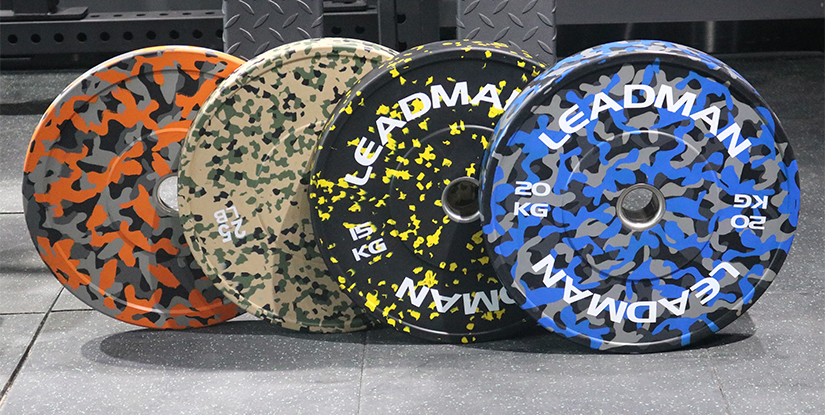
Long-term profitability in wholesale procurement depends heavily on how equipment is managed post-delivery. Even high-quality iron is susceptible to environmental degradation if storage conditions are neglected. To maintain high gym equipment procurement quality across multiple locations, facility managers must implement a structured routine inspection schedule that focuses on surface integrity and moisture control.
Effective oxidation prevention requires keeping inventory in climate-controlled or low-humidity environments. For distributors handling large volumes, avoid storing plates directly on concrete floors without pallets, as moisture wicking can accelerate rust formation. Regularly wiping down surfaces and inspecting for coating breaches ensures that the initial investment delivers a superior ROI, preventing the aesthetic decline that often plagues poorly maintained commercial facilities.
Surface Integrity and Coating Consistency Requirements
For multi-site rollouts and high-traffic facilities, the long-term value of a weight set is determined by its resistance to environmental wear. A thorough cast iron plates review must prioritize how the surface handles constant impact and humidity to avoid premature degradation and high replacement costs.
The Link Between Coating and Durability
During a commercial weight plate inspection, buyers should look beyond aesthetic uniformity to evaluate true coating consistency. High-quality industrial finishes serve as a critical barrier against surface defects such as pitting or unevenness. In many commercial settings, a substandard coating leads to rapid oxidation resistance failure, causing rust to develop under the paint layer. This not only diminishes the professional appearance of the gym but also increases maintenance labor for facility managers. Ensuring the coating is seamlessly bonded to the iron core prevents chipping during heavy usage, maintaining the structural integrity of the plate over years of service.
When selecting a finish for large-scale orders, procurement managers must balance the initial purchase price against the total cost of ownership. Different coating methods offer varying levels of protection against oxidation and physical abrasion, depending on whether the facility is located in a controlled indoor environment or a high-humidity coastal area.
Technical Comparison of Surface Finishes
| Finish Type | Durability Profile | Maintenance Requirements | Cost-Effectiveness |
|---|---|---|---|
| Powder Coating | High; excellent impact and chip resistance | Low; highly resistant to daily wear | Premium; higher upfront cost |
| Liquid Paint | Moderate; prone to chipping under heavy use | Medium; may require touch-ups | Balanced; standard for many distributors |
| Raw / Natural | Low; vulnerable to oxidation/rust | High; requires regular oiling or cleaning | Budget-friendly; lowest initial cost |
For high-end boutique studios or luxury hotels, powder coating is often the preferred standard due to its ability to maintain a consistent aesthetic over long-term cycles. Conversely, for warehouse-style gyms or distributors managing tighter margins, raw or liquid-finished plates may be more efficient, provided the facility maintains strict environmental controls to mitigate moisture-driven oxidation.
Quality Control Protocols for Large-Scale Shipments
Scaling up inventory requires more than a cursory glance at a single sample. To uphold strict gym equipment procurement quality, buyers must implement a systematic visual inspection protocol that addresses batch consistency across the entire shipment. Discrepancies in weight or finish between different production runs can disrupt facility layouts and cause uneven barbell loading, which is unacceptable in professional settings.
During the receiving stage, procurement teams should focus on thickness uniformity and edge precision. Verify that the inner diameter and the plate edges meet established manufacturing standards to ensure seamless compatibility with various barbell sleeves. We recommend requesting a tolerance report from the factory to confirm that weight deviations remain within acceptable commercial limits. A rigorous inspection of the casting grain and the application density of the coating will prevent the arrival of substandard units that could increase long-term maintenance cycles or necessitate costly returns.
Optimizing Procurement Strategies for Large-Scale Rollouts
For distributors and multi-site facility managers, a thorough cast iron plates review must look beyond the initial invoice price to evaluate the long-term financial impact of equipment durability. High-quality sourcing directly influences the total cost of ownership (TCO) by reducing replacement frequency and minimizing maintenance overhead during a facility's lifecycle.
The Financial Impact of Quality Control
Neglecting strict cast iron plate manufacturing standards can lead to significant hidden costs. If a shipment lacks consistent structural integrity, plates may develop hairline fractures or uneven weight distribution under heavy use, leading to premature decommissioning. Furthermore, poor coating consistency often results in premature oxidation or surface chipping, which necessitates frequent repainting or replacement to maintain a professional gym aesthetic.
Implementing a rigorous commercial weight plate inspection protocol during the procurement phase ensures that every unit meets the physical tolerances required for high-traffic environments. By prioritizing manufacturing precision and robust finishing, buyers protect their margins against the volatility of frequent equipment turnover and the logistical costs of re-ordering small batches to fix quality-related shortages.
Sourcing Model Comparison for Scalability and ROI
Choosing the right supply chain model requires balancing immediate capital expenditure against the logistical control needed for large-scale deployments. Depending on whether you are managing a single boutique studio or a nationwide distribution network, the trade-offs between volume, oversight, and speed will vary significantly.
| Sourcing Model | Minimum Order Quantity (MOQ) | QC Oversight Capability | Shipping Lead Time | Long-term Durability Potential |
|---|---|---|---|---|
| Direct Factory Sourcing | High (Full Container Loads) | Maximum (On-site Inspection) | Long (Production + Sea Freight) | High (Custom Specs Control) |
| Local Distributor | Low to Moderate | Moderate (Third-party Audit) | Short (Regional Stock) | Standard (Pre-set Manufacturing) |
| General Wholesaler | Very Low | Limited (Batch-based) | Fast (In-stock Delivery) | Variable (Depends on Mix) |
While direct sourcing offers the highest ROI for multi-site rollouts through economies of scale, it demands more sophisticated gym equipment procurement quality management. Conversely, utilizing local distributors or wholesalers reduces logistical friction and lead-time risks, making them suitable for rapid expansions where immediate inventory availability is more critical than maximizing unit-level margins.
Mitigating Risk Through Pre-Shipment Protocols
To safeguard your investment, procurement specialists should integrate formal inspection protocols before the final handover to the freight forwarder. A critical step involves verifying batch consistency across different production runs to ensure that weight tolerances and surface finishes remain uniform throughout the entire shipment. This prevents the common issue of receiving mismatched sets that can disrupt professional barbell setups.
Furthermore, prioritizing logistics safety during the packaging phase is essential for high-volume orders. Ensuring that crates are designed to withstand the rigors of international transit reduces the likelihood of impact-related damage. By establishing these rigorous standards early, buyers can extend maintenance cycles and ensure that the hardware remains a reliable asset rather than a recurring operational expense.
Logistics and Inventory Management for Heavy Iron Goods
Managing the lifecycle of heavy iron weight sets requires more than just floor space; it demands strict oversight of the transit and storage environments. A thorough cast iron plates review for distributors must include an assessment of how the product survives the journey from the factory to the final facility.
Mitigating Environmental Risks
The primary threat to cast iron inventory is uncontrolled humidity, which triggers surface oxidation during long-term warehousing or ocean freight. To maintain high standards of gym equipment procurement quality, buyers should verify that the manufacturer utilizes specialized moisture-resistant packaging and industrial-grade coatings. Implementing rigorous environmental control protocols—such as climate-controlled shipping containers or dehumidified warehouse zones—is essential for oxidation prevention. During a commercial weight plate inspection, technicians should look for signs of premature rust or coating degradation that often occur when goods are exposed to salt air or fluctuating temperatures without adequate protection.
Optimizing Shipping and Storage Configurations
Selecting the appropriate logistics model depends on your facility's scale and your ability to manage inventory turnover. Procurement managers must balance the immediate shipping costs against the long-term stability of the iron surfaces. Below is a comparison of standard configurations used in global fitness distribution.
| Configuration Type | Palletization Method | Moisture Protection | Primary Shipping Method | Cost-Efficiency |
|---|---|---|---|---|
| Standard Bulk Export | Heavy-duty wooden pallets | Basic shrink wrap | LCL / Ocean Freight | High (Best for large MOQs) |
| Premium Commercial Set | Reinforced crate stacking | VCI film or moisture barriers | FCL / Ocean Freight | Moderate (Reduced breakage risk) |
| Direct-to-Gym Express | Individual carton nesting | Poly-bagging per unit | Air or Express Courier | Low (High freight overhead) |
For large-scale multi-site rollouts, we typically recommend reinforced crate stacking to prevent structural shifting. This ensures that the weight distribution remains even during transit, reducing the likelihood of edge chipping or coating fractures that can compromise the long-term aesthetic value of the equipment.
Quality Control and Receiving Protocols
A professional receiving inspection is the final gatekeeper for maintaining strict cast iron plate manufacturing standards. Upon arrival, procurement teams must move beyond simple count verification to perform a systematic check of batch consistency. This involves inspecting a random sample from each pallet to ensure that the weight tolerances, center hole dimensions, and surface finish remain uniform across the entire shipment.
When managing high-volume orders, it is vital to align MOQ considerations with your local storage capacity and turnover rates. Large-scale shipments reduce per-unit freight costs but require a more disciplined receiving inspection process to catch manufacturing defects early. Discrepancies in plate thickness or uneven coating distribution should be flagged immediately to ensure your facility's inventory meets the high benchmarks of professional gym equipment procurement quality.