Commercial Gym Suppliers: OEM ODM Contract Manufacturing
Commercial Gym Suppliers: The Hidden Costs of Low-Tier Procurement
Distributors and gym owners often fall into the trap of prioritizing the lowest unit price during initial sourcing, failing to account for the long-term impact on operations. While a low-cost commercial gym suppliers may offer attractive upfront discounts, the true expense is often realized through high maintenance frequency, premature component failure, and excessive downtime. A professional commercial equipment manufacturer focuses on the total cost of ownership, ensuring that high-volume orders from a China factory deliver both structural durability and operational stability for the end-user.
Choosing a gym equipment private label partner based solely on the lowest wholesale price introduces significant procurement risks. When a fitness equipment factory direct source neglects rigorous quality control, the resulting landed cost increases due to unexpected replacement parts, high labor costs for repairs, and the loss of consumer trust. For high-traffic commercial facilities, the cost of replacing a single broken unit can far outweigh the initial savings gained from a low-tier supplier.
Evaluating Total Cost of Ownership (TCO) in Bulk Procurement
When managing large-scale imports, the distinction between initial purchase price and long-term operational expenditure is critical. Professional procurement teams must evaluate the lifecycle of each unit to ensure that bulk orders remain profitable over several years. A failure to distinguish between low-tier assembly and professional manufacturing often results in a high frequency of maintenance requests and shortened replacement cycles, which directly erodes distributor margins and increases the total cost of ownership.
| Cost Factor | Low-Tier Sourcing (Trader/Non-Specialized) | Professional commercial equipment manufacturer |
|---|---|---|
| Initial Unit Price | Low upfront cost | Competitive mid-to-high tier pricing |
| Maintenance Frequency | High; frequent component and cable replacement | Low; optimized for heavy commercial use |
| Average Replacement Cycle | 18–36 months in high-traffic settings | 5–8+ years depending on usage volume |
| Operational Downtime | Frequent; leads to client dissatisfaction | Minimal; maintains facility uptime |
| Long-term Landed Cost | High due to repairs and replacement labor | Optimized through durability and reliability |
A strategic fitness equipment factory direct approach mitigates these financial risks by prioritizing high-grade materials and industrial-standard welding. For distributors seeking to build a long-term gym equipment private label, the investment in a higher-quality commercial gym suppliers partner ensures that the equipment can withstand the rigors of daily commercial use without constant intervention. We recommend reviewing technical specifications and requesting sample evaluations to verify that the build quality aligns with your market's durability expectations before finalizing any bulk order or MOQ.
Mitigating Supply Chain Risks Through QC and Logistics Excellence
Beyond material durability, the most volatile variables in international procurement are logistics-related failures. For professional importers, the risk is not just the equipment breaking, but the cost of shipping damage, incomplete shipments, or the inability to source essential replacement parts. A specialized commercial gym suppliers partner must provide more than just hardware; they must offer a robust supply chain framework that protects your landed cost and prevents project delays.
Reliable commercial gym suppliers implement strict pre-shipment protocols to address these specific pain points. A professional commercial equipment manufacturer utilizes specialized export packaging designed for long-haul maritime transport, ensuring that heavy steel frames and sensitive electronic components arrive without structural deformation or cosmetic damage. Furthermore, a high-tier fitness equipment factory direct source maintains a dedicated inventory of replacement parts to ensure that minor wear-and-tear issues do not result in months of equipment downtime for your clients.
Effective risk management in the sourcing process involves several critical layers of oversight. When establishing a gym equipment private label, distributors should confirm that the factory provides transparent documentation regarding their quality control (QC) processes and lead time reliability. This includes verifying container loading protocols, the availability of essential spare parts, and the ability to scale production based on your market demand. We suggest requesting a detailed factory audit or a pre-shipment inspection report to confirm that all export-grade standards are met before any vessel departs.
Evaluating Commercial Equipment Manufacturer Capabilities and Durability
When distributors and gym owners engage in global sourcing, the primary risk is not the initial purchase price, but the long-term TCO (Total Cost of Ownership). Selecting the right commercial gym suppliers requires a shift in focus from procurement cost to asset longevity. High-quality commercial gym suppliers ensure that equipment can withstand high-traffic usage without frequent mechanical failure or aesthetic degradation.
A reliable commercial equipment manufacturer prioritizes structural integrity by utilizing heavy-duty steel and commercial-grade components. This level of engineering is critical for maintaining high uptime in commercial environments. For those pursuing a gym equipment private label strategy, the quality of these raw materials directly impacts your brand reputation and the replacement frequency your clients will face.
To optimize your wholesale procurement strategy, you must evaluate how material specifications influence long-term operational expenses. The following table outlines how different sourcing tiers impact the total cost of ownership for professional facilities.
| Procurement Tier | Material Standard | Maintenance Frequency | Long-term ROI |
|---|---|---|---|
| Standard Wholesale | Light-duty steel | High | Lower initial cost, higher replacement rate |
| Professional fitness equipment factory direct | Heavy-duty steel | Low | High stability, optimized TCO |
| Premium OEM/ODM Spec | Reinforced industrial grade | Minimal | Maximum asset lifespan for high-traffic zones |
Technical Specification Audit: Consumer vs. Commercial Standards
Procurement officers must differentiate between consumer-grade aesthetics and professional-grade engineering. A common mistake in bulk<sourcingis overlooking the internal component density, which leads to high maintenance loads and diminished distributor margins. When auditing a potential commercial equipment manufacturer, the focus must shift from surface finish to structural depth and mechanical resilience.
For instance, the gauge of steel used in a frame dictates the structural stability under heavy load. While consumer units often use thin-walled tubing, a professional fitness equipment factory direct source will provide high-gauge steel to ensure the unit remains rigid during high-intensity training. Similarly, bearing quality in strength machines and the density of upholstery in seating are non-negotiable factors for long-term facility reliability. Low-density foam or inferior bearings result in premature wear, increasing the frequency of replacement parts and negatively affecting your brand identity if you are utilizing a gym equipment private label service.
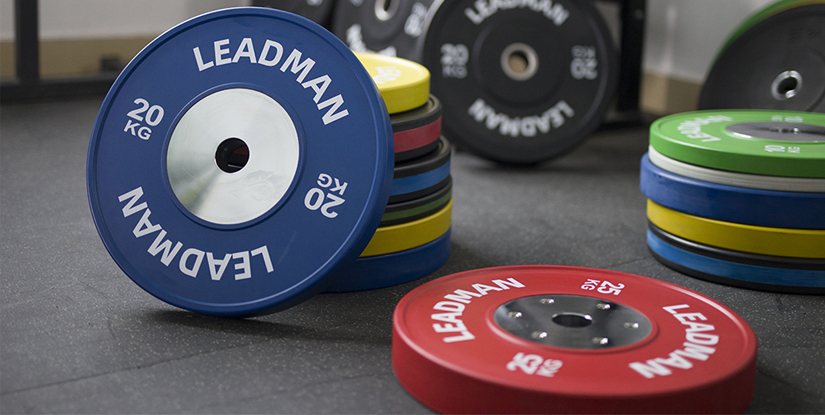
To ensure your bulk order meets international standards, we recommend requesting specific technical data sheets during the pre-shipment phase. A professional commercial gym suppliers partner should be able to provide documentation regarding testing standards and the specific density of materials used in their production lines. Evaluating these technical nuances during the factory audit phase prevents the high cost of importing sub-standard units that fail to meet the demands of high-traffic commercial environments.
Logistics Stability and the Impact of Build Quality on Landed Cost
For international distributors, the true cost of an order extends far beyond the FOB price. Durability is a critical variable in calculating the final landed cost and long-term profitability. If a shipment consists of poorly engineered units, the resulting high replacement frequency and increased maintenance costs will quickly erode your distributor margins. This is why sourcing through a professional fitness equipment factory direct model is a strategic necessity rather than just a cost-saving measure.
Structural integrity directly influences shipping stability and container loading efficiency. High-quality, well-engineered components allow for more predictable packaging and reduced movement within a shipping container. When a commercial gym suppliers partner utilizes precision engineering, the equipment is more resilient to the vibrations and stresses of long-distance maritime transit. This reduces the risk of transit-related damage, ensuring that the bulk order arrives in optimal condition and minimizing the need for costly after-sales claims or part replacements.
Ultimately, the decision to invest in higher-spec gym equipment private label production is a decision to protect your brand equity. By prioritizing high-gauge materials and industrial-grade mechanical parts, you reduce the operational burden on your end-users. This reliability fosters trust in your brand, ensuring that your clients experience minimal downtime and maximum ROI, which in turn secures your position as a premium provider in the global fitness market.
Optimizing Product Identity via Gym Equipment Private Label Services
Distributors and large-scale importers often face the challenge of commoditization, where selling generic units leads to thin margins and high price sensitivity. To build a sustainable market position, professional commercial gym suppliers offer specialized gym equipment private label solutions that allow you to transition from a mere reseller to a recognized brand owner. By leveraging a commercial equipment manufacturer with robust OEM and ODM capabilities, you can integrate your specific brand identity into the hardware itself.
This level of customization goes beyond simple logo placement; it involves technical differentiation through color schemes, upholstery textures, and specialized frame geometry. When you source directly from a factory, you gain the ability to control the aesthetic and functional nuances that define your market presence. This strategic approach ensures that your product lineup remains unique, protecting your long-term margins and establishing a professional footprint in competitive global territories.
Comparing Sourcing Models: Wholesale vs. Customized Manufacturing
Deciding between purchasing standard stock and investing in customized production is a critical decision for any distributor looking to scale. While standard wholesale orders offer speed, professional commercial gym suppliers provide deeper value through customized development. Understanding the distinction between high-volume procurement and specialized manufacturing is essential for optimizing your landed cost and long-term market differentiation.
A fitness equipment factory direct model allows you to choose between ready-to-ship inventory and fully engineered products. For distributors focused on rapid market entry, standard stock is efficient. However, for those aiming to capture premium segments, utilizing gym equipment private label services or full-scale commercial equipment manufacturer capabilities provides the technical edge required to stand out from generic competitors.
| Procurement Dimension | Standard Wholesale Sourcing | Customized OEM/ODM Manufacturing |
|---|---|---|
| Customization Level | Minimal (Standard colors and logos) | High (Technical specs and geometry) |
| Branding Control | Generic or basic logo application | Full private label integration |
| Product Design | Existing factory catalog designs | Proprietary or modified engineering |
| Typical MOQ | Lower (Container-based or pallet) | Higher (Production-line specific) |
| Lead Time | Short (Ready-to-ship inventory) | Extended (Design and tooling phase) |
| Primary Advantage | Speed and lower initial capital | Market exclusivity and higher margins |
When evaluating your next batch, consider whether your business model prioritizes immediate availability or long-term brand equity. If your goal is to develop a signature product line, engaging in OEM or ODM processes with a reliable supplier is the most effective way to secure a unique market position. We recommend requesting a detailed spec sheet or a sample approval process to verify how customized components meet your specific commercial durability standards before committing to a full-scale production run.
Technical Execution and Quality Control Standards
Transitioning from standard procurement to a specialized brand identity requires a rigorous manufacturing framework. When you partner with a professional commercial gym suppliers, the focus shifts from mere purchasing to technical oversight. A high-tier China factory manages the entire lifecycle of your custom order, from the initial engineering of technical specifications to the final stages of export packaging. This ensures that every unit—whether it features a custom color scheme, specialized upholstery, or unique logo placement—meets the exact standards of your target market.
To mitigate the risks associated with bulk orders, a structured quality control process is mandatory. This includes material verification, welding strength testing, and pre-shipment inspections to ensure mechanical consistency across the entire batch. For distributors, this technical precision is vital for managing the total landed cost and minimizing after-sales maintenance loads. Before finalizing a large-scale production run, we suggest conducting a formal factory audit or requesting a sample approval to confirm that the custom branding and build quality align with your commercial-grade requirements.
Sourcing Strategies for Fitness Equipment Factory Direct Advantages
Understanding the true landed cost is critical for distributors and gym owners managing international procurement. Beyond the initial unit price, the total investment includes freight, customs duties, insurance, and local handling fees. By sourcing directly from commercial gym suppliers, importers can gain a transparent view of the entire supply chain, ensuring that logistics costs do not erode profit margins during bulk transit.
Working with a factory-direct model allows procurement leads to bypass the inflated pricing often found in the secondary market. When you eliminate the layers of trading companies, you effectively focus on the total procurement cost rather than just the invoice price. This transparency is vital when calculating the ROI for large-scale facility builds or expanding a regional distribution network.
Optimizing your budget requires more than just finding a low price; it requires eliminating middleman margins that add no functional value to the product. A professional commercial equipment manufacturer provides the direct link between production and delivery, allowing for better control over shipping schedules and container utilization. This structural advantage ensures that your capital is invested in high-quality assets rather than unnecessary service markups.
| Procurement Model | Primary Cost Driver | Margin Impact | Supply Chain Control |
|---|---|---|---|
| Trading Company | Service fees and markups | High overhead | Limited direct oversight |
| fitness equipment factory direct | Production and logistics | Optimized for volume | High direct control |
| gym equipment private label | Customization and branding | Controlled by brand owner | Full ownership of identity |
To ensure your procurement strategy is robust, we recommend requesting a detailed breakdown of shipping terms and verifying the MOQ for specific product lines. Contact our team to discuss bulk pricing or to initiate a sourcing consultation for your next project.
Comparing Sourcing Structures for Optimized Margins
For distributors and large-scale importers, the distinction between a service-oriented trader and a professional commercial equipment manufacturer directly impacts the bottom line. A trading company often adds multiple layers of service fees, which complicates the calculation of the final landed cost. In contrast, a direct factory model provides a streamlined path from production to container loading, reducing the risk of unexpected price escalations during the export process.
When evaluating your next procurement cycle, consider how much of your budget is being spent on value-added services versus actual hardware. By choosing a fitness equipment factory direct approach, you minimize the markup applied at each transit point. This transparency allows for more predictable budgeting when managing large-scale wholesale orders or complex international shipments.
| Cost Component | Trading Company Model | Direct Manufacturer Model |
|---|---|---|
| Unit Price Base | Higher due to service markups | Lower due to direct production |
| Logistics Oversight | Indirect/Third-party managed | Direct control over container loading |
| Customization Potential | Limited by intermediary protocols | High through OEM and ODM |
| Price Volatility | Moderate to high | Stable via direct material sourcing |
Professional procurement teams should prioritize a supplier that offers comprehensive documentation, including detailed packing lists and pre-shipment inspection reports. To maximize your distributor margins, we suggest requesting a formal quote that includes a full breakdown of FOB or CIF terms to ensure your sourcing strategy remains cost-effective.
Maximizing Container Efficiency and Volume Logistics
For high-volume distributors, the efficiency of a shipment is measured by how effectively the container space is utilized. A professional commercial gym suppliers approach focuses on container optimization, ensuring that every cubic meter is accounted for to reduce the per-unit shipping cost. This is especially critical for heavy-duty or bulky items where inefficient packing can lead to wasted freight capacity and higher overall expenses.
Effective commercial gym suppliers provide detailed volumetric data and packing schemes well before the production cycle ends. This level of logistical foresight allows importers to plan bulk orders with precision, coordinating the mix of strength equipment, cardio machines, and accessories to achieve a perfectly balanced load. By optimizing the ratio of high-density items to lighter units, you can significantly lower the impact of freight on your total landed cost.
Furthermore, a sophisticated commercial equipment manufacturer understands the nuances of export packaging. From reinforced crating for heavy weight stacks to specialized palletizing for precision components, the goal is to protect the integrity of the goods while maximizing density. This attention to detail minimizes the risk of damage during transit and ensures that your wholesale shipments arrive ready for immediate distribution or facility installation.
To refine your logistics planning, we recommend discussing specific volume requirements and packaging standards with your supplier. Contact us to request a detailed packing specification or to confirm the MOQ for your upcoming containerized shipment.
Standardizing Quality Control and Export Logistics Protocols
Reliable commercial gym suppliers must implement rigorous quality control protocols to protect the margins of global distributors. For B2B importers, the risk of receiving non-compliant or defective units from a China factory can lead to devastating landed costs and broken client trust. Without strict inspection standards, a single faulty batch can compromise your entire product lineup and reputation.
Effective B2B sourcing requires more than just selecting a commercial equipment manufacturer; it requires a partner capable of systematic risk mitigation. We prioritize factory-direct oversight to prevent shipment damage and ensure every unit meets international compliance standards. By integrating multi-stage testing and reinforced export packaging, we ensure that high-volume wholesale orders arrive at your warehouse in pristine, ready-to-install condition, minimizing the need for costly after-sales replacements or local repairs.
Technical Inspection Stages and QC Standards
To maintain high reliability for bulk orders, a professional commercial equipment manufacturer executes a multi-stage inspection process. This begins with raw material testing to verify steel grade and tensile strength, followed by precision welding inspection to ensure structural integrity under heavy usage. Each unit then undergoes coating thickness verification to prevent corrosion and weight stability testing to ensure center-of-gravity alignment. This systematic QC checklist prevents the high replacement costs often associated with low-tier gym equipment private label production.
| Inspection Stage | Standard Specification | Premium Tier Requirement |
|---|---|---|
| Raw Material Verification | Basic alloy composition check | Full metallurgical certification and strength testing |
| Welding Quality | Visual seam inspection | X-ray or ultrasonic structural integrity testing |
| Powder Coating | Standard color consistency | Precision micron-level thickness and adhesion testing |
| Weight Stability | Standard balance check | Dynamic load-bearing and center-of-gravity calibration |
| Final Assembly | Basic function test | Comprehensive full-cycle stress test and component tolerance check |
For distributors managing complex fitness equipment factory direct procurement, these technical benchmarks are non-negotiable. We recommend that buyers request a detailed specification sheet or a sample approval phase to verify these standards before proceeding with full-scale wholesale production. Confirming these technical protocols during your factory audit ensures that your MOQ investments result in high-performance assets rather than maintenance liabilities.
Optimizing Export Packaging and Container Loading Efficiency
Beyond technical assembly, the final stage of procurement success depends on high-strength export packaging. For distributors importing heavy-duty machinery, the primary risk is structural deformation or surface damage during long-distance transit. We utilize reinforced corrugated cartons, high-density foam protection, and heavy-duty steel corner protectors to ensure that even the most complex gym equipment private label units remain intact from the factory floor to your local warehouse. This focus on protection is critical for maintaining a low total cost of ownership and preventing the logistical headaches of damaged-on-arrival claims.
Efficient container loading is a specialized skill that directly impacts your bottom line. A professional commercial gym suppliers partner optimizes every cubic meter of space within a 20ft or 40ft container. By utilizing smart stacking protocols and weight distribution mapping, we help importers maximize the volume of goods per shipment. This high-density loading strategy reduces the per-unit landed cost and optimizes your sea freight expenses. Whether you are sourcing a single SKU or a diverse product mix, our logistics optimization ensures that your bulk shipping arrives with maximum volume efficiency and minimal transit-related risk.
To ensure a seamless transition from production to delivery, we recommend that buyers coordinate closely with our logistics team regarding lead time and shipping schedules. Understanding the exact window for sea freight booking and container departure is essential for maintaining your inventory turnover and meeting local market demand. We invite professional buyers to request a detailed shipping plan or a formal quote to confirm how our bulk logistics capabilities align with your specific distribution requirements.
Scaling Your Distribution with Reliable Commercial Gym Suppliers
For high-growth distributors, the transition from local trading to a global commercial gym suppliers model requires shifting from purchasing finished goods to controlling the production line. Relying on mid-tier trading companies often limits your ability to scale due to inconsistent lead times and lack of customization. To maximize your distributor margin, you must establish a direct relationship with a commercial equipment manufacturer that offers both stability and volume scalability.
Moving toward a factory-direct sourcing strategy allows you to bypass unnecessary markups and control the landed cost of your inventory. Instead of merely reselling existing SKUs, professional importers leverage a wholesale partnership to build a unique product identity. This scaling business model focuses on moving away from low-margin retail-style trading toward high-volume, high-value contract manufacturing where you control the specification, the branding, and the long-term supply chain reliability.
| Sourcing Dimension | Trading Company Model | Direct Factory-Direct Model |
|---|---|---|
| Primary Focus | Product aggregation and logistics | Production engineering and manufacturing |
| Customization Capability | Limited to existing catalog SKUs | Full OEM and ODM services |
| Pricing Structure | Markup-based wholesale pricing | Direct production cost with bulk advantages |
| Quality Control (QC) | Third-party or superficial inspection | In-house factory QC and pre-shipment testing |
| Minimum Order (MOQ) | Lower MOQ for small variety | Higher MOQ for customized specifications |
| Supply Chain Control | Dependent on trader's inventory | Direct control over lead time and raw materials |
Selecting the right commercial gym suppliers determines whether your business functions as a simple reseller or a specialized brand owner. While trading companies offer ease of entry for smaller orders, they often introduce friction during rapid expansion due to limited OEM technical support and unpredictable lead time variations. For distributors aiming to launch a gym equipment private label, the ability to dictate technical specs and branding is non-negotiable.
A professional commercial equipment manufacturer provides the structural transparency required for long-term sourcing. By partnering with a China factory that manages its own production lines, you gain direct access to rigorous QC protocols and specialized engineering. This direct oversight ensures that every shipment meets the high-durability standards expected in the North American market, ultimately reducing the long-term cost of replacement and improving your overall brand reputation.
Driving Market Differentiation via Customization and Brand Identity
Market saturation in the fitness industry often leads to price wars among distributors who sell identical, unbranded equipment. To break this cycle, successful importers leverage a fitness equipment factory direct model to move beyond generic offerings. By utilizing specialized customization capabilities, you can adjust frame dimensions, upholstery textures, and color schemes to meet specific regional market demands or high-end studio requirements.
Establishing a strong brand identity through a gym equipment private label transforms your business from a commodity reseller into a specialized equipment provider. This strategic approach allows for comprehensive product lineup optimization, where you can integrate proprietary design elements or specific ergonomic adjustments into your catalog. While a gym equipment private label requires higher initial coordination regarding MOQ and technical specifications, the long-term result is a defensible market position and significantly higher distributor margins compared to selling generic, unbranded stock.