Giant Cast Iron Plates | Comparing Cast Iron Plate
Deployment Logistics for High-Traffic Facility Expansions
Giant cast iron plates are heavy-duty, high-density weight components designed for maximum durability in high-capacity strength training environments. B2B buyers prioritize these over thinner alternatives to ensure long-term structural integrity and standardized weight increments during large-scale facility expansions or multi-site rollouts.
Spatial Management and Footprint Optimization
When scaling a facility, the sheer volume of giant cast iron plates can create significant logistical bottlenecks. Unlike smaller increments, these heavy-duty units require strategic facility layout planning to prevent congestion in high-traffic zones. Efficient footprint optimization depends on selecting plates with consistent dimensional profiles that allow for streamlined stacking and standardized rack compatibility. Without adhering to strict commercial weight plate standards regarding thickness and diameter, distributors often face irregular storage issues, leading to wasted square footage and inefficient movement within the training floor.
Procurement managers must weigh the trade-offs between storage density and user accessibility. Depending on your facility's square footage and the intended training flow, the method of deploying these heavy-duty units will directly impact both daily throughput and long-term floor maintenance requirements.
| Storage Configuration | Space Efficiency | Accessibility & Flow | Ideal Use Case |
|---|---|---|---|
| Vertical Plate Racks | High (Minimal Footprint) | Moderate (Requires lifting from height) | Boutique studios or compact strength zones |
| Horizontal Floor Storage | Low (Large Footprint) | High (Easy retrieval/stacking) | High-volume warehouses or heavy lifting platforms |
| Integrated Barbell Systems | Medium (Zoned Deployment) | Very High (Directly on equipment) | Standardized multi-station training areas |
For multi-site rollouts, we recommend standardizing on vertical or integrated systems to maximize usable training area. While horizontal floor storage offers the fastest retrieval for high-intensity sessions, it often consumes excessive square footage, which can diminish the overall ROI of a premium commercial space.
Optimizing Bulk Procurement and Freight Logistics
Managing large-scale orders requires more than just selecting a product; it demands a rigorous evaluation of heavy duty iron plate specs to prevent installation delays. When executing bulk gym equipment procurement, buyers must account for the extreme weight-to-volume ratio inherent in massive iron components. A lack of dimensional consistency across a single shipment can lead to mismatched barbell seating or uneven rack loading, which complicates onsite assembly for multi-site rollouts.
Furthermore, precise shipping weight considerations are vital for calculating landed costs and preventing unexpected freight surcharges. We advise procurement specialists to coordinate closely with manufacturers regarding palletization and container loading density. Ensuring that plates maintain uniform thickness and diameter profiles not only guarantees a professional aesthetic but also streamlines the offloading process at the destination, reducing the labor hours required for facility setup.
Evaluating Dimensional Consistency and Tolerance Standards
Precision in manufacturing is a non-negotiable requirement for large-scale facility expansion. When sourcing giant cast iron plates, procurement managers must look beyond simple weight markings to evaluate dimensional consistency. Deviations in thickness or diameter can disrupt barbell balance and compromise the long-term integrity of high-end racks and storage solutions.
Adhering to strict commercial weight plate standards ensures that every unit fits seamlessly within your existing ecosystem. For multi-site rollouts, even minor variations in the inner diameter or plate thickness can lead to uneven loading, causing increased wear on equipment and potential safety liabilities in high-traffic commercial environments.
Durability and Precision Comparison
| Specification Metric | Standard Cast Iron | Precision Industrial Grade |
|---|---|---|
| Dimensional Tolerance | Moderate variation | Strictly controlled consistency |
| Thickness Uniformity | Variable across batches | High precision for balanced loading |
| Facility Compatibility | Standard gym use | Optimized for multi-site expansion |
| Long-term ROI | Basic replacement cycle | Extended lifecycle via stable geometry |
Prioritizing high-spec heavy duty iron plate specs during the initial procurement phase mitigates the risk of uneven plate wear. For distributors and facility owners, investing in plates with superior dimensional stability ensures that large-scale deployments remain functional and aesthetically uniform throughout their operational life.
Technical Specification Benchmarks for Sourcing
Evaluating the technical grade of your order is essential for managing total cost of ownership. A lower-tier manufacturing process may offer a lower upfront price, but inconsistent coating durability and diameter precision often lead to premature oxidation or fitment issues with standard Olympic bars. When conducting bulk gym equipment procurement, comparing these specific technical thresholds helps identify which batches are suitable for high-frequency commercial use versus basic warehouse stock.
| Technical Metric | Standard Grade | Premium Industrial Grade |
|---|---|---|
| Diameter Precision | ± 3mm deviation | ± 0.5mm to 1mm deviation |
| Thickness Variation | Non-uniform edge profiles | Consistent cross-section |
| Coating Durability | Basic powder coating | High-density, impact-resistant finish |
| Surface Texture | Rough/Irregular | Smooth/Controlled finish |
For distributors managing large-scale inventory, these heavy duty iron plate specs serve as a baseline for quality control inspections. Choosing the premium tier typically reduces long-term maintenance costs, as high-density coatings prevent the surface degradation and rust common in humid or high-traffic gym environments.
Essential Procurement Checklist for Quality Control
To mitigate the risks associated with large-scale shipments, procurement managers should implement a rigorous quality control (QC) protocol during the sampling phase. Relying solely on visual inspections is insufficient; a structured procurement checklist ensures that every batch of giant cast iron plates meets the functional requirements of a professional facility. A single faulty batch can result in unbalanced loading or premature surface degradation, increasing the total cost of ownership across your entire network.
When conducting bulk gym equipment procurement, we recommend verifying the following three pillars of long-term durability before finalizing high-volume orders:
- Thickness Uniformity Verification: Use calipers to check multiple points across the plate surface to ensure consistent weight distribution and prevent barbell wobble.
- Coating Integrity Test: Inspect the adhesion of the finish to ensure it can withstand high-impact environments without chipping or flaking.
- Dimensional Tolerance Audit: Measure the inner diameter (ID) against your standard Olympic barbell sleeves to confirm a seamless, secure fit.
By integrating these technical benchmarks into your inspection workflow, you transition from simple purchasing to strategic asset management, ensuring your facility expansion is built on a foundation of reliable, heavy-duty equipment.
Optimizing Floor Layout with Heavy Duty Iron Plate Specs
When designing multi-site expansions or high-density training zones, the physical footprint of your equipment dictates long-term facility efficiency. Sourcing giant cast iron plates requires a strategic focus on dimensional consistency to ensure that weight trees, racks, and storage solutions function within the intended spatial parameters of a professional layout.
The Link Between Precision and Space Efficiency
In commercial settings, even minor deviations in plate thickness or diameter can compromise the organization of heavy-duty storage racks. Adhering to strict commercial weight plate standards ensures that your inventory remains uniform, preventing the "stacking drift" that often occurs with lower-quality casting. For facility managers, maintaining high dimensional consistency across large orders is not just about weight accuracy; it is a critical factor in space efficiency. Standardized dimensions allow for predictable storage density, ensuring that your facility footprint is optimized for both movement and equipment density without the clutter caused by irregular, non-standardized iron components.
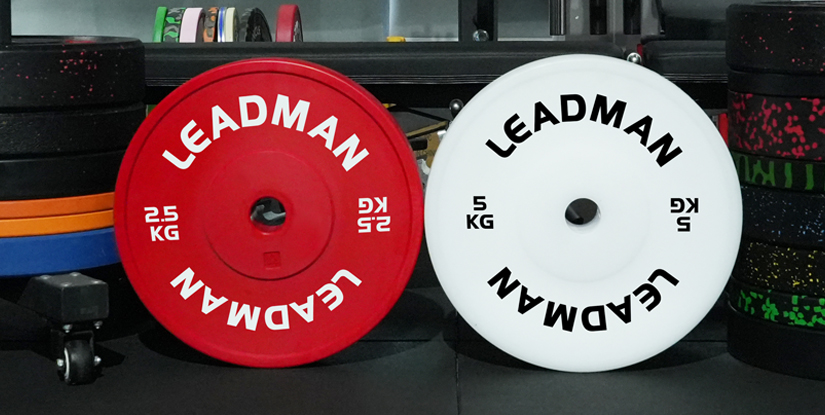
Procurement managers must decide between traditional profile aesthetics and high-density configurations. While standard cast iron profiles are cost-effective for single-site gym setups, high-volume distributors often prioritize specialized profiles to maximize usable floor space in premium commercial facilities.
Profile Comparison: Standard vs. Compact Configurations
| Profile Type | Typical Thickness Ratio | Storage Density | Weight-to-Space Ratio | Best Use Case |
|---|---|---|---|---|
| Standard Cast Iron | 1.0x (Baseline) | Moderate | Standard | Traditional weightlifting zones |
| Thin/Compact Profile | 0.7x – 0.8x | High | Optimized | Multi-plate barbell loading |
| Heavy-Duty Oversized | 1.2x+ | Low | Lower | High-impact strength training |
When conducting bulk gym equipment procurement, evaluating these heavy duty iron plate specs prevents unexpected logistics bottlenecks. A compact profile allows for more weight per linear foot on a barbell, which is essential for training-heavy environments where barbell real estate is limited. Conversely, standard profiles may offer better durability for high-impact, heavy-duty environments but require more robust storage solutions to manage their larger spatial footprint.
Logistics and Scalability in Multi-Site Rollouts
Successful facility expansion relies on more than just selecting the right equipment; it requires sophisticated logistics planning to manage the sheer mass of heavy iron. When scaling across multiple locations, the weight-to-volume ratio of your order significantly impacts shipping costs and warehouse turnover. Large-scale buyers must account for the fact that giant cast iron plates are high-density, low-volume cargo that necessitates specialized freight handling to avoid transit damage or unexpected surcharges.
To maintain operational fluidity, procurement teams should synchronize bulk gym equipment procurement with storage rack compatibility audits. Ensuring that your chosen storage solutions—whether vertical weight trees or horizontal racks—can handle the specific dimensional tolerances of your shipment is vital. Furthermore, negotiating MOQ considerations with manufacturers can provide a buffer for your supply chain. Establishing a predictable replenishment cycle based on standardized specifications allows distributors to maintain consistent stock levels across diverse locations without the risk of dimensional mismatches during site-specific installations.
Coating Integrity and Long-Term Maintenance Cycles
In a high-traffic facility, the surface treatment of giant cast iron plates dictates how frequently your staff must intervene in routine upkeep. While the core weight remains constant, the external finish is the first line of defense against oxidation and environmental wear.
For procurement managers, evaluating coating integrity is a critical step in calculating the true Total Cost of Ownership (TCO). Low-grade finishes often succumb to chipping or rust under heavy use, leading to increased maintenance cycles and premature replacement needs. Adhering to strict commercial weight plate standards ensures that the protective layer—whether powder coating or specialized plating—can withstand the friction and impact typical of rigorous commercial environments. Investing in superior surface durability reduces long-term labor costs and preserves the professional aesthetic of the facility over several years of operation.
Surface Treatment Comparison for Facility Managers
The choice between different finishes often involves a strategic trade-off between initial procurement costs and long-term maintenance requirements. Depending on your facility's humidity levels and budget constraints, selecting the appropriate coating will determine the frequency of resurfacing or replacement.
| Finish Type | Durability | Corrosion Resistance | Aesthetic Longevity | Maintenance Needs |
|---|---|---|---|---|
| Powder Coating | High (Impact Resistant) | Excellent | Superior (Consistent Color) | Minimal; occasional wipe-down |
| Liquid Paint | Moderate (Prone to Chipping) | Average | Fair (May Fade/Peel) | Periodic touch-ups required |
| Raw/Natural Finish | Low (Surface Oxidation) | Low | Rustic/Industrial | High; requires oiling to prevent rust |
For multi-site expansions or high-humidity environments, powder coating is typically the preferred standard due to its ability to withstand heavy mechanical impact without delaminating. While raw iron may offer a lower upfront cost, the labor required for oxidation management often negates these savings in a professional commercial setting. When sourcing in bulk, ensure your supplier provides detailed specifications on the micron thickness of the applied coatings to guarantee consistency across large shipments.
Optimizing Receiving and On-Site Storage Protocols
Effective bulk gym equipment procurement does not end at the loading dock. To protect your investment, rigorous inspection during receiving is mandatory. Procurement teams should verify that all incoming shipments align with the provided heavy duty iron plate specs, checking specifically for surface imperfections, dimensional deviations, or signs of moisture ingress that may have occurred during transit. Even a minor oversight in the initial QC phase can lead to compounding issues across a large-scale facility rollout.
Once verified, implementing strict storage protocols is essential for maintaining the longevity of your inventory. High-density iron is susceptible to oxidation if left in uncontrolled environments. To ensure long-term durability, prioritize moisture control by avoiding direct contact with concrete floors; utilizing palletized systems or elevated racking is a standard best practice. For distributors and multi-site operators, maintaining a dry, well-ventilated staging area prevents the premature degradation of the protective coatings, ensuring the equipment remains in peak commercial condition for its intended lifecycle.
Bulk Procurement Strategies for Multi-Site Rollouts
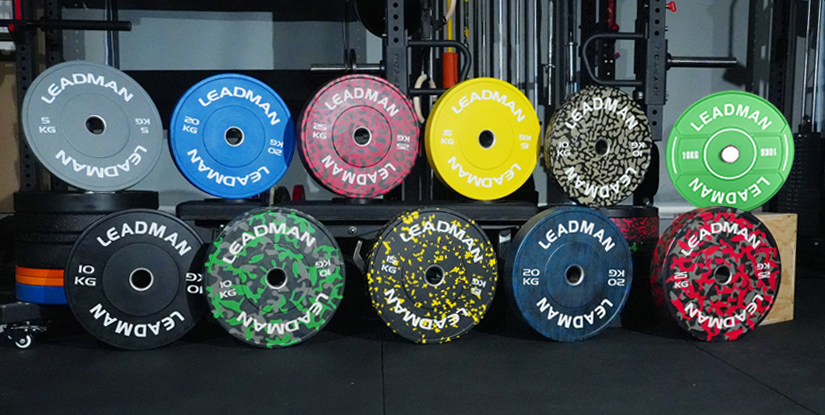
Scaling a fitness network requires moving beyond unit-price comparisons to a model centered on long-term value. When sourcing giant cast iron plates for multi-site expansions, procurement managers must account for the hidden costs of replacement cycles and shipping logistics that often undermine low-cost initial bids.
Total Cost of Ownership vs. Initial Investment
Focusing solely on the lowest invoice price often leads to budget overruns during the second or third year of operation. High-quality commercial weight plate standards ensure that dimensional consistency and coating integrity remain intact through heavy daily use. A cheaper plate that suffers from premature oxidation or uneven thickness may require premature replacement, increasing the initial investment vs. long-term durability gap significantly.
| Procurement Factor | Economy-Grade Sourcing | Premium Commercial Standard |
|---|---|---|
| Upfront Unit Cost | Lower | Moderate |
| Coating Longevity | High oxidation risk | Resistant to chipping/rust |
| Dimensional Tolerance | Variable/Inconsistent | Strict adherence to specs |
| Long-term TCO | Higher (Frequent replacement) | Lower (Extended lifecycle) |
Optimizing cost-efficiency during scaling procurement involves selecting a partner capable of maintaining strict quality control across large-volume orders. Reliable manufacturers ensure that every shipment of giant cast iron plates meets the same structural profile, reducing the need for site-specific adjustments or uneven loading across different facility locations.
Comparing Sourcing Models for Scale
The decision between sourcing directly from a factory or utilizing a domestic distributor depends on your volume requirements and logistical capabilities. While direct sourcing offers the most aggressive pricing for large-scale facility rollouts, it requires more intensive management of the supply chain and quality oversight.
| Metric | Direct Factory Sourcing | Local/Regional Distributor |
|---|---|---|
| Minimum Order Quantity (MOQ) | High (Container-load based) | Low to Moderate |
| Shipping & Logistics | Complex (International freight/Customs) | Simplified (Domestic/LTL) |
| Lead Times | Extended (Production + Sea freight) | Short (Stock availability) |
| Quality Control Oversight | Requires strict third-party inspection | Managed by distributor |
| Unit Cost Efficiency | Maximum (Best for bulk expansion) | Moderate (Includes markup) |
For multi-site expansions, direct factory procurement is often the preferred route for bulk gym equipment procurement to maintain price consistency across regions. However, if your rollout involves smaller, staggered deliveries to boutique locations, a distributor may mitigate the risks associated with complex international logistics and high storage requirements.
Mitigating financial volatility during a rollout requires a rigorous approach to technical verification. When managing bulk gym equipment procurement, the most significant hidden costs arise from dimensional inconsistency and non-compliance with heavy duty iron plate specs. If a batch of plates arrives with varying thicknesses or non-standard diameters, it can cause operational delays, uneven barbell loading, and unexpected labor costs during installation across multiple sites.
To safeguard your expansion budget, professional buyers should mandate a formal quality inspection (QC) protocol before any container leaves the factory. This should include a verification of dimensional consistency to ensure that every plate fits standard commercial bars perfectly. Furthermore, coordinating shipping logistics with a manufacturer that understands container optimization is essential; improper weight distribution during transit can lead to damaged coatings or structural deformities, effectively negating any initial savings gained through high-volume ordering.
Sourcing and Quality Control for Global Distribution
For multi-site facility expansions, the total cost of ownership is dictated by how well your supplier adheres to commercial weight plate standards. High-volume procurement requires more than just a low unit price; it demands rigorous oversight of manufacturing tolerances to prevent the cascading costs of premature replacement and uneven loading across your global inventory.
Protecting Long-Term ROI Through Precision
When sourcing giant cast iron plates at scale, even minor deviations in dimensional consistency can lead to significant operational friction. Inconsistent diameters may cause uneven bar balance, while poor weight tolerances can result in cumulative discrepancies across a full barbell setup. For distributors and large-scale gym operators, these small errors translate into increased maintenance requests and diminished brand trust. Prioritizing factories that implement strict volumetric controls ensures that every shipment meets the high-duty specifications required for professional strength environments, ultimately safeguarding your capital investment against the high cost of frequent equipment turnover.
Evaluating the trade-off between initial procurement costs and long-term operational expenses is critical for high-volume orders. A strategic procurement model focuses on the durability of the finish and the reliability of the manufacturing process to minimize the frequency of replacement cycles.
Tiered Quality Comparison for Bulk Procurement
The following comparison illustrates the typical performance gaps between standardized premium production and lower-tier economy manufacturing. This helps procurement managers decide whether to prioritize immediate budget savings or long-term asset stability.
| Evaluation Metric | Tier 1 (Premium/Standardized) | Tier 2 (Economy/Non-standardized) |
|---|---|---|
| Weight Precision | Strict adherence to ±1% tolerance | Variable tolerance (often ±3% or higher) |
| Coating Durability | Multi-layer anti-corrosion/powder coat | Basic paint or thin primer application |
| Dimensional Consistency | High precision for seamless barbell fit | Potential irregularities in diameter/thickness |
| Maintenance Frequency | Low; resistant to oxidation and chipping | High; requires regular cleaning and rust prevention |
| Ideal Use Case | Multi-site commercial chains & franchises | Budget-focused studios or short-term pop-ups |
While Tier 2 options may offer a lower entry price, the increased maintenance frequency and shorter replacement cycles often result in a higher total cost of ownership. For professional distributors managing large-scale inventory, investing in Tier 1 specifications typically yields a more predictable ROI through reduced labor and replacement costs.
Optimizing Logistics for Multi-Site Rollouts
Scaling a fitness brand across multiple territories requires a shift from simple purchasing to advanced bulk gym equipment procurement. To maximize margins, buyers must look beyond the unit price of giant cast iron plates and focus on the logistical overhead of heavy-duty freight. Effective shipping volume optimization is a critical lever; coordinating shipments to maximize container utilization reduces the landed cost per unit, which is vital when managing the high weight-to-volume ratio typical of iron products.
To mitigate the risks of receiving sub-par inventory at remote locations, we recommend a factory-direct inspection protocol. Rather than relying on third-party logistics reports, engaging directly with the manufacturing stage allows you to verify heavy duty iron plate specs—such as center hole diameter and edge beveling—before the goods are crated. Establishing a clear Minimum Order Quantity (MOQ) that aligns with full container loads (FCL) rather than less-than-container loads (LCL) can further stabilize your supply chain and ensure consistent equipment quality across every new facility opening.