Fitness Gear Cast Iron Plates | Matching Cast Iron Plates
Verifying Manufacturing Standards and Quality Control Protocols
High-grade fitness gear cast iron plates are precision-molded weight components designed for high-volume commercial use. B2B buyers prioritize these over lower-tier alternatives because they offer predictable weight increments, exceptional structural integrity, and a long-term replacement cycle that stabilizes total cost of ownership for large-scale facilities.
Prioritizing Structural Integrity and Crack Prevention
For distributors and gym owners, the primary risk in bulk procurement is structural failure during high-impact use. Rigorous manufacturing standards must be in place to ensure consistent density and prevent internal air pockets. Without strict quality control, even minor imperfections can lead to crack prevention issues, resulting in catastrophic failure when plates are dropped or subjected to heavy barbell loading. Ensuring that every batch of fitness gear cast iron plates undergoes stress testing is essential to maintain safety and protect the long-term ROI of your equipment investment.
Ensuring Commercial Weight Plate Compatibility
Standardization is the backbone of professional strength training equipment selection. High-quality casting ensures that the center hole diameter remains consistent across all weight increments, which is vital for commercial weight plate compatibility with various barbell sleeves. Inconsistent tolerances can lead to uneven weight distribution or difficulty in loading/unloading, causing friction and wear on expensive barbell coatings. When sourcing for multi-use facilities, verifying that the manufacturing tolerances meet international commercial standards is a non-negotiable step to ensure seamless integration with existing gym programming equipment needs.
Technical Benchmarks for High-Volume Procurement
To mitigate the risks of uneven loading or premature degradation, procurement managers should demand specific technical metrics from their suppliers. Relying on visual inspection alone is insufficient for high-tier strength training equipment selection; instead, focus on measurable deviations in density and coating adhesion. A standardized approach to quality control ensures that the inventory remains compatible with diverse barbell systems and heavy-duty training protocols.
| Metric Category | Standard Requirement | Commercial Gym Standard (Target) | Procurement Risk (Low Quality) |
|---|---|---|---|
| Weight Accuracy | ±1% to ±2% | Strict ±1% for precision | ±5% or higher variance |
| Density/Uniformity | High/Consistent | Zero internal air pockets | Brittle/Internal voids |
| Tolerance (Hole Diameter) | ±0.5mm | Smooth, consistent fit | Irregular or oversized edges |
| Coating/Finish | Multi-layer/Durable | High adhesion (Anti-rust) | Peeling or uneven application |
When evaluating factory capability, confirm that the supplier utilizes automated casting or precision molding to maintain these benchmarks. For distributors managing large-scale inventory, these technical specifications prevent the high replacement costs often associated with inferior fitness gear cast iron plates that fail to meet rigorous commercial gym standards.
Logistics Reliability and Batch Consistency
Scaling a facility requires more than just a single high-quality sample; it requires predictable batch consistency. Procurement managers must verify that a factory can maintain identical dimensions and finish quality across multiple production runs to meet ongoing gym programming equipment needs. When negotiating MOQ levels, ensure the supplier has a documented protocol for intra-batch weight verification to prevent receiving mismatched sets that disrupt professional barbell loading.
Furthermore, long-distance procurement introduces risks regarding shipping durability. A robust quality assurance plan must include specialized packaging standards—such as reinforced steel crates or heavy-duty palletizing—to prevent impact damage during transit. Before finalizing a bulk order, request details on their inspection protocols, specifically regarding how they monitor for rust prevention and surface integrity during the loading and export process. This diligence ensures that your fitness gear cast iron plates arrive in a condition that is ready for immediate commercial deployment without costly returns or inventory discrepancies.
Evaluating Compatibility Across Diverse Training Modalities
Optimizing the Total Cost of Ownership (TCO) requires understanding how different training environments impact the longevity of your fitness gear cast iron plates. Whether managing a boutique studio or a high-traffic strength facility, the durability of surface coatings directly dictates your long-term replacement cycles and maintenance labor costs.
Environmental Impact and Maintenance Requirements
In high-intensity functional fitness settings, equipment faces frequent drops and high humidity, which can accelerate oxidation if the protective layer is compromised. Conversely, traditional strength training environments typically demand less rigorous surface protection but require high commercial weight plate compatibility to ensure smooth transitions during heavy barbell loading. Selecting plates with superior surface coating durability minimizes the need for frequent rust remediation and repainting.
| Training Environment | Primary Maintenance Concern | TCO Driver | Recommended Coating Type |
|---|---|---|---|
| Functional Fitness | Oxidation from moisture | Frequent replacement | High-grade powder coat |
| Traditional Strength | Surface scuffing | Aesthetic upkeep | Standard industrial paint |
| Outdoor/Semi-Outdoor | Rapid oxidation/Rust | High durability needs | Heavy-duty protective seal |
For distributors and facility managers, prioritizing oxidation prevention during the procurement stage reduces the long-term operational burden. Investing in high-quality fitness gear cast iron plates with standardized tolerances ensures that strength training equipment selection remains a one-time capital expenditure rather than a recurring maintenance expense.
When evaluating procurement options, the choice of finish is a strategic decision between upfront cost and long-term labor savings. A high-quality finish does more than provide aesthetics; it serves as a barrier against the corrosive elements found in high-traffic commercial zones.
Maintenance Intensity by Facility Type
The following comparison helps procurement officers align their strength training equipment selection with the actual operational realities of their specific venue. A mismatch here often leads to premature oxidation and increased replacement frequency.
| Facility Type | Typical Training Style | Maintenance Intensity | Preferred Surface Finish |
|---|---|---|---|
| High-Performance/Functional Gym | High-impact/Dynamic movement | High | Premium Powder Coating |
| Commercial Weight Room | Traditional barbell loading | Moderate | Standard Industrial Paint |
| Hotel & Boutique Studio | Low-impact/Aesthetic-focused | Low | Matte/Decorative Finish |
| Outdoor/Semi-Outdoor Training | Extreme environmental exposure | Very High | Heavy-Duty Protective Seal |
From a wholesale perspective, sourcing plates with a high-grade powder coat offers better protection for gym programming equipment needs that involve high-velocity movements. While the initial unit cost may be slightly higher, the reduction in rust-related replacement cycles provides a much better return on investment for large-scale distributors and facility operators.
Logistics and Storage Protocols for Distributors
For wholesalers and large-scale distributors, the procurement lifecycle extends far beyond the initial purchase. Managing the long-term quality of fitness gear cast iron plates requires strict adherence to storage protocols and rigorous QC inspection points to mitigate risks during transit and warehousing. Unlike rubberized alternatives, cast iron is susceptible to environmental degradation if logistics are poorly managed.
Effective moisture control is the most critical factor in maintaining inventory integrity. Distributors should ensure that all shipments are stored in climate-controlled or low-humidity environments to prevent oxidation before the product even reaches the end-user. During the bulk shipping durability assessment, verify that packaging utilizes moisture-resistant liners and reinforced palletizing to withstand the mechanical stresses of international freight.
When conducting strength training equipment selection at the factory level, implement a multi-stage inspection process. Key QC inspection points must include checking the uniformity of the protective coating, the precision of the center hole diameter for commercial weight plate compatibility, and the absence of surface pitting. By prioritizing these logistical safeguards, procurement managers ensure that their inventory consistently meets the high-performance gym programming equipment needs of global fitness brands.
Optimizing Inventory Selection for Specific Programming Needs
Distributors must align their stock profiles with the specific training modalities of their target clients. A one-size-fits-all approach to fitness gear cast iron plates often leads to dead stock or missed procurement opportunities when facility requirements shift between high-intensity movements and heavy lifting.
Balancing Functional Fitness and Traditional Lifting
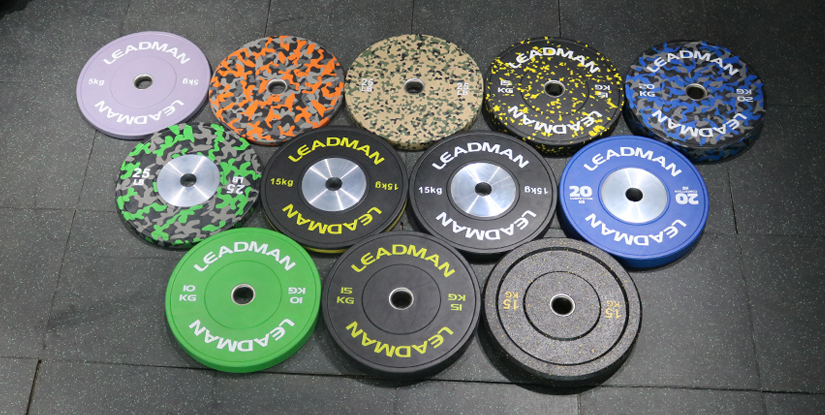
Strategic strength training equipment selection requires understanding the mechanical demands of different gym environments. For instance, boutique studios focusing on functional fitness often demand high-density, compact weight increments to facilitate rapid transitions. Conversely, traditional powerlifting or bodybuilding facilities prioritize heavy, standardized plate sets that ensure long-term commercial weight plate compatibility with barbell sleeves and specialized racks.
| Programming Style | Primary Inventory Requirement | Distributor Focus |
|---|---|---|
| Functional/HIIT | High-frequency small increments | Compact storage and durability |
| Traditional Strength | High-mass standard plates | Precision weight and sleeve fit |
| Commercial Strength | Diverse weight range (Full Sets) | Consistent thickness and stacking |
By diversifying SKU profiles to address both functional fitness vs. traditional lifting, buyers can maintain a competitive edge. Successful procurement hinges on matching the weight distribution of the inventory to the specific throughput and programming speed of the end-user facility.
Facility-Specific Configuration Comparison
To optimize your procurement budget, evaluate the specific facility type before finalizing bulk orders. The following comparison helps determine the most efficient distribution of weight increments and inventory depth based on the intended user experience and facility turnover rates.
| Facility Type | Typical Weight Increments | Primary Inventory Focus |
|---|---|---|
| Boutique Fitness Studio | 1 kg to 5 kg increments | High-density, small-diameter plates |
| CrossFit / Functional Box | 2.5 kg to 10 kg increments | High-durability, impact-resistant builds |
| Full-Scale Commercial Gym | Full range (2.5 kg to 25 kg+) | Standardized thickness and high-volume sets |
Understanding these nuances prevents overstocking heavy plates in environments that prioritize agility, or conversely, neglecting the heavy mass required for a standard strength-training floor. Aligning your orders with these gym programming equipment needs ensures higher turnover and better client satisfaction for your end-users.
Managing MOQ and Logistics for TCO Optimization
Effective procurement extends beyond selecting the right weight increments; it requires a sophisticated weight distribution strategy to manage the total cost of ownership (TCO). When ordering fitness gear cast iron plates in bulk, buyers must balance Minimum Order Quantities (MOQ) against shipping efficiency. Heavy cast iron products carry high freight-to-value ratios, making logistics optimization a critical factor in maintaining healthy margins.
To minimize costs, avoid ordering fragmented, low-volume sets of individual weights. Instead, prioritize high-volume, standardized full sets that maximize container utilization. A disciplined approach to inventory turnover—stocking heavily in high-demand mid-range plates while maintaining leaner stocks of niche increments—prevents capital from being tied up in slow-moving SKUs. By synchronizing your replenishment cycles with shipping container capacities, you reduce the per-unit landed cost and ensure your warehouse remains agile enough to meet fluctuating gym programming equipment needs.
Managing Dimensional Precision and Attachment Fit
For facility owners and distributors, the value of fitness gear cast iron plates lies in their ability to integrate seamlessly with existing barbell systems. High-quality procurement requires strict oversight of manufacturing tolerances to ensure that every unit meets international standards for weight and size. Without rigorous quality control, slight deviations can lead to uneven loading or mechanical instability during heavy lifting sessions.
A critical factor in commercial weight plate compatibility is the center hole diameter. Whether sourcing for standard 1-inch bars or heavy-duty 2-inch Olympic sleeves, the barbell sleeve fit must be precise. A hole that is too tight creates friction and prevents smooth rotation, while a hole that is too loose causes excessive rattling. Maintaining tight dimensional precision ensures that your inventory remains compatible with a wide range of professional-grade bars, reducing long-term maintenance issues and enhancing the user experience across diverse training environments.
Technical Comparison: Standard vs. Precision Tolerances
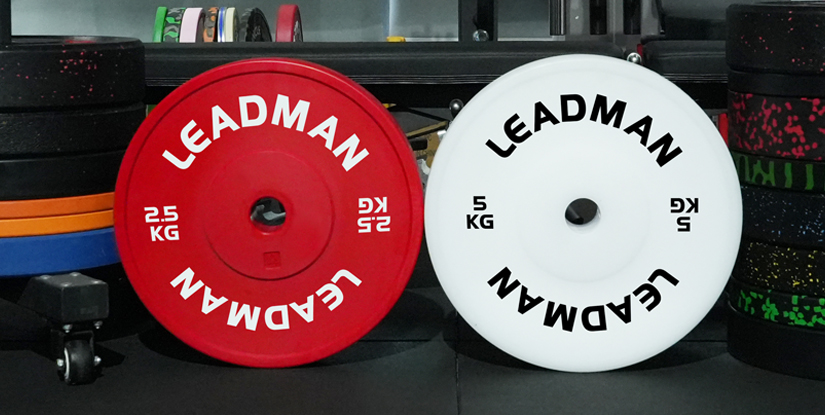
When evaluating procurement options, distinguishing between standard production and precision-engineered specifications is essential for long-term asset management. In high-traffic commercial settings, the degree of variance in the center hole diameter directly impacts the longevity of expensive barbell sleeves. Tight tolerances prevent the abrasive "chatter" that can degrade knurling and sleeve bearings over time.
| Specification Feature | Standard Production | Precision Commercial Grade |
|---|---|---|
| Center Hole Diameter | 50.0mm – 51.5mm | 50.5mm – 50.8mm |
| Weight Tolerance | ± 2% to 3% | ± 0.5% to 1% |
| Barbell Impact | Higher friction/wear risk | Smooth, optimized rotation |
| Ideal Application | Home gyms/Light retail | Tier-1 Gyms/Strength Facilities |
Distributors should prioritize precision-grade stock when fulfilling orders for strength training equipment selection that demands high-frequency usage. While standard plates may offer lower MOQs and reduced initial costs, the precision fit of high-end cast iron prevents the uneven loading and mechanical wear often seen in lower-tier strength training equipment.
Beyond initial diameter, long-term durability is heavily influenced by the structural integrity of the iron casting. During the strength training equipment selection process, buyers must account for the risk of plate deformation caused by uneven cooling or low-grade casting techniques. If the plate face is not perfectly flat, it can lead to irregular barbell sleeve friction, causing the barbell to tilt or wobble under heavy loads. This instability is not merely a nuisance; it can accelerate the mechanical wear of expensive barbell bearings and bushings.
For high-volume facilities, understanding maintenance cycles is vital for total cost of ownership. High-quality fitness gear cast iron plates maintain their shape and concentricity even under extreme temperature fluctuations and heavy impact. When designing for specific gym programming equipment needs—such as high-intensity functional training or heavy powerlifting—procurement managers should prioritize factory-certified casting processes. This ensures that the plates remain a stable, long-term asset rather than a recurring maintenance liability.
The Hidden Costs of Low-Unit Pricing
Procuring fitness gear cast iron plates at the lowest possible price point often creates a deceptive sense of savings. While the initial invoice might look favorable, buyers frequently encounter significant financial risks when low-cost manufacturers compromise on dimensional tolerance and surface integrity. Inconsistent thickness or diameter variations can lead to uneven loading, which compromises commercial weight plate compatibility with high-end barbell sleeves and specialized training accessories.
Beyond immediate usability, these defects impact the total cost of ownership (TCO). A shipment lacking rigorous quality control (QC) may result in plates that do not stack uniformly or possess uneven weight distribution, leading to premature wear on gym equipment and increased maintenance cycles. For distributors and facility managers, the cost of managing returns, replacements, and damaged reputation far outweighs the marginal savings gained from unverified, low-cost suppliers.
Sourcing Models: Direct Factory vs. Local Distributor
To balance budget constraints with operational stability, procurement managers must choose between the high-efficiency of direct imports and the reliability of domestic supply chains. The following comparison highlights the trade-offs between these two primary sourcing strategies for bulk weight plate orders.
| Evaluation Metric | Direct Factory Sourcing | Local/Regional Distributor |
|---|---|---|
| Typical MOQ | High (Full container loads) | Low to Moderate (Pallet-based) |
| Unit Cost | Lowest (Manufacturer pricing) | Moderate (Markup included) |
| Lead Time | Long (Production + Sea Freight) | Short (Immediate/Regional stock) |
| Shipping & Logistics | Complex (Customs, Port handling) | Simplified (Domestic freight) |
| Inspection Strategy | Requires 3rd-party QC/Pre-shipment | Easier local verification |
| Risk Mitigation | High (Currency & Transit risks) | Low (Domestic legal protections) |
When selecting strength training equipment, the decision often hinges on your inventory turnover. Direct sourcing maximizes margins for large-scale distributors with established logistics, whereas local distributors offer a safer, more agile option for boutique studios or facilities with immediate gym programming equipment needs and limited warehouse space.
Verifying Quality and Compatibility Standards
To prevent the logistical nightmare of shipping non-compliant inventory, professional buyers must implement strict verification protocols before final payment. A critical component of effective strength training equipment selection is ensuring a perfect barbell sleeve fit. Even minor deviations in the center hole diameter can cause plates to bind or rattle excessively on high-end Olympic bars, frustrating end-users and complicating gym programming equipment needs.
We strongly recommend a mandatory pre-shipment inspection for all bulk orders. This process should specifically verify batch consistency to ensure that weight increments remain uniform across the entire shipment. Relying on a third-party quality control agent to check dimensional tolerances and surface finishes can mitigate the risk of expensive warranty claims and prevent the need for costly, mid-season re-orders due to defective or mismatched stock.
Logistics Optimization and Landed Cost Calculations
When sourcing fitness gear cast iron plates, procurement managers must look beyond the initial unit price to understand the true total landed cost. This figure encompasses factory pricing, export packaging, ocean freight, customs duties, and final inland delivery to your facility or warehouse.
Balancing Durability vs. Initial Investment
A lower per-unit cost often masks hidden expenses related to poor commercial weight plate compatibility or substandard casting quality. Low-grade iron may suffer from uneven weight distribution or premature oxidation, leading to frequent replacement cycles. For high-traffic commercial facilities, prioritizing durability vs. initial investment is critical; investing in high-density, precision-molded plates reduces long-term turnover and maintenance costs, ensuring a higher ROI over the equipment's operational lifespan.
Deciding between direct factory procurement and utilizing a local distributor is a strategic choice that impacts both your capital expenditure and operational agility. While direct sourcing offers the lowest possible unit price, it requires higher volume commitments and more complex logistics management.
Freight Optimization and Density Management
Managing the transport of heavy, high-density goods requires a sophisticated approach to freight optimization. Because cast iron is a weight-intensive commodity, shipping costs are driven more by mass than by volume. To mitigate these expenses, professional exporters utilize advanced palletization techniques, ensuring that every cubic meter of container space is utilized without compromising structural integrity.
When planning for diverse gym programming equipment needs, buyers should coordinate with manufacturers to consolidate shipments. Instead of ordering disparate SKUs in isolated batches, grouping various plate diameters and weights into optimized, reinforced pallets reduces the risk of shifting during transit and lowers the per-unit shipping cost. For large-scale distributors, mastering this density-to-weight ratio is a fundamental component of effective strength training equipment selection and long-term margin protection.