Evaluating Cast Iron Olympic Plate Reviews for Bulk Orders
Decoding Consumer Feedback for High-Volume Procurement
Distributors often mistake low unit prices for high margins, overlooking how poor manufacturing consistency drives long-term losses. A sophisticated sourcing strategy looks beyond the initial invoice to analyze cast iron olympic plates reviews for indicators of durability and precision, ensuring that the inventory remains a reliable asset rather than a recurring liability.
The Link Between Precision and TCO
In commercial settings, the weight tolerance of a plate is a critical metric for professional credibility. If a batch deviates significantly from its nominal weight, it undermines the perceived commercial weight plate quality and can lead to customer dissatisfaction. High-quality manufacturing consistency ensures that every plate in a bulk order meets strict specifications, directly extending replacement cycles. By prioritizing suppliers who demonstrate tight tolerances, B2B buyers optimize their TCO (Total Cost of Ownership), reducing the frequency of costly returns and the need for premature inventory replenishment.
To maximize ROI, procurement teams must filter feedback through a professional lens, distinguishing between cosmetic imperfections and systemic failures. Effective bulk iron plate inspection protocols prioritize structural integrity over surface-level aesthetics to protect long-term inventory turnover.
Categorizing Feedback: Aesthetic vs. Structural
Distributors should categorize incoming data into two distinct streams to protect their margins. Aesthetic complaints—such as minor paint chips or slight casting textures—are often superficial and do not impact the functional life of the product. However, feedback regarding uneven weight distribution or center-hole deformation signals a failure in quality control (QC) and a breach of wholesale gym equipment standards. Ignoring these structural red flags during the sourcing phase can lead to high return rates and damaged brand reputation. By focusing on these critical metrics, buyers ensure that their stock provides lasting durability, maintaining a high turnover rate without the drag of constant replacement cycles.
Risk Assessment and ROI Correlation
To streamline decision-making, use the following matrix to correlate common feedback patterns with their actual impact on your bottom line. This helps differentiate between acceptable production variances and systemic manufacturing defects that threaten profit margins.
| Feedback Focus | Common Complaint Pattern | Risk to ROI | Procurement Recommendation |
|---|---|---|---|
| Weight Accuracy | Inconsistent poundage/kilo deviations | High: Increased returns and loss of professional credibility | Require strict tolerance certification (±1-2%) |
| Surface Finish | Minor paint chipping or casting textures | Low: Primarily aesthetic; does not impact function | Acceptable for standard commercial stock |
| Structural Integrity | Center-hole deformation or cracking | Critical: Total product failure and high liability | Vet factory furnace and cooling protocols |
Prioritizing suppliers who maintain high standards in weight precision and structural density ensures your inventory remains a high-turnover asset. When sourcing at scale, a slightly higher unit cost for verified consistency is often more profitable than a low-cost batch that triggers frequent replacement cycles.
Identifying Manufacturing Consistency Through Review Patterns
Distributors and facility managers must look beyond individual ratings to identify systemic production issues. High-quality cast iron olympic plates reviews often focus on the uniformity of the cast, as deviations in density or finish can indicate poor quality control during the molding process.
Detecting Weight Tolerance and Structural Variance
A critical metric for commercial gym equipment is weight tolerance. When analyzing cast iron olympic plates reviews, look for patterns where users report significant discrepancies between the stated weight and the actual mass. Frequent complaints regarding inconsistent weights suggest a lack of precise calibration in the factory, which can compromise the professional standard of a weightlifting area. Furthermore, consistent feedback regarding uneven thickness or surface pitting serves as a red flag for low manufacturing consistency. For high-volume procurement, these patterns signal that the supplier may lack the necessary commercial weight plate quality standards required for long-term durability in high-traffic environments.
To streamline your procurement decision, use the following comparison to differentiate between minor aesthetic flaws and critical manufacturing defects. Understanding these distinctions helps in evaluating whether a supplier meets the necessary wholesale gym equipment standards for professional distribution.
| Reported Issue | Severity Level | Impact on Commercial Use | Procurement Action |
|---|---|---|---|
| Surface Pitting/Texture | Low | Aesthetic only; minimal impact on performance. | Acceptable for budget-friendly gym builds. |
| Coating/Paint Flaking | Medium | Increased oxidation risk; higher maintenance needs. | Verify coating adhesion specs with factory. |
| Uneven Thickness | High | Imbalanced loading; potential bar instability. | Request bulk iron plate inspection reports. |
| Weight Deviation | Critical | Breaches professional competition standards. | Reject if outside +/- 1-2% tolerance. |
When sourcing in bulk, do not settle for vendors who dismiss these patterns as standard. A reliable manufacturer will provide documented calibration data to ensure that every shipment maintains a predictable profile, protecting your margin and your reputation with end-users.
Validating Factory QC and Long-Term Inventory Reliability
A robust bulk iron plate inspection protocol is the only way to mitigate the risks of high-volume sourcing. When reviews highlight recurring structural weaknesses, it often points to a failure in the manufacturer's quality control (QC) during the cooling or sand-casting phases. For distributors, these inconsistencies are more than just minor defects; they represent a threat to long-term durability and inventory reliability. If a production batch lacks strict oversight, your replacement rate and return costs will inevitably rise, eroding your margins.
To protect your capital, prioritize suppliers who offer transparent testing data. Reliable manufacturers treat quality control as a continuous process rather than a final check, ensuring that every shipment meets the rigorous wholesale gym equipment standards expected by professional training facilities. By selecting partners with proven manufacturing stability, you ensure that your stock remains a high-value asset throughout its lifecycle.
Critical Benchmarks for Commercial Weight Plate Quality
High-tier commercial weight plate quality is defined by a manufacturer's ability to maintain strict tolerances across large production runs. For distributors, evaluating cast iron olympic plates reviews should focus on how well a factory manages manufacturing consistency, as slight deviations in weight or diameter can lead to uneven barbell loading and increased wear on client equipment.
Beyond basic weight, the longevity of your inventory depends on the surface finish and the quality of the protective coating. Premium plates must demonstrate high oxidation resistance to prevent rust in humid gym environments, which significantly reduces long-term labor costs for facility managers. When vetting suppliers, ensure their production standards address these durability factors to protect your margins and reputation.
| Procurement Factor | Standard Grade Plates | Premium Commercial Grade |
|---|---|---|
| Weight Tolerance | ± 3% deviation | ± 1% or tighter |
| Surface Treatment | Basic paint/primer | Advanced oxidation resistance |
| Maintenance Cycle | Frequent cleaning/rust removal | Minimal intervention required |
| Long-term ROI | Lower initial cost; higher replacement | Higher initial cost; extended lifecycle |
Evaluating Coating Durability and Surface Treatments
Selecting the appropriate finish is a strategic decision that affects both the aesthetics and the total cost of ownership for your clients. While raw iron offers a classic look, it often requires high-frequency maintenance to combat oxidation. For high-traffic commercial gyms, the coating type dictates how much labor staff will spend on routine upkeep and inventory preservation.
| Coating Type | Durability Level | Maintenance Frequency | Best Use Case |
|---|---|---|---|
| Raw Cast Iron | Moderate (Rust Prone) | High (Regular oiling/cleaning) | Budget-focused studios |
| Powder Coating | High (Impact Resistant) | Low (Standard wiping) | Standard commercial gyms |
| Epoxy/Liquid Paint | Very High (Chemical Resistant) | Minimal (Periodic inspection) | Premium/High-traffic facilities |
When sourcing in bulk, verify if the factory applies these coatings under controlled conditions to ensure uniform thickness. Inconsistent coating application can lead to premature chipping, especially in high-volume environments where plates are frequently dropped or stored in heavy racks.
Protocols for Bulk Inspection and Storage
Optimizing long-term ROI requires a rigorous bulk iron plate inspection protocol before inventory enters your warehouse. Procurement managers must verify that shipments meet wholesale gym equipment standards regarding packaging integrity. Inspect for logistics-induced damage, such as micro-fractures or rim chipping, which often occur during sea freight or rough handling.
Strict moisture control is essential during the receiving phase. Ensure all pallets are stored in climate-controlled environments to prevent oxidation of the metal surfaces. Following specific storage requirements—such as elevating pallets off concrete floors—protects your stock from ground moisture, ensuring the plates arrive at the end-user in showroom condition.
Prioritizing Manufacturing Consistency and Weight Tolerance
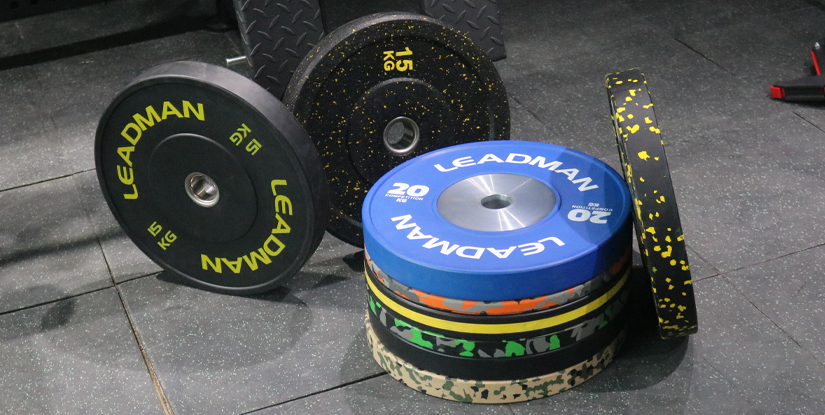
For distributors and large-scale gym operators, long-term durability depends on more than just the thickness of the iron. High-quality cast iron olympic plates reviews often highlight how manufacturing consistency directly impacts the lifespan of the equipment. If a batch lacks strict quality control, variations in density or casting flaws can lead to premature cracking under heavy use.
To protect your investment and ensure commercial weight plate quality, it is essential to mandate a strict weight tolerance threshold during the procurement process. Relying on standard cast iron olympic plates reviews is a start, but professional buyers must demand factory-level inspection reports to verify that each unit meets the specified weight precision required for professional strength training environments.
Physical Durability and Surface Integrity Standards
Beyond weight precision, a rigorous bulk iron plate inspection must evaluate the structural integrity of the casting itself. For high-traffic commercial facilities, minor imperfections can escalate into costly maintenance issues or safety liabilities. Procurement managers should implement a standardized checklist to verify that the manufacturer adheres to strict wholesale gym equipment standards regarding physical geometry and finish.
| Inspection Metric | Commercial Grade Requirement | Procurement Risk Factor |
|---|---|---|
| Surface Finish | Uniform coating; zero pitting or bubbling | Corrosion and paint flaking |
| Edge Smoothness | Consistent radius; no sharp burrs | User injury and barbell sleeve wear |
| Density/Uniformity | Homogeneous metal distribution | Imbalance and structural cracking |
| Central Bore | Perfectly centered; smooth inner diameter | Uneven loading and rotation friction |
Ensuring these physical attributes are consistent across an entire shipment prevents the logistical headache of returning defective stock. A reliable supplier will provide transparency on their casting processes to guarantee that every plate maintains its shape and surface quality over years of rigorous use.
Analyzing qualitative data within cast iron olympic plates reviews is a vital step in identifying hidden inventory risk. While technical specs provide a baseline, anecdotal evidence from heavy-duty users often reveals subtle indicators of poor durability that standard inspection sheets might overlook. For instance, recurring mentions of chipping paint or uneven edges in user feedback are early warning signs of inadequate heat treatment or subpar casting techniques.
When assessing long-term value, look specifically for patterns regarding structural integrity. If multiple reviews mention hairline fractures or plating failure after even moderate drop cycles, the product may not meet the demands of a high-traffic commercial setting. For distributors, these qualitative red flags are critical; a single batch of structurally compromised plates can lead to high return rates and damaged brand reputation. Prioritize suppliers whose feedback highlights consistent performance under extreme mechanical stress to ensure your stock remains a reliable asset.
Wholesale Gym Equipment Standards and Tolerance Thresholds
When sourcing at scale, the true cost of an order is rarely found in the initial invoice, but in the long-term impact of manufacturing inconsistency. For distributors, understanding the nuance of cast iron olympic plates reviews is essential to identifying suppliers that maintain strict weight tolerances across high-volume production runs.
The Hidden Cost of Poor Manufacturing Consistency
In high-traffic commercial gym settings, even a 2% deviation in weight can lead to uneven barbell loading and client dissatisfaction. While lower-tier manufacturers may offer a lower unit price, poor weight tolerance management often results in higher replacement frequencies and diminished brand trust. Prioritizing manufacturing consistency ensures that every plate in a shipment meets the same density and dimensional standards, driving true cost-efficiency by reducing the need for constant inventory replenishment and mitigating the risks associated with uneven load distribution.
Tiered Precision and Procurement Alignment
Procurement managers must align their budget with the specific operational needs of their clientele. While high-end facilities demand absolute uniformity, high-volume distributors or budget-friendly fitness centers may find value in higher-tolerance tiers. Use the following comparison to evaluate how precision levels impact your total cost of ownership and long-term inventory value.
| Tier Classification | Typical Weight Tolerance | Primary Target Market | Commercial Weight Plate Quality |
|---|---|---|---|
| Premium / Professional | < ±1% | High-end strength clubs & competition gyms | High precision; optimized for balanced loading |
| Standard Commercial | ±2% to 3% | Standard commercial gyms & franchise locations | Consistent density; reliable for daily high-traffic use |
| Budget / Entry-Level | ±5% or higher | Home gyms & small boutique studios | Variable precision; suitable for low-frequency environments |
When conducting a bulk iron plate inspection, verify if the supplier provides a tolerance guarantee. Choosing a mid-range tier often offers the best ROI for general distributors, balancing reasonable unit costs with the durability required for standard commercial use.
Mitigating TCO Through Rigorous Inspection Protocols
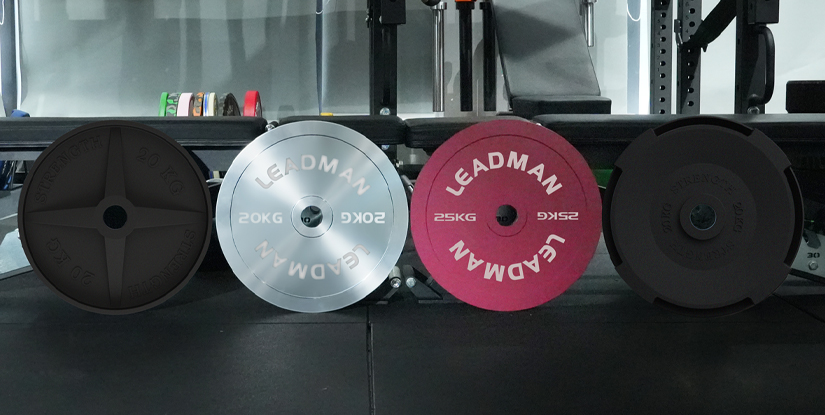
Reliability in bulk procurement depends on the strength of the supplier's quality control (QC) framework. A robust bulk iron plate inspection protocol prevents the most significant drain on a distributor's margin: the cost of non-conforming goods. When shipments arrive with dimensional irregularities or improper casting, the resulting logistics headaches—such as returns, re-shipping fees, and customs delays—can quickly erode any initial savings gained from a lower unit price.
Furthermore, adhering to recognized wholesale gym equipment standards minimizes long-term inventory replacement costs. If a shipment lacks consistency, facility managers often face premature wear or uneven barbell imbalances, leading to frequent replacement cycles. By investing in suppliers with high-tier quality control, buyers secure a more predictable total cost of ownership, ensuring that the initial capital outlay translates into years of reliable service rather than recurring operational expenses.
Logistics and Inventory Planning for Heavy Iron Shipments
Efficient facility management relies on understanding how high-density iron affects your physical floor plan. When reviewing cast iron olympic plates reviews, savvy distributors often look beyond weight accuracy to assess how the product's physical dimensions impact long-term storage efficiency and movement within a facility.
Optimizing Footprint and Vertical Density
The weight density of cast iron provides a distinct advantage for high-density storage, but it requires precise planning. Because iron offers a compact footprint compared to bulkier bumper plates, you can maximize your commercial gym layout by utilizing vertical storage solutions like heavy-duty weight trees or specialized racking. However, procurement managers must scrutinize cast iron olympic plates reviews to ensure consistency in plate thickness. Variations in casting thickness can disrupt stacking stability, potentially leading to uneven weight distribution in your storage racks. High-quality manufacturing ensures that plates nest or stack predictably, which is vital for maintaining storage efficiency in cramped warehouse environments or high-traffic training zones.
Storage Configuration Comparison
Selecting the right storage architecture depends on your specific facility throughput and available square footage. While vertical options maximize floor space, horizontal configurations often offer superior stability for high-volume commercial environments. Use the comparison below to determine which setup aligns with your inventory turnover and space constraints.
| Configuration Type | Primary Benefit | Floor Space Impact | Accessibility & Speed | Ideal Weight Capacity |
|---|---|---|---|---|
| Vertical Plate Trees | Maximum vertical density | Minimal footprint | Moderate; requires lifting plates upward | High; optimized for single-column loads |
| Horizontal Racks | Structural stability | Larger linear footprint | High; easy sliding/loading for rapid changes | Extreme; supports massive bulk weight |
| Wall-Mounted Pegs | Clutter reduction | Zero floor footprint | Low; limited by height and mounting strength | Moderate; depends on wall reinforcement |
When sourcing for large-scale distribution, verify that your chosen hardware can handle the specific thickness profiles of your order. Consistent manufacturing tolerances are essential to prevent wobbling in vertical trees or uneven loading in horizontal racks.
Receiving Protocols and Quality Assurance
Successful bulk procurement extends beyond the initial purchase to the moment the shipment arrives at your warehouse. A rigorous bulk iron plate inspection is mandatory to verify that the factory's output aligns with wholesale gym equipment standards. Upon delivery, inspect a random sample of plates for surface irregularities or casting flaws that could compromise structural integrity.
To protect your long-term margins, implement strict moisture/rust prevention protocols. Ensure all shipments arrive on reinforced, moisture-resistant palletizing structures to prevent warping or damage during transit. When negotiating MOQ considerations, factor in the cost of specialized climate-controlled storage if your facility is prone to high humidity. Maintaining a dry, organized environment ensures that your inventory remains in premium condition, preserving the aesthetic and functional value of your stock for end-users.
Optimizing Distributor Margins via Tiered Sourcing Strategies
For high-volume distributors, the relationship between manufacturing consistency and profitability is direct. While lower unit prices are attractive, erratic weight tolerance or inconsistent casting quality leads to high return rates and damaged reputations. Analyzing cast iron olympic plates reviews allows buyers to identify suppliers who maintain strict standards, effectively turning qualitative feedback into a risk-mitigation tool for protecting distributor margins.
Impact of Quality on Long-Term ROI
Inconsistent commercial weight plate quality creates hidden costs. If a batch lacks manufacturing consistency, the resulting weight discrepancies can lead to disputes with gym owners who require precision for professional training. By prioritizing suppliers with proven weight tolerance, you reduce the frequency of credit memos and replacement shipments, ensuring your inventory remains a reliable asset rather than a liability.
| Sourcing Tier | Primary Focus | Typical MOQ | Margin Potential |
|---|---|---|---|
| Premium Commercial | Precision & Branding | Low to Medium | High Per Unit |
| Standard Wholesale | Durability & Volume | Medium to High | Stable/Consistent |
| Economy Bulk | Price Leadership | Very High | High Volume/Low Margin |
Sourcing Tier Comparison and Logistics Framework
Distributors must balance the immediate reduction in landed costs against the rigor of quality control. Choosing a sourcing model requires a clear understanding of how much oversight is required to maintain wholesale gym equipment standards. While direct factory sourcing offers the highest margin, it demands a more sophisticated bulk iron plate inspection protocol to mitigate the risks of shipping errors or casting defects.
| Sourcing Model | Cost Level | QC Control | Lead Time | Best For |
|---|---|---|---|---|
| Direct Factory | Lowest | Self-Managed | Longest | High-Volume Stocking |
| Tier-1 Wholesaler | Moderate | Shared/Standardized | Medium | Mid-Size Distributors |
| Local Distributor | Highest | High/Immediate | Shortest | Small Studio/Just-in-Time |
When evaluating cast iron olympic plates reviews to select a tier, focus on the supplier's ability to pass third-party audits. A high-performing procurement strategy involves verifying that the factory utilizes standardized molds to ensure weight uniformity across large shipments, which ultimately stabilizes your long-term ROI by reducing customer churn and replacement logistics.
Mitigating Hidden Logistics and Inventory Risks
Beyond unit price, savvy buyers must scrutinize reviews for mentions of transit-related issues. Frequent reports of shipping damage or poorly reinforced packaging signal high logistics costs that can quickly erode your net margins. Furthermore, inconsistent weight tolerance mentioned in feedback often indicates poor mold control, creating a significant inventory risk. If a significant percentage of your stock fails to meet professional specifications, the cost of replacements and the loss of long-term value in customer trust will far outweigh any initial savings from low-cost sourcing.