Kettlebell Weight Loss: Private Label OEM Factory Supply
Optimizing Commercial Inventory with Kettlebell Weight Loss Equipment
Distributors often struggle with low-margin generic stock that lacks brand recognition, whereas successful importers focus on building a proprietary product line through kettlebell weight loss equipment. Instead of sourcing unbranded units that offer zero differentiation, professional buyers leverage commercial kettlebell manufacturing to create high-value assets that increase inventory turnover and long-term profitability.
Transitioning from a standard importer to a specialized brand owner requires a strategic shift in professional sourcing. By partnering with a private label kettlebell supplier, you move beyond the limitations of generic wholesale fitness equipment and begin establishing a distinct brand identity in the competitive North American market. This approach allows for better control over product specifications, ensuring your inventory meets the exact durability standards required by high-traffic commercial facilities.
Technical Specifications: Retail-Grade vs. Professional-Grade Manufacturing
The primary risk in bulk procurement is the discrepancy between advertised weight and actual mass, which can lead to high return rates and damaged distributor reputations. When sourcing for high-traffic studios, relying on standard retail-grade products often results in inconsistent coating and rapid wear. Professional buyers must distinguish between low-tier consumer stock and high-performance units produced through specialized commercial kettlebell manufacturing to ensure long-term reliability and lower total cost of ownership.
A professional private label kettlebell supplier provides rigorous quality control that generic distributors cannot match. The following comparison outlines the technical requirements necessary for maintaining a high-end commercial inventory and why investing in higher-tier production is a strategic decision for long-term margin protection.
| Technical Feature | Standard Retail-Grade Units | Professional OEM/ODM Grade |
|---|---|---|
| Weight Accuracy | High variance (±5% or more) | Strict tolerance (±1% to ±2%) |
| Coating Consistency | Uneven paint or thin powder coating | Uniform, high-durability industrial finish |
| Handle Ergonomics | Rough or inconsistent grip surfaces | Precision-molded, smooth-flow handles |
| Material Density | Variable cast quality and air pockets | High-density, seamless iron or steel |
| Sourcing Context | Generic stock/Small batches | Customized wholesale fitness equipment |
Choosing the correct production tier directly impacts your landed cost and replacement cycle. While initial unit costs may be higher for professional-grade equipment, the reduction in maintenance frequency and the ability to offer a premium product line through kettlebell weight loss solutions provides a much higher return on investment for your clients and your business. To ensure your specifications meet these standards, we recommend requesting a detailed technical spec sheet or a sample approval before finalizing your bulk order.
Supply Chain Reliability: QC, Lead Times, and Export Logistics
Managing large-scale inventory requires more than just finding a product; it requires a partner capable of maintaining strict QC standards and predictable lead times. For distributors managing high-volume shipments, a single batch of defective products can disrupt entire seasonal cycles and erode profit margins. This is why professional buyers prioritize a factory that integrates rigorous pre-shipment inspections into the standard production workflow, ensuring every unit meets the precise density and balance requirements expected in professional kettlebell weight loss training environments.
Efficient logistics management also hinges on professional export packaging and optimized container loading. A reliable supplier understands that the landed cost is not just the price per unit, but the total expense including shipping, duties, and the cost of potential transit damage. High-tier manufacturers utilize reinforced, moisture-resistant packaging designed specifically for sea freight to protect heavy iron or steel components. By optimizing pallet configurations and container volume, we help our partners reduce shipping costs per unit, making the procurement of wholesale fitness equipment more economically viable for large-scale distribution and long-term warehouse management.
Evaluating Total Cost of Ownership for Bulk Kettlebell Sourcing
Professional procurement specialists must look beyond the initial invoice to understand the true value of kettlebell weight loss equipment. When sourcing through a China factory, the landed cost is merely the starting point of the investment lifecycle. A lower unit price from an unverified supplier may lead to higher operational expenses due to premature wear, surface degradation, or weight imbalances that necessitate frequent replacements.
True profitability in commercial fitness distribution relies on balancing the initial purchase price against long-term durability and maintenance requirements. High-quality commercial kettlebell manufacturing ensures that the equipment maintains its structural integrity under heavy daily use, effectively reducing the frequency of re-ordering and protecting your distributor margins.
Comparing Procurement Models and Long-Term Value
| Procurement Factor | Low-Cost/Unverified Sourcing | Professional OEM/ODM Manufacturing |
|---|---|---|
| Initial Unit Price | Lower | Moderate to Higher |
| Material Consistency | Variable/Unreliable | Strict Industry Standards |
| Maintenance Frequency | High (due to wear) | Low (optimized for durability) |
| Long-Term TCO | High (replacement costs) | Optimized (extended lifecycle) |
| Brand Reputation Risk | Significant | Minimal |
When managing wholesale fitness equipment inventories, the goal is to minimize the total cost of ownership. This involves selecting a private label kettlebell supplier that prioritizes high-grade casting and precision finishing. By investing in superior kettlebell weight loss tools, facility operators and distributors ensure a higher return on investment through extended product lifespans and reduced replacement cycles.
A comprehensive evaluation of the supply chain must include rigorous quality control (QC) protocols to prevent hidden expenses. For instance, substandard casting or uneven weight distribution in a bulk order can lead to immediate returns or damage to your brand reputation. When selecting a partner for commercial kettlebell manufacturing, ensure the factory provides detailed weight tolerance reports and surface finish inspections. Neglecting these technical specifications during the initial sourcing phase often results in increased shipping/logistics complexities, such as dealing with damaged goods or insufficient container loading efficiency due to non-standardized packaging.
To secure long-term commercial success, we recommend that procurement managers move toward a more structured validation process. Instead of focusing solely on the lowest price point, evaluate the long-term durability and the reliability of the wholesale fitness equipment you are bringing into your inventory. We invite you to contact us to request a technical specification sheet, confirm current MOQ for your specific weight range, or schedule a factory audit to verify our production standards firsthand.
A rigorous approach to procurement requires assessing how material integrity impacts your bottom line. In high-traffic commercial environments, the durability of the casting and the quality of the surface coating directly dictate the replacement cycle. Selecting a professional private label kettlebell supplier allows you to specify high-grade iron or specialized powder coatings that enhance wear resistance and prevent chipping. This attention to detail ensures that the equipment remains aesthetically and functionally sound, protecting your long-term ROI and reducing the need for frequent stock replenishment.
To mitigate the risks associated with international bulk orders, we recommend a multi-step validation process. Rather than prioritizing the lowest possible unit price, focus on the total landed cost, which includes long-term maintenance and replacement frequency. We invite professional buyers to reach out to our team to request a full technical specification sheet, confirm the current MOQ for your desired weight increments, or discuss customized OEM branding options to align with your brand identity. Establishing these parameters early ensures a streamlined sourcing process and a predictable supply chain for your fitness distribution business.
Strategic Benefits of Private Label Kettlebell Supplier Partnerships
Establishing a robust supply chain through a professional private label kettlebell supplier allows distributors to move beyond generic inventory and build long-term market authority. When sourcing directly from a China factory, procurement leads can control every aspect of the product lifecycle, from material density to aesthetic finish, ensuring the final unit aligns with high-end commercial expectations.
Relying on generic, unbranded stock often limits a distributor's ability to scale. By utilizing professional OEM/ODM capabilities, you can integrate your unique brand identity into the equipment, transforming a standard commodity into a proprietary product line. This strategic move is essential for those focused on kettlebell weight loss training programs where brand consistency and perceived quality drive client retention and premium pricing.
A specialized private label kettlebell supplier provides the structural support needed to differentiate your catalog in a crowded market. Rather than competing solely on price against mass-market retailers, you can leverage brand differentiation to target specialized fitness studios and high-end boutique gyms that demand specific weight increments and customized branding. This approach optimizes your kettlebell weight loss product offerings for professional-grade environments while maximizing your distributor margins.
Evaluating Sourcing Models: Factory Direct vs. General Trading
For procurement professionals, the decision between a specialized manufacturer and a general trading company directly impacts the total landed cost and long-term product reliability. While trading companies may offer a broad catalog, they often lack the oversight necessary for rigorous commercial-grade production. In contrast, working with a dedicated source for commercial kettlebell manufacturing ensures that every unit meets specific weight tolerances and durability standards required for high-traffic gym environments.
Selecting the right partner involves analyzing more than just the initial unit price; it requires evaluating the depth of the supply chain. A specialized wholesale fitness equipment partner provides direct access to production schedules, allowing for much more predictable lead times and greater control over customization. The following comparison outlines the operational differences between these two sourcing paths to help you optimize your procurement strategy.
| Procurement Dimension | Specialized Manufacturer (Direct) | General Trading Company |
|---|---|---|
| Production Control | Direct oversight of raw materials and casting | Limited visibility into actual production |
| Customization Depth | Full OEM and ODM capability | Standardized stock with limited options |
| Quality Control (QC) | In-house pre-shipment inspections | Third-party or superficial checking |
| MOQ Flexibility | Tiered volume-based scaling | Often higher or rigid due to middleman markup |
| Landed Cost Efficiency | Higher margins due to direct sourcing | Lower margins due to intermediary fees |
| Lead Time Reliability | Direct alignment with factory output | Variable due to third-party coordination |
When optimizing your inventory for kettlebell weight loss programs, the ability to request technical spec sheets and verify the quality control protocols is non-negotiable. We recommend that buyers initiate a formal inquiry to confirm current MOQ requirements and request sample approval before committing to large-scale container orders. This ensures your brand identity remains consistent across all weight increments and shipping batches.
Optimizing logistics and reducing the total landed cost requires a partner who understands the complexities of international freight and large-scale distribution. For professionals managing wholesale fitness equipment, the difference between a successful launch and a logistical bottleneck often lies in the efficiency of the export process. By coordinating directly with a China factory, importers can bypass the unpredictable delays and markup layers often introduced by mid-tier distributors, ensuring a more predictable arrival of inventory for peak seasonal demand.
Efficient commercial kettlebell manufacturing extends beyond the casting floor and into the final stages of export packaging and container loading. High-density weight distribution requires specialized crating and reinforced packaging to prevent damage during long-haul maritime transit. A professional supplier will prioritize optimized palletization and container volume utilization, which directly lowers the per-unit shipping cost. This level of precision is vital for maintaining high margins when managing bulk orders for global distribution networks.
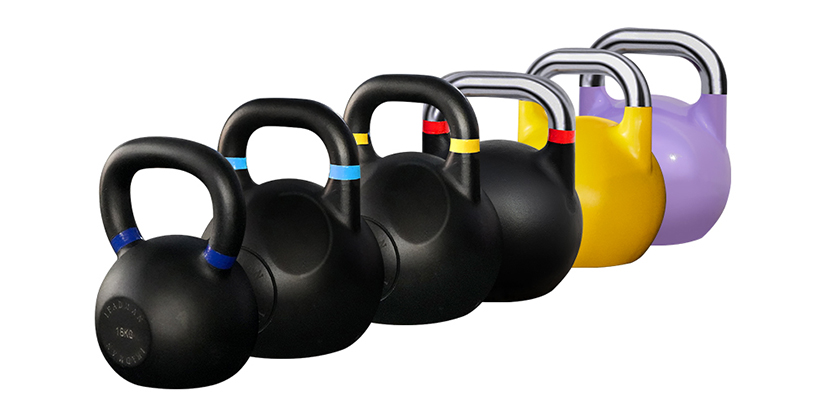
To secure a competitive advantage in the kettlebell weight loss market, procurement leads should focus on partners that offer end-to-end supply chain transparency. We recommend that distributors request detailed export packaging specifications and shipping timelines during the initial inquiry phase. Confirming your specific MOQ and conducting a thorough pre-shipment inspection or factory audit will mitigate the risks of weight discrepancies or surface defects, ensuring your brand delivers consistent quality to every commercial client.
Customization Capabilities Through Commercial Kettlebell Manufacturing
For distributors and fitness brand owners, standard off-the-shelf inventory often fails to capture specific market segments. To build a distinct brand identity, sourcing specialized equipment through commercial kettlebell manufacturing is a strategic necessity. By leveraging a China factory, importers can move beyond generic products to offer specialized weight increments and custom aesthetics that resonate with high-end studio operators and professional training facilities.
The transition from a generic importer to a recognized equipment brand requires more than just bulk purchasing; it demands a professional OEM/ODM partnership. Utilizing professional OEM/ODM services allows your company to control every detail, from the handle diameter ergonomics to the specific coating textures. This level of control ensures that your kettlebell weight loss product line meets the rigorous high-quality production standards required for heavy-duty commercial use, effectively increasing your long-term distributor margins and market authority.
Stock Inventory vs. Custom Private Label Solutions
When planning your procurement cycle, it is essential to evaluate whether your business model favors the speed of stock items or the long-term value of custom production. While standard stock is suitable for immediate replenishment, a dedicated private label kettlebell supplier offers the ability to differentiate your catalog. Choosing between these two paths depends on your current MOQ requirements and your desire for unique market positioning.
| Feature | Standard Stock Inventory | Custom Private Label Solutions |
|---|---|---|
| Branding | Generic or unbranded | Full custom logo and brand identity |
| Color & Finish | Limited to factory defaults | Custom powder coating and textures |
| Weight Increments | Standard industry increments | Customized weight specifications |
| Sourcing Speed | Fast, ready for immediate export | Requires lead time for production |
| Profit Margin | Lower, high competition | Higher, unique market positioning |
| Minimum Order | Lower MOQ for standard units | Higher MOQ for custom specifications |
Optimizing your wholesale fitness equipment portfolio requires balancing these two options. For rapid market entry, standard units provide a low-risk starting point. However, for established distributors looking to scale, utilizing wholesale customization services allows for superior control over product consistency and brand perception. We recommend requesting a detailed specification sheet and confirming the specific MOQ for any custom color or logo requests to ensure your landed cost remains within your projected budget.
Operational Efficiency: Managing Lead Time and Logistics
Navigating the complexities of international procurement requires a clear understanding of how production cycles impact your inventory turnover. When sourcing through a China factory, buyers must account for the inherent lead time associated with customized production runs. Unlike purchasing local stock, large-scale manufacturing involves raw material procurement, casting, finishing, and rigorous testing phases. Failing to integrate these timelines into your supply chain planning can lead to stockouts and lost revenue during peak seasonal demand.
To mitigate risks, professional importers prioritize transparency in the production timeline. A reliable supplier will provide a detailed schedule encompassing the casting process, cooling periods, and the final QC inspection phase. This structured approach ensures that every unit of your kettlebell weight loss equipment meets commercial-grade specifications before it ever reaches the container. By aligning your procurement cycles with these manufacturing realities, you can maintain a consistent supply of high-demand weights without the volatility of unmanaged shipping delays.
Logistical efficiency extends beyond the factory floor to the final destination. High-volume orders require optimized export packaging to prevent damage during sea freight and to maximize container utilization. Utilizing heavy-duty, reinforced cartons and palletization strategies is essential for maintaining product integrity and reducing the total landed cost per unit. We recommend that distributors perform a thorough sample approval and factory audit prior to finalizing large bulk orders. This proactive verification ensures that your customized branding and weight tolerances are perfectly executed, protecting your brand reputation and long-term profitability.
Quality Control Standards and Export Logistics for Wholesale Fitness Equipment
Reliable sourcing for kettlebell weight loss equipment requires more than just finding a low unit price; it demands rigorous verification of manufacturing consistency. For distributors and gym chains, the primary B2B sourcing risks involve receiving batches with inconsistent weight distribution or substandard surface finishes that fail to meet commercial-grade expectations.
To mitigate these issues, a professional private label kettlebell supplier must implement strict inspection protocols. We ensure every unit adheres to international commercial standards, focusing specifically on weight accuracy and structural integrity. Without precise calibration, even minor deviations can lead to high return rates and damaged brand reputations among professional end-users.
Technical Inspection and Durability Standards
Our commercial kettlebell manufacturing process integrates multi-stage quality control to ensure long-term durability in high-traffic environments. We prioritize the following technical benchmarks during every production run:
- Weight Accuracy: Precision casting and weighing to ensure each unit meets the specified weight within strict tolerance levels.
- Surface Finish: High-quality coating or powder finishing to prevent chipping and ensure a consistent grip for professional use.
- Structural Integrity: Testing handle strength and casting density to prevent cracks or structural failures during heavy use.
By maintaining these standards, our factory helps buyers minimize the total cost of ownership and reduces the need for frequent replacements or warranty claims. This level of oversight is essential when managing wholesale fitness equipment orders where volume and consistency are critical to your profit margins.
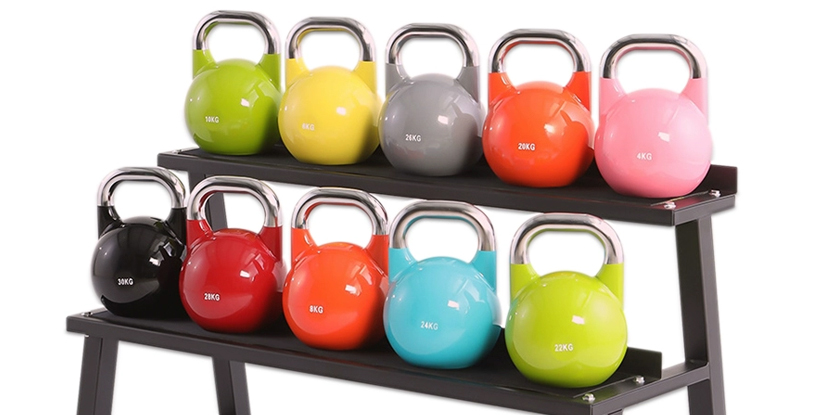
Commercial-Grade Specification Comparison
When evaluating your next procurement cycle, understanding the distinction between retail-grade items and professional equipment is vital for maintaining low maintenance costs. A single batch of substandard equipment can significantly impact your operational expenses and distributor margins. To assist your decision-making process, we have outlined the critical technical differences between standard production and high-tier manufacturing.
| Technical Specification | Standard Retail-Grade Production | Professional commercial kettlebell manufacturing Standard |
|---|---|---|
| Weight Tolerance | Variable weight deviations; inconsistent density | Strict tolerance levels; precise weight calibration |
| Handle Ergonomics | Rough casting; uneven grip surfaces | Smooth, ergonomic contours for repeated use |
| Coating Durability | Thin paint; prone to chipping and peeling | Industrial-grade coating; high impact resistance |
| Material Density | Potential air pockets or structural voids | High-density casting for long-term stability |
| Industrial Testing | Minimal or no stress testing | Rigorous durability and structural integrity checks |
Selecting a professional private label kettlebell supplier ensures that your brand identity is built upon products that can withstand the rigors of high-frequency training. For importers focusing on kettlebell weight loss programs in commercial settings, the longevity of the equipment directly correlates to client satisfaction and lower replacement cycles. We recommend that all buyers request a detailed specification sheet and confirm the exact material density standards before finalizing a bulk order to ensure the highest level of product reliability.
Export Packaging and International Shipping Optimization
Optimizing the landed cost of a bulk order requires meticulous attention to logistics and container loading efficiency. For international distributors, the risk of transit damage or shipping delays can erode profit margins. Our wholesale fitness equipment logistics protocol is designed to mitigate these variables through professional export packaging and standardized shipping workflows.
To ensure safe arrival, we utilize heavy-duty, reinforced cartons and high-density protective layers tailored for high-density cast iron or steel products. Each pallet is secured with industrial-grade stretch film and edge protectors to prevent shifting during sea freight. This systematic approach to palletization maximizes space efficiency within a 20ft or 40ft container, allowing you to optimize your shipping volume and reduce the per-unit cost of your kettlebell weight loss inventory.
We provide comprehensive support for all documentation required for smooth customs clearance, including detailed packing lists and commercial invoices. Our factory maintains transparent communication regarding lead time and production schedules, ensuring your procurement timelines remain predictable. Whether you are managing a single container or a multi-vessel shipment, we offer scalable solutions to meet your specific sourcing requirements. We invite professional buyers to contact us to confirm current MOQ, request a detailed shipping quote, or schedule a factory audit to verify our export-ready capabilities.
Streamlining Procurement via Direct Factory Sourcing
Optimizing your supply chain begins with identifying high-value assets that drive consistent engagement. For distributors and gym equipment importers, securing reliable kettlebell weight loss equipment through direct factory sourcing is the most effective way to ensure both product consistency and competitive margins. By bypassing multiple intermediaries, professional buyers can stabilize their inventory levels while maintaining high standards for commercial-grade tools.
The logistics of wholesale fitness equipment procurement require more than just finding a low price; they require a partner capable of managing complex export requirements. Transitioning from a retail-focused model to a private label kettlebell supplier model allows your brand to capture more value. This strategic shift focuses on commercial procurement efficiency, allowing you to manage large-scale orders while reducing landed cost through optimized container loading and direct manufacturing oversight.
Optimizing Distributor Margins Through Direct Sourcing
When scaling a fitness brand, the difference between high and low profitability often lies in the ability to control the origin of the goods. Relying on third-party traders often introduces hidden costs and communication delays that impact your bottom line. Engaging directly with a factory enables more precise control over the entire lifecycle of the product, from raw material selection to final export packaging.
A specialized supplier provides the transparency needed for long-term growth. Whether you are managing a boutique studio chain or a large-scale distribution network, understanding the nuances of bulk manufacturing ensures your capital is invested in durable, high-performance equipment that meets the rigorous demands of professional training environments.
Evaluating Sourcing Models: Factory-Direct vs. Trading Company
Selecting the right procurement path for kettlebell weight loss equipment is a critical decision for any importer or distributor. The choice between a direct manufacturer and a trading company impacts your control over product specifications, your ability to scale via commercial kettlebell manufacturing, and your total landed cost. While traders may offer convenience, direct engagement with a production facility provides the technical oversight necessary for professional-grade inventory.
The following table outlines the structural differences between these two common B2B procurement routes to assist in your sourcing evaluation:
| Procurement Metric | Direct Manufacturer (Factory-Direct) | Trading Company (Intermediary) |
|---|---|---|
| Primary Advantage | Maximum margin and technical control | Simplified single-point contact |
| Customization Capability | High (Full OEM / ODM support) | Limited to existing stock or catalog items |
| MOQ Control | Negotiable based on production lines | Often higher due to aggregated orders |
| Quality Control (QC) | Direct oversight and pre-shipment inspection | Dependent on third-party reports |
| Lead Time | Directly tied to production cycles | Subject to trader procurement delays |
| Price Structure | Factory-direct pricing for bulk orders | Markup included for service and logistics |
For distributors looking to build a long-term brand identity, the wholesale advantages of working with a direct supplier are significant. Beyond just the unit price, working directly with a factory allows for tighter integration of your custom branding requirements and more efficient container loading strategies, ensuring your capital is utilized effectively across your entire product catalog.
Technical Advantages of OEM/ODM and Production Scalability
For professional importers, the decision to utilize OEM or ODM services extends beyond simple customization; it is a strategic move to secure proprietary product advantages. Engaging in commercial kettlebell manufacturing allows you to dictate specific material densities, handle finishes, and weight tolerances that align with your brand's premium positioning. This level of technical control ensures that every unit in a bulk shipment meets the exact specifications required for high-traffic commercial environments, effectively mitigating the risk of inconsistent product quality across different weight classes.
Scalability is the cornerstone of successful distribution. A robust factory capable of handling high-volume OEM requests can seamlessly transition from small-batch specialized runs to massive, full-container load shipments. This flexibility is essential when managing seasonal demand fluctuations or rapid market expansion. By leveraging professional OEM/ODM services, distributors can maintain a lean inventory model while having the confidence that their manufacturing partner can scale production to meet increasing market requirements without compromising structural integrity or lead times.
Rigorous quality control (QC) is the most critical safeguard in the procurement process. When sourcing kettlebell weight loss equipment at scale, relying on standardized protocols is insufficient. Professional manufacturing requires a multi-stage inspection process—from raw iron casting and mold precision to final surface coating and weight verification. Implementing strict pre-shipment inspections ensures that every piece of equipment arriving at your warehouse or client site is free from defects, thereby reducing the long-term cost of returns, replacements, and brand damage. For the professional buyer, a disciplined supplier acts as a final line of defense in maintaining the high standards of your commercial fitness catalog.