Competition Spec Kettlebell Manufacturer: Private Label OEM
Competition Spec Kettlebell Manufacturer: Strategic Sourcing for Global Distributors
For high-end boutique studios and international fitness distributors, the difference between a standard cast iron bell and a precision-engineered unit defines the long-term value of a product line. When sourcing from a competition spec kettlebell manufacturer, the objective shifts from merely acquiring inventory to securing a high-performance asset that maintains its integrity under rigorous commercial use. Relying on a specialized China factory ensures that every unit meets the exacting standards of weight consistency and balance required for professional competition and elite training environments.
The procurement logic for premium distributors centers on the Total Cost of Ownership (TCO) rather than just the initial unit price. While low-tier options may offer a lower upfront cost, they often suffer from poor concentricity and uneven weight distribution, leading to high replacement rates and diminished brand reputation. By partnering with a professional kettlebell OEM factory, importers can mitigate these risks through standardized production cycles—moving from precision casting to meticulous surface finishing—ensuring that the landed cost remains competitive without sacrificing the structural durability required for global export.
Optimizing your ROI requires a supply chain that prioritizes high-precision manufacturing and consistent material quality. For those looking to scale their product offerings, purchasing wholesale competition kettlebells directly from the source allows for better control over the weight tolerance and handle-to-body junction integrity. This strategic approach reduces the long-term maintenance load and enhances the commercial lifespan of the equipment, providing a superior value proposition for your end-users and a more stable margin for your distribution business.
Commercial Grade vs. Competition Grade: Procurement Framework
A critical part of the decision-making process for professional buyers is understanding the technical divergence between standard commercial-grade units and high-precision competition-grade equipment. While standard cast iron bells are suitable for general gym use, they often lack the uniformity required for professional training. A high-tier competition spec kettlebell manufacturer utilizes a more rigorous manufacturing route to ensure the product meets the demands of elite athletes and high-end studio environments.
The following table outlines the technical and procurement differences to assist in your sourcing strategy, helping you determine which specification aligns with your target market and MOQ requirements.
| Material Tier | Core Manufacturing Process | Key Component Detail | Commercial Duty Level | Sourcing/QC Focus |
|---|---|---|---|---|
| Cast Iron | Sand casting and basic surface finishing | Standard handle-to-body junction | Standard Commercial | Weight consistency and base flatness |
| Chrome-Manganese Steel | Precision machining and CNC calibration | Uniform competition window size | Premium/Competition | Concentricity and handle texture |
| Powder Coated Steel | Casting followed by specialized coating line | High-adhesion surface layer | High-End Commercial | Coating adhesion and grip durability |
When evaluating your next batch, consider that the machining and weight calibration stages are where the true value of a professional kettlebell OEM factory becomes evident. Precision-engineered bells undergo more frequent weight spot-checks to ensure the center of gravity remains stable. For distributors, choosing the correct specification is not just about the product, but about managing the long-term landed cost and minimizing the frequency of returns or replacement requests due to manufacturing defects.
Optimizing Logistics and Export Standards
Effective procurement extends beyond the production line to the final stages of the supply chain. For distributors managing high-volume orders, the complexity of international shipping requires a factory that understands the nuances of heavy-duty cargo. A reliable competition spec kettlebell manufacturer provides comprehensive support in export packaging to ensure that precision-engineered steel units arrive without surface damage or structural compromise. This includes utilizing reinforced carton structures and optimized palletization techniques to maximize container loading efficiency, directly impacting your total landed cost.
To maintain healthy distributor margin, it is essential to coordinate closely with the China factory regarding lead time and export packaging protocols. High-precision units, such as those involving chrome-manganese steel or specialized powder coating, require specific handling and protection to maintain their finish during transit. By establishing clear QC checkpoints—ranging from the initial casting stage to the final pre-shipment inspection of the handle-to-body junction and weight markings—importers can avoid the costly delays associated with damaged goods or non-compliant specifications.
Whether you are pursuing a custom ODM project for a specialized studio line or ordering wholesale competition kettlebells for a global retail network, transparency in the MOQ and production scheduling is vital. Professional buyers should request a detailed spec sheet and confirm the pre-shipment inspection routine to ensure that every batch meets the required concentricity and weight tolerance standards. Engaging in a direct OEM partnership allows you to integrate these quality controls into your brand identity, ensuring a seamless transition from the production floor to your customer's facility.
Material Integrity and Precision Engineering for Competition-Grade Bells
For professional distributors and high-end gym procurement, the technical specification of a competition spec kettlebell manufacturer determines the long-term reliability of the inventory. Unlike standard cast iron models, competition-grade units require specific material properties to ensure dimensional stability and uniform weight distribution during high-frequency use.
A reliable professional kettlebell OEM factory typically utilizes high-grade chrome-manganese steel or solid steel to achieve the necessary density and structural integrity. This material choice is critical for maintaining the strict weight tolerances required in sanctioned sporting environments. When sourcing these units, importers must verify that the production involves precision machining to ensure the handle-to-body junction and the overall concentricity meet international standards. In many commercial settings, the manufacturing sequence follows a strict path: high-precision casting or forging, followed by CNC machining for the handle, and finally a specialized chrome or powder coating process to ensure durability and grip consistency.
Failure to secure a competition spec kettlebell manufacturer with these exact capabilities can lead to significant issues in your supply chain, such as uneven weight distribution or premature coating failure, which increases the total cost of ownership for your clients. To mitigate these risks, we recommend conducting a detailed technical review of the wholesale competition kettlebells production line, specifically focusing on the calibration and surface finish stages before finalizing your bulk order.
Technical Differentiation: Commercial vs. Competition-Grade Specifications
When evaluating your next batch, it is essential to understand how manufacturing processes impact the final product quality. Standard commercial-duty bells are often produced via sand casting, which is cost-effective for bulk distribution but can result in surface irregularities and slight weight deviations. In contrast, a specialized competition spec kettlebell manufacturer utilizes advanced methods to ensure every unit is identical in shape and balance, which is a non-negotiable requirement for professional training and sanctioned events.
The following table outlines the technical and procurement-related differences between standard and premium tiers to assist in your selection process.
| Material & Process | Key Component Focus | Commercial Duty Tier | Procurement & MOQ Impact |
|---|---|---|---|
| Sand Casting + Paint | Standard handle texture | Budget / General Commercial | Lower MOQ / High volume efficiency |
| Centrifugal Casting + Powder Coating | Uniform body shape | Premium Commercial | Standard MOQ / Reliable lead time |
| CNC Machining + Chrome Finish | High-precision concentricity | Professional Competition | Higher MOQ / Specialized production schedule |
For distributors, the choice between these tiers depends on your target market. While sand-cast models offer better margins for general gym supply, the precision of a professional kettlebell OEM factory using CNC machining provides a higher value proposition for elite fitness centers. We suggest requesting a technical spec sheet or a sample to verify the handle texture and base flatness before confirming your bulk order or OEM requirements.
Comparing Production Standards: Competition Spec vs. Commercial Cast Iron
When managing high-end facility procurement, understanding the distinction between standard weight and precision-engineered equipment is vital for long-term TCO. A professional competition spec kettlebell manufacturer provides units where weight distribution and handle dimensions are strictly controlled, ensuring consistency across a full set. For distributors and gym owners, sourcing these precision units directly from a China factory minimizes the risk of uneven weight distribution and handle irregularities that plague lower-tier wholesale competition kettlebells.
Standard commercial cast iron kettlebells are typically produced via high-volume sand casting, which is cost-effective for general strength training but often results in wider weight tolerances and less uniform handle textures. In contrast, a professional kettlebell OEM factory utilizes advanced machining and specialized molds to produce competition-grade steel bells. While the initial sourcing cost may be higher, the long-term value is realized through increased product lifespan and the ability to supply premium training environments that demand exact specifications.
| Production Tier | Primary Material | Manufacturing Process | Weight Precision | Commercial Duty | Procurement Focus |
|---|---|---|---|---|---|
| Standard Commercial | Cast Iron | Sand Casting | Standard Tolerance | General Gym / Crossfit | Low Initial Capex |
| Competition Spec | Chrome-Manganese Steel | Machining & Precision Casting | High Precision | Professional Sport / Competition | Long-term TCO & Brand Identity |
| Premium Coated | Cast Iron / Steel | Molding & Coating Application | Moderate Tolerance | Studio / Boutique Fitness | Durability & Floor Protection |
Evaluating these tiers during the sourcing phase allows importers to align their inventory with specific market segments. For example, while bulk orders of cast iron units offer higher margins for budget-friendly distributors, a competition spec kettlebell manufacturer enables a brand to enter the high-performance market. Choosing the correct OEM path ensures that your landed cost reflects the actual durability and professional requirements of your end-users.
Technical Breakdown of Manufacturing and Commercial Impact
The decision to source high-precision equipment involves analyzing how specific production routes impact your total landed cost and product reliability. When procurement teams evaluate a competition spec kettlebell manufacturer, they must look beyond the unit price to the underlying manufacturing stability. A failure in the casting or surface treatment stage can lead to high replacement rates, which negatively affects your distributor margins and long-term brand reputation.
For instance, the distinction in surface finish—ranging from simple paint to high-grade chrome plating—directly influences how the equipment handles high-frequency use in professional settings. A professional kettlebell OEM factory will typically implement a multi-stage process involving precision machining of the handle and specialized weight calibration to ensure the concentricity of the bell remains consistent. This level of detail is essential for maintaining a premium brand identity when offering specialized training gear to your clients.

| Material & Process | Key Component Detail | Standard Commercial Output | Premium Competition Output | Commercial Impact |
|---|---|---|---|---|
| Cast Iron & Sand Casting | Handle-to-body junction | Variable handle texture | Standard grip consistency | High volume, lower initial cost |
| Chrome-Manganese Steel & Machining | Precision knurling & window | Standardized dimensions | High-precision symmetry | Ideal for professional competition |
| Steel & Powder Coating | Surface adhesion layer | Standard durability | Enhanced wear resistance | Optimized for high-traffic studios |
During the pre-shipment QC stage, specialized manufacturers focus on critical inspection points such as the handle-to-body junction and base flatness to prevent structural failures. For importers managing large-scale wholesale competition kettlebells orders, verifying these technical specifications is a mandatory step to ensure the quality of the batch. We recommend that buyers request a detailed spec sheet and confirm the specific weight calibration methods used by your supplier to ensure the final product meets your market's professional standards.
Critical QC Benchmarks for High-Precision Kettlebell Export
For professional distributors and high-end studio owners, sourcing a competition spec kettlebell manufacturer requires more than just finding a low price; it requires verifying the engineering precision that ensures safety and brand reputation. When importing high-precision units, the technical integrity of the handle-to-body junction and the uniformity of the weight distribution are the primary factors that differentiate premium stock from budget alternatives. A reliable professional kettlebell OEM factory must implement rigorous calibration protocols to ensure every unit meets international standards for professional use.
The procurement risk for B2B buyers often lies in invisible defects, such as poor concentricity or inconsistent weight distribution, which can lead to high return rates and damaged distributor margins. To mitigate these risks, a specialized China factory focuses on high-precision manufacturing stages—moving from precision casting to CNC machining—to ensure the center of gravity remains stable. This level of control is essential when managing large-scale wholesale competition kettlebells orders where consistency across thousands of units is non-negotiable.
Engineering Standards and Precision Components
In the production of high-tier equipment, the structural integrity of the competition spec kettlebell manufacturer's output is determined by the strictness of the weight tolerance and the smoothness of the handle texture. Unlike standard cast iron bells, competition-grade units often utilize chrome-manganese steel or high-density solid steel to achieve a more compact profile and a consistent grip feel. During the pre-shipment stage, the factory must perform specific spot-checks on the handle-to-body junction to ensure no structural weaknesses exist under high-frequency commercial use.
A high-standard professional kettlebell OEM factory will typically utilize a multi-stage process to ensure the product is export-ready:
- Precision Casting: Using specialized molds to ensure the bell shape is perfectly symmetrical.
- Machining: CNC refining of the handle to ensure a consistent diameter and knurling depth.
- Surface Treatment: Applying a high-grade chrome finish or specialized coating to prevent oxidation and ensure coating adhesion.
- Weight Calibration: A final calibration step to ensure the weight stays within the acceptable industry-standard tolerance for competition use.
For importers, verifying these technical benchmarks during a factory audit or by requesting a detailed spec sheet is a critical step in the sourcing process. Ensuring the manufacturer utilizes a single-piece cast construction rather than a two-piece assembly for the handle can significantly reduce the long-term maintenance load and replacement planning for your clients.
Technical Comparison: Manufacturing Tiers for Commercial Procurement
Understanding the technical differentiation between production methods is essential for optimizing your landed cost and ensuring long-term commercial duty. When sourcing through a competition spec kettlebell manufacturer, the choice between traditional casting and precision machining will directly impact your product's weight tolerance, durability, and overall distributor margin. A specialized China factory typically offers tiered production routes to meet different market segments, from high-volume commercial gyms to professional competition circuits.
The following table outlines the standard manufacturing differences encountered during the sourcing process. This comparison helps buyers determine the appropriate investment level based on their specific target audience and the required level of precision for their brand identity.
| Material & Process | Key Component Focus | Commercial Duty Tier | MOQ Impact | Factory QC Point |
|---|---|---|---|---|
| Sand Casting | Handle-to-body junction | Budget / Standard Commercial | Lower MOQ | Base flatness & surface smoothness |
| Centrifugal Casting | Bell symmetry & density | Mid-Tier Professional | Moderate MOQ | Concentricity & weight distribution |
| CNC Machining & Chrome Finish | Knurling depth & handle diameter | Premium / Competition Spec | Higher MOQ | Weight calibration & coating adhesion |
When evaluating your next batch of wholesale competition kettlebells, we recommend requesting a sample to verify the knurling depth and the stability of the handle. For large-scale OEM projects, confirming the specific weight calibration protocols used by the supplier will ensure that your branded products maintain a premium reputation in the global market. Contact us to confirm current lead time and request a detailed technical specification sheet for your custom branding requirements.
OEM and Private Label Capabilities for Brand Expansion
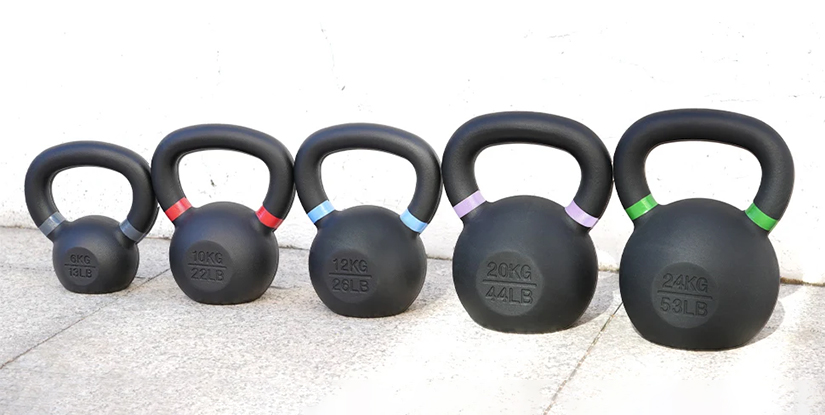
Expanding a fitness product line requires more than just sourcing generic inventory; it requires a strategic partnership with a competition spec kettlebell manufacturer that understands the nuances of professional branding. For distributors looking to move beyond third-party labels, leveraging OEM services allows for the integration of unique design elements and specific weight configurations that differentiate your catalog in a crowded market.
A specialized professional kettlebell OEM factory provides the technical infrastructure necessary to transform a standard product into a signature brand asset. Through advanced customization, such as precision-engineered handle textures, specific color-coded coatings, or laser-etched logos, you can establish a distinct brand identity that resonates with high-end studio owners and professional athletes. This level of control over the product's physical characteristics ensures that your private label offerings meet the exact aesthetic and functional standards your customers expect.
For large-scale importers, working directly with a China factory offers significant advantages in both scalability and margin protection. By managing the sourcing process at the production level, distributors can negotiate wholesale pricing structures that are not available through secondary traders. While specialized customization may involve a specific MOQ, the ability to control the entire manufacturing sequence—from the initial casting of the steel bell to the final application of a premium chrome finish—ensures that your branded equipment maintains high commercial durability and consistent weight accuracy across all SKUs.
Strategic Comparison of Customization Tiers
When planning your next bulk procurement, understanding the distinction between standard inventory and custom manufacturing is essential for calculating your long-term landed cost and distributor margins. Selecting the right level of production complexity directly impacts your lead time and the technical precision of your competition-spec offerings. A professional competition spec kettlebell manufacturer will typically offer tiered options to accommodate different market entry strategies, from high-volume standard stock to high-margin, bespoke branded collections.
The following table outlines the typical trade-offs encountered when evaluating wholesale competition kettlebells versus fully customized production runs. This comparison is designed to assist procurement leads in determining the most efficient path for their specific brand expansion goals.
| Customization Level | Primary Branding Method | Typical Production Process | Commercial Duty Tier | Impact on MOQ | Lead Time Profile |
|---|---|---|---|---|---|
| Standard Wholesale | Generic or Minimal | Standard casting and powder coating | Commercial / Budget | Lower | Short (Stock Availability) |
| Enhanced Branding | Pad Printing or Decals | Standard finish with surface application | Premium Commercial | Medium | Moderate (Production Cycle) |
| Full Private Label | Laser Engraving or Molded Logo | Precision machining and custom coating | Elite / Competition | Higher | Long (Custom Setup) |
| Advanced OEM | Integrated Handle/Body Design | Custom mold and specialized finishing | Professional / Signature | Highest | Extended (Tooling Phase) |
For distributors seeking to maximize their competitive edge, investing in a professional kettlebell OEM factory allows for deeper integration of proprietary specifications. While a standard wholesale order may offer the fastest way to replenish stock, the customization of technical elements—such as the specific knurling depth on a chrome-manganese steel handle or the exact fit of a base rubber ring—provides the technical differentiation required for high-end commercial contracts. We recommend requesting a detailed spec sheet and a sample evaluation for any high-tier OEM project to ensure the final product aligns perfectly with your brand's quality standards before proceeding to full-scale production.
Managing the complexities of international shipping requires a competition spec kettlebell manufacturer that prioritizes both product integrity and logistics efficiency. For distributors and large-scale importers, the primary concern extends beyond the weight accuracy of a single unit to the reliability of the entire bulk orders process. A failure in the supply chain—whether through damaged packaging or improper container loading—can significantly increase the landed cost and diminish distributor margins. Consequently, selecting a partner with established experience in high-volume export is critical for maintaining a predictable replenishment cycle.
Effective logistics management begins at the production line, where rigorous QC protocols are integrated into every stage of the manufacturing sequence. A professional China factory will implement systematic checks, starting from the initial casting of the steel bell to the final application of the chrome or powder coating. For competition-grade equipment, these inspections typically focus on the concentricity of the bell, the seamlessness of the handle-to-body junction, and the adhesion of the surface finish. By conducting these pre-shipment inspections, a supplier ensures that every piece meets the strict tolerances required for professional use before it ever reaches a shipping container.
Beyond product-level inspections, specialized export packaging is a vital component of the sourcing strategy. Because competition kettlebells are high-density, heavy-duty items, they require robust, reinforced packaging solutions to withstand the rigors of sea freight and multi-stage handling. This includes utilizing heavy-duty corrugated boxes, custom dividers to prevent metal-on-metal contact, and optimized palletization techniques. Such attention to detail minimizes the risk of surface scuffing or structural damage during transit, ensuring that your branded inventory arrives in showroom-ready condition.
Optimizing container loading density is another key factor in reducing overall shipping costs for wholesale buyers. A sophisticated competition spec kettlebell manufacturer provides technical support for container planning, helping you maximize the number of units per 20ft or 40ft HQ container without compromising safety or stability. This strategic approach to volume optimization allows distributors to achieve better economies of scale, making the transition from standard stock to high-margin, branded competition lines a more profitable and streamlined operation. To ensure your specific requirements are met, we suggest confirming the MOQ and requesting a detailed packing specification for your upcoming procurement.
Logistics Optimization and Bulk Procurement Planning
Managing the transition from small-batch testing to large-scale distribution requires a strategic approach to supply chain coordination. When sourcing from a competition spec kettlebell manufacturer, professional importers must look beyond the unit price to evaluate the total landed cost. This includes factoring in specialized export packaging, container loading efficiency, and the potential for freight fluctuations. For distributors, optimizing these variables is essential to maintaining healthy margins while ensuring high-precision equipment arrives without damage.
Effective sourcing strategies often begin with a clear understanding of MOQ requirements and lead time expectations. A professional China factory can offer significant advantages in scaling production, but procurement leads must align their inventory cycles with manufacturing throughput. For instance, transitioning to wholesale competition kettlebells typically involves moving from air freight for samples to sea freight for bulk ocean containers to drastically reduce per-unit logistics costs. By working directly with a professional kettlebell OEM factory, buyers can also implement customized palletization or specialized crate designs that maximize container volume and protect the integrity of the chrome-manganese steel or precision coatings during long-distance transit.
Procurement Model Comparison: Direct Factory vs. Trading Company
For distributors and professional gym equipment importers, the choice between a direct manufacturer and a third-party supplier significantly impacts both the bottom line and product reliability. While trading companies may offer simplified communication, they often introduce additional markups and layers of communication lag that can affect the precision of a private label order. A specialized competition spec kettlebell manufacturer provides direct control over the technical specifications, such as handle-to-body junction integrity and weight calibration, which are critical for high-end competition-grade units.
| Procurement Model | Primary Focus | Typical MOQ | Quality Control Control | Margin Potential |
|---|---|---|---|---|
| Direct China factory | Production Scale & Customization | Higher | Direct Oversight of Production & Pre-shipment QC | Maximum |
| Trading Company | Product Variety & Simplified Logistics | Lower | Indirect / Third-party Inspection Only | Moderate |
| Professional kettlebell OEM factory | Brand Identity & Technical Spec Precision | Tier-based | Rigid adherence to technical drawings & OEM specs | High (Optimized for wholesale) |
Understanding these distinctions allows procurement officers to better plan for long-term inventory cycles. When your business model relies on high-precision equipment, working with a professional kettlebell OEM factory ensures that your private label requirements—from specific knurling depth to custom logo placement—are met at the source. This direct approach minimizes the risk of receiving non-conforming batches and allows for more predictable bulk pricing structures during seasonal demand shifts. We recommend requesting a detailed spec sheet and confirming the MOQ for your specific weight range before finalizing any sea freight bookings.
To maintain a competitive edge in the high-end fitness market, distributors must transition from reactive purchasing to proactive supply chain management. This involves assessing how production cycles, shipping methods, and customization requests impact the final landed cost of your inventory. Whether you are scaling a boutique studio brand or a global distribution network, the ability to forecast lead times and manage bulk shipments is what separates profitable operations from those struggling with high overhead and inconsistent stock levels.
When evaluating a potential competition spec kettlebell manufacturer, it is standard practice to request a detailed breakdown of the production-to-shipping timeline. A reliable China factory will provide transparency regarding how much time is allocated to the casting process, the precision machining of the handle, and the final weight calibration before the product enters the export packaging phase. For high-volume orders, optimizing the loading density within a 20ft or 40ft container is a critical lever for reducing per-unit shipping expenses and improving overall ROI.
Before finalizing your next procurement cycle, we suggest conducting a thorough review of your brand's technical requirements. We invite you to contact us to request a full product specification sheet, discuss current MOQ tiers for custom branding, or schedule a remote factory audit to verify our quality control protocols. Establishing these direct lines of communication ensures your wholesale orders align perfectly with your market launch timelines and quality standards.