Hollow Kettlebell Manufacturer: Global Export from China
Strategic Deployment of Hollow Kettlebells in Commercial Facilities
Selecting the right equipment for high-traffic environments requires a rigorous evaluation of long-term operational costs, weight-to-volume ratios, and logistical scalability. Professional buyers must balance the need for varied resistance levels against the practicalities of warehouse storage and floor space optimization. When sourcing through a hollow kettlebell manufacturer, procurement leads should prioritize vendors who can provide consistent weight tolerances and durable surface finishes that withstand the rigors of daily commercial use. Establishing a reliable supply chain with a specialized China factory ensures that your facility receives standardized units that meet the specific density and durability requirements of professional training environments.
In modern fitness centers, boutique studios, and hotel gym deployments, space efficiency is a critical metric for maximizing revenue per square foot. Traditional solid cast iron models, while durable, can become cumbersome to transport and difficult to store in large quantities. Hollow kettlebells offer a strategic advantage for high-volume deployment because they allow for more efficient shipping volumes and easier inventory management. For distributors and large-scale facility operators, the ability to source wholesale hollow kettlebells means managing a more versatile product range that is easier to move, reorganize, and replace during routine facility upgrades.
The transition from standard iron models to hollow-core designs is often driven by the need for specialized weight increments and improved ergonomics in high-throughput settings. A professional commercial kettlebell supplier understands that for a large-scale gym or a global fitness franchise, the value lies in the total cost of ownership and the ease of logistics. By leveraging the manufacturing advantages of a direct supplier, buyers can secure high-quality, hollow-core units that offer a consistent grip and premium finish while maintaining a much more favorable landed cost for large-scale procurement projects.
Technical Comparison of Hollow Kettlebell Architectures
When planning a facility upgrade or a new studio launch, the decision between fixed-weight and adjustable models impacts both the initial capital expenditure and long-term maintenance. For high-throughput environments, selecting the correct architecture is essential to prevent premature wear and ensure user safety. A professional hollow kettlebell manufacturer typically offers two distinct structural paths: sand-filled fixed units and adjustable weight systems. Each path carries different implications for your procurement budget and operational efficiency.
Sand-filled hollow models are common in budget-conscious commercial settings where durability and simplicity are the primary drivers. These units are generally more robust under heavy impact, making them ideal for high-intensity interval training (HIIT) studios. However, the reliance on internal filler means that weight distribution and coating integrity are critical to prevent leakage or shifts in balance over time. Conversely, adjustable weight systems provide greater versatility for strength and conditioning facilities, allowing a single station to serve multiple training levels. While these systems offer excellent space-saving benefits, they require more frequent inspection of moving parts and assembly components to ensure long-term reliability.
| Model Type | Material/Core | Commercial Duty Tier | Maintenance Profile | Procurement Advantage |
|---|---|---|---|---|
| Sand-filled Fixed | Hollow Steel Shell | Standard Commercial | Low (Static Design) | Lower initial landed cost |
| Adjustable Weight | Modular Internal Weights | Premium/Specialized | Moderate (Component Check) | Higher versatility/ROI |
| Single-Piece Cast | Solid Iron/Steel | Heavy-Duty | Minimal (Solid Body) | Maximum durability |
To mitigate the risks associated with different weight configurations, we recommend that distributors perform a thorough sample evaluation before committing to a full-scale order. This includes testing the coating adhesion of the shell and verifying the stability of the internal weight mechanisms. Whether you are looking for a reliable commercial kettlebell supplier for a single studio or a large-scale distributor requiring high-volume wholesale hollow kettlebells, understanding these technical nuances will ensure your investment aligns with your facility's specific throughput and maintenance capabilities.
Optimizing Logistics and Global Sourcing Efficiency
For international distributors and procurement managers, the complexity of a global supply chain requires more than just product selection; it requires a partner capable of managing rigorous export standards. When sourcing from a hollow kettlebell manufacturer, the focus must extend beyond the physical product to the reliability of the QC (Quality Control) protocols and the efficiency of the logistics network. High-volume deployments, such as those for hotel chains or global fitness franchises, demand a factory that can guarantee consistency across thousands of units to avoid the high cost of replacement or localized weight discrepancies.
Managing the landed cost of heavy fitness equipment is a primary concern for any professional buyer. Because hollow-core designs often allow for more efficient container loading compared to solid cast iron, they provide a strategic advantage in reducing shipping-related expenses per unit. A professional supplier will offer clear guidance on MOQ (Minimum Order Quantity) tiers and lead time expectations, allowing you to plan your inventory cycles with precision. Furthermore, for those seeking to build brand equity, the ability to utilize OEM or ODM services is vital. This ensures that your proprietary branding and specific design requirements are integrated seamlessly into the production line, providing a customized solution that meets your market's specific aesthetic and functional standards.
To ensure a successful procurement cycle, we recommend that all buyers initiate a formal request for a spec sheet and confirm the MOQ for any OEM customization requests early in the process. Engaging in a structured factory audit or requesting a sample approval is a standard best practice to verify QC benchmarks, such as coating adhesion and weight tolerance, before large-scale production begins. Whether you are a boutique studio owner or a large-scale distributor, aligning your procurement timeline with the factory's production capacity is essential for meeting deployment deadlines.
Material Selection and Manufacturing Standards for Hollow Kettlebells
For distributors and gym developers, the structural integrity of a hollow kettlebell manufacturer determines the long-term replacement rate and total cost of ownership. Unlike solid cast iron, hollow designs require precision engineering to ensure the shell remains stable under heavy repetitive use. When sourcing through a China factory, procurement leads must prioritize the casting quality of the outer shell to prevent structural failure or uneven weight distribution during high-volume commercial training sessions.
The production of high-quality hollow units typically begins with advanced sand casting or centrifugal casting techniques. This process ensures a uniform shell thickness across the entire bell body, which is critical for maintaining the center of gravity. A reliable commercial kettlebell supplier will oversee a sequence that includes precision machining of the handle-to-body junction, followed by thorough weight calibration. Without strict control over the internal filler and the exterior shell's concentricity, the equipment may fail to meet the rigorous demands of professional studio environments.
To ensure commercial durability, the manufacturing route must include a specialized surface finishing stage. This often involves a multi-step process where the cast shell undergoes phosphate treatment or sandblasting to improve the bond between the metal and the final coating. For wholesale hollow kettlebells, the adhesion of the powder coating or PU layer is a primary inspection point during pre-shipment QC to ensure the finish does not chip or peel under standard commercial usage.
Technical Specifications and Sourcing Tiers
| Material Type | Manufacturing Process | Key Component Focus | Commercial Duty Tier | QC Inspection Point |
|---|---|---|---|---|
| Cast Iron Shell | Sand Casting | Shell Thickness & Uniformity | Standard Commercial | Weight Tolerance Band |
| Steel Construction | Machining & Welding | Handle-to-Body Junction | Premium/Competition | Weld Integrity |
| Coated Hollow Steel | Centrifugal Casting | Coating Adhesion | High-End Studio | Surface Smoothness |
The durability of the exterior finish is a critical factor in the long-term maintenance load of a commercial facility. For professional buyers, a common failure mode in low-tier equipment is the premature peeling of the surface layer, which can damage both the equipment and the user experience. A professional hollow kettlebell manufacturer addresses this by implementing a rigorous surface finishing sequence. This typically begins with a thorough degreasing and chemical etching phase to remove any residual casting oils or impurities from the metal shell. This preparation is essential for high-performance powder coating applications, as it creates the necessary microscopic surface profile for maximum bonding strength.
In high-traffic environments, the coating adhesion must withstand frequent impacts and friction without chipping. Leading manufacturers utilize automated coating lines to ensure an even distribution of the material, particularly around the handle-to-body junction and the base ring. During the pre-shipment QC process, quality control teams perform spot checks to verify that the coating layer is uniform and adheres strictly to the substrate. For those managing large-scale gym deployments or seeking wholesale hollow kettlebells, these technical details are non-negotiable. Investing in a commercial kettlebell supplier that prioritizes these finishing standards significantly reduces the total cost of ownership and minimizes the need for premature replacement cycles in a professional setting.
Comparing Hollow Kettlebell Production Methods and Commercial Utility
For distributors and gym equipment importers, selecting a reliable hollow kettlebell manufacturer requires a deep understanding of how different casting techniques impact the long-term durability and weight stability of the final product. When sourcing at scale, the production method directly affects your landed cost and the replacement frequency for your end-users. Most professional wholesale hollow kettlebells are produced using either traditional sand casting or more advanced centrifugal casting, each offering distinct advantages for specific commercial environments.
Sand casting is a widely used method in many China factory settings due to its lower tooling costs and flexibility for diverse shapes. However, it can sometimes result in surface irregularities that require more intensive post-casting machining or thicker coating layers to achieve a smooth finish. In contrast, centrifugal casting utilizes high-speed rotation to distribute molten metal against the mold walls, which typically results in a more uniform wall thickness and a more consistent internal cavity. This precision is essential for maintaining accurate weight distribution in high-volume gym deployments where consistency is a key metric for quality control.
| Production Method | Material Structure | Surface Uniformity | Commercial Duty Tier | Procurement Impact |
|---|---|---|---|---|
| Sand Casting | Standard cast iron shell | Variable texture | Budget/Standard Commercial | Lower initial MOQ/cost |
| Centrifugal Casting | Consistent thin-wall shell | High uniformity | Premium/High-End Commercial | Higher precision/stability |
| Two-Piece Assembly | Welded/Seamed components | Visible junction points | Standard/Functional | Higher maintenance load |
When evaluating a commercial kettlebell supplier, it is vital to consider how these methods interact with the final surface treatment. For example, the smoothness of a centrifugal-cast shell often allows for a more seamless powder coating application, reducing the risk of coating adhesion failure at the handle-to-body junction. For large-scale studio deployments or professional strength facilities, prioritizing methods that ensure high concentricity and weight tolerance will reduce your long-term after-sales support requirements and improve your overall ROI.
Beyond the initial manufacturing method, the structural integrity of the unit depends heavily on the precision of the handle-to-body junction. In many commercial settings, a common failure mode is the separation or cracking of the coating at the grip area due to inconsistent wall thickness or poor welding. A professional hollow kettlebell manufacturer will typically implement a rigorous pre-shipment QC process that includes checking the concentricity of the handle and the adhesion of the outer layer to ensure the unit can withstand high-frequency use in high-traffic environments.
From a procurement standpoint, choosing between a standard casting process and a precision-engineered assembly affects your total landed cost and warehouse efficiency. While budget-tier options may offer a lower entry point, premium-tier units produced via advanced centrifugal methods provide better weight-to-volume ratios and superior durability. We recommend that distributors request a detailed spec sheet and confirm the weight tolerance band during the sample approval stage to ensure the product meets the specific demands of your target market, whether it be high-end boutique studios or large-scale commercial fitness centers.
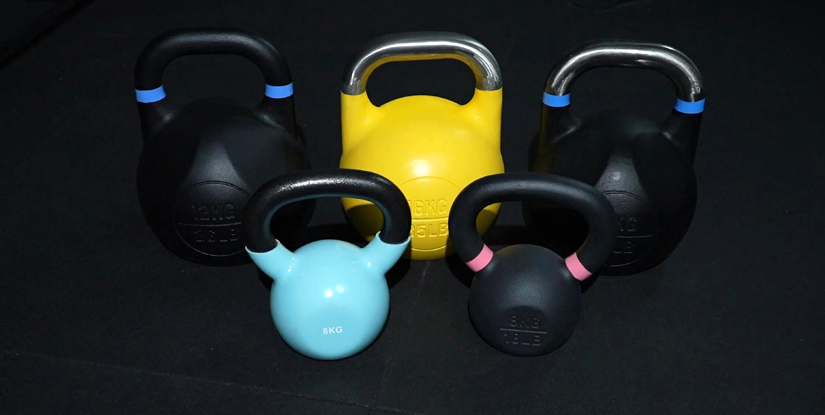
Beyond the initial manufacturing method, the structural integrity of the unit depends heavily on the precision of the handle-to-body junction. In many commercial settings, a common failure mode is the separation or cracking of the coating at the grip area due to inconsistent wall thickness or poor welding. A professional hollow kettlebell manufacturer will typically implement a rigorous pre-shipment QC process that includes checking the concentricity of the handle and the coating adhesion of the outer layer to ensure the unit can withstand high-frequency use in high-traffic environments.
From a procurement standpoint, choosing between a standard casting process and a precision-engineered assembly affects your total landed cost and warehouse efficiency. While budget-tier options may offer a lower entry point, premium-tier units produced via advanced centrifugal methods provide better weight-to-volume ratios and superior durability. We recommend that distributors request a detailed spec sheet and confirm the weight tolerance band during the sample approval stage to ensure the product meets the specific demands of your target market, whether it be high-end boutique studios or large-scale commercial fitness centers. For complex requirements, we also support OEM and ODM requests to align with your specific brand identity and technical standards.
Optimizing Procurement via a Professional Hollow Kettlebell Manufacturer
Scaling a fitness distribution business requires moving beyond small-batch retail purchases toward a reliable hollow kettlebell manufacturer model. For distributors and gym equipment importers, the transition to high-volume wholesale hollow kettlebells is driven by the need to stabilize the landed cost and ensure consistent product specifications across large-scale deployments.
When sourcing from a professional commercial kettlebell supplier, the objective is to secure a predictable supply chain that manages the complexities of weight calibration and surface durability. A direct China factory partnership allows for better control over the MOQ and lead time, which are critical factors when planning inventory for seasonal gym expansions or large contract deliveries. By optimizing the sourcing strategy through an OEM or ODM framework, professional buyers can also protect their distributor margin while offering high-spec, branded products to their local markets.
Production Model Comparison for Strategic Sourcing
Selecting the appropriate production model is a critical decision for procurement leads. Choosing between traditional solid-body casting and modern hollow-core technology impacts your total landed cost, shipping efficiency, and long-term product reliability. A professional hollow kettlebell manufacturer provides various tiers of production to match different commercial deployment needs, from budget-friendly studio setups to high-end premium fitness centers.
The following table outlines the qualitative differences between common production models to assist in your sourcing decisions. This comparison focuses on the commercial utility and the impact on your wholesale business model.
| Production Model | Primary Material | Process Detail | Commercial Duty | MOQ Impact | Factory QC Point |
|---|---|---|---|---|---|
| Standard Cast Iron | Gray Iron | Sand Casting | Budget / High-Traffic | Lower MOQ | Weight Tolerance |
| Hollow Injection/Molded | Polymer/Steel Shell | Injection or Two-piece Assembly | Premium / Studio | Higher MOQ | Coating Adhesion |
| Competition Steel | Chrome-Manganese Steel | CNC Machining & Plating | Elite / Professional | Custom OEM Required | Handle Junction |
For distributors looking to maximize volume, the hollow production model often offers superior shipping density and lower freight costs per unit, significantly improving the potential distributor margin. When evaluating your next batch, we recommend requesting a detailed specification sheet to confirm how each model handles weight calibration and surface durability under high-frequency use. Contact our supplier team to discuss bulk pricing, customized branding options, or to initiate a sample evaluation for your specific market requirements.
Scaling a fitness distribution business requires moving beyond small-batch retail purchases toward a reliable hollow kettlebell manufacturer model. For distributors and gym equipment importers, the transition to high-volume wholesale hollow kettlebells is driven by the need to stabilize the landed cost and ensure consistent product specifications across large-scale deployments.
When sourcing from a professional commercial kettlebell supplier, the objective is to secure a predictable supply chain that manages the complexities of weight calibration and surface durability. A direct China factory partnership allows for better control over the MOQ and lead time, which are critical factors when planning inventory for seasonal gym expansions or large contract deliveries. By optimizing the sourcing strategy through an OEM or ODM framework, professional buyers can also protect their distributor margin while offering high-spec, branded products to their local markets.
Quality Control and Export Standards for Global Shipments
Maintaining strict oversight during the transition from production to logistics is vital for any hollow kettlebell manufacturer serving the global market. For distributors and gym operators, the primary risk in overseas sourcing is receiving a shipment that fails to meet weight tolerances or suffers from surface defects. A professional China factory must implement a multi-stage quality control protocol to ensure that every unit remains consistent with the approved sample, protecting your brand reputation and reducing the total cost of ownership.
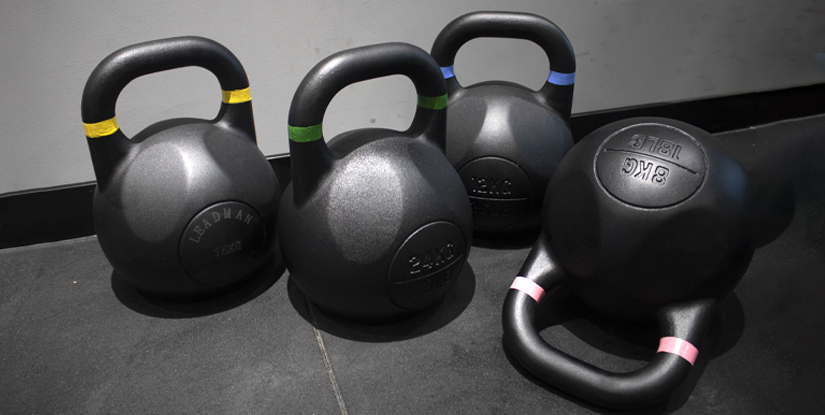
Standard export standards for commercial gym deployment require more than just visual checks; they demand technical validation of the product's structural integrity. During pre-shipment inspection, technicians focus on critical failure points such as coating adhesion at the handle-to-body junction and the consistency of the internal weight distribution. High-volume wholesale hollow kettlebells must undergo rigorous calibration to ensure the weight variance remains within acceptable industry-standard bands before being packed for international transit.
Technical Inspection Checklist for Bulk Orders
To mitigate the risks of damaged inventory or inconsistent weight distribution, a reliable commercial kettlebell supplier utilizes a standardized inspection matrix. For professional buyers, understanding these technical checkpoints is essential for evaluating a potential partner's capacity to handle high-volume wholesale hollow kettlebells orders without compromising on quality or safety.
| Inspection Focus | Technical Detail | Commercial Duty Requirement | QC Verification Point |
|---|---|---|---|
| Handle Integrity | Handle-to-body junction strength | High-frequency commercial use | Surface continuity and junction stability |
| Surface Finish | Coating adhesion and smoothness | Long-term durability in gym environments | Uniformity of the powder coating layer |
| Weight Consistency | Weight tolerance calibration | Standardized training protocols | Internal filler distribution and shell density |
| Packaging Durability | Reinforced carton and moisture protection | Long-distance sea freight stability | Compression strength and corner protection |
A rigorous hollow kettlebell manufacturer also prioritizes the logistics of the final mile. This includes testing the packaging durability to withstand sea freight stability challenges, such as humidity and stacking pressure in a container. We recommend that procurement leads request a detailed pre-shipment report or schedule a factory audit to verify that the packaging meets the necessary standards for international transit, ensuring your landed cost remains predictable and your inventory arrives in retail-ready condition.
| QC Metric | Standard Export Grade | Premium Commercial Grade |
|---|---|---|
| Surface Finish | Basic powder coating with standard adhesion | High-density coating with enhanced surface smoothness |
| Handle Texture | Standard knurling or smooth grip | Precision-engineered handle-to-body junction stability |
| Weight Tolerance | Typical commercial variance | Strict weight calibration for high-end stability |
| Packaging Type | Standard corrugated box | Reinforced moisture-resistant export packaging |
When evaluating a commercial kettlebell supplier, it is essential to differentiate between basic production and high-tier manufacturing. A professional hollow kettlebell manufacturer will provide distinct tiers of quality to match your specific market positioning, whether you are targeting budget-friendly fitness studios or premium high-performance gyms. For distributors managing large-scale wholesale hollow kettlebells orders, selecting the premium grade often results in lower long-term maintenance costs and higher end-user satisfaction due to superior coating adhesion and more consistent weight distribution.
To ensure a seamless sourcing experience, we recommend that buyers confirm the specific inspection protocols for their chosen grade. You may request a sample evaluation or a detailed pre-shipment report to verify the handle texture and surface uniformity. For large-volume procurement, we also suggest discussing custom packaging or OEM requirements to ensure the goods are optimized for container loading and arrive at your warehouse in optimal condition.
Customization and Private Labeling for Global Distributors
Distributors and gym equipment importers often face the challenge of stagnant product lines that lack a distinct market presence. Relying on generic, unbranded stock can dilute your brand identity and limit your ability to capture premium market segments. Partnering with a professional hollow kettlebell manufacturer allows you to move beyond basic sourcing and into high-value product development. By leveraging OEM and ODM capabilities, you can transform standard hollow-core designs into proprietary assets that align with your specific commercial standards and aesthetic requirements.
The strategic advantage of working with a specialized China factory lies in the ability to integrate custom branding directly into the production workflow. Whether you require precision laser-etched logos on the bell body or specific color-coded powder coating to distinguish weight increments, these customization options help build long-term brand equity. For high-volume wholesale orders, we provide scalable solutions that accommodate everything from unique handle textures to specialized packaging configurations, ensuring your private label products meet the rigorous expectations of professional fitness facilities.
Effective commercial gym branding requires more than just a logo; it requires consistency in weight tolerance and surface finish across your entire product line. As a dedicated commercial kettlebell supplier, we manage the complexities of the sourcing process, from initial design concepts to final export-ready units. We offer flexible MOQ structures to support both established distributors and emerging fitness brands, ensuring that your specific technical requirements—such as handle-to-body junction durability or coating adhesion—are met before the goods leave our facility.
Technical Comparison of Surface Finishing and Branding Methods
Selecting the appropriate surface treatment is a critical decision for procurement leads evaluating the total cost of ownership (TCO) and long-term maintenance loads. The choice between different finishes directly impacts how your brand is perceived in high-traffic environments and how the equipment withstands daily commercial use. A specialized hollow kettlebell manufacturer provides various technical pathways to balance aesthetic premiumization with manufacturing cost-efficiency.
For distributors seeking high-durability options for rugged training environments, powder coating is a standard industry choice. This process involves applying a dry powder to the bell body, which is then cured under heat to create a hard, impact-resistant layer. This method is highly effective for color-coding weight increments, a vital feature for organized gym management. Conversely, PU coating (polyurethane) offers a smoother, more ergonomic tactile experience, often preferred for boutique studios or premium home-gym lines where a refined finish is prioritized. While PU coating provides excellent grip and floor protection, it may involve different MOQ considerations compared to standard powder coating due to the specialized application requirements.
| Finishing Method | Primary Material/Process | Surface Texture | Commercial Duty Tier | Branding Method | Procurement Focus |
|---|---|---|---|---|---|
| Powder Coating | Electrostatic Spray | Textured/Matte | Commercial-Grade | Silk Screen or Pad Printing | Durability & Color Coding |
| PU Coating | Polyurethane Dip | Smooth/Soft-Touch | Premium/Studio | Embedded Logo or Heat Transfer | Aesthetics & Grip Comfort |
| Standard Paint | Liquid Spray | Glossy/Smooth | Budget/Entry-Level | Basic Decal/Stencil | Low Landed Cost |
When managing wholesale hollow kettlebells orders, it is essential to verify the logo application method during the pre-shipment QC stage. For high-end private label products, we recommend methods that ensure the branding remains intact despite frequent contact and friction. Whether you choose a recessed embossed logo for permanent identification or a high-adhesion print for visual clarity, ensuring the surface finishing is compatible with the chosen coating is vital to prevent premature peeling or fading, which can negatively impact your brand reputation in the long term.
Production Workflow and Export Quality Control
For professional importers, the risk of receiving batches with inconsistent weight or damaged surfaces is a significant concern that can disrupt distribution timelines and increase return rates. A reliable hollow kettlebell manufacturer mitigates these risks by implementing a standardized production sequence that prioritizes structural integrity and aesthetic consistency. The workflow typically follows a strict progression: initial mold calibration, high-precision casting or assembly, surface treatment, and multi-stage inspection to ensure every unit meets the required commercial standards before it enters the export packaging phase.
The technical execution begins with precise mold customization to ensure the handle-to-body junction is seamless and the weight distribution remains concentric. Once the core structure is finalized, the units undergo specialized surface treatments—such as powder coating or polyurethane application—where logo adhesion is a critical test point. During pre-shipment QC, our technical teams perform routine spot-checks on coating thickness and handle texture to prevent common failure modes like peeling or uneven grip. For large-scale wholesale hollow kettlebells shipments, we also implement rigorous export packaging protocols, using reinforced cartons and optimized palletizing to minimize damage during long-haul ocean freight, ensuring your landed cost remains protected from unnecessary breakage or loss.