Optimizing Gym Floor Layout with Cast Iron Angle Plates
Strategic Procurement Framework for Specialized Weight Storage
Cast iron angle plates serve as specialized corner-mounted storage brackets designed to secure weight plates in a vertical, space-saving orientation. B2B buyers prioritize these components because they minimize the footprint of heavy equipment, effectively turning dead corners into high-density, organized storage zones for commercial weight training areas.
When evaluating the long-term value of cast iron angle plates used in high-traffic facilities, procurement managers must look beyond the initial unit price. While high-grade steel or specialized polymer systems might offer different aesthetic profiles, the durability vs. initial investment ratio of cast iron remains unmatched for heavy-duty use. These commercial weight storage solutions are engineered for high-impact environments, ensuring that the structural integrity of the storage point remains intact despite constant loading and unloading cycles.
The true economic advantage lies in the long-term ROI driven by a nearly maintenance-free nature. Unlike mechanical or adjustable storage systems that require periodic lubrication, bolt tightening, or part replacements, cast iron configurations offer a static, robust solution. This reduces the operational overhead for facility managers and minimizes downtime for equipment maintenance, making it a superior choice for distributors and large-scale gym operators focused on total cost of ownership.
Navigating the trade-offs between immediate availability and long-term unit cost reduction is a critical step in volume-based purchasing. For large-scale facility rollouts, the procurement method dictates not only the budget but also the logistical complexity of the installation phase. Choosing the right sourcing channel requires balancing Minimum Order Quantity (MOQ) requirements against the need for strict quality control (QC) and efficient shipping logistics.
| Procurement Channel | Unit Cost Profile | Typical MOQ | Logistics & QC Control |
|---|---|---|---|
| Factory Direct / Wholesale | Lowest (High Volume Savings) | High (Pallet/Container Scale) | Direct oversight of casting quality; optimized sea freight. |
| Regional Distributor | Mid-Range (Markup Applied) | Low to Moderate | Standardized QC; faster domestic shipping timelines. |
| Local Retail / Small Scale | Highest (Premium Pricing) | Minimal (Per Unit) | Immediate availability; limited control over manufacturing batches. |
For facility managers executing complex gym floor layout optimization, factory-direct sourcing offers the most significant advantages for large-scale deployments. While the logistical lead times are longer, the ability to standardize the casting density and coating finish across all units ensures a cohesive aesthetic and structural uniformity. When purchasing in bulk, buyers should verify that the supplier provides detailed specifications on the iron's tensile strength and the precision of the mounting angles to avoid installation discrepancies on-site.
Logistical Efficiency and Spatial ROI
Beyond unit pricing, sophisticated heavy equipment spatial planning must account for the hidden costs of transport and installation. Because cast iron is a high-density material, the volume-to-weight ratio is a critical metric for international buyers. High-density storage solutions like angle plates allow for more weight to be packed into smaller shipping volumes, which can significantly lower the per-unit freight costs when importing via sea containers.
To maximize gym floor layout optimization, procurement professionals should prioritize bulk shipping efficiency by coordinating the arrival of weight plates and their corresponding storage brackets in a single shipment. This synchronization prevents staggered delivery delays and reduces the risk of mismatched inventory. A practical procurement tip for large-scale facility rollouts is to request a consolidated shipping quote that accounts for the heavy, compact nature of these items, ensuring that the weight-to-volume efficiency of your order is fully leveraged to reduce landed costs.
Maximizing Square Footage with Angle Plate Integration
In high-density fitness environments, efficient floor management is a critical variable for operational ROI. When cast iron angle plates used for weight storage are integrated into the perimeter of a training zone, they transform dead space into functional utility. This approach is a cornerstone of professional gym floor layout optimization, ensuring that heavy inventory does not obstruct movement.
Effective commercial weight storage solutions focus on verticality and corner utilization to achieve significant footprint reduction. By positioning these specialized storage components along walls or within corners, facility managers can clear high-traffic zones, allowing for smoother transitions between strength stations and cardio areas. For distributors and gym owners, this strategic placement maximizes the usable square footage of the facility without expanding the physical building footprint.
Evaluating Storage Configuration ROI
Selecting the right configuration requires a trade-off analysis between accessibility and floor real estate. While traditional free-standing racks offer high visibility, they often create bottlenecks in narrow aisles. In contrast, integrating angle plates allows for a more streamlined perimeter-based design, which is essential for long-term heavy equipment spatial planning. For wholesalers and facility planners, the decision usually hinges on the ratio of weight density to floor footprint.
| Storage Configuration | Footprint Impact | Vertical Efficiency | Weight Density | Access Speed |
|---|---|---|---|---|
| Traditional Weight Racks | High (Large Base) | Moderate | Standard | Fast/Direct |
| Wall-Mounted Angle Plates | Minimal (Perimeter) | High | High | Moderate |
| Corner Integrated Units | Very Low | Maximum | Optimized | Slower/Specific |
When sourcing for large-scale commercial projects, consider that corner-integrated solutions offer the highest spatial ROI but may require more precise installation planning. For distributors looking to provide value-added solutions to clients, recommending angle plate integration can significantly improve the perceived quality of a gym's commercial weight storage solutions by creating a cleaner, more professional aesthetic.
Logistics and Procurement Strategy for Large-Scale Projects
Scaling a facility requires more than just selecting the right equipment; it demands rigorous heavy equipment spatial planning and logistical foresight. When sourcing at volume, procurement managers must look beyond the unit price to evaluate the total landed cost and the impact on shipping efficiency. Since cast iron is a high-density material, shipping volume optimization is a primary concern to prevent inflated freight costs during international transit.
For professional distributor procurement, understanding Minimum Order Quantity (MOQ) requirements is essential for maintaining consistent inventory levels without overextending warehouse capacity. We recommend coordinating with factory-direct suppliers to align your order cycles with shipping container capacities. This approach ensures that your cast iron angle plates arrive in optimized batches, reducing the frequency of high-cost, low-volume shipments. Furthermore, ensure that all components are rated for high-traffic areas, as durability in heavy-use environments directly impacts the long-term maintenance budget and total cost of ownership (TCO) for your clients.
Evaluating Structural Integrity and Load Distribution Standards
High-traffic fitness facilities require specialized commercial weight storage solutions that can withstand constant mechanical stress. When planning a facility, the cast iron angle plates used for weight storage must act as a stabilizing foundation rather than just a mounting point. Proper load distribution ensures that the immense weight of stacked plates does not create localized pressure points that damage flooring or structural supports.
Effective gym floor layout optimization depends on selecting hardware that maintains its shape under heavy use. Relying on inferior materials can lead to warping or uneven weight distribution, which eventually compromises the structural integrity of the entire storage rack system. For distributors and facility managers, prioritizing high-density cast iron ensures long-term durability and reduces the frequency of replacement cycles.
| Storage Configuration | Durability Profile | Load Distribution Efficiency | Procurement Priority |
|---|---|---|---|
| Standard Cast Iron Plates | High (Rigid) | Moderate | High-volume stock |
| Reinforced Angle Mounts | Very High | Superior | Premium facility builds |
| Lightweight Polymer Alternatives | Low (Deformable) | Variable | Residential/Boutique use |
When performing heavy equipment spatial planning, procurement managers must look beyond simple footprint dimensions and evaluate the long-term impact of weight density on the facility's subfloor. Different mounting methods present distinct trade-offs regarding floor vibration, structural fatigue, and maintenance overhead.
Technical Comparison of Storage Modalities
The choice between floor-standing units and wall-integrated systems significantly alters the total cost of ownership (TCO). For example, while floor-standing racks offer mobility, they often exert concentrated vertical pressure that can indent high-density rubber flooring over time. Conversely, utilizing specialized angle plate systems for wall-mounted storage redistributes the load across the building's structural frame, effectively freeing up valuable floor real estate.
| Storage Method | Floor Impact | Weight Density | Maintenance Needs |
|---|---|---|---|
| Floor-Standing Racks | High (Localized) | High | Moderate (Base Stability) |
| Wall-Mounted Angle Plates | Minimal | Very High | Low (Structural Check) |
| Integrated Machine Pegs | Moderate | Medium | High (Moving Parts) |
For wholesalers and large-scale distributors, sourcing components that facilitate wall-mounted integration is often the most efficient way to assist clients in gym floor layout optimization. Ensuring that the mounting hardware is engineered for high-density cast iron prevents the gradual "sagging" effect common in lower-grade commercial installations, thereby protecting the client's long-term ROI.
Prioritizing Manufacturing Precision for Long-Term ROI
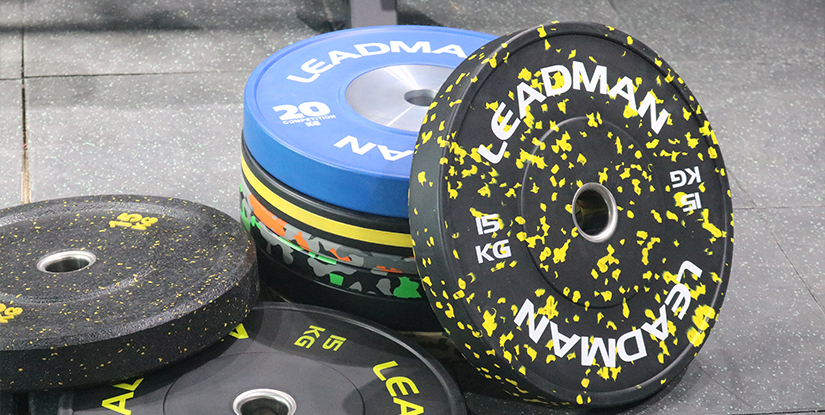
To secure a sustainable long-term ROI, procurement specialists must move beyond superficial inspections and focus on microscopic quality control (QC) metrics. When sourcing cast iron angle plates, the primary risk is not just aesthetic imperfection, but structural failure caused by inconsistent casting density. Low-quality pours often result in internal air pockets or voids, which can lead to catastrophic cracking when subjected to the high-impact loading typical in commercial environments.
Reliable heavy equipment spatial planning requires components with strict thickness consistency across the entire surface area. Any deviation in plate depth or mounting thickness can cause uneven floor wear and lateral instability in storage racks. For high-volume distributors, vetting factory capabilities to ensure uniform metallurgical density is essential. High-grade casting ensures that weight distribution remains predictable, preventing the localized floor depressions and structural fatigue that often plague facilities using substandard, thin-walled mounting hardware.
Optimizing Traffic Flow in High-Density Training Zones
In high-density training environments, the strategic placement of weight storage determines the operational efficiency of the entire floor. When cast iron angle plates used in corner configurations are properly integrated, they transition from simple storage to critical tools for gym floor layout optimization. This approach ensures that heavy lifting zones remain unobstructed while maintaining clear pathways for members.
For facility managers and distributors, maximizing spatial efficiency is a primary concern during the procurement phase. By utilizing specialized angle plate designs, high-traffic commercial fitness facilities can reclaim valuable square footage that is often lost to disorganized weight stacks. This systematic organization prevents bottlenecks in transition zones, ensuring that heavy equipment does not impede the natural movement of athletes across the gym floor.
Choosing between different storage configurations requires a technical understanding of how footprint and accessibility impact your total usable area. Procurement managers must evaluate whether the goal is to maximize vertical density or prioritize rapid retrieval during peak hours. While vertical configurations often offer the smallest footprint, horizontal setups may provide better ergonomics for high-volume training environments.
The following comparison outlines how different commercial weight storage solutions impact your heavy equipment spatial planning and overall facility throughput:
| Storage Configuration | Footprint Impact | Accessibility Level | Best Use Case |
|---|---|---|---|
| Vertical Angle Plate | Minimal; high verticality | Moderate; requires lifting | Compact studios or tight corners |
| Horizontal Tiered | Moderate; wider base | High; easy plate retrieval | High-traffic strength zones |
| Wall-Mounted Angled | Lowest; zero floor usage | High; easy access | Limited floor-space facilities |
When sourcing these units, consider the weight-bearing capacity of the mounting structures. High-quality cast iron components require robust, reinforced frames to prevent structural fatigue over time. For distributors, selecting configurations that balance a compact footprint with high durability ensures long-term ROI for the end-user and reduces the frequency of maintenance-related floor disruptions.
Prioritizing Long-Term Utility and Maintenance Cycles
Effective heavy equipment spatial planning extends beyond the initial installation; it involves calculating the total cost of ownership through the lens of durability. When selecting cast iron angle plates used for commercial weight storage, procurement specialists must look past the initial price point to evaluate the maintenance cycle. Low-quality casting or substandard coatings often lead to surface oxidation or structural warping, which necessitates more frequent floor reorganizations and higher labor costs.
To ensure successful procurement decision-making, prioritize suppliers who offer high-tolerance manufacturing and consistent powder coating or plating. A high-quality finish does more than just look professional; it protects the integrity of the metal during high-frequency use, effectively reducing the long-term maintenance cycle. For distributors, sourcing products with reinforced load-bearing points and scratch-resistant finishes is a strategic move to provide clients with a footprint reduction that does not compromise on structural longevity or safety.
Logistics and Bulk Sourcing Considerations for International Distributors
Maximizing the ROI of a facility layout requires balancing initial procurement costs with long-term logistical efficiency. For distributors and large-scale gym operators, the financial impact of weight storage extends far beyond the unit price of the iron itself.
Optimizing Shipping Density and Landed Cost
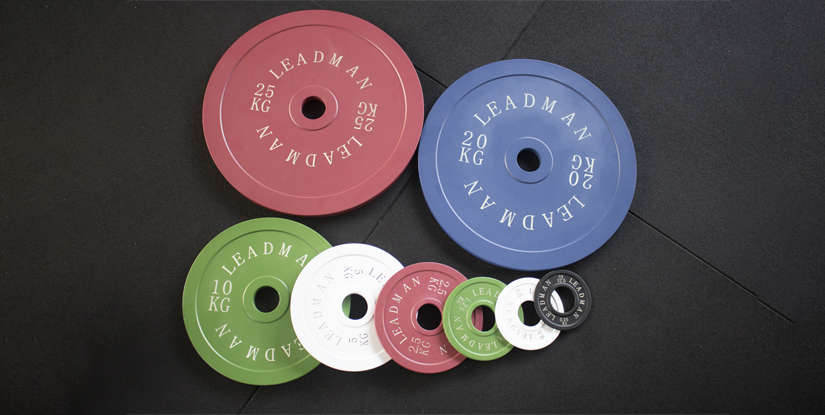
When calculating the total landed cost, professional buyers must look closely at the relationship between shipping density and freight overhead. Because cast iron angle plates are high-density, low-volume items, they offer a distinct advantage in international freight compared to bulkier, lighter equipment. High-density weight configurations allow for more mass per cubic meter, effectively minimizing the impact of volumetric weight vs actual weight penalties during sea freight transit.
Strategically sourcing cast iron angle plates used in high-capacity commercial weight storage solutions ensures that your container utilization is optimized. By prioritizing products that maximize weight-to-volume ratios, procurement managers can reduce the per-unit shipping cost, ensuring that the spatial efficiency gained on the gym floor is matched by cost-efficiency in the global supply chain.
Selecting the right procurement model depends on your specific inventory volume and the level of oversight required for quality assurance. Distributors must weigh the lower unit costs of direct manufacturing against the reduced logistical complexity offered by regional wholesalers.
Sourcing Model Comparison for Bulk Procurement
| Metric | Direct Factory Sourcing | Local/Regional Wholesaler |
|---|---|---|
| Minimum Order Quantity (MOQ) | High (Full Container Load preferred) | Low to Moderate |
| Lead Time | Extended (Production + Sea Freight) | Short (Ready-to-ship stock) |
| Shipping Cost Impact | Lowest per unit (Optimized density) | Higher per unit (Small parcel/LTL) |
| Quality Control Oversight | Direct inspection at source | Dependent on vendor reliability |
| Landed Cost per Unit | Highly competitive/Minimal | Premium (Includes markup/local logistics) |
While direct factory sourcing offers the best margins for high-volume facility builds, it requires sophisticated heavy equipment spatial planning and a robust understanding of international customs. Conversely, local wholesalers provide a faster turnaround for smaller studio refreshes where immediate availability outweighs the need for the lowest possible unit price.
Effective inventory management requires a shift from simple purchasing to sophisticated heavy equipment spatial planning. To protect profit margins, procurement teams must standardize how products arrive at the facility to prevent both physical and financial waste.
Standardizing Packaging and Inventory Turnover
To reduce long-term operational expenses, distributors should mandate strict palletization standards when ordering cast iron components. Uniform packaging ensures that weight plates are stacked securely, which directly minimizes breakage risk and surface damage during transit. When shipments arrive in standardized, stackable configurations, the time required for unboxing and placement is significantly reduced, allowing for faster inventory turnover.
Furthermore, high-volume buyers should prioritize freight consolidation strategies. Rather than placing multiple small, fragmented orders, grouping various weight plate denominations into single, high-density shipments optimizes container space and reduces the frequency of customs clearances. This disciplined approach to replenishment ensures that the gym floor layout remains optimized without the constant disruption of frequent, small-scale deliveries that drive up administrative and labor costs.
Reducing Total Cost of Ownership via Material Integrity
When sourcing commercial weight storage solutions, procurement managers must look beyond initial unit costs to evaluate the long-term maintenance cycles of the facility. High-quality cast iron angle plates used in heavy-duty environments act as a fixed asset that requires minimal intervention if the metallurgy and coating processes meet industrial standards.
In high-traffic environments, the primary threat to your floor layout efficiency is equipment degradation. Cheaply manufactured storage components often suffer from structural fatigue or surface oxidation, leading to frequent replacement cycles. By investing in premium cast iron angle plates, distributors and gym owners benefit from superior wear resistance and structural stability. This durability ensures that your spatial planning remains effective for years, as the storage units maintain their shape and load-bearing capacity without the need for constant recalibration or replacement, ultimately protecting your long-term ROI.
Material Durability and Maintenance Comparison
Selecting the right storage configuration involves a critical trade-off between upfront procurement costs and long-term operational overhead. While composite materials may offer a lower initial price point, their susceptibility to impact damage and environmental wear can disrupt your gym floor layout through frequent replacement needs. In contrast, the structural stability of cast iron provides a predictable maintenance cycle suitable for large-scale commercial deployment.
| Feature/Metric | Cast Iron Configurations | Plastic/Composite Storage |
|---|---|---|
| Maintenance Frequency | Low (Annual inspection) | Moderate (Frequent monitoring) |
| Surface Coating Integrity | High (Resistant to heavy impact) | Variable (Prone to cracking/scratches) |
| Structural Stability | Exceptional (High load-bearing) | Moderate (Subject to fatigue) |
| Expected Lifespan | Long-term (Industrial grade) | Mid-term (Consumer/Studio grade) |
For distributors managing large-scale facility rollouts, the reliability of these components is vital. Relying on high-grade iron ensures that the spatial organization of the weight area remains consistent, preventing the logistical headaches of replacing broken or deformed storage units during peak operating hours.
Standardizing Inspection Protocols and Logistics
To maintain peak efficiency in gym floor layout optimization, facility managers should implement standardized inspection protocols. Rather than reactive maintenance, a proactive approach involves quarterly visual audits of all weight storage points. Check for surface oxidation, mounting bolt tension, and any signs of structural deformation. Establishing these routine checks allows procurement teams to predict replacement cycles well in advance, preventing unexpected downtime or sudden changes in equipment footprint.
From a procurement standpoint, effective heavy equipment spatial planning requires synchronized logistics considerations. When ordering through wholesale channels, avoid small, fragmented shipments that increase shipping overhead and complicate inventory management. Instead, align your restocking orders with large-scale replenishment cycles. By leveraging the high MOQ capabilities of reputable manufacturers, distributors can secure consistent stock levels of essential components, ensuring that any necessary upgrades or replacements do not disrupt the established traffic flow or the operational continuity of the commercial space.