Managing Inventory and Margins for Cast Iron Gym Plates
Analyzing Total Cost of Ownership for Cast Iron Weight Plates
A regional gym equipment distributor managing large-scale warehouse stock must look beyond the initial invoice price of cast iron plates gym orders. While a low unit price may seem attractive during the initial sourcing phase, a true procurement strategy accounts for the landed cost and long-term replacement cycles. In a high-traffic commercial setting, the actual expense of an item is dictated by how often it requires replacement and the logistical overhead required to move heavy steel.
| Cost Factor | Low-End Sourcing | Premium Commercial Grade |
|---|---|---|
| Initial Unit Price | Lower | Higher |
| Shipping Weight Impact | High (Standard density) | Moderate (Optimized casting) |
| Durability/Lifespan | Lower (Prone to chipping) | High (Resilient in heavy use) |
| Replacement Frequency | Frequent | Minimal |
When calculating the total cost of ownership (TCO), buyers must factor in the shipping weight and the frequency of replacement due to wear. A durable, high-quality casting may have a higher upfront cost, but it reduces the long-term burden on fitness supply chain management by extending the interval between reorders and reducing the logistical costs associated with frequent, smaller replenishment shipments.
Choosing between a direct factory model and a local distributor significantly alters your margin structure and operational complexity. For distributors managing large-scale wholesale weight plate inventory, the decision often hinges on the trade-off between unit-level savings and the overhead of logistics and quality assurance.
| Metric | Direct Factory Sourcing | Local/Regional Distributor |
|---|---|---|
| Unit Price | Lowest (Volume-based) | Higher (Markup included) |
| MOQ | High (Full container loads) | Low (LCL or pallet options) |
| Shipping & Logistics | Complex (International freight) | Simplified (Domestic freight) |
| Quality Control (QC) | High effort (Requires 3rd party) | Easier (Local inspection/returns) |
| Lead Time | Extended (Weeks/Months) | Short (Days/Weeks) |
| Long-term Reliability | High (If vendor is vetted) | Moderate (Depends on stock) |
While direct sourcing offers the most aggressive pricing for gym equipment distribution, it demands robust fitness supply chain management to mitigate risks like extended lead times or manufacturing defects. Local distributors provide a buffer against volatility, offering faster replenishment and easier quality oversight, though often at the expense of the net profit margin per unit.
Beyond the logistical choice of sourcing, the structural integrity of the product itself directly impacts the long-term maintenance costs of a facility. Poorly executed casting or substandard coating quality can lead to premature oxidation or surface chipping, which complicates the wholesale weight plate inventory turnover. If a batch of plates requires constant cleaning or replacement due to aesthetic or structural degradation, the replacement frequency increases, driving up the operational expense for the end-user and complicating the fitness supply chain management for the provider.
For professionals managing high-volume gym equipment distribution, prioritizing high-grade finishes and consistent density is a defensive move against margin erosion. A product that withstands heavy use without constant intervention ensures a more predictable total cost of ownership, reinforcing trust with commercial clients and reducing the frequency of costly, unplanned reorders.
Strategic Sourcing and MOQ Optimization for Distributors
Successful gym equipment distribution relies on a delicate equilibrium between maintaining high inventory turnover and securing competitive unit costs. For distributors handling cast iron plates gym orders, the challenge lies in navigating the tension between high MOQ requirements from manufacturers and the immediate fulfillment needs of commercial clients.
Balancing Lead Times and Supply Chain Stability
Effective wholesale weight plate inventory management requires more than just tracking stock levels; it demands a proactive approach to supply chain stability. Because cast iron production and international shipping involve fixed lead times, distributors must forecast demand cycles to avoid both capital-heavy overstocking and the lost revenue associated with stockouts. A strategic procurement model prioritizes reliable factory output and predictable transit windows to ensure that high-volume orders for commercial facilities are met without compromising liquidity.
Evaluating Sourcing Models for Margin Optimization
Choosing between direct factory sourcing and local wholesale procurement depends heavily on your business scale and target market. While direct sourcing offers the highest potential for margin optimization, it requires significant capital and logistics expertise. Local sourcing provides agility and lower risk but often results in higher unit costs and reduced control over the manufacturing process.
| Sourcing Model | Unit Cost | Shipping Speed | MOQ Requirement | Quality Control (QC) |
|---|---|---|---|---|
| Direct Factory | Lowest | Slower (Ocean/Sea) | High | High (Direct Oversight) |
| Local Wholesale | Moderate | Fast (Domestic/Ground) | Low to Moderate | Moderate (Third-Party) |
Distributors focusing on large-scale commercial facility rollouts typically lean toward direct factory models to secure a competitive edge in pricing. Conversely, boutique fitness retailers or smaller gym owners often prefer the speed and lower MOQ of local wholesalers to maintain a lean inventory without heavy upfront investment in shipping containers.
Mitigating Risks in Fitness Supply Chain Management
A resilient fitness supply chain management strategy must account for the inherent volatility in global logistics. Relying on a single source or a single shipping method can leave a distributor vulnerable to sudden spikes in shipping costs or unexpected port delays. To safeguard profit margins, smart procurement involves building a buffer stock of high-turnover SKUs, such as standard 45lb (20kg) plates, which serves as a safety net during transit disruptions.
Beyond transit, the primary risk in bulk iron orders is technical inconsistency. Rigorous quality inspection protocols are essential before any shipment leaves the factory. Buyers should demand strict adherence to weight tolerance standards—typically within a +/- 1% to 2% margin—to ensure professional-grade precision. Without these pre-shipment checks, a distributor risks high return rates and damaged reputations when client facilities receive uneven weight sets that fail to meet commercial standards.
Inventory Turnover and Storage Efficiency in Fitness Supply Chains
Optimizing the storage of cast iron plates gym inventory requires a precise understanding of weight density and structural limits. Unlike lighter polymer-based equipment, iron components demand rigorous logistical planning to prevent floor damage and ensure safety during rapid turnover cycles.
Managing High-Density Weight Loads
Distributors and facility managers must prioritize warehouse optimization by accounting for the extreme weight density inherent in iron stock. Relying solely on horizontal floor space is inefficient for high-volume wholesale weight plate inventory; instead, professional operations leverage vertical storage solutions such as heavy-duty industrial racking systems.
When planning your layout, always verify the floor load capacity of your warehouse or retail showroom. Concentrated stacks of cast iron plates gym can easily exceed standard commercial floor ratings if not distributed across reinforced surfaces. Implementing specialized plate trees or reinforced pallet racking allows for better SKU organization and faster picking speeds, directly improving your overall fitness supply chain management efficiency.
Storage Configuration Comparison
Selecting the correct storage method is a critical decision in gym equipment distribution. The choice between palletized bulk storage, industrial racking, or specialized plate pegs depends on whether your primary goal is maximizing warehouse capacity or increasing the speed of floor-side accessibility for end-users.
| Configuration | Accessibility | Footprint | Turnover Speed |
|---|---|---|---|
| Standard Pallets | Low (Requires Forklift) | Minimal (Vertical Stacking) | Slow (Bulk Movement) |
| Industrial Racking | Medium (Manual Retrieval) | Moderate (Vertical Space) | Moderate (SKU Specific) |
| Specialized Pegs/Trees | High (Immediate Access) | High (Horizontal Spread) | Fast (Retail/Gym Use) |
For high-volume distributors managing massive wholesale weight plate inventory, palletized storage remains the most cost-effective method for long-term warehousing. However, for retail-facing showrooms or active commercial facilities, utilizing specialized pegs or heavy-duty racks is essential to facilitate rapid turnover and prevent the logistical bottlenecks often associated with heavy, dense iron stock.

Preserving Asset Value Through Handling Protocols
Protecting profit margins requires more than just space management; it demands strict adherence to handling protocols to prevent surface degradation. Even high-quality cast iron plates gym stock can suffer from oxidation or coating chipping if subjected to improper environmental conditions or rough manual movement. To maintain the aesthetic and structural integrity of your wholesale weight plate inventory, implement a strict stock rotation policy, specifically the First-In, First-Out (FIFO) method. This ensures that older batches are moved through the fitness supply chain management cycle before any potential long-term environmental wear occurs.
Furthermore, moisture control is non-negotiable in many distribution environments. High humidity levels can lead to premature rust on uncoated surfaces, devaluing your stock before it even reaches the client. Ensure your storage area is well-ventilated and, if necessary, use industrial dehumidifiers. When moving bulk orders, utilize mechanical lifting aids rather than manual dragging to minimize impact damage, thereby protecting your bottom line from unnecessary replacement costs.
Managing Margin Volatility in Bulk Cast Iron Procurement
The profitability of distributing cast iron plates gym inventory is heavily dictated by the stability of upstream manufacturing costs. Unlike finished fitness goods, the pricing for these heavy-duty components is inextricably linked to the global commodities market, making margin protection a primary concern for distributors and large-scale facility planners.
The Impact of Raw Material Fluctuations
Maintaining a consistent wholesale weight plate inventory requires navigating the inherent volatility of the metals sector. Because the production of cast iron plates gym equipment relies heavily on metallurgy, procurement cycles are often disrupted by raw material fluctuations. A primary driver of these shifts is iron scrap pricing; when the cost of recycled scrap metal rises due to high demand in the construction or automotive sectors, the landed cost of your fitness supplies inevitably follows.
For distributors, failing to account for these cycles can lead to compressed margins during unexpected price spikes. Successful gym equipment distribution strategies typically involve timing large-scale orders with market stability or negotiating fixed-price contracts with manufacturers to hedge against the unpredictable movement of metal indices.
Comparing Procurement Models for Margin Protection
Choosing the right sourcing model is a fundamental component of effective fitness supply chain management. Distributors must weigh the benefits of immediate availability against the long-term cost certainties offered by manufacturing partnerships. The following comparison outlines how different procurement approaches impact your ability to maintain predictable retail pricing and inventory levels.
| Sourcing Strategy | Cost Stability | Lead Time | Risk Level |
|---|---|---|---|
| Spot Buying | Low (Market Driven) | Short / Immediate | High (Price Spikes) |
| Contractual Sourcing | High (Fixed Rates) | Extended / Planned | Low (Predictable) |
| Just-in-Time (JIT) | Variable | Minimal / Rapid | Moderate (Supply Gaps) |
While spot buying allows for rapid response to sudden market demand, it leaves your margins vulnerable to the rapid fluctuations of the iron scrap market. Conversely, long-term contracts provide the stability necessary for high-volume distributors to project annual revenue more accurately, even if they require higher upfront commitments or more rigid forecasting.
Optimizing Logistics and MOQ to Protect Net Margins
To maintain profitability in gym equipment distribution, buyers must look beyond the unit price and focus on total landed costs. High shipping weights make cast iron plates gym orders particularly sensitive to logistics expenses. To mitigate this, prioritize MOQ optimization by bundling various denominations—such as 10kg, 20kg, and 25kg plates—within a single production run. This strategy ensures you meet factory requirements without overstocking a single SKU, which keeps your wholesale weight plate inventory lean and liquid.
Furthermore, maximizing container utilization is essential for fitness supply chain management. Because iron is a high-density commodity, the challenge is rarely volume but rather weight limits. Work with your supplier to design pallet configurations that maximize shipping density without exceeding legal road weight limits for the destination country. By optimizing the weight-to-space ratio in every 40ft container, you reduce the per-unit freight cost, providing a vital buffer that protects your margins when ocean freight or fuel surcharges inevitably shift.
Prioritizing Structural Integrity and Precision
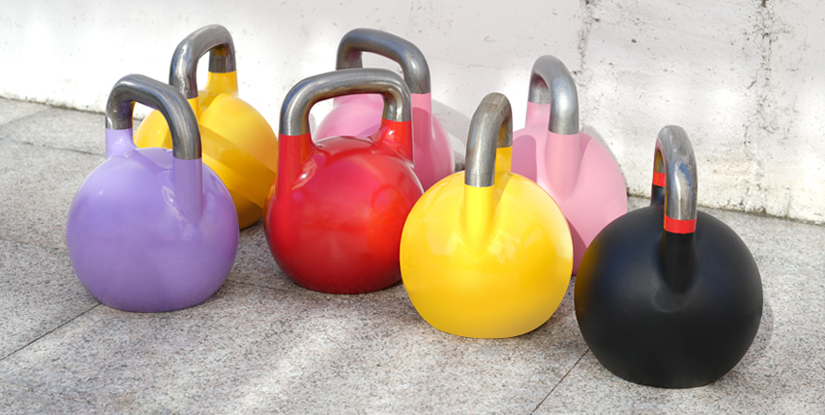
For distributors managing high-volume orders, the cost of shipment rejections often stems from overlooked manufacturing variances. High-quality cast iron plates gym facilities demand more than just aesthetic uniformity; they require strict adherence to commercial gym standards to ensure long-term usability and safety in high-traffic environments.
Rigorous quality control must focus on two critical metrics: structural integrity and dimensional tolerance. A failure to maintain a tight weight deviation threshold can lead to uneven loading on barbells, creating significant liability and client dissatisfaction. Beyond weight accuracy, the concentricity of the center hole is vital; even minor deviations can cause plates to wobble or sit unevenly, compromising the stability of the entire lifting setup. For B2B buyers, verifying these technical specifications at the factory level is the most effective way to protect profit margins and reduce the logistical headache of processing returns for substandard cast iron plates gym inventory.
Standardized Inspection Criteria for Wholesale Audits
To mitigate the risk of receiving defective stock, procurement managers should implement a standardized inspection checklist during pre-shipment or factory audits. Relying on visual checks alone is insufficient for high-volume orders; technical precision must be verified through physical measurement and standardized testing protocols. A well-defined inspection matrix ensures that every batch of cast iron plates gym inventory meets the durability requirements of professional fitness facilities.
| Inspection Metric | Target Parameter | Technical Focus |
|---|---|---|
| Visual | Surface Uniformity | Absence of cracks, pits, or casting flaws |
| Dimensional | Concentricity | Alignment and center hole precision |
| Weight | Tolerance Threshold | Consistency within ±1% to ±2% deviation |
| Coating | Adhesion & Finish | Powder coating durability and edge smoothness |
When evaluating the surface finish, ensure the edges are deburred to prevent user injury and equipment damage. For products with a colored finish, the powder coating adhesion is critical; a high-quality coating must withstand heavy usage without chipping or peeling. By enforcing these specific benchmarks during gym equipment distribution workflows, buyers can ensure that their wholesale weight plate inventory maintains its value and functional integrity over years of commercial use.
Securing Margins via Transit Durability and Packaging
Efficient fitness supply chain management extends beyond the factory floor to the structural integrity of the shipping unit. For importers, transit damage is a primary driver of margin erosion, as damaged edges or rusted surfaces lead to costly claims and diminished wholesale weight plate inventory value. To mitigate these risks, procurement protocols must mandate high-grade palletization and robust outer-packaging standards.
Standardized shipping durability requires more than simple cardboard; heavy-duty corrugated boxes and reinforced wooden crates are essential for long-distance sea freight. To prevent oxidation during extended transit times, ensure your supplier utilizes advanced moisture protection, such as VCI (Volatile Corrosion Inhibitor) liners or desiccants within the packaging. Properly secured pallets prevent shifting, which protects the cast iron plates gym shipments from impact-related fractures. By prioritizing these logistical safeguards, distributors can ensure that their bulk orders arrive in retail-ready condition, preserving both product reputation and net profitability.
Logistics and Freight Planning for Heavy Iron Goods
Managing the movement of cast iron plates gym orders requires a specialized understanding of high-density cargo logistics. Unlike lighter fitness accessories, the primary cost drivers for these heavy iron goods are weight-based rather than volume-based, making freight cost optimization a critical variable for distributor margins.
Navigating Shipping Density and Dimensional Weight
For procurement managers, the biggest challenge lies in the relationship between shipping density and freight rates. Because cast iron is extremely dense, shipments often hit maximum weight limits before reaching the volumetric capacity of a container or truck. This means you are paying for actual weight, but must still account for dimensional weight if palletization or specialized crating is used to prevent damage.
To maintain a competitive edge in gym equipment distribution, buyers should coordinate closely with factories on pallet configuration. Efficiently stacking plates to maximize density ensures that you aren't paying to ship "air," while also minimizing the risk of structural deformation during transit. Mastering these heavy iron goods logistics is essential for protecting your bottom line during large-scale wholesale restocking.
Freight Method Comparison for High-Volume Orders
Selecting the appropriate transport mode depends heavily on your current inventory turnover and the total tonnage of your order. For distributors, the trade-off between speed and cost-efficiency determines the final landed cost of your cast iron plates gym stock. While air freight offers speed, the weight-to-cost ratio is generally prohibitive for heavy iron goods due to extreme dimensional weight surcharges. Most commercial buyers focus on sea freight and optimized road transport to preserve margins.
| Shipping Method | Best Use Case | Primary Cost Driver | Logistics Profile |
|---|---|---|---|
| FCL (Full Container Load) | High-volume restocking | Total weight and vessel space | Highest density; most cost-effective for large MOQs |
| LTL (Less Than Truckload) | Mid-size inventory replenishment | Pallet count and weight | Flexible; utilizes shared space in domestic transit |
| Air Freight | Urgent, low-tonnage samples | Dimensional weight/Speed | High cost; rarely used for bulk iron distributions |
When planning your fitness supply chain management, always request a detailed palletization breakdown from your supplier. Understanding whether your shipment is categorized by pallet count or total weight allows for more accurate landed cost calculations. For long-term margin stability, FCL via sea freight remains the standard for moving significant volumes of heavy iron goods across international borders.
Optimizing Warehouse Capacity and Stock Turnover
Effective fitness supply chain management requires a delicate balance between maintaining high availability and minimizing dead stock. Because cast iron plates gym orders are high-density and high-weight, excessive wholesale weight plate inventory can quickly consume valuable warehouse capacity and tie up liquid capital. To prevent these bottlenecks, distributors must synchronize their procurement cycles with real-time stock turnover metrics.
A common strategy to mitigate rising storage and logistics costs is to optimize your MOQ (Minimum Order Quantity) relative to your storage footprint. While larger orders typically lower the per-unit cost, they increase the risk of warehouse congestion. Aim for a "just-in-case" buffer for high-demand denominations (such as 45lb/20kg plates) while utilizing more frequent, smaller-batch replenishment for niche weights. This approach ensures you meet market demand without overextending your physical storage or sacrificing the agility of your distribution model.