Reliable Manufacturer of Heaviest Weight Plates: High-Density Steel & Iron
Defining the Commercial Value of High-Density Heaviest Weight Plates
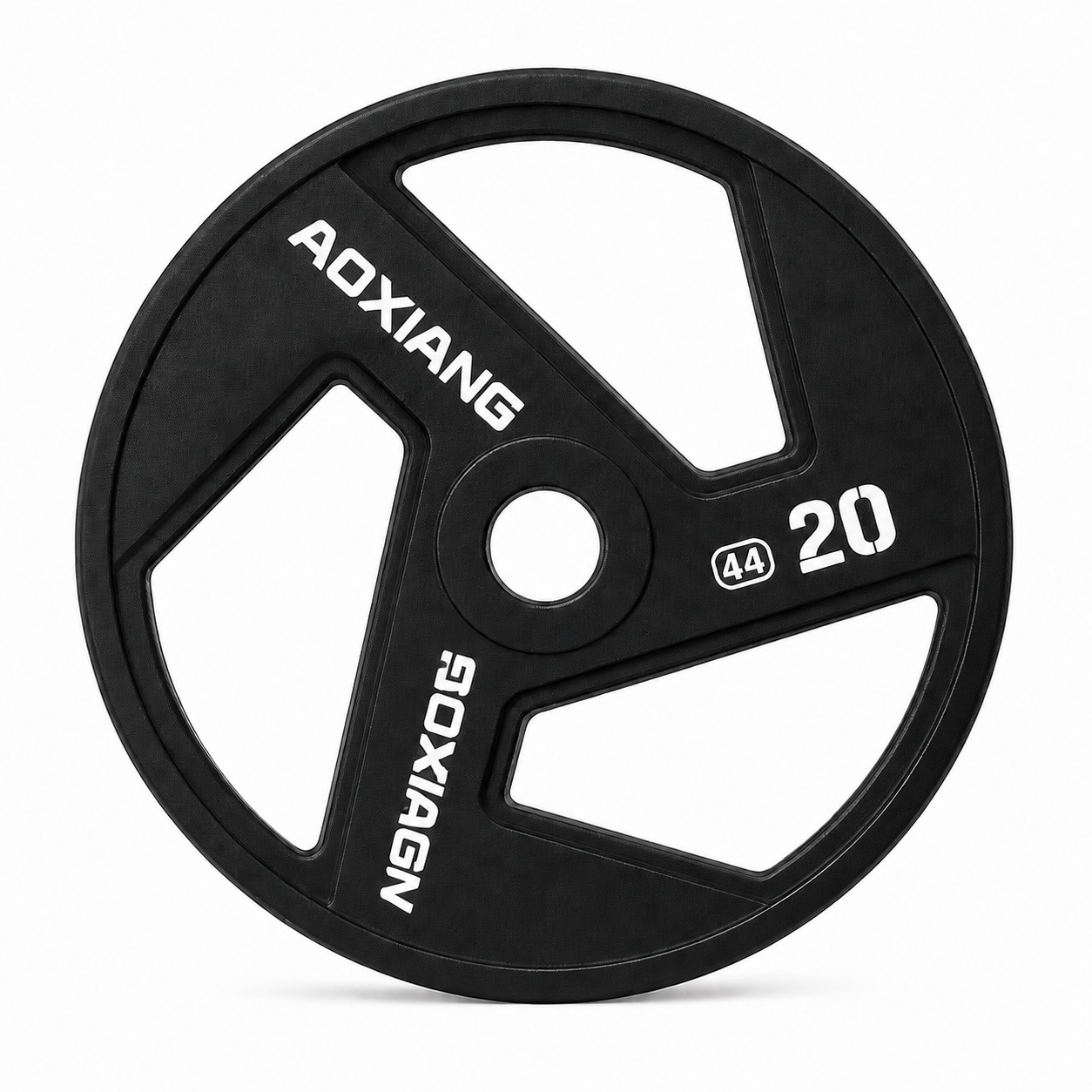
heaviest weight plates are precision-engineered tools designed to maximize barbell load capacity within a limited sleeve length. By utilizing high-density materials like machined steel, these most dense weight plates allow commercial gyms and competitive powerlifting facilities to offer maximum resistance without compromising bar stability or equipment safety standards.
For a commercial gym owner or a distributor, the floor space and the equipment footprint represent recurring costs. Standard wide-profile plates often limit the total weight a member can lift because the barbell sleeve runs out of space. This creates a ceiling for your most advanced members and decreases the professional appeal of your facility. By integrating heaviest standard barbell plates that prioritize a thin, high-density profile, you effectively upgrade your existing barbell inventory without requiring additional rack space.
From a procurement perspective, investing in high-density plates is about more than just heavy lifting; it is about total cost of ownership (TCO). While cheaper, bulkier plates may seem cost-effective initially, they often suffer from higher weight deviance and lower durability. Choosing heaviest weight plates manufactured from premium steel or high-grade cast iron ensures that your investment retains its value and functional integrity over decades of high-frequency commercial use.
The Engineering Behind the Heaviest Weight Plates: Why Material Density is Non-Negotiable
The primary engineering challenge in producing the heaviest weight plates lies in the relationship between mass and volume. In professional strength environments, a plate must be thin enough to allow for 700lb+ loads on a standard barbell while remaining structurally sound. This is where material selection and manufacturing precision become the deciding factors for B2B buyers.
Standard retail plates often use sand-casting with lower-grade iron, resulting in air pockets and inconsistent density. In contrast, our manufacturing process for most dense weight plates focuses on eliminating porosity. Whether utilizing precision-machined steel or gravity-cast iron, the goal is to achieve a specific gravity that allows for a significantly thinner profile compared to economy bumper plates or wide cast iron alternatives.
| Feature | Standard Economy Plates | High-Density Steel Plates | Commercial Benefit |
|---|---|---|---|
| Thickness (20kg/45lb) | 38mm - 45mm | 18mm - 22mm | Allows 2x the load on a standard barbell sleeve. |
| Weight Tolerance | +/- 3% to 5% | +/- 0.5% or better | Ensures bilateral balance and prevents joint strain. |
| Material Integrity | Cast iron with air pockets | Solid machined steel / High-grade iron | Prevents cracking during high-impact drops. |
| Storage Efficiency | Low (requires more pegs) | High (compact storage) | Reduces gym floor clutter and improves aesthetics. |
For distributors looking to establish a premium brand, the "feel" of the weight is a critical sales driver. High-density heaviest weight plates provide a distinct "clank" and a lack of vibration that professional lifters associate with quality. We achieve this through rigorous CNC machining, ensuring that the center hole diameter is precise to within fractions of a millimeter. This tight tolerance reduces friction and wear on your barbell sleeves, extending the life of your entire equipment ecosystem.
When you evaluate a supplier for heaviest standard barbell plates, you are evaluating their ability to maintain consistency across thousands of units. Our production lines are optimized for weight calibration, meaning a 25kg plate is exactly 25kg, every time. This precision is a mandatory requirement for regional competitions and high-end strength centers that pride themselves on professional-grade standards.
Comparing Steel vs. Cast Iron: Selecting the Most Dense Weight Plates for Professional Use
In the procurement of heaviest weight plates, the choice between machined steel and cast iron is a strategic decision that impacts both the upfront investment and the long-term facility reputation. While both materials can produce heavy resistance, they serve different commercial tiers and operational needs. Understanding the metallurgical differences is essential for distributors and facility owners who prioritize equipment longevity and space efficiency.
Cast iron is the traditional choice for heaviest standard barbell plates. High-quality cast iron, particularly when using a gravity casting process, offers excellent durability at a competitive price point. However, iron is naturally less dense than steel and can contain small internal voids. For gyms that require the absolute most dense weight plates, machined steel is the superior engineering solution. Steel plates are cut from solid billets, ensuring zero internal porosity and a uniform density that iron simply cannot match. This allows a 25kg steel plate to be significantly thinner than its cast-iron counterpart.
| Factor | Commercial Cast Iron | Precision Machined Steel | B2B Decision Impact |
|---|---|---|---|
| Density Rating | Standard | Highest | Steel maximizes bar sleeve capacity for elite lifting. |
| Calibration Accuracy | +/- 2% typical | +/- 0.1% achievable | Steel is preferred for sanctioned competitions. |
| Impact Resistance | Moderate (can chip) | High (shatter-proof) | Steel reduces replacement frequency in high-traffic zones. |
| Cost per Kilogram | Economical | Premium | Steel offers higher resale value and brand prestige. |
For a distributor, stocking heaviest weight plates in both materials allows for a tiered pricing strategy. Cast iron serves the high-volume market where cost-per-pound is the primary metric, while machined steel caters to performance centers and private studios where the "thin-profile" benefit justifies a higher price. Our manufacturing facility supports both paths, providing OEM branding on both materials to help you build a cohesive product line that meets diverse budget requirements.
Maximizing Barbell Capacity: How Heaviest Standard Barbell Plates Solve Space Constraints
The "space-on-the-bar" problem is a genuine pain point for serious strength facilities. Standard Olympic barbells have a limited sleeve length, usually around 415mm to 445mm. When using low-density plates or wide bumper plates, the bar can be "maxed out" at a relatively low total weight, often before a competitive athlete reaches their limit. This equipment bottleneck forces gym owners to invest in specialized long-sleeve bars or, worse, limits the training potential of their members.
By sourcing heaviest standard barbell plates with a slim, high-density profile, you solve this bottleneck. A typical 25kg (55lb) high-density steel plate might be only 20mm thick. This allows a lifter to load over 700kg on a standard bar, far exceeding the requirements of even world-class powerlifters. For a commercial facility, this means your standard equipment remains relevant for everyone from beginners to elite professionals, maximizing the utility of every barbell in your inventory.
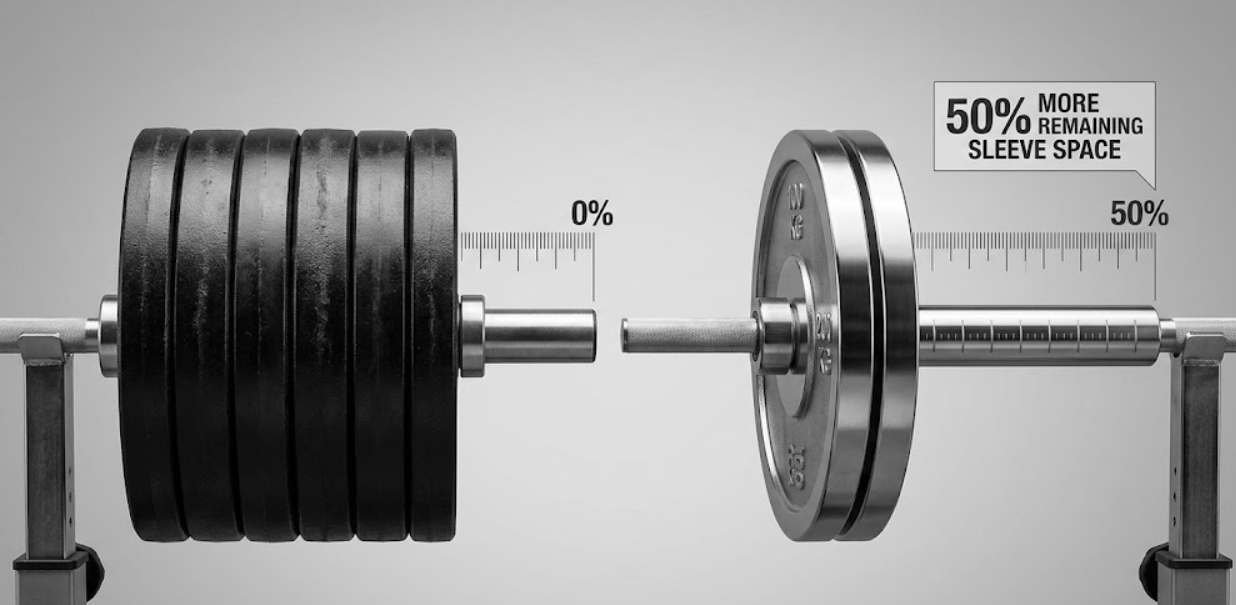
This space efficiency extends beyond the bar to your storage racks. most dense weight plates require less horizontal space on weight trees and integrated rack storage. In a facility where every square foot is calculated into the ROI, the ability to store more total weight in a smaller footprint is a significant operational advantage. Whether you are outfitting a 500-square-foot personal training studio or a 20,000-square-foot commercial club, the compact nature of our heaviest weight plates improves the flow of the gym floor and reduces the risk of cluttered, hazardous workout areas.
For bulk purchasers, the compact dimensions of these plates also translate to logistical savings. Higher density means more weight can be packed into a smaller volume, optimizing pallet space and potentially reducing shipping costs per kilogram. When importing large quantities of heaviest weight plates, this improved packaging efficiency directly contributes to a lower landed cost and better profit margins for your distribution business.
Precision Calibration and Weight Tolerance: The Standard for Competitive Strength Facilities
In the world of professional strength training, the heaviest weight plates are only as valuable as their accuracy. For a commercial facility or a distributor catering to competitive athletes, weight tolerance is a critical safety and performance metric. A standard "gym grade" plate often has a weight deviance of up to 5%. On a 25kg plate, this could mean a discrepancy of 1.25kg. When an athlete loads several of these heaviest standard barbell plates on each side, the bilateral imbalance can exceed 5kg, leading to improper form, joint strain, and potential liability issues for the gym owner.
Our manufacturing process for most dense weight plates utilizes precision calibration to ensure that the actual mass matches the nominal weight within strict tolerances (typically +/- 10 grams for competition-grade steel). This is achieved through CNC back-milling or the inclusion of calibration plugs in the design. For a B2B buyer, this level of precision is a major selling point. It positions your brand as a provider of "competition-ready" equipment, allowing you to charge a premium over uncalibrated, commodity-grade alternatives.
Furthermore, consistent calibration simplifies inventory management for large-scale facilities. When every plate in the facility is identical in weight and thickness, members do not have to "hunt" for a matching pair. This improves the user experience and throughput during peak hours. For the purchaser, buying heaviest weight plates with guaranteed tolerances reduces the long-term risk of equipment rejection and enhances the professional reputation of the strength area.
Durability and Surface Finish: Protecting Your Investment in High-Traffic Commercial Gyms
Commercial gym equipment is subject to a level of abuse that home gym equipment never encounters. heaviest weight plates are frequently dropped, slid across concrete, and exposed to sweat-induced oxidation. Without a professional-grade surface treatment, even the most dense weight plates will succumb to rust and chipping, which not only looks unprofessional but can also alter the plate’s weight over time through material loss.
We offer several industrial-grade finishes designed for the high-impact environment of a commercial strength zone:
| Finish Type | Application Method | Durability Level | Commercial Suitability |
|---|---|---|---|
| Electrolytic E-Coating | Submersion / Electrical Bond | Highest (Corrosion Resistant) | Ideal for high-humidity gyms or outdoor areas. |
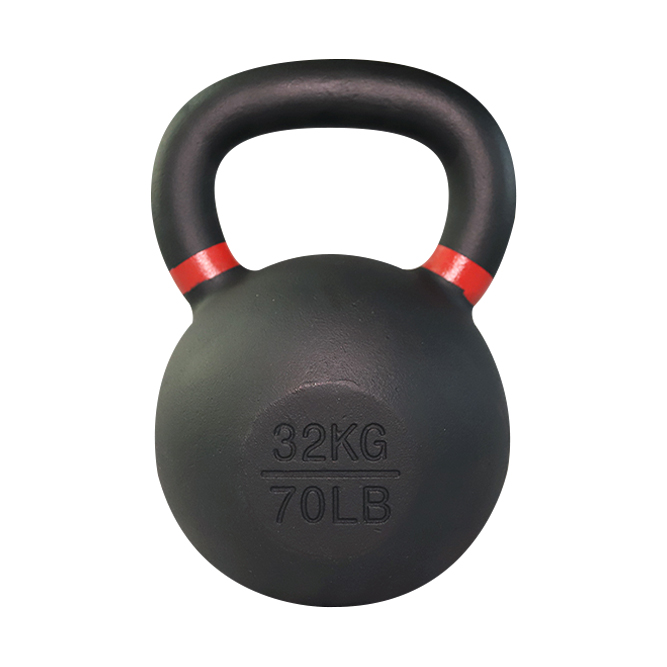
| Texture Powder Coating | Electrostatic Spray / Heat Cured | High (Chip Resistant) | Provides superior grip for safe plate handling. |
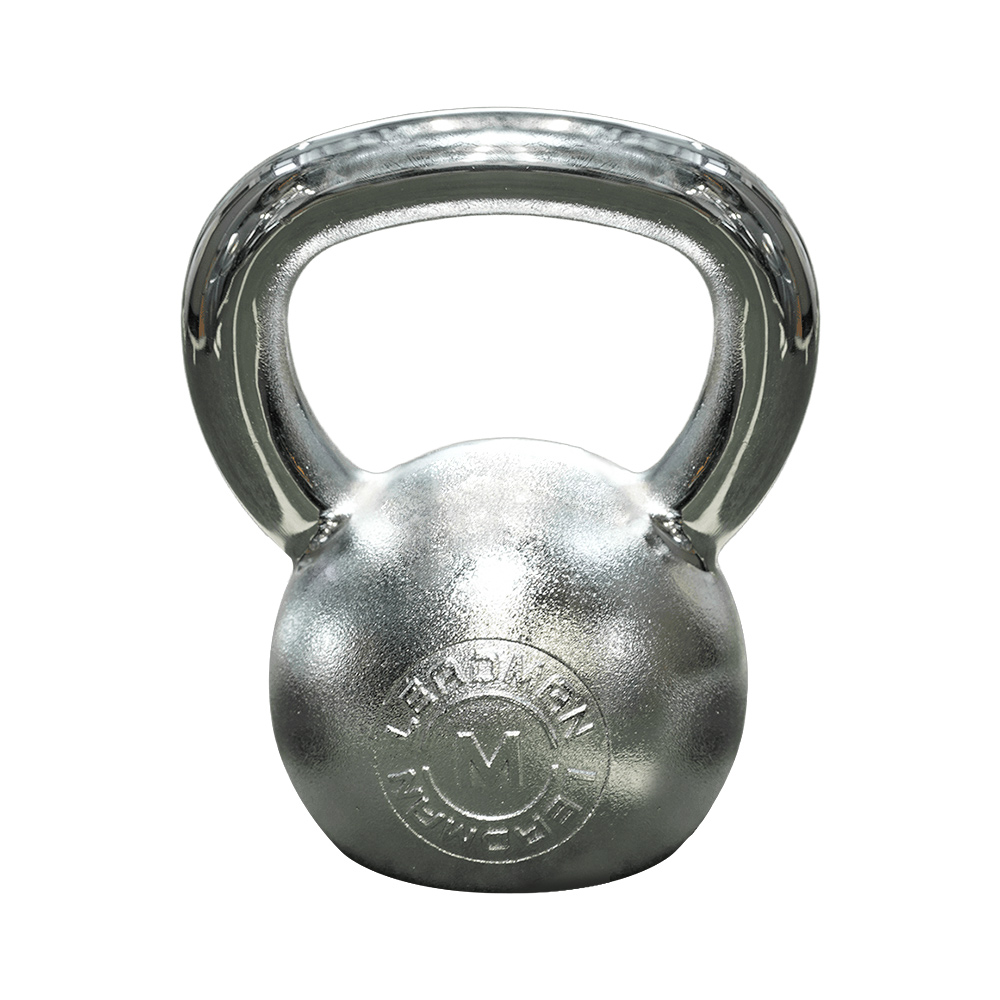
| Hard Chrome Plating | Industrial Electroplating | High (Scratch Resistant) | Premium aesthetic for flagship performance centers. |
| Polyurethane Bonding | Heat-bonded over Steel/Iron | Extreme (Impact Absorption) | Best for noise reduction and floor protection. |
For distributors, the choice of finish is often a branding decision. A signature color or a high-quality textured powder coat can make your heaviest standard barbell plates stand out in a crowded market. More importantly, a durable finish reduces the "Total Cost of Ownership" (TCO) for your clients. A facility that invests in e-coated heaviest weight plates today will not need to spend money on sandblasting and repainting them in three years. This longevity is a powerful argument for upselling clients from economy options to professional-grade heavy plates.
In addition to the exterior finish, the center hole of our heaviest weight plates is precision-machined to a standard 50.4mm - 50.6mm diameter. This ensures a "snug but smooth" fit on Olympic barbells. A loose fit causes the plates to tilt and vibrate during use, increasing wear on both the bar and the plate. By controlling these engineering tolerances, we ensure that your investment remains quiet, stable, and aesthetically pleasing even after years of 24/7 commercial use.
The B2B Advantage: Wholesale Margin Logic and Inventory Turnover for heaviest weight plates
For distributors and fitness equipment retailers, stocking heaviest weight plates is a strategic move to differentiate a product portfolio from low-margin, "big box" retail commodities. Standard weights are often sold on price alone, leading to a "race to the bottom" that erodes profit margins. Specialized, high-density most dense weight plates, however, cater to a more discerning professional demographic—commercial gym owners, powerlifting clubs, and high-end home gym builders—who are willing to pay a premium for space efficiency and calibration accuracy.
From a logistical perspective, the density of these plates offers a unique advantage in warehousing and shipping. Because heaviest weight plates occupy less volume per kilogram, they allow for higher pallet density. In international shipping, where "deadweight" and "volumetric weight" determine costs, high-density plates optimize container utilization. This translates to a lower landed cost per unit for the distributor, providing more room for wholesale margins or competitive retail pricing.
| Metric | Standard Cast Iron (Bulk) | High-Density Steel (Premium) | Distributor Impact |
|---|---|---|---|
| Inventory Turnover | High Volume / Low Margin | Medium Volume / High Margin | Steel plates improve overall net profit per square foot of warehouse. |
| Shipping Efficiency | Average (Bulky) | Optimized (Compact) | Reduced per-kg freight costs on LCL/FCL shipments. |
| Customer Loyalty | Low (Price Driven) | High (Performance Driven) | Specialized gear creates long-term B2B gym contracts. |
| Bundling Potential | Low | High (with high-end bars) | Increases Average Order Value (AOV) for equipment packages. |
We work closely with our B2B partners to ensure reliable production lead times, which is the cornerstone of inventory turnover. By maintaining a consistent supply of heaviest standard barbell plates, we help you avoid the "out-of-stock" scenarios that drive your customers to competitors. Our tiered pricing for bulk orders is structured to support the scaling of your business, whether you are outfitting a single large-scale facility or stocking a regional distribution hub.
OEM & Private Label Potential: Customizing High-Density Plates for Brand Recognition
In the competitive fitness market, brand visibility is paramount. For equipment brands and large gym chains, having your logo embossed or laser-etched on your heaviest weight plates serves as a permanent marketing tool. Our facility specializes in OEM and private label services, allowing you to offer most dense weight plates that are unique to your brand identity.
Our OEM process is designed to be low-friction for the buyer. We provide 3D CAD modeling and prototyping to ensure that your logo placement does not interfere with the plate's balance or calibration. Whether you prefer a classic raised-letter casting for iron plates or a high-precision CNC-milled logo for steel plates, we have the technical capability to execute your vision. This level of customization is particularly valuable for "boutique" fitness brands looking to establish a premium aesthetic that justifies a higher price point in the retail market.
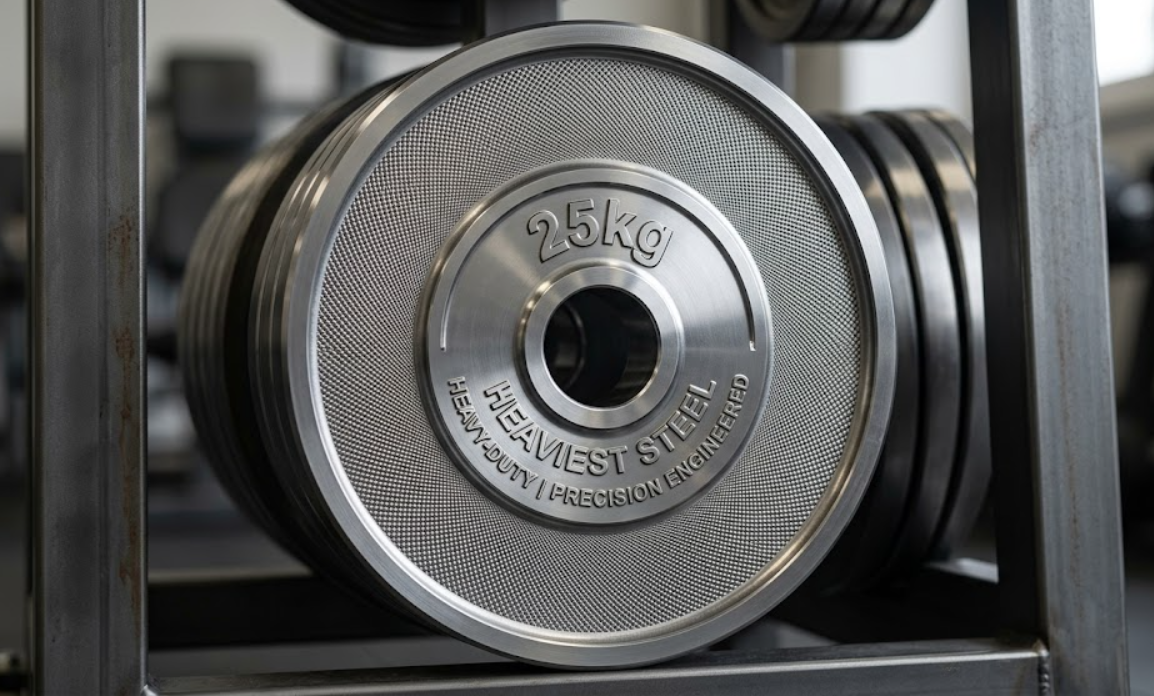
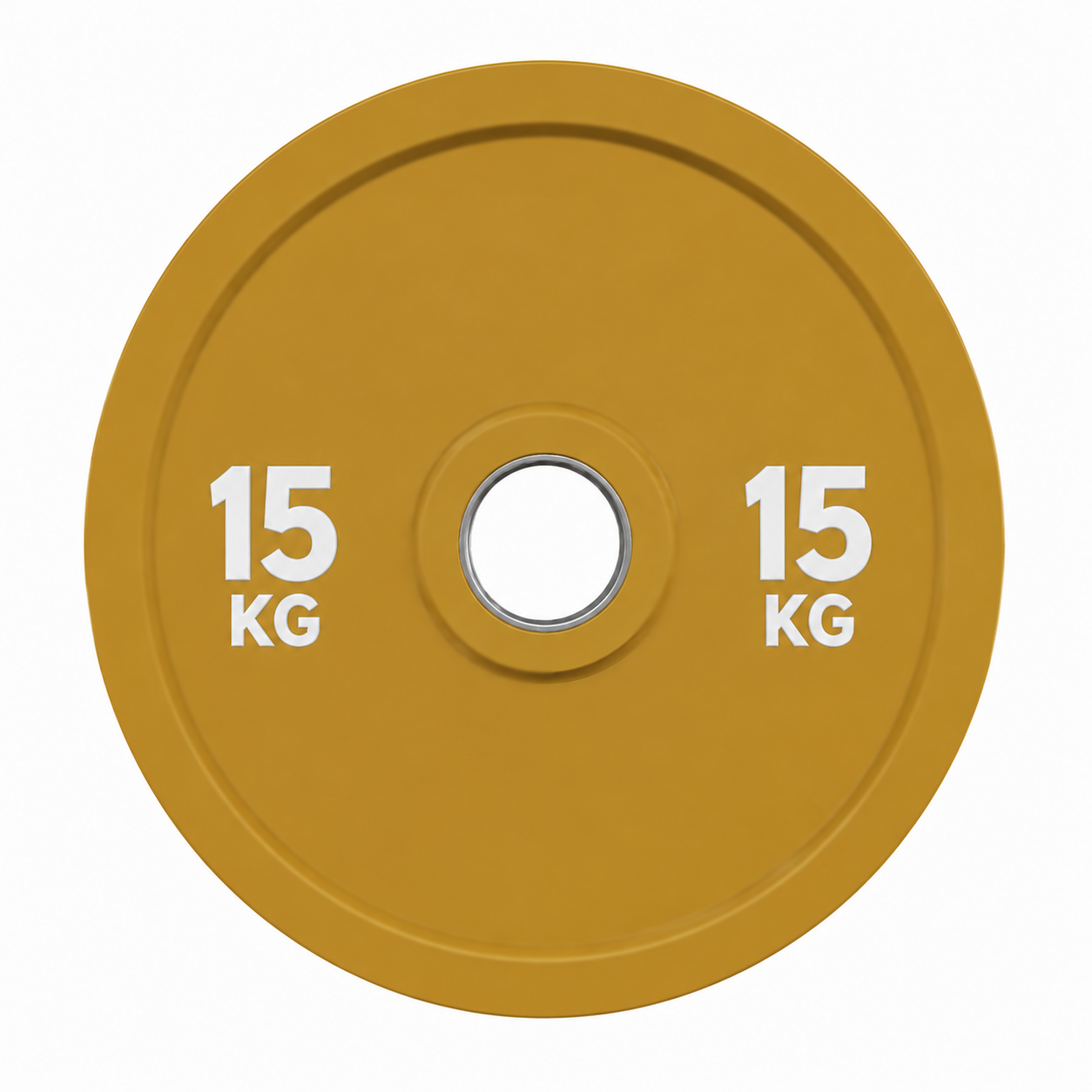
Beyond aesthetics, we offer functional customization. This includes custom color-coding—essential for heaviest standard barbell plates used in fast-paced competition environments where loaders need to identify weights at a glance. We can match specific Pantone colors for your brand's powder coating, ensuring that your weight plates integrate seamlessly with your power racks and other gym equipment. For private label clients, we also offer retail-ready packaging solutions that are reinforced for the weight of the product, reducing the risk of transit damage during the final mile of delivery.
By partnering with us for your heaviest weight plates, you gain more than a manufacturer; you gain a production partner capable of supporting your brand's growth. We understand that MOQ (Minimum Order Quantity) and lead times are critical for growing brands, and we offer flexible production scheduling to accommodate seasonal demand and new product launches.
Logistics and Packaging Efficiency: Reducing Landed Costs for Heavy Bulk Orders
Shipping heaviest weight plates presents unique logistical challenges compared to standard fitness accessories. Because these items represent a high concentration of mass in a small volume, standard cardboard packaging is often insufficient. For a B2B buyer, shipping damage is not just a nuisance; it is a direct hit to the bottom line, resulting in replacement delays, customer dissatisfaction, and lost revenue. Our approach to logistics focuses on protecting the product integrity of most dense weight plates while optimizing the shipping volume to reduce landed costs.
To ensure that your heaviest standard barbell plates arrive in retail-ready condition, we employ a multi-layered reinforcement strategy. Each plate is individually wrapped to prevent surface abrasion, then stacked in custom-sized, heavy-duty inner cartons. For bulk shipments, these cartons are secured onto heat-treated ISPM-15 compliant pallets and encased in reinforced plywood crates. This "no-movement" packaging philosophy is designed to withstand the rigors of international sea freight and multiple transshipment handlings.
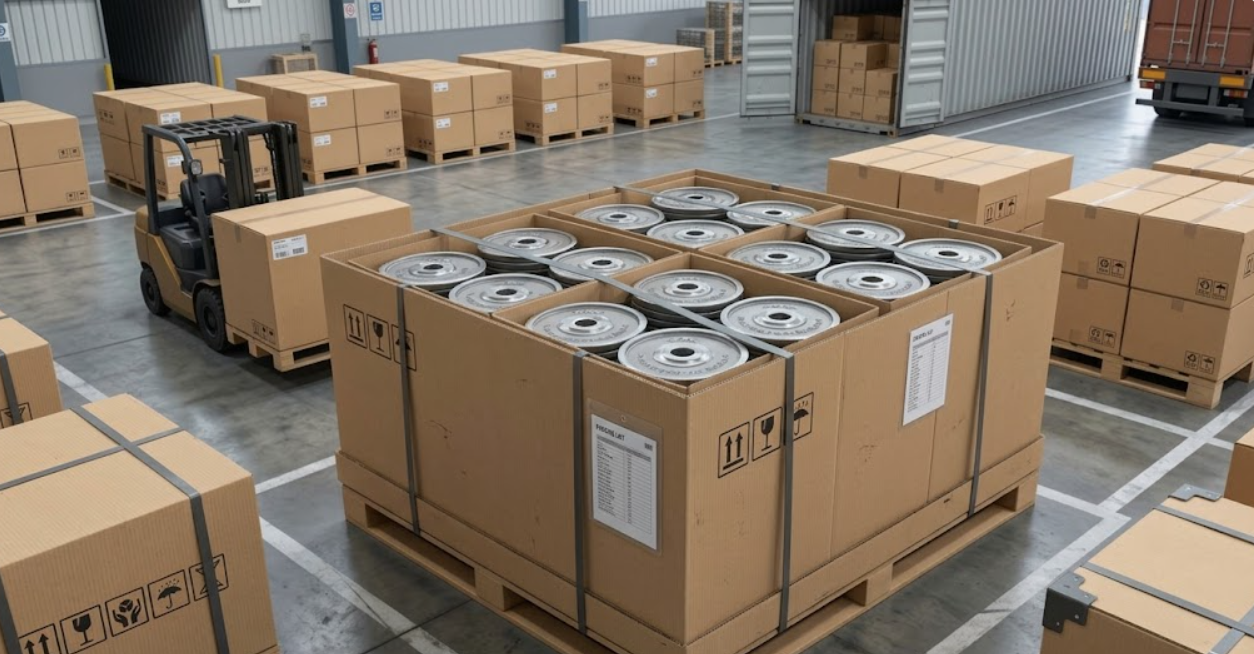
From a cost-saving perspective, the compact nature of our heaviest weight plates allows for superior container utilization. In a standard 20ft container, volume is rarely the limiting factor for weight plates—the weight limit is reached long before the space is filled. However, by using most dense weight plates, you can consolidate more weight into a smaller footprint on the warehouse floor once they arrive. This improves your storage ROI and makes LTL (Less than Truckload) shipping more efficient for domestic distribution. When you partner with us, we provide detailed packing lists and loading plans that help your logistics team calculate exact freight costs, eliminating the "hidden surprises" that often plague heavy equipment procurement.
Evaluating a Strategic Partner: Why Calibration and Material Purity Matter in Long-Term Procurement
Selecting a manufacturer for your heaviest weight plates is a long-term strategic decision that affects your brand’s credibility. In a market flooded with low-quality alternatives, the distinction between a commodity supplier and a strategic partner lies in their commitment to material purity and engineering precision. When a gym owner or distributor purchases heaviest standard barbell plates, they are buying a promise of performance that must be fulfilled every time a member steps up to the bar.
Quality assurance in the production of most dense weight plates starts with the raw material. We conduct metallurgical testing to ensure our steel and iron are free from significant impurities that could cause structural weaknesses. During the CNC machining phase, every batch of plates undergoes a multi-point inspection. This includes center hole diameter verification, thickness checks, and most importantly, weight calibration. If a plate falls outside our strict tolerance range, it is rejected before it ever reaches the finishing line. This rigor ensures that the heaviest weight plates you receive are consistent across every order, whether you are buying 100 units or 10,000.
| Quality Metric | Our Manufacturing Standard | Commercial Benefit for Buyers |
|---|---|---|
| Material Source | Certified virgin steel/iron billets | Superior structural integrity and finish adhesion. |
| Machining Process | Full-automated CNC multi-axis | Extreme precision on center holes and edges. |
| QA Documentation | Batch-specific weight certificates | Provides proof of quality for your end-customers. |
| Production Capacity | Scalable dedicated lines | Supports rapid expansion for large-scale gym rollouts. |
Transparency is the final pillar of a successful B2B partnership. We provide our clients with clear lead times, production updates, and a dedicated account manager who understands the specific needs of the fitness industry. By choosing a manufacturer that prioritizes engineering over marketing fluff, you ensure that your heaviest weight plates are not just equipment, but a durable asset that supports the growth of your business. Whether you are building a new brand or outfitting a world-class training center, our focus on precision and durability makes us the ideal partner for your high-density weight plate requirements.