Wholesale Weight Plates for Multi Gym | Manufacturer Guide
Defining Commercial-Grade Weight Plates for Multi Gym Setups
Commercial-grade weight plates for multi gym systems are precision-engineered cast iron or steel components designed for high-frequency facility use. They feature exact dimensional tolerances, self-lubricating nylon bushings, and uniform weight consistency to ensure frictionless movement, eliminate mechanical noise, and maximize operational lifespan.
When professional buyers evaluate fitness equipment, the weight stack is often the most scrutinized internal mechanism. The physical specifications of these plates dictate the overall user experience. High-end facilities and premium home gym setups require exact compatibility, especially when sourcing extra weight plates for multi gym stations to expand lifting capacity. A commercial-grade stack relies on specific engineering metrics rather than just raw material weight to function reliably under continuous stress.
The integration of nylon bushings inside the guide holes is a non-negotiable standard for heavy commercial applications. This specialized component drastically reduces the metal-on-metal scraping that degrades standard cast iron units over time. Additionally, superior electrostatic powder coat finishes or premium rubberized coatings are applied to prevent rust and chipping in high-humidity environments. To illustrate the functional differences that drive B2B purchasing decisions, we compare standard market offerings against true commercial specifications below.
| Specification Metric | Standard Consumer Grade | Commercial Machined Grade |
|---|---|---|
| Guide Hole Tolerance | Often exceeds ±2mm variance | Strict millimeter-level precision |
| Friction Reduction | Bare metal contact against guide rods | Integrated self-lubricating nylon bushings |
| Weight Consistency | High variance (up to 5% deviation) | Precision calibrated (typically within 1%) |
| Surface Protection | Basic spray paint (highly prone to chipping) | Electrostatic powder coat or premium rubber casing |
The Hidden Costs of Poorly Manufactured Multi Gym Weight Plates
For distributors and gym operators, sourcing reliable multi gym weight plates is a critical supply chain decision that directly impacts operational profitability. The initial procurement price often masks the long-term financial drain caused by substandard manufacturing. A common failure point in lower-tier strength training machines is the inconsistent distance between the guide rod holes and the selector pin slots.
When dimensional tolerances are loose, end-users experience a jarring, sticking sensation during workouts. This friction does more than ruin the biomechanical flow; it accelerates wear on the Kevlar cables, pulley wheels, and the steel guide rods themselves. For e-commerce brands selling home gym equipment, these mechanical defects translate directly into negative platform reviews, elevated return shipping costs, and severely damaged brand equity. For a commercial facility owner, a jammed weight stack renders a high-traffic machine unusable, frustrating paying members and driving up routine maintenance budgets.
Solving this operational friction requires moving beyond basic, uncalibrated iron blocks. Upgrading to factory-direct, precision-machined plates protects your profit margins. By prioritizing strict manufacturing standards, bulk buyers can eliminate the mechanical noise and equipment downtime that typically generate customer complaints. This proactive sourcing strategy ensures a significantly lower total cost of ownership across the equipment's operational lifecycle, providing a stable foundation for long-term brand growth.
Engineering Precision: Eliminating Friction in Your Weight Stack
The operational fluidity of a strength training station relies heavily on the engineering precision of its weight plates for multi gym configurations. When sourcing components for heavy-duty fitness equipment, purchasing managers must prioritize the dimensional accuracy of the central guide holes and selector pin slots. Even minor deviations during the casting or machining process can lead to severe friction against the guide rods, resulting in a compromised lifting experience.
We recently collaborated with a rapidly expanding North American e-commerce brand specializing in premium home multi-gym systems. Their primary pain point was an unacceptable rate of negative reviews and returns, stemming directly from end-users experiencing rough, sticking movements during cable exercises. The root cause was traced back to their previous supplier's poor mold accuracy and inconsistent hole drilling. To resolve this, we optimized their weight stack molds at no additional tooling cost and implemented fully automated, multi-axis CNC machining protocols to handle all guide and pin holes.
By enforcing strict, millimeter-level tolerances, we ensured that the selector pins engage seamlessly. Every production batch is now subjected to rigorous pre-shipment sampling on simulated machine racks to verify travel smoothness. This engineering upgrade reduced their customer complaint rate regarding equipment jamming to absolute zero. Furthermore, by securing a genuine factory-direct partnership, the brand successfully lowered its overall procurement costs by 15%, setting new sales records during their subsequent Q4 promotional campaigns.
Acoustic Control: Why Quiet Operation Matters for High-End Facilities
Acoustic performance is a heavily scrutinized metric by facility owners evaluating multi gym weight plates. The harsh, metallic clanking typical of unrefined cast iron setups drastically diminishes the perceived quality of the equipment. In premium commercial fitness centers, excessive mechanical noise disrupts the training environment, while in residential settings, it leads to immediate friction with family members or neighbors. For distributors, noisy equipment directly translates into lower profit margins, as buyers demand steep discounts for subpar user experiences.
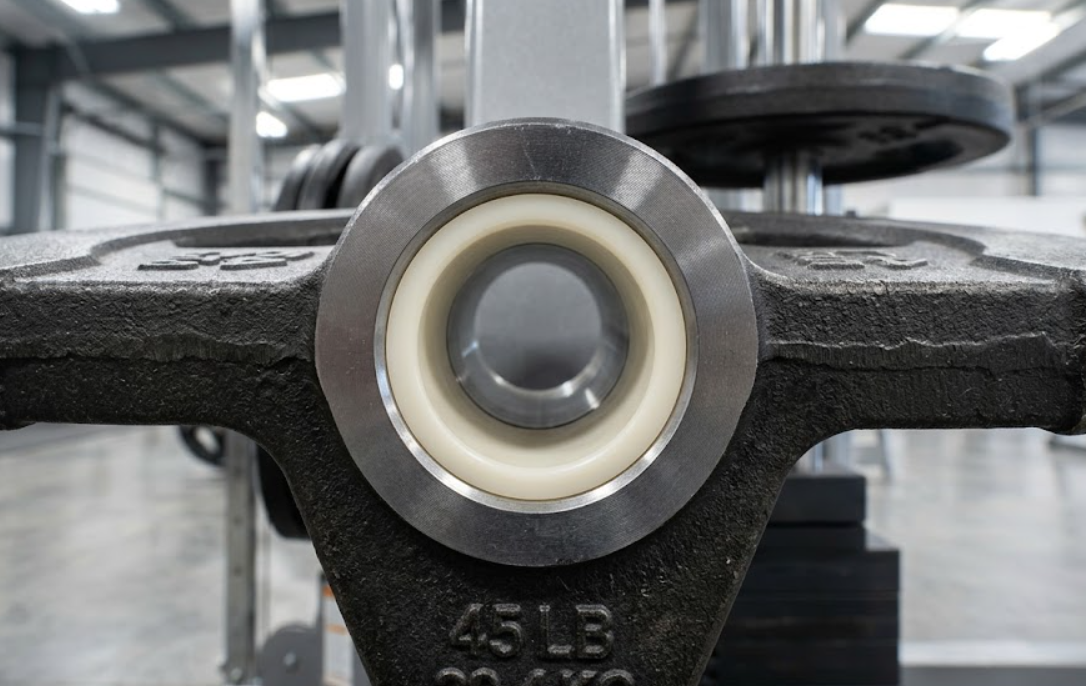
Professional acoustic control starts with isolating the metal-on-metal contact points. As demonstrated in our solutions for leading brands, the integration of high-quality, self-lubricating nylon bushings inside the guide holes is an industry-standard method for dampening operational sound. These bushings act as a silent buffer between the steel guide rod and the heavy plates, maintaining a quiet, stable glide even during high-velocity repetitions.
Beyond internal bushings, external surface treatments play a massive role in sound absorption. Transitioning from basic spray paints to advanced rubberized coatings or high-grade baked enamel finishes significantly reduces the impact noise when plates stack together after a repetition. Sourcing properly coated and bushed weight plates for multi gym stations allows commercial equipment providers to position their products in the premium market tier, ensuring clients associate their brand with durability and refined engineering.
Sourcing Extra Weight Plates for Multi Gym Expansion
As commercial facilities grow and end-users progress in their strength training routines, the demand for equipment upgrades naturally increases. Facility owners frequently seek to expand the lifting capacity of their existing functional trainers and lat pulldown stations. However, sourcing compatible extra weight plates for multi gym systems presents a significant compatibility challenge. The market is saturated with mismatched components featuring varying guide rod diameters, center-to-center distances, and selector pin depths.
Attempting to integrate incorrectly sized aftermarket plates is a costly mistake. Forcing incompatible blocks onto an existing stack leads to severe friction, damaged selector pins, and accelerated wear on the entire cable assembly. For a commercial gym owner, this not only creates an unsafe lifting environment but also results in extended equipment downtime. For fitness equipment distributors, failing to provide exact-match expansion kits limits aftermarket revenue and frustrates loyal customers who simply want to increase their machine's resistance without purchasing an entirely new framework.
Working directly with a specialized manufacturing partner eliminates these compatibility barriers. We supply precision-engineered expansion stacks designed to match standard commercial specifications perfectly. By offering guaranteed dimensional consistency in pin hole alignment and stack width, distributors can confidently retail add-on weight kits. This strategy extends the service life of the base machines, improves the facility's return on investment, and provides a highly profitable upselling opportunity for B2B suppliers catering to serious fitness environments.
Material Deep Dive: Cast Iron vs. Machined Steel Weight Plates
Selecting the appropriate core material for your weight plates for multi gym inventory is a foundational decision that impacts both procurement cost and long-term durability. While the general fitness equipment industry utilizes several metals, the choice for commercial weight stacks typically narrows down to conventional cast iron and precision-machined steel. Understanding the structural differences between these two options is vital for aligning your bulk orders with your target market's quality expectations.
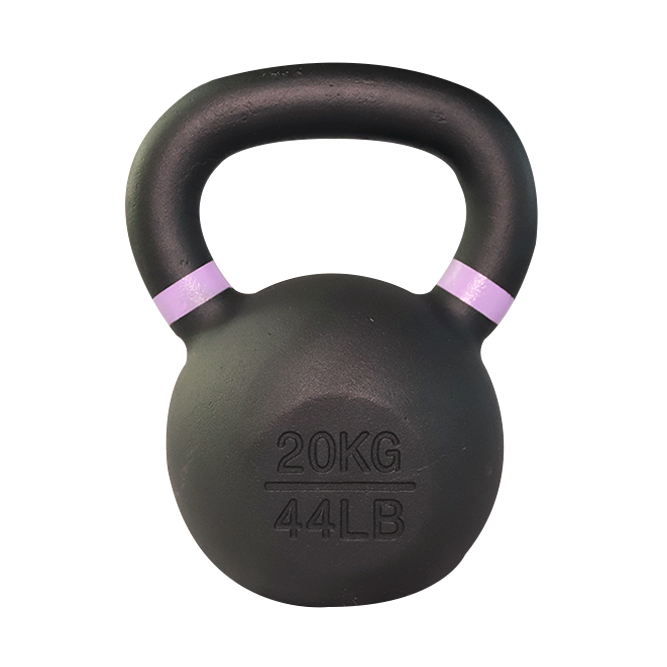
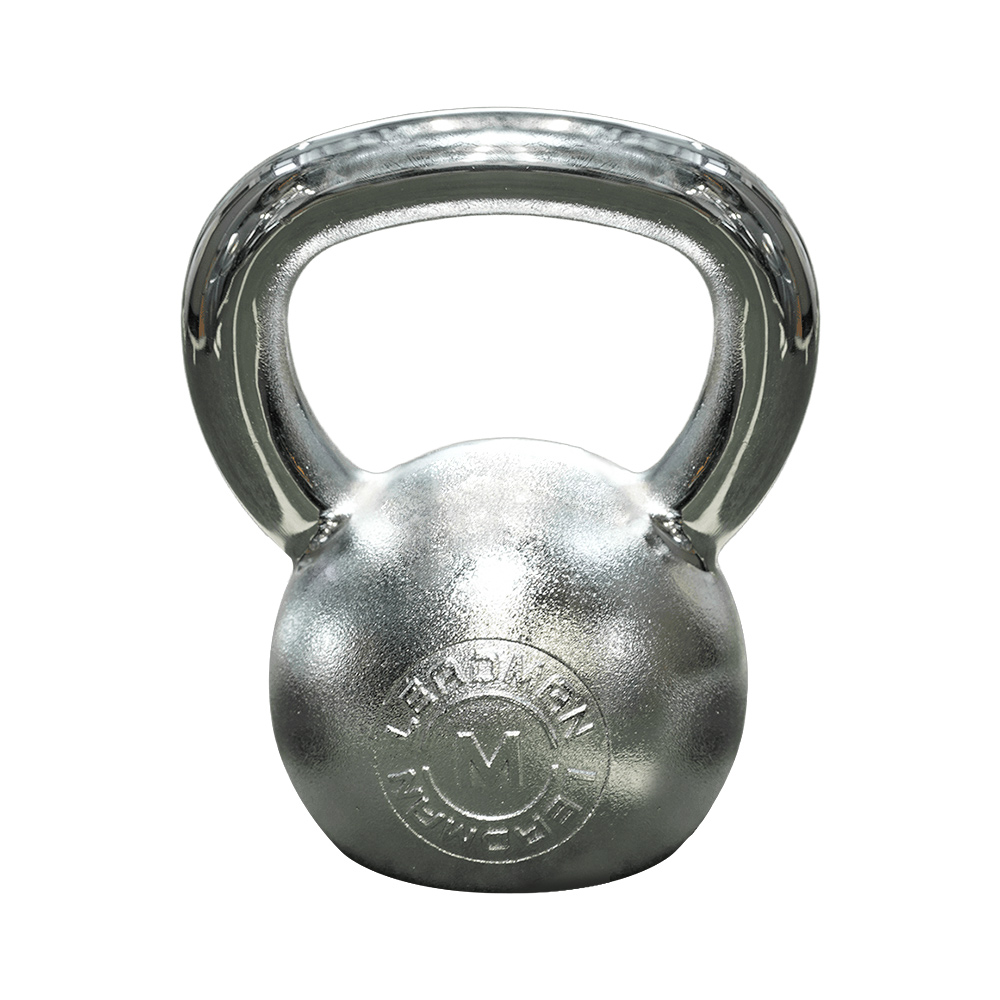
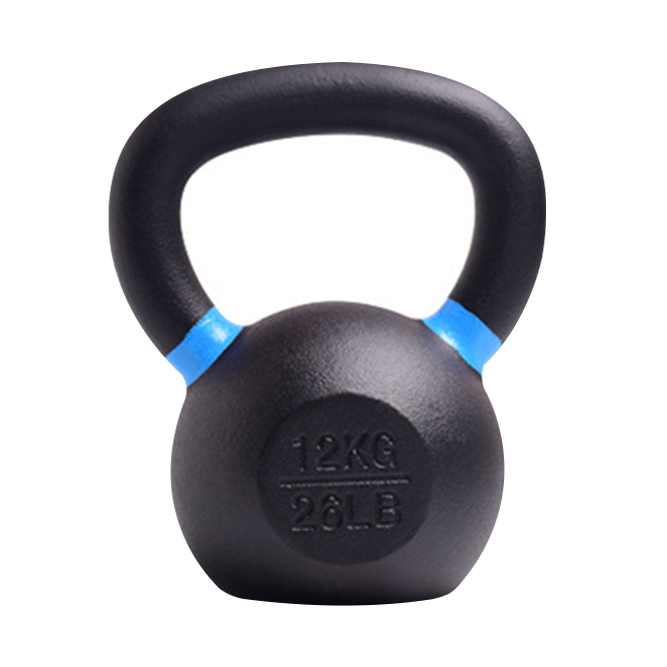
Standard cast iron is widely used across various strength training tools. For instance, the casting process used to create a standard cast iron kettlebell allows for cost-effective mass production. However, raw cast iron shrinks unpredictably as it cools. While this variance is acceptable for standard kettlebells or basic free weights, it creates significant challenges for multi-gym stacks, where the alignment of guide holes must remain absolute. To achieve commercial-grade performance from cast iron, the plates must undergo secondary CNC milling to correct the guide holes, ensuring the necessary weight consistency and operational smoothness.
Machined steel, conversely, starts from solid billets or highly refined steel plates, offering superior structural density and exact tolerances straight from the cutting phase. Steel plates are less prone to micro-fractures under heavy, repetitive impact and provide a sleeker, more compact profile per kilogram. This allows for heavier total stacks within a smaller vertical footprint, an essential factor for space-saving commercial machine designs. We summarize the procurement considerations for both materials below.
| Material Profile | Manufacturing Characteristic | Commercial Application & Durability | Relative Sourcing Cost |
|---|---|---|---|
| Standard Cast Iron (Milled) | Poured into sand molds; requires secondary CNC boring for holes. | Highly suitable for light commercial and premium home gym equipment. | Highly economical for high-volume distributor bulk orders. |
| Solid Machined Steel | Laser-cut or precision-machined from solid steel plates. | Exceptional durability; mandatory for heavy-duty commercial setups. | Premium investment; yields the lowest total cost of ownership over time. |
Custom OEM Solutions: Enhancing Your Brand Equity
In a fiercely competitive global fitness market, distributing generic, unbranded equipment severely limits profit margins. For B2B buyers—ranging from specialized e-commerce brands to prominent equipment distributors—differentiating your inventory is essential for long-term growth. Sourcing highly customized weight plates for multi gym setups allows brands to build immediate visual authority and command premium pricing. The weight stack is often the visual centerpiece of a strength machine; optimizing its appearance significantly impacts the perceived value of the entire unit.
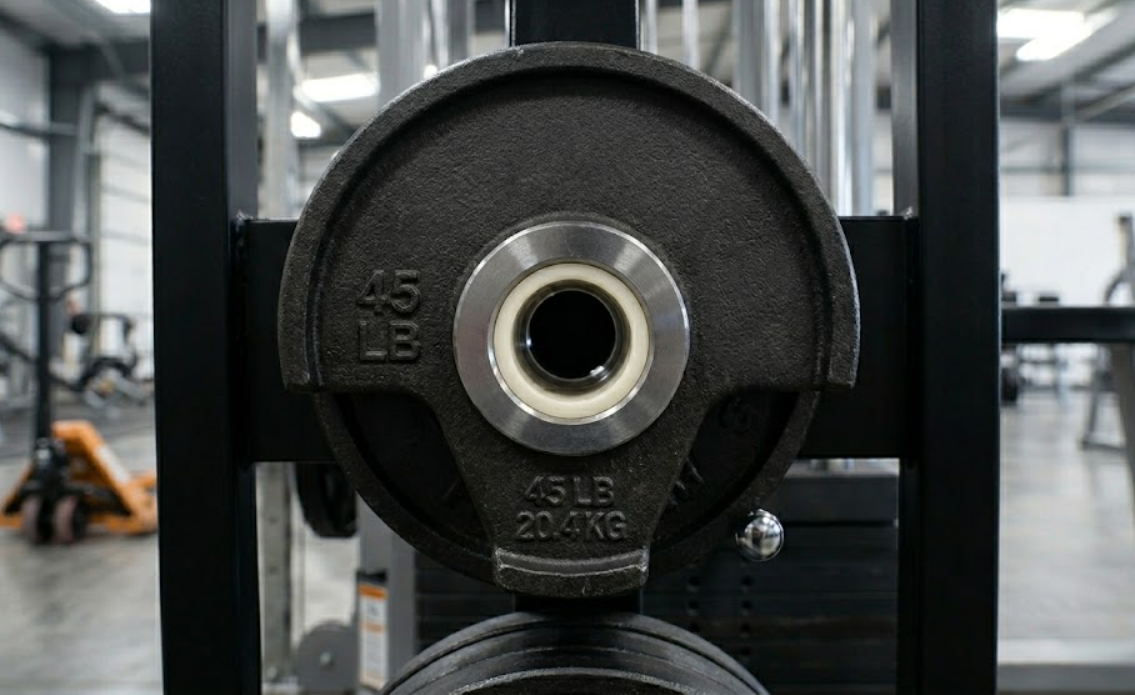
A standardized approach to private labeling often stops at simple stickers or easily scratched screen printing, which quickly degrades in high-traffic commercial environments. True commercial OEM manufacturing integrates your brand identity directly into the production process. We provide customized mold modifications that allow for deep, permanent logo engraving directly onto the primary top plate. Combined with electrostatic powder coat finishes or custom-colored premium rubber casings, these branding elements resist sweat, impact, and daily wear, ensuring your logo remains prominent and professional throughout the equipment’s lifespan.
Leveraging these OEM capabilities dramatically lowers the friction for high-end procurement. When gym owners see flawlessly finished, branded components, it signals superior engineering and dedicated quality control. For our wholesale partners, this means elevated brand equity, increased customer loyalty, and the ability to confidently market their strength training lines alongside top-tier global fitness brands.
Supply Chain Efficiency: Fulfilling Bulk Orders On Time
For international distributors and large-scale facility developers, the reliability of the supply chain is just as critical as the physical quality of the multi gym weight plates. Extended lead times, delayed shipping, and inconsistent batch quality can derail an entire commercial rollout. When managing extensive gym installations or preparing for peak retail seasons, B2B buyers need a manufacturing partner capable of handling massive volumes without sacrificing engineering precision.
Consider the logistical demands of outfitting a rapidly expanding commercial gym chain. We recently partnered with a major European fitness franchise requiring thousands of heavy-duty weight stacks for hundreds of new multi-station cable machines across ten new locations. The delivery window was incredibly tight. Missing the deadline meant delaying the grand openings, resulting in significant revenue losses for the client. To meet this challenge, we leveraged our robust supply chain integration and dedicated an entire multi-axis CNC drilling production line exclusively to their bulk order.
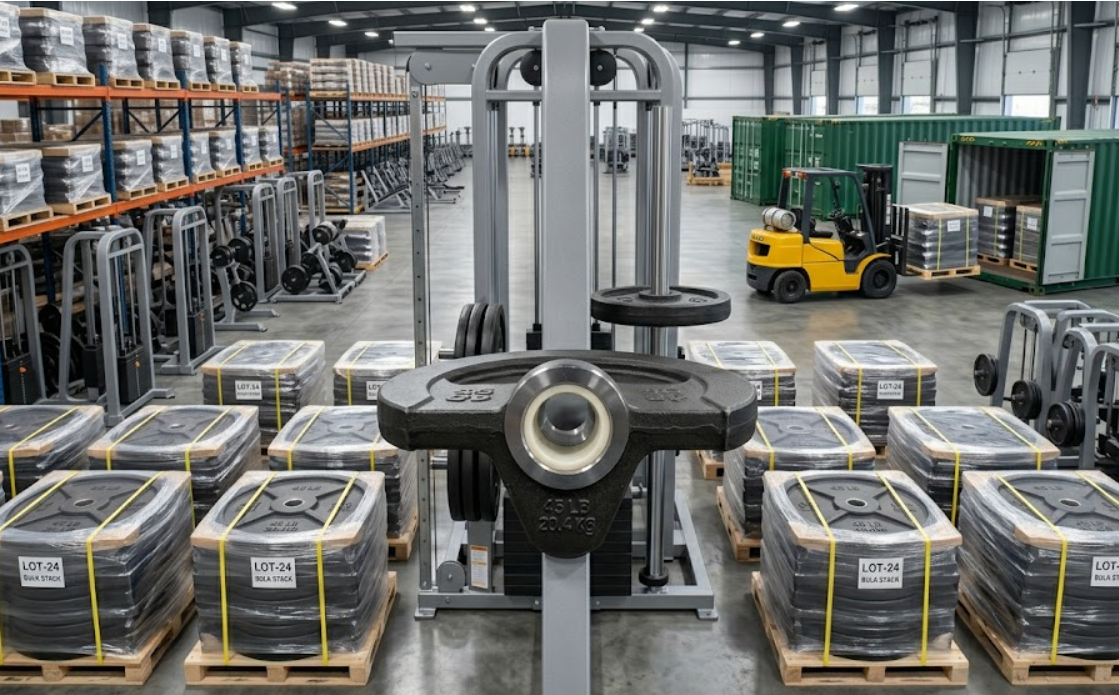
Our optimized factory scheduling allowed us to manufacture, inspect, and load the entire consignment into shipping containers within just 35 days. By maintaining strict oversight over raw material sourcing, automated machining, and final palletization, we ensured that every single plate arrived ready for immediate, frictionless installation. This level of dependable scalability not only solved the immediate logistical crisis but also secured a long-term, exclusive supply agreement, demonstrating the immense value of partnering with a high-capacity source factory.
Optimizing Distributor Margins and Cross-Sourcing
Maximizing profitability for fitness equipment distributors requires more than just negotiating low unit prices on weight plates for multi gym configurations. True margin optimization stems from intelligent logistics, efficient warehousing, and strategic cross-sourcing. When distributors purchase components piece-meal from multiple smaller suppliers, they incur compounded shipping costs, complicated customs processing, and unpredictable delivery schedules, all of which erode their bottom line.
Consolidating your supply chain with a single, highly capable manufacturer significantly improves procurement efficiency. Because cast iron and steel plates are exceptionally heavy and dense, they are ideal for stabilizing shipping containers. Distributors can drastically reduce their per-unit freight costs by combining bulk orders of multi-gym weight stacks with other high-demand free weights. For example, packing heavy replacement plates alongside bulky, space-consuming items like a kettlebell rack or commercial cardio frames optimizes the container's weight-to-volume ratio, ensuring you are not paying to ship empty space.
Furthermore, maintaining a consistent inventory of standardized extra weight plates for multi gym expansion kits provides a high-margin revenue stream. By stocking precisely calibrated, factory-direct components, distributors can quickly service gym owners needing urgent upgrades or replacements. This streamlined stocking strategy improves inventory turnover rates, reduces the capital tied up in slow-moving warehouse stock, and ultimately strengthens the distributor's competitive position in the regional fitness equipment market.
Securing Your Next Manufacturing Partnership
The operational efficiency of your commercial strength machines and the profitability of your equipment distribution business are directly tied to the quality of your internal components. Compromising on the engineering tolerances of your multi gym weight plates leads to inevitable mechanical failures, increased maintenance costs, and damaged brand reputation. To compete in the high-end fitness market, securing a manufacturing partnership that guarantees precision, acoustic control, and scalable production is imperative.
Evaluating a new supplier requires transparent dialogue regarding your specific commercial needs. Whether you are upgrading the specs for an upcoming line of home gym equipment, outfitting a chain of commercial facilities, or optimizing your warehouse container loads, direct factory collaboration is the most effective path forward. We prioritize understanding the exact guide rod dimensions, hole tolerances, and surface finish requirements necessary for your specific machine frames.
Transitioning to a superior manufacturing standard does not require a disruptive overhaul of your current procurement process. We encourage prospective B2B partners to verify our production capabilities firsthand. By evaluating our precise machining processes and OEM custom options, purchasing managers can confidently project their long-term ROI. Upgrading your core weight stack components is a strategic investment that fundamentally improves user satisfaction and equipment longevity.