Iron Weight Plate Manufacturer: Global Export from China
The Strategic Role of an Iron Weight Plate Manufacturer in Global Distribution
Many distributors fail by treating weight plate procurement as a simple commodity purchase, often resulting in high landed costs due to inconsistent weight tolerances and poor export packaging. A professional iron weight plate manufacturer provides more than just products; they offer a stabilized supply chain that mitigates the risks of shipping damage and weight discrepancies. By moving from fragmented sourcing to a direct China factory model, importers can secure predictable lead times and higher margins through optimized production cycles.
For large-scale distributors and gym equipment importers, the goal is to minimize the total cost of ownership while maximizing SKU breadth. Rely with a reliable commercial gym equipment supplier that understands the nuances of bulk logistics and container loading efficiency. Whether you are managing a specialized studio or a global distribution network, sourcing wholesale cast iron plates directly from the source ensures that your inventory meets the rigorous standards of the professional fitness market while maintaining competitive pricing.
Customization and Scalability Through OEM and ODM Services
To maintain a competitive edge in the global market, distributors often require more than just off-the-shelf inventory. A high-tier iron weight plate manufacturer offers specialized OEM and ODM capabilities to help you build a unique brand identity. This includes custom weight markings—such as silk-screening or laser etching—and various surface finishes like high-gloss powder coating or matte black enamel to match your specific product line aesthetics.
Scaling your business requires a partner that can manage diverse MOQ requirements without compromising production speed. Whether you are launching a boutique studio line or restocking a massive warehouse, the ability to integrate custom branding into the manufacturing process allows for higher perceived value in your local market. We provide clear communication regarding lead time and production capacity to ensure your replenishment cycles are never interrupted by unforeseen delays.
Beyond aesthetics, our technical support extends to structural customization. We can adjust the thickness of the center ring or the texture of the knurling to meet specific regional market demands. By working directly with the source, you gain the flexibility to develop proprietary designs that differentiate your catalog from standard mass-market offerings, ensuring long-term growth and brand loyalty among professional athletes and gym owners.
Material Composition and Casting Standards for Commercial Use
Selecting a reliable iron weight plate manufacturer requires a deep understanding of how base materials and surface treatments affect the total cost of ownership. For high-volume distributors and gym operators, the choice between raw gray iron and treated finishes determines both the long-term durability and the maintenance frequency of the inventory.
In many commercial settings, the standard involves sand casting gray iron to ensure density and structural integrity. While basic wholesale cast iron plates may offer the lowest initial landed cost, professional procurement leads often prioritize specialized finishes to prevent oxidation and surface degradation in high-traffic environments. A professional commercial gym equipment supplier will typically offer various tiers of coating, ranging from basic paint to high-durability powder coating, to meet different budget and aesthetic requirements.
Commercial Material Tiers and Surface Specifications
When managing sourcing for large-scale facility builds or retail distribution, understanding the qualitative differences in material grades is essential for effective inventory planning. Below is a comparison of common industry-standard options provided by a professional factory.
| Material Base | Surface Treatment | Key Component/Detail | Commercial Duty | MOQ Impact | Factory QC Point |
|---|---|---|---|---|---|
| Gray Iron | Phosphate or Paint | Basic weight marking | Budget / Standard | Lower | Surface smoothness |
| Cast Iron | Powder Coating | Color-coded edges | Premium Commercial | Moderate | Coating adhesion |
| Steel/Iron | PU or Rubber Coating | Protective outer layer | High-End / Studio | Higher | Encapsulation uniformity |
The technical execution of the manufacturing process directly influences the weight tolerance and long-term reliability of the product. A professional iron weight plate manufacturer must manage the transition from raw casting to final surface application with strict control over structural consistency. For instance, many high-tier units undergo CNC machining to refine the inner ring diameter, ensuring a smooth fit on standard barbells and reducing friction during high-frequency use.
Depending on the specific requirements of your sourcing project, the complexity of the production line may vary. While standard sand casting is the industry-standard for volume, specialized orders may require more precise calibration steps to ensure concentricity and flatness. When evaluating a potential supplier, it is prudent to verify if their production sequence includes dedicated stages for weight calibration and surface adhesion testing to minimize the risk of premature peeling or uneven weight distribution in your shipments.
Rigorous Quality Control and Export Readiness
To minimize return rates and ensure consistent landed costs, a professional iron weight plate manufacturer must implement a systematic approach to production oversight. For distributors managing high-volume wholesale cast iron plates, the risk of receiving inconsistent batches—such as plates with uneven weight distribution or poor surface finishes—can significantly damage profit margins and client trust. A reliable commercial gym equipment supplier mitigates these risks through a multi-stage validation process that begins at the raw material stage and concludes with final logistics preparation.
The standard production sequence typically follows a controlled path: sand casting, followed by precision machining of the center hub to ensure concentricity, and finally, the application of protective coatings. During the final stages, a critical pre-shipment QC step involves rigorous weight calibration and surface adhesion testing to ensure the product meets the specified commercial standards. Furthermore, because shipping heavy metal goods requires extreme durability, specialized export packaging is essential. This includes reinforced corner protection and heavy-duty bundling to prevent damage during sea freight, ensuring that your bulk order arrives at your warehouse in optimal condition, ready for immediate distribution or facility installation.
Comparing Production Methods and Surface Finishes
For distributors and gym equipment importers, understanding the technical distinction between casting methods is essential for managing landed costs and product longevity. An experienced iron weight plate manufacturer typically utilizes two primary production routes depending on the target market segment: sand casting and die casting. Choosing the correct method directly impacts the weight tolerance and the long-term durability of the units in a high-traffic commercial environment.
When sourcing wholesale cast iron plates, procurement leads must balance the initial production cost against the expected maintenance load. Sand casting is the industry standard for heavy-duty, traditional iron plates due to its ability to produce large, robust forms with high structural integrity. Conversely, die casting or centrifugal casting processes often yield a smoother surface finish and tighter weight tolerances, which is highly valued for premium-tier studio equipment. Selecting the right commercial gym equipment supplier involves verifying which method the China factory employs for your specific MOQ tier to ensure the finished product meets your brand's quality expectations.
| Production Method | Typical Surface Finish | Commercial Duty Tier | Procurement Advantage | Weight Tolerance Profile |
|---|---|---|---|---|
| Sand Casting | Textured / Matte | Standard Commercial | Optimized for bulk wholesale | Standard industry variance |
| Die Casting | Smooth / Precision | Premium / Studio | Higher margin potential | Tightened precision control |
| Rubber Coated | Encapsulated / Smooth | High-End / Boutique | Reduced floor impact oise | Highly consistent |
From a sourcing perspective, the choice between a bare iron finish with phosphate treatment or a full powder coating affects both the shelf life and the shipping volume. While sand-cast iron plates offer a cost-effective solution for large-scale facility builds, specialized coatings can increase the protection against oxidation, reducing the long-term replacement frequency for your clients.
Evaluating Surface Finishes and Coating Durability
Selecting the appropriate finish is a critical decision for any iron weight plate manufacturer when tailoring products for specific commercial environments. The surface treatment does more than define aesthetics; it dictates the long-term maintenance requirements and the total cost of ownership (TCO) for the end-user. For example, a basic phosphate treatment is a common, cost-effective method to prevent rapid oxidation, whereas advanced coatings provide a higher layer of protection against the physical wear and tear found in high-volume strength training facilities.
When managing a large-scale wholesale order, procurement managers must evaluate how different finishes impact the durability of the equipment. A standard powder coating offers a resilient, textured surface that resists chipping and maintains a professional appearance under heavy use. For premium boutique studios or high-end residential projects, a PU coating or rubber coated finish provides superior impact absorption and noise reduction, though these options often involve a higher MOQ or different lead time profiles due to the specialized application processes required in the factory.
| Surface Finish Type | Primary Material Layer | Common Application | Maintenance Requirement | Commercial Utility |
|---|---|---|---|---|
| Bare Iron / Phosphate | Gray Iron / Sand Cast | Standard Weight Rooms | Moderate (Oxidation Risk) | Budget-Friendly Bulk |
| Powder Coated | Cast Iron Base | Commercial Gyms | Low (High Durability) | Standard Commercial Duty |
| Rubber Coated | Steel or Iron Core | Boutique / High-End | Very Low (Floor Protection) | Premium Studio Tier |
| PU Coated | Precision Cast Iron | Fitness Studios | Minimal (Smooth Texture) | High-End Aesthetic |
To ensure consistent quality across large batches, a reputable commercial gym equipment supplier will implement a multi-step inspection process. This includes checking the coating adhesion and the uniformity of the finish across the entire surface area. For distributors seeking to build a premium brand identity, we recommend verifying the specific coating process used by your China factory to ensure that the final product can withstand the rigors of heavy-duty commercial usage without premature degradation.
Optimizing Inventory and Warehouse Efficiency via Wholesale Sourcing
For distributors and large-scale gym operators, managing physical footprint is a critical component of operational overhead. Sourcing directly from an iron weight plate manufacturer allows for the procurement of units with standardized dimensions, ensuring that stock occupies predictable volumes within your facility. When you coordinate bulk orders with a China factory, you can align your logistics strategy with highly efficient palletization patterns, which maximizes container density and reduces the landed cost per unit.
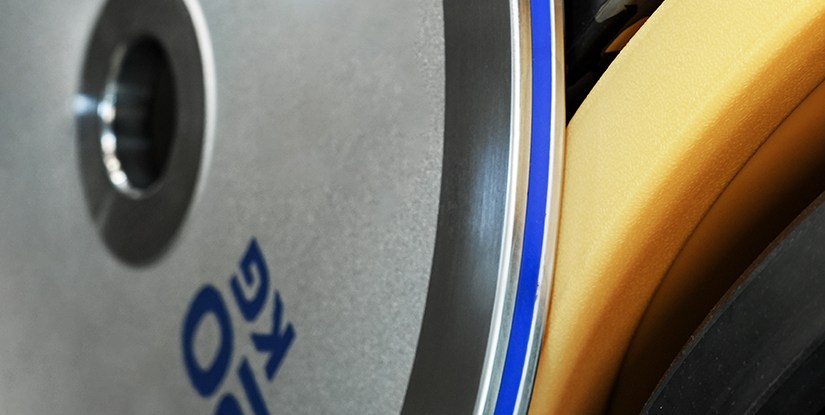
Standardization is the foundation of high inventory turnover. By utilizing wholesale cast iron plates that follow consistent thickness and diameter specifications, warehouse managers can implement more effective vertical stacking and racking systems. This level of predictability prevents the logistical bottlenecks often seen when mixing non-standardized batches, ultimately improving the warehouse efficiency of your distribution center or retail showroom.
Sourcing Model Comparison: Direct Factory vs. Local Distributor
Deciding between a direct iron weight plate manufacturer and a local distributor involves balancing immediate availability against long-term margins. While local suppliers offer rapid fulfillment, they often lack the control over customization and volume-based pricing that a direct commercial gym equipment supplier provides. For high-volume importers, understanding how these models impact the total landed cost and your internal storage footprint is essential for maintaining a competitive edge in the market.
| Sourcing Model | Primary Advantage | Typical MOQ | Lead Time | Storage & Logistics Efficiency |
|---|---|---|---|---|
| Direct China factory | Maximum wholesale margin & OEM control | Higher (Container-based) | Longer (Production + Sea Freight) | High: Optimized for full container loading and pallet density |
| Local Distributor | Rapid replenishment & lower risk | Lower (Small batch) | Short (Local transit) | Low: Often involves fragmented, non-standardized packaging |
When evaluating your next procurement cycle, consider that while a factory-direct approach requires more advanced inventory planning, it provides superior control over product consistency. For distributors looking to scale, the ability to manage bulk pricing through direct sourcing often outweighs the convenience of local, small-batch orders. We recommend confirming your shipping requirements and custom branding needs with your supplier well in advance to optimize both lead time and container utilization.
Protecting Margins Through Export Packaging and Weight Tolerance
Logistical failures during transit can quickly erode the margins of a bulk order. For a professional distributor, the difference between a profitable shipment and a loss often lies in the rigor of the export packaging protocols used by the iron weight plate manufacturer. High-density iron products require reinforced, heavy-duty pallets and secure shrink-wrapping to prevent shifting and structural damage during sea freight. Implementing these standards ensures that your wholesale shipments arrive at your warehouse in a condition that allows for immediate inventory integration without the need for costly returns or replacements.
Furthermore, precision in weight tolerance is a non-negotiable factor for commercial-grade reliability. Inconsistent mass across a single batch can lead to uneven loading on gym equipment and customer dissatisfaction. A reputable commercial gym equipment supplier maintains strict QC protocols to ensure each plate meets the specified weight class within industry-standard deviations. By prioritizing a factory that emphasizes calibration and rigorous pre-shipment inspection, importers can guarantee predictable inventory counts and maintain the high standards required for professional strength and conditioning environments.
China Factory Quality Control and Export Packaging Protocols
Maintaining strict oversight during the production cycle is a fundamental requirement for any professional iron weight plate manufacturer. For distributors and gym equipment importers, the cost of receiving batches with inconsistent weights or surface defects can lead to high return rates and diminished brand reputation. A reliable China factory mitigates these risks by implementing multi-stage inspection protocols that ensure every unit meets commercial-grade standards before leaving the facility.
The pre-shipment QC process begins with individual unit verification. In a professional wholesale environment, this includes a rigorous weight calibration phase where plates are checked against their nominal weight to ensure they fall within industry-standard weight tolerance levels. Beyond mass, a thorough surface finish inspection is conducted to identify any casting imperfections, oxidation, or coating inconsistencies that could compromise the product's appearance or durability.
For high-volume sourcing, quality control extends to the structural integrity of the center hole and the uniformity of the outer rim. This ensures seamless compatibility with standard barbell sleeves in high-traffic commercial settings. By prioritizing these technical checks, a leading commercial gym equipment supplier protects the end-user's investment and ensures a predictable landed cost by minimizing the need for replacements or quality-related disputes.
Optimized Export Packaging and Logistics Efficiency
The final stage of the procurement cycle is often the most critical for maintaining a low landed cost. For a professional iron weight plate manufacturer, the challenge is not just manufacturing high-quality goods, but ensuring they arrive at the destination without damage. Improper handling during long-distance sea freight can result in chipped coatings, bent edges, or pallet instability, which directly impacts the profit margins of a wholesale distributor.
To prevent these common failure modes, a professional China factory utilizes specialized export packaging protocols designed for heavy-duty maritime transport. This includes the use of reinforced, heavy-duty corrugated boxes or customized wooden crates that can withstand the pressure of stacking in a shipping container. Each pallet is tightly secured with industrial-grade stretch wrap and edge protectors to ensure stability during vessel movement and crane handling. This level of export packaging is a standard requirement for any reputable commercial gym equipment supplier dealing with bulk shipments.
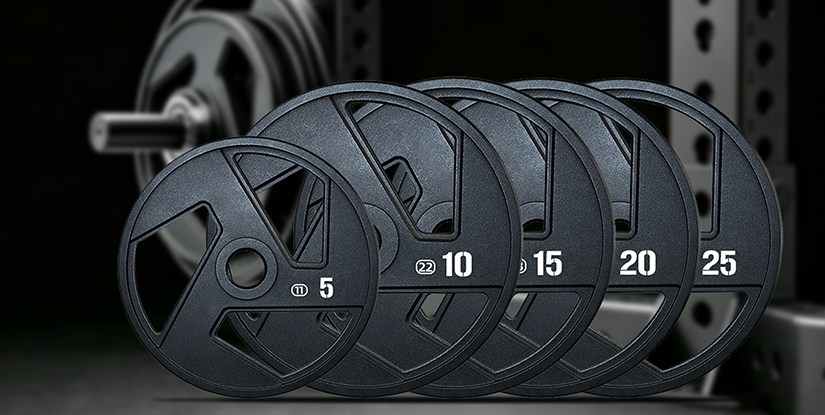
Furthermore, maximizing logistics efficiency through strategic palletization is essential for high-volume sourcing. By optimizing the arrangement of wholesale cast iron plates within a standard 20ft or 40ft container, we help importers reduce the volumetric footprint and lower the freight cost per unit. This disciplined approach to container loading ensures that the shipment is both space-efficient and structurally sound, providing a seamless transition from the factory floor to your local warehouse or distribution center.
Customization Capabilities: OEM and Private Label Solutions
For distributors and global gym chains, generic inventory often fails to build long-term brand equity. A professional iron weight plate manufacturer provides more than just bulk products; they offer the infrastructure for private label expansion. By leveraging specialized OEM and ODM workflows, importers can transition from simple sourcing to building a proprietary product line that commands higher margins in local markets.
Standardized production is efficient, but high-tier commercial gym equipment supplier services focus on technical differentiation. Whether you require a specific logo integration via sand casting or high-precision mold customization for unique plate shapes, the China factory can adjust production parameters to meet your brand identity. This includes selecting specific surface finishes—such as matte black powder coating or high-gloss enamel—to ensure your custom branding remains consistent across all equipment lines.
However, these advanced services are typically tied to specific MOQ requirements to offset the costs of tooling and design adjustments. When negotiating with a wholesale partner, it is essential to clarify whether your customization request affects the lead time or the landed cost of the shipment. Most professional suppliers offer tiered customization, ranging from simple silk-screened markings to fully proprietary mold designs for premium distributors.
Comparison of Customization Tiers for Bulk Procurement
Understanding the trade-offs between standardized stock and fully customized production is critical for effective inventory planning. For many buyers, the decision to pursue higher levels of customization depends on the desired brand differentiation versus the impact on the total landed cost and shipping schedules. Below is a qualitative comparison to assist your sourcing strategy when evaluating different levels of service from an iron weight plate manufacturer.
| Customization Level | Branding & Visual Options | Technical Specs & Material | Typical MOQ Impact | Lead Time Influence |
|---|---|---|---|---|
| Standard Wholesale | Standard embossed or silk-screened logos | Industry-standard cast iron with common finishes | Lowest; optimized for high-volume wholesale | Shortest; based on existing stock availability |
| Mid-Tier OEM | Custom color coating or specialized paint | Standard dimensions with specific finish textures | Moderate; requires production run scheduling | Medium; includes time for coating and drying |
| Premium Private Label | Fully proprietary mold shapes and recessed logos | Advanced material grades or specialized steel hubs | Highest; requires dedicated tooling and design | Longest; includes mold creation and QC calibration |
When managing a large-scale distribution network, we recommend a phased approach. Start with wholesale cast iron plates to establish baseline inventory, then introduce specialized custom branding through higher-tier OEM orders to differentiate your premium product lines. Always confirm with your supplier how specific technical adjustments, such as specialized knurling or unique coating thicknesses, will influence your final MOQ and delivery windows to ensure predictable warehouse replenishment.
Technical Quality Control and Export Logistics
Maintaining consistent weight tolerance and structural integrity is the primary concern for any professional iron weight plate manufacturer. A rigorous QC protocol must be integrated into every stage of the production cycle—from the initial sand casting to the final surface finishing. For bulk wholesale cast iron plates, this involves systematic weight calibration and concentricity checks to ensure each unit meets the required commercial-grade specifications before leaving the factory.
To mitigate the risk of transit damage and ensure efficient container loading, specialized export packaging is mandatory. Professional sourcing managers should verify that the China factory employs reinforced corner protection and heavy-duty palletizing for high-volume shipments. These standardized procedures protect against the mechanical stresses of maritime transport, ensuring that your landed cost is not inflated by preventable breakage or shipping delays. We recommend requesting a detailed pre-shipment inspection report to confirm that all customized dimensions and surface coatings meet your brand's quality standards before the final container seal.
Streamlining Your Procurement Process with a Reliable Supplier
Navigating the complexities of international logistics and product consistency requires a specialized iron weight plate manufacturer. For distributors and gym equipment importers, the primary challenge is not just finding a product, but ensuring that every shipment meets strict commercial standards while managing the landed cost effectively. Rely0ing on a professional commercial gym equipment supplier allows you to mitigate risks associated with weight deviations, surface defects, and shipping delays.
Efficient sourcing from a China factory involves more than just selecting a vendor; it requires a partner capable of managing high-volume wholesale cast iron plates orders with predictable lead time and MOQ flexibility. By establishing direct communication with the factory, buyers can better oversee quality control (QC) protocols, ensuring that the finished goods—from the casting integrity to the final coating adhesion—align with the expectations of high-traffic commercial facilities.
Evaluating Sourcing Models: Direct Factory vs. Trading Company
To optimize your distributor margins and ensure long-term product reliability, it is essential to understand the structural differences between working with a direct iron weight plate manufacturer and a third-party trading company. While traders may offer a wider variety of SKUs, a direct China factory provides the granular control necessary for high-volume wholesale cast iron plates procurement, particularly when your business model relies on OEM or ODM branding consistency.
| Sourcing Model | Lead Time | Customization (OEM/ODM) | Pricing Structure | QC Control | Logistics Support |
|---|---|---|---|---|---|
| Direct factory | Standard production cycles | High capability for OEM/ODM | Direct manufacturer pricing | On-site pre-shipment inspection | Direct container loading management |
| Trading Company | Variable based on stock/order | Limited to existing catalogs | Markup-based wholesale pricing | Third-party oversight only | Comprehensive export assistance |
For professional buyers, the choice often depends on the specific sourcing objective. If your goal is to develop a private label identity with specific weight tolerances and custom markings, partnering with a specialized supplier offers the most transparent path to a successful launch. We recommend requesting a detailed spec sheet and confirming the MOQ for any custom branding requests to ensure alignment with your landed cost projections.
Ensuring Quality Through Standardized Export Protocols
A successful bulk procurement strategy must account for the final stage of the supply chain: the transition from the production line to the container. A professional iron weight plate manufacturer implements rigorous pre-shipment protocols to protect your investment. This includes conducting weight tolerance spot-checks and inspecting the adhesion of the powder coating or paint finish to prevent chipping during transit. For distributors, these small details are critical to maintaining brand reputation and reducing the cost of returns or replacements.
Beyond product integrity, specialized export packaging is a non-negotiable requirement for high-volume wholesale cast iron plates. To minimize damage and optimize container loading efficiency, a reliable supplier utilizes reinforced pallets and heavy-duty protective wrapping. This ensures that even when managing large-scale sourcing orders, the weight plates arrive at your warehouse in a condition that meets commercial-grade expectations. We advise all professional buyers to coordinate with their China factory contact to confirm specific packaging requirements and shipping logistics before the final loading process begins.