Weight Plate Custom Manufacturer: OEM ODM Manufacturing
The Economic Impact of Selecting a Weight Plate Custom Manufacturer
A weight plate custom manufacturer provides specialized production services that allow distributors to develop unique product lines through tailored specifications. For B2B buyers, choosing a specialized factory ensures that custom branding, specific material compositions, and weight tolerances align with their local market demands and brand identity.
In the high-volume commercial fitness sector, procurement decisions extend far beyond the initial unit price. For importers and large-scale distributors, the landed cost—which includes the ex-works price, freight, duties, and local logistics—is heavily influenced by the efficiency of the China factory. Selecting a weight plate custom manufacturer with optimized production lines can significantly reduce these hidden costs. For instance, a wholesale bumper plate manufacturer that utilizes advanced molding techniques can produce more consistent units, reducing the rate of rejected shipments and minimizing the financial burden of replacement cycles.
Distributor margins are often squeezed by unpredictable shipping volumes and high MOQ requirements. When you source from a professional commercial weight plate OEM, you gain access to better container loading optimization and more flexible production scheduling. This level of control over the lead time allows distributors to maintain leaner inventory levels while ensuring they can fulfill large orders for gym chains or regional distributors without stockouts. Ultimately, the ability to balance high-quality custom weight plate factory outputs with optimized logistics is what separates profitable distributors from those struggling with low-margin, high-risk sourcing.
Evaluating Manufacturing Models for Optimized Procurement
Deciding between purchasing off-the-shelf inventory or investing in a custom weight plate factory model requires a clear understanding of your business scale and long-term branding goals. While standard stock items offer the fastest turnaround, they often limit your ability to differentiate in a competitive commercial market. For established distributors, moving toward a commercial weight plate OEM model allows for deeper integration of brand identity and specialized material specifications that can command higher retail premiums.
The following table illustrates the strategic trade-offs between these two primary sourcing methods to assist in your next procurement cycle.
| Model Type | Customization Depth | Production Efficiency | Investment Level | Primary Sourcing Benefit |
|---|---|---|---|---|
| Standard Wholesale Stock | Low (Standard Colors/Sizes) | High (Immediate Availability) | Low (Low MOQ) | Rapid fulfillment for small orders |
| OEM Manufacturing | High (Custom Branding/Specs) | Moderate (Scheduled Runs) | Medium (Higher MOQ) | Stronger brand differentiation |
| ODM Full Development | Maximum (Unique Tooling/Design) | Lower (Longer Lead Times) | High (Custom Tooling Costs) | Market-leading product exclusivity |
When evaluating a wholesale bumper plate manufacturer, consider how your choice affects your total cost of ownership. While a custom weight plate factory may require a larger upfront commitment in terms of MOQ and longer lead time, the ability to control the weight calibration and coating adhesion processes typically leads to lower long-term replacement costs and higher customer satisfaction in commercial gym environments.
To ensure your specific requirements are met, we recommend contacting our sales team to request a detailed spec sheet, confirm current MOQ for your target weight classes, or arrange a sample evaluation before proceeding with a full bulk order.
Protecting Margins Through QC and Export Packaging
For distributors and warehouse owners, the greatest threat to profitability is not the unit price, but the cost of damaged or non-compliant goods arriving at the destination. A reliable weight plate custom manufacturer must implement rigorous QC standards that extend beyond the casting floor and into the final loading phase. Inadequate inspection or poor protection during transit leads to surface scuffing, dented edges, or uneven weight distribution, all of which force distributors to absorb the cost of returns or credit notes, directly eroding their net margins.
High-volume sourcing requires a focus on robust export packaging protocols. A professional custom weight plate factory utilizes heavy-duty corrugated boxes, reinforced corner protectors, and palletized shipping configurations designed specifically for high-density metal loads. This attention to shipping damage prevention is critical for maintaining high warehouse efficiency. When shipments arrive in standardized, stackable, and undamaged units, it reduces the labor time required for unboxing and inventory logging, ensuring a smoother flow from the receiving dock to the showroom floor or end-user delivery.
To mitigate procurement risks, we advise all B2B buyers to verify the specific packaging-to-product ratio during the sampling stage. Requesting a detailed breakdown of the palletization process and confirming that the factory uses export-grade materials will help ensure your bulk shipments arrive in a condition that protects your brand reputation and your bottom line.
Material and Manufacturing Standards for Commercial Weight Plates
Selecting a reliable weight plate custom manufacturer requires a deep understanding of how material composition affects long-term total cost of ownership (TCO) and facility maintenance. For distributors and gym operators, the choice between raw cast iron and advanced polymer-encapsulated units determines the frequency of replacement and the durability of floor surfaces. A professional custom weight plate factory must demonstrate control over the entire production sequence, from initial casting to final weight calibration, to ensure consistency across bulk shipments.
In the commercial procurement landscape, different weight plate types serve distinct operational roles. While standard iron plates are cost-effective for traditional strength training, high-impact bumper plates are essential for dynamic movements. When sourcing through a commercial weight plate OEM, buyers must evaluate the bond line integrity between the internal weight core and the outer protective layer to prevent premature degradation in high-traffic environments.
| Material Type | Primary Manufacturing Process | Key Component / Feature | Commercial Duty Tier | Sourcing/Procurement Context |
|---|---|---|---|---|
| Cast Iron | Sand casting and CNC machining | Precision knurled inner ring | Budget to Mid-range | High volume, low MOQ impact |
| Rubber Coated | Compression molding or dip coating | Impact-resistant rubber rim | Standard Commercial | Balanced TCO for weightlifting areas |
| Urethane Bumper | Polyurethane injection or high-grade molding | Steel center hub with high-density PU | Premium / Professional | High durability for high-impact use |
A qualified wholesale bumper plate manufacturer will typically employ a multi-stage process to ensure structural integrity. This often begins with high-quality sand casting to create the base shape, followed by precision machining of the central bore to ensure a perfect Olympic collar fit. For premium units, the integration of a steel hub within a polyurethane or rubber shell is a critical step that dictates how the plate handles repeated drops and extreme temperature fluctuations during transit or gym use.
When evaluating technical specifications during a sourcing mission, professional buyers should look beyond basic weight markings and focus on the precision of the manufacturing sequence. A high-tier weight plate custom manufacturer ensures that every unit undergoes a rigorous calibration and concentricity check to prevent uneven loading on barbell sleeves. This technical precision is what differentiates a standard product from a professional-grade tool capable of sustained commercial use.
Technical Calibration and Surface Integrity
The manufacturing route for commercial-grade plates typically follows a structured sequence: casting, machining, surface treatment, and final calibration. For example, in many professional settings, the transition from sand casting to CNC machining is vital for maintaining the tolerance of the central bore. A well-managed custom weight plate factory will emphasize the quality of the knurled inner ring and the adhesion strength of the coating. Whether it is a powder coating application or a high-density polyurethane encapsulation, the bond line between the metal core and the outer layer must be inspected to prevent delamination, which is a common failure mode in lower-quality imports.
For distributors looking to optimize their landed cost and product longevity, understanding these subtle manufacturing differences is essential. A wholesale bumper plate manufacturer that utilizes a steel hub within a high-density shell offers a more durable solution for high-impact training zones, reducing the long-term maintenance load for the end-user. We recommend that all procurement leads request a sample evaluation or a detailed spec sheet to verify the coating adhesion and the precision of the weight tolerance spot-check before finalizing any large-scale wholesale order.
Critical Inspection Points for High-Volume B2B Orders
For professional importers and distributors, the risk of receiving inconsistent batches is a significant concern that can damage brand reputation and increase return rates. To mitigate these issues, a professional weight plate custom manufacturer must implement a rigorous pre-shipment inspection protocol. This process goes beyond simple visual checks; it involves technical verification of the product's structural and functional integrity to ensure it meets the high standards required for commercial gym environments.
A reliable custom weight plate factory should prioritize the following technical inspection points during the final QC stages before export:
- Weight Tolerance: Regular spot-checks to ensure each plate falls within the industry-standard weight deviation limits.
- Concentricity: Verifying that the central bore is perfectly centered to prevent barbell wobble and uneven wear on equipment.
- Coating Adhesion: Testing the bond strength of the powder coating or rubber/PU shell to prevent peeling or delamination during high-impact use.
- Bore Precision: Ensuring the Olympic collar fit is smooth and consistent for seamless loading and unloading.
When managing large-scale procurement, it is essential to align these technical requirements with your sourcing timeline. We advise all buyers to confirm the MOQ and detailed lead time for any OEM or ODM production runs, as specialized coatings or custom branding can influence the total production cycle. To ensure complete transparency, we recommend booking a third-party factory audit or requesting a formal pre-shipment inspection report to verify that every batch meets your specific commercial-grade durability requirements before the container is loaded.
Mitigating Procurement Risks via Precision Machining and Calibration
For professional distributors and gym equipment importers, the technical integrity of a weight plate determines long-term replacement costs and user safety. Sourcing from a reliable weight plate custom manufacturer requires verifying that the production line moves beyond basic casting to include high-level mechanical finishing. When purchasing in bulk, a custom weight plate factory must demonstrate rigorous control over the manufacturing process to ensure that every unit meets commercial-grade specifications for weight and balance.
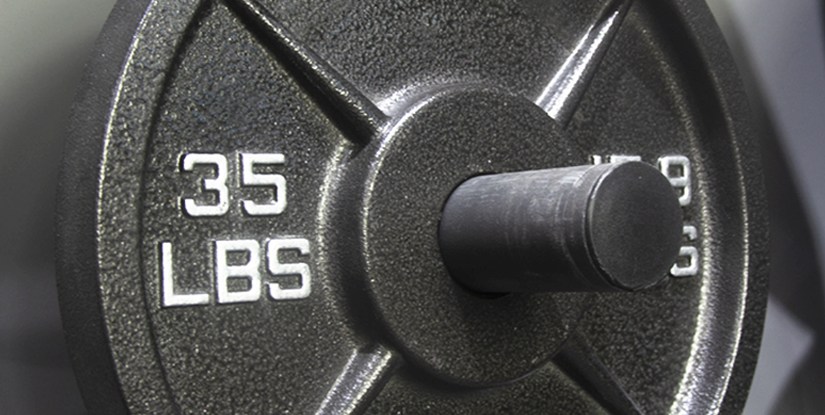
Inconsistent weight distribution is a common failure mode in low-tier production, leading to uneven loading on barbell sleeves and potential equipment damage. To prevent this, a professional commercial weight plate OEM utilizes precision machining and weight calibration to manage the tolerance of the center bore and the concentricity of the plate surface. This ensures that the plates remain balanced during high-volume use in commercial facilities.
A high-standard wholesale bumper plate manufacturer typically follows a strict sequence: initial casting or molding, followed by CNC machining of the inner ring to ensure a smooth Olympic collar fit, and finally, a meticulous weight calibration step. This calibration is essential for maintaining weight accuracy across a full set, which is a critical factor for distributors managing inventory and client expectations. During the pre-shipment QC process, a China factory specialized in export-grade fitness equipment will conduct spot checks on the weight deviation and the flatness of the plate face to ensure the finished product is suitable for professional training environments.
Manufacturing Tier Comparison for Procurement Decisions
Understanding the distinction between casting and machining is vital for optimizing your landed cost and product durability. Depending on your target market—whether it is budget-friendly commercial gyms or premium training centers—you must choose the correct manufacturing route. A professional weight plate custom manufacturer will offer different tiers of production to match your specific MOQ and quality requirements.
| Material & Process | Key Component/Detail | Commercial Duty | Typical Procurement Context | Factory QC Point |
|---|---|---|---|---|
| Sand Casting | Gray Iron / Basic Surface | Budget / Standard Commercial | High-volume wholesale / Low MOQ | Surface texture & thickness |
| CNC Machining | Precision Inner Ring / Olympic Fit | Premium Commercial / Competition | Specialized distributor orders | Concentricity & bore smoothness |
| Rubber/PU Molding | Encapsulated Steel Hub | High-End Studio / Bumper Sets | Full set branding / Private Label | Coating adhesion & seam integrity |
When evaluating a custom weight plate factory, consider how the manufacturing depth affects your long-term margins. While sand casting offers a lower entry cost for bulk orders, incorporating CNC machining for the center bore ensures a more reliable fit for high-end barbell sleeves. For distributors focusing on high-impact environments, sourcing from a wholesale bumper plate manufacturer that specializes in high-density polyurethane or rubber encapsulation will significantly reduce the risk of coating failure and floor damage, ultimately lowering the total cost of ownership for your end clients.
Optimizing Logistics and Export Reliability
Successful large-scale procurement is not only about the product itself but also about the efficiency of the entire supply chain. For an international importer, the final landed cost is heavily influenced by the quality of the export packaging and the manufacturer's ability to manage complex bulk orders. A professional weight plate custom manufacturer understands that weight plates are dense, heavy, and prone to surface damage if not handled with specific logistics protocols. Therefore, specialized export packaging is a non-negotiable requirement for long-distance sea freight.
To protect your investment, a reliable custom weight plate factory will implement heavy-duty packaging solutions, such as reinforced corner protectors, moisture-resistant liners, and standardized palletization. This prevents metal oxidation during transit and ensures that the plates arrive in a condition that is ready for immediate retail or gym installation. Furthermore, clear communication regarding lead time and shipping stability is essential for distributors managing project timelines or retail stock cycles.
When negotiating with a commercial weight plate OEM, it is advisable to request a detailed breakdown of the lead time for both production and shipping. A high-capacity China factory will provide transparent timelines that account for the specific manufacturing route chosen—whether it is the faster turnover of standard cast iron or the more complex production cycles of specialized PU-coated bumper plates. By aligning your MOQ with the manufacturer's production capacity and optimizing the container loading plan, you can maximize shipping efficiency and protect your distributor margins.
Optimizing Sourcing with a Custom Weight Plate Factory
For distributors and gym equipment importers, managing the balance between inventory depth and capital liquidity is a constant challenge. When you partner with a professional weight plate custom manufacturer, understanding the direct correlation between order volume and logistical readiness is essential for maintaining a healthy supply chain. Scaling your orders does not just impact your unit price; it fundamentally alters your production priority and shipping efficiency.
Selecting a reliable custom weight plate factory requires a clear understanding of how MOQ requirements dictate your procurement cycles. In the commercial fitness industry, lower volumes often result in longer lead time windows because production lines are optimized for high-throughput bulk orders. Conversely, increasing your order size typically allows for more streamlined shipping schedules and better container utilization, which ultimately reduces your landed cost per unit.
Working with a commercial weight plate OEM provider allows you to align your product launches with seasonal demand. A seasoned China factory can manage the complex production cycle—from raw iron casting to final powder coating—more effectively when they have predictable, high-volume commitments. This predictability helps mitigate the risks of stockouts during peak procurement seasons for your clients.
For those seeking a wholesale bumper plate manufacturer, we recommend discussing your annual forecasting during the initial sourcing phase. By providing a projected yearly volume, you can negotiate better OEM terms and ensure that your wholesale shipments are prioritized within the factory's master production schedule, ensuring consistent availability for your distribution network.
Procurement Variables: Stock vs. Custom Manufacturing
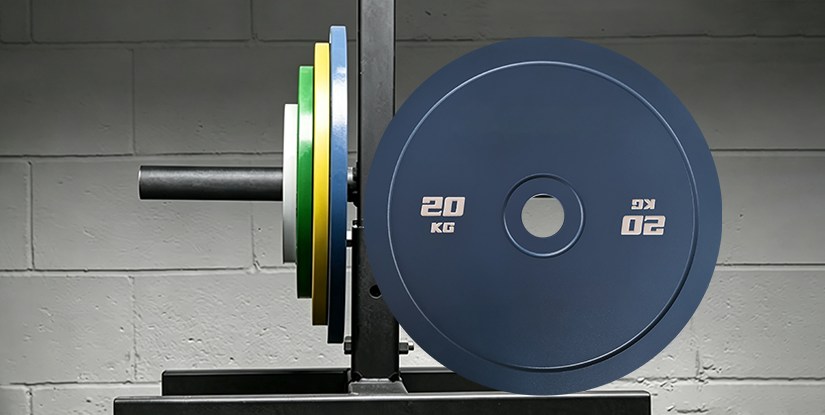
Navigating the trade-offs between immediate availability and brand exclusivity is a critical decision for professional buyers. When evaluating a weight plate custom manufacturer, you must weigh the speed of off-the-shelf procurement against the long-term value of a proprietary product line. Standardized stock items offer rapid fulfillment but limit your ability to differentiate your brand in a competitive market. In contrast, specialized production allows for precise control over aesthetics and technical specifications, though it requires more rigorous planning regarding MOQ and logistics.
| Order Type | Production Complexity | Typical MOQ | Average lead time | Shipping & Logistics |
|---|---|---|---|---|
| Standard Stock Order | Low (Existing Molds) | Lower (Per SKU/Weight) | Short (Ready to Ship) | High Frequency / LCL Friendly |
| OEM Custom Branding | Medium (Logo/Color) | Moderate (Per Design) | Medium (Production Cycle) | Bulk Container / FCL Optimization |
| Full ODM Development | High (New Tooling/Specs) | High (Volume Based) | Long (R&D + Production) | Strategic Bulk Shipments |
Understanding these variables helps importers minimize the risk of capital being tied up in slow-moving inventory. For instance, while a wholesale bumper plate manufacturer can provide immediate stock for standard weights, a custom weight plate factory is better suited for distributors looking to build a signature high-end product line. We recommend requesting a detailed spec sheet and confirming current production schedules before finalizing your procurement plan to ensure your landed cost remains optimized.
OEM and Private Label Capabilities for Global Distributors
For professional importers and distributors seeking to build a proprietary product line, engaging a weight plate custom manufacturer provides a critical competitive advantage. Moving beyond standard stock items allows you to establish a distinct brand identity in crowded commercial markets. Whether you require a custom weight plate factory to produce specific color schemes or unique branding, the ability to control the aesthetic and technical specifications is vital for long-term market positioning.
Strategic OEM and ODM services enable distributors to transition from simple resellers to legitimate brand owners. While standard wholesale orders offer speed, private label solutions allow for deep customization, including specialized logo application, specific color requirements, and varied material compositions. This level of customization scope is essential for meeting the niche demands of high-end fitness studios or specialized strength training facilities.
From a procurement standpoint, these services are designed to maximize distributor margin by optimizing the landed cost through direct factory-level production. While OEM projects typically involve a higher MOQ compared to standard wholesale orders, the ability to control the branding and technical specs ensures your catalog remains unique to your market. Working with a specialized supplier ensures that your custom requirements—from the thickness of the powder coating to the precision of the knurled center hole—are executed to industry-standard commercial specifications.
Technical Customization Tiers for Commercial Sourcing
Navigating the technical differences between production methods is essential when selecting a weight plate custom manufacturer. Procurement professionals must distinguish between casting and molding to ensure the final product aligns with the intended commercial use and durability requirements. For example, while sand casting is a standard for traditional cast iron plates, advanced molding techniques are necessary for high-performance bumper plates. Understanding these processes helps in managing expectations regarding weight tolerance and surface finish during the sourcing process.
The following table outlines the typical technical profiles encountered when working with a custom weight plate factory. This comparison assists in evaluating how different manufacturing routes impact your total landed cost and inventory strategy.
| Material | Process | Key Component | Commercial Duty | MOQ Impact | Factory QC Point |
|---|---|---|---|---|---|
| Cast Iron | Sand Casting & Machining | Concentric Center Hole | Budget/Standard Commercial | Lower | Weight Calibration |
| Steel Core | Centrifugal Casting | Precision Inner Ring | Premium/Competition | Moderate | Thickness Uniformity |
| Rubber/PU | Injection Molding | Encapsulated Steel Hub | High-End/Bumper | Higher | Coating Adhesion |
| Vinyl/PVC | Dip Coating | Internal Filler/Core | Light Commercial/Studio | Variable | Seam Integrity |
When sourcing from a wholesale bumper plate manufacturer, the complexity of the assembly directly affects the lead time and the precision of the final unit. For instance, a two-piece assembly involving a steel hub and a rubber encapsulation requires more rigorous pre-shipment inspection than a single-piece cast iron plate. High-tier commercial weight plate OEM orders often require specific attention to the bond line between the core and the outer coating to prevent premature failure in high-traffic environments. We recommend requesting a sample evaluation to verify the knurling depth and the thickness of the coating before finalizing large-scale bulk orders.
Pre-Shipment Inspection and Export Packaging Protocols
Securing a reliable weight plate custom manufacturer requires more than just verifying material specs; it requires a rigorous validation of the final output before it leaves the China factory. For distributors and gym equipment importers, the primary risk is not just a weight deviation, but receiving a damaged or non-compliant bulk order that increases landed costs through returns or unusable inventory. Effective risk mitigation begins with a structured pre-shipment inspection (PSI) to ensure every unit meets the agreed-upon commercial grade standards.
A professional custom weight plate factory should implement a multi-stage QC process that moves from individual component verification to full-batch assessment. During this phase, inspectors typically focus on the weight tolerance of the plates, the consistency of the surface finish, and the structural integrity of the central bore. For instance, in a commercial weight plate OEM workflow, the inspection must confirm that the concentricity of the plate is within industry-standard limits to prevent wobbling during high-frequency use in commercial settings. Furthermore, the wholesale bumper plate manufacturer must demonstrate that the bond line between the rubber or PU coating and the internal steel hub is secure, preventing delamination—a common failure mode in lower-tier production.
Beyond the physical product, export packaging is a critical component of the procurement cycle. High-volume shipments of cast iron or bumper plates are subject to significant mechanical stress during sea freight. A competent supplier will utilize reinforced pallets and heavy-duty corrugated boxing to protect the surface coating and prevent denting. For B2B buyers, ensuring that the packaging is optimized for container loading efficiency is vital for maintaining distributor margins and reducing the total cost of ownership.
To maintain high standards, a professional weight plate custom manufacturer must utilize a standardized inspection checklist that targets the specific failure points of heavy-duty equipment. This process begins with a strict weight calibration protocol to ensure that each unit falls within the acceptable tolerance band for its specific weight class. This is critical for professional distributors who rely on precision for high-end studio installations. Following this, technicians perform a visual and tactile assessment of the surface, specifically checking for coating adhesion and surface defects such as pitting, uneven paint, or cracking in the rubber/PU layer. A lack of thoroughness in these steps often leads to increased maintenance costs for the end-user.
The final stage of the custom weight plate factory workflow involves a rigorous assessment of the central bore and the overall geometry. Inspectors verify the concentricity of the plate to ensure it remains balanced under high-speed rotation, which is a requirement for any high-performance commercial weight plate OEM. Finally, the wholesale bumper plate manufacturer must confirm that the export packaging is robust enough for long-haul transit. This includes checking the stability of the pallets and the structural integrity of the shipping crates to prevent damage during container loading. For the professional importer, these pre-shipment protocols are the final line of defense in protecting the landed cost and ensuring product longevity in the global market.
For high-volume importers, the risk of damage during long-distance sea freight can quickly erode distributor margins. A professional weight plate custom manufacturer must prioritize high-durability export packaging to mitigate these logistical variables. Standardizing the palletization process is essential; this involves using heavy-duty, reinforced pallets capable of supporting several hundred kilograms of concentrated load without structural failure. Proper weight distribution across the pallet prevents shifting during container transit, which is a common cause of bent bores or damaged edges in lower-tier shipments.
Effective moisture control is another critical layer of protection in the custom weight plate factory workflow. Because steel hubs and cast iron components are susceptible to oxidation during extended maritime transit, a reliable commercial weight plate OEM will implement moisture-resistant solutions. This typically includes the use of industrial-grade plastic film wrapping or desiccants within the shipping crates to prevent rust formation. For buyers sourcing high-end bumper plates, ensuring the integrity of the rubber or PU encapsulation is equally vital, as moisture or temperature fluctuations can impact the bond line if the packaging is insufficient.
Ultimately, optimizing the container loading density is a key factor in reducing the total landed cost. A sophisticated wholesale bumper plate manufacturer provides detailed packing lists and optimized dimensions to ensure maximum space efficiency within a 20ft or 40ft container. By combining robust palletization, moisture-resistant materials, and precise loading protocols, the supplier ensures that the bulk order arrives at the destination in a condition that allows for immediate distribution, protecting the buyer's capital and long-term ROI.