Weight Plate Export Manufacturer: Factory Direct Supply
Optimizing Commercial Gym Layouts with Professional Weight Plate Sourcing
A professional weight plate export manufacturer provides specialized production of cast iron and bumper plate solutions tailored for high-traffic fitness environments. For distributors and gym owners, sourcing directly from a China factory ensures a balance of high-density material selection, optimized footprint, and a lower total cost of ownership (TCO) through scalable bulk procurement.
Effective facility management requires a strategic approach to equipment density. When procurement leads evaluate a commercial weight plate supplier, the decision often hinges on how material characteristics impact long-term operational costs. For instance, selecting high-quality wholesale bumper plates can significantly improve space efficiency and floor protection in high-impact zones, whereas traditional cast iron remains a staple for compact, high-density strength training areas. Understanding these trade-offs is essential for maximizing the ROI of a new facility build-out or a gym expansion.
Material Selection and Maintenance Comparison
The selection of plate materials directly influences both the initial landed cost and the long-term maintenance load of a facility. For large-scale deployments, the choice between traditional metal and modern composite coatings dictates how much time and budget must be allocated to floor protection and equipment upkeep. A professional weight plate export manufacturer will typically offer several tiers of surface finishing to suit different commercial environments, ranging from high-durability rubberized options to cost-effective metal finishes.
When sourcing China factory weight plates, procurement teams must evaluate the relationship between the core material and the outer coating. For high-impact areas like CrossFit boxes or heavy lifting platforms, the integration of a high-density rubber or PU layer is a critical investment in floor protection. This reduces the frequency of structural floor repairs and dampens acoustic noise, which is a vital consideration for multi-tenant commercial buildings. Conversely, in standard weight rooms where space-saving is the priority, high-grade powder coating on cast iron provides an industry-standard solution for preventing oxidation and maintaining a professional aesthetic without the increased bulk of bumper plate designs.
| Material Type | Primary Process | Key Component/Finish | Commercial Duty | MOQ Impact | Factory QC Point |
|---|---|---|---|---|---|
| Cast Iron | Sand Casting & Machining | Powder Coating | Standard Strength Training | Lower | Surface Smoothness |
| Bumper Plate | Steel Hub & Molding | Rubber or PU Coating | High-Impact/Olympic | Moderate | Coating Adhesion |
| Precision Steel | CNC Machining | Chrome or Enamel | Competition/Premium | Higher | Weight Calibration |
For distributors looking to optimize their inventory, selecting the right wholesale bumper plates depends on the target facility's usage intensity. While rubber-encapsulated plates offer superior durability and impact absorption, they may require different shipping volume calculations compared to compact cast iron. We recommend reviewing technical spec sheets and confirming the specific coating thickness or material density with your supplier to ensure the products meet your regional commercial standards and long-term durability requirements.
To finalize your procurement strategy, we recommend engaging in a direct consultation to review technical specifications, confirm the exact MOQ for your specific product mix, and request a detailed sample approval process. Whether you are seeking a private label solution to build your own brand identity or requiring specialized OEM or ODM services for custom branding, our production capabilities are designed to scale with your business needs. Before placing a bulk order, you are encouraged to book a factory audit or a pre-shipment inspection to verify weight tolerance, coating adhesion, and export packaging durability, ensuring a seamless transition from the China factory to your local warehouse with a predictable landed cost.
Material Specifications and Manufacturing Processes for High-Volume Orders
Selecting a reliable weight plate export manufacturer is a critical decision for distributors and gym owners who require consistent product density and structural integrity. For high-volume procurement, understanding the distinction between different casting methods and material compositions is essential to avoid the high replacement costs associated with low-quality, unevenly weighted units.
A professional China factory typically utilizes advanced sand casting or centrifugal casting to ensure the uniformity of the metal core. For commercial grade equipment, the stability of the weight is determined by the precision of the initial mold and the subsequent machining of the center bore. When sourcing wholesale bumper plates, buyers must evaluate the integration of the steel hub and the thickness of the high-density rubber or PU coating to ensure long-term durability under heavy usage cycles.
Commercial Weight Plate Material and Durability Comparison
| Material Type | Primary Process | Key Component | Commercial Duty Tier | Procurement Advantage |
|---|---|---|---|---|
| Cast Iron | Sand Casting | Steel Center Bore | Standard Commercial | High Cost-Efficiency |
| Rubber Coated | Molding/Encapsulation | High-Density Rubber Rim | Premium Commercial | Floor & Equipment Protection |
| Steel Plate | Precision Machining | Integrated Steel Hub | High-End/Competition | Maximum Weight Tolerance |
As a leading commercial weight plate supplier, we prioritize the technical consistency of the cast iron core through a rigorous multi-step manufacturing process. This sequence—starting from high-grade molten metal casting to precision CNC machining of the inner ring and final surface coating—ensures that each unit meets industry-standard weight tolerances. This attention to detail minimizes the risk of imbalanced loads, a common failure mode in lower-tier China factory weight plates, thereby protecting your client's investment and reducing long-term maintenance overhead.
Surface Treatments and Protective Coatings
The choice of surface finish directly impacts the total cost of ownership (TCO) for any fitness facility. For high-traffic commercial environments, the coating must withstand constant impact, friction, and potential moisture exposure without chipping or peeling. When engaging in B2B sourcing, procurement officers should distinguish between standard paint and advanced industrial coatings to ensure the longevity of the inventory.
Standard powder coating is a common industry-standard method for cast iron plates, providing a durable, uniform finish that resists oxidation. However, for premium facilities, urethane/PU coating (polyurethane) offers a superior layer of protection. This high-density coating provides better shock absorption and a smoother surface texture, which is essential for protecting both the floor and the barbell sleeves during heavy drops. While the initial unit cost for PU-coated products may be higher, the increased durability and reduced maintenance requirements often result in a better long-term ROI for distributors and gym operators.
Selecting the correct coating through a professional weight plate export manufacturer ensures that your shipment arrives with consistent aesthetics and functional reliability. We recommend evaluating the coating adhesion and thickness during your factory audit or sample approval phase to ensure the finish meets your specific brand identity requirements. For detailed specifications regarding weight tolerances or to discuss OEM branding options for your next bulk order, please contact our sales team to request a formal quote.
Pre-Shipment QC and Export Logistics Standards
Maintaining high standards during the pre-shipment QC phase is what differentiates a professional weight plate export manufacturer from a standard vendor. For distributors managing large-scale shipments, the risk of receiving out-of-spec units—such as plates with poor concentricity or uneven weight distribution—can lead to significant logistics costs and damaged client relationships. To mitigate these risks, a rigorous inspection protocol is mandatory before any container is sealed.
A comprehensive inspection process at a professional China factory focuses on several critical technical checkpoints. First, technicians perform a concentricity check to ensure the center bore is perfectly aligned, preventing wobbling during high-speed movement. Second, we conduct a coating adhesion test to ensure the surface finish—whether it be powder coating or high-density rubber—will not peel or crack under commercial use. Finally, a weight tolerance spot-check is performed on a random sample of the batch to guarantee that every unit within the order meets the specified weight requirements. This level of detail ensures that the wholesale bumper plates delivered to your warehouse are consistent in both performance and aesthetics.
Efficient export packaging is the final safeguard in the supply chain. To prevent damage during ocean freight, plates are typically palletized with reinforced corner protectors and heavy-duty shrink wrap. This structured approach optimizes container loading density, helping to reduce the landed cost per unit for the importer. When planning your next procurement cycle, please consider the following logistics factors: the current MOQ for custom branding, the standard lead time for high-volume production, and available shipping terms such as FOB or CIF. We invite you to reach out to confirm your specific requirements or to schedule a factory audit to witness our quality control processes firsthand.
Comparing Bumper Plates and Cast Iron Options for Commercial Deployment
When managing a large-scale facility, selecting the right weight plate export manufacturer involves looking beyond the initial purchase price to evaluate the long-term TCO. For distributors and gym owners, the choice between cast iron and bumpers dictates both the maintenance load and the eventual ROI of the equipment. Sourcing from a reliable China factory ensures that your bulk orders meet the durability requirements of high-traffic commercial environments.
The decision often depends on the specific training environment. While wholesale bumper plates offer superior shock absorption and floor protection, cast iron remains a staple for strength-focused zones due to its compact profile and cost-efficiency. A professional commercial weight plate supplier will provide technical specifications to help you balance these variables against your budget and space constraints.
| Material Type | Manufacturing Process | Primary Use Case | Commercial Duty Tier | Sourcing Consideration |
|---|---|---|---|---|
| Cast Iron | Sand Casting & Machining | Strength & Bodybuilding | Standard Commercial | Lower landed cost per kg |
| Rubber/PU Bumper | Steel Hub & Molding | Olympic & CrossFit | Premium Commercial | Higher MOQ for custom colors |
For procurement leads, understanding these material differences is vital for optimizing sourcing strategies. High-density rubber coatings on wholesale bumper plates reduce long-term replacement frequency in high-impact zones, whereas precision-machined iron plates offer better space efficiency for traditional weightlifting racks. We recommend reviewing the lead time and OEM capabilities for each material type to ensure your facility deployment stays on schedule.
Evaluating Material Integrity and Technical Specifications
Optimizing your procurement strategy requires a granular understanding of how manufacturing processes impact long-term asset value. When sourcing China factory weight plates, the distinction between a basic casting and a precision-machined unit can significantly alter your facility's operational efficiency. A professional weight plate export manufacturer will focus on the stability of the internal core and the resilience of the outer layer to prevent premature wear in high-volume settings.
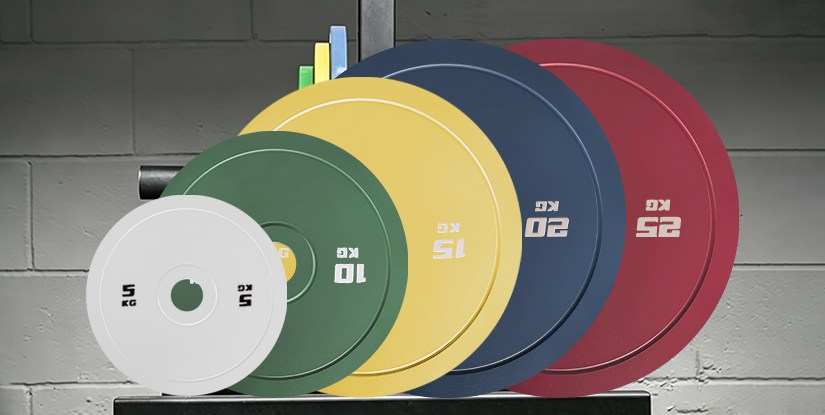
For high-impact training environments, the quality of the molding process is a critical variable. In many commercial settings, the transition from the steel hub to the outer coating—whether it is high-density rubber or polyurethane—determines the product's lifespan. A high-tier supplier ensures that the coating adhesion is consistent across the entire surface, preventing delamination during heavy use. This attention to detail reduces the frequency of replacement cycles and stabilizes your long-term maintenance budget.
| Material & Process | Key Component Detail | Commercial Utility | Maintenance Focus | Procurement Focus |
|---|---|---|---|---|
| Cast Iron (Sand Casting) | Machined inner ring | High-density strength zones | Surface oxidation control | Low landed cost |
| Rubber-Coated Bumper | Integrated steel hub | Dynamic Olympic lifting | Coating adhesion & bounce | Optimized MOQ for color |
| Precision Machined Steel | Calibrated center bore | Professional competition | Weight tolerance precision | Strict QC standards |
To ensure the highest quality for your bulk orders, we recommend a thorough review of the pre-shipment inspection protocols. A reliable factory will conduct spot-checks on weight tolerance, the smoothness of the knurled inner ring, and the structural integrity of the hub-to-coating junction. Whether you are requesting OEM branding or standard stock, verifying these technical benchmarks during the sampling phase will mitigate the risks of receiving substandard units and ensure your facility meets international commercial standards.
Optimizing Logistics and Customization for Global Distribution
Selecting the right weight plate export manufacturer requires a strategic focus on how material choices influence your entire supply chain. For large-scale distributors, the complexity of shipping and container loading efficiency is just as vital as the product itself. Because cast iron and rubber-coated units have different volume-to-weight ratios, coordinating with a specialized factory allows for more efficient palletization and optimized container utilization, directly reducing your total landed cost.
To maintain a competitive edge, many professional buyers utilize OEM and ODM services to strengthen their market position. Whether you require custom branding to establish your own identity or specialized color schemes for a premium product line, working directly with a China factory provides the flexibility needed for high-margin retail and commercial distribution. We recommend initiating a sample evaluation phase early in your sourcing process to verify weight accuracy, coating durability, and packaging strength before committing to full-scale production.
Ready to optimize your inventory? Contact us today to request a detailed spec sheet, confirm wholesale MOQ requirements, or discuss your customized private label project with our expert team.
China Factory Production Standards and Quality Control Protocols
Maintaining consistent weight accuracy and surface durability is the primary challenge for importers sourcing from a weight plate export manufacturer. When managing high-volume orders, any deviation in casting density or coating adhesion can lead to significant returns and damaged distributor margins. A professional China factory mitigates these risks by implementing a rigorous production sequence that transitions from raw material casting to final calibration.
The production of commercial grade plates begins with precision sand casting or centrifugal casting to ensure structural integrity. Following the initial casting, the units undergo essential machining to refine the center bore and ensure concentricity. This is followed by a multi-stage surface finishing process, such as phosphate treatment or powder coating, to prevent oxidation. For high-end requirements, a commercial weight plate supplier will utilize specialized rubber or PU molding techniques to encapsulate the core. To ensure reliability, a comprehensive pre-shipment inspection must include a weight tolerance spot-check and a coating adhesion test, ensuring every unit meets the expected specifications before leaving the factory.
Technical Comparison of Plate Manufacturing Standards
Selecting the right product tier requires understanding how material and manufacturing processes impact long-term durability and landed cost. For distributors, the choice between cast iron and high-performance bumper plates often depends on the specific facility requirements and the desired maintenance load. A reliable weight plate export manufacturer will provide clear distinctions in production complexity to help you optimize your procurement budget.
| Material Type | Primary Process | Key Component/Detail | Commercial Duty | MOQ Impact | Factory QC Point |
|---|---|---|---|---|---|
| Cast Iron | Sand Casting & Machining | Bore Concentricity | Budget/Standard | Lower | Weight Calibration |
| Rubber Coated | Steel Core & Molding | Coating Adhesion | Commercial | Medium | Encapsulation Integrity |
| Polyurethane (PU) | Steel Hub & Injection | Internal Filler/Hub | Premium/Competition | Higher | Surface Smoothness |
When sourcing wholesale bumper plates, the focus shifts from simple weight accuracy to the quality of the encapsulation layer. In many commercial settings, the durability of the outer shell is as critical as the internal steel hub. A high-tier commercial weight plate supplier ensures that the molding or dip process results in a seamless finish that resists cracking under high-impact use. We recommend requesting a sample evaluation to verify the coating thickness and the robustness of the center ring before finalizing large-scale orders.
For buyers managing large-scale gym deployments, evaluating these technical nuances helps minimize future replacement costs and optimizes total cost of ownership. Whether you require high-volume cast iron for strength zones or specialized high-density plates for functional areas, confirming the specific manufacturing sequence and QC protocols is a vital step in your sourcing strategy.
Optimizing Logistics Through Export Packaging and Container Loading
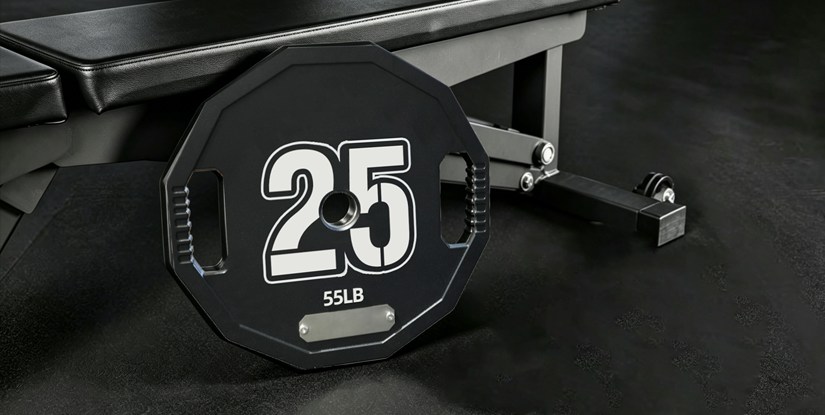
Efficient logistics management is the final pillar of a successful procurement cycle. For professional buyers, the cost of goods is not just the unit price, but the total landed cost, which is heavily influenced by shipping density and damage prevention. A professional weight plate export manufacturer utilizes specialized export packaging to protect heavy-duty inventory during long-haul maritime transit. This typically involves heavy-duty corrugated cartons or reinforced wooden crates, depending on the specific volume and weight of the China factory weight plates being shipped.
To maximize container utilization and reduce freight expenses per unit, we implement strict palletization standards. High-density pallet stacking ensures that heavy iron or bumper plates do not shift or crush lighter components during sea transit. For bulk orders, we offer customized container loading plans that balance weight distribution and volume efficiency. This meticulous approach to shipping safety prevents common issues such as box deformation or moisture-related surface oxidation. When negotiating your next wholesale shipment, we recommend discussing specific pallet dimensions and stacking limits to ensure your warehouse receiving process remains streamlined and efficient.
Customization Capabilities: OEM and Private Label Solutions
For distributors and large-scale gym operators, standard off-the-shelf inventory often lacks the distinct identity required to build market authority. Partnering with a professional weight plate export manufacturer allows you to move beyond generic sourcing and into high-margin branded products. By leveraging OEM and ODM capabilities, you can transform standard cast iron or bumper plates into signature assets that reflect your unique brand identity.
The strategic advantage of working directly with a China factory lies in the ability to control every visual and functional detail. Whether you require a custom logo via sand casting, high-precision CNC machining, or specialized powder coating colors, the technical execution is handled at the source. This level of private label customization ensures that your wholesale orders are not just commodities, but specialized products that command higher retail premiums in your local market.
While customization adds value, it also requires precise coordination regarding MOQ and lead time. Most specialized branding requests, such as unique color-coded bumper plates or custom-etched metal plates, will have specific minimum order requirements to offset the setup costs for molds or specialized coating lines. Navigating these sourcing variables effectively is essential for maintaining healthy distributor margins and ensuring consistent stock availability for your clients.
Customization Tiers and Technical Specifications
Understanding the technical scope of customization is vital for procurement managers to accurately project landed costs and production timelines. Customization is generally categorized into three tiers, ranging from simple branding to full structural design. While standard production offers the fastest turnaround, advanced OEM requests involving specialized materials or unique dimensions will impact the production cycle and require more rigorous pre-shipment QC.
| Customization Level | Typical Scope | Common Branding Methods | Technical Complexity | Impact on MOQ |
|---|---|---|---|---|
| Standard Wholesale | Stock colors and existing molds | Pad printing or stickers | Low | Lower/Standard |
| Advanced Branding | Custom colors and logo placement | Raised casting or precision engraving | Moderate | Medium |
| Full ODM Solution | Custom dimensions and material composition | Integrated steel hubs or unique PU molding | High | Higher |
When sourcing wholesale bumper plates, buyers must decide between aesthetic customization and functional durability. For example, a commercial weight plate supplier can offer standard black rubber finishes, but high-end requirements may necessitate a specialized color/coating process such as high-density polyurethane (PU) or color-infused vulcanized rubber. These processes ensure that the color remains consistent even under heavy impact, preventing the premature peeling or fading often seen in lower-tier products.
Precision in weight tolerance is another critical factor in the production process. While standard cast iron plates may follow common industry deviations, premium wholesale bumper plates designed for professional competition environments require tighter calibration during the machining and weighing stages. For distributors, selecting the right tier of customization is a balance between achieving a premium brand image and maintaining an efficient supply chain with predictable lead times.
Streamlining Global Logistics and Export Packaging for Bulk Shipments
Managing the logistics of heavy lifting equipment requires more than just selecting a weight plate export manufacturer; it requires a partner who understands the complexities of international freight. For distributors and gym owners, the primary concern is ensuring that high-density products arrive without structural or surface compromise. Efficient export packaging and strategic container loading are essential to protecting your investment during long-distance transit.
When sourcing wholesale bumper plates, the physical nature of the product presents unique challenges. Unprotected plates can suffer from coating abrasions or edge damage if not secured properly. A professional China factory utilizes specialized palletizing and heavy-duty boxing techniques to mitigate these risks. By optimizing the stacking density of bulk shipments, a reliable supplier helps you minimize the landed cost per unit, effectively increasing your profit margins through better space utilization within a standard 20ft or 40ft container.
The transition from sea freight transit to your local warehouse is a critical touchpoint for quality control. Without standardized reinforcement, the weight of the cargo can lead to crushed corners or compromised packaging integrity. We recommend that importers focus on the following logistics-related quality checkpoints during the sourcing process to ensure a smooth arrival at your facility.
Standardized Packaging and Shipping Efficiency Comparison
To optimize your procurement budget, you must evaluate how different product types affect container volume and protection requirements. For example, the packaging density for a commercial weight plate supplier varies significantly between cast iron and high-end rubberized options. Choosing the right method directly impacts your total landed cost and reduces the risk of transit damage.
| Product Type | Typical Packaging Method | Protection Level | Logistics Focus | Commercial Application |
|---|---|---|---|---|
| Cast Iron Plates | Heavy-duty corrugated boxes or wooden crates | Moderate: Focus on rust prevention and edge protection | High density/High weight per volume | Budget-conscious gym setups |
| Rubber Coated Plates | Reinforced cardboard with internal dividers | High: Prevents coating abrasion and surface scuffs | Medium density/High volume efficiency | Commercial fitness centers |
| Bumper Plates | Custom palletization with high-strength wrap | Maximum: Protects outer skin and structural integrity | Medium density/Protects impact zones | High-traffic strength & conditioning facilities |
Effective palletization is the cornerstone of successful long-distance sea freight. When you order wholesale bumper plates, the weight-to-volume ratio must be balanced to prevent overloading a container while maximizing every cubic meter. A professional factory will employ specialized palletizing techniques, such as using heat-treated wooden pallets and heavy-duty shrink wrap, to ensure stability during ocean transit. This level of detail in the export packaging process prevents shifting, which can cause structural damage to both the product and the container walls. To ensure your shipment meets your specific warehouse receiving standards, we recommend discussing specific stacking heights and pallet dimensions during your initial inquiry to confirm they align with your facility's logistics capabilities.
Pre-Shipment QC and Container Loading Optimization
Before any bulk shipments depart the China factory, a rigorous pre-shipment QC protocol must be executed to ensure every unit meets strict weight tolerance standards. For a professional weight plate export manufacturer, quality control extends beyond the physical product to the integrity of the entire cargo load. Discrepancies in weight or poorly secured pallets can lead to significant logistical failures, increased breakage, and higher replacement costs for the importer.
Our pre-shipment QC process includes a final calibration check to verify that the weight of each plate falls within industry-standard tolerances. Once the China factory weight plates are verified, we transition to precision container loading. This stage involves calculating the optimal stacking pattern to maximize weight distribution and volume efficiency. We prioritize pallet stability by utilizing heavy-duty edge protectors and high-tensile strapping, ensuring the load remains immobile during sea transit. By optimizing the load plan, we help you achieve a lower landed cost through superior space utilization, ensuring your wholesale order arrives in a single, secure, and well-organized shipment.