Weight Plate Manufacturer China: Source Factory Supply
Establishing Reliable Sourcing with a Weight Plate Manufacturer China
A professional weight plate manufacturer China provides specialized production capabilities for high-volume orders of cast iron, rubber-coated, and steel plates. For distributors and gym operators, sourcing directly from a China factory ensures better control over material consistency, weight calibration, and long-term landed costs for commercial deployments.
For large-scale distributors and fitness equipment importers, the primary challenge is maintaining a consistent supply chain that balances durability with competitive margins. Relying on secondary traders often introduces unnecessary markups and obscures the technical specifications of the products. By engaging a commercial weight plate supplier directly, procurement professionals can access specialized production lines tailored to specific market needs, such as high-impact bumper plates for CrossFit studios or precision-machined steel plates for strength training facilities. This direct sourcing model allows for better planning regarding MOQ requirements and shipping schedules, ensuring that your inventory levels remain optimized without the volatility of middleman-driven supply chains.
Strategic procurement involves more than just finding the lowest price; it requires a partner capable of meeting rigorous commercial standards. Whether you are developing a private label line or stocking a warehouse for a regional distribution network, working with a weight plate manufacturer China provides the technical transparency needed to validate product quality. This includes oversight of the casting-to-coating pipeline, ensuring that every batch meets the expected density and finish standards required for high-traffic commercial environments.
Evaluating Sourcing Models: Factory-Direct vs. Trading Companies
To maximize distributor margins and ensure product reliability, professional buyers must distinguish between various supply chain structures. Choosing a weight plate manufacturer China over a general trading company typically results in higher technical transparency and more predictable lead times. While traders may offer a wider variety of disparate products, a dedicated China factory provides the specialized machinery required for high-precision weight calibration and consistent surface finishing, such as high-grade powder coating or specialized rubber encapsulation.
The following comparison outlines the qualitative differences in procurement variables, helping you determine the best fit for your wholesale or OEM requirements.
| Sourcing Model | Primary Material Focus | Typical Process Control | Commercial Duty Tier | MOQ Impact | QC Oversight Capability |
|---|---|---|---|---|---|
| Factory-Direct Manufacturer | Cast iron, steel, or PU/Rubber | Direct oversight of casting and calibration | Commercial to Premium | Higher per-batch requirements | Direct pre-shipment inspection |
| Trading Company / Agent | Mixed fitness equipment | Limited to final product inspection | Budget to Commercial | Lower, more flexible volume | Third-party or superficial QC |
| OEM/ODM Specialized Partner | Custom branded or spec-driven | Full control over mold and coating | Premium / Competition | Strictly volume-based | Detailed technical specification audit |
When evaluating wholesale gym plates, the landed cost is often influenced by the efficiency of the sourcing model. A direct supplier can offer more precise control over the production sequence—from the initial sand casting to the final concentricity check—reducing the risk of receiving batches with inconsistent weight tolerances or poor coating adhesion. For long-term commercial deployments, we recommend requesting a sample evaluation and confirming the specific MOQ for your desired material grade to ensure your project's technical and financial requirements are fully aligned.
Optimizing Customization and Quality Control via OEM/ODM
For distributors looking to build brand equity, leveraging China factory weight plate OEM capabilities is essential for differentiation. A specialized manufacturer does more than just produce stock items; they offer the technical infrastructure to implement OEM and ODM requests, such as custom logo embossing on cast iron plates, specific color-coded rubber coatings, or custom diameter tolerances for specialized barbell systems. This level of customization allows your brand to occupy specific market niches, whether in premium boutique studios or high-volume commercial gym chains.
Effective procurement requires a deep understanding of the quality control (QC) checkpoints that safeguard your investment. A reliable weight plate manufacturer China maintains rigorous oversight throughout the manufacturing sequence to prevent common failure modes like uneven weight distribution or coating peeling. Professional buyers should focus on the following critical inspection points during the pre-shipment stage:
- Weight Calibration: Verifying the density and mass consistency across a full batch to ensure compliance with commercial-grade standards.
- Concentricity and Flatness: Inspecting the bore and surface plane to ensure plates sit flush on barbells without wobbling or uneven wear.
- Coating Adhesion: Testing the bond strength of powder coating or rubber/PU layers to prevent chipping during high-frequency commercial use.
- Packaging and Container Loading: Ensuring heavy-duty export packaging is utilized to prevent impact damage and optimize container volume for lower landed costs.
By integrating these technical requirements into your initial inquiry, you can better manage the total cost of ownership (TCO). We recommend that importers request a detailed specification sheet and confirm the MOQ for custom branding projects early in the process. To ensure long-term reliability, professional buyers should also arrange for a factory audit or a formal sample approval before proceeding with large-scale wholesale orders.
Material Specifications and Casting Processes for Commercial Use
Selecting a reliable weight plate manufacturer China requires a deep understanding of how raw materials and fabrication methods impact long-term commercial durability. For high-volume distributors and gym owners, the distinction between basic casting and precision-engineered plates determines the total cost of ownership and maintenance frequency.
Most professional wholesale gym plates are produced using high-grade cast iron through a standardized sand casting process. This method is industry-standard for creating the robust, heavy-duty profiles required in high-traffic strength facilities. To ensure these units meet commercial-grade requirements, a China factory must follow a strict sequence: raw material melting, mold casting, cooling, and subsequent precision machining to refine the center bore and outer edges. This sequence is critical for achieving a consistent weight tolerance and ensuring the plates sit flat on a barbell without wobbling or uneven friction.
For buyers focused on premium aesthetics and floor protection, the commercial weight plate supplier may offer advanced surface treatments. While standard iron plates often utilize a phosphate treatment or basic paint, higher-tier wholesale options include high-density rubber coating or polyurethane (PU) encapsulation. These materials provide better shock absorption and noise reduction, which are essential for commercial studio environments. When sourcing, it is vital to confirm that the weight plate manufacturer China utilizes a consistent coating adhesion process to prevent peeling under heavy use.
| Material Type | Primary Process | Key Component/Detail | Commercial Duty | MOQ Impact | Factory QC Point |
|---|---|---|---|---|---|
| Cast Iron | Sand Casting | Center Bore Precision | Standard Commercial | Lower | Weight Tolerance |
| Steel (Machined) | CNC Machining | Flatness & Concentricity | Premium/Competition | Moderate | Edge Smoothness |
| Rubber Coated | Molding/Dip | Encapsulation Layer | High-Traffic/Studio | Higher | Coating Adhesion |
Technical Selection for Long-Term Durability
The choice between different surface finishes is a critical procurement decision that directly affects the maintenance load and replacement cycles of a facility. For instance, a China factory weight plate OEM typically offers three distinct tiers of finishing to accommodate different budget and usage requirements. Standard cast iron plates with a basic paint finish are cost-effective for general strength zones, but they may be more prone to surface oxidation if the environment is not climate-controlled.
For premium commercial environments, high-quality rubber coating or polyurethane (PU) layers are preferred. These finishes serve a dual purpose: they protect the facility's flooring from impact damage and significantly reduce the noise levels during high-intensity training. When negotiating with a commercial weight plate supplier, importers should verify the application method of the coating. A high-grade powder coating or a molded rubber encapsulation ensures the finish remains intact despite frequent handling and heavy drops, whereas cheaper, thinner coatings may peel or crack over time, increasing the long-term cost of ownership.
Understanding these material nuances allows distributors to better position their products in the market, whether they are targeting budget-conscious local gyms or high-end boutique studios. We recommend requesting specific material samples or a technical spec sheet to evaluate the density of the rubber or the smoothness of the machined edges before finalizing a large-scale order.
Rigorous QC and Calibration Standards for Export Quality
Maintaining consistent weight accuracy is a primary challenge in high-volume production. A professional weight plate manufacturer China must implement a multi-stage calibration process to ensure that every unit in a bulk order meets international commercial standards. Without strict control over the manufacturing sequence, slight deviations in material density or machining can lead to significant weight discrepancies, which increases the risk of returns and lowers distributor trust.
The standard quality control workflow begins after the initial casting and machining stages. To achieve professional-grade results, the China factory weight plate OEM typically utilizes a precision calibration step. This involves checking the concentricity of the center bore to ensure the plate rotates smoothly on a barbell without uneven vibration. Furthermore, the flatness of the plate surface is a critical inspection point; any warping or unevenness can cause instability during heavy lifts, impacting the user experience and the longevity of the barbell.
Before any container is loaded, a comprehensive pre-shipment inspection is mandatory. This QC stage includes a weight tolerance spot-check across the entire batch to ensure consistency across different denominations. For wholesale gym plates, this means verifying that the weight deviation remains within industry-standard margins. Additionally, technicians inspect the coating adhesion and the structural integrity of the edges to prevent chipping during transit. By prioritizing these technical checkpoints, a reliable commercial weight plate supplier helps importers manage their landed cost by reducing the need for replacements and minimizing the frequency of after-sales claims.
Comparing Commercial Grade Plate Options
Selecting the right material profile is a critical decision for distributors and gym operators looking to optimize their Total Cost of Ownership (TCO). When you engage a weight plate manufacturer China, you are typically choosing between different material compositions that balance durability, floor protection, and long-term maintenance costs. Understanding these tiers allows for better procurement planning based on your specific facility needs.
For high-traffic commercial environments, the choice between cast iron, rubber, or urethane affects not just the initial purchase price, but also the longevity of your flooring and the frequency of equipment replacement. A professional commercial weight plate supplier will provide technical specifications regarding coating adhesion and material density to ensure your sourcing strategy aligns with your budget and facility durability requirements.
| Material Type | Primary Process | Commercial Duty Tier | TCO Profile | Best Use Case |
|---|---|---|---|---|
| Cast Iron | Sand Casting & Powder Coating | Budget / Standard | Low initial cost; higher floor wear | Traditional strength training & garage gyms |
| Rubber Coated | Compression Molding | Mid-Tier Commercial | Moderate cost; improved floor protection | Standard commercial fitness centers |
| Urethane (PU) | Injection Molding | Premium / High-End | Higher upfront; extremely high durability | High-end studios & high-traffic facilities |
When managing wholesale gym plates orders, it is essential to evaluate how these materials impact your landed cost and long-term maintenance. While wholesale cast iron options offer the lowest entry point, premium urethane-encapsulated plates often provide a better return on investment for high-throughput commercial environments due to their resistance to chipping and oxidation.
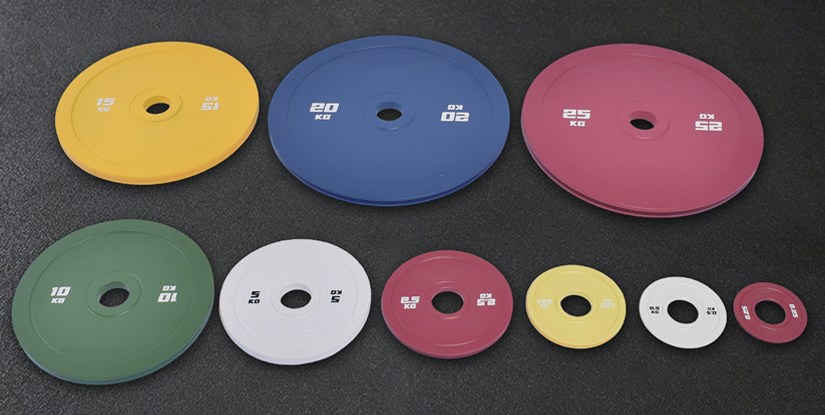
To refine your procurement strategy, you must look beyond the unit price and evaluate the technical variables that dictate long-term operational efficiency. A professional China factory weight plate OEM will typically offer various configurations that affect weight tolerance, surface finish, and the overall durability of the product. For example, the difference between a simple sand-cast iron plate and a precision-machined steel plate is significant when calculating the long-term maintenance load for a large-scale facility deployment.
| Material | Process | Key Component | Commercial Duty | MOQ Impact | Factory QC Point |
|---|---|---|---|---|---|
| Cast Iron | Sand Casting | Base Flatness | Standard Commercial | Lower MOQ for stock items | Surface oxidation & casting voids |
| Steel | CNC Machining | Bore Concentricity | Premium / Competition | Higher MOQ for precision runs | Inner diameter tolerance & flatness |
| Rubber/PU | Compression Molding | Coating Adhesion | High-Traffic Commercial | Variable based on OEM design | Bond line integrity & edge density |
When evaluating a weight plate manufacturer China for large-scale distribution, we recommend requesting a detailed spec sheet that clarifies the manufacturing sequence—from the initial casting or machining to the final calibration. For high-end studio projects, ensure your supplier can provide evidence of consistent weight calibration and concentricity checks. This level of detail is vital for preventing issues with barbell balance and ensuring the longevity of the equipment in high-use settings. Before finalizing your bulk order, we suggest confirming the specific OEM capabilities regarding custom branding and specialized coating requirements to ensure the final product meets your brand identity standards.
When evaluating a weight plate manufacturer China for large-scale distribution, we recommend requesting a detailed spec sheet that clarifies the manufacturing sequence—from the initial casting or machining to the final calibration. For high-end studio projects, ensure your supplier can provide evidence of consistent weight calibration and concentricity checks. This level of detail is vital for preventing issues with barbell balance and ensuring the longevity of the equipment in high-use settings. Before finalizing your bulk order, we suggest confirming the specific OEM capabilities regarding custom branding and specialized coating requirements to ensure the final product meets your brand identity standards.
Factory QC Standards and Pre-Shipment Inspection Protocols
For distributors and gym equipment importers, the final stage of the supply chain is the most critical for protecting profit margins. Relying on a professional weight plate manufacturer China ensures that every batch meets the rigorous demands of high-traffic commercial environments. Without strict oversight, discrepancies in weight or surface finish can lead to costly returns and damaged reputation among your end-users.
A reliable commercial weight plate supplier must implement a multi-stage verification process that moves beyond basic visual checks. In a high-standard China factory, the workflow begins with raw material verification and proceeds through precision machining and weight calibration. This systematic approach minimizes the risk of receiving inconsistent stock that fails to meet international commercial standards.
Standardized Inspection Workflow for Bulk Orders
Quality assurance in bulk procurement is not a single event but a continuous sequence of technical checkpoints. For professional wholesale gym plates, the process typically involves several critical stages to ensure the product is fit for global export.
The inspection begins after the casting or molding phase, focusing on the structural integrity of the plate. Technicians perform a concentricity check to ensure the center bore is perfectly aligned, which is essential for smooth loading on Olympic bars. Following this, the weight calibration stage uses precision scales to verify that each plate falls within the acceptable industry-standard tolerance band. This prevents the shipment of underweight or overweight units that could trigger disputes during your pre-shipment inspection.
The final stage focuses on the surface finish and durability of the coating. Whether the plates are bare iron with a phosphate treatment or heavy-duty rubber-coated, the factory QC standards must include adhesion testing. This ensures that the coating will not chip or peel under the heavy impact typical of a commercial gym setting, protecting your long-term landed cost by reducing replacement needs.
Technical Inspection Points by Product Type
Understanding the specific technical requirements for different plate categories allows procurement managers to set more accurate benchmarks during the sourcing process. A professional China factory weight plate OEM will categorize inspection protocols based on the material grade and intended use-case to ensure the final product matches your brand identity and commercial requirements.
The following table outlines the qualitative differences in inspection focus across common commercial tiers. This comparison is designed to assist distributors in determining which specifications align with their target market's budget and durability needs.
| Material & Type | Primary Process | Key Component Focus | Commercial Duty Tier | MOQ Impact | Factory QC Point |
|---|---|---|---|---|---|
| Cast Iron (Painted/Enamel) | Sand Casting & Surface Finishing | Base Flatness & Coating Adhesion | Budget / Standard Commercial | Lower | Surface Smoothness |
| Rubber Coated (Bumper) | Molding or Dip Coating | Encapsulation Layer & Core Density | High-Traffic / Full Gym | Medium | Edge Uniformity |
| Urethane (PU) Coated | Precision Injection Molding | Material Grade & Impact Resistance | Premium / Professional Studio | Higher | Bore Concentricity |
| Machined Steel | CNC Machining & Calibration | Weight Tolerance & Precision Finish | Elite / Competition Spec | Highest | Weight Accuracy |
When evaluating your next batch, we recommend requesting a detailed specification sheet that clarifies the specific material grade and the weight tolerance band for each SKU. For large-scale projects, confirming the exact packaging integrity and container loading plan is essential to minimize shipping damage and optimize your landed cost. If you are looking to develop a private label line, please contact us to discuss your specific requirements for custom branding and sample approval protocols.
Export Packaging and Container Loading Optimization
Effective logistics management is the final pillar of a successful bulk order. For international distributors, the risk of transit damage—such as coating chips or dimensional warping—can significantly impact the total landed cost. A professional weight plate manufacturer China understands that high-density steel and iron products require specialized export packaging to survive long-distance maritime transport and multiple handling stages.
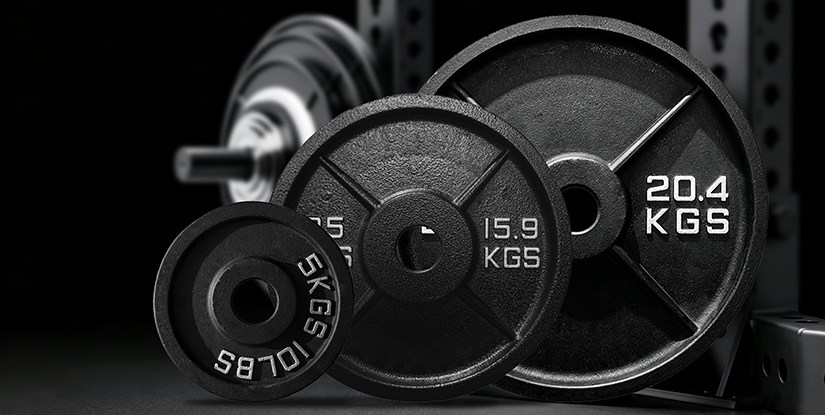
Standard operating procedures for wholesale gym plates involve heavy-duty protection. Most high-tier shipments utilize reinforced corrugated boxes or custom-sized wooden crates for premium units. To maximize container utilization and ensure shipping durability, plates are typically palletized using high-strength pallets and heavy-duty shrink wrap. This palletization strategy prevents shifting during sea transit, which is critical for maintaining the integrity of the product surface and preventing structural stress on the packaging edges.
For procurement leads managing high-volume imports, optimizing the loading plan is essential for efficiency. We provide detailed volumetric data and weight specifications for every SKU to assist in calculating the most cost-effective container configuration. Whether you are sourcing via FOB or CIF terms, our factory ensures that the stacking density and load distribution are optimized to protect your margins and ensure that your shipment arrives in a retail-ready state for your local distribution center.
Custom Branding and OEM/ODM Capabilities
For international distributors and gym chains, establishing a unique market presence requires more than just generic equipment. Partnering with a professional weight plate manufacturer China allows you to move beyond standard stock items and develop a signature product line. Through advanced OEM and ODM services, we help you integrate your brand identity directly into the manufacturing stage, ensuring your equipment stands out in competitive commercial environments.
Whether you require a custom logo embossed on cast iron surfaces or specific color-coded rubber coated finishes for your commercial gym branding, our China factory provides the technical infrastructure to execute your vision. We understand that for large-scale sourcing, consistency is as vital as aesthetics. Therefore, we offer scalable solutions that accommodate various MOQ requirements, allowing you to launch specialized product tiers—from budget-friendly iron plates to premium wholesale gym plates—under your own label.
Our customization process is designed to reduce the friction of product development. We assist with technical specifications such as center hole diameters, coating thickness, and surface textures to ensure the final product meets your market's durability standards. By leveraging our private label capabilities, you can control your brand's perceived value while maintaining the cost advantages of direct-from-factory procurement.
Customization Tiers and Investment Impact
Deciding on the level of customization is a strategic procurement decision that directly influences your landed cost and distributor margins. A professional commercial weight plate supplier typically offers tiered development options, ranging from simple visual enhancements to complete structural redesigns. For distributors looking to optimize their inventory, selecting the right tier ensures that your branding efforts align with your target market's budget and the expected durability of the equipment.
| Customization Level | Typical Features | Technical Specifications | Branding Method | MOQ Impact |
|---|---|---|---|---|
| Standard Wholesale | Basic colors, standard diameter | Standard cast iron or rubber | Standardized color coding | Lowest |
| Enhanced Branding | Custom color, specialized coating | Improved coating adhesion | Embossed or printed logo | Moderate |
| Full OEM/ODM | Custom mold, unique weight sets | Precision machining, custom density | Full private label integration | Higher |
When evaluating a China factory weight plate OEM proposal, consider how specialized features like a custom color or a specific embossed logo affect your production lead time. While a specialized coating can increase the premium feel of your product line, it may also influence the pre-shipment QC protocols required to ensure long-term coating adhesion. We recommend discussing these technical specifications with your supplier early in the process to accurately calculate the impact on your total procurement budget and shipping schedules.
Technical Execution and Quality Control Standards
Successful large-scale procurement relies on the technical precision of the manufacturing workflow. A high-tier weight plate manufacturer China must manage a sequence that moves from initial casting to final calibration. For custom orders, the process often begins with mold customization to ensure your brand's logo or unique shape is perfectly integrated into the cast iron or steel body. This foundational step is critical for maintaining brand consistency across large-scale wholesale shipments, as any defect in the mold will be replicated throughout the entire production run.
Following the casting phase, each unit undergoes rigorous technical processing to meet commercial-grade standards. This includes precision machining to ensure center hole concentricity and surface finishing to prepare the plate for its final coating. Depending on your specification, this may involve a phosphate treatment for better adhesion or a high-grade powder coating line to ensure a durable, uniform appearance. During the final stages, weight tolerance checks are performed to verify that each plate meets the required weight class within industry-standard margins, preventing the uneven loading issues that can plague lower-quality imports.
To mitigate the risks associated with international shipping and long-distance logistics, our China factory implements a strict pre-shipment inspection protocol. This includes checking the bond line adhesion of rubber or PU coatings, verifying the flatness of the plate base, and inspecting the integrity of the logo embossing. Furthermore, we utilize specialized export packaging designed to withstand container loading and sea freight vibrations. This attention to detail ensures that when your bulk order arrives at your warehouse, the product quality and brand presentation remain exactly as approved during the sampling stage, protecting your distributor margins and long-term reputation.
Optimizing Logistics: Export Packaging and Landed Cost Management
For professional importers and distributors, the total landed cost extends far beyond the initial FOB price. When sourcing from a weight plate manufacturer China, the structural integrity of your shipment depends heavily on the quality of the export packaging. Neglecting protection protocols during long-distance transit can lead to surface oxidation, dented edges, or damaged coatings, effectively eroding your distributor margins through replacement claims and unsellable inventory.
A professional commercial weight plate supplier implements rigorous sea freight protection strategies to ensure bulk shipments arrive in showroom condition. This includes utilizing heavy-duty reinforced pallets, moisture-resistant wrapping, and edge protectors to mitigate the risks of shifting within containers. By prioritizing damage prevention and bulk shipping efficiency, a reliable China factory weight plate OEM helps you minimize unexpected logistics expenses and stabilizes your long-term sourcing budget.
Packaging Solutions and Container Loading Optimization
The selection of packaging directly impacts your final landed cost and warehouse receiving efficiency. For high-volume orders, such as wholesale gym plates, the goal is to maximize volumetric density while ensuring zero damage during ocean transit. A strategic supplier will offer tiered packaging options to balance protection requirements against shipping expenditures.
| Packaging Tier | Typical Use Case | Palletization & Protection | Loading Efficiency |
|---|---|---|---|
| Standard Export | Bulk cast iron or basic rubberized plates | Standard wooden pallets with shrink wrap and edge protectors | High density; optimized for weight-bearing stability |
| Premium Protective | High-end PU coated or precision steel plates | Reinforced heavy-duty pallets with double-wall corrugated dividers | Medium density; prioritizes surface integrity and zero friction |
When managing large-scale wholesale procurement, we recommend discussing container loading optimization with your factory during the initial quote phase. For instance, specialized pallet heights can be adjusted to minimize empty headspace in a 20ft or 40HQ container, effectively lowering your per-unit shipping cost. Whether you require standard export crates or customized branding for your private label, ensuring a precise load plan is essential for maintaining a healthy ROI on your international shipments.
Maximizing container utilization is a critical lever for reducing the total landed cost of your inventory. A professional China factory understands that shipping air is a waste of capital. For distributors managing high-volume wholesale gym plates, even a 5% improvement in shipping volume through better stacking configurations can significantly enhance profit margins across a large-scale shipment. We work closely with procurement leads to design load plans that balance weight distribution with volumetric efficiency, ensuring that every cubic meter of a 40HQ container is effectively utilized without compromising the safety of the load.
Effective logistics optimization also involves coordinating the precise timing of production and vessel booking to avoid unnecessary warehousing fees. When you engage in China factory weight plate OEM services, our team provides detailed packing lists and weight dimensions early in the process. This transparency allows your freight forwarder to calculate accurate shipping volumes and plan for specialized equipment, such as heavy-duty forklifts, at the discharge port. By treating logistics as an integrated part of the sourcing process rather than an afterthought, we help you stabilize your supply chain and maintain a competitive edge in your local market.