Color Cast Iron Plate Manufacturer: Material and Sourcing
Essential Criteria for Selecting a Color Cast Iron Plate Manufacturer
For large-scale fitness distributors or hotel gym procurement managers, sourcing high-volume weight sets requires more than just finding a low price; it requires ensuring long-term commercial durability across multiple locations. When managing a high-traffic facility, the consistency of your equipment directly impacts your maintenance budget and brand reputation. Selecting a reliable color cast iron plate manufacturer ensures that every batch meets the rigorous standards required for heavy-duty commercial use, reducing the frequency of replacement cycles and minimizing unexpected downtime.
A professional color cast iron plate manufacturer must demonstrate mastery over the fundamental sand casting process to prevent structural defects that lead to cracks or uneven surfaces. In high-volume wholesale procurement, the primary risk is weight variance; therefore, a reputable supplier must implement a strict weight tolerance calibration protocol. Without precise control over the casting density and the subsequent machining of the center bore, your inventory may suffer from uneven loading, which compromises both user safety and the professional look of your facility.
To mitigate the risks of importing substandard goods, distributors should prioritize a China factory that integrates a comprehensive quality control system throughout the production line. This includes inspecting the sand casting mold integrity, the precision of the center hole concentricity, and the adhesion strength of the color coating. For those looking to build a unique brand identity, a color cast iron plate OEM partner can provide customized color-coding and logo integration, ensuring your product line stands out in a competitive global market.
Manufacturing Standards and Sourcing Tiers
Distributors and procurement officers must differentiate between standard production and high-performance manufacturing to protect their margins and product reputation. When sourcing wholesale color cast iron plates, the distinction often lies in the complexity of the surface treatment and the precision of the weight calibration. A budget-tier option might offer basic paint, but a premium color cast iron plate manufacturer will utilize advanced powder coating processes to ensure long-term color retention and impact resistance in high-traffic environments.
The following table provides a qualitative comparison to assist in your sourcing decisions, highlighting how different manufacturing approaches impact your MOQ and total landed cost. This guide helps you align your procurement with the specific needs of your target market, whether you are stocking budget-friendly studio equipment or high-end commercial-grade sets.
| Material Tier | Primary Process | Key Component | Commercial Duty | MOQ Impact | Factory QC Point |
|---|---|---|---|---|---|
| Standard Gray Iron | Sand Casting | Center Bore | Entry-Level Gyms | Lower MOQ | Bore Concentricity |
| Premium Cast Iron | Machining + Powder Coating | Surface Finish | Full Commercial Use | Moderate MOQ | Coating Adhesion |
| Professional Grade | CNC Machined + Custom OEM | Weight Marking | Premium Fitness Clubs | Higher MOQ | Weight Tolerance |
Choosing the right commercial weight plate supplier involves balancing the initial wholesale cost against the long-term durability of the surface finish. While lower-cost manufacturers may offer faster lead times, a professional color cast iron plate OEM partner will prioritize the durability of the color layer to prevent chipping and oxidation, which are common failure modes in high-use commercial settings. Always request a sample evaluation to verify the powder coating quality and the smoothness of the casting before finalizing large-scale orders.
Surface Durability and Export Reliability
For distributors managing large-scale inventory, the longevity of the product is a critical factor in total landed cost. A high-quality color cast iron plate manufacturer understands that the visual appeal of the equipment is tied to the durability of the surface treatment. In many commercial settings, improper coating adhesion leads to premature chipping and oxidation, which can damage a distributor's reputation and increase replacement costs. Therefore, verifying the application method—whether it is a standard paint or a more resilient powder coating—is a vital step in the procurement process.
Beyond the physical product, the logistics of a bulk order require a commercial weight plate supplier who excels in export packaging and timeline management. Reliable export partners provide reinforced, palletized packaging to prevent damage during sea freight, ensuring that the wholesale shipment arrives in pristine condition. When negotiating your next contract, always confirm the standard lead time and request detailed documentation regarding the factory QC protocols for both weight calibration and surface integrity. This proactive approach ensures that your color cast iron plate OEM partnership delivers consistent, high-margin value for your global clients.
Material Integrity and Casting Processes in Commercial Weight Production
Reliability in high-volume procurement begins with the fundamental metallurgy of the product. For a professional color cast iron plate manufacturer, the selection of raw materials and the precision of the casting method directly impact the long-term landed cost and replacement cycles for distributors. High-quality wholesale color cast iron plates must maintain structural integrity under heavy use to avoid the high maintenance loads associated with inferior alloys.
Most tier-one commercial weight plate supplier operations utilize sand casting with high-grade gray iron to ensure a dense, consistent molecular structure. This traditional method is industry-standard for producing the durability required in commercial gym environments. During the production sequence, the molten iron is poured into precision molds, followed by a cooling phase that prevents internal stress fractures. A critical technical benchmark for any color cast iron plate OEM is the weight tolerance and the surface finish. A well-executed factory process ensures that the surface finish is smooth enough for consistent powder coating adhesion, preventing the chipping or peeling that often leads to premature product returns in bulk shipments.
Comparing Coating Methods for Commercial Durability
Selecting the appropriate surface treatment is a vital decision for distributors looking to optimize the TCO (Total Cost of Ownership) for their clients. While basic finishes may lower initial costs, they often increase long-term maintenance demands. A professional color cast iron plate manufacturer must provide options that balance aesthetic longevity with high-traffic durability.
The two most common industrial routes involve either a chemical phosphate treatment or a high-grade powder coating. The former is a standard pre-treatment that enhances corrosion resistance, while the latter provides a thicker, more resilient layer of color. For commercial duty applications, the adhesion of the coating to the cast iron base is the most critical factor to monitor during a factory audit or pre-shipment inspection.
| Material/Process Type | Primary Finish | Commercial Duty Tier | Sourcing Benefit | Typical QC Focus |
|---|---|---|---|---|
| Cast Iron with Phosphate | Chemical Oxidation | Budget/Standard | Lower MOQ impact | Surface oxidation uniformity |
| Cast Iron with Powder Coating | Electrostatic Polymer | Premium/High-Traffic | Enhanced brand identity | Coating adhesion and thickness |
| Machined Steel Plate | Chrome or Paint | Professional/Elite | High precision/low maintenance | Concentricity and flatness |
When negotiating wholesale color cast iron plates, buyers should request technical details regarding the drying and curing stages of the coating process. A reliable supplier will ensure that the thermal application is consistent across the entire batch to prevent uneven color or peeling. For those pursuing a private label strategy, the quality of these finishes determines how well your brand identity survives years of heavy commercial use.
Efficient procurement extends beyond the casting floor into the rigorous management of the final supply chain. For importers managing large-scale bulk orders, the risk of transit damage or weight discrepancies can significantly inflate the total landed cost. A professional color cast iron plate manufacturer must implement standardized protocols that bridge the gap between production and global delivery.
Reliable pre-shipment QC protocols are essential to mitigate the high costs of replacement and shipping returns. During the final inspection stage, a qualified supplier should perform a weight calibration check on a randomized sample of the batch to ensure every unit meets the specified tolerance. Beyond weight, the factory must inspect the coating adhesion and the integrity of the central bore to ensure seamless compatibility with standard barbell sleeves. This level of scrutiny protects the distributor's margin and ensures product reliability upon arrival.
Effective export packaging is the final line of defense against the physical stresses of maritime and long-haul freight. High-volume color cast iron plate OEM partners typically utilize heavy-duty, reinforced cartons or custom wooden crates designed for palletized stability. Proper stacking instructions and moisture-resistant layering are standard requirements to prevent rust or physical impact damage during transit. When calculating your lead time, always account for these critical QC and packaging phases, as they are non-negotiable steps for maintaining the quality of premium commercial-grade equipment. We recommend requesting a detailed packaging specification and a sample inspection report before finalizing your wholesale contract to ensure your logistics requirements are fully met.
Surface Finishing and Color Coding for Brand Identity
For distributors and gym equipment importers, the visual differentiation of a weight set is a critical component of market positioning. A professional color cast iron plate manufacturer understands that surface aesthetics are not merely decorative; they are essential for operational efficiency and professional branding. When sourcing wholesale color cast iron plates, buyers must decide between standard paint finishes and more durable powder coating options to ensure long-term product value and visual consistency across their product lines.
The choice of finish directly impacts your ability to build a recognizable brand identity. While basic liquid paint may offer a lower initial landed cost, powder coating provides a much more resilient, uniform, and high-end appearance that withstands heavy commercial use. This is particularly important for commercial weight plate supplier partners who provide equipment to high-traffic fitness centers where scratches and chipping can diminish the perceived value of the entire facility.
Through OEM and ODM services, a factory can offer extensive custom colors to match your specific brand palette. This capability allows a supplier to move beyond generic commodities and instead provide specialized, branded weight sets that command premium pricing in the market. Whether you require specific color-coded increments for easy weight identification or a unique matte finish for a boutique studio aesthetic, these customization options are standard for high-volume sourcing orders. Most China factory partners will require a specific MOQ to initiate custom color runs, ensuring that the production line remains efficient while meeting your brand's exact visual requirements.
Evaluating Finishing Methods for Commercial Durability
Selecting the correct surface treatment is a critical technical decision during the procurement process. A mismatch between the chosen finish and the facility's usage intensity can lead to premature chipping, oxidation, or a degraded aesthetic, ultimately increasing the total cost of ownership for your clients. To assist in your technical evaluation, the following table compares the most common industrial finishes used by a professional color cast iron plate manufacturer to ensure product longevity and visual appeal.
| Finishing Method | Primary Material/Process | Surface Durability | Aesthetic Value | Commercial Duty Tier | Typical Procurement Context |
|---|---|---|---|---|---|
| Liquid Paint | Liquid application over cast iron | Standard; prone to chipping | Basic; matte or glossy | Budget/Entry-level | High-volume wholesale orders |
| Powder Coating | Electrostatic dry powder application | High; impact and scratch resistant | Premium; uniform and consistent | Standard Commercial | color cast iron plate OEM runs |
| PU Coating | Polyurethane encapsulation | Very High; moisture resistant | High-end; smooth texture | Premium/Boutique | Specialized color cast iron plate sets |
When conducting a factory audit or reviewing samples, we recommend inspecting the coating adhesion and the uniformity of the color across different weight increments. For distributors looking to optimize their sourcing strategy, choosing a high-quality powder coating is often the best balance between durability and cost-effectiveness. If your business model targets premium fitness centers or high-end studio environments, discussing specialized PU coating options with your supplier can differentiate your product catalog from standard market offerings.
Comparing Material and Manufacturing Standards for Bulk Sourcing
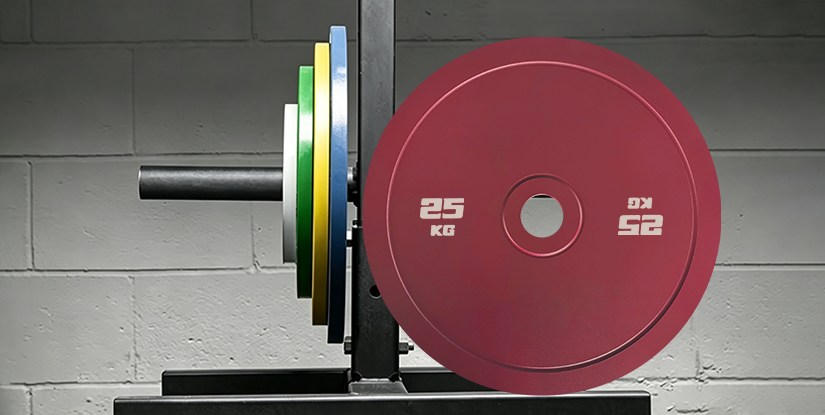
For distributors and gym operators, the distinction between standard casting and high-grade production determines the total cost of ownership. A professional color cast iron plate manufacturer provides more than just weight; they provide consistent surface integrity and dimensional stability. Selecting a high-quality commercial weight plate supplier ensures that your bulk orders arrive with uniform coating adhesion and concentricity, reducing long-term maintenance and replacement costs in high-traffic facilities.
When sourcing, understanding the relationship between the casting method and the final finish is vital for managing landed costs and product longevity. A reliable China factory will utilize standardized production sequences—moving from raw sand casting to precision machining and finally to a durable coating process—to ensure every unit meets commercial-grade expectations.
| Material Tier | Primary Process | Surface Finish | Commercial Duty | MOQ Impact | Factory QC Point |
|---|---|---|---|---|---|
| Standard Gray Iron | Sand Casting | Basic Paint | Budget/Light Commercial | Lower | Surface Smoothness |
| Premium Cast Iron | Sand Casting + Machining | Powder Coating | Full Commercial Use | Moderate | Bore Concentricity |
| High-End Specialty | Precision Casting | Polyurethane/PU | Premium Studio/Competition | Higher | Coating Adhesion |
For those looking to scale a brand, choosing an color cast iron plate OEM allows for customized color coding and logo integration. This level of customization is typically achieved through high-temperature powder coating lines, which offer better durability than standard liquid paint. When evaluating wholesale color cast iron plates, always request a specification sheet to confirm the manufacturing steps, ensuring the finish can withstand the rigorous friction and impact typical of professional training environments.
| Material Tier | Primary Process | Surface Finish | Commercial Duty | MOQ Impact | Factory QC Point |
|---|---|---|---|---|---|
| Standard Gray Iron | Sand Casting | Basic Paint | Budget/Light Commercial | Lower | Surface Smoothness |
| Premium Cast Iron | Sand Casting + Machining | Powder Coating | Full Commercial Use | Moderate | Bore Concentricity |
| High-End Specialty | Precision Casting | Polyurethane/PU | Premium Studio/Competition | Higher | Coating Adhesion |
For those looking to scale a brand, choosing an color cast iron plate OEM allows for customized color coding and logo integration. This level of customization is typically achieved through high-temperature powder coating lines, which offer better durability than standard liquid paint. When evaluating wholesale color cast iron plates, always request a specification sheet to confirm the manufacturing steps, ensuring the finish can withstand the rigorous friction and impact typical of professional training environments.
For professional buyers, the quality of the surface finish is a direct indicator of the product's lifespan and maintenance requirements. A high-tier color cast iron plate manufacturer will prioritize a rigorous powder coating application process to ensure long-term durability. Unlike standard liquid paint, industrial-grade powder coating provides superior adhesion and resistance to chipping, which is essential for high-volume commercial environments where plates are frequently handled and stored.
To mitigate the risk of receiving substandard batches, it is critical to verify the factory's pre-shipment QC protocols. A reputable supplier should perform standardized inspections focusing on weight tolerance, bore concentricity, and coating adhesion. Furthermore, since these products are often heavy and high-volume, specialized export packaging is mandatory to prevent transit damage and ensure efficient container loading. When negotiating your next bulk order, confirm that the factory's quality control covers these specific technical points to protect your distributor margins and reduce the total cost of ownership.
China Factory Capabilities: OEM, MOQ, and Lead Time Management
For international distributors and gym equipment importers, understanding the operational scale of a color cast iron plate manufacturer is essential for effective inventory planning. High-volume sourcing requires a partner capable of managing complex production cycles while meeting specific branding requirements. Whether you are expanding a regional distribution network or launching a specialized product line, aligning with a professional China factory ensures that your supply chain remains resilient and scalable.
Standardized production runs often involve strict MOQ thresholds to maintain cost-efficiency during the casting and coating phases. For buyers seeking to build brand equity, offering OEM services is a standard capability among tier-one suppliers. This includes custom branding options such as embossed logos or specific color-coded weight markings, allowing you to establish a private label identity that resonates with your target market. By leveraging the production capacity of a specialized supplier, importers can balance the need for unique product differentiation with the necessity of competitive landed costs.
Sourcing Models: Stock vs. Custom Production
Procurement strategies for weight plates generally fall into two categories: purchasing ready-to-ship inventory or engaging in customized manufacturing. Choosing the right path depends on your specific distributor margins and your requirement for market differentiation.
| Sourcing Model | Primary Use Case | Branding Capability | Lead Time Expectation | Typical MOQ Impact |
|---|---|---|---|---|
| Standard Stock | Rapid replenishment for existing gym setups | Generic or minimal markings | Short (Standard shipping windows) | Lower, optimized for volume |
| color cast iron plate OEM | Launching a unique fitness brand | Full custom branding and color coding | Extended (Casting to coating cycles) | Higher, due to specialized tooling |
| wholesale color cast iron plates | Large-scale distribution and warehouse stocking | Limited custom color options | Moderate (Bulk shipment scheduling) | High volume required for best pricing |
When evaluating a commercial weight plate supplier, consider the total landed cost beyond the initial unit price. While stock orders offer faster turnaround, a dedicated color cast iron plate manufacturer can provide higher value through proprietary color-coding systems. This precision in branding helps end-users identify weight increments quickly, increasing the professional utility of your product line. Before finalizing a contract, always request a detailed specification sheet to confirm how lead time and customization requirements will affect your seasonal inventory cycles.
Ensuring Reliability Through QC and Export Logistics
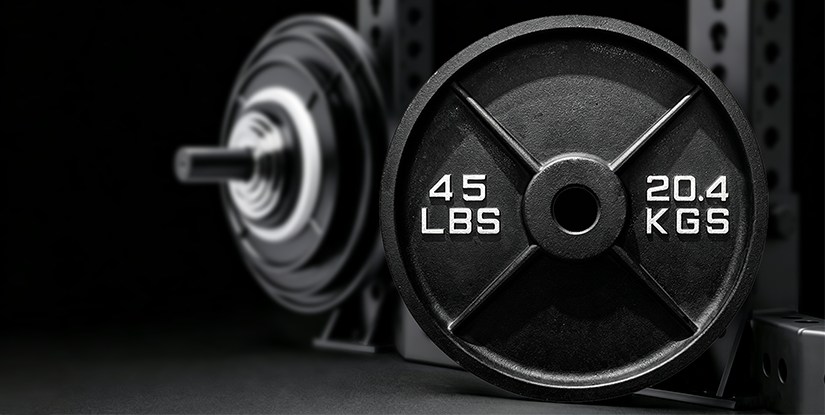
Managing a global supply chain requires more than just selecting a high-quality color cast iron plate manufacturer; it requires a partner with rigorous QC protocols and reliable export logistics. For large-scale distributors, the risk of receiving batches with inconsistent coating adhesion or weight deviations can damage brand reputation and increase the cost of returns. To mitigate these risks, professional procurement teams should mandate a pre-shipment inspection that covers the entire production sequence, from the initial casting stage to the final surface coating application.
A reliable commercial weight plate supplier must demonstrate competence in two critical areas: physical product verification and export-ready logistics. During the inspection phase, technicians typically check the concentricity of the center bore and the uniformity of the color coating to ensure the plates sit flat and look professional. Furthermore, because these products are high-density and heavy, the export packaging must be robust. This includes using reinforced corner protectors and heavy-duty pallets to prevent damage during maritime transit. A transparent shipping schedule, coordinated with the factory to account for container loading density, is vital for maintaining your wholesale distribution timelines and ensuring predictable landed costs for your end-users.
Pre-Shipment QC and Export Packaging Standards
Maintaining strict QC protocols is essential for distributors to avoid the high costs of transit-related defects and weight discrepancies. When sourcing from a color cast iron plate manufacturer, the final inspection determines the landed cost and long-term reliability of your inventory. A professional commercial weight plate supplier must implement multi-stage verification to ensure every unit meets international shipping and performance standards.
Standardized pre-shipment QC focuses on two critical areas: weight tolerance and surface integrity. For bulk orders, a reliable China factory performs weight calibration to ensure consistent mass across the entire batch, preventing discrepancies that can damage a distributor's reputation. Furthermore, inspectors verify the adhesion of the color coating to ensure it does not chip or peel during heavy use or long-distance transit.
To protect the investment of wholesale buyers, export-grade packaging is mandatory. High-quality color cast iron plate OEM services utilize heavy-duty pallets and reinforced corrugated boxes or custom steel crates. This specialized packaging prevents metal-on-metal friction and protects the colored finish from scratches, ensuring that the product arrives at your warehouse in showroom condition, ready for immediate distribution or retail sale.
Effective sea freight protection is a critical variable for importers managing high-volume inventory. A professional color cast iron plate manufacturer understands that heavy, dense loads are subject to significant shifting and vibration during ocean transit. To mitigate the risk of dented edges or damaged finishes, high-tier wholesale color cast iron plates are organized using strict palletization protocols. This involves stacking plates in organized layers, often separated by protective dividers, to maintain stability and prevent structural fatigue during long-haul shipping.
For specialized color cast iron plate OEM orders, the packaging must account for both weight and volume efficiency to optimize container utilization. Reliable manufacturers utilize heavy-duty wooden or plastic pallets, securing the load with industrial-grade shrink wrap and edge protectors. This rigorous approach to export-ready assembly ensures that the finished goods arrive at the destination port without the common issues of moisture ingress or physical impact damage, protecting the distributor's margins and reducing the need for costly replacements.
Logistics and Packaging Mode Comparison
Selecting the correct shipping configuration is a vital part of the sourcing process for international distributors. A professional color cast iron plate manufacturer provides various packaging tiers to balance protection and container utilization. Understanding these standards helps procurement leads calculate accurate landed costs and manage warehouse space more effectively.
| Shipping Mode | Packaging Type | Protection Level | Typical Use Case | B2B Logistics Focus |
|---|---|---|---|---|
| Sea Freight (LCL) | Reinforced Corrugated Carton | Standard Commercial | Small Batch wholesale orders | Volume efficiency and stackability |
| Sea Freight (FCL) | Industrial Palletization & Shrink Wrap | High Durability | Full Container Load bulk imports | Load stability and weight distribution |
| Air Freight | Double-Wall Heavy Duty Box | Premium Protection | Urgent OEM sample or small stock replacement | Minimizing weight-to-volume ratio |
| Express/Courier | Customized Wooden Crate | Maximum Security | High-value color cast iron plate OEM prototypes | Impact resistance and handling safety |
When finalizing your commercial weight plate supplier selection, always confirm the specific export packaging requirements for your region. We recommend requesting a detailed packing list and pallet dimensions during the MOQ negotiation phase to ensure your local warehouse can accommodate the incoming volume without unexpected logistical friction.
Optimizing Your Procurement Strategy for Weight Plate Imports
Selecting a professional color cast iron plate manufacturer is a critical decision for distributors looking to minimize long-term maintenance costs and maximize commercial gym ROI. When sourcing in bulk, the distinction between low-grade casting and high-standard production determines the longevity of your inventory. A reliable commercial weight plate supplier ensures that each unit maintains consistent weight tolerances and high-quality surface coating, preventing premature chipping or oxidation in high-traffic environments.
For importers and distributors, the primary challenge lies in balancing landed cost with product durability. Relying on a wholesale color cast iron plates provider that manages the entire production chain—from initial sand casting to final calibration—reduces the risk of receiving substandard batches. By prioritizing a color cast iron plate OEM partner with robust casting quality standards, you can ensure that your wholesale orders meet the rigorous demands of professional strength facilities while maintaining healthy distributor margins.
Technical Comparison of Manufacturing Processes and Finishes
Understanding the technical divergence between different finishing methods is essential for a strategic procurement decision. For example, while basic paint may offer a low entry price, it often lacks the impact resistance required for high-volume commercial facilities. A professional color cast iron plate manufacturer will typically utilize more durable methods to ensure the coating adheres to the cast iron substrate without peeling under heavy use.
The following table outlines the standard industry tiers to assist in your sourcing evaluation, comparing the common manufacturing routes used by a leading China factory for different commercial requirements.
| Material Base | Primary Process | Typical Finish | Commercial Duty | MOQ Impact | Factory QC Point |
|---|---|---|---|---|---|
| Gray Cast Iron | Sand Casting | Standard Paint | Budget/Home Gym | Low | Surface Smoothness |
| Gray Cast Iron | Sand Casting | Phosphate Treatment | Standard Commercial | Medium | Oxidation Resistance |
| Gray Cast Iron | Sand Casting | Powder Coating | Premium Commercial | High | Coating Adhesion |
| Machined Steel | CNC Machining | Chrome/Enamel | Competition/Elite | Very High | Weight Tolerance |
When evaluating a color cast iron plate OEM, it is vital to confirm whether the powder coating is applied via an automated line to ensure uniformity. High-quality production involves a multi-step sequence: initial sand casting, followed by precision machining to achieve required weight tolerances, a thorough phosphate treatment for rust prevention, and finally the color application. Choosing a supplier that emphasizes these specific technical stages will significantly reduce your after-sales replacement costs and improve the total cost of ownership for your clients.
Strict Quality Control and Logistics Readiness in the China Factory
For large-scale distributors, the risk of receiving damaged or inaccurate inventory is a significant threat to profitability. A professional color cast iron plate manufacturer must implement a rigorous pre-shipment QC protocol to ensure every batch meets international commercial standards. This process begins with weight calibration checks on the cast iron substrate to ensure consistency, followed by detailed inspections of coating adhesion to prevent chipping during transit or heavy usage. A reliable China factory will also verify the concentricity of the center bore to ensure seamless fitting on standard barbells.
Effective sourcing also requires a focus on export-ready logistics. To protect your margins, confirm that your supplier utilizes heavy-duty export packaging designed for sea freight, such as reinforced corrugated boxes or customized wooden crates for high-volume wholesale orders. Clear communication regarding the MOQ, production lead time, and container loading optimization is essential to manage your landed cost and warehouse turnover. When negotiating with a color cast iron plate OEM, always request a detailed inspection report and sample approval before final production to mitigate import risks and ensure your brand identity remains protected.