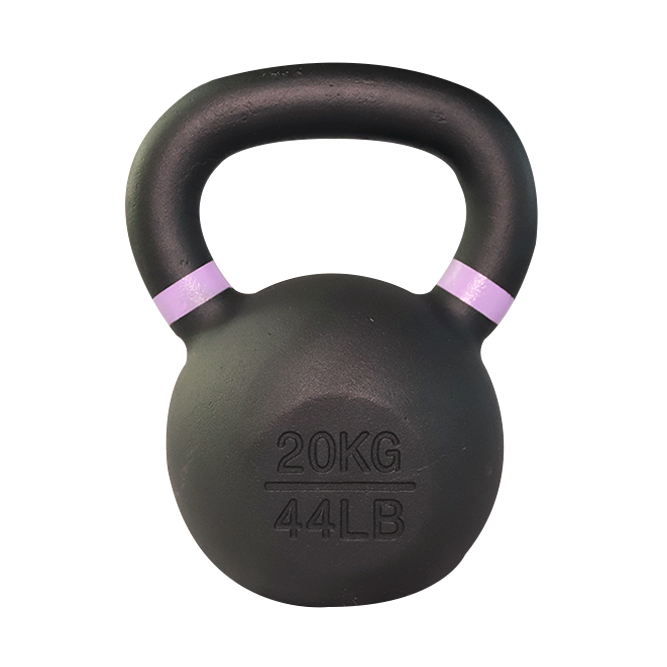
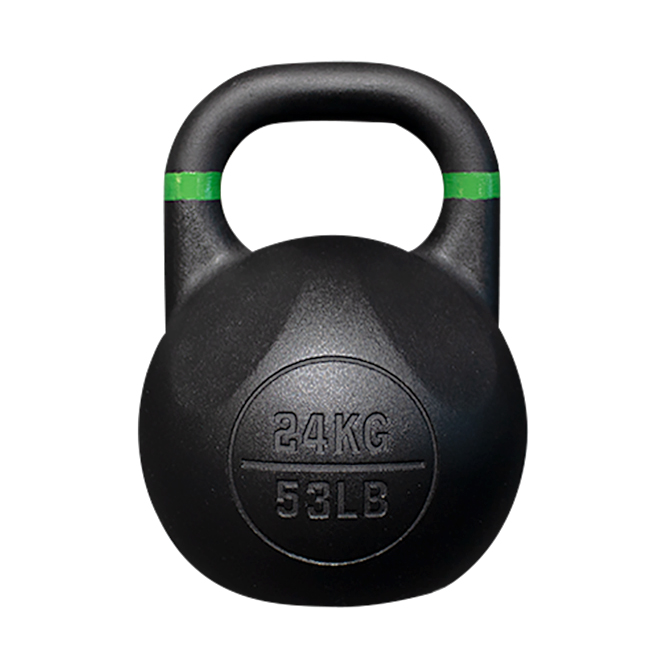
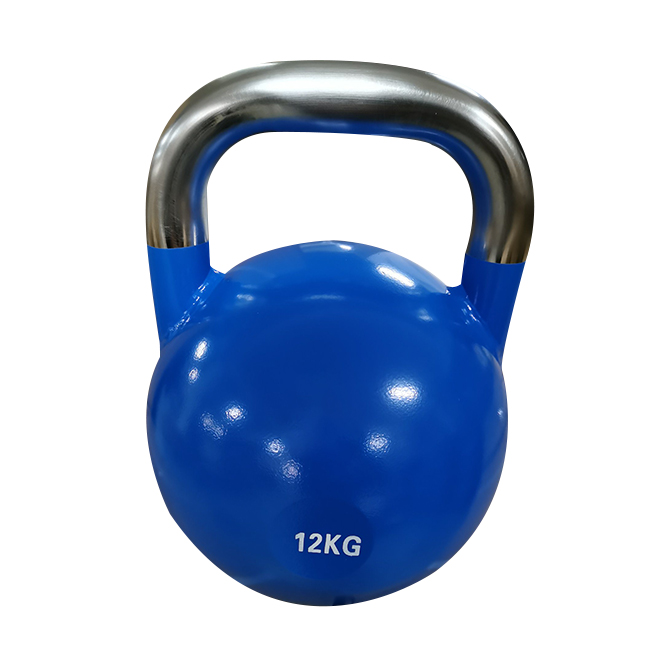
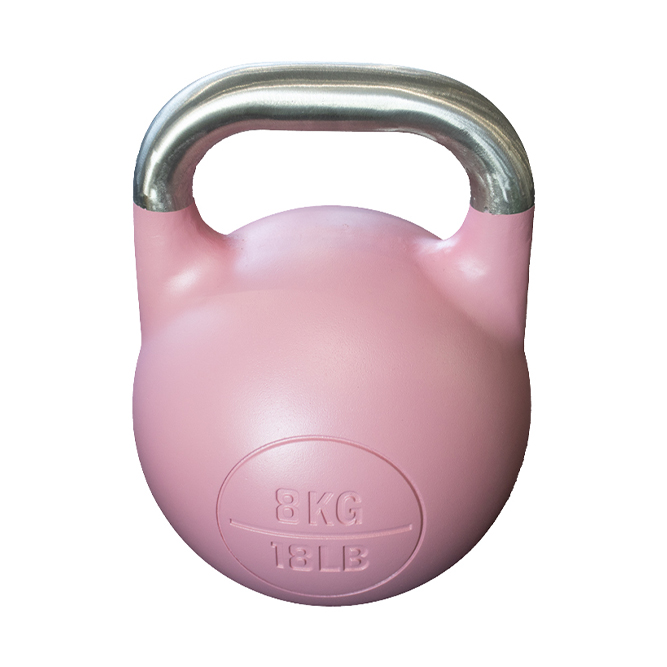
Accurate Weight Kettlebell Manufacturer: OEM Contract
The Strategic Role of an Accurate Weight Kettlebell Manufacturer in Commercial Sourcing
For distributors and gym equipment importers, the procurement process involves navigating three critical risks: weight deviation, coating failure, and logistical inconsistencies. Relying on an accurate weight kettlebell manufacturer ensures that every unit in a bulk shipment meets the strict weight tolerances required for professional training environments. When sourcing from a China factory, professional buyers must look beyond the initial price and evaluate how precision casting and surface treatment protocols affect the long-term landed cost and product reliability. A failure in weight calibration or handle-to-body junction integrity can lead to high return rates, damaging your reputation as a supplier of premium fitness goods.
A professional commercial kettlebell supplier understands that weight accuracy is not just about the number on the bell, but about the consistency of the casting process. In many commercial settings, slight variations in the gray iron density or the thickness of the powder coating can cause a single kettlebell to deviate from its labeled weight. This is why experienced procurement leads prioritize a wholesale gym equipment manufacturing partner that implements rigorous weight calibration and concentricity checks during the production phase. Establishing a stable supply chain with a manufacturer that masters both the casting and the final finishing stages is essential for maintaining high margins and ensuring client satisfaction in the North American market.
Technical Comparison of Casting and Coating Standards
When evaluating the quality of a precision cast iron kettlebell, procurement officers must distinguish between budget-grade casting and high-performance commercial standards. In the context of global sourcing, the difference often lies in the refinement of the casting process and the durability of the surface finish. A standard sand casting approach may suffice for light use, but professional distributors require a more controlled manufacturing route to minimize defects such as uneven weight distribution or handle-to-body junction weaknesses. Selecting the right production tier directly impacts your long-term maintenance load and the total cost of ownership for your end clients.
The following table outlines the qualitative differences in production standards to assist in your sourcing decision-making. This comparison focuses on how material and process choices influence commercial duty and the necessary QC focus for a China factory.
| Material Tier | Primary Process | Key Component Focus | Commercial Duty | MOQ Impact | Factory QC Point |
|---|---|---|---|---|---|
| Gray Iron | Standard Sand Casting | Handle Texture | Budget / Home Use | Lower | Base Flatness |
| Cast Iron | Precision Casting | Handle-to-Body Junction | Standard Commercial | Moderate | Weight Tolerance |
| Premium Steel/Iron | Advanced Casting & Machining | Coating Adhesion | High-End Performance | Higher | Concentricity Check |
For high-volume orders, the application of powder coating or PU coating serves as a critical layer of protection. A professional accurate weight kettlebell manufacturer ensures that the coating adheres perfectly to the casting surface without masking the weight accuracy. In many commercial settings, improper coating application can lead to peeling or bubbling, which increases the maintenance load for gym operators. When conducting a factory audit or requesting samples, we recommend inspecting the coating adhesion at the handle and the base ring to ensure the product can withstand the rigors of daily commercial use and high-frequency training.
Optimizing Logistics and Global Distribution via OEM/ODM Integration
Managing large-scale procurement requires more than just selecting a quality product; it requires a partner capable of seamless integration into your existing supply chain. For distributors looking to expand their catalog, the ability to utilize OEM or ODM services is a decisive factor in building brand equity. A professional accurate weight kettlebell manufacturer provides the technical infrastructure to support custom branding, allowing you to embed your logo and brand identity directly into the casting or the coating layer. This level of customization ensures that your shipments are not merely generic commodities, but branded assets that enhance your market position.
Efficient wholesale gym equipment manufacturing also depends on robust export packaging and container loading strategies. Because kettlebells are high-density, heavy-duty items, the way they are packed significantly affects the landed cost and the risk of transit damage. A reliable China factory will implement specialized palletizing and reinforced carton standards to protect the precision cast iron kettlebell surfaces and ensure shipping efficiency during ocean freight. When negotiating MOQ and lead times, always confirm the manufacturer's protocols for container weight distribution and protective layering to prevent any impact on your bottom line or delivery schedules.
Material Selection and Surface Finishing for High-Traffic Gyms
Selecting the right materials is a critical decision for distributors and gym owners looking to optimize their Total Cost of Ownership (TCO). When sourcing from a professional accurate weight kettlebell manufacturer, the choice between raw iron and advanced coatings determines both the product lifespan and the frequency of maintenance required in high-traffic facilities. For large-scale wholesale gym equipment manufacturing, balancing durability with aesthetic appeal is essential for maintaining a premium brand image.
The fundamental difference in durability often begins with the base material. A precision cast iron kettlebell offers a high-density, stable core that is standard for heavy-duty commercial use. However, the surface treatment dictates how the unit interacts with the gym environment. For instance, a powder coating provides a hard, textured layer that resists chipping and protects the underlying iron from oxidation, making it a reliable choice for standard commercial strength areas. Conversely, a PU coating (polyurethane) offers a smoother, more premium feel and superior floor protection, though it may involve different sourcing considerations regarding MOQ and unit cost compared to traditional paint finishes.
| Material/Finish Type | Common Process | Commercial Duty Tier | Maintenance Profile | Sourcing Advantage |
|---|---|---|---|---|
| Cast Iron (Bare/Phosphate) | Sand Casting | Budget/Standard | Requires periodic oiling to prevent rust | Lowest landed cost for bulk orders |
| Powder Coated Iron | Electrostatic Spraying | Commercial/Premium | Low; highly resistant to abrasion | Standard OEM specification |
| PU Coated / Rubberized | Injection or Dip Coating | Premium/Specialty | Minimal; protects flooring and reduces noise | Higher MOQ for custom colors |
For a commercial kettlebell supplier, ensuring coating adhesion at the handle-to-body junction is a key QC metric. In many commercial settings, failure often occurs where the coating meets the casting seams. High-quality China factory production lines utilize specialized drying processes to ensure the finish remains intact even under heavy use, reducing long-term replacement costs for the end-user.
Evaluating Long-Term Value and Maintenance Loads
When calculating the total cost of ownership for a commercial facility, the surface finish is as important as the base weight. A mismatch between material choice and usage environment can lead to premature oxidation or flooring damage, increasing the maintenance load for gym operators. Professional procurement teams must evaluate whether the higher upfront cost of advanced coatings is offset by reduced replacement frequency and lower long-term labor costs.
For those managing large-scale distribution, understanding these technical trade-offs is vital for maintaining healthy margins. While standard cast iron units offer the most competitive pricing for high-volume wholesale orders, premium coated options often serve better in boutique studios or high-end training centers where aesthetic longevity and floor protection are prioritized. We recommend reviewing specific coating adhesion protocols with your supplier to ensure the finish can withstand the friction of repetitive high-intensity training.
Before finalizing a bulk order, we suggest requesting a sample evaluation to inspect the handle texture and the integrity of the base ring. A thorough factory audit or a request for pre-shipment QC reports regarding coating thickness and weight tolerance can prevent costly returns and ensure your shipment meets the strict standards required for professional commercial environments.
Casting and Coating Processes for Precision Weight Standards
For distributors and gym equipment importers, the technical integrity of a single unit determines the long-term reputation of a full shipment. Selecting an accurate weight kettlebell manufacturer requires understanding the rigorous production sequence that ensures every piece in a bulk order meets the same strict specifications. Rely much on standard sand casting methods to ensure the structural density required for heavy-duty commercial use, as these processes are industry-standard for creating consistent, high-density iron bodies.
The manufacturing journey begins with the casting phase, where molten iron is poured into high-quality molds to form the bell shape. Once cooled, the units undergo machining to refine the handle-to-body junction, ensuring a smooth, ergonomic grip. A critical step for commercial durability is the surface treatment. Whether utilizing a specialized powder coating for impact resistance or a polyurethane layer for floor protection, the adhesion of the finish to the cast iron surface is a primary focus during China factory QC. This prevents chipping and oxidation, reducing the maintenance load and replacement frequency for your end-users.
To help you evaluate the technical trade-offs between different finishes for your next wholesale procurement, we have outlined the common commercial-grade options below.
| Material / Finish Type | Primary Process | Commercial Duty Tier | Durability Profile | Procurement Focus |
|---|---|---|---|---|
| Bare Cast Iron | Sand Casting + Phosphate | Budget / Standard | High (Basic) | Lowest Landed Cost |
| Powder Coated | Sand Casting + Powder Line | Premium Commercial | Very High (Resistant) | Optimal for Gym Kits |
| PU / Rubber Coated | Casting + Injection Molding | High-End Studio | Maximum (Floor Protection) | Premium Brand Identity |
When managing sourcing for large-scale fitness projects, it is essential to confirm that the precision cast iron kettlebell specifications align with your brand's quality standards. A reliable commercial kettlebell supplier will provide transparency regarding the weight tolerance band and the consistency of the coating adhesion to ensure your wholesale gym equipment manufacturing orders arrive without defects.
Beyond surface aesthetics, the structural integrity of the handle-to-body junction is a non-negotiable factor in commercial safety. While many budget-tier options may suffer from irregular handle thickness or poor concentricity, a professional accurate weight kettlebell manufacturer ensures that the casting mold remains consistent throughout the production run. This precision prevents the common failure mode of uneven weight distribution, which can lead to ergonomic instability during high-intensity training sessions.
For distributors managing high-volume inventory, the choice between a standard sand casting process and more advanced finishing techniques directly impacts the total cost of ownership (TCO). For example, while a basic cast iron bell offers the lowest initial landed cost, a precision cast iron kettlebell with a high-grade coating provides significantly better protection against oxidation and floor damage. This makes it a superior choice for premium studio environments where brand reputation depends on equipment longevity and minimal maintenance. When negotiating with a commercial kettlebell supplier, we recommend requesting specific details on the surface treatment to ensure the finish can withstand the rigorous friction and impact typical of high-traffic commercial gyms.
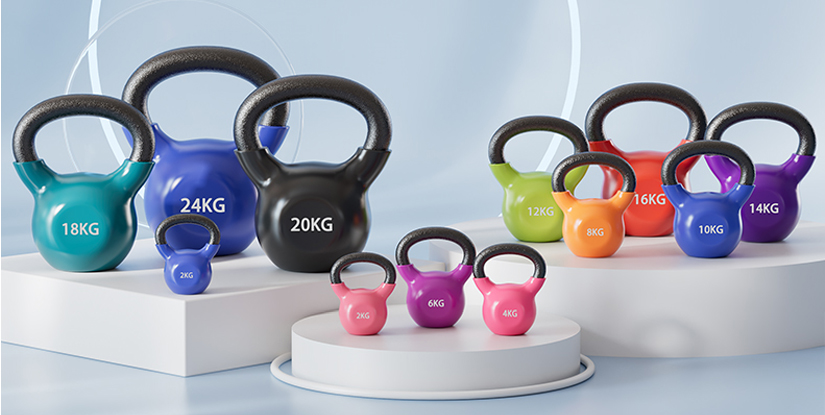
Ultimately, your procurement strategy should balance the initial wholesale price with the expected replacement cycle of the equipment. If your target market includes high-end fitness centers, investing in higher-tier coating processes through a reliable wholesale gym equipment manufacturing partner will reduce long-term replacement costs and enhance your distributor margins. We suggest contacting our team to confirm the MOQ for customized coating options or to request a detailed specification sheet for your next bulk order.
Critical QC Checkpoints for Bulk Imports from China Factories
When managing large-scale procurement, the risk of receiving inconsistent batches can jeopardize your distributor margins and brand reputation. A professional accurate weight kettlebell manufacturer must implement multi-stage inspection protocols to ensure every unit meets commercial gym standards. Without rigorous oversight, bulk orders often suffer from weight deviations and surface defects that lead to high return rates and increased customer complaints.
For importers and distributors, sourcing a precision cast iron kettlebell requires more than just a visual check. A reliable China factory must demonstrate control over the entire production sequence—from the initial sand casting stage to the final coating application. Rely during your sourcing process on a supplier that provides transparent data regarding weight tolerance bands and surface adhesion durability.
Failure to verify these technical specifications during a pre-shipment inspection can result in significant landed cost increases due to replacement requirements. To mitigate bulk order risks, professional buyers should prioritize a wholesale gym equipment manufacturing partner that utilizes standardized calibration and quality control workflows.
Essential Inspection Parameters for Commercial Orders
| Inspection Focus | Technical Detail | Commercial Duty Tier | Typical Failure Mode |
|---|---|---|---|
| Weight Accuracy | Calibration of cast iron mass | Premium / Competition | Inconsistent unit weight |
| Surface Integrity | Powder coating adhesion | Commercial / Standard | Chipping or peeling |
| Handle Geometry | Handle-to-body junction smoothness | All Tiers | Rough edges or grip discomfort |
| Base Flatness | Concentricity and stability | Commercial | Unstable movement or wobbling |
Technical Checklist for Pre-Shipment Inspection
To ensure high-tier product quality, procurement managers should execute a formal pre-shipment inspection focusing on structural and surface integrity. A standard commercial kettlebell supplier will typically provide a detailed inspection report, but verifying these specific mechanical attributes on-site is critical for reducing long-term maintenance loads for your clients. High-volume orders often face issues with handle-to-body junction smoothness or base stability if the casting and machining stages are not strictly controlled.
During the audit, prioritize checking the powder coating adhesion by inspecting the transition zones where the handle meets the bell body. In many professional settings, poor adhesion in these high-friction areas leads to premature chipping, which negatively impacts the TCO (Total Cost of Ownership) for gym operators. Furthermore, verify the handle concentricity and base flatness to ensure the unit remains stable during high-intensity movement. When negotiating wholesale contracts, confirm that the factory utilizes a consistent sand casting method to prevent internal voids that could compromise weight accuracy. Finally, always clarify the MOQ and expected lead time for replacement parts or custom OEM branding requests to ensure your supply chain remains agile and responsive to market demand.
Optimizing Your Procurement: OEM and Custom Branding Capabilities
For international distributors and large-scale fitness retailers, transitioning from generic stock to a proprietary product line is a critical step in building long-term market value. Partnering with an accurate weight kettlebell manufacturer allows you to move beyond commodity trading and toward establishing a professional brand identity. By leveraging OEM and ODM services, you can transform standard cast iron units into specialized assets that reflect your company's specific quality standards and aesthetic requirements.
The strategic advantage of private label manufacturing lies in the ability to control every variable of the product, from the handle texture to the final finish. Whether you are seeking commercial gym branding for a boutique studio chain or developing a high-end line for a global wholesale distribution network, a professional China factory can accommodate diverse specifications. While standard stock orders offer speed, custom sourcing provides the differentiation necessary to command premium margins in competitive markets.
Effective sourcing requires a clear understanding of how customization impacts your MOQ and total lead time. While high-level customization increases the complexity of the production cycle, it also ensures that the final product meets the exact durability and weight tolerance expectations of your professional clientele. Working directly with a specialized supplier ensures that your custom specifications are integrated during the initial casting and coating stages, rather than as an afterthought.
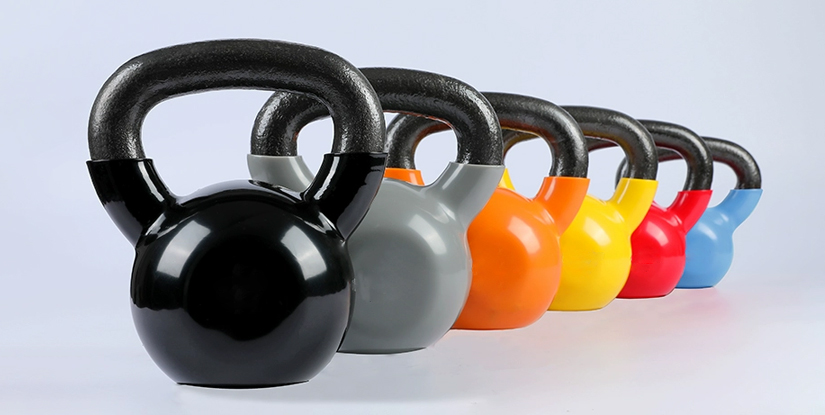
Technical Customization Tiers for Commercial Orders
To assist in your procurement planning, the following table outlines the typical technical variations available when ordering through a commercial kettlebell supplier. These tiers allow you to balance your desired brand prestige against your MOQ and target landed cost.
| Material & Process | Key Component Detail | Commercial Duty Tier | Branding Option | MOQ Impact | Factory QC Point |
|---|---|---|---|---|---|
| Sand Casting | Standard handle junction | Budget / Entry-Level | Standard Paint | Low | Base flatness |
| Precision Casting | Refined knurling texture | Standard Commercial | custom logo (Embossed) | Medium | Weight tolerance |
| Advanced Casting | Smooth handle-to-body transition | Premium / Boutique | powder coating (Multi-color) | High | Coating adhesion |
When selecting a precision cast iron kettlebell specification, consider how the surface finish affects your long-term maintenance load. For example, a high-quality powder coating provides a more durable surface than basic paint, reducing the risk of chipping during high-volume use in commercial settings. If your goal is to establish a premium brand identity, requesting a custom molded logo directly into the casting ensures the branding remains permanent and does not peel over time, unlike printed alternatives.
Successful export packaging is equally vital for maintaining these custom standards during transit. A professional China factory will implement reinforced container loading protocols—such as specialized palletizing and edge protection—to ensure that custom-branded units arrive at your warehouse without surface damage. We recommend discussing your specific branding requirements and packaging needs during the initial sample approval stage to ensure all technical and aesthetic benchmarks are met before mass production begins.
Strategic Procurement: From Design to Landed Cost
Navigating the complexities of wholesale gym equipment manufacturing requires more than just selecting a product; it requires a deep understanding of the logistical chain. For professional buyers, the goal is to optimize the landed cost without compromising the technical integrity of the equipment. This involves calculating the total expenditure—including the unit price from the factory, international freight, customs duties, and local warehousing—to ensure healthy distributor margins. A transparent supplier will provide clear breakdowns of these costs early in the negotiation phase.
To mitigate the risks associated with bulk orders, we implement a rigorous multi-stage verification process. This begins with a detailed technical review of your OEM specifications and extends through to a comprehensive pre-shipment inspection. During this phase, our technicians verify the weight consistency, handle-to-body junction strength, and the integrity of the surface finish. By conducting these checks at the source, we ensure that every unit meets the commercial-grade standards required for your market, reducing the likelihood of costly returns or client dissatisfaction.
Finally, professional export packaging is the final safeguard in the supply chain. For high-volume shipments, we utilize reinforced cartons and optimized palletization patterns to maximize container volume and minimize movement during sea freight. Whether you are ordering a standard stock replenishment or a fully customized ODM production run, our focus remains on delivering a product that arrives in showroom condition, ready for immediate distribution or retail sale.
Logistics and Scalability for Global Distributors
For international distributors and large-scale gym operators, the ability to scale inventory depends heavily on the operational efficiency of their accurate weight kettlebell manufacturer. Relying on a China factory that understands the complexities of global freight is essential for maintaining healthy distributor margins. When sourcing at scale, the focus shifts from individual unit specs to total landed cost and supply chain reliability.
Optimizing a bulk order requires more than just a low unit price; it requires a partner capable of high-volume wholesale gym equipment manufacturing without compromising on weight precision. A professional commercial kettlebell supplier must manage the delicate balance between production speed and logistical precision. This includes managing the lead time to ensure stock availability during peak seasonal demand and implementing shipping optimization strategies—such as maximizing container volume through efficient export packaging—to reduce the overall landed cost for the importer.
Whether you are looking for a standard precision cast iron kettlebell or a custom OEM solution, understanding the MOQ and the factory's capacity to handle large-scale logistics is a critical step in your sourcing strategy. Efficiently managed production lines and standardized packaging protocols ensure that your warehouse receives consistent, high-quality shipments that are ready for immediate distribution.
Evaluating Sourcing Models for Maximum Margin
Distributors must decide between various procurement routes to optimize their profit margin and long-term scalability. Choosing between a direct factory and a trading entity affects not only the initial unit price but also the ability to implement ODM or OEM branding strategies. A direct accurate weight kettlebell manufacturer typically offers the highest level of control over the precision cast iron kettlebell specifications and the most competitive pricing for large-scale wholesale distributions.
| Sourcing Model | Primary Focus | Profit Margin Potential | Scalability & Customization | Typical Lead Time | Quality Control Oversight |
|---|---|---|---|---|---|
| Direct Factory | Cost Efficiency & Volume | High (Direct Pricing) | High (Full OEM/ODM Capability) | Standard Production Cycles | Direct Factory QC & Inspection |
| Trading Company | Variety & Low MOQ | Moderate (Middleman Markup) | Limited (Stock-Based Sourcing) | Faster for Small Batches | Third-Party Inspection Required |
| Commercial Kettlebell Supplier (Tier-1) | Reliability & Service | Stable (Premium Positioning) | High (Consistent Capacity) | Predictable Seasonal Planning | Strict Pre-shipment QC Standards |
When evaluating a commercial kettlebell supplier, professional buyers should prioritize partners who offer transparent lead time data and robust quality control protocols. For those seeking to build a private label, a factory that provides detailed technical sheets and allows for pre-shipment sample approval is vital to minimizing the risk of returns and ensuring the long-term durability of your brand identity.
Protecting Product Integrity Through Export-Grade Standards
The final stage of the procurement cycle is often where the most significant losses occur for distributors. Even a high-quality precision cast iron kettlebell can suffer from surface abrasions or structural damage if the export packaging is insufficient. For a professional accurate weight kettlebell manufacturer, the goal is to ensure that the product arriving at your warehouse matches the exact specifications of the pre-shipment sample, maintaining a strict weight tolerance and pristine surface finish.
To mitigate the risk of damage during long-distance maritime transit, a leading China factory implements rigorous damage prevention protocols. This involves using heavy-duty corrugated cartons, reinforced corner protectors, and optimized palletization techniques. By prioritizing high-density packing structures, a reliable commercial kettlebell supplier helps distributors maximize container load capacity, which directly improves warehouse efficiency and lowers the per-unit landed cost. When the QC standards extend to the loading process, the likelihood of dented casting or chipped coating is significantly reduced, protecting your distributor margins and reducing the administrative burden of processing returns.