Logo Imprint Kettlebell Manufacturer: China OEM Production
Strategic Sourcing with a Logo Imprint Kettlebell Manufacturer
For large-scale fitness distributors and boutique studio chains, the ability to offer a cohesive, professional product line is a critical differentiator in a crowded market. Transitioning from generic, unbranded stock to a curated collection of custom branded kettlebells allows your business to build brand equity and consumer trust. However, the challenge lies in maintaining high margins while ensuring the quality of the branding remains consistent across high-volume orders. Partnering with a specialized logo imprint kettlebell manufacturer ensures that your brand identity is integrated directly into the production phase, rather than applied as a low-quality afterthought.
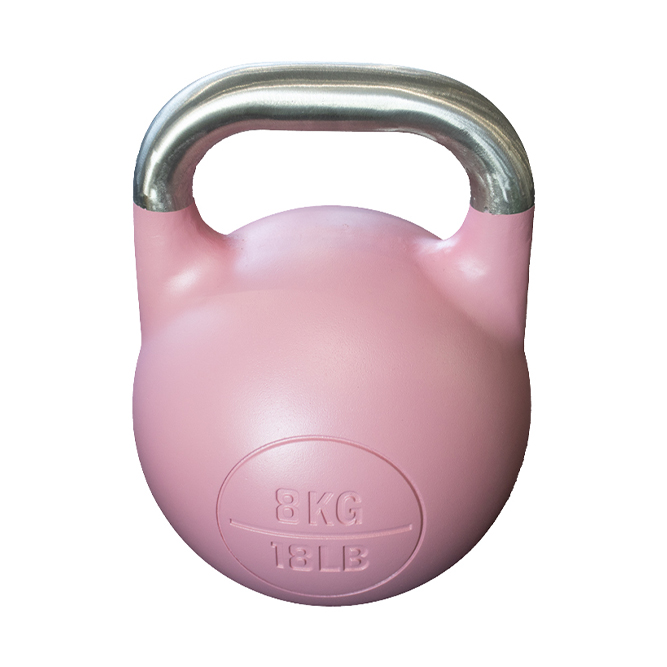
A professional China factory provides the necessary infrastructure to scale your private label offerings without compromising on the technical specifications of the equipment. Whether you are looking for sand-cast iron textures or high-end PU-coated finishes, working with an OEM partner allows you to control the aesthetic and functional details of every unit. By managing the process at the source, you can optimize your distributor margin through direct cost control and reduced intermediary fees. This approach is essential for importers who need to balance a competitive landed cost with the premium look required for high-end commercial gyms or specialized training centers.
Optimizing your inventory requires more than just a low MOQ; it requires a reliable fitness equipment OEM manufacturer that understands the nuances of mass customization. When sourcing wholesale imprinted kettlebells, the goal is to secure a production partner capable of executing precision branding—such as recessed logos or high-durability powder-coated imprints—that withstand heavy commercial usage. This strategic vertical integration helps prevent the common pitfalls of third-party branding failures, such as peeling or fading, which can damage your brand reputation during client inspections.
Technical Comparison of Branding and Coating Methods
Choosing the correct production route is a critical decision for procurement officers evaluating the long-term durability of their inventory. The method used to apply a logo or finish directly impacts the product's lifecycle and the maintenance load for the end-user. For instance, a logo imprint kettlebell manufacturer may offer different solutions depending on whether the target market is a high-traffic commercial gym or a premium boutique studio. Understanding the trade-offs between structural casting and surface application is essential for managing total cost of ownership and ensuring your brand identity remains intact under heavy use.
When sourcing, distributors must differentiate between branding integrated during the casting process and branding applied via surface coatings. Sand casting allows for recessed logos that are physically part of the iron body, offering permanent visibility that cannot peel. In contrast, secondary processes like powder coating or PU coating provide a premium aesthetic and enhanced grip but require strict quality control to ensure coating adhesion. Selecting the right method allows you to optimize your product tiering—offas budget-friendly cast options for general fitness and high-end coated versions for premium clients.
| Material Type | Branding Process | Key Component Detail | Commercial Duty | MOQ Impact | Factory QC Point |
|---|---|---|---|---|---|
| Cast Iron | Sand Casting (Recessed) | Handle-to-body junction | Standard Commercial | Lower | Base flatness |
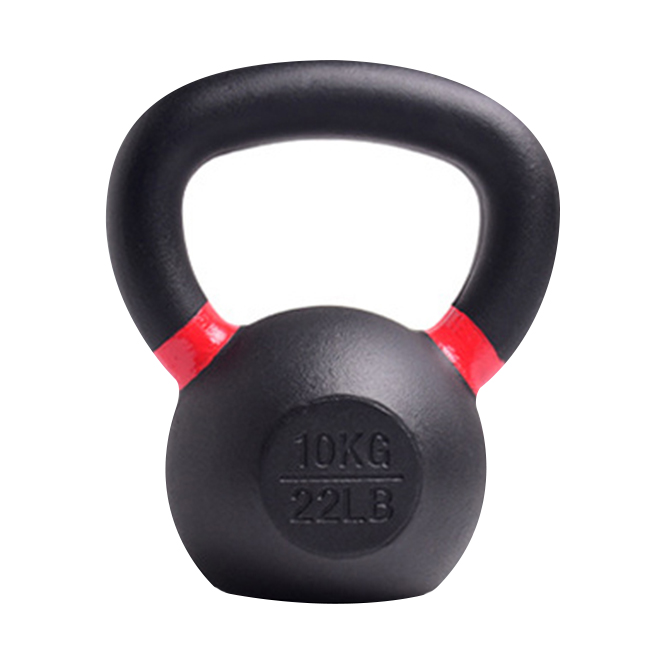
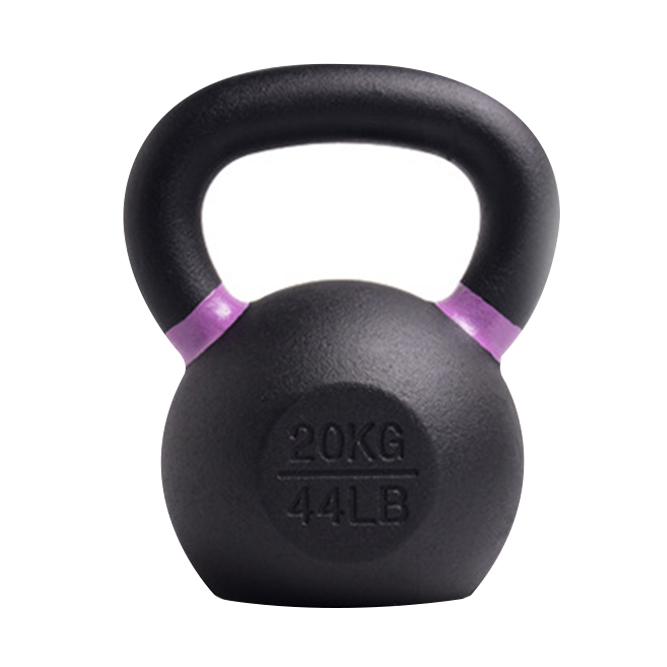
| Steel / Iron | Powder Coating | Coating adhesion layer | Premium Commercial | Moderate | Surface uniformity |
| Cast Iron | PU / Rubber Coating | Encapsulation layer | High-End / Boutique | Higher | Weight tolerance spot-check |
To ensure your procurement success, we recommend requesting a technical spec sheet or a sample evaluation before finalizing a bulk order. A reliable supplier will be able to demonstrate the durability of their coating methods and provide clarity on how branding affects the weight calibration of each unit. Whether you are focused on maximizing your wholesale volume or developing a high-margin private label line, verifying these technical details during the pre-shipment phase is vital for long-term profitability.
Pre-Shipment Quality Control and Export Logistics
For distributors managing large-scale inventory, the risk of high return rates due to branding defects or shipping damage can quickly erode net profits. A professional logo imprint kettlebell manufacturer must implement a rigorous pre-shipment QC protocol that goes beyond basic weight checks. In a high-volume wholesale environment, quality control must specifically target the structural integrity of the branding. This includes verifying coating adhesion to ensure that powder or PU layers do not chip during heavy use, and inspecting logo clarity to ensure that recessed or printed designs remain legible and professional after repeated handling.
Effective sourcing also requires a clear understanding of the logistics chain to manage the final landed cost and delivery timelines. When placing bulk orders, the China factory must provide transparent lead time estimates that account for both the custom branding production phase and the standard manufacturing cycle. Furthermore, specialized export packaging is non-negotiable for heavy iron or steel equipment. To minimize warehouse damage and transit loss, units should be packed in reinforced cartons with adequate edge protection, ensuring that the weight and density of the kettlebells do not compromise the structural integrity of the shipping containers or the branding finish during long-distance maritime transit.
Material Selection and Casting Processes for Commercial Durability
When sourcing for high-traffic fitness facilities, the structural integrity of your inventory depends entirely on the precision of the logo imprint kettlebell manufacturer. For distributors and gym owners, selecting a China factory that utilizes high-grade gray iron or cast iron is critical to ensuring long-term commercial durability and reducing replacement frequency. Low-quality casting often leads to structural fractures or uneven weight distribution, which increases the total cost of ownership for the end-user.
The production of custom branded kettlebells typically begins with the sand casting process. This method is industry-standard for creating the robust, single-piece shells required for heavy-duty use. A professional fitness equipment OEM manufacturer ensures that the molten metal flows seamlessly into the mold to prevent air pockets or surface vulnerabilities. This level of control is essential when you are managing wholesale orders where weight consistency and handle-to-body integrity are non-negotiable for professional standards.
Effective wholesale imprinted kettlebells must undergo rigorous surface treatments to withstand constant friction and environmental exposure. Beyond the initial casting, the process involves CNC machining for handle refinement and specialized coating applications. Whether you are requesting a powder coating for enhanced grip or a phosphate treatment for rust resistance, the sourcing decision should always prioritize the adhesion strength of the finish to prevent premature peeling in high-intensity commercial environments.
Commercial Material and Finish Comparison
Navigating the technical specifications of different kettlebell types is essential for optimizing your procurement strategy. Depending on your target market—whether it is budget-friendly commercial gyms or premium boutique studios—the choice of material and coating will directly impact your landed cost and the perceived value of your brand. A professional logo imprint kettlebell manufacturer will offer several distinct tiers of production to match these varying commercial requirements.
| Material Type | Common Process | Surface Finish | Commercial Application | Sourcing Note |
|---|---|---|---|---|
| Cast Iron | Sand Casting | Powder Coating | Standard Commercial Gyms | High wholesale availability; standard for custom branded kettlebells |
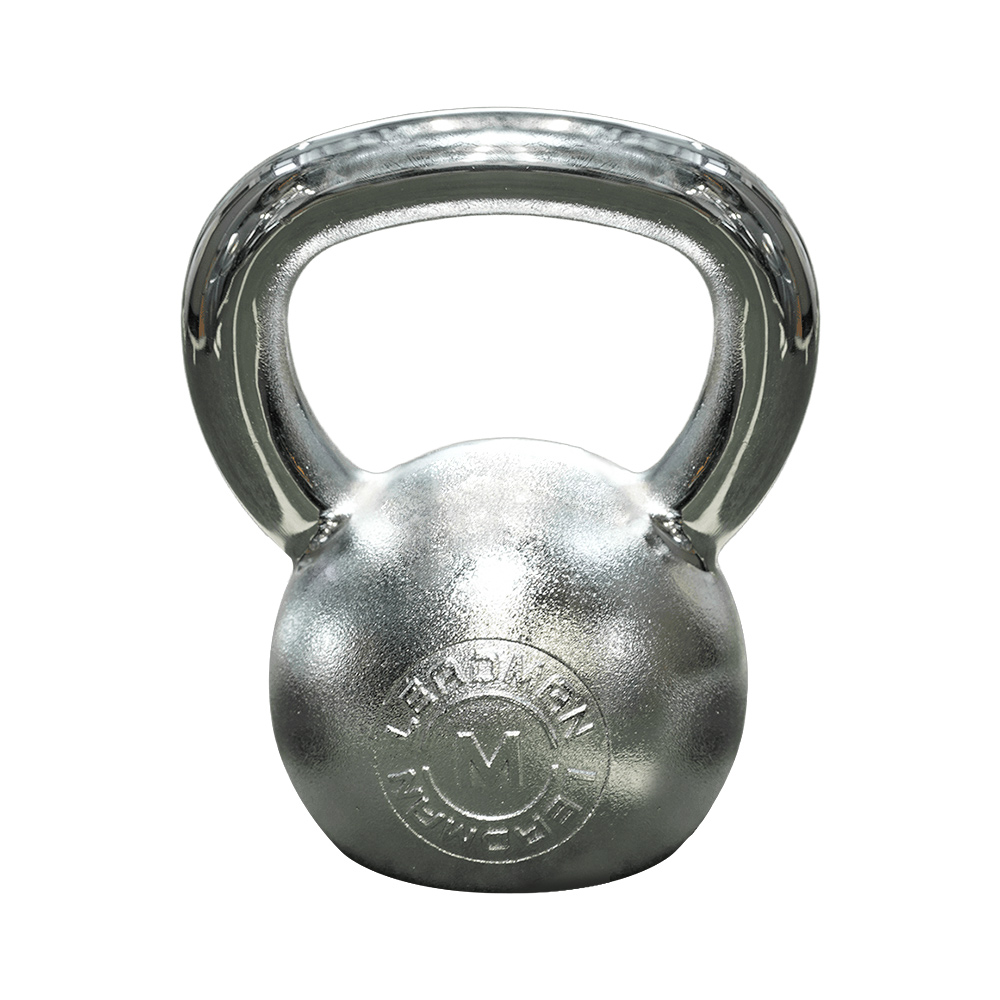
| Solid Steel | Machining & Welding | Chrome Finish | Competition & Premium Studios | Higher MOQ; requires precision factory calibration |
| Cast Iron | Injection/Molding | PU Coating | Boutique & Home-Gym Retail | Optimized for aesthetics and floor protection |
When evaluating a supplier, it is important to distinguish between simple paint applications and professional-grade finishes. For example, a standard powder coating provides a durable, textured surface that is highly resistant to chipping, whereas a PU coating offers a smoother, more premium feel often requested for high-end studio branding. During the sourcing process, we recommend requesting a sample to inspect the coating adhesion and the handle-to-body junction integrity. This ensures that your wholesale imprinted kettlebells maintain a consistent brand identity even under heavy mechanical stress.
Pre-Shipment Inspection and Quality Control Standards
For international importers and distributors, the final stage of the production cycle is arguably the most critical for protecting your margins. A reliable logo imprint kettlebell manufacturer does not simply pack orders; they implement a multi-stage QC protocol that covers every aspect of the product, from the casting core to the final branding. Without a rigorous pre-shipment inspection, you risk receiving batches with inconsistent weight tolerances or defective surface finishes that can damage your reputation as a premium supplier.
Standard professional QC protocols in a reputable China factory focus on three specific areas: weight calibration, handle-to-body junction integrity, and coating adhesion. During the inspection, technicians typically perform spot-checks on weight consistency to ensure the bells fall within acceptable commercial tolerance bands. Furthermore, the durability of the custom branded kettlebells is verified by testing the bond between the base metal and the powder coating or PU layer. This ensures that the branding remains intact and the surface does not flake or peel during heavy use, which is a common failure mode in low-tier production.
When managing bulk logistics, we recommend that buyers request a detailed inspection report or a sample approval process before the final container loading. A professional fitness equipment OEM manufacturer will provide transparency regarding the manufacturing steps, including the CNC machining of the handle and the final calibration. By focusing on these technical checkpoints, you can mitigate the risk of high return rates and ensure that your wholesale imprinted kettlebells meet the high expectations of professional gym operators and commercial clients worldwide.
Comparing Custom Branded Kettlebells and Standard Wholesale Options
When evaluating procurement strategies, professional buyers must distinguish between the immediate low cost of generic inventory and the long-term ROI of a specialized logo imprint kettlebell manufacturer. While standard wholesale orders satisfy basic stock requirements, they offer limited differentiation in a competitive fitness market.
For distributors and gym owners, the decision to move from generic wholesale units to custom branded kettlebells is a strategic shift from simple procurement to asset building. A China factory capable of high-level OEM production allows you to embed your brand identity directly into the physical hardware, transforming a consumable piece of equipment into a proprietary professional tool. This transition significantly impacts your total cost of ownership and market positioning.
| Procurement Tier | Product Type | Primary Value Driver | Branding Capability | Long-term ROI Potential |
|---|---|---|---|---|
| Standard Wholesale | Generic Cast Iron | Low Initial Capex | None or basic sticker | Low - Commodity pricing |
| Professional OEM | custom branded kettlebells | Brand Equity | Laser or Molded Logo | High - Proprietary feel |
| Premium Private Label | Competition-spec Steel | Market Leadership | Full brand identity Integration | Maximum - High resale/value |
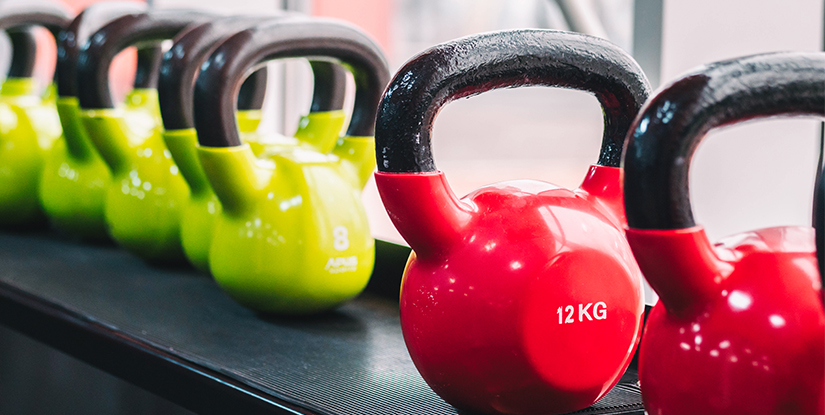
Choosing a dedicated fitness equipment OEM manufacturer ensures that your branding is not merely a surface-level addition but a permanent part of the manufacturing process, such as a precision-molded logo or high-adhesion coating. This level of detail reduces the risk of logo degradation during heavy use, ensuring your sourcing investment maintains its professional appearance over years of commercial service.
Technical Variables in Procurement Tiers
To optimize your total cost of ownership, it is essential to understand how material selection and manufacturing depth dictate the landed cost and durability of your inventory. A specialized logo imprint kettlebell manufacturer will typically offer different tiers of production that vary by surface treatment and weight tolerance stability.
| Material Axis | Process Detail | Key Component | Commercial Duty | MOQ Impact | Factory QC Point |
|---|---|---|---|---|---|
| Gray Iron | Sand Casting | Base Flatness | Standard Commercial | Lower MOQ | Surface Uniformity |
| Solid Steel | CNC Machining | Knurling Depth | Professional/Competition | Medium MOQ | Handle-to-body Junction |
| Cast Iron + PU | Dip Coating | Encapsulation Layer | Premium Studio/Boutique | Higher MOQ | Coating Adhesion |
When sourcing wholesale imprinted kettlebells, the primary variable is often the surface finish. While a standard powder coating is efficient for mass wholesale, a premium custom branded kettlebells order may require precision CNC machining for the handle to ensure consistent knurling depth. This level of detail is critical for high-end studio environments where grip integrity and brand prestige are paramount. A professional fitness equipment OEM manufacturer will manage these technical nuances, ensuring that the weight calibration remains within industry-standard tolerances even after the branding or coating process is completed. Before finalizing your sourcing plan, we recommend requesting a sample to inspect the handle-to-body junction and the durability of the logo application under standard commercial usage conditions.
Precision in Handle Design and Surface Finishing
For professional importers and distributors, the technical integrity of the handle determines the long-term replacement rate and total cost of ownership. When sourcing from a logo imprint kettlebell manufacturer, the focus must extend beyond the visual logo to the structural ergonomics and surface durability. A poorly executed handle-to-body junction or inconsistent knurling can lead to grip failure or premature coating degradation, increasing maintenance loads for commercial gym operators.
High-tier custom branded kettlebells require a specific manufacturing sequence to ensure the handle remains functional under heavy use. The process typically begins with high-grade casting or machining to ensure the handle-to-body junction is seamless and structurally sound. Following the initial shaping, the precision knurling is applied to create a reliable texture that prevents slipping without causing user discomfort. This level of detail is a standard requirement for any fitness equipment OEM manufacturer aiming to supply premium commercial facilities.
To maintain high standards, a professional China factory implements rigorous weight tolerance and surface inspection protocols. During the production of wholesale imprinted kettlebells, the factory must monitor the concentricity of the handle and the adhesion of the powder coating or PU layer. These quality control steps ensure that the product meets the demands of high-traffic commercial environments, protecting the distributor's reputation and minimizing the need for bulk replacements due to surface chipping or handle defects.
Commercial Finish and Handle Specification Comparison
Selecting the correct surface treatment and handle profile is a critical procurement decision that directly impacts the landed cost and the long-term maintenance requirements of a gym facility. A mismatch between the chosen finish and the usage scenario can lead to rapid oxidation or coating failure, necessitating premature replacement. To assist in your sourcing strategy, the following table compares common commercial-grade options typically provided by a professional logo imprint kettlebell manufacturer.
| Material & Finish Type | Handle Texture / Knurling | Primary Commercial Duty | Maintenance Requirement | MOQ Impact |
|---|---|---|---|---|
| Cast Iron with Powder Coating | Medium depth precision knurling | High-traffic commercial gyms | Low; highly resistant to chipping | Standard wholesale tiers |
| Cast Iron with PU Coating | Smooth or subtle texture | Boutique studios & wellness centers | Moderate; requires surface care | Higher due to molding complexity |
| Solid Steel (Competition Spec) | High-precision deep knurling | Professional training & lifting clubs | Minimal; focus on plating integrity | Premium tier / specialized OEM |
| Bare Iron (Phosphate Treated) | Standard cast texture | Budget-conscious functional training | High; prone to oxidation if unmanaged | Lowest cost for bulk wholesale |
When evaluating your next batch, consider how the knurling depth and the handle-to-body junction will affect user experience and product longevity. For example, while a PU coated finish offers a premium aesthetic for high-end studio branding, it may require different storage considerations compared to a heavy-duty powder coating. We recommend requesting a sample evaluation or a detailed specification sheet from your supplier to confirm that the coating adhesion and handle ergonomics align with your specific market positioning and distributor margins.
When managing large-scale inventory or gym expansions, the distinction between budget and premium finishes becomes a critical factor in calculating total cost of ownership. A high-quality logo imprint kettlebell manufacturer ensures that the surface treatment—whether it is a durable powder coating or a smooth PU layer—is applied with consistent adhesion to prevent peeling under high-volume usage. For distributors, choosing the correct material profile is not just about aesthetics; it is about ensuring the longevity of the brand identity through the product's lifecycle.
The durability of the grip is often the first point of failure in lower-tier production. Professional custom branded kettlebells must undergo strict scrutiny regarding the handle-to-body junction and the depth of the knurling. If the knurling is too shallow, it lacks the necessary friction for heavy swings; if the junction is poorly cast, it creates a structural weak point. By sourcing through a specialized fitness equipment OEM manufacturer, buyers can ensure that the manufacturing sequence—from initial sand casting to final surface calibration—meets the rigorous standards required for commercial-grade equipment.
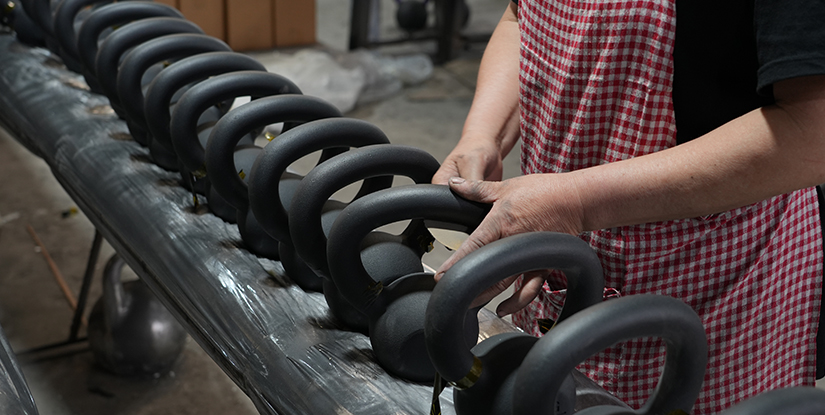
For those looking to optimize their procurement strategy, understanding the relationship between finish complexity and the final landed cost is essential. While specialized finishes might increase the initial wholesale unit price, they often lead to significantly lower long-term maintenance costs and higher client satisfaction. We suggest that importers and gym owners conduct a thorough sample approval process to inspect the coating adhesion and handle texture before committing to a full-scale bulk order.
China Factory QC Standards and Export Packaging Protocols
For professional distributors and gym equipment importers, the risk of receiving damaged or non-compliant inventory is a significant threat to profit margins. Relying on a reliable logo imprint kettlebell manufacturer ensures that every unit meets strict commercial weight tolerances and surface finish requirements before leaving the China factory. Without rigorous pre-shipment inspections, unexpected issues like coating peeling or weight discrepancies can drastically increase your landed cost through returns and replacements.
A professional fitness equipment OEM manufacturer implements a multi-stage quality control sequence to mitigate these supply chain risks. This typically begins with a weight tolerance spot-check on the raw cast iron or steel bodies to ensure consistency across the entire wholesale order. Following the casting and machining phases, we conduct a coating adhesion test to verify that the powder coating or PU layer remains intact under high-frequency commercial use. This attention to detail is critical when producing custom branded kettlebells, as any imperfection in the logo or surface finish directly impacts your brand identity.
Beyond product integrity, specialized export packaging protocols are essential for maintaining stability during long-distance sea freight. To protect the wholesale imprinted kettlebells from impact and moisture, we utilize heavy-duty corrugated cartons and reinforced palletizing. Each pallet is secured with industrial-grade shrink wrap and edge protectors to prevent shifting within the shipping container. By standardizing these export-ready procedures, we help our partners optimize their sourcing efficiency and ensure that bulk shipments arrive at the warehouse in showroom condition, ready for immediate distribution.
Inspection and Packaging Benchmarks for Bulk Procurement
To ensure high-performance standards for your inventory, we maintain a systematic approach to inspection and protection. A professional logo imprint kettlebell manufacturer must address both the technical precision of the product and the durability of the shipping configuration. The following tables provide the qualitative benchmarks used during our pre-shipment QC to help you evaluate supplier capability and prepare for your next bulk import.
| Inspection Point | Standard Commercial Focus | Critical QC Check |
|---|---|---|
| Weight Consistency | Uniformity across the batch | Weight tolerance spot-check |
| Surface Finish | Coating adhesion and texture | Logo clarity and coating integrity |
| Handle & Grip | Ergonomic and structural safety | Handle-to-body junction and knurling |
| Base Flatness | Stability during placement | Base surface smoothness |
Choosing the correct packaging tier is just as vital as the product quality itself when calculating your total landed cost. For high-volume orders, the choice between standard and reinforced options can significantly affect damage rates during sea freight. We offer different levels of protection to suit your specific warehouse handling capabilities and budget requirements.
| Packaging Type | Configuration Details | Ideal Sourcing Use Case |
|---|---|---|
| Standard Export | Single corrugated box with basic dividers | Standard wholesale distribution |
| Reinforced Commercial | Double-wall heavy-duty cartons and palletized stacking | Long-distance ocean freight and high-density storage |
When you finalize your custom branded kettlebells order, we recommend confirming the specific packaging requirements with your account manager. Whether you require customized inner boxing for retail-ready presentation or heavy-duty palletization for bulk warehouse distribution, our protocols are designed to protect your investment from the factory floor to your final destination.
Optimizing Inventory with Custom Branded Kettlebells and OEM Solutions
For distributors and gym equipment importers, managing warehouse efficiency is as critical as product quality. Partnering with a professional logo imprint kettlebell manufacturer allows you to move beyond generic stock toward high-margin, branded assets. By utilizing custom branded kettlebells, you can differentiate your product catalog, transforming a standard commodity into a signature offering that builds brand loyalty among your end-users.
Effective wholesale imprinted kettlebells sourcing strategies focus on maximizing both space/stocking/margin and long-term profitability. Rather than carrying excessive SKUs of unbranded, generic items, professional buyers leverage fitness equipment OEM manufacturer capabilities to consolidate their inventory. High-quality OEM production ensures that your branded sets are optimized for container loading and warehouse storage, reducing the landed cost per unit while increasing the perceived value of your brand. This approach improves inventory turnover by providing a unique, professional-grade product that stands out in a crowded commercial market, ensuring that your sourcing decisions directly support your bottom line and market positioning.
Commercial Value and Inventory Tier Comparison
Selecting the appropriate finish is a strategic decision that impacts your distributor margins and warehouse management. A professional logo imprint kettlebell manufacturer provides various coating tiers to help you balance upfront procurement costs with long-term product durability and storage efficiency. When evaluating your next batch, consider how different surface treatments affect the perceived value and the maintenance requirements for your clients.
| Branding & Coating Type | Coating Material | Storage & Durability Profile | Margin Potential | MOQ Impact | China factory Capability |
|---|---|---|---|---|---|
| Cast Iron with Enamel | Paint / Enamel | Standard durability; requires dry storage | Moderate | Low | High efficiency for bulk orders |
| Powder Coated | Industrial Powder | High resistance to chipping and oxidation | High | Medium | Standardized production lines |
| PU Coated | Polyurethane | Premium protection; excellent for indoor use | Premium | Higher | Specialized molding processes |
| Chrome Finish | Chrome-manganese Steel | Superior longevity; high-end aesthetic | Highest | Significant | Precision machining and plating |
When negotiating with a fitness equipment OEM manufacturer, clarify the specific application methods for your chosen finish. For example, the adhesion of a powder coating to the cast iron base is a critical factor in reducing long-term replacement costs. For high-end studio clients, investing in specialized coatings can justify a higher price point, whereas standard powder coating remains a reliable, high-volume option for general gym wholesale distribution. Always confirm with your supplier the specific production requirements for your branding to ensure the logo remains intact through the coating process.
Streamlining Logistics and Lead Times for Bulk Procurement
Efficient supply chain management requires more than just product selection; it demands a partner who understands the logistical complexities of international freight. A reliable logo imprint kettlebell manufacturer provides the predictability necessary for maintaining stable inventory levels. When planning large-scale distributions, professional buyers must account for the total lead time, which includes the sequence of sand casting, precision machining, surface coating, and the final weight calibration to ensure strict tolerance compliance.
To minimize the landed cost and optimize container utilization, working directly with a China factory offers significant advantages in export packaging and shipping efficiency. Standardized, high-density packaging solutions—such as reinforced heavy-duty cartons or custom palletization—are essential for protecting the integrity of the coating and the handle-to-body junction during long-distance transit. By aligning your sourcing schedule with the manufacturer's production cycles, you can better manage your warehouse capacity and ensure that high-demand weight sets arrive precisely when your distribution channels require them. Whether you are managing a single container or multiple shipments, a clear understanding of the MOQ and the production workflow allows for more accurate forecasting and improved long-term profitability.