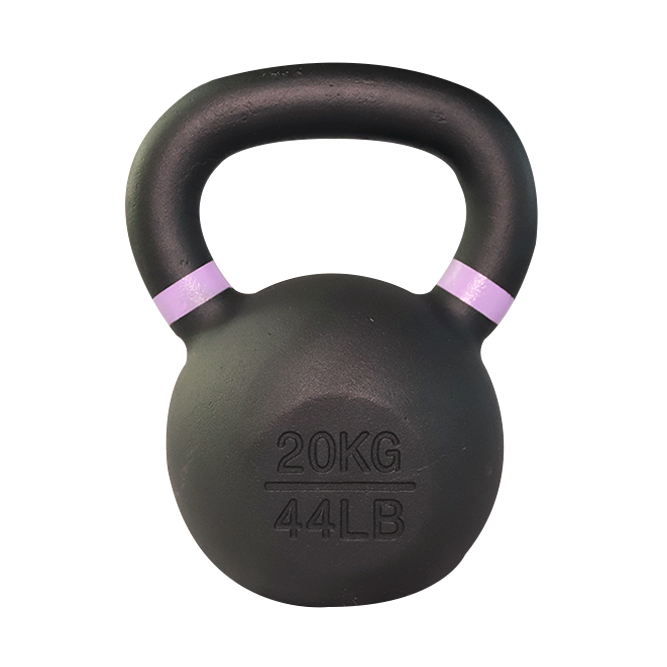
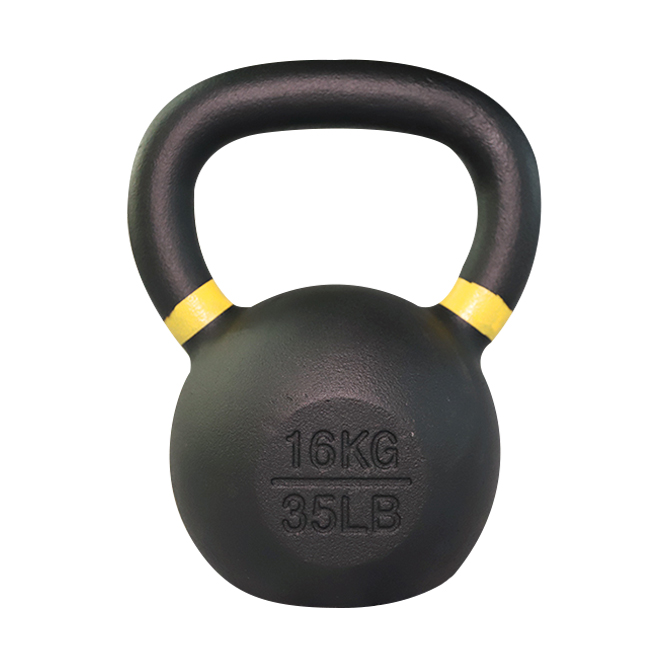
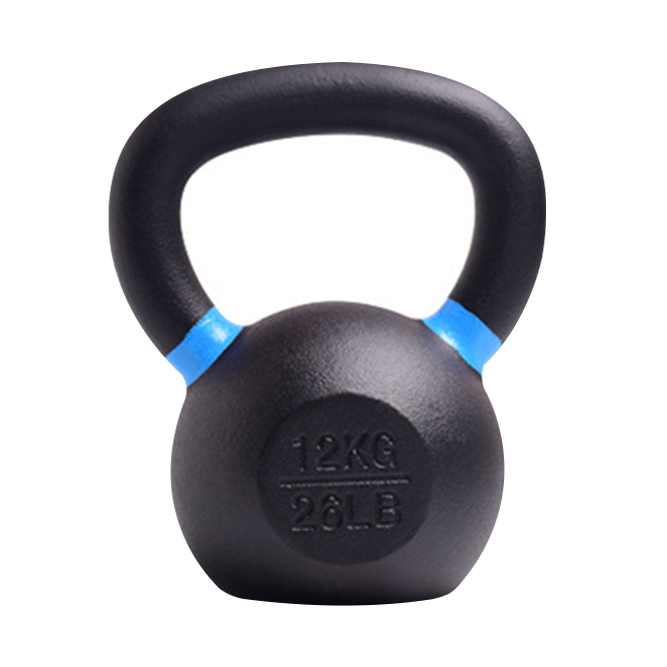
Large Ear Kettlebell Manufacturer: OEM ODM from China
The True Cost of Low-Quality Sourcing: Why Selecting a Large Ear Kettlebell Manufacturer Matters
For distributors managing large-scale studio rollouts or hotel gym renovations, the initial unit price is rarely the most important metric. When sourcing from a large ear kettlebell manufacturer, the real financial impact is determined by the long-term durability of the product in a high-use environment. A low initial purchase price often masks systemic issues in the manufacturing chain that lead to much higher replacement rates and diminished brand reputation.
Procurement professionals often overlook the technical nuances of the casting and finishing stages. Inadequate sand casting techniques can result in significant casting defects, such as surface pitting or structural irregularities, which compromise the safety of the weight. Furthermore, if the commercial kettlebell supplier does not implement rigorous weight calibration protocols, your inventory will suffer from inconsistent weight distribution, leading to client dissatisfaction and potential liability issues in professional training settings.
The most common failure point in high-volume orders is the lack of reliable coating adhesion. Whether you are ordering wholesale cast iron kettlebells with a standard powder coating or a premium PU finish, a weak bond between the metal and the surface layer will cause the coating to flake or peel under repetitive impact. This not only affects the aesthetic quality of your custom branding kettlebell factory output but also exposes the raw iron to oxidation, rapidly increasing the total cost of ownership (TCO) through premature equipment degradation.
When calculating your landed cost, you must account for these potential expenses. A budget-tier factory might offer a lower MOQ, but if the commercial durability of the units fails within twelve months of heavy use, the cost of shipping replacements and the loss of distributor margins will far outweigh the initial savings. Choosing an experienced China factory that prioritizes standardized QC processes ensures that your investment remains a stable asset rather than a recurring liability.
Sourcing Tiers: Comparing Procurement Outcomes
To effectively manage your procurement budget, it is essential to distinguish between high-volume stock availability and high-spec production. Many importers mistakenly equate low price with high ROI, but in a commercial setting, the quality of the manufacturing route determines your actual replacement frequency and maintenance load. A professional large ear kettlebell manufacturer will provide clear distinctions between these tiers to assist your decision-making process.
The following table outlines the typical qualitative differences encountered when sourcing from a wholesale factory versus a high-end custom branding kettlebell factory. This comparison focuses on the technical aspects that impact your landed cost and long-term reliability.
| Material & Process | Key Component Focus | Commercial Duty Tier | Typical Sourcing Impact | Standard QC Point |
|---|---|---|---|---|
| Standard Sand Casting | Handle-to-body junction | Budget / Retail | Low MOQ / Low Initial Capex | Surface pitting & roughness |
| Refined Casting + Powder Coating | Knurling & Grip Texture | Commercial / Professional | Standard wholesale volume | Coating adhesion & base flatness |
| Precision Casting + PU/Rubber Coating | Weight Calibration & Concentricity | Premium / High-Traffic Studio | High OEM / ODM potential | Weight tolerance & structural integrity |
When evaluating a commercial kettlebell supplier, always request a technical spec sheet that details the specific casting process and finishing methods used. For instance, a China factory specializing in high-end wholesale cast iron kettlebells should be able to demonstrate consistent weight calibration and high-quality surface finish standards. Neglecting these details during the sourcing phase can lead to increased replacement costs and a failure to meet the rigorous demands of professional fitness environments.
Before finalizing your bulk order, we recommend requesting a sample evaluation or a formal factory audit to verify commercial duty standards. Confirming MOQ requirements and discussing custom branding options early in the process will ensure your product meets both your brand identity and your clients' durability expectations.
For distributors managing large-scale studio rollouts or hotel gym renovations, the initial unit price is rarely the most important metric. When sourcing from a large ear kettlebell manufacturer, the real financial impact is determined by the long-term durability of the product in a high-use environment. A low initial purchase price often masks systemic issues in the manufacturing chain that lead to much higher replacement rates and diminished brand reputation.
Procurement professionals often overlook the technical nuances of the casting and finishing stages. Inadequate sand casting techniques can result in significant casting defects, such as surface pitting or structural irregularities, which compromise the safety of the weight. Furthermore, if the commercial kettlebell supplier does not implement rigorous weight calibration protocols, your inventory will suffer from inconsistent weight distribution, leading to client dissatisfaction and potential liability issues in professional training settings.
The most common failure point in high-volume orders is the lack of reliable coating adhesion. Whether you are ordering wholesale cast iron kettlebells with a standard powder coating or a premium PU finish, a weak bond between the metal and the surface layer will cause the coating to flake or peel under repetitive impact. This not only affects the aesthetic quality of your custom branding kettlebell factory output but also exposes the raw iron to oxidation, rapidly increasing the total cost of ownership (TCO) through premature equipment degradation.
When calculating your landed cost, you must account for these potential expenses. A budget-tier factory might offer a lower MOQ, but if the commercial durability of the units fails within twelve months of heavy use, the cost of shipping replacements and the loss of distributor margins will far outweigh the initial savings. Choosing an experienced China factory that prioritizes standardized QC processes ensures that your investment remains a stable asset rather than a recurring liability.
Material and Casting Standards for Commercial-Grade Kettlebells
When sourcing from a large ear kettlebell manufacturer, understanding the distinction between consumer-grade and professional-grade production is critical for long-term TCO. For distributors and gym owners, the quality of the base material directly impacts the replacement rate and client satisfaction. High-volume wholesale orders typically require standardized sand casting to ensure the bell remains structurally sound under heavy use.
Reliable commercial kettlebell supplier partners prioritize the casting-to-coating pipeline to prevent common failures like handle-to-body separation or premature oxidation. A professional China factory will implement a sequence involving casting, machining for handle smoothness, and rigorous weight calibration to maintain consistency across large shipments. Choosing a custom branding kettlebell factory that manages these technical steps in-house reduces the risk of receiving inconsistent batches that damage your brand reputation.
| Material Tier | Primary Process | Surface Finish | Commercial Duty | Procurement Focus |
|---|---|---|---|---|
| Cast Iron | Sand Casting | Powder Coating | High (Commercial) | Durability & TCO |
| Ductile Iron | Precision Casting | Enamel/Paint | Premium (Studio) | Aesthetics & Smoothness |
| Steel | Machining/Welding | Chrome/Vinyl | Specialized | Precision & Grip |
Material Selection and Weight Calibration Standards
The structural integrity of a kettlebell depends on the quality of the gray iron used in the sand casting process. In a professional wholesale context, importers must verify that the large ear kettlebell manufacturer performs a concentricity check. This ensures the weight is evenly distributed, preventing the "wobble" effect that can lead to user injury or increased maintenance loads in a commercial setting.
For wholesale cast iron kettlebells, the surface finish is just as vital as the core weight. A standard factory will utilize a multi-stage powder coating line to ensure high coating adhesion. This prevents the finish from chipping during high-impact movements, which is a common failure mode in lower-tier production. When evaluating a supplier, always request details regarding their weight tolerance protocols and their ability to handle OEM requests for specific handle textures or custom logo embossing.
When sourcing from a large ear kettlebell manufacturer, understanding the distinction between consumer-grade and professional-grade production is critical for long-term TCO. For distributors and gym owners, the quality of the base material directly impacts the replacement rate and client satisfaction. High-volume wholesale orders typically require standardized sand casting to ensure the bell remains structurally sound under heavy use.
Reliable commercial kettlebell supplier partners prioritize the casting-to-coating pipeline to prevent common failures like handle-to-body separation or premature oxidation. A professional China factory will implement a sequence involving casting, machining for handle smoothness, and rigorous weight calibration to maintain consistency across large shipments. Choosing a custom branding kettlebell factory that manages these technical steps in-house reduces the risk of receiving inconsistent batches that damage your brand reputation.
| Material Tier | Primary Process | Surface Finish | Commercial Duty | Procurement Focus |
|---|---|---|---|---|
| Cast Iron | Sand Casting | Powder Coating | High (Commercial) | Durability & TCO |
| Ductile Iron | Precision Casting | Enamel/Paint | Premium (Studio) | Aesthetics & Smoothness |
| Steel | Machining/Welding | Chrome/Vinyl | Specialized | Precision & Grip |
Critical Inspection Points for Weight Calibration and Handle Integrity
When sourcing high-volume inventory, procurement professionals must look beyond surface aesthetics to address fundamental structural risks. A reliable large ear kettlebell manufacturer must provide rigorous documentation regarding weight accuracy and structural stability to protect your distributor margins and brand reputation. Inconsistent weight distribution or structural flaws can lead to high return rates and diminished T0 (total cost of ownership) value for your end-users.
Weight inaccuracies often stem from a substandard casting process, where uneven metal distribution occurs during the cooling phase. For a commercial kettlebell supplier, ensuring a consistent weight calibration standard is vital. Without strict QC protocols, a batch may arrive with significant deviations, complicating your inventory management and client trust. Furthermore, the handle integrity is a non-negotiable safety factor; any structural weakness at the handle-to-body junction can lead to catastrophic failure in a high-traffic gym environment. Whether you are ordering wholesale cast iron kettlebells or seeking a custom branding kettlebell factory for OEM production, verifying these technical benchmarks is essential for long-term commercial viability.
Technical Comparison of Manufacturing Standards
To mitigate procurement risks, importers should evaluate the qualitative differences between standard production routes. The following table outlines how different manufacturing tiers impact your total landed cost and long-term product reliability. When negotiating with a China factory, use these benchmarks to define your technical requirements for OEM or ODM projects.
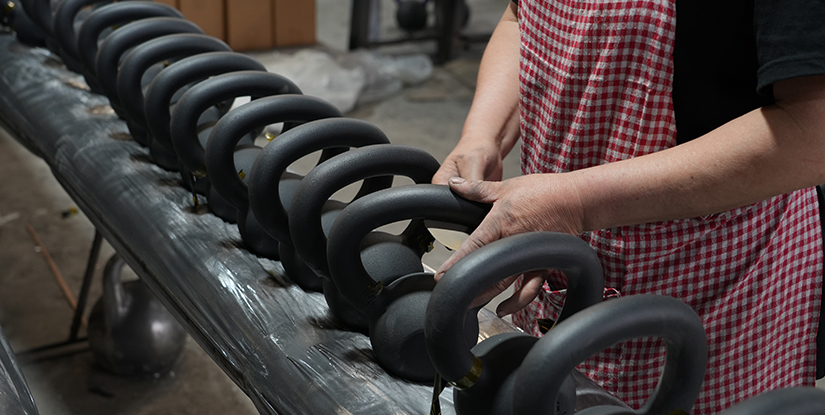
| Material & Process | Key Component Focus | Commercial Duty Tier | Typical Sourcing Impact | Factory QC Point |
|---|---|---|---|---|
| Sand Casting | Handle-to-body junction | Budget / Entry-level | Lower MOQ / High volume | Base flatness & weld strength |
| Precision Die Casting | Handle texture & knurling | Standard Commercial | Balanced lead time & cost | Weight tolerance band |
| Single-piece Cast Iron | Structural integrity | Premium / Professional | Higher MOQ / Specialized | Concentricity & surface finish |
| Powder Coated Steel | Coating adhesion | High-traffic Studio | Higher shipping weight | Peel resistance under impact |
A professional large ear kettlebell manufacturer will typically utilize a single-piece casting method for high-end commercial lines to ensure the handle-to-body junction remains a seamless, unbreakable unit. In contrast, lower-tier manufacturers may use two-piece assemblies that present a structural risk under heavy use. For distributors, choosing the right tier is a balance between initial wholesale pricing and the long-term maintenance load for your clients. Always request a sample evaluation to inspect the handle knurling depth and the smoothness of the casting finish before finalizing a bulk order.
Custom Branding and OEM/ODM Capabilities for Global Distributors
For distributors looking to build a premium market position, sourcing from a specialized large ear kettlebell manufacturer provides a significant competitive advantage. Moving beyond generic stock allows you to establish a distinct brand identity that resonates with high-end studio operators and professional gym chains. Whether you require specialized handle geometry or specific weight increments, a capable custom branding kettlebell factory can transform standard cast iron units into proprietary product lines.
The strategic value of OEM and ODM services lies in the ability to control product differentiation. By utilizing custom casting molds, you can define the unique ergonomics of the handle and the visual silhouette of the bell. Furthermore, offering specialized color customization through advanced powder coating allows your catalog to match specific interior design trends in the fitness industry, increasing the perceived value of your wholesale offerings.
However, procurement teams must balance these customization requests with logistical realities. Implementing a private label program requires careful planning regarding MOQ and lead time. Unlike off-the-shelf orders, custom projects involve additional stages in the production sequence—such as mold fabrication and specialized surface finishing—which must be factored into your landed cost calculations and inventory replenishment cycles. Working with an experienced supplier ensures that these custom specifications meet rigorous commercial-grade standards without compromising your delivery schedules.
Strategic Comparison of Sourcing Models
Selecting the appropriate procurement route depends on your business scale and the level of differentiation required for your target market. When evaluating a large ear kettlebell manufacturer, distributors must decide between high-turnover standard orders and high-margin custom programs. While wholesale cast iron kettlebells offer the lowest entry barrier, specialized OEM or ODM paths allow for greater market control through proprietary specifications.
| Sourcing Tier | Primary Focus | Customization Scope | Typical MOQ Impact | Factory QC Focus |
|---|---|---|---|---|
| Standard Wholesale | High Volume / Low Cost | Standard powder coating and stock colors | Lower MOQ for rapid replenishment | Weight calibration and base flatness |
| Custom Branding | Brand Identity / Premiumization | Logo embossing and custom color batches | Medium MOQ per SKU | Coating adhesion and logo clarity |
| Full OEM / ODM | Market Leadership / Innovation | Custom sand casting molds and handle geometry | Higher MOQ due to mold investment | Full dimensional tolerance and specialized finish |
For importers, the choice between these tiers directly affects the total landed cost and long-term inventory strategy. A commercial kettlebell supplier can provide standard wholesale cast iron kettlebells for immediate stock availability, but a custom branding kettlebell factory is essential if you intend to launch a signature product line. Always verify the packaging and shipping cost implications for custom-molded items, as unique dimensions or specialized weight-stacking configurations can influence container loading efficiency and your final distributor margins.
For distributors looking to build a premium market position, sourcing from a specialized large ear kettlebell manufacturer provides a significant competitive advantage. Moving beyond generic stock allows you to establish a distinct brand identity that resonates with high-end studio operators and professional gym chains. Whether you require specialized handle geometry or specific weight increments, a capable custom branding kettlebell factory can transform standard cast iron units into proprietary product lines.
The strategic value of OEM and ODM services lies in the ability to control product differentiation. By utilizing custom casting molds, you can define the unique ergonomics of the handle and the visual silhouette of the bell. Furthermore, offering specialized color customization through advanced powder coating allows your catalog to match specific interior design trends in the fitness industry, increasing the perceived value of your wholesale offerings.
However, procurement teams must balance these customization requests with logistical realities. Implementing a private label program requires careful planning regarding MOQ and lead time. Unlike off-the-shelf orders, custom projects involve additional stages in the production sequence—such as mold fabrication and specialized surface finishing—which must be factored into your landed cost calculations and inventory replenishment cycles. Working with an experienced supplier ensures that these custom specifications meet rigorous commercial-grade standards without compromising your delivery schedules.
Optimizing Your Procurement: MOQ, Lead Times, and Export Logistics
Navigating the complexities of international sourcing requires a clear understanding of how production scale impacts your bottom line. When selecting a large ear kettlebell manufacturer, distributors must align their inventory cycles with the specific operational constraints of a China factory. Efficient procurement is not merely about unit price, but about managing the variables of MOQ, lead time, and shipping reliability to maintain healthy distributor margins.
For companies managing wholesale distribution, the relationship between order volume and the production cycle is critical. Large bulk orders often require advanced scheduling to ensure that casting, coating, and weight calibration processes do not overlap with peak seasonal demand. Failing to account for these windows can result in stockouts or increased landed cost due to rushed shipping schedules. A professional commercial kettlebell supplier will provide transparent timelines, allowing you to coordinate container loading and ocean freight with precision.
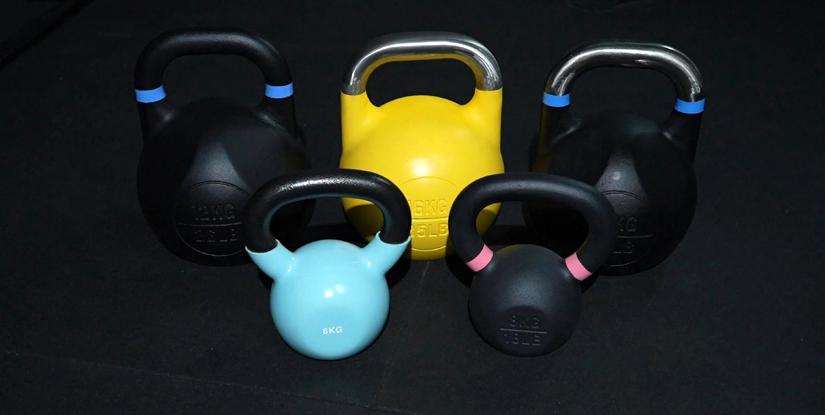
Whether you are pursuing custom branding kettlebell factory services or sourcing standard wholesale cast iron kettlebells, proactive planning minimizes risk. We recommend coordinating with your supplier at least 60 to 90 days prior to your required arrival date to accommodate both the production cycle and international transit. This strategic approach ensures that your OEM or ODM requirements are met without compromising the quality of the final export batch.
Procurement Model Comparison: Stock vs. Customization
Selecting the right sourcing strategy depends on your current market positioning and capital availability. A professional large ear kettlebell manufacturer typically offers two distinct pathways: purchasing ready-to-ship inventory or engaging in full-scale production for proprietary product lines. Choosing between these models impacts your MOQ, lead time, and overall brand equity.
| Procurement Scenario | Primary Focus | Customization Level | Typical MOQ | Production Lead Time | Commercial Application |
|---|---|---|---|---|---|
| Standard Stock Order | Rapid Inventory Turnover | Low (Standard Colors/Weights) | Lower (Tiered wholesale) | Short (Ready to Ship) | Retailers and Boutique Studios |
| OEM Production | Brand Identity & Differentiation | High (Logo, Color, Handle Texture) | Higher (Bulk/Container Load) | Longer (Casting to QC Cycle) | Distributors and Large Gym Chains |
| ODM Development | New Product Innovation | Full (Shape, Material, Specs) | Highest (Project Based) | Extended (R&D + Production) | Global Fitness Brands |
For distributors seeking to build a premium brand, utilizing a custom branding kettlebell factory is the most effective way to move away from generic commodity competition. While OEM orders require a larger upfront commitment and longer lead time, the ability to control the handle texture, coating adhesion, and weight calibration ensures a higher standard of commercial durability. Conversely, if your goal is to quickly fulfill a sudden demand for wholesale cast iron kettlebells, sourcing from existing stock offers the fastest way to optimize your landed cost and minimize warehouse downtime.
To ensure a smooth sourcing process, we recommend requesting a detailed spec sheet and a sample approval for any custom project. Before finalizing a large bulk purchase, confirm the factory capacity for your specific MOQ to avoid unforeseen delays in the export-ready schedule.
Export Logistics and Container Loading Optimization
Managing the final stage of the supply chain is essential for controlling the total landed cost of your shipment. For high-volume importers, the efficiency of export packaging directly impacts both transit damage risks and container utilization rates. A professional large ear kettlebell manufacturer utilizes reinforced, heavy-duty corrugated boxes and standardized palletization to protect the integrity of the powder coating and the precision of the weight calibration during long-haul ocean freight.
When arranging wholesale cast iron kettlebells, your supplier should provide a detailed packing list that includes volumetric weight and exact dimensions for container loading. Optimizing the space within a 20ft or 40ft HC container is a critical lever for distributors to maximize their ROI per shipment. We recommend a pre-shipment inspection that specifically evaluates the durability of the export packaging and the stability of the palletized loads before they are sealed and dispatched from the China factory. This rigorous QC step ensures that your inventory arrives at your warehouse in a condition ready for immediate commercial distribution.
Strategic Sourcing Checklist for Professional Importers
Before finalizing your procurement contract with a large ear kettlebell manufacturer, professional distributors must verify technical compliance to ensure long-term product reliability. Successful sourcing requires moving beyond basic aesthetic checks to validate the core manufacturing integrity that protects your distributor margins and brand reputation.
A comprehensive inspection protocol should prioritize the technical stability of the casting process to prevent structural flaws. Importers should request documentation or video evidence of weight calibration routines to ensure each unit meets the declared weight within industry-standard tolerances. Furthermore, verifying coating adhesion is critical; a high-quality commercial kettlebell supplier will demonstrate that the powder coating or enamel layer can withstand repeated impact and friction without chipping or peeling.
When negotiating with a custom branding kettlebell factory, always clarify the MOQ for specialized OEM requests and the estimated lead time for wholesale production runs. We recommend requesting a detailed specification sheet and a physical sample to audit the handle-to-body junction and surface finish before committing to a full container load.
Technical Comparison of Production Standards
To optimize your landed cost and product longevity, importers must distinguish between different manufacturing tiers. Selecting the correct production method directly impacts the durability of your inventory and the maintenance requirements for your end-users. The following table outlines the qualitative differences commonly encountered when evaluating a large ear kettlebell manufacturer for bulk orders.
| Material & Process | Key Component Detail | Commercial Duty Tier | Wholesale Pricing Impact | Typical Factory QC Point |
|---|---|---|---|---|
| Sand Casting + Powder Coating | Cast Iron Body | Standard Commercial | Budget-Friendly | Base Flatness & Coating Adhesion |
| Die Casting + PU Coating | Smooth Surface Finish | Premium Commercial | Moderate Premium | Handle-to-Body Junction Integrity |
| Single-Piece Cast Iron | Integrated Handle | High-Durability/Rugged | Standard Wholesale | Weight Calibration & Concentricity |
| wholesale cast iron kettlebells | Standard Grip Texture | Entry-Level/Bulk | Lowest Cost | Surface Smoothness |
Choosing between a single-piece cast design and a two-piece assembly depends on your target market's usage intensity. While single-piece units offer superior structural integrity for heavy-duty training, coated options provide better floor protection and branding surfaces. Always confirm the specific custom branding kettlebell factory capabilities regarding logo application methods—whether through paint stenciling or heat-transfer—to ensure your brand identity remains intact through high-volume use.
Once you have evaluated these technical specifications, the final step in a professional procurement workflow is to formalize the requirements. We suggest requesting a formal quote that includes the breakdown of commercial kettlebell supplier lead times, packaging dimensions for container loading efficiency, and specific large ear kettlebell manufacturer protocols for pre-shipment inspection to mitigate any potential transit or quality risks.
Finalizing Logistics and Export Standards
A successful procurement cycle concludes with the coordination of specialized export logistics. For professional importers, the final cost is not merely the unit price, but the total landed cost, which includes ocean freight, duties, and the efficiency of container loading. A reliable large ear kettlebell manufacturer will provide precise carton dimensions and weight data to help you optimize container utilization and minimize shipping expenses per unit.
To protect your inventory during long-distance transit, ensure the factory utilizes reinforced export packaging. This typically includes heavy-duty corrugated boxes and standardized palletization to prevent shifting or crushing. Before the final shipment leaves the China factory, we highly recommend scheduling a third-party pre-shipment inspection. This audit should focus on the weight tolerance of the wholesale cast iron kettlebells, the durability of the handle texture, and the overall integrity of the branding application.
Whether you are engaging in a simple wholesale purchase or a complex OEM production run, clear communication regarding ODM design specifications and MOQ thresholds is vital. To move forward with your order, please contact us to request a formal quote, detailed technical spec sheets, or to discuss customized branding solutions for your next commercial shipment.