Kettlebell Warranty Manufacturer: OEM ODM Manufacturing
The High Cost of Substandard Sourcing: Why a Kettlebell Warranty Manufacturer Matters
Procurement professionals often face a critical choice between minimizing immediate upfront costs and securing long-term asset stability. A common mistake is sourcing from untrusted vendors who prioritize low prices over durability, leading to high replacement costs and frequent inventory gaps. In contrast, partnering with a professional kettlebell warranty manufacturer ensures that your bulk orders meet rigorous commercial standards, protecting your long-term TCO and operational uptime.
When distributors or gym chains source from an unverified commercial kettlebell supplier, the financial risks extend far beyond the initial invoice. Substandard casting or poor surface treatments can lead to premature oxidation, handle failures, or weight inconsistencies that compromise user safety. These defects trigger a cycle of expensive returns, damaged brand reputation, and high logistics/damage risks during international transit. For high-volume importers, the cost of managing defective batches often outweighs the initial savings of a low-cost wholesale cast iron kettlebells order, making a reliable China factory partner essential for maintaining healthy profit margins.
Sourcing Comparison: Budget Trader vs. Professional Manufacturer
To effectively manage your procurement strategy, you must distinguish between low-tier trading companies and a legitimate kettlebell warranty manufacturer. While a trader may offer lower initial pricing, they often lack control over the actual production line, leaving you vulnerable to inconsistent quality. A professional custom kettlebell manufacturing partner provides direct oversight of the casting and coating stages, ensuring every unit meets your brand's specific requirements.
| Sourcing Type | Material Consistency | Surface Durability | QC Protocol | Business Impact |
|---|---|---|---|---|
| Budget/Trader | Variable cast iron quality | Basic paint or thin coating | Minimal or random spot-checks | High replacement frequency and high TCO |
| Professional supplier | Standardized gray iron/steel | Premium powder coating or PU | Rigorous pre-shipment inspection | Stable distributor margins and reliability |
Selecting a high-tier commercial kettlebell supplier allows you to mitigate the risks of weight deviation and surface peeling. For large-scale distributors, the ability to verify the weight calibration and coating adhesion directly at the factory is the difference between a profitable seasonal launch and a costly logistical headache. When negotiating MOQ and OEM specifications, always prioritize partners who offer a clear structural warranty to protect your landed cost and long-term client satisfaction.
The risk of "cheap" procurement becomes evident when batches arrive with irregular base flatness or uneven knurling. For a distributor, these are not just aesthetic flaws; they are indicators of poor weight calibration and unstable casting processes. Relying on a vendor that lacks professional custom kettlebell manufacturing capabilities means you are essentially gambling with your brand's credibility. If a batch of wholesale cast iron kettlebells arrives with inconsistent handle textures or peeling coatings, the resulting customer dissatisfaction and replacement requests will rapidly erode your distributor margins.
To prevent these high-cost errors, professional importers focus on the technical audit of the production sequence. A reliable kettlebell warranty manufacturer will demonstrate control over every stage—from the initial sand casting to the final powder coating application and the mandatory pre-shipment QC. By establishing a partnership with an experienced commercial kettlebell supplier, you transition from reactive crisis management to proactive inventory planning. This level of control is vital when managing large-scale imports where the goal is to optimize the landed cost while ensuring every unit delivered to your warehouse meets strict commercial-grade specifications.
Material Standards and Casting Processes for Commercial Durability
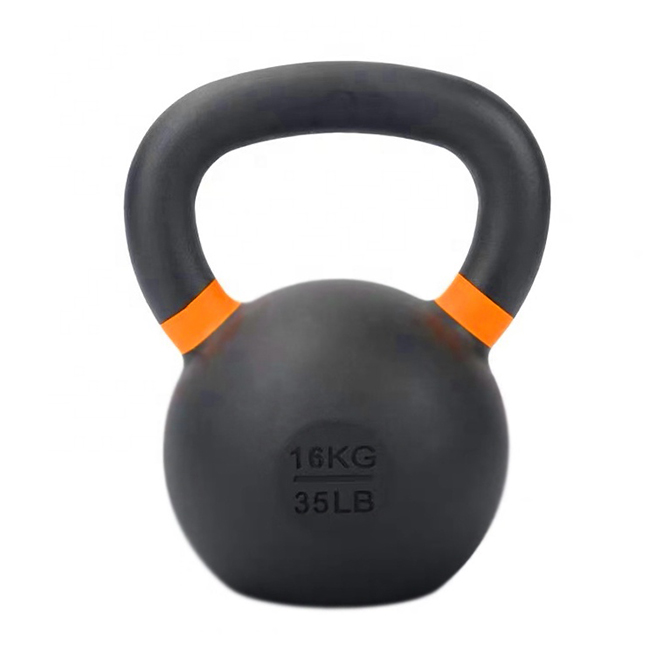
Reliability in high-traffic fitness environments depends on the fundamental integrity of the casting. When sourcing through a kettlebell warranty manufacturer, professional buyers must evaluate the transition from raw metal to finished product to ensure long-term commercial durability. High-quality wholesale cast iron kettlebells are typically produced via a standardized sand casting process, which ensures a dense, consistent core capable of withstanding heavy impact in commercial settings.
For distributors and gym equipment importers, understanding these manufacturing routes is essential for calculating the total cost of ownership. A China factory specializing in professional-grade equipment will follow a specific sequence: mold preparation, molten iron pouring, cooling, and subsequent machining to refine the handle and base. This meticulous approach prevents common failure modes such as structural cracking or uneven weight distribution that can compromise a commercial kettlebell supplier's reputation.
Standard production cycles in a professional factory involve several critical stages to maintain precision. After the initial casting, the bells undergo weight calibration and surface finishing—such as powder coating or enamel application—to ensure the grip remains functional and the base remains flat. For custom kettlebell manufacturing, these steps are vital to ensure that the OEM or ODM specifications meet the rigorous demands of international fitness standards and professional procurement requirements.
Comparison of Casting Methods and Surface Finishing for Procurement
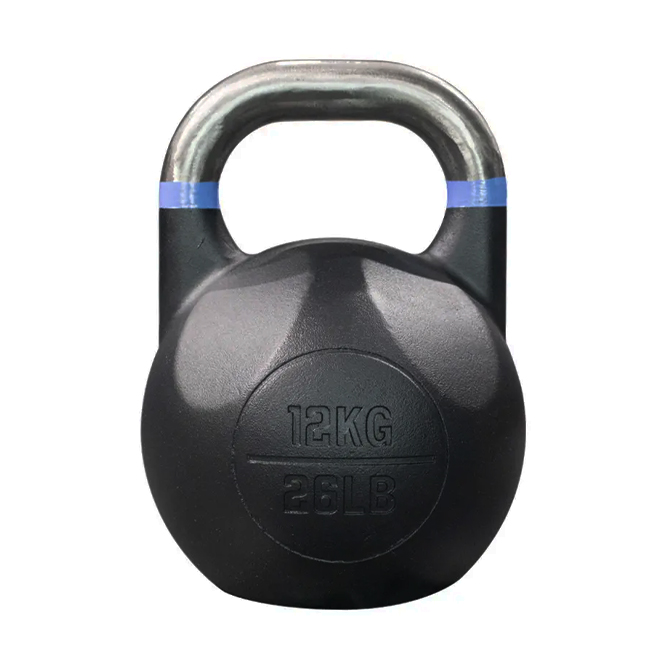
The selection between different manufacturing routes directly impacts both the landed cost and the long-term maintenance load for a facility. Procurement officers should evaluate whether a specific kettlebell warranty manufacturer utilizes standard casting or more specialized techniques, as this determines the product's suitability for high-intensity training environments. For instance, while sand casting is the industry standard for heavy-duty iron bells, specialized competition-grade units may require different metallurgical approaches to ensure perfect concentricity.
| Material Type | Primary Process | Surface Finishing | Commercial Duty Tier | MOQ Impact | Factory QC Point |
|---|---|---|---|---|---|
| Cast Iron | Sand Casting | Powder Coating | Standard Commercial | Lower | Base Flatness |
| Steel | Machining | Chrome Finish | Premium / Competition | Higher | Handle Smoothness |
| Iron Core | Casting | PU Coating | Studio / Boutique | Medium | Coating Adhesion |
When evaluating the surface layer, the choice between
powder coating
andPU coating
is a critical decision for a commercial kettlebell supplier. A high-qualitypowder coating
offers a durable, textured finish that resists chipping under heavy usage, making it ideal for high-volume weight rooms. Conversely,PU coating
provides a smoother, more ergonomic grip often preferred for boutique studios or premium home-gym settings. A professional supplier will provide clear documentation on these finishes to help importers manage expectations regarding product longevity and aesthetic maintenance. If your sourcing strategy requires specific grip textures or branding integration, ensure that the ODM partner can demonstrate consistent adhesion during their pre-shipment inspection protocols.Critical Inspection Points for Bulk Order Acceptance
Before any large-scale shipment leaves a China factory, rigorous inspection protocols must be executed to prevent costly returns or distributor dissatisfaction. For a professional kettlebell warranty manufacturer, the final quality control stage is not merely a visual check but a technical validation of mechanical and surface properties. Importers should verify that the manufacturer performs specific checks on the handle texture and the base flatness to ensure the units remain stable during high-intensity movement. A slight deviation in the base can lead to uneven wear or instability, which increases the long-term maintenance load for any commercial facility.
During the pre-shipment inspection, technical buyers should prioritize the evaluation of coating adhesion. Whether the order consists of wholesale cast iron kettlebells with a powder-coated finish or specialized PU-coated units, the coating must be structurally integrated with the iron core to prevent peeling under heavy use. This stage is particularly vital for custom kettlebell manufacturing, where unique branding or specific grip textures are applied. A reliable supplier will provide transparency regarding their weight tolerance spot-checks and the durability of the handle-to-body junction, ensuring that the total landed cost is not compromised by high replacement rates or client complaints. When managing high-volume sourcing, confirming these QC benchmarks during the sample approval stage is the best way to secure long-term distributor margins and operational efficiency.
Comparing Commercial-Grade Kettlebell Manufacturing Options
Selecting a reliable kettlebell warranty manufacturer is a strategic decision for distributors and gym owners looking to minimize long-term maintenance costs. In high-traffic environments, the difference between a premium batch and a budget run lies in the structural integrity of the casting and the adhesion of the surface finish. When sourcing in bulk, understanding the technical trade-offs between different production methods is essential for protecting your margins and ensuring product longevity.
For importers, the primary risk involves inconsistent weight distribution or premature coating failure. A professional commercial kettlebell supplier must provide rigorous documentation regarding their production sequence, typically moving from raw material melting to precise calibration. Relying on a China factory that utilizes standardized industrial processes ensures that your landed cost remains low without sacrificing the professional standards required by global fitness chains.
| Material & Process | Primary Finish | Commercial Durability | Typical Sourcing Use Case |
|---|---|---|---|
| Sand Casting (Cast Iron) | Powder Coating | High (Heavy Duty) | Standard Gyms & Crossfit Boxes |
| Die Casting (Iron/Steel) | Enamel or Paint | Medium (Standard Duty) | Studio & Boutique Fitness |
| Machined Steel | Chrome Finish | Premium (Competition) | High-End Training Facilities |
| Cast Iron Base | PU or Rubber Coating | High (Floor Protection) | Commercial Strength Training |
When evaluating custom kettlebell manufacturing, buyers should inspect the quality of the wholesale cast iron kettlebells at the calibration stage. A reputable supplier will focus on the transition between the handle and the body to ensure there are no structural weak points. Before finalizing a bulk order, we recommend requesting a sample to verify the coating adhesion and the consistency of the grip texture, which are critical factors for long-term commercial-grade performance.
Technical Specification Divergence in Bulk Sourcing
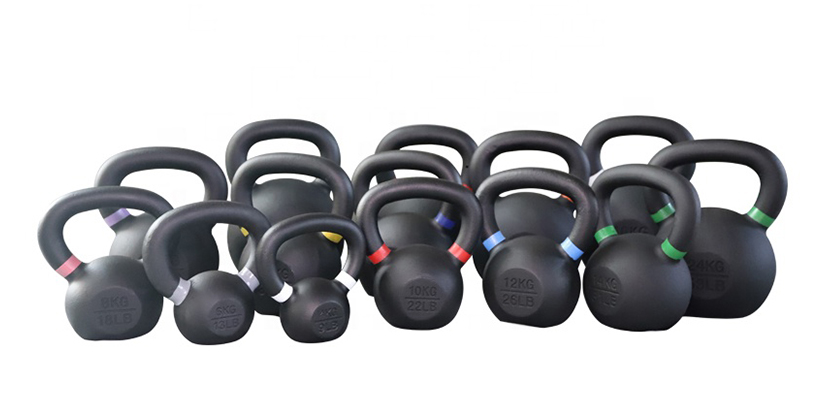
Understanding the nuance between production tiers is vital when managing procurement for large-scale facilities. While many options exist, the technical divergence in surface treatment and weight calibration determines the total cost of ownership. For instance, a standard sand casting route for wholesale cast iron kettlebells provides a rugged, high-density finish suitable for high-impact training, whereas advanced coating methods like PU coating are engineered specifically for floor protection and premium aesthetic appeal in boutique settings.
A professional kettlebell warranty manufacturer maintains strict control over these specific technical variables. During the production sequence, a reliable China factory will perform a weight calibration check and surface finishing inspection to ensure every unit meets the ordered specifications. For distributors, choosing between a powder coating or a seamless encapsulation process is not just an aesthetic choice, but a decision that affects the replacement planning and long-term maintenance load of the client's facility.
Critical Engineering Checkpoints for Commercial Durability
For professional buyers, the most frequent failure points in high-volume fitness environments are not the base materials, but the structural junctions and surface integrity. A high-tier kettlebell warranty manufacturer must implement a rigorous inspection of the handle-to-body junction to ensure structural continuity. In many commercial settings, inconsistencies in the casting density around the handle can lead to hairline fractures under heavy use, which significantly increases the replacement frequency and undermines the long-term ROI for a distributor.
Furthermore, the quality of the knurling and the strength of the coating adhesion are non-negotiable for professional-grade equipment. During the pre-shipment QC stage, a responsible commercial kettlebell supplier should verify that the knurling depth is consistent and that the coating—whether it be powder coating or PU—is fully bonded to the substrate. Poor adhesion leads to chipping and peeling, which is a common complaint in commercial strength training zones. To mitigate these risks, we suggest that procurement leads confirm that the factory conducts surface-stress testing before any bulk shipment is authorized, ensuring the landed cost is not offset by high return rates or client dissatisfaction.
Customization and OEM/ODM Capabilities for Global Distributors
For international distributors and gym equipment importers, generic stock products often limit market positioning and profit margins. Partnering with a professional kettlebell warranty manufacturer allows you to transition from a simple reseller to a recognized brand owner. By leveraging specialized custom kettlebell manufacturing, you can differentiate your catalog through unique aesthetics, specific weight ranges, and proprietary branding that resonates with your local target demographic.
Effective private label programs are built on the ability to control technical specifications. Whether you require a specific handle texture/knurling for better grip or a specialized branding placement—such as laser-etched logos or color-coded powder coating—the China factory must accommodate these requests within a structured production framework. Most commercial kettlebell supplier partnerships involve defining clear design specifications early in the sourcing phase to avoid costly errors in mass production.
Managing the MOQ and lead time is critical for maintaining a healthy cash flow and warehouse efficiency. While OEM orders for fully customized molds may require higher minimums and longer production cycles, standard ODM options allow for faster wholesale replenishment by using existing high-quality molds with customized surface finishes or colors. A reliable supplier will provide transparent timelines for both the sampling and the final container loading processes, ensuring your inventory levels remain optimized for your regional demand.
Customization Depth and Procurement Tiers
Deciding between stock procurement and full customization depends on your desired market positioning and the complexity of your brand identity. For high-volume distributors, choosing between standard wholesale and advanced production routes directly impacts your landed cost and long-term inventory turnover. The following table compares common B2B sourcing models to assist in your procurement planning.
| Customization Level | Material & Finish Options | Branding Capability | Typical MOQ Impact | Production Complexity |
|---|---|---|---|---|
| Standard Wholesale | Common cast iron or basic powder coating | Standard logo plate or single-color imprint | Low - optimized for rapid replenishment | Low - utilizes existing factory molds |
| Light OEM | Custom color powder coating or specific handle knurling | Laser-etched branding or custom color schemes | Medium - depends on color/finish stock | Moderate - involves surface treatment adjustments |
| Full Custom (ODM) | Advanced materials like chrome-manganese steel or specialized PU coating | Proprietary mold shapes and integrated brand identity | High - requires dedicated tool/mold investment | High - involves custom casting and calibration |
When sourcing wholesale cast iron kettlebells, it is essential to evaluate how much control you require over the physical product. A professional kettlebell warranty manufacturer can manage the entire transition from a basic mold to a high-end competition-spec product. For distributors focused on rapid market entry, leveraging the custom kettlebell manufacturing expertise of a commercial kettlebell supplier via the ODM route offers a balanced approach to achieving professional branding without the heavy lead times of a fully custom mold development.
Before finalizing a bulk order, we recommend requesting a detailed specification sheet and a sample approval process. This ensures that your chosen branding, handle texture, and coating adhesion meet your commercial standards before the final pre-shipment QC and container loading stages begin.
Ensuring Reliability Through Rigorous Pre-Shipment Protocols
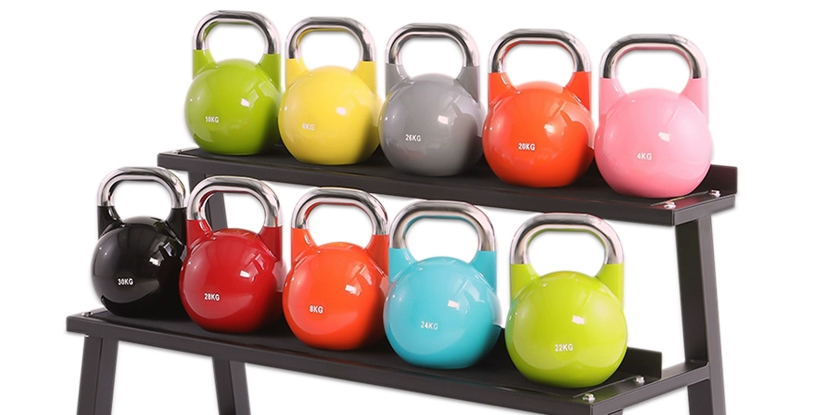
Reliability in bulk procurement is determined by the precision of the final inspection. To protect your distributor margins, a professional kettlebell warranty manufacturer must implement a multi-stage verification process that extends beyond simple visual checks. This includes rigorous weight calibration to ensure each unit meets the specified tolerance, and testing for coating adhesion to prevent premature peeling in high-traffic commercial environments. These technical steps are essential to prevent high return rates and maintain your brand reputation.
Logistics efficiency is the final pillar of a successful partnership. A capable commercial kettlebell supplier optimizes the entire export journey, from specialized export packaging designed to withstand maritime transit to expert container loading optimization. By maximizing volumetric density while protecting product integrity, the kettlebell warranty manufacturer helps you minimize shipping costs per unit and reduce the total landed cost. We encourage partners to coordinate closely with our production team to monitor lead time management and verify that all pre-shipment QC protocols are fully executed before the final vessel departure.
Factory QC Protocols and Pre-Shipment Inspection Standards
For distributors managing high-volume inventory, the cost of receiving defective units far outweighs the initial savings of a low-cost kettlebell warranty manufacturer. Inconsistent weight distribution or coating failure leads to high return rates and damaged brand reputation. To protect your margins, a professional commercial kettlebell supplier must implement rigorous quality control at every stage of the production line.
Reliable custom kettlebell manufacturing begins with strict material verification and technical calibration. During the sand casting and machining phases, the China factory must conduct routine weight tolerance spot-checks to ensure every unit meets the specified weight class. Beyond the core mass, a thorough pre-shipment inspection focuses on the surface finish and structural integrity. This includes checking the handle-to-body junction for smoothness and verifying that the knurling depth is consistent across the entire batch. For high-end orders, we also inspect the coating adhesion and base flatness to ensure the product performs safely in high-traffic commercial environments. Managing these variables effectively allows a wholesale cast iron kettlebells provider to maintain a stable MOQ and predictable lead time, reducing the risk of costly replacements for your clients.
Technical Inspection Checklist for B2B Procurement
Distributors and procurement leads should utilize a standardized audit checklist to evaluate the output of a kettlebell warranty manufacturer. Relying on visual inspections alone is insufficient for high-volume orders; instead, verify the specific manufacturing tolerances and durability standards that affect your long-term landed cost and replacement planning.
| Inspection Point | Technical Focus Area | Commercial Duty Requirement | QC Verification Method |
|---|---|---|---|
| Weight Calibration | Mass consistency and center of gravity | High (Commercial/Competition) | Randomized scale spot-checks |
| Handle & Grip | Knurling depth and junction smoothness | High (Durability/Safety) | Manual tactile/visual inspection |
| Coating Adhesion | Paint, powder, or PU layer integrity | Medium to High (Maintenance) | Surface abrasion/friction test |
| Base Flatness | Structural stability on floor surfaces | High (Safety/Stability) | Flatness gauge/surface plane check |
| Packaging Durability | Container loading protection | Essential (Landed Cost/Loss Prevention) | Drop test and stack-strength audit |
When sourcing through a commercial kettlebell supplier, ensure your inspection protocol includes a review of the final export packaging. A failure in container loading or protective layering can result in chipped enamel or damaged handles, directly increasing your breakage-related expenses. For professional custom kettlebell manufacturing, we recommend requesting a pre-shipment sample or a video audit of the final batch to confirm that the wholesale cast iron kettlebells meet your brand's specific structural and aesthetic standards before the shipment leaves the factory.
Optimizing Export Logistics and Container Loading Efficiency
Effective logistical planning is the final pillar of a successful kettlebell warranty manufacturer partnership. For large-scale importers, the goal is to maximize shipping density without compromising product safety. Optimized palletization and specialized export packaging are not just logistical steps; they are essential to protecting your distributor margin by reducing the landed cost per unit and preventing damage during long-haul ocean freight.
A professional commercial kettlebell supplier understands that heavy iron goods require specific loading protocols. We utilize reinforced, heavy-duty cartons and corner protectors to ensure that each box can withstand the pressure of stacking within a sea container. Our team focuses on container optimization, strategically arranging the weight distribution to prevent shifting during transit. By utilizing standardized pallet dimensions and securing the load with high-grade strapping, we ensure your wholesale cast iron kettlebells arrive at your warehouse in prime condition. For high-volume custom kettlebell manufacturing, we can coordinate with your freight forwarder to align the final packing list with your specific warehouse receiving requirements, ensuring a seamless transition from the factory to your inventory.
Optimizing Your Procurement: Lead Times and Logistics Strategy
For distributors and large-scale gym operators, the true cost of a shipment extends far beyond the unit price. A reliable kettlebell warranty manufacturer understands that managing the lead time and complex logistics of heavy iron goods is critical to protecting your distributor margin. When sourcing wholesale from a China factory, failing to account for ocean freight volatility or production cycles can result in a high landed cost that erodes your profitability.
Efficient sourcing requires a strategic partnership with a commercial kettlebell supplier that offers transparent production timelines. Whether you are placing a custom kettlebell manufacturing order for a private label project or replenishing stock via wholesale cast iron kettlebells, the ability to predict arrival dates is vital. A professional factory will provide clear visibility into the stages from sand casting to final export packaging, ensuring your inventory levels remain stable without overextending your warehouse capacity.
Evaluating Procurement Models: Factory Direct vs. Trading Companies
Choosing the correct supply partner determines your long-term competitiveness in the fitness market. Professional buyers must decide between direct engagement with a kettlebell warranty manufacturer and working through a middleman. While trading companies may offer a broader product range, they often lack the direct control over custom kettlebell manufacturing processes required for high-end private label development. Direct engagement with a China factory allows for more precise oversight of MOQ requirements and strict adherence to your specific brand standards.
The following table compares the two primary B2B sourcing models to assist in your sourcing decision-making process. Understanding these differences is essential to optimizing your landed cost and ensuring consistent product quality across large wholesale shipments.
| Procurement Feature | Factory Direct Model | Trading Company Model |
|---|---|---|
| Unit Cost Efficiency | Optimized for high-volume wholesale | Includes service and markup margins |
| MOQ Control | Strictly tied to production capacity | More flexible for smaller bulk orders |
| OEM / ODM Capability | Full control over casting and coating | Limited to existing product catalogs |
| Technical QC Oversight | Direct inspection of handle and base | Indirect oversight via third parties |
| Logistics and Shipping | Direct control of export packaging | Consolidated shipments from multiple sources |
For a commercial kettlebell supplier, the goal is to minimize friction in the supply chain. When you work directly with a manufacturer, you can more effectively manage warehouse replenishment cycles and mitigate the risks of unexpected lead time extensions. We recommend requesting a detailed technical spec sheet and confirming MOQ levels before finalizing your bulk procurement plan to ensure all logistics and budget expectations are fully aligned.
Effective inventory management for heavy iron goods requires more than just ordering stock; it demands a partner who understands the spatial and fiscal impact of weight. A professional kettlebell warranty manufacturer ensures that bulk orders are not only produced to specification but also packaged to withstand long-distance transit without damaging the surface finish or compromising the handle integrity. For a distributor, optimizing the relationship between production cycles and shipping stability is the most effective way to maintain a competitive edge in the North American market.
When managing large-scale wholesale distributions, even minor delays in the China factory production line can disrupt your entire warehouse replenishment cycle. To prevent these bottlenecks, we suggest coordinating with your supplier well in advance of seasonal peaks. Whether you are securing wholesale cast iron kettlebells for immediate retail or planning a long-term OEM project, establishing a clear communication protocol regarding lead time and container loading efficiency will help stabilize your landed cost and protect your overall profitability.