Metal Casting Manufacturer: OEM Manufacturing Process
The High Cost of Low-Quality Metal Casting in Commercial Procurement
A professional metal casting manufacturer provides specialized metal components engineered for high-stress environments. For importers and distributors, choosing a reliable commercial fitness equipment OEM ensures that bulk orders meet strict durability standards, reducing long-term operational risks and protecting distributor margins during international sourcing.
When procurement teams prioritize low upfront costs over technical specifications, they often overlook the significant total cost of ownership (TCO) associated with inferior goods. Relying on a sub-standard metal casting manufacturer can lead to catastrophic failures in a commercial setting. These issues typically manifest as structural cracks in cast iron bases or inconsistent density in weight components, which directly impact the safety and reputation of the end-user gym.
The financial burden extends far beyond the initial invoice. Unreliable industrial casting production process standards result in high replacement costs and frequent maintenance cycles. For a large-scale distributor, receiving a container of units with inconsistent weight tolerances or brittle weld points creates a logistical nightmare. Such quality inconsistency leads to expensive return shipments, customs complications, and significant logistics delays that disrupt seasonal product launches and warehouse planning.
Furthermore, the hidden costs of poor commercial fitness equipment OEM execution can erode a company's brand equity. If a client receives a bulk order where the coating peels or the base flatness is compromised, the cost to remediate the issue—whether through local labor or replacement parts—often exceeds the original savings. Professional buyers must evaluate the factory not just on price, but on its ability to maintain rigid quality control throughout the entire manufacturing sequence.
Qualitative Comparison of Manufacturing Tiers
To avoid the pitfalls of substandard procurement, buyers must distinguish between budget-tier output and professional-grade manufacturing. This distinction is critical when evaluating an industrial casting production process for large-scale distribution. High-volume buyers should look for qualitative differences in material integrity and technical precision rather than just the lowest quote.
| Material Tier | Process Standard | Key Component Detail | Commercial Duty | MOQ Impact | Factory QC Point |
|---|---|---|---|---|---|
| Budget/Entry | Basic Sand Casting | Rough handle texture | Light Commercial | Low | Surface visual check |
| Standard Commercial | Refined Casting & Machining | Consistent knurling depth | High-Traffic Gym | Medium | Weight tolerance spot-check |
| Premium/Competition | Precision Casting & Multi-Coat | Seamless handle-to-body junction | Professional/Elite | High | Coating adhesion & concentricity |
A reliable metal casting manufacturer will offer clear differentiation in these tiers to match your specific market positioning. For example, a premium tier typically involves a more rigorous surface finishing stage and precise CNC machining to ensure the weight tolerance remains within industry-standard limits. When negotiating with a China factory, always request specific details regarding the coating adhesion and the uniformity of the casting density to ensure your landed cost is not inflated by future replacement claims.
Technical Standards for a Professional Metal Casting Manufacturer
For global distributors and gym equipment importers, sourcing from a professional metal casting manufacturer requires more than just comparing price lists; it requires verifying the technical rigor of the industrial casting production process. When placing bulk orders, the engineering precision applied during the transition from raw molten metal to finished commercial-grade products directly impacts your long-term total cost of ownership (TCO) and product liability profiles.
High-traffic commercial environments demand equipment that maintains structural integrity under constant stress. A reliable commercial fitness equipment OEM ensures that every casting undergoes standardized workflows—from initial mold creation to final surface treatment—to mitigate the risk of structural fatigue. By prioritizing these technical benchmarks, procurement leads can reduce maintenance cycles and avoid the high costs associated with premature equipment failure or consumer safety incidents.
Evaluating Casting Quality and Finishing Tiers
To optimize your procurement strategy, it is essential to distinguish between standard utility and high-performance specifications. A professional metal casting manufacturer will typically offer different tiers of production based on the intended end-use and volume requirements. Understanding these technical differences allows distributors to align their inventory with specific market segments, whether providing budget-friendly solutions for local studios or premium-grade equipment for high-end facilities.
The following table outlines the common technical variations found during the sourcing process, helping you evaluate the capability of a potential China factory to meet your quality standards.
| Material Tier | Typical Process | Surface Finish | Commercial Duty | MOQ Impact | Factory QC Point |
|---|---|---|---|---|---|
| Standard Gray Iron | Sand Casting | Basic Powder Coating | Budget/Commercial | Standard | Weight Tolerance |
| Reinforced Steel | Precision Casting | Multi-coat Powder | Premium Commercial | Higher | Coating Adhesion |
| Competition Spec | CNC Machining | Chrome/PU Finish | Elite/Professional | Custom/High | Concentricity |
When evaluating a supplier, we recommend requesting specific documentation regarding weight tolerance and surface durability. For high-volume wholesale orders, ensure that the powder coating thickness and adhesion levels are part of the standard pre-shipment QC checklist to prevent chipping during long-distance export and transit. A detailed factory audit should confirm that these finishing steps are integrated into the core industrial casting production process rather than treated as an afterthought.
Pre-Shipment QC and Export Packaging Standards
Managing the logistics of heavy metal components requires a rigorous approach to prevent transit damage that can erode your distributor margins. A professional metal casting manufacturer must implement a strict pre-shipment QC protocol that focuses on component integrity and structural stability. For high-volume wholesale buyers, this involves more than simple visual inspections; it requires verifying that casting surfaces, coating adhesion, and weight tolerances remain consistent across the entire batch before leaving the China factory.
To protect your investment during international transit, specialized export packaging is essential. Reliable commercial fitness equipment OEM partners utilize heavy-duty reinforced cartons, edge protectors, and palletizing methods designed to withstand the stresses of sea freight and multi-stage logistics. By ensuring that every unit is secured against impact and moisture, importers can minimize the landed cost associated with damaged goods and ensure that the final product reaches the end-user in professional-grade condition. When calculating your total lead time, always confirm that the packaging and inspection cycles are integrated into the production schedule to avoid shipping delays.
Material and Surface Finishing Selection for Commercial Durability
Selecting a reliable metal casting manufacturer requires understanding how raw material density and surface treatments impact your long-term TCO. For distributors and gym operators, the initial unit cost is only one part of the equation; the actual cost of ownership is driven by how well the equipment resists oxidation and impact damage in high-traffic environments. A professional commercial fitness equipment OEM ensures that the casting quality and finishing stages are optimized to prevent premature wear and maintenance requests.
When sourcing through wholesale channels, buyers must evaluate the structural integrity of the base material. High-quality cast iron provides the necessary density and impact resistance required for heavy-duty training. However, without a standardized industrial casting production process, even premium metal can suffer from surface flaws or oxidation. A professional China factory will typically implement a multi-stage finishing sequence—moving from sand casting to CNC machining and finally to a protective coating—to ensure the product meets commercial-grade standards for global export.
| Material Type | Surface Finish | Commercial Duty Tier | Durability Profile | Procurement Focus |
|---|---|---|---|---|
| Cast Iron | Powder Coating | Premium Commercial | High resistance to chips and oxidation | Long-term TCO & Aesthetics |
| Cast Iron | Enamel / Paint | Standard Commercial | Moderate resistance to daily wear | Balanced Cost & Longevity |
| Gray Iron | Phosphate Treatment | Budget/Entry-Level | Basic oxidation protection | Low Initial Capex |
For those looking for high-volume sourcing solutions, the choice between a simple paint finish and a high-grade powder coating can significantly change the maintenance frequency. While basic finishes may lower the initial MOQ or unit price, a robust coating layer is essential for maintaining brand identity and product resale value in professional fitness settings. We recommend verifying the coating adhesion and base metal density during your factory audit to ensure the final landed cost remains low by avoiding replacement cycles.
Advanced procurement strategies often involve weighing the visual appeal of a product against its operational longevity. For instance, while a high-gloss chrome finish provides a premium aesthetic suitable for boutique studios or high-end competition settings, it requires stricter environmental controls to prevent surface tarnishing. In contrast, a PU coating or polyurethane layer offers a dense, tactile grip that is highly effective for high-frequency training, providing a different level of surface durability and moisture resistance compared to standard paint. Choosing the correct tier is vital for optimizing your distributor margins and ensuring the product survives the rigors of a commercial environment.
The distinction between standard options and professional-grade finishes is often found in the application method. A standard manufacturer might use manual spraying, but a specialized metal casting manufacturer will typically utilize automated application lines to ensure uniform thickness and adhesion. This level of control is what differentiates a budget-friendly unit from a high-performance piece of equipment. When you finalize your procurement selection, consider whether the target market requires the sleek, polished look of chrome or the rugged, heavy-duty reliability of industrial-grade coatings to minimize long-term maintenance and replacement costs.
The distinction between standard options and professional-grade finishes is often found in the application method. A standard manufacturer might use manual spraying, but a specialized metal casting manufacturer will typically utilize automated application lines to ensure uniform thickness and adhesion. This level of control is what differentiates a budget-friendly unit from a high-performance piece of equipment. When you finalize your sourcing selection, consider whether the target market requires the sleek, polished look of chrome or the rugged, heavy-duty reliability of industrial-grade coatings to minimize long-term maintenance and replacement costs.
Export QC Standards for Surface Integrity
For distributors managing high-volume bulk order shipments, the final stage of the industrial casting production process is the most critical for reducing after-sales claims. A reliable China factory does not merely focus on the casting itself, but implements a strict export QC protocol to test coating adhesion and rust resistance. In many commercial settings, failure at this stage—such as chipping or peeling—directly increases the maintenance costs for the end-user and damages the reputation of the importer.
During the pre-shipment inspection, quality control teams should verify that the protective layer can withstand mechanical stress and environmental moisture. Whether you are ordering a standard wholesale batch or a custom OEM run, ensuring that the metal surface is properly treated (such as through phosphate treatment or high-grade powdering) is essential. This rigorous attention to detail ensures that the lead time and shipping costs are not wasted on products that suffer from premature surface degradation upon arrival at the destination warehouse.
Manufacturing Workflow: From Raw Casting to Finished Export Goods
A professional metal casting manufacturer manages a rigorous production sequence to ensure high-volume reliability for global distributors. For importers managing large-scale gym builds, understanding the industrial casting production process is vital for evaluating the durability of heavy-duty strength equipment. A standard workflow begins with high-grade iron selection, moves through precision shaping, and concludes with strict export-grade finishing.
The journey from raw foundry to the shipping container involves several critical stages. Initially, components are shaped via sand casting to achieve the necessary density and structural integrity required for commercial weight plates or kettlebells. Following the initial mold, the units undergo CNC machining to ensure precise dimensions and concentricity, which prevents wobbling or uneven weight distribution during use. This precision is a primary indicator of a high-tier commercial fitness equipment OEM's capability.
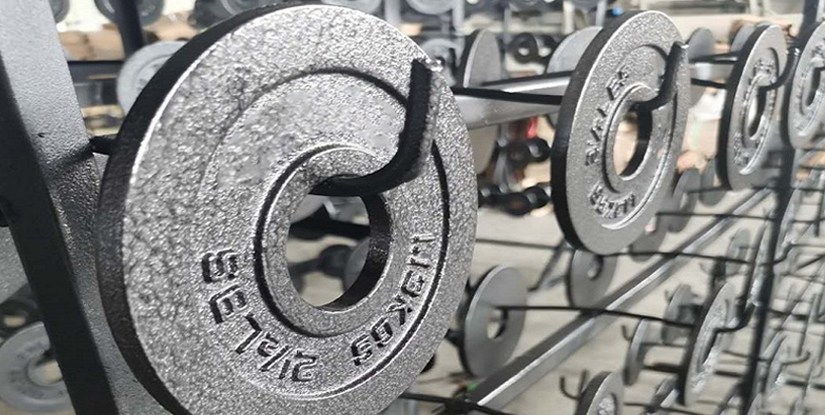
Once the structural form is finalized, the surface finishing stage applies protective layers, such as powder coating or PU coating, to prevent oxidation and enhance grip. Finally, the weight calibration step ensures each unit meets the specified weight class before the final quality control check. This systematic approach allows a China factory to deliver export-ready goods that meet the high-impact demands of professional strength facilities, reducing the long-term maintenance load for the end-user.
| Material Type | Primary Process | Key Component / Detail | Commercial Duty | MOQ Impact | Factory QC Point |
|---|---|---|---|---|---|
| Gray Iron | Sand Casting | Handle-to-body junction | Standard Commercial | Lower | Structural Integrity |
| Solid Steel | CNC Machining | Knurling depth | Premium Commercial | Higher | Weight Tolerance |
| Cast Iron | Powder Coating | Coating Adhesion | High-Durability | Moderate | Surface Finish |
For procurement leads, selecting the right tier involves balancing the initial landed cost against the long-term maintenance requirements. While basic sand casting is a standard for high-volume wholesale, adding a specialized powder coating or CNC refinement increases the durability and professional aesthetic of the final product. When negotiating with a supplier, it is essential to verify how these process variations impact the final lead time and the minimum MOQ for customized branding or specialized coatings.
A reliable metal casting manufacturer will provide transparency regarding these technical trade-offs. For instance, a more intensive finishing process may extend the production schedule but significantly reduces the risk of surface oxidation in high-humidity gym environments. We recommend that distributors request a sample evaluation or a detailed specification sheet to confirm that the weight tolerance and surface finish align with their local market standards before finalizing a bulk order.
Final Inspection and Export Packaging Standards
The final stage of the production cycle is often where the difference between a budget supplier and a premium metal casting manufacturer becomes evident. Before any units are cleared for container loading, they must pass a comprehensive pre-shipment QC protocol. This involves rigorous checks on coating adhesion to ensure the finish does not peel under heavy use, as well as tactile inspections of the handle texture and knurling consistency. For distributors, these details are not merely aesthetic; they are critical factors in reducing replacement planning and maintaining high end-user satisfaction.
Efficient export packaging is a strategic necessity for high-volume sourcing. A professional commercial fitness equipment OEM utilizes reinforced, multi-layered packaging solutions designed to withstand the stresses of long-distance ocean freight and heavy machinery handling. Proper palletization and corner protection are essential to prevent structural damage during transit, ensuring the landed cost remains optimized by minimizing damage-related claims. When organizing bulk shipping, we recommend that buyers coordinate closely with the factory to confirm that packaging specifications meet the specific requirements of their local logistics providers, thereby protecting the distributor margin and ensuring products arrive in retail-ready condition.
Optimizing Your Sourcing Strategy with a China Factory
For professional importers and global distributors, the primary goal is balancing high-volume availability with a healthy distributor margin. Engaging a specialized metal casting manufacturer allows you to bypass middleman markups and secure direct access to production capacities. By sourcing directly from a China factory, you can optimize your landed cost through better shipping container utilization and more efficient wholesale procurement cycles.
Efficient scaling requires a supplier that understands the nuances of commercial fitness equipment OEM production. Instead of managing fragmented small-batch orders, professional buyers focus on high-volume industrial casting production process workflows that ensure consistency across every shipment. This strategic approach allows you to manage your MOQ requirements effectively while maintaining the ability to offer customized branding or specific technical adjustments to your end-market clients.
Direct Sourcing vs. Trading Models
Choosing the right supply partner is a critical decision for any distributor or warehouse operator. While trading companies offer simplicity, they often introduce additional layers of cost and communication delays. Conversely, a metal casting manufacturer provides direct oversight of the industrial casting production process, ensuring that your bulk orders meet specific commercial durability standards. For those pursuing commercial fitness equipment OEM projects, the choice between a direct factory and a third-party agent significantly impacts your lead time, your ability to control QC standards, and your final landed cost.
| Sourcing Model | Control Level | Price Structure | Customization (OEM/ODM) | Lead Time Consistency |
|---|---|---|---|---|
| Direct Factory | High (Direct Production Oversight) | Optimized for Wholesale | Full Capability | Stable & Predictable |
| Trading Company | Low (Indirect Communication) | Includes Middleman Markup | Limited by Supplier | Variable Due to Third-Party Coordination |
When scaling your inventory, professional buyers should prioritize a factory-direct relationship to ensure that QC protocols are applied directly to the casting and coating stages. This direct connection is essential for managing complex MOQ tiers and ensuring that large-scale shipments arrive with consistent weight tolerances and finish quality. To secure the best competitive advantage, we recommend requesting a formal spec sheet or scheduling a factory audit before finalizing your bulk order.
Export Readiness and Logistics Efficiency
Global logistics complexity often becomes a bottleneck for distributors managing high-volume shipments. A specialized metal casting manufacturer mitigates these risks by integrating professional export packaging protocols directly into the production timeline. For heavy cast iron or steel components, this means utilizing reinforced, multi-layered protection to prevent surface abrasion and structural damage during long-sea transit. Whether you are fulfilling a large-scale gym installation or replenishing warehouse stock, standardized packaging ensures that every unit arrives in a condition that preserves your brand identity and reduces the cost of returns.
To maximize your container utilization and lower your total landed cost, it is highly effective to align your bulk orders with standardized shipping dimensions. Professional manufacturers offer flexibility in how products are palletized or floor-loaded to optimize space within a 20ft or 40ft container. For buyers utilizing OEM or ODM services, coordinating these logistics details during the initial design phase can significantly improve your shipping efficiency. We recommend discussing your specific container-loading requirements and volume-based MOQ tiers with your supplier early in the sourcing process to ensure a seamless transition from the China factory to your local distribution center.
Customization and Scaling via OEM/ODM Partnerships
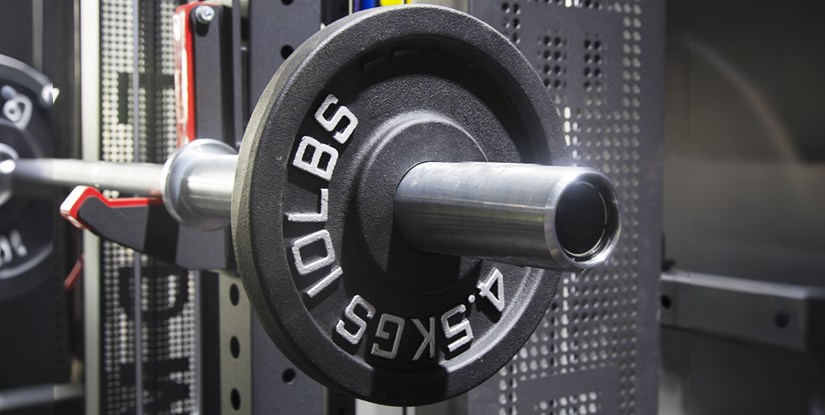
For international distributors and warehouse operators, relying on standard stock can limit market penetration. Partnering with a professional metal casting manufacturer allows you to move beyond generic products toward high-margin, specialized offerings. Through commercial fitness equipment OEM services, you can integrate specific design elements that align with your target market's expectations, effectively building a unique brand identity that competitors cannot easily replicate.
Scaling a distribution business requires more than just increasing order volume; it requires a reliable supplier capable of handling complex customization requests without compromising lead times. Whether you are developing a private label line of cast iron weights or specialized strength components, working with a China factory that offers ODM capabilities ensures your product development stays synchronized with production capacity. This strategic alignment helps manage MOQ requirements effectively, allowing you to scale from boutique studio orders to large-scale commercial facility deployments while protecting your distributor margin.
Strategic Sourcing: Stock Orders vs. Customized Production
Selecting the correct procurement model is critical for managing landed costs and inventory turnover. While standard stock orders provide speed for immediate replenishment, utilizing a professional metal casting manufacturer for customized production allows for greater control over product differentiation. Understanding the nuances of the industrial casting production process helps buyers decide between rapid wholesale purchasing and long-term brand building through commercial fitness equipment OEM workflows.
| Procurement Model | Customization Level | Primary Material Focus | Typical Lead Time | MOQ Requirement | Quality Control Focus |
|---|---|---|---|---|---|
| Standard Wholesale Stock | Low (Standard finishes/sizes) | Common Cast Iron / Powder Coating | Short (Ready to ship) | Lower (Volume-based) | Batch Consistency |
| OEM Production | High (Custom shapes/logos) | Specialized Steel / Premium Coatings | Longer (Production cycle) | Higher (Project-based) | Specific Technical Specs |
| ODM Development | Full (Complete product design) | Advanced Alloys / Multi-layer Finish | Extended (R&D + Production) | Highest (Custom Tooling) | Full Lifecycle Validation |
For distributors seeking to maximize their return on investment, the choice depends on your current inventory strategy. Stock orders are ideal for maintaining high turnover with minimal lead time, whereas an ODM approach is better suited for high-end commercial projects requiring unique specifications. We recommend contacting our factory to request a detailed spec sheet or to confirm the MOQ for your specific customization requirements before finalizing your procurement plan.
Efficient logistics and rigorous quality oversight are the final pillars of a successful global procurement strategy. For large-scale importers, the total landed cost is heavily influenced by how a metal casting manufacturer manages the transition from the production line to the shipping container. Neglecting the technicalities of export-ready packaging or pre-shipment protocols can lead to high rates of transit damage, increased warehouse returns, and diminished profitability for the end distributor.
Optimizing Export Standards and Logistics Efficiency
To maintain high warehouse efficiency and protect distributor margins, every batch must undergo a standardized pre-shipment inspection. A reputable China factory does not merely check the finished casting; they validate the integrity of the entire assembly, including the adhesion of the powder coating, the precision of the handle knurling, and the durability of any secondary components. This level of scrutiny ensures that the bulk order arriving at your facility meets the exact commercial-grade specifications promised during the initial sourcing phase.
Effective export packaging is equally critical for reducing the risk of oxidation or structural deformation during long-haul sea freight. Standard operating procedures typically involve reinforced corner protection, moisture-resistant wrapping, and heavy-duty corrugated boxing designed to withstand stacking in high-volume containers. By optimizing the volumetric footprint of each unit, a professional supplier helps you maximize container utilization, effectively lowering the per-unit shipping cost and improving your overall landed cost. We invite you to reach out to discuss your specific logistics requirements, confirm MOQ tiers for upcoming shipments, or schedule a virtual factory audit to verify our export-ready production standards.
Pre-Shipment Inspection and Export Packaging Protocols
For overseas distributors and importers, the final stage of the procurement cycle is often the most volatile. A professional metal casting manufacturer must implement rigorous protocols to ensure that the product arriving at your warehouse matches the exact specifications of the initial sample. Without strict pre-shipment inspection and standardized export packaging, even high-quality commercial fitness equipment OEM orders can suffer from transit-related damage, directly eroding your distributor margins and increasing the total landed cost.
Reliable industrial casting production process standards do not end at the factory gate; they extend to how the heavy iron or steel components are secured for long-haul sea freight. A seasoned supplier understands that high-density weight products require specific protective measures to prevent surface oxidation and physical impact during container loading.
Protecting Margin Through Quality Assurance
The risk of receiving damaged goods is a significant pain point for wholesalers. When sourcing heavy casting products, buyers must verify that the factory performs specific checks on coating adhesion and weight tolerance. If the powder coating is brittle or the surface finish is poorly applied, the friction of shipping can lead to unsightly chips and scratches, resulting in high return rates and lost revenue.
To mitigate these risks, we emphasize several critical checkpoints during the final stage of the sourcing process:
- Surface Integrity: Verifying that the coating remains intact under standard handling stress to ensure long-term durability.
- Dimensional Accuracy: Conducting spot-checks on base flatness and handle concentricity to meet commercial-grade standards.
- Shipping Damage Prevention: Utilizing reinforced corner protectors, heavy-duty corrugated boxes, and customized pallets to stabilize the load within the container.
By prioritizing these technical details, a China factory helps importers maintain a predictable landed cost and ensures that the equipment arrives in showroom-ready condition, ready for immediate retail or commercial installation.
Standardizing the Final Inspection Checklist
When managing a large-scale bulk order, relying on high-level descriptions is insufficient. A professional metal casting manufacturer provides a transparent inspection framework that allows procurement managers to verify quality remotely or during an on-site factory audit. For high-volume wholesale buyers, the goal is to ensure that every unit within the shipment meets the same rigorous standards as the approved prototype.
The following table outlines the essential checkpoints for evaluating the final output of an industrial casting production process. This checklist is designed to help you evaluate the technical readiness of your commercial fitness equipment OEM order before it leaves the China factory.
| Inspection Focus | Technical Verification Point | Commercial Duty Standard | Impact on Distributor Margin | QC Priority |
|---|---|---|---|---|
| Surface Finish | Coating adhesion and texture uniformity | Premium Commercial-Grade | Reduces returns due to chips/scratches | High |
| Weight Consistency | Weight calibration and tolerance check | Standard Commercial-Grade | Ensures product integrity and trust | High |
| Handle/Grip | Knurling depth and junction smoothness | Professional Commercial-Grade | Reduces user complaints/safety issues | Medium |
| Packaging | Box strength and pallet stability | Export-Ready/High-Durability | Minimizes transit-related damage | High |
| Hardware/Parts | Bolt threading and component fit | Standard Commercial-Grade | Lowers after-sales service costs | Medium |
Effective sourcing strategy requires more than just finding a low price; it requires a supplier who can demonstrate control over these variables. Before finalizing your MOQ or confirming lead time, we recommend requesting a detailed pre-shipment report or a video walkthrough of the final weight calibration and export packaging process. This ensures that your wholesale investment is protected from the moment it leaves the factory until it reaches your local warehouse.