One Piece Casting Manufacturer: Factory Production
One Piece Casting Manufacturer: Essential Production Standards
A professional one piece casting manufacturer produces single-mold iron or steel units to ensure structural integrity for high-traffic fitness environments. B2B buyers prioritize these single-unit designs during sourcing to eliminate failure points found in multi-part assemblies, ensuring long-term value and reduced replacement costs for commercial gym installations.
When managing large-scale procurement, the risk of structural failure in cast equipment can lead to significant liability and maintenance expenses. For distributors and gym chains, a defect in a single batch can damage brand reputation and increase the total cost of ownership. Selecting a one piece casting manufacturer that utilizes a rigorous commercial casting process ensures that every kettlebell or weight component is a monolithic, high-density unit, significantly improving both durability and safety standards during intense commercial gym usage.
The integrity of the casting depends heavily on the industrial casting QC protocols established at the factory level. A reliable China factory will implement a sequence that moves from precision sand casting to heat treatment and specialized surface finishing. This ensures that the weight distribution remains consistent and the handle-to-body junction—the most common point of failure in inferior equipment—is a single, seamless piece of metal rather than a welded assembly.
Technical Comparison of Casting Methods and Surface Finishes
Understanding the nuances between different production routes is critical for distributors managing product lifecycles and maintenance budgets. For example, while sand casting is the industry standard for high-density cast iron units, the choice of surface treatment directly impacts the longevity of the product in high-humidity or high-use environments. A professional one piece casting manufacturer will offer various finishes to align with different market tiers, from basic commercial weight offerings to premium, high-end studio equipment.
When evaluating a commercial casting process, procurement leads must consider the relationship between the core material and the outer coating. A high-quality industrial casting QC check should specifically inspect for coating adhesion and surface uniformity. Below is a comparison of common industrial finishes to assist in your next sourcing decision based on target market placement.
| Material Base | Surface Finishing | Typical Application | Commercial Duty Tier | MOQ Impact | Factory QC Point |
|---|---|---|---|---|---|
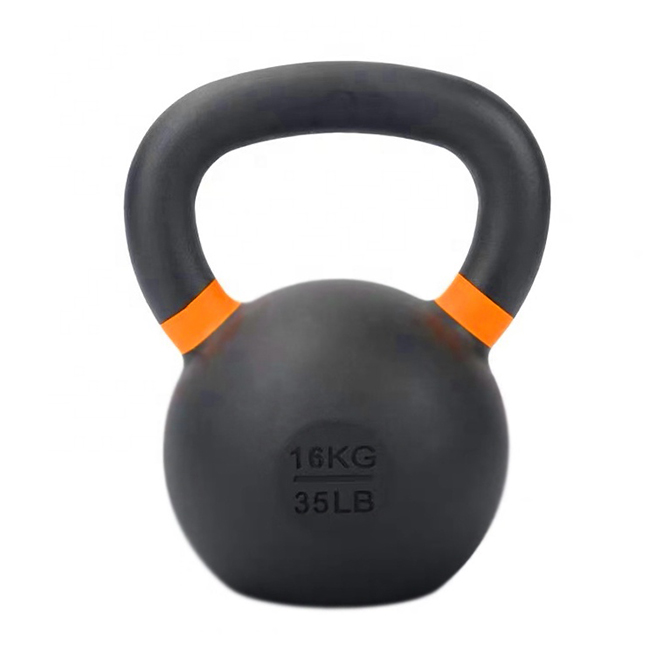
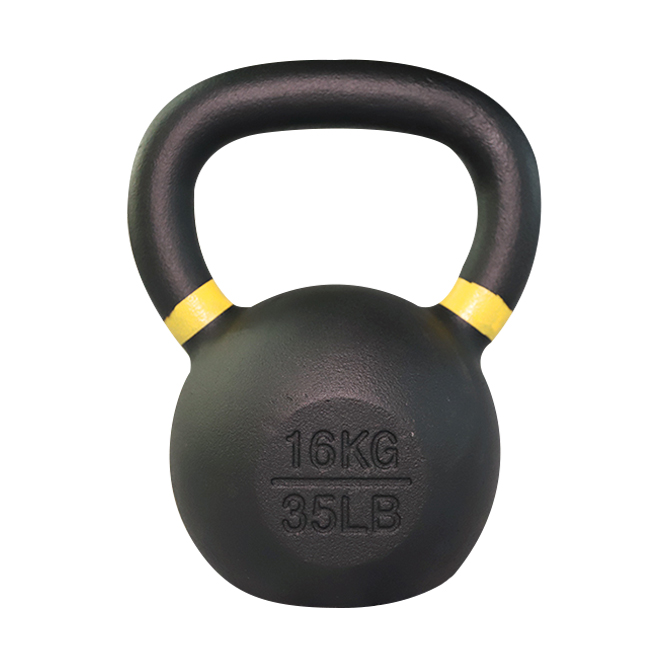
| Cast Iron | Powder Coating | Standard Commercial Gyms | Commercial | Standard | Coating adhesion and thickness |
| Cast Iron | PU Coating | Boutique Studios / Premium Home | Premium | Higher | Encapsulation layer uniformity |
| Steel / Iron | Bare Iron (Phosphate) | Budget / Outdoor Training | Budget | Lower | Oxidation resistance and texture |
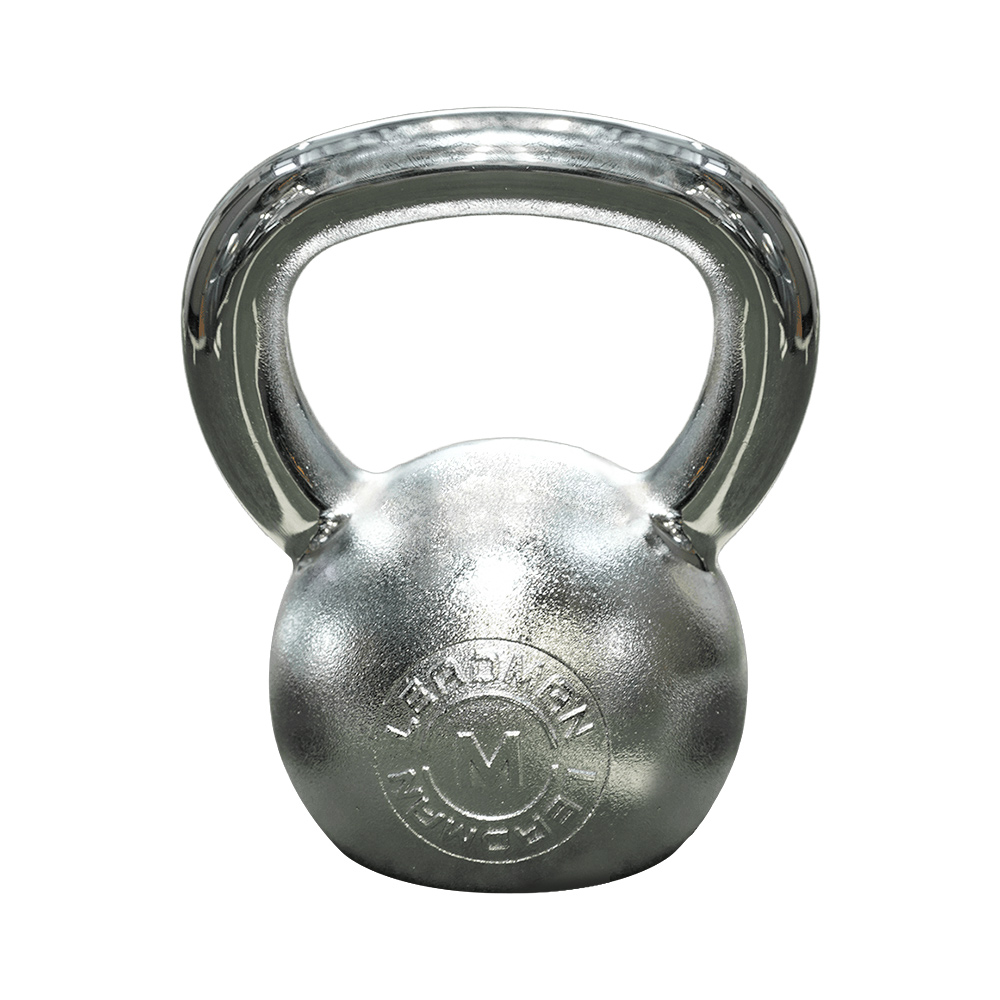
| Steel | Chrome Finish | Competition / High-End Retail | Premium | Highest | Surface smoothness and shine |
For distributors looking to optimize their landed cost without sacrificing reliability, powder coating remains the most cost-effective method for mass-market distribution. However, if your brand identity focuses on premium studio aesthetics, opting for PU coating provides a superior tactile experience and higher durability. We recommend requesting a sample evaluation or a specific material spec sheet from your supplier to confirm that the weight tolerance and surface finish meet your specific market requirements before finalizing a bulk order.
Pre-Shipment Inspection and Export Standards
The final stage of production in a professional one piece casting manufacturer involves stringent pre-shipment QC to prevent costly returns or client dissatisfaction. For international distributors, the risk of receiving damaged or underweight units can disrupt entire product launches. A reliable China factory mitigates this by conducting multi-point inspections before any unit enters the export phase. This includes critical weight calibration to ensure compliance with requested specifications and a thorough check of base flatness to guarantee stable placement on gym flooring.
Beyond structural integrity, the durability of the outer layer is a key indicator of quality. Inspectors must verify coating adhesion through standard stress tests to ensure the finish does not chip or peel during high-frequency use. Furthermore, the export packaging protocol is vital for long-distance sea freight; high-density items require reinforced corner protection and moisture-resistant wrapping to prevent oxidation. By strictly adhering to these industrial casting QC protocols, a supplier ensures that every bulk order arrives at the destination in showroom condition, protecting your distributor margins and reducing the need for replacement parts.
Commercial Casting Process and Material Selection
A professional one piece casting manufacturer utilizes standardized industrial workflows to ensure structural integrity for high-volume B2B orders. For distributors and gym equipment importers, understanding the commercial casting process is essential for evaluating the long-term durability of heavy-duty components. Most high-tier China factory production lines for commercial-grade weight components rely on sand casting techniques to create seamless, high-density units that withstand rigorous daily use.
The selection of raw materials directly dictates the total cost of ownership and the maintenance load for the end-user. In a typical industrial casting QC environment, the primary material used is gray iron, valued for its excellent vibration damping properties and compressive strength. When managing wholesale procurement, buyers must ensure the factory maintains strict control over the cooling and solidification stages to prevent internal voids or surface cracking, which can lead to premature failure in high-traffic commercial environments.
For large-scale sourcing, the transition from raw molten metal to a finished product involves several critical stages, including molding, pouring, cooling, and intensive surface finishing. This controlled sequence ensures that every unit meets the structural requirements expected by professional distributors and fitness facility operators.
Comparison of Casting Methods and Finishing Standards
Choosing the correct production method is a critical decision for importers looking to balance upfront procurement costs with long-term product reliability. While different techniques offer varying levels of precision and durability, a professional one piece casting manufacturer typically provides options tailored to specific market tiers. For example, while sand casting is the industry standard for producing high-density, durable commercial weight components, other methods may be used for lighter-weight or decorative items. Understanding these trade-offs helps procurement leads optimize their landed cost and inventory value.
| Material Tier | Casting Method | Surface Finish | Commercial Duty | MOQ Impact | Factory QC Point |
|---|---|---|---|---|---|
| Gray Iron | Sand Casting | Powder Coating | Premium Commercial | Higher | Coating Adhesion |
| Cast Iron | Sand Casting | Enamel Paint | Standard Commercial | Moderate | Surface Uniformity |
| Solid Steel | Die Casting | Chrome Finish | Light/Specialty | Low | Dimensional Tolerance |
Surface treatment is another vital factor in the commercial casting process. High-traffic facilities often require a heavy-duty powder coating to protect the iron from oxidation and wear. A high-quality China factory will ensure the coating is applied through a controlled electrostatic process to prevent chipping during transport or intensive use. During the industrial casting QC stage, technicians should inspect the coating adhesion and the uniformity of the finish across the entire surface to ensure the product meets the expectations of professional distributors.
When planning your next bulk order, we recommend requesting a sample evaluation to verify the material density and finish quality. Our team can provide detailed specifications regarding lead times and custom branding options to support your specific market positioning. Please contact us to confirm the current MOQ for your desired specification or to request a formal quote for your upcoming shipment.
Maintaining consistent quality across large-scale shipments requires more than just surface-level checks. A reliable one piece casting manufacturer implements a rigorous pre-shipment QC protocol designed to minimize the risk of returns or damaged goods at the destination. For importers, a well-documented inspection process is the most effective way to protect distributor margins and ensure that every unit delivered meets professional commercial standards.
During the final inspection stage, technical staff perform a weight tolerance spot-check to ensure that the density and mass of the cast components remain within the acceptable commercial variance. Beyond weight, the industrial casting QC process includes verifying the base flatness of each unit to ensure stability during use. This prevents structural wobbling that could lead to safety complaints in professional training environments. Additionally, inspectors conduct a specialized check on coating adhesion to confirm the finish will not peel or chip under heavy handling or high-humidity conditions.
Once the technical inspection is passed, the focus shifts to logistics and long-term protection. Professional export packaging is mandatory for international shipping to prevent impact damage during sea or air freight. We utilize reinforced, moisture-resistant materials to secure the load, ensuring that the product arrives in the same condition it left the factory. When managing your sourcing schedule, please account for these final stages when calculating your total lead time to ensure timely arrival at your warehouse or distribution center.
Comparing Casting Methods for Commercial Duty
Selecting the right one piece casting manufacturer is a critical decision for distributors managing long-term product reliability. When sourcing for high-traffic environments, the technical distinction between production methods directly impacts the total cost of ownership and replacement frequency. A professional commercial casting process ensures that structural components can withstand high-impact use without surface degradation or structural failure.
Understanding these methods allows procurement leads to better evaluate industrial casting QC standards. While different techniques serve various price points, the goal for a China factory is to provide a consistent, durable unit that meets the expectations of global fitness distributors. Choosing between sand casting and more advanced methods depends heavily on your target market tier and the required durability of the final product.
| Casting Method | Primary Application | Commercial Duty Tier | Structural Integrity | Sourcing Context |
|---|---|---|---|---|
| Sand Casting | Standard Weights & Kettlebells | Commercial/Standard | High (Single-piece) | High wholesale volume |
| Die Casting | Precision Components/Small Parts | Premium/Specialized | Moderate/High | Low MOQ/High precision |
| Centrifugal Casting | High-End Competition Gear | Premium/Competition | Maximum (Uniformity) | High-end OEM orders |
For most bulk sourcing projects involving heavy strength equipment, sand casting remains the industry standard due to its ability to create robust, single-piece iron bodies. When negotiating with a supplier, we recommend confirming the specific cooling and finishing stages to ensure the one piece casting manufacturer maintains consistent density across the entire batch.
When evaluating the total landed cost of a shipment, buyers must account for the long-term durability of the casting method used. A lower initial price from an unverified source often leads to higher maintenance expenses if the casting contains structural voids or uneven density. For distributors managing high-volume inventory, selecting a one piece casting manufacturer that utilizes established casting techniques is the most effective way to mitigate the risk of product returns and assembly failures.
The following table provides a technical overview to assist in your procurement planning. It highlights how different methods influence the commercial duty rating and the resulting MOQ and lead time requirements for international orders.
| Casting Method | Primary Use Case | Commercial Duty Tier | Structural Integrity | Procurement Impact |
|---|---|---|---|---|
| Sand Casting | Standard Iron Weights | Commercial / Standard | High (Single-piece) | Standard MOQ & lead time |
| Die Casting | Small Precision Parts | Premium / Specialized | Moderate to High | Low MOQ / Higher Unit Cost |
| Centrifugal Casting | Competition Spec Gear | Premium / Competition | Maximum (Uniformity) | High-end OEM / Custom Specs |
For large-scale wholesale distribution, sand casting is typically the most cost-effective route for producing heavy-duty strength equipment. However, if your brand identity requires high-precision tolerances or specialized geometries, an OEM arrangement for more advanced casting may be necessary. We recommend requesting a sample evaluation to verify how the chosen method affects the surface finish and the eventual landed cost of your complete container load.
Rigorous Quality Control and Export Compliance
Maintaining consistency across high-volume orders requires more than just a standard production line; it necessitates a specialized industrial casting QC framework. For professional buyers, the primary risk in large-scale sourcing is not just a single defective unit, but a systematic variance in weight or surface quality that can damage a brand's reputation. A professional one piece casting manufacturer must implement strict monitoring at every stage—from the initial molten metal pour to the final surface finishing—to ensure every item in a bulk shipment meets the exact specifications requested by the supplier or distributor.
Effective pre-shipment inspection protocols focus on three critical pillars: structural integrity, dimensional accuracy, and aesthetic consistency. During the inspection of cast iron components, technicians typically monitor the weight tolerance to ensure that even within high-volume wholesale batches, the deviation remains within industry-standard limits. Furthermore, the surface finishing—whether it is a phosphate treatment or a multi-coat powder coating—is tested for adhesion and thickness to prevent premature rusting or peeling in commercial gym environments. For any OEM or ODM partner, these steps are non-negotiable to protect the distributor's margin and reduce the cost of returns.
When managing bulk orders, we advise importers to integrate specific touchpoints into their factory audit checklist. This includes verifying the calibration of the scales used for weight verification and inspecting the consistency of the knurling or texture on the handles. A reliable China factory will provide detailed reports during the pre-shipment phase, documenting that the casting density and the final coating quality are uniform across the entire container load. This level of transparency is essential for calculating an accurate landed cost and ensuring that the inventory arriving at your warehouse is ready for immediate commercial deployment.
Industrial Casting QC and Component Inspection Protocols
For professional distributors and large-scale importers, the reliability of heavy-duty equipment depends entirely on the rigor of the one piece casting manufacturer. When sourcing in bulk from a China factory, technical failures in structural components can lead to high return rates and damaged distributor margins. Establishing a strict industrial casting QC framework is the only way to mitigate B2B sourcing risk mitigation and ensure that every unit meets commercial-grade expectations.
A high-standard commercial casting process must move beyond simple shape production to focus on structural integrity. This involves monitoring the weight tolerance to ensure consistency across a wholesale order and conducting rigorous inspections of the surface integrity. For instance, a reliable one piece casting manufacturer will implement specific spot-checks on casting junctions and coating adhesion to prevent premature peeling or cracking during heavy commercial use. By prioritizing these technical checkpoints, importers can secure a more stable supply chain and reduce the long-term cost of ownership for their end-users.
Technical Inspection Benchmarks for Procurement
To maintain high performance and minimize maintenance loads, procurement managers must evaluate a supplier based on specific technical tiers. A professional one piece casting manufacturer will differentiate between standard commercial-grade production and premium competition-spec engineering through documented inspection protocols. This ensures that the landed cost of the product is not inflated by future replacement requirements or structural failures.
| Inspection Category | Focus Area | Commercial Duty Tier | Factory QC Point | Procurement Decision Factor |
|---|---|---|---|---|
| Surface Integrity | Coating Adhesion & Texture | Commercial/Premium | Checking for unevenness or peeling in powder coating | Durability under high-traffic use |
| Dimensional Accuracy | Base Flatness & Concentricity | Standard/Commercial | Verifying alignment of the center of gravity | Stability and storage efficiency |
| Weight Consistency | Mass Tolerance | Bulk/Wholesale | Standardized weight spot-checks across batches | Order precision for set-based inventory |
| Component Interface | Handle-to-Body Junction | Premium/High-Impact | Inspecting the seamless integration of the grip | Long-term safety and user fatigue |
When conducting a factory audit or requesting a sample, do not merely ask about general quality. Instead, request specific data regarding the industrial casting QC routines used for surface finishing and structural density. A capable one piece casting manufacturer will be able to provide clear documentation on how they manage batch-to-batch consistency. For distributors, verifying these technical standards during the sourcing phase is essential for securing long-term contracts and maintaining a high-quality brand identity for your own private label lines.
Export Packaging and Logistics Safety Standards
Effective export packaging is a critical final step in the one piece casting manufacturer workflow. For high-volume importers, the primary risk is not just product quality, but transit-induced damage that inflates the final landed cost. A professional China factory must implement a multi-layered protection strategy to ensure that heavy, dense casting units arrive at the destination without surface abrasions or structural compromise. This is especially vital when managing large-scale bulk order readiness for international shipping containers.
Standardized protocols typically include reinforced corner protection, moisture-resistant barriers, and heavy-duty corrugated layering to stabilize the load. When calculating your lead time, ensure that the schedule accounts for this rigorous pre-shipment stage. A reliable supplier will also provide clear documentation for replacement planning, detailing how components are palletized to optimize container space and prevent shifting during sea freight. By prioritizing high-grade logistics safety, distributors can protect their margins and ensure that the products delivered to their clients match the exact specifications of the initial sample approval.
China Factory Export Capabilities and OEM Services
For international distributors and gym equipment importers, selecting a reliable one piece casting manufacturer is a critical decision that directly impacts landed cost and product differentiation. A professional China factory provides more than just raw components; they offer a scalable infrastructure designed to transition complex cast designs into market-ready, finished commercial products through sophisticated OEM and ODM solutions.
The commercial casting process involves several specialized stages to ensure that a single-piece unit meets the rigorous durability standards required for high-traffic fitness environments. A competent supplier manages the entire workflow, from the initial sand casting and subsequent CNC machining to final surface treatments. This vertical integration allows for tighter control over weight tolerances and structural integrity, reducing the risk of defective units reaching your warehouse.
Whether you are looking for wholesale quantities of standard iron kettlebells or require custom branding for a private label line, understanding the lead time and production capacity is essential for inventory planning. Most professional sourcing partners offer tiered production schedules based on your MOQ, ensuring that custom color finishes or specific handle textures do not compromise your shipping windows. By leveraging these factory-direct capabilities, distributors can optimize their margins while offering high-spec, branded equipment to their local markets.
Evaluating Production Standards and Export Reliability
Distributors must distinguish between basic production and the rigorous industrial casting QC required for global distribution. A high-tier one piece casting manufacturer maintains strict oversight during the transition from raw casting to the final assembly phase. This ensures that every unit—from the core weight density to the surface-level texture—meets the professional expectations of commercial gym operators.
Reliability in the supply chain often hinges on the precision of the secondary processes. For example, a specialized one piece casting manufacturer will implement a multi-stage approach to surface finishing and component stability. This includes verifying the adhesion of the powder coating and ensuring that the base flatness is consistent across all units in a bulk order. Failure to inspect these details can lead to increased after-sales costs and reduced distributor margin due to high return rates.
| Production Tier | Primary Process | Surface Finishing | Standard QC Focus | Typical Sourcing Profile |
|---|---|---|---|---|
| Budget Tier | Basic Sand Casting | Standard Paint | Visual Defects | Low MOQ / Small Studio |
| Commercial Grade | Advanced Casting & Machining | Durable Powder Coating | Weight Tolerance & Coating Adhesion | Wholesale / Gym Chains |
| Premium/Competition | Precision Casting & CNC | Chrome or Specialized PU | Concentricity & Surface Smoothness | High-End Brand / Private Label |
To minimize landed cost risks, importers should also evaluate the export packaging protocols used by their partner. High-quality protection for cast items is essential to prevent surface chipping or structural damage during sea freight. We recommend that buyers request a detailed specification sheet and confirm the export packaging method—such as reinforced corner protection and moisture-proof palletizing—prior to finalizing a bulk order. Engaging in a pre-shipment inspection or a factory audit can further ensure that the actual output aligns perfectly with your brand's quality standards.
Optimizing Landed Cost via Export Packaging and Logistics
For distributors and large-scale importers, the final landed cost of a shipment is often determined more by the efficiency of export packaging and container loading than by the unit price itself. When sourcing heavy components from a one piece casting manufacturer, the sheer density and weight of the cargo require strategic volume management to prevent unnecessary freight expenditures.
Inefficient palletization or inadequate protection during transit leads to damaged surfaces and high insurance claims, which directly erode your profit margins. A professional China factory mitigates these risks by utilizing high-strength reinforced pallets and customized crates designed for the specific dimensions of bulk fitness equipment. By optimizing the stacking density and ensuring structural stability within the container, a reliable supplier can significantly improve shipping efficiency, allowing you to maximize the weight capacity of every 20ft or 40ft container.
Whether you are managing bulk orders for a global distribution network or executing an OEM project with specific branding requirements, the logistics strategy must be integrated into the initial sourcing plan. We recommend discussing your specific container loading preferences and volume targets during the initial wholesale inquiry to ensure the most cost-effective delivery profile.
Logistics and Packaging Selection for Global Distribution
Choosing between different transport modes requires a clear understanding of how volume optimization affects your procurement budget. Depending on the weight and dimensions of your order, the following standards are commonly applied to protect the integrity of the casting and ensure a smooth arrival at your warehouse or distribution center.
| Shipping Method | Standard Packaging Type | Primary Use Case | Volume Optimization Level | Risk Management Focus |
|---|---|---|---|---|
| Sea Freight | Reinforced Export Pallets or Wooden Crates | Large-scale wholesale orders and full container loads | High (Maximizes container density) | Moisture and impact protection |
| Air Freight | Heavy-duty Corrugated Boxes with Foam Inserts | Urgent sample approvals or high-value limited runs | Medium (Limited by weight/dimension ratios) | Surface finish and scratch prevention |
| LCL (Less than Container Load) | Standardized Export Crates | Small-batch distributor restocking | Variable (Dependent on shared space) | Handling and structural stability |
For high-volume procurement, we prioritize a rigorous industrial casting QC protocol that extends beyond the manufacturing floor and into the final packing stage. This includes checking the integrity of the commercial casting process results against transit vibrations and ensuring that the protective layers—whether powder coating or bare metal treatments—are fully shielded. Our one piece casting manufacturer standards ensure that every unit is secured to prevent metal-on-metal friction, which is the primary cause of surface defects during long-distance transit.
To minimize your total cost of ownership, we suggest reviewing your container loading plans with your contact during the pre-shipment stage. By aligning your order volume with standard pallet dimensions and optimizing the weight distribution, you can achieve a more efficient sea freight profile, reducing the per-unit shipping cost and enhancing your overall distributor margin.
To prevent damage during the long-distance transit of heavy iron components, a professional one piece casting manufacturer must implement a strict pre-shipment inspection protocol. This final stage of industrial casting QC ensures that the finished product remains free from surface oxidation and structural compromise before it enters the logistics chain. For global importers, this stage is critical to maintaining high product standards upon arrival at the warehouse.
Effective container loading for dense, heavy-duty casting products requires more than just stacking; it requires a strategic approach to moisture protection and weight distribution. To safeguard the integrity of your commercial casting process results, we utilize high-density moisture-absorbent materials and specialized film wraps to shield the metal from the humidity common in sea freight environments. This level of preparation reduces the risk of surface rust or finish degradation, ensuring that your wholesale shipment arrives in a condition that preserves your brand identity and customer satisfaction.
We recommend that buyers confirm their specific export packaging requirements during the initial sourcing phase. Whether you need reinforced pallets for bulk orders or customized crating for OEM precision components, aligning these details early helps optimize your landed cost and ensures that the factory output meets your local distribution standards.