Olympic Plate Bulk Buy: China Factory Bulk Supply Wholesale
Strategic Sourcing for Olympic Plate Bulk Buy
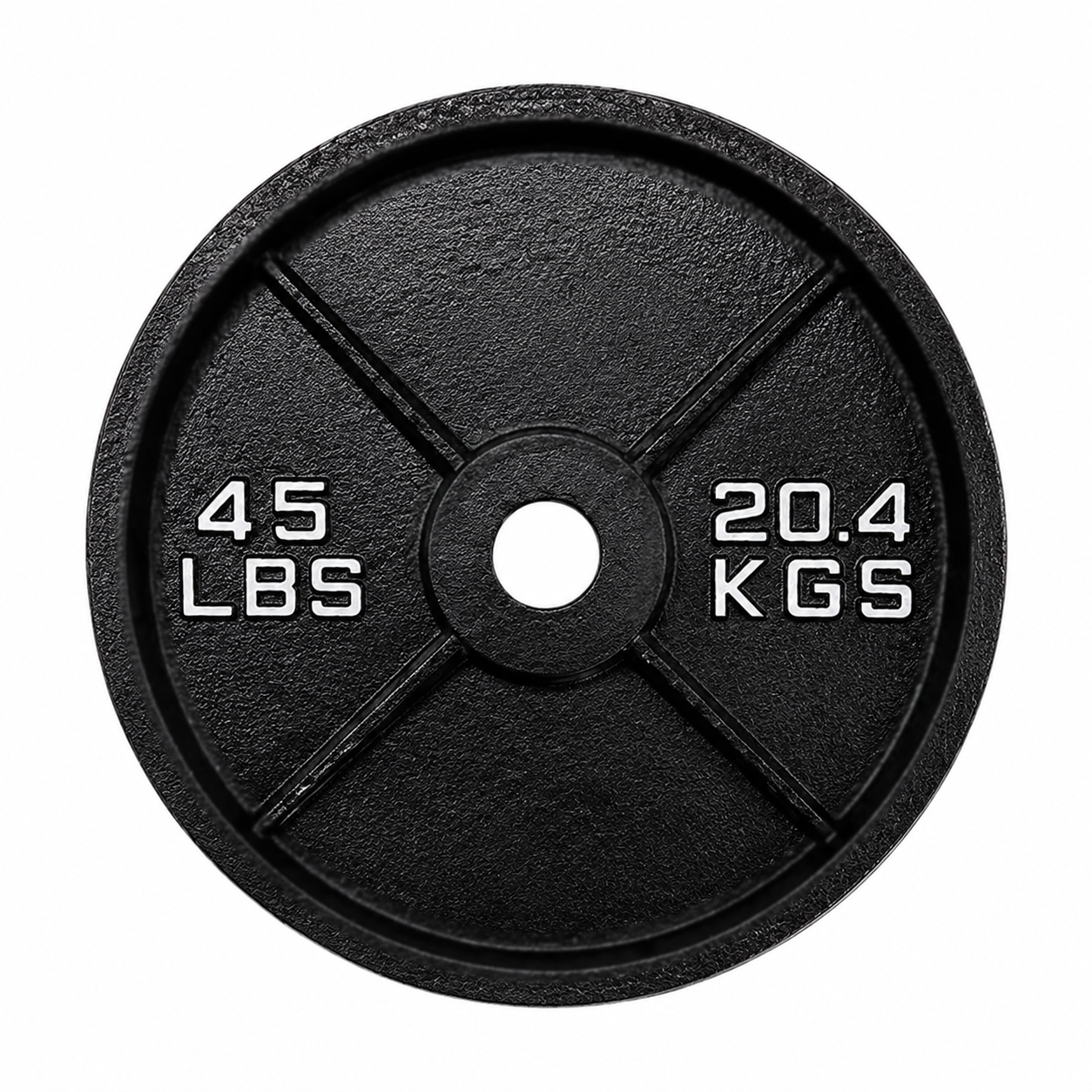
An olympic plate bulk buy involves the high-volume procurement of precision-weighted plates designed for professional strength training environments. For distributors and gym operators, sourcing directly from a China factory ensures a balance of material durability and cost-efficiency, allowing for scalable inventory management and optimized landed costs.
Maintaining high profit margins requires more than just finding a low price; it demands a commercial weight plates supplier that can guarantee quality consistency across every shipment. When distributors face issues with weight deviations or uneven coating adhesion, it leads to increased returns and damaged reputations. By establishing a direct sourcing relationship with an experienced manufacturer, professional buyers can mitigate these risks through standardized production and rigorous pre-shipment inspections.
Optimizing your inventory turnover depends heavily on the reliability of your wholesale olympic plates. High-quality cast iron or rubber-encapsulated plates with consistent dimensions ensure they fit standard Olympic bars without friction issues, reducing maintenance complaints from end-users. Selecting a supplier that offers OEM or ODM capabilities allows you to build a distinct brand identity while leveraging the production efficiencies of a professional factory.
Technical Specifications and Material Grading
To ensure long-term durability in high-traffic commercial environments, procurement professionals must evaluate the specific casting and coating methods used during production. Selecting the correct grade of iron or steel directly impacts the total cost of ownership (TCO) and the frequency of replacement cycles. A professional olympic plate manufacturing QC process typically includes checking for base flatness, concentricity, and the structural integrity of the center bore to prevent bar-fit issues during heavy use.
The following table provides a qualitative comparison of common manufacturing tiers to assist in your olympic plate bulk buy decision-making process. This guide helps distributors align their product selection with their specific market positioning, whether targeting budget-friendly training centers or premium strength facilities.
| Material Grade | Primary Casting Process | Surface Finish | Commercial Duty Tier | Typical Sourcing Use Case | Key QC Focus Point |
|---|---|---|---|---|---|
| Cast Iron | Sand Casting | Paint or Enamel | Budget/Entry-Level | Standard commercial gyms | Coating adhesion and surface smoothness |
| Cast Iron | Sand Casting | Rubber/PU Coating | Mid-Tier Commercial | High-traffic strength clubs | Rubber encapsulation and edge thickness |
| Solid Steel | Machining/CNC | Powder Coating | Premium/Competition | Professional strength facilities | Weight tolerance and bore precision |
When evaluating a commercial weight plates supplier, it is essential to confirm the specific manufacturing route for each SKU. For instance, a two-piece assembly with a rubber molding process may offer better floor protection and noise reduction, whereas a single-piece cast iron plate offers maximum durability for heavy lifting. We recommend requesting a detailed spec sheet or a sample evaluation to verify the material density and the quality of the surface finish before finalizing any large-scale wholesale agreement.
Logistics Optimization and Pre-Shipment Inspection Protocols
Effective olympic plate bulk buy strategies must account for the complexities of international freight and the inherent weight of the product. Because shipping costs are heavily driven by volume and weight, distributors should work with a China factory that specializes in export-grade packaging. High-density carton packing and reinforced corner protection are industry-standard requirements to prevent denting or surface damage during sea freight, ensuring that your landed cost remains predictable and your product arrives in retail-ready condition.
To minimize the risk of receiving non-compliant inventory, professional buyers should mandate a rigorous olympic plate manufacturing QC protocol prior to container loading. A reliable supplier will conduct a multi-stage inspection that includes weight calibration spot-checks to ensure every unit meets the specified tolerance, as well as visual audits of the bore precision and coating adhesion. For large-scale orders, we suggest coordinating a pre-shipment inspection to verify that the actual dimensions and packaging durability align with your procurement standards. This proactive approach to sourcing protects your distributor margins and prevents the logistical headaches associated with damaged or underweight shipments.
Material Specifications and Casting Standards
Understanding the technical composition of weight plates is essential for distributors managing long-term inventory and replacement cycles. When executing an olympic plate bulk buy, procurement professionals must distinguish between different metal grades and manufacturing methods to ensure the landed cost aligns with the intended commercial use. High-quality production typically begins with high-grade cast iron or steel, processed through specialized sand casting or centrifugal methods to ensure structural density and consistent weight distribution across large batches.
For many wholesale olympic plates orders, the choice between bare iron and coated finishes significantly impacts the maintenance load and floor protection requirements for the end-user. A professional commercial weight plates supplier will provide detailed specifications regarding the surface treatment—whether it is a standard phosphate treatment, powder coating, or a more durable polyurethane layer—to ensure the product meets the durability standards of high-traffic fitness facilities.
The reliability of a commercial grade unit depends heavily on the olympic plate manufacturing QC protocols applied during the calibration phase. In a professional China factory setting, this involves strict monitoring of the weight tolerance and the concentricity of the center bore to prevent uneven wear on barbell sleeves. Maintaining these standards is a critical factor for any supplier looking to support high-volume sourcing needs for global distributors.
Technical Comparison of Material and Coating Tiers
Selecting the correct material tier is a strategic decision that affects both the initial procurement budget and the long-term total cost of ownership (TCO). For distributors and gym operators, the choice between traditional metal casting and advanced polymer-coated options depends on the specific environment of the facility, such as high-impact training zones versus standard strength areas. A professional China factory will offer varying tiers to accommodate different MOQ requirements and budget constraints.
| Material Type | Casting/Coating Process | Commercial Durability | Best Use Case | Sourcing Advantage |
|---|---|---|---|---|
| Cast Iron | Sand casting followed by paint or powder coating | High (Standard commercial use) | Strength training and heavy lifting zones | Lower landed cost for high-volume wholesale |
| Rubber Coated | Steel core with vulcanized rubber molding | Very High (Impact resistance) | High-traffic CrossFit or functional training areas | Enhanced floor protection and noise reduction |
| Polyurethane (PU) | Steel core with high-grade PU injection/dip | Premium (High-end durability) | Premium commercial studios and boutique gyms | Superior aesthetic and long-term surface integrity |
When evaluating an olympic plate bulk buy, procurement managers should verify the thickness and adhesion of the outer layer. For instance, in high-end OEM requests, the transition from a simple paint finish to a heavy-duty polyurethane coating can significantly reduce the frequency of maintenance and surface degradation. It is standard practice to request samples to confirm that the coating does not crack or peel under typical commercial impact conditions before finalizing large-scale sourcing contracts.
Precision Machining and Dimensional Accuracy
Beyond the initial casting, the technical integrity of a weight plate is determined by the precision of the secondary machining processes. For a professional commercial weight plates supplier, ensuring the center bore is perfectly centered is a non-negotiable standard. Any deviation in concentricity during the CNC machining stage can lead to uneven weight distribution or catastrophic vibration when loaded onto a barbell. This lack of precision often results in premature wear on high-end barbell sleeves, a common failure mode that increases maintenance costs for gym operators.
To mitigate these risks during an olympic plate bulk buy, a reputable China factory implements rigorous olympic plate manufacturing QC steps focused on the physical dimensions of the plate. This includes verifying the flatness of the face and the smoothness of the surface finishing to prevent abrasive damage to equipment. For distributors, confirming that the factory utilizes calibrated equipment for both the bore diameter and the outer edge thickness is essential for maintaining a consistent product standard across all wholesale shipments. We recommend that buyers request a specification sheet to confirm that the manufacturing process includes a dedicated calibration phase to ensure weight accuracy and dimensional stability before the final export packaging is applied.
Comparing Commercial Weight Plate Tiers
When executing an olympic plate bulk buy, professional importers must look beyond the initial unit price to evaluate the long-term TCO. Selecting the wrong grade from a commercial weight plates supplier can lead to premature surface degradation, uneven weight distribution, or high replacement costs. A strategic sourcing approach involves balancing material durability with your specific facility requirements to maximize ROI.
The following framework outlines how different casting processes and material finishes impact your total cost of ownership. Most China factory outputs fall into three distinct tiers, ranging from high-volume budget options to high-endurance professional equipment.
| Material Tier | Primary Process | Typical Finish | Commercial Duty | TCO Impact |
|---|---|---|---|---|
| Cast Iron (Basic) | Sand Casting | Painted or Bare | Standard Commercial | Low initial cost; higher maintenance |
| Rubber Coated | Casting + Molding | Rubber/Vinyl Dip | High-Traffic Gyms | Balanced durability and floor protection |
| Premium Bumper | Compression Molding | Polyurethane (PU) | Professional/Competition | High initial investment; lowest replacement frequency |
Understanding these material grades allows distributors to optimize their wholesale olympic plates inventory based on whether they are supplying budget fitness studios or premium high-performance training centers. For high-volume wholesale orders, we recommend requesting specific details on the rubber/PU encapsulation layer to ensure long-term coating adhesion and weight stability.
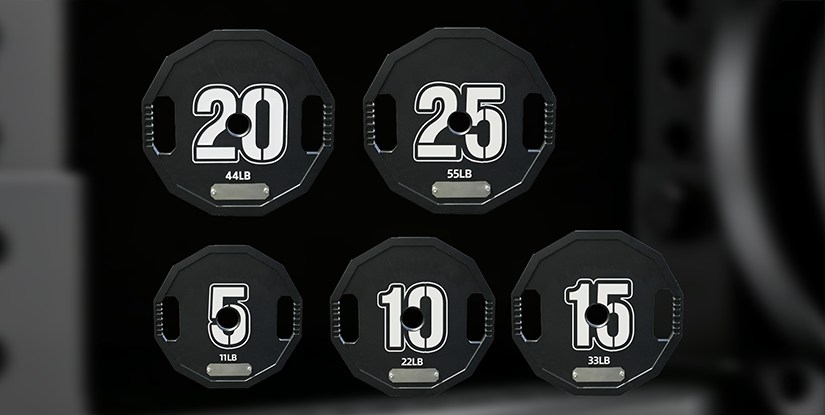
Selecting the appropriate tier is a critical step in the olympic plate bulk buy process, as it directly influences your long-term maintenance load and equipment lifespan. A mismatch between your facility's usage intensity and the plate's material grade can result in cracked coatings or damaged flooring, increasing your operational expenses. By evaluating these tiers through the lens of a professional commercial weight plates supplier, you can better align your procurement budget with your actual facility needs.
For distributors looking to optimize their wholesale olympic plates inventory, we suggest a tiered strategy. Use basic cast iron for high-volume strength areas where floor protection is managed by mats, and reserve premium PU-coated or high-grade rubber options for high-impact functional training zones. This ensures you provide value across different client segments while maintaining a predictable replacement cycle.
To ensure the quality of your olymeric plate manufacturing QC, we recommend requesting sample evaluations for each tier. When conducting a factory audit or reviewing pre-shipment reports, pay close attention to the coating adhesion and the consistency of the weight calibration across the batch. For large-scale wholesale orders, confirming the specific molding or casting method used for your chosen tier will help prevent common issues like edge chipping or uneven weight distribution during long-term commercial use.
Selecting the appropriate tier is a critical step in the olympic plate bulk buy process, as it directly influences your long-term maintenance load and equipment lifespan. A mismatch between your facility's usage intensity and the plate's material grade can result in cracked coatings or damaged flooring, increasing your operational expenses. By evaluating these tiers through the lens of a professional commercial weight plates supplier, you can better align your procurement budget with your actual facility needs.
For distributors looking to optimize their wholesale olympic plates inventory, we suggest a tiered strategy. Use basic cast iron for high-volume strength areas where floor protection is managed by mats, and reserve premium PU-coated or high-grade rubber options for high-impact functional training zones. This ensures you provide value across different client segments while maintaining a predictable replacement cycle.
To ensure the quality of your olympic plate manufacturing QC, we recommend requesting sample evaluations for each tier. When conducting a factory audit or reviewing pre-shipment reports, pay close attention to the coating adhesion and the consistency of the weight calibration across the batch. For large-scale wholesale orders, confirming the specific molding or casting method used for your chosen tier will help prevent common issues like edge chipping or uneven weight distribution during long-term commercial use.
Manufacturing Processes and Surface Finishing
For professional importers and distributors, understanding the technical production of an olympic plate bulk buy is essential to ensuring long-term durability and minimizing replacement costs. High-volume production typically relies on two primary manufacturing routes: sand casting and centrifugal casting, followed by precision finishing to meet commercial standards.
The most common method used by a China factory for mass-market weight plates is sand casting. In this process, molten iron is poured into a sand mold to create the basic plate shape. While cost-effective for high-volume wholesale, it requires secondary CNC machining to ensure the center bore is perfectly concentric and the surface is flat. For premium or competition-grade specifications, centrifugal casting may be utilized to achieve a denser, more uniform material structure with higher structural integrity.
Once the casting is complete, the surface treatment determines the product's lifespan in a high-traffic gym environment. Most commercial weight plates supplier options offer a choice between bare iron with a phosphate treatment for a matte finish, or a heavy-duty powder coating. The powder coating process provides a resilient layer that protects the iron from oxidation and minor impacts, which is a critical factor for reducing the total cost of ownership for gym operators.
To ensure every batch meets procurement expectations, a rigorous olympic plate manufacturing QC process must be implemented. This involves several critical stages:
- Casting Inspection: Checking for structural voids or inconsistencies in the sand casting mold.
- Machining Calibration: Using CNC machining to verify the bore diameter and concentricity, ensuring a smooth fit on Olympic barbells.
- Surface Adhesion Test: Verifying that the powder coating or rubber encapsulation is firmly bonded to the iron base to prevent peeling.
- Weight Tolerance Spot-Check: Conducting random sampling to ensure the finished weight remains within industry-standard commercial tolerances.
Selecting the right manufacturing route directly impacts your sourcing strategy. While sand casting offers the best margins for standard gym setups, precision-machined plates are necessary for high-end facilities where barbell fit and weight accuracy are non-negotiable. We recommend requesting a technical spec sheet or a sample evaluation to confirm that the coating adhesion and bore precision meet your specific brand identity requirements before proceeding with a full olympic plate bulk buy.
Surface Finishing Options and Durability Comparison
The choice of surface finishing is a decisive factor for distributors evaluating the total cost of ownership for their clients. A poorly executed coating can lead to premature oxidation or peeling, which increases maintenance labor and diminishes the professional appearance of a facility. When conducting an olympic plate bulk buy, it is vital to select a finish that aligns with the intended gym environment, whether it is a high-impact strength zone or a premium boutique studio.
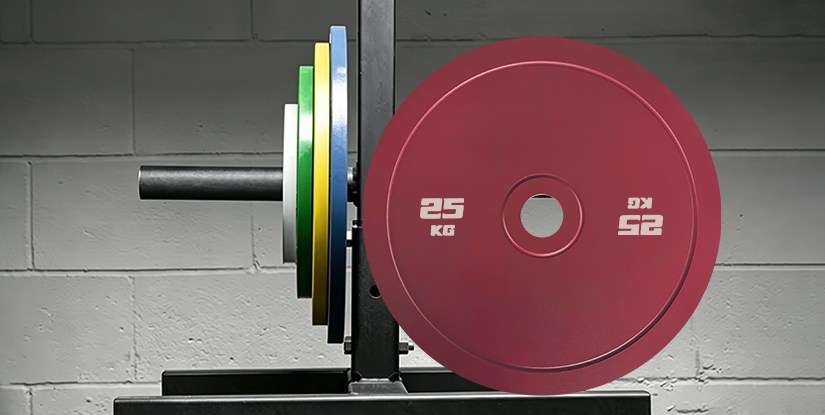
For high-traffic commercial settings, the durability of the coating is just as important as the thickness of the metal. A professional commercial weight plates supplier will typically offer several tiers of finishing. While basic painted finishes may suffice for budget-conscious projects, high-end facilities often require advanced solutions like polyurethane (PU) or high-grade rubber encapsulation to protect both the equipment and the flooring. These advanced coatings provide superior impact absorption and prevent the iron from chipping under heavy use.
The following table outlines the standard commercial-duty tiers available through wholesale procurement to assist in your technical evaluation:
| Material | Process | Key Component | Commercial Duty | MOQ Impact | Factory QC Point |
|---|---|---|---|---|---|
| Cast Iron | Sand Casting + Paint | Iron Base | Budget Commercial | Lower | Paint Adhesion |
| Cast Iron | CNC Machining + Powder Coating | Steel Hub | Standard Commercial | Medium | Surface Smoothness |
| Steel/Iron | Molding + PU Coating | Polyurethane Layer | Premium Commercial | Higher | Edge Bonding |
| Iron/Steel | Encapsulation + Rubber | Rubber Shell | High-Impact/Bumper | Variable | Thickness Uniformity |
When evaluating your wholesale olympic plates order, we suggest focusing on the bond between the material and the coating. High-quality production ensures that the surface treatment does not crack or delaminate during temperature fluctuations or heavy impacts. We recommend requesting a sample evaluation or a specific coating adhesion test report to ensure the finished product meets your durability standards before finalizing your olympic plate bulk buy.
China Factory QC and Export Packaging Protocols
For professional distributors, a successful olympic plate bulk buy depends entirely on the rigor of the pre-shipment inspection and the integrity of the logistics chain. Relying on a China factory that lacks standardized quality protocols can result in high landed costs due to weight discrepancies or transit damage. To protect your margins, a reputable commercial weight plates supplier must implement multi-stage verification to ensure every unit meets professional standards before leaving the warehouse.
Quality control begins with a strict weight tolerance check, where samples from each casting batch are verified for mass consistency. Following the machining of the center bore, the factory conducts visual inspections for surface defects, coating adhesion, and concentricity. Once the product passes these technical audits, the export packaging process becomes the final line of defense. For wholesale orders, this typically involves heavy-duty reinforced cartons or specialized wooden crates designed for sea freight safety. This robust approach prevents the common failure of bent edges or cracked coatings during long-distance ocean transit, ensuring your shipment arrives ready for immediate commercial deployment.
Standardizing the olympic plate manufacturing QC process is essential for mitigating the risk of high return rates and customer dissatisfaction in high-volume distribution. During the inspection phase, technical teams focus on critical failure points such as casting defects, specifically looking for air bubbles, cracks, or uneven density that could compromise the structural integrity of the plate. A high-tier commercial weight plates supplier also performs rigorous checks on the center bore to ensure perfect concentricity, preventing vibration or uneven loading when the plates are used on standard Olympic bars in a commercial gym setting.
Beyond structural integrity, the durability of the surface finish is a primary concern for long-term maintenance costs. Inspectors evaluate the coating adhesion to ensure that the paint or rubber layer will not peel or flake under heavy daily use. For a successful olympic plate bulk buy, the factory must also verify that the surface finish is consistent across the entire batch to maintain a premium aesthetic for your brand identity. Once these technical standards are met, the units undergo a final inspection of the edge smoothness and weight calibration before being secured in export-grade packaging. We recommend that buyers confirm the specific packaging requirements for their region to ensure the safest possible transit for bulk shipments.
Export Packaging and Logistics Readiness Checklist
To minimize the risk of damage during long-distance ocean transit, procurement managers should verify that their wholesale olympic plates are prepared for high-density loading. A standard olympic plate bulk buy requires more than just product quality; it demands a logistical strategy that protects the physical integrity of the goods from the factory floor to your warehouse. Failure to enforce strict packaging standards often leads to increased landed costs through replacement claims or damaged goods upon arrival.
| Packaging Component | Commercial Requirement | Logistics Purpose | Inspection Focus |
|---|---|---|---|
| Primary Container | Heavy-duty reinforced carton | Impact protection | Structural integrity of corners |
| Moisture Protection | Industrial-grade plastic wrap/film | Rust and oxidation prevention | Seal tightness for sea freight |
| Palletization | Reinforced wooden or plastic pallets | Stacking stability | Load-bearing capacity and weight distribution |
| Securing Method | Heavy-duty strapping or shrink wrap | Movement prevention | Tension strength and edge protection |
When managing a wholesale olympic plates order, ensure your commercial weight plates supplier provides a detailed packing list that includes total weight, volume, and pallet dimensions. This data is critical for calculating accurate shipping costs and optimizing container space. We recommend requesting a pre-shipment photo of the palletized load to confirm that the weight distribution is balanced and that the moisture protection is sufficient for long-duration sea freight. For large-scale distribution, confirming these logistics protocols early in the sourcing process ensures a smoother arrival and more predictable inventory turnover.
OEM/ODM Customization and Lead Time Management
When executing an olympic plate bulk buy, professional distributors and gym owners must look beyond simple unit costs to evaluate the strategic value of brand differentiation. Relying on generic, off-the-shelf stock limits your ability to build a cohesive brand identity, whereas engaging with a commercial weight plates supplier that offers robust OEM and ODM capabilities allows you to integrate custom logos, specific color schemes, and unique plate dimensions into your product line.
Effective branding through private label solutions is a primary driver for long-term distributor margins. However, high levels of customization—such as specialized rubber encapsulation colors or unique center-hole designs—directly impact the production cycle. A China factory specializing in high-volume export will typically provide a tiered structure for MOQ to balance these customization needs against shipping efficiency. For instance, standard cast iron plates may have a lower MOQ, while highly customized PU-coated plates often require larger volumes to justify the setup of specialized molding lines.
Managing lead time is critical for maintaining inventory turnover and avoiding stockouts during peak procurement seasons. Procurement professionals must account for the entire sequence: from the initial customization approval and raw material sourcing to the casting, coating, and final pre-shipment inspection. A transparent supplier will provide a detailed timeline that distinguishes between standard production and the extended lead time required for ODM projects involving complex multi-layer coatings or specialized branding. Understanding these variables ensures your wholesale orders arrive in alignment with your facility launch or seasonal distribution cycles.
Customization Tiers and Production Scheduling
To optimize your olympic plate bulk buy, it is essential to understand how specific design requests influence the total lead time and the final landed cost. High-volume wholesale buyers often choose between rapid fulfillment of standard stock and the long-term brand value of a private label strategy. While standard black rubber-coated plates are typically ready for faster shipping, introducing a custom logo or a non-standard color through custom branding requires additional stages in the production cycle, such as specialized mold creation or specific powder coating application.
| Customization Level | Typical Elements | Production Cycle Impact | Commercial Utility |
|---|---|---|---|
| Standard Wholesale | Standard black/color, factory logo | Shortest (Ready-to-ship) | High turnover, low cost |
| Basic OEM | Custom , standard color Moderate (Additional 15-30 days) Brand recognition Advanced ODM | Unique , specialized texture Extended (Requires mold setup) Premium market differentiation For distributors managing large-scale facility rollouts, we recommend aligning your sourcing schedule with these production realities. A professional supplier will manage the sequence from casting to the final packaging to ensure container loading efficiency. To mitigate risks of delayed shipping, we suggest initiating the customization approval process and MOQ confirmation well in advance of your required arrival date at the warehouse or port.
Frequently Asked QuestionsWhat MOQ and lead time should importers expect from a China factory for olympic plate bulk buy?MOQ and lead time vary by customization level, coating or branding, and production slot availability. Importers commonly confirm MOQ tiers, sample approval cycles, and peak-season capacity before placing a bulk order. Can buyers source olympic plate bulk buy with OEM or private-label branding?Many China manufacturers support OEM/ODM runs with logo plates, colorways, packaging, and compliance labeling. Buyers should request tooling timelines, approved samples, and QC checkpoints before approving a production run. How should distributors verify factory QC before a bulk shipment?Review material specs, dimensional tolerances, surface finish standards, and in-process QC steps. Pre-shipment inspection, carton drop tests, and palletization checks help reduce landed-cost surprises and returns. What is a practical MOQ strategy when sourcing wholesale olympic plates, commercial weight plates supplier wholesale?Start with a mixed-SKU purchase plan aligned to facility demand and distributor turnover. Buyers commonly validate sell-through first, then scale MOQ after confirming utilization and replenishment cadence. How can buyers reduce maintenance costs on strength stations?Prioritize equipment with proven surface treatment, corrosion resistance, and stable structural design. Preventive inspection schedules, spare-part planning, and clear supplier warranty terms are key to controlling long-run maintenance costs. What should distributors verify before committing to recurring orders?Review lead time consistency, quality control documentation, export packaging standards, and logistics reliability. Stable replenishment and predictable landed cost are critical for healthy distributor margins. Featured ProductsLeave a MessagePopular articles |