Bumper Plate OEM Manufacturer: Coating and Material
Bumper Plate OEM Manufacturer: Material Selection and Commercial Utility
A professional bumper plate OEM manufacturer provides specialized high-impact plates designed for heavy lifting in commercial environments. B2B buyers select these products based on material density and surface durability to ensure long-term reliability and optimized total cost of ownership (TCO) across large-scale facility deployments.
When sourcing from a commercial bumper plate supplier, procurement officers must differentiate between standard rubber and premium polyurethane (PU) options. While rubber-coated plates are a staple for high-volume training, high-end facilities often request PU-coated units for their superior density and aesthetic finish. Choosing the correct material directly impacts your wholesale procurement strategy, as the choice between a rubber/urethane bumper affects both the initial landed cost and the long-term maintenance load for the end-user.
For distributors managing high-turnover gym equipment, understanding these material trade-offs is essential for maintaining healthy margins. A China factory specializing in these builds can offer various grades of rubber compounds to meet specific durability requirements, allowing you to balance the MOQ and budget against the expected lifespan of the equipment in a high-traffic commercial setting.
Material and Coating Specification Comparison
To assist in your procurement planning, the following table outlines the qualitative differences between common materials used by a professional bumper plate OEM manufacturer. This comparison is designed to help distributors and facility owners select the appropriate tier for their specific market positioning.
| Material Type | Common Coating Process | Key Component/Feature | Commercial Duty Tier | Procurement Impact | Typical Factory QC Point |
|---|---|---|---|---|---|
| High-Density Rubber | Compression Molding | Integrated Edge/Rim | Standard Commercial | High Volume/Low Cost | Edge Bonding & Density |
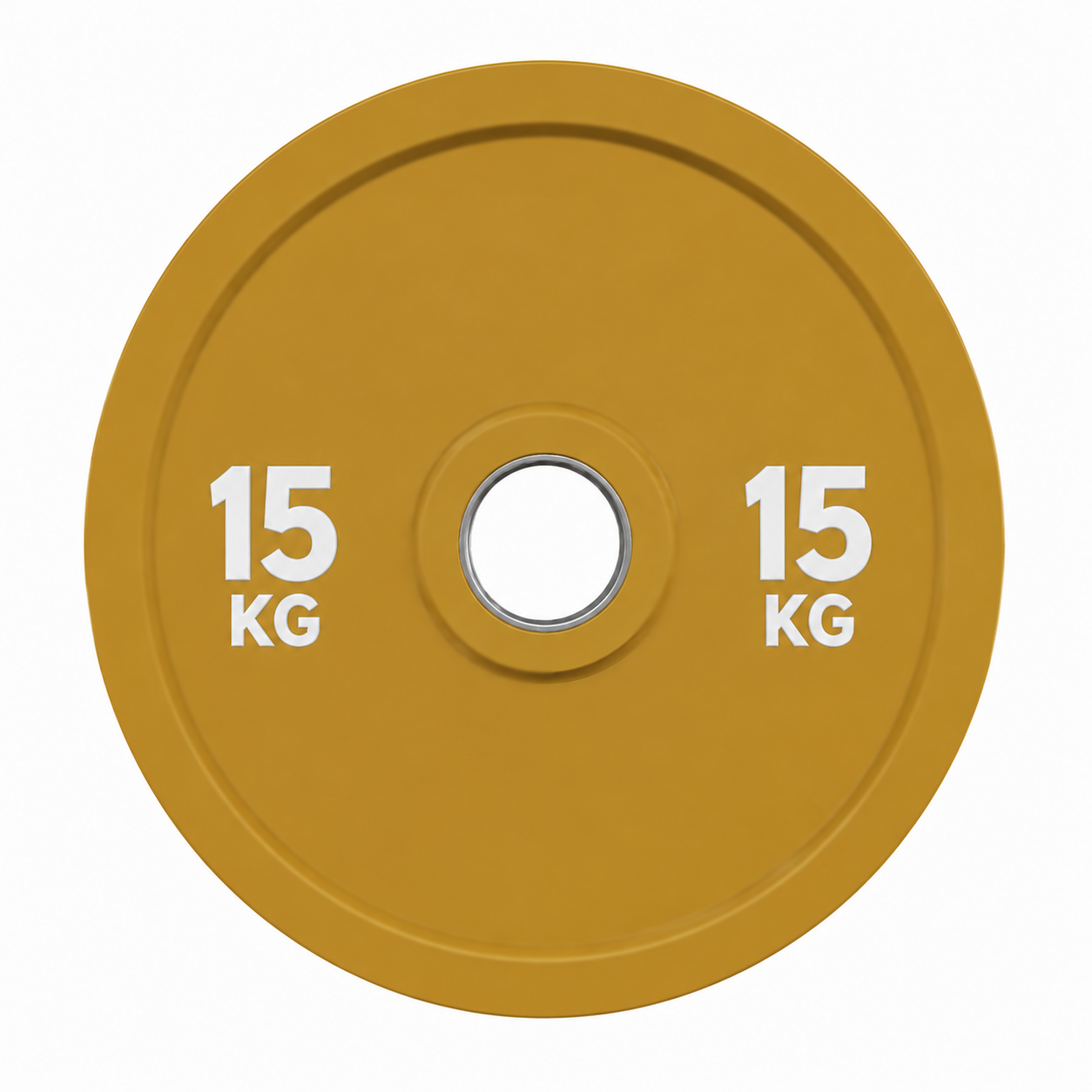
| Polyurethane (PU) | Injection/Dip Coating | Color-Coded Weight Markings | Premium/Competition | Higher Unit Price | Coating Adhesion |
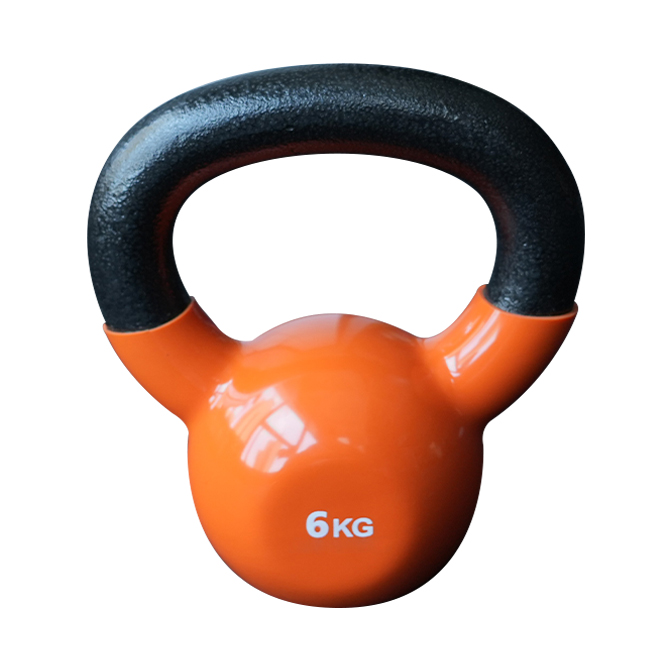
| Vinyl/PVC Dip | Dip Coating | Smooth Surface Finish | Budget/Studio | Lowest Landed Cost | Surface Uniformity |
Selecting the right wholesale rubber bumper plates depends on the intended environment. For example, a high-impact CrossFit box may require a thicker rubber compound to manage floor vibration, whereas a premium boutique studio might prioritize the aesthetic precision and color-coded branding of a PU-finished plate. When negotiating with a commercial bumper plate supplier, we recommend requesting samples to verify the coating adhesion and the concentricity of the central bore to ensure seamless compatibility with high-end Olympic barbells.
As a specialized bumper plate OEM manufacturer, we facilitate the complete customization process, from selecting the specific rubber durometer to finalizing the silk-screened logo design. This level of control allows you to build a cohesive brand identity while managing your inventory through optimized wholesale order structures and predictable lead times.
Ensuring Precision via Pre-Shipment QC and Export Standards
For professional importers, the risk of receiving inconsistent batches is a significant concern. A reliable bumper plate OEM manufacturer mitigates this by implementing rigorous quality control protocols that focus on two critical variables: coating adhesion and weight tolerance. In high-traffic commercial settings, any failure in the surface layer or a significant deviation in weight can lead to increased maintenance costs and customer dissatisfaction, ultimately hurting your distributor margins.
During the pre-shipment QC process, a professional commercial bumper plate supplier typically conducts spot-checks to ensure the rubber or PU layer is perfectly bonded to the internal core. This prevents delamination during heavy drops. Furthermore, checking the weight tolerance is vital; even small deviations across a full set can compromise the balance of a barbell. By ensuring these standards are met at the factory level, you reduce the likelihood of costly returns and ensure that your wholesale rubber bumper plates arrive ready for immediate, high-performance commercial use.
Finally, the integrity of the shipment relies on robust export packaging. To protect your landed cost and ensure the product arrives in pristine condition, we utilize reinforced heavy-duty cartons and optimized palletizing methods. This specialized export packaging is designed to withstand the rigors of international sea freight and container loading, ensuring that your bulk order reaches your warehouse without structural damage or surface scuffing.
Core Material Profiles: From Cast Iron to High-Grade Rubber
Selecting the correct substrate is a critical decision for distributors and gym operators managing long-term asset depreciation. A professional bumper plate OEM manufacturer provides various material configurations to balance initial procurement costs with long-term durability. Whether you are sourcing for a high-impact functional training facility or a standard weightlifting zone, understanding the distinction between cast iron cores and advanced polymer coatings is essential for optimizing your landed cost and product lifecycle.
For high-volume wholesale rubber bumper plates, the core construction typically involves a high-density center—often a heavy-duty steel or specialized high-density rubber—encapsulated by a thick, impact-resistant outer layer. This construction is vital for reducing floor vibration and noise in commercial settings. Conversely, for budget-conscious procurement, commercial bumper plate supplier options may focus on painted or powder-coated cast iron, which offers high density and a smaller footprint but requires more careful handling to prevent coating chipping during heavy drops.
The choice between a rubber/PU coating and a standard paint finish directly impacts the maintenance load and replacement frequency for your clients. High-end rubberized or polyurethane (PU) finishes provide superior shock absorption and edge protection, making them the preferred choice for premium training studios. When negotiating with a China factory, buyers should specify the desired density and coating thickness to ensure the finished goods meet the specific durability requirements of their target market.
| Material Type | Typical Process | Key Component | Commercial Duty | MOQ Impact | Factory QC Point |
|---|---|---|---|---|---|
| Cast Iron Base | Sand Casting | Solid Core | Standard Weightlifting | Lower | Weight Tolerance |
| Rubber Coated | Compression Molding | Impact Layer | High-Impact Functional | Higher | Edge Bonding |
| PU Coated | Polyurethane Dip | Premium Shell | Premium Studio/Competition | Highest | Coating Adhesion |
Technical Comparison of Material and Process Tiers
Understanding the relationship between the core substrate and the outer coating is vital for calculating the total cost of ownership (TCO) for your clients. A high-tier bumper plate OEM manufacturer will offer distinct production routes depending on whether the goal is high-impact shock absorption or space-efficient density. For example, the compression molding process used for rubberized plates ensures a more uniform density compared to simple dip-coating, which affects how the product handles heavy drops in a high-traffic commercial environment.
When evaluating a commercial bumper plate supplier, procurement professionals must look beyond the surface. The quality of the internal filler and the bond between the core and the outer shell determines the long-term replacement rate. A well-managed China factory will implement specific calibration steps—such as weight spot-checks and concentricity testing—to ensure that every unit in a bulk order maintains a consistent center of gravity. This level of detail is what differentiates a budget-tier product from a premium, competition-ready unit.
For distributors managing large-scale inventory, the choice of material also influences shipping and warehouse efficiency. While PU-coated plates offer a premium aesthetic and high durability, they may involve different wholesale volume requirements and lead times compared to standard rubberized options. We recommend requesting a detailed spec sheet or a sample evaluation to verify the coating adhesion and edge thickness before finalizing any large-scale OEM or ODM production agreement.
Optimizing Surface Durability Through Advanced Coating Processes
The reliability of a surface finish is a primary driver of long-term replacement costs in commercial facilities. A professional bumper plate OEM manufacturer focuses heavily on the adhesion strength between the core and the outer layer to prevent the common failure mode of peeling or cracking. For high-performance training environments, a PU coating (polyurethane) is often preferred because it provides a more seamless, high-density finish that resists abrasion better than standard paint. This technical distinction is a key factor for distributors when justifying premium pricing to end-users.
In many commercial settings, the choice between a standard powder coating and a specialized rubberized finish depends on the intended usage intensity. While powder coating is an industry-standard method for providing a durable, consistent color to cast iron bases, it lacks the shock-absorption qualities of a molded rubber or PU shell. When sourcing from a China factory, it is essential to verify the specific manufacturing sequence—typically moving from casting to precision machining, followed by surface preparation, and finally the application of the coating layer—to ensure the finish is integrated into the component rather than just sitting on the surface.
To mitigate the risk of uneven weight distribution or surface defects, a high-tier commercial bumper plate supplier must implement rigorous pre-shipment protocols. This includes a weight tolerance spot-check and a visual inspection of the coating adhesion across the entire surface. For buyers managing large-scale imports, these quality control steps are vital to ensure that the landed cost remains low by reducing the need for after-sales replacements. We suggest that procurement leads confirm the specific coating application method and request a sample for a durability test to ensure the product meets the expected commercial-grade standards for your specific market.
Surface Coating and Finishing Processes for Long-Term Durability
Selecting a professional bumper plate OEM manufacturer requires a deep understanding of how surface treatments influence the total cost of ownership. For distributors and gym owners, the choice between different coating technologies determines whether a product remains in peak condition or requires frequent replacement due to surface degradation. In the context of high-volume wholesale procurement, the relationship between material density and outer layer adhesion is a critical factor in ensuring long-term commercial durability.
When sourcing wholesale rubber bumper plates, buyers must evaluate the quality of the integration between the inner core and the outer skin. A low-quality commercial bumper plate supplier might provide units where the coating is prone to peeling or cracking under high-impact conditions. To mitigate this risk, professional procurement teams focus on the quality of the rubber or urethane coating to ensure consistent impact resistance and structural integrity across thousands of repetitions.
| Material/Coating Type | Primary Process | Commercial Duty Tier | Impact Resistance | Procurement Focus |
|---|---|---|---|---|
| Standard Rubber | Compression Molding | Budget Commercial | Moderate | Lower landed cost |
| High-Density Rubber | Advanced Vulcanization | Professional Grade | High | Durability/Longevity |
| Polyurethane (PU) | Injection/Dip Coating | Premium/Competition | Extreme | Aesthetics and Precision |
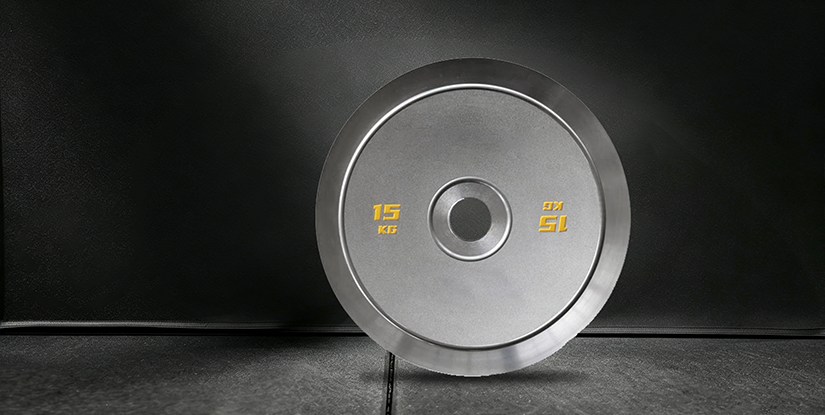
For distributors managing large-scale inventory, the technical specifications of the coating process directly impact the maintenance load of the end-user facility. A reliable bumper plate OEM manufacturer will implement a strict sequence involving casting, surface preparation, and precision coating to prevent common failure modes such as edge separation or color fading. Understanding these material-process-component variables allows for better planning of replacement cycles and more accurate product positioning within your own brand lineup.
Evaluating the technical differences between coating methods is essential for optimizing the long-term value of your bulk orders. A professional bumper plate OEM manufacturer will offer distinct options depending on whether your target market requires high-impact durability for CrossFit environments or high-precision aesthetics for premium training studios. The primary distinction lies in the chemical bonding and the physical properties of the outer layer, which directly affects the weight tolerance and the longevity of the product in a commercial setting.
Pu Coating vs. Rubber Coating: Technical Comparison
In the procurement of wholesale rubber bumper plates, buyers often face a decision between standard rubber encapsulation and high-grade polyurethane (PU) coating. While standard rubber is a cost-effective solution for general commercial use, PU coating provides a more seamless, high-density finish that is typically preferred for competition-style equipment. From a sourcing perspective, the choice between these two impacts not only the initial landed cost but also the long-term maintenance requirements of the facility using the equipment.
A high-quality commercial bumper plate supplier ensures that the coating adhesion is optimized through a rigorous manufacturing sequence. For PU-coated plates, this often involves a precise molding or dip process that creates a tight, uniform bond with the internal core. This prevents the common issue of delamination or "bubbling" that can occur when the coating and the base material have mismatched thermal expansion or poor adhesion. When conducting a factory audit or reviewing sample approval documents, procurement leads should verify the consistency of the coating thickness and the smoothness of the edge transitions.
When managing large-scale replenishment or new product launches, it is advisable to request a detailed spec sheet from your bumper plate OEM manufacturer to confirm the specific vulcanization or injection methods used. This technical clarity helps in setting accurate expectations for your customers regarding impact absorption, surface hardness, and the overall durability of the weight markings. Establishing these standards early in the sourcing process ensures that your private label products meet the rigorous demands of professional strength and conditioning environments.
Optimizing Inventory with a Commercial Bumper Plate Supplier
For distributors and large-scale gym operators, selecting a reliable bumper plate OEM manufacturer is a strategic decision that extends far beyond simple product aesthetics. High-quality wholesale rubber bumper plates ensure that your inventory remains consistent in weight and dimension, which is critical for maintaining professional standards across your product lines. When you source directly from a professional commercial bumper plate supplier, you gain control over the standardization of your stock, reducing the risk of mismatched sets that can damage your reputation and increase return rates.
Efficient sourcing from a China factory allows you to optimize your inventory turnover by balancing product durability with cost-effectiveness. By selecting high-grade rubber compounds and standardized manufacturing processes, you ensure that the products do not degrade or lose shape in your warehouse space, maintaining their value throughout the distribution cycle. This level of quality control directly impacts your landed cost and long-term margins, as it minimizes the need for replacement stock and reduces the overhead associated with defective units. Whether you are managing a small wholesale order or a large-scale OEM project, prioritizing material consistency is the most effective way to protect your bottom line and ensure smooth warehouse operations.
Tiered Specification Comparison for Strategic Procurement
Distributors must align their product offerings with specific market segments to maximize profitability. Selecting the correct tier through your bumper plate OEM manufacturer ensures that your capital is deployed toward products that match the end-user's durability requirements and budget constraints. A mismatch in material grade can lead to high return rates and diminished margins, whereas a well-calibrated selection optimizes your entire supply chain.
| Material Tier | Coating Type | Durability Level | Commercial Use Case | MOQ Impact | Factory QC Focus |
|---|---|---|---|---|---|
| Standard Synthetic Rubber | Basic Dip Coating | Moderate | Budget Training Centers | Lower | Edge Bonding & Weight Consistency |
| High-Density Rubber | Multi-Layered Vulcanized | High | Full-Service Commercial Gyms | Medium | Compression Resistance & Surface Uniformity |
| Premium Polyurethane (PU) | Precision PU Injection | Extreme | Professional Competition & High-End Studios | Higher | Precision Bore Fit & Coating Adhesion |
Understanding these qualitative differences allows a commercial bumper plate supplier to help you build a diverse catalog. For instance, while standard rubber options provide a lower entry price for bulk wholesale distribution, premium PU-coated units offer the longevity required for high-traffic facilities, justifying a higher retail price point and better margins for your brand. We recommend reviewing sample batches to verify how different coatings react to heavy impact before finalizing your large-scale sourcing plan.
Streamlining Logistics and Custom Branding
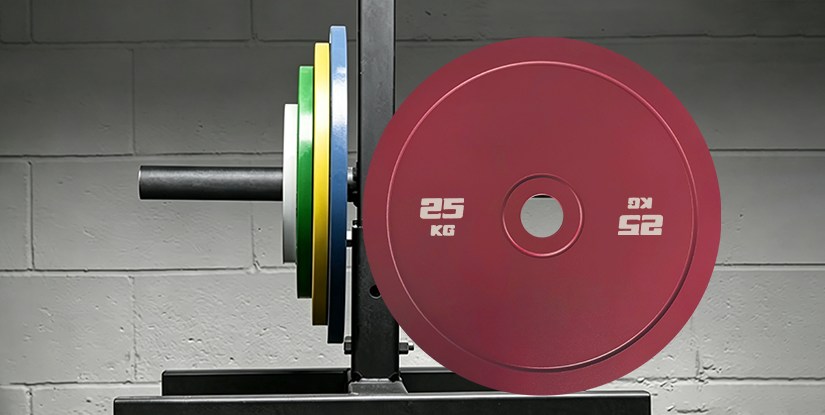
Navigating the complexities of international logistics requires a partner who understands the nuances of high-volume shipping. Working with a professional bumper plate OEM manufacturer provides significant advantages in managing the landed cost of heavy equipment. Because bumper plates are high-density items, optimizing shipping volume through strategic container loading is essential for protecting your distributor margin. A seasoned China factory will assist in calculating the most efficient palletization and carton configurations, ensuring that your bulk orders maximize container utilization without compromising on export packaging integrity.
Beyond standard inventory, many distributors leverage OEM and ODM capabilities to build a unique market presence. Custom branding allows you to transition from a generic reseller to a recognized brand owner by integrating your identity into the product itself—whether through precision laser-etched logos or color-coded weight markings. When planning your next wholesale procurement cycle, we suggest discussing your specific customization requirements and MOQ early. This proactive approach allows for better lead time management and ensures that your custom-branded products arrive at your warehouse meeting both your brand standards and your clients' rigorous commercial expectations.
China Factory QC: Ensuring Precision in Bulk Bumper Plate Orders
Maintaining consistent quality across large-scale shipments requires more than just standard manufacturing; it requires a rigorous bumper plate OEM manufacturer protocol that aligns with international commercial gym standards. For importers and distributors, the primary risk in wholesale rubber bumper plates procurement is weight variance and inconsistent coating adhesion. A professional China factory mitigates these risks by implementing multi-stage verification processes—from the initial rubber molding to the final pre-shipment inspection—ensuring that every unit in a bulk orders shipment meets the expected density and structural integrity.
Effective sourcing strategy for high-volume fitness equipment must prioritize a commercial bumper plate supplier that utilizes systematic quality control. Instead of relying on random sampling, leading facilities employ a structured sequence: casting or molding, surface treatment, weight calibration, and finally, a comprehensive pre-shipment inspection. This level of oversight is critical for maintaining a low TCO (Total Cost of Ownership) and preventing the high replacement costs associated with substandard, unevenly weighted plates in a commercial setting.
Technical Quality Control Checkpoints for Professional Procurement
To minimize the risk of landed cost inflation due to damaged or non-compliant goods, procurement managers must evaluate specific technical benchmarks. A reliable bumper plate OEM manufacturer focuses on four critical checkpoints to ensure product uniformity before the goods leave the facility.
| Control Dimension | Focus Area | Commercial Duty Requirement | Typical Factory QC Point |
|---|---|---|---|
| Material Consistency | Rubber Compound Density | Uniform bounce and impact absorption | Density spot-check and material grade verification |
| Surface Integrity | Coating Adhesion | Resistance to peeling and color fading | Manual abrasion test and visual surface inspection |
| Dimensional Precision | Bore Fit and Concentricity | Smooth rotation on Olympic barbells | Bore diameter check and concentricity calibration |
| Final Verification | Weight Calibration | Minimal variance across the full batch | Standardized weight spot-check and scale verification |
When managing wholesale rubber bumper plates, the most common failure mode is inconsistent weight distribution or uneven rubber-to-core bonding. A professional commercial bumper plate supplier addresses this through a structured sequence: initial molding, followed by a strict weight calibration stage, and concluding with a final export packaging audit. This audit ensures that the wholesale units are secured in high-strength, reinforced cartons designed to withstand the rigors of sea freight and long-distance container loading, protecting your distributor margins from transit-related damage.
Before finalizing your next bulk purchase, we recommend requesting a detailed spec sheet or arranging a sample approval process. Our team can also provide documentation regarding our OEM capabilities and lead times to help you optimize your inventory planning and seasonal replenishment cycles.
Optimizing Logistics and International Shipping Safety
For professional importers, the final stage of the procurement cycle is as critical as the manufacturing itself. A high-tier bumper plate OEM manufacturer understands that the landed cost is heavily influenced by shipping efficiency and transit-related damage. To protect your margins during long-haul sea freight, we utilize industry-standard export packaging protocols. This includes utilizing heavy-duty, reinforced corrugated cartons and strategic palletizing techniques that prevent crushing and ensure stability during container loading. By optimizing the volume-to-weight ratio, we help distributors maximize container utilization, effectively reducing the per-unit shipping expense.
Beyond physical protection, transparency in the supply chain is vital for successful inventory management. When you partner with a professional commercial bumper plate supplier, you gain clarity on critical variables such as MOQ, production lead time, and customized OEM/ODM branding options. Whether you are managing a seasonal replenishment cycle or a large-scale facility build-out, our factory provides precise scheduling to ensure your stock arrives on time. We encourage procurement leads to contact us to confirm current wholesale pricing tiers, request technical specifications, or arrange a factory audit to ensure our quality control standards align with your brand identity.
OEM and Private Labeling Capabilities for Global Distributors
For distributors and large-scale gym equipment importers, the ability to differentiate a product line through a professional bumper plate OEM manufacturer is a critical competitive advantage. Moving beyond generic stock items allows you to build a recognizable brand identity that resonates with premium fitness facilities and professional strength athletes. Whether you are expanding a commercial gym product lineup or launching a specialized strength brand, leveraging OEM and ODM services provides the scalability required for global expansion.
Strategic sourcing from a specialized China factory enables much more than just adding a logo; it offers deep customization options for every technical aspect of the plate. From selecting specific rubber densities to implementing custom color-coded weight markings, these services ensure your products meet the exact specifications of your target market. While high-level custom branding often requires a specific MOQ, the ability to control the manufacturing route ensures your brand stands for consistent quality and durability in the eyes of your clients.
Working with a dedicated commercial bumper plate supplier ensures that your private label products are not just aesthetically distinct, but also functionally superior. By integrating your brand into the production phase, you can manage the wholesale lifecycle more effectively, ensuring that every batch produced under your name adheres to the professional standards your customers expect.
Customization Tiers and Procurement Specifications
Understanding the distinction between standard inventory and full-scale production is essential for effective inventory planning. Most distributors begin by sourcing wholesale rubber bumper plates from existing stock to minimize initial capital expenditure. However, as your market presence grows, transitioning to a bumper plate OEM manufacturer model allows for precise control over the technical specifications that define a premium product line.
The following table outlines the typical differentiation in service levels provided by a professional commercial bumper plate supplier to help you determine the best fit for your current volume and branding objectives:
| Customization Level | Branding Depth | Technical Control | Typical MOQ | Lead Time Impact |
|---|---|---|---|---|
| Standard Wholesale | None or Generic | Standardized Materials | Low (Container/Pallet) | Short (Ready to Ship) |
| Light OEM | Logo/Color Coding | Limited Material Choice | Medium | Moderate |
| Full ODM/Private Label | Full Brand Identity | Custom Rubber Compounds | High | Extended (Production Cycle) |
When evaluating wholesale rubber bumper plates, procurement managers must weigh the benefits of rapid replenishment against the long-term value of a custom product. A standard commercial bumper plate supplier can provide immediate stock for fast-moving SKUs, whereas a bumper plate OEM manufacturer is the ideal partner for developing proprietary designs, unique color-coding systems, or specialized edge-protection features that set your brand apart in a crowded market. Always confirm the specific MOQ and expected lead time for any custom run to ensure your landed cost and distribution schedules remain optimized.