Olympic Plate Private Label: Leading OEM ODM Manufacturer
The Hidden Costs of Low-Quality Olympic Plate Private Label Sourcing
When professional buyers evaluate a olympic plate private label partnership, the initial focus often rests on the unit price and the MOQ offered by a China factory. However, procurement professionals must look beyond the surface to mitigate long-term operational risks. A successful sourcing strategy requires balancing the upfront landed cost against the potential for high replacement frequency and technical discrepancies. Failing to verify the weight tolerance and the structural integrity of the plates during the initial wholesale order can lead to significant disruptions in your supply chain and diminished brand authority.
The true cost of a budget-oriented olympic plate private label becomes apparent when equipment fails to meet commercial gym durability standards. In many high-traffic environments, inferior casting methods lead to uneven distribution of mass, which compromises the balance of a barbell. This lack of precision is not merely a technicality; it causes rapid wear on other premium equipment and increases maintenance loads for facility managers. If the custom olympic plates you provide to your clients suffer from premature surface degradation or cracking, the resulting replacement frequency will quickly erode your profit margins and damage your reputation as a premium gym equipment private label provider.
Analyzing Procurement Value: Budget Sourcing vs. Professional Manufacturing
To ensure long-term profitability, distributors must differentiate between low-cost commodity suppliers and professional OEM/ODM partners. A budget-focused approach often overlooks the critical variables that impact the total cost of ownership (TCO), such as weight accuracy and coating durability. Selecting a high-tier supplier ensures that your branded products maintain their structural integrity through heavy commercial usage cycles, protecting your brand identity and reducing the frequency of returns or customer complaints.
| Feature | Low-Quality Sourcing | Professional OEM/ODM | Impact on TCO |
|---|---|---|---|
| Weight Accuracy | High variance; inconsistent mass distribution | Strict calibration; consistent weight tolerance | Reduces barbell imbalance and wear on high-end equipment |
| Material Integrity | Standard sand casting; prone to surface flaws | Precision casting or machined steel; high density | Decreases replacement frequency in high-traffic facilities |
| Surface Finish | Basic paint or thin coating; prone to chipping | Industrial powder coating or high-grade PU | Maintains brand aesthetic and prevents oxidation over time |
| Bore Precision | Manual drilling; inconsistent concentricity | CNC machining; precise center-hole alignment | Ensures smooth barbell rotation and longevity of sleeves |
| Bulk Reliability | High risk of defects in large wholesale shipments | Rigorous pre-shipment QC and standardized batches | Protects distributor margins by minimizing faulty inventory |
When negotiating your next wholesale order, we recommend requesting a detailed specification sheet to confirm the exact manufacturing sequence. A professional factory will provide clarity on their weight calibration methods and the thickness of their coating processes. For those looking to establish a premium presence, verifying these technical benchmarks during the sample approval stage is the most effective way to secure a high-value partnership and ensure a reliable olympic plate private label program.
Beyond technical specifications, procurement teams must account for the logistical volatility inherent in global shipping. A common failure mode in low-tier wholesale weight plates sourcing is the lack of standardized export packaging. Inadequate protection during transit often results in significant shipping damage, such as cracked edges on cast iron or compromised coating adhesion. When a container arrives with a percentage of defective units, the resulting lead time delays can disrupt your entire seasonal launch or facility deployment schedule. This creates a cascading effect: you are forced to choose between absorbing the loss or delaying client deliveries, both of which directly impact your landed cost and overall distributor margins.
Furthermore, branding consistency is a critical risk factor for any gym equipment private label project. Many budget-focused manufacturers lack the precision required for high-fidelity logo application or specialized surface treatments. If the branding on your custom olympic plates appears inconsistent, blurry, or incorrectly centered due to poor mold quality or low-grade printing, it undermines the professional identity you are attempting to build. For a serious importer, a high-quality factory must demonstrate mastery over both the physical product and the aesthetic execution to ensure that every unit shipped reinforces, rather than devalues, your brand's market position.
Material Selection and Manufacturing Standards for Commercial Plates
Selecting the right substrate is the foundation of a successful olympic plate private label program. For distributors and gym equipment importers, the choice between cast iron, steel, or specialized coatings directly dictates the total cost of ownership (TCO) and the long-term durability of the product line in high-traffic environments. When sourcing from a China factory, understanding these material tiers allows you to align your product offering with specific market segments, from budget-friendly commercial gyms to premium performance studios.
The manufacturing journey begins with the base material selection, typically involving sand casting for iron or precision machining for steel. A high-quality wholesale supplier ensures that the transition from casting to final surface treatment—such as powder coating or urethane encapsulation—is seamless to prevent premature peeling or oxidation. Choosing the correct material density and coating adhesion is critical for maintaining your brand's reputation and reducing replacement frequency for your end-users.
Commercial Grade Material Comparison
| Material Type | Primary Process | Key Component/Finish | Commercial Duty Tier | Procurement Focus |
|---|---|---|---|---|
| Cast Iron | Sand Casting | Powder Coating or Paint | Budget / Standard Commercial | Low TCO & High Volume |
| Solid Steel | Machining / CNC | Chrome or Enamel | Premium / Competition | Precision & Longevity |
| Rubber/Urethane Bumper | Molding / Vulcanization | High-Density Core | High-Impact / Professional | Floor Protection & Noise |
| Steel Hub Plate | Hybrid Assembly | Encapsulated Coating | Premium Commercial | Durability & Aesthetics |
For those pursuing custom olympic plates, the technical complexity increases with the level of customization required. For instance, moving from a standard cast iron plate to a high-end rubber/urethane bumper requires specialized molding and vulcanization processes. While the wholesale cost per unit is higher for urethane-encapsulated options, the reduction in floor maintenance and noise levels often provides a better long-term ROI for large-scale facility operators. When managing gym equipment private label projects, always verify the thickness of the encapsulation layer and the quality of the internal core to ensure consistent weight distribution and impact resistance during bulk sourcing.
Technical Manufacturing and Quality Control Standards
Precision in the manufacturing sequence determines whether a batch of custom olympic plates meets international commercial standards or fails during rigorous use. A professional production line follows a strict sequence: starting with raw material preparation, moving through casting or CNC machining, and concluding with advanced surface treatments. For importers, the most critical technical variable is the weight tolerance. A reliable supplier will implement a calibration stage after the initial machining to ensure that each unit remains within an acceptable industry-standard deviation, preventing the profit-killing issues of uneven weight distribution in large-scale gym installations.
During the surface finishing stage, the method of application significantly impacts the longevity of your olympic plate private label. For example, a standard powder coating process provides a durable, textured finish suitable for high-volume commercial gyms, whereas a PU coating or high-density urethane encapsulation offers superior impact resistance and a premium aesthetic. When conducting a factory audit or reviewing pre-shipment QC reports, buyers should focus on coating adhesion and the concentricity of the center bore. Ensuring the bore is perfectly centered through CNC machining rather than basic casting prevents uneven wear on barbell sleeves, a common failure mode in lower-tier products.
Effective sourcing also requires a clear understanding of how these technical choices impact your landed cost and lead time. While advanced processes like precision CNC machining or multi-layer urethane molding increase the initial unit price, they drastically reduce the frequency of replacements and maintenance-related downtime for your clients. We recommend that distributors request a detailed technical spec sheet and confirm the specific QC checkpoints—such as weight calibration methods and coating thickness testing—before finalizing any bulk order or setting the MOQ for a new product line.
Precision Machining and Surface Finishing Processes
Achieving consistent weight accuracy and long-term durability requires a rigorous production workflow. For distributors and importers, understanding the technical sequence of olympic plate private label production is essential to mitigate the risk of receiving uneven or poorly finished batches. A professional China factory typically follows a structured path from raw material preparation to final calibration to ensure every unit meets commercial-grade standards.
The manufacturing process begins with high-quality sand casting to form the primary structure of the plate. Once the raw cast shape is cooled, it undergoes CNC machining to refine the center bore. This step is critical for ensuring the concentricity of the hole, allowing the plate to sit perfectly straight on an Olympic barbell without wobbling. After the machining phase, the plates move to a specialized surface treatment line. Depending on your custom olympic plates specifications, this may involve a phosphate treatment for corrosion resistance or a high-durability powder coating to prevent chipping during heavy use in commercial environments.
Technical Workflow and Quality Control Tiers
Selecting the right manufacturing tier directly impacts your wholesale weight plates landed cost and the long-term maintenance load for your clients. Below is a comparison of standard production routes used by a professional supplier to meet different commercial requirements.
| Material Tier | Primary Process | Surface Finish | Commercial Duty | QC Focus Point |
|---|---|---|---|---|
| Cast Iron | Sand Casting | Paint or Powder Coating | Standard Commercial | Surface Smoothness |
| Machined Steel | CNC Machining | Chrome or High-Gloss Finish | Premium/Competition | Bore Concentricity |
| Rubber/PU Coated | Molding/Vulcanization | Encapsulated Layer | High-Impact/Bumper | Bond Line Adhesion |
For high-volume gym equipment private label orders, the final stage is the weight calibration. This involves a meticulous process where the weight is verified against the target specification before the final coating is applied. This ensures that the olympic plate private label products you distribute maintain a reputation for precision. When managing your sourcing, we recommend requesting a sample to inspect the coating adhesion and the smoothness of the center bore to ensure the OEM output aligns with your brand identity.
The choice of surface treatment is a critical factor in the total cost of ownership (TCO) for gym operators. While a basic finish may lower the initial procurement cost, it can lead to higher long-term maintenance and replacement expenses if the coating fails under heavy commercial use. Professional buyers must evaluate whether the finish provides sufficient protection for the intended environment, such as high-traffic weight rooms or specialized training studios.
Comparing Commercial Surface Finishing Options
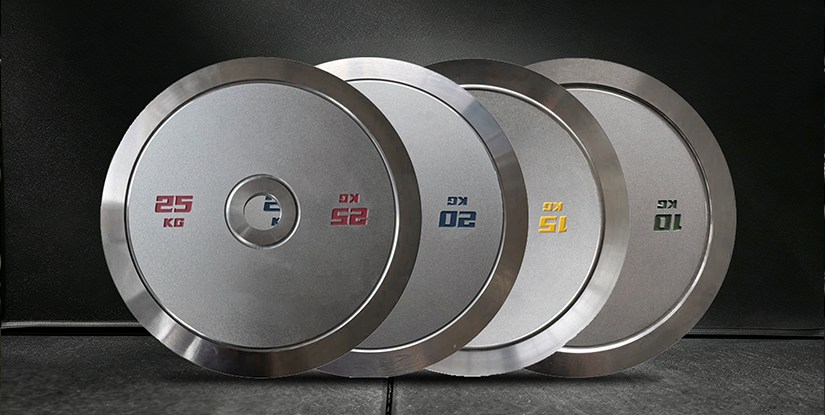
Different finishing methods serve distinct market segments. For instance, a standard powder coating provides a durable, matte appearance suitable for general commercial gyms, whereas a PU coating offers a more premium, seamless aesthetic often preferred by boutique studios. Understanding these nuances helps in making an informed procurement decision that aligns with your brand positioning and budget constraints.
| Finishing Method | Process Detail | Primary Benefit | Typical Market Segment | Sourcing Consideration |
|---|---|---|---|---|
| Powder Coating | Electrostatic Application | High Durability & Texture | Commercial Gyms | Standard MOQ |
| PU Coating | Polyurethane Injection | Premium Aesthetic & Feel | Boutique & High-End Studios | Higher Unit Cost |
| Rubber Coating | Vulcanization/Molding | Impact Absorption | Crossfit & Bumper Plate Use | Weight/Volume Impact |
When negotiating with a supplier, it is advisable to clarify the specific application method for each finish. For example, a high-quality gym equipment private label program should specify if the coating is applied via a dip process or a spray-on method, as this affects the bond line adhesion and the longevity of the plate's appearance. For large-scale wholesale orders, verifying the durability of the finish through sample approval is a standard step to ensure the OEM production meets your quality expectations and reduces the risk of future after-sales claims.
Critical Checkpoints for Pre-Shipment QC and Export Standards
To ensure a seamless arrival and high distributor margins, a rigorous pre-shipment QC protocol must be executed before any bulk orders leave the factory. For professional importers, the risk of receiving a shipment with inconsistent weight or poor finishing can lead to high return rates and damaged brand reputation. Therefore, a reliable supplier implements multi-stage inspections focusing on both mechanical precision and aesthetic durability.
A primary inspection point during the olympic plate private label production is the concentricity check. This ensures the center bore is perfectly centered, preventing any uneven loading or wobbling when the plates are used on a barbell. Following this, the coating adhesion is tested to ensure the surface finish—whether it be powder coating or a specialized rubber encapsulation—can withstand the high-impact environment of a commercial facility without peeling or cracking. This level of scrutiny is vital when managing a gym equipment private label, where product consistency is the foundation of your brand identity.
Finally, every batch undergoes a strict weight tolerance verification. Instead of checking only a few random units, a professional China factory performs spot-checks across different production runs to ensure that the actual weight aligns with the declared specifications. This precision is especially important for custom olympic plates intended for high-end training environments where accuracy is non-negotiable. We recommend that buyers during the sourcing phase request detailed QC reports or even a third-party inspection to confirm that the wholesale shipment meets all technical and aesthetic requirements before final payment and container loading.
Customizing Your Brand Identity via OEM and ODM Services
For distributors and gym equipment importers, moving beyond generic wholesale weight plates to a specialized olympic plate private label program is a critical step in building long-term market authority. While standard wholesale options provide immediate inventory, they often lack the unique visual markers required to establish a premium brand identity in competitive regions. Partnering with a professional China factory for OEM or ODM services allows you to transition from a mere reseller to a recognized brand owner with proprietary product lines.
The strategic value of custom olympic plates lies in the ability to control the aesthetic and technical specifications of your inventory. When sourcing through a supplier, you must distinguish between simple logo application and true product development. A standard wholesale order might only allow for basic color changes, whereas a full ODM engagement enables you to specify material density, surface textures, and unique casting molds. This differentiation is essential for high-end studio operators and commercial distributors who require a specific look and feel to justify premium pricing and maintain brand consistency across their product catalogs.
Wholesale vs. Private Label: Sourcing Strategies
Understanding the trade-offs between volume-based wholesale purchasing and custom olympic plates development is vital for managing your landed cost and inventory risk. Most China factory partners offer tiered service levels based on your MOQ and technical requirements. While standard stock orders offer the fastest lead times, private label solutions provide the differentiation needed for brand scaling.
| Sourcing Model | Primary Focus | Typical Customization | Commercial Advantage | MOQ Impact |
|---|---|---|---|---|
| Standard Wholesale | Rapid Stock Turnover | Limited (Color/Basic Logo) | Low Initial Capital | Lower |
| olympic plate private label | Brand Equity | High (Custom Molds/Finish) | Higher Margins | Higher |
| Full ODM Service | Product Innovation | Complete (Spec/Material) | Market Leadership | Highest |
When evaluating your next sourcing project, consider whether your business model relies on high-volume, low-margin turnover or specialized, branded equipment distribution. A robust OEM agreement often requires a higher MOQ, but the resulting control over your brand identity and product exclusivity can significantly improve your long-term ROI and distributor margins.
Technical Specifications for Material Selection and Surface Finishing
A critical component of the olympic plate private label process is the technical control over material and surface durability. For professional buyers, the choice between different manufacturing routes directly impacts the long-term maintenance load and the total cost of ownership for the end-user. Whether you are sourcing high-end competition-spec units or durable commercial-grade plates, the precision of the manufacturing sequence—from initial casting to final calibration—determines the quality of your brand's reputation.
Commonly, procurement leads must choose between several surface finishing methods to balance aesthetics with commercial durability. For instance, a standard cast iron plate may undergo a simple phosphate treatment, but premium custom olympic plates often utilize advanced coating technologies to enhance longevity and reduce noise. For example, a high-grade powder coating provides a consistent, impact-resistant layer that is ideal for high-traffic commercial gyms, whereas a urethane coating offers superior shock absorption and a premium tactile feel for high-end studio environments.
| Material / Finish Type | Primary Process | Key Component / Detail | Commercial Duty Tier | QC Focus Point |
|---|---|---|---|---|
| Cast Iron (Standard) | Sand Casting | Basic Bore Machining | Budget / Entry-Level | Flatness & Weight Tolerance |
| Steel (Competition) | CNC Machining | Precision Center Hole | Premium / Professional | Concentricity & Balance |
| Rubber Coated | Vulcanization / Molding | Protective Outer Layer | High-Traffic Commercial | Coating Adhesion |
| PU Coated | Polyurethane Injection | High-Density Shell | Elite Studio / Boutique | Surface Uniformity |
When managing a gym equipment private label, you should request detailed specifications regarding the manufacturing sequence. A professional factory will typically follow a rigorous path: casting or machining, followed by precision calibration, then the application of the chosen surface finish (such as powder coating or urethane), and finally a multi-stage pre-shipment QC. For importers, verifying these technical details during the sample evaluation stage is essential to ensure the finished product meets the durability standards required for your specific market and reduces the risk of post-delivery claims.
China Factory QC Protocols and Export Packaging Standards
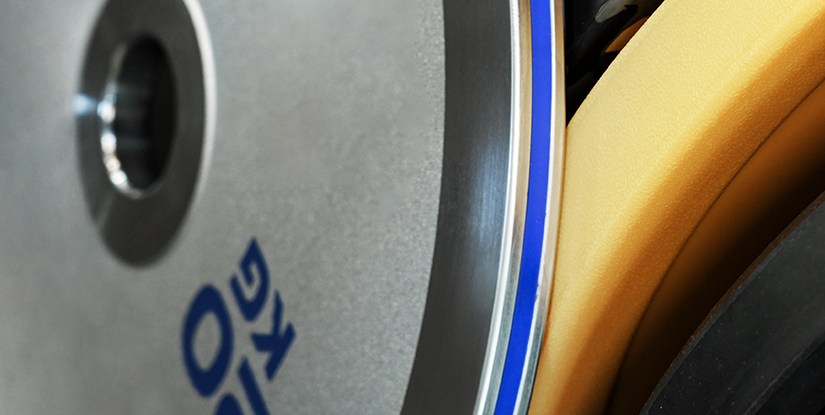
Maintaining strict quality control is essential when managing olympic plate private label programs to prevent high return rates and damaged inventory. For distributors, a China factory must implement rigorous inspection cycles that go beyond simple visual checks to ensure every batch meets commercial-grade standards. Without professional QC protocols, inconsistent weight tolerances or coating failures can significantly increase your landed cost and damage your brand reputation.
Reliable wholesale sourcing requires a systematic approach to product verification. A professional supplier typically utilizes a multi-stage process: starting with raw material verification, moving through casting and machining, and concluding with a final weight tolerance spot-check. For custom olympic plates, this often includes inspecting the bore concentricity and the adhesion of the rubber or PU coating to ensure long-term commercial durability. Managing these variables at the source reduces the risk of receiving non-compliant shipments that fail to meet your gym equipment private label standards.
Effective export logistics also depend on specialized packaging to protect heavy iron or steel components during long-distance sea freight. Standardized palletizing and reinforced corner protection are necessary to maintain product integrity. When negotiating your MOQ or lead time, always confirm the specific export packaging specifications to ensure your gym equipment private label arrives in a condition that is ready for immediate retail or studio distribution.
Standardized Inspection and Shipping Protocols
To minimize the risk of damage during ocean freight, professional wholesale orders must follow strict packing guidelines. High-density weight plates are subject to significant kinetic impact and shifting within containers. A competent supplier will utilize heavy-duty corrugated boxes or reinforced wooden crates, often supplemented by corner protectors and moisture-absorbent materials to prevent oxidation during transit. For custom olympic plates, ensuring that the branding and surface finish remain intact from the factory to your warehouse is a critical component of protecting your distributor margins.
| Inspection Category | Focus Area | Commercial Duty Requirement | Typical QC Checkpoint |
|---|---|---|---|
| Weight Accuracy | Mass Consistency | Standard Commercial Tolerance | Randomized spot-check per batch |
| Bore Precision | Concentricity | Smooth Olympic Bar Fit | Manual fit test with standard bar |
| Surface Integrity | Coating Adhesion | High-Impact Resistance | Visual inspection for chips or peeling |
| Export Safety | Packaging Strength | Long-Distance Sea Freight | Pallet stability and corner protection |
When managing large-scale bulk orders, procurement managers should request a pre-shipment inspection report to verify that the weight calibration and surface finish align with the approved samples. This level of scrutiny ensures that the olympic plate private label products delivered to your facility meet the high expectations of premium commercial clients. We recommend confirming all export packaging details and pallet dimensions during the initial sourcing phase to optimize your container loading efficiency and reduce the overall landed cost.
Strategic Procurement and Sourcing Verification
Securing a reliable wholesale partner requires more than just comparing unit prices; it demands a thorough audit of the manufacturer's ability to maintain consistency across large-scale production. When you engage in gym equipment private label manufacturing, your primary goal is to ensure that the tenth thousandth plate is as precise as the first. This is why professional importers prioritize a factory that demonstrates transparent reporting on weight calibration, bore concentricity, and surface finish durability.
To mitigate the risks of high landed costs and logistics delays, we suggest the following procurement steps for your next bulk order:
- Request a detailed technical specification sheet for all custom olympic plates to verify material density and tolerance bands.
- Confirm the specific export packaging method, including palletization standards and moisture protection for sea freight.
- Inquire about the MOQ for specific OEM or ODM branding requests to ensure alignment with your inventory turnover goals.
- Schedule a pre-shipment inspection or request high-resolution visual verification of the finished olympic plate private label batch.
By integrating these technical checkpoints into your sourcing workflow, you protect your distributor margins and build a more resilient supply chain. Whether you are looking for a long-term supplier or a one-time production run, focusing on these industrial standards will ensure your brand identity remains synonymous with professional-grade reliability.
Optimizing Your Procurement Strategy for Bulk Orders
Effective olympic plate private label sourcing requires more than just selecting a design; it demands a sophisticated understanding of how MOQ and lead time impact your landed cost and inventory turnover. For distributors and gym equipment importers, managing these variables is a critical procurement strategy to prevent stockouts during peak seasonal demand or unexpected market shifts.
When sourcing from a China factory, buyers must account for the production cycles inherent in high-volume manufacturing. A typical wholesale order for custom olympic plates involves several stages, including raw material procurement, casting or steel machining, surface treatment, and final weight calibration. Because these processes are sequential, failing to confirm your MOQ early in the sourcing cycle can lead to significant delays in your shipment schedule.
To maintain a stable supply chain, professional buyers should evaluate gym equipment private label partners based on their ability to provide predictable timelines. A supplier that offers transparent lead time estimates—accounting for both production and international freight—allows you to optimize warehouse space and maintain consistent distributor margins. Whether you are ordering standard cast iron plates or high-end polyurethane-coated units, aligning your purchase orders with the factory production rhythm is essential for long-term profitability.
Comparison of Procurement Models for Global Distributors
Choosing the correct sourcing model is a pivotal decision that dictates your brand identity and capital efficiency. For many importers, deciding between purchasing ready-to-ship inventory or investing in a full OEM or ODM project depends heavily on your current market scale and long-term branding goals. While stock orders offer rapid fulfillment, a dedicated olympic plate private label program provides the exclusivity required to build a premium market presence.
| Procurement Model | Primary Focus | Branding Capability | Typical MOQ | Lead Time Impact | Cost Efficiency |
|---|---|---|---|---|---|
| Standard Wholesale | Rapid Inventory Turnover | Generic or Standard Logo | Lower | Short (Stock Availability) | High (Low Setup Costs) |
| Customization / wholesale weight plates | Product Differentiation | Specific Color or Texture | Medium | Moderate (Production Cycle) | Balanced (Volume Dependent) |
| Full gym equipment private label | Brand Identity & Authority | Full Custom Branding/Packaging | Higher | Long (Design to Export) | Optimized (High Volume/Low Unit Cost) |
For distributors seeking to maximize ROI, a full ODM approach—where the factory assists in refining the technical specifications or material finishes—offers the highest level of market control. Although this requires a higher MOQ and a longer lead time, the resulting product becomes a unique asset in your catalog. We recommend that buyers conduct a thorough sample evaluation and confirm all technical tolerances before finalizing any large-scale sourcing contract to ensure the final landed cost aligns with your commercial budget.
Logistics, QC, and Export Standards for Bulk Shipments
Managing the logistics of wholesale weight plates requires a focus on two critical factors: pre-shipment quality control and the total landed cost. For professional importers, the risk of receiving a container with uneven weight distribution or damaged coatings can erode distributor margins instantly. Therefore, a rigorous QC process is not optional; it is a fundamental requirement for maintaining brand reputation when utilizing an olympic plate private label service.
A reliable China factory will implement a multi-stage inspection sequence before any container is sealed. This typically includes a weight tolerance spot-check to ensure concentricity and mass accuracy, a coating adhesion test to prevent premature chipping during transit, and a final visual inspection of the branding or logo clarity. For high-end custom olympic plates, such as those with PU or rubber coatings, inspecting the bond line and surface smoothness is essential to prevent de-lamination issues upon arrival at your warehouse.
To optimize your sourcing budget, you must look beyond the unit price and calculate the true landed cost, which includes ocean freight, customs duties, and local port handling. Professional wholesale buyers should request detailed export packaging specifications to ensure the goods are protected. This includes heavy-duty corrugated boxes, reinforced palletization, and secure container loading patterns designed to withstand the mechanical stresses of long-distance sea freight. We suggest that all procurement leads confirm the specific export packaging standards and request a pre-shipment inspection report to ensure the batch meets your commercial-grade requirements before the final vessel departure.