Olympic Plate Distributor: Wholesale China Factory MOQ
The Strategic Role of an Olympic Plate Distributor in Global Procurement
An olympic plate distributor acts as a vital bridge between large-scale China factory production and international commercial fitness markets. For importers, working with a professional supplier ensures streamlined sourcing, stabilized distributor margin, and efficient management of complex logistics and landed cost calculations.
Navigating the transition from direct wholesale manufacturing to global distribution requires more than just finding wholesale olympic plates; it requires a partner capable of managing the entire supply chain. Professional entities provide essential services such as OEM branding and strict QC oversight, ensuring that every batch meets the specific requirements of a commercial weight plate supplier. Without this layer of expertise, buyers often face unpredictable MOQ hurdles and rising shipping expenses that erode profitability.
Sourcing Model Comparison for Procurement Managers
Selecting the correct procurement route depends on your organization's scale, risk tolerance, and branding requirements. While a China factory offers the lowest unit price, a professional olympic plate distributor provides essential layers of risk mitigation and local market expertise. For many, the decision hinges on whether the priority is maximizing wholesale margins or ensuring highly specialized OEM or ODM customization for a premium product line.
| Sourcing Model | Procurement Efficiency | Risk Mitigation | Lead Time | OEM/ODM Capability | Quality Control (QC) |
|---|---|---|---|---|---|
| Factory-Direct | High for massive volume | Lower; requires direct oversight | Longer; production-based | High; full control over specs | Requires independent inspection |
| Professional Distributor | High for mid-to-large scale | Higher; manages local compliance | Optimized; relies on stock/buffer | Moderate; standard customization | Integrated; multi-stage verification |
| Wholesale Trading Partner | Fast for small-to-mid orders | Moderate; focus on availability | Short; relies on existing inventory | Limited to available product lines | Standardized batch testing |
When evaluating your next olympic plate distributor, consider the long-term landed cost rather than just the initial invoice. A factory direct model may lower the base price, but the hidden costs of managing export documentation, customs clearance, and potential quality discrepancies can impact your total ROI. A reliable supplier will offer transparent MOQ tiers and clear pre-shipment inspection protocols to protect your capital investment.
Optimizing Brand Identity Through Customization and Logistics
For distributors looking to establish a premium market presence, utilizing OEM and ODM capabilities is essential. A specialized olympic plate distributor can manage the entire branding workflow, from applying custom logos via sand casting or high-durability powder coating to ensuring brand-consistent color schemes. This level of customization allows your business to transition from a general equipment provider to a specialized brand owner, increasing your long-term market value.
Beyond branding, professional sourcing involves rigorous attention to export readiness. This includes specialized export packaging designed to withstand long-distance maritime transit, protecting the integrity of the plate surfaces and preventing deformation. By leveraging a partner that manages high-volume inventory management and strict pre-shipment inspection, you can mitigate the risks of damaged goods and ensure that every shipment arrives ready for immediate commercial deployment. When you work with an established olympic plate factory direct partner, you gain the stability of predictable lead times and scalable production, allowing you to plan your warehouse capacity and capital expenditure with greater precision.
Material Selection and Calibration Standards for Commercial Use
When sourcing through a professional olympic plate distributor, understanding the technical divergence between standard cast iron and precision-machined steel is critical for long-term ROI. For high-volume procurement, the choice of material directly impacts the durability of the equipment and the long-term maintenance load for facility managers. Most wholesale olympic plates are produced using high-grade gray iron or sand casting processes, which offer excellent cost-efficiency for bulk orders, whereas premium competition-spec units require advanced CNC machining to ensure perfect concentricity and weight accuracy.
The engineering integrity of a commercial weight set relies on strict weight tolerance and surface finish consistency. A reliable commercial weight plate supplier will implement a multi-stage production sequence: starting with the initial casting or forging, followed by precision machining of the center bore, and ending with a specialized surface treatment such as powder coating or urethane encapsulation. This rigorous approach ensures that the plates remain balanced and resistant to oxidation, even under heavy daily use in high-traffic gym environments.
For importers looking for olympic plate factory direct options, quality control typically focuses on the flatness of the plate and the precision of the central hole diameter. In many China factory settings, pre-shipment inspections include checking the adhesion of the coating and performing weight spot-checks to ensure the batch meets the requested commercial specifications. This level of detail prevents common failure modes, such as uneven weight distribution or premature surface peeling, which can increase the total cost of ownership for distributors and gym owners alike.
Commercial-Grade Material and Finishing Comparison
Selecting the correct finish is a strategic decision for any distributor balancing upfront landed cost against long-term durability. Different coating methods provide varying levels of protection against oxidation and mechanical wear, which ultimately dictates the maintenance frequency for the end-user. When managing large-scale wholesale orders, it is essential to match the material coating to the specific environment of the facility, such as high-impact lifting zones or premium wellness studios.
| Material Type | Finishing Process | Primary Benefit | Commercial Duty Tier | Sourcing Context |
|---|---|---|---|---|
| Cast Iron | Powder Coating | High durability and color customization | Standard Commercial | Common for bulk gym fit-outs |
| Cast Iron | Rubber Coating | Impact absorption and noise reduction | Premium Commercial | Ideal for high-traffic lifting zones |
| Steel | PU Coating | Smooth texture and high aesthetic value | High-End/Studio | Preferred for premium boutique settings |
| Steel | Machined/Chrome | Maximum precision and weight accuracy | Competition/Elite | Requires strict QC for concentricity |
For distributors managing an OEM or ODM project, the choice between a standard powder coating and a thicker rubber or PU encapsulation can significantly impact shipping density and warehouse storage efficiency. While rubber-coated options provide superior floor protection and noise attenuation, they may result in a higher volume per unit, affecting container loading optimization. We recommend reviewing the specific material-to-coating adhesion standards with your supplier during the sampling phase to ensure the finish can withstand rigorous commercial use without peeling or cracking.
Weight Calibration and Pre-Shipment Inspection Standards
Precision is the hallmark of a professional olympic plate distributor. For high-volume orders, weight calibration is not merely a final step but a continuous requirement throughout the machining process. In a high-standard China factory, the calibration sequence typically involves precision-machining the center bore to ensure perfect concentricity. This prevents the "wobble" effect often seen in lower-tier products, which can damage high-end barbell sleeves and increase long-term maintenance costs for the facility. A reliable commercial weight plate supplier ensures that each plate maintains its balance through standardized weight spot-checks before the final coating application.
Effective sourcing strategies must also account for the rigorous pre-shipment QC required to maintain batch consistency. When managing large-scale wholesale shipments, a single inconsistent batch can compromise a distributor's reputation. Quality control protocols should include inspecting the flatness of the plate surface, the adhesion strength of the coating, and the uniformity of the center hole diameter. These technical checkpoints are essential for ensuring that the landed cost remains optimized by reducing the frequency of returns or replacement requests due to manufacturing defects.
Before finalizing a bulk order, we advise buyers to request specific technical documentation regarding the calibration methods used. Whether you are pursuing a factory-direct purchase for a standard gym fit-out or an OEM project for a premium fitness brand, verifying the factory's ability to maintain concentricity and weight tolerance is a vital step in risk mitigation. We recommend scheduling a formal sample approval or a third-party factory audit to confirm that the production standards align with your specific commercial-grade requirements.
Comparing Production Methods: Casting vs. Precision Machining
When sourcing from a olympic plate distributor, understanding the manufacturing route is essential for calculating long-term TCO. For high-volume wholesale olympic plates, the choice between traditional sand casting and advanced CNC machining dictates both the initial wholesale price and the long-term replacement cycle in high-traffic commercial environments.
A professional commercial weight plate supplier typically offers two distinct tiers of production to meet different procurement budgets. While sand casting provides a cost-effective solution for standard gym setups, precision machining is required for high-end facilities where weight accuracy and concentricity are critical for athlete performance and equipment longevity.
| Production Method | Primary Material | Process Detail | Commercial Duty | Procurement Focus |
|---|---|---|---|---|
| Sand Casting | Cast iron | Standard mold casting | Standard Commercial | Low landed cost |
| Precision Machining | Solid steel | CNC machining | Premium/Competition | High weight tolerance |
| Direct Sourcing | Steel/Iron | olympic plate factory direct | Bulk/Distributor | Optimized MOQ |
Selecting an olympic plate distributor that offers both tiers allows importers to diversify their inventory. For general strength training zones, cast iron via sand casting offers excellent durability and lower sourcing costs. However, for specialized training areas, opting for the precision of CNC machining ensures better balance and a more stable weight profile, reducing the long-term maintenance load for the end-user.
Evaluating the total cost of ownership requires looking beyond the initial invoice to the durability of the manufacturing process. When you partner with a olympic plate factory direct source, you can choose between production tiers that balance upfront capital expenditure with long-term operational stability. A strategic sourcing decision depends on whether your target facility requires high-volume durability or high-precision performance.
For most large-scale distributors, the choice between cast iron and machined steel is a matter of optimizing the margin between volume and specification. While sand casting is the industry standard for high-volume gym setups, precision machining offers a specialized solution for premium environments where weight uniformity is the primary requirement. Engaging a professional supplier that manages these distinct production lines ensures you can meet diverse client needs without increasing your inventory complexity.
Optimizing your procurement strategy requires a clear understanding of how manufacturing complexity impacts your landed cost. When you work with an olympic plate factory direct partner, you gain the ability to select production methods that align with your specific market segments. A strategic sourcing approach ensures that your inventory contains both high-volume, cost-effective options and high-performance, precision-engineered units.
For distributors managing diverse client portfolios, the decision between casting and machining is a balance of margin and specification. A reliable commercial weight plate supplier will offer both tiers to help you manage your MOQ and stock variety effectively. By selecting the appropriate production route, you can optimize your capital expenditure while ensuring the long-term durability required for professional commercial environments.
Optimizing Sourcing with a China Factory Direct Model
For global distributors and gym equipment importers, the traditional middleman model often erodes the potential margin necessary for competitive market positioning. By transitioning to a direct sourcing strategy through a China factory, procurement leads can bypass unnecessary markup layers. This model ensures that the landed cost remains low, allowing you to scale your inventory without compromising your budget or capital efficiency.
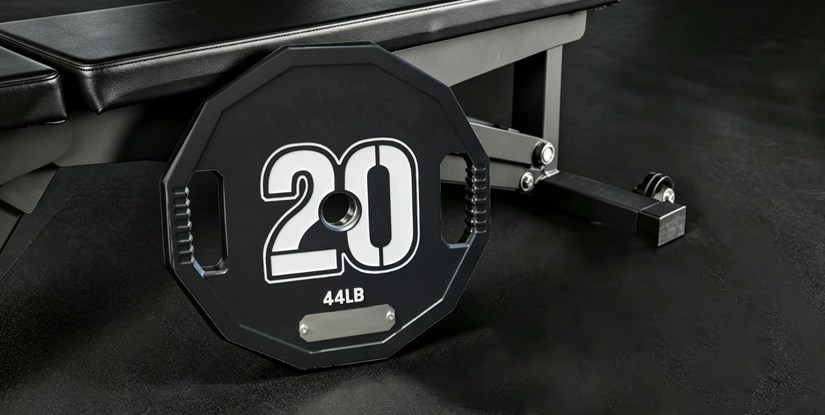
Working with a professional olympic plate distributor that operates on a factory-direct basis provides a significant advantage in managing MOQ requirements. Rather than purchasing from high-markup traders, sourcing wholesale olympic plates directly from the production source allows for better control over the entire supply chain. This transparency is critical when you need to align production schedules with seasonal demand or prepare for large-scale OEM or ODM projects for your own private label brands.
A reliable commercial weight plate supplier focuses on more than just unit price; they focus on your long-term profitability. When you secure a wholesale partnership, you are not just buying products, but gaining a strategic partner capable of supporting your growth through consistent sourcing of high-quality, commercial-grade equipment.
Comparison of Procurement Models: Trader vs. Factory Direct
Understanding the structural differences between a traditional trading company and an olympic plate factory direct model is essential for optimizing your long-term procurement strategy. While traders offer convenience, they often introduce variables in lead time and product consistency that can impact your business reliability.
The following table outlines how different sourcing paths affect your total landed cost and ability to scale through OEM or ODM services. For high-volume distributor operations, the choice of partner directly dictates the stability of your inventory and the competitiveness of your retail pricing.
| Procurement Model | Primary Value Driver | Customization Capability | Typical Lead Time | Supply Chain Control |
|---|---|---|---|---|
| Traditional Trader | Convenience and Low MOQ | Limited to existing stock | Short-term, but unpredictable | Low; dependent on third-party factory |
| Olympic Plate Distributor | Standardized Bulk Orders | Moderate (Brand/Logo) | Moderate | Medium; manages sourcing and QC |
| Factory Direct | Maximum Margin & Scale | High (Full OEM/ODM) | Production-based; highly predictable | High; direct control over wholesale specs |
When evaluating your next wholesale batch, consider that a China factory can offer much tighter control over the manufacturing sequence—from initial casting to final weight calibration. This direct connection minimizes the risk of unexpected MOQ shifts and allows for more precise planning of your export shipments and warehouse intake.
Rigorous Quality Control and Export Logistics
Maintaining high standards for weight tolerance and structural integrity is the primary concern for any professional commercial weight plate supplier. A single batch of inconsistent plates can damage your reputation and increase your replacement costs. To mitigate this, a professional olympic plate distributor must implement a multi-stage quality control (QC) protocol that begins at the casting stage and continues through final calibration. This ensures that every unit meets the strict standards required for commercial gym environments, where durability and precision are non-negotiable.
The standard production sequence in a high-tier China factory involves a structured workflow: sand casting, followed by CNC machining of the center bore to ensure concentricity, surface finishing (such as powder coating or phosphate treatment), and finally, precision weight calibration. Before any export, a rigorous pre-shipment inspection is conducted. This includes spot-checks on the thickness of the coating adhesion, the flatness of the plate surface, and the accuracy of the weight tolerance to ensure the finished product aligns with your brand's professional specifications.
Logistics efficiency is equally vital for maintaining your distributor margins. To protect the integrity of the goods during long-distance transit, specialized export packaging is utilized. This typically involves heavy-duty reinforced cartons or customized wooden crates designed to withstand the rigors of container loading and ocean freight. By optimizing the packaging density and securing the load correctly, a reliable olympic plate factory direct partner helps you minimize the risk of transit damage and optimize your total landed cost per unit. For large-scale wholesale orders, we recommend confirming specific packaging requirements and requesting a pre-shipment inspection report to ensure your inventory arrives ready for immediate commercial deployment.
Custom Branding and OEM/ODM Capabilities for Distributors
For a professional olympic plate distributor, the ability to move beyond generic inventory is a critical driver of long-term growth. Relying solely on unbranded stock limits your ability to build a recognizable brand identity and leaves your business vulnerable to price-only competition. By leveraging OEM and ODM services from a reliable China factory, you can transition from a mere reseller to a specialized equipment provider with a proprietary product line.
Implementing custom branding—such as precision-molded logos or specialized color schemes—allows for significant market differentiation. This strategic move enables you to cater to specific niches, such as premium strength studios or boutique training centers, that demand a cohesive aesthetic. While standard wholesale orders often focus on high-volume, low-cost units, investing in private label manufacturing allows you to control the perceived value of your catalog. This control directly impacts your profit margins, as branded, specialized equipment commands a higher price point in the commercial market compared to generic wholesale olympic plates.
Partnering with a commercial weight plate supplier that offers robust sourcing solutions ensures that your custom specifications are met with industrial precision. Whether you require specific weight calibration for a competition-grade set or unique surface finishes to match your existing equipment line, a specialized factory can scale production to meet your MOQ requirements. This partnership transforms your supply chain from a simple transaction into a scalable platform for building a premium fitness brand.
Technical Execution: From Casting to Export-Ready Branding
The manufacturing journey for a premium olympic plate distributor begins with high-fidelity production stages to ensure structural integrity. Most high-grade units start with sand casting to create the primary plate shape. Following the initial cast, the units undergo CNC machining to refine the center bore, ensuring perfect concentricity and a smooth fit for Olympic barbells. This precision machining is a critical step for any commercial weight plate supplier, as it prevents uneven wear on expensive barbell sleeves during heavy training cycles.
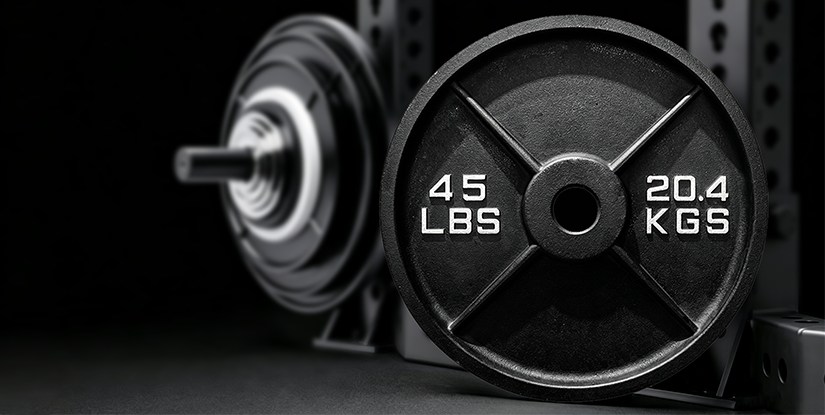
Once the base geometry is finalized, the plates move through a specialized surface treatment phase. For high-durability commercial sets, we typically utilize a professional powder coating line. This process ensures superior coating adhesion and a consistent finish that resists chipping under heavy usage. During this stage, the manufacturer can execute logo embossing or high-relief casting, allowing your brand to be integrated directly into the metal. After the coating is applied, a final weight calibration and QC check are performed to verify that each unit meets the specified weight tolerance before the final export packaging is applied for sea or air freight.
For distributors managing complex logistics, understanding these technical layers is essential for calculating total landed cost and managing customer expectations. A professional olympic plate factory direct workflow—moving from casting to CNC machining, then to powder coating and final QC—guarantees that the wholesale olympic plates arriving at your warehouse are consistent in both weight and aesthetic quality. This level of manufacturing control minimizes the risk of returns and protects your reputation as a reliable equipment provider.
Strategic Sourcing: Customization Tiers and Procurement Logic
Choosing between immediate stock availability and customized production is a pivotal decision for any procurement manager. While stock orders offer the fastest turnaround for replenishing existing inventory, OEM solutions provide the necessary tools for long-term market positioning. A professional olympic plate distributor must balance the need for rapid fulfillment against the high-margin potential of a proprietary, branded product line. The following table outlines the typical trade-offs between different levels of production to assist in your sourcing strategy.
| Customization Level | Branding Method | Typical MOQ | Lead Time Impact | Best For |
|---|---|---|---|---|
| Standard Stock | None or Generic | Low | Minimal | Immediate replenishment and rapid shipping |
| Basic Branding | Pad Printing or Decal | Medium | Moderate | Small studios and boutique gym setups |
| Advanced OEM | Embossed/Raised Casting | High | Significant | Building a long-term, recognizable brand |
| Full ODM | Custom Colors & Specialized Finishes | High | Significant | Premium distributors and global equipment brands |
When evaluating your next batch, consider how these tiers affect your total landed cost and warehouse efficiency. High-volume wholesale orders for unbranded units are ideal for maintaining a baseline of affordable, commercial-grade equipment. Conversely, if your goal is to capture the premium segment, working with a factory to implement precision-machined branding and specialized coatings will justify a higher retail price point. We recommend requesting a detailed spec sheet and confirming the specific MOQ for your desired customization level before finalizing your procurement schedule.
Quality Control and Export Packaging Protocols
Maintaining a consistent margin requires a reliable olymic plate distributor who prioritizes product uniformity. For high-volume importers, the primary risk is not just the initial purchase price, but the landed cost caused by damaged goods or inconsistent weight standards. A professional commercial weight plate supplier must implement rigorous pre-shipment inspection protocols to ensure every unit meets your brand's expectations for balance and finish.
Standard weight tolerance deviations can compromise the professional feel of a commercial gym, leading to higher maintenance loads and client dissatisfaction. To mitigate these risks, a leading olymic plate factory direct operation utilizes systematic calibration and multi-stage checks. Beyond the physical product, the integrity of your shipment depends on export packaging designed for sea freight durability. Utilizing reinforced pallets and heavy-duty protective wrapping ensures that bulk orders arrive at your warehouse without structural deformation or surface oxidation, protecting your long-term ROI.
Technical Inspection and Logistics Standards
Precision in bulk procurement begins with technical verification. A professional olympic plate distributor ensures that every batch undergoes strict calibration to maintain concentricity and weight accuracy. During the machining phase, technicians typically verify the center bore to prevent wobbling during high-velocity use. Furthermore, a reputable commercial weight plate supplier conducts adhesion testing on the powder coating to ensure the finish does not chip or peel under heavy commercial use. These technical checkpoints are essential for maintaining your brand identity and ensuring long-term durability in high-traffic environments.
Efficient wholesale olympic plates procurement also requires optimized logistics planning. To maximize container loading efficiency and reduce your landed cost, the olympic plate factory direct process must include standardized palletization. We utilize reinforced wooden pallets and heavy-duty shrink wrapping to secure the load against the movement typical of sea freight. This systematic approach to export packaging minimizes the risk of edge damage or surface oxidation, ensuring that your bulk inventory arrives in premium condition, ready for immediate distribution or retail.
Packaging and QC Comparison for Bulk Procurement
To assist in your sourcing evaluation, the following table outlines the qualitative differences between standard commercial-grade units and premium export-grade specifications. When negotiating with a supplier, understanding these tiers helps you align your MOQ and budget with the specific durability requirements of your target market.
| Inspection Category | Standard Commercial Tier | Premium Export-Grade Tier |
|---|---|---|
| Material & Weight | Cast iron with standard tolerance | Machined steel or precision-calibrated iron |
| Surface Finish | Basic paint or enamel coating | High-adhesion powder coating or PU coating |
| Bore & Concentricity | Standard industrial bore sizing | Precision CNC machined center bore |
| Export Packaging | Standard cardboard or thin film | Reinforced pallets with heavy-duty shrink wrap |
| QC Focus | Visual inspection and weight check | Surface adhesion, flatness, and vibration testing |
Selecting the appropriate tier allows for better management of your long-term TCO. For high-end studio clients, the premium specifications provided by an experienced olympic plate distributor ensure a superior user experience. We recommend requesting a detailed spec sheet or a sample evaluation to confirm that the China factory standards align with your brand's quality benchmarks before finalizing a wholesale agreement.
Streamlining Your Next Bulk Order
Selecting a professional olympic plate distributor is a critical decision for optimizing your supply chain and maximizing distributor margins. For large-scale gym setups or regional distribution networks, the complexity of managing high-volume inventory requires more than just a simple purchase; it requires a strategic partnership with a reliable commercial weight plate supplier. Relying on a direct China factory connection allows importers to bypass unnecessary middleman markups, directly improving the landed cost of heavy equipment. Efficient inventory management begins with understanding how wholesale olympic plates are sourced, from the initial casting stages to the final export packaging, ensuring that your bulk sourcing strategy supports long-term procurement efficiency.
Sourcing Models and Procurement Efficiency
To maximize your profit margins and control over product specifications, you must evaluate the structural differences between various supply channels. Whether you are looking for an olympic plate factory direct relationship or working through a regional trading partner, the choice impacts your total landed cost, MOQ, and long-term quality control. A factory provides the highest level of OEM and ODM flexibility, whereas a trader may offer more localized shipping logistics support.
| Sourcing Model | Primary Advantage | Typical MOQ | Lead Time | QC & Customization |
|---|---|---|---|---|
| Factory Direct | Lowest unit cost; high OEM control | Higher | Longer (Production + Export) | Direct pre-shipment inspection |
| Trading Company | Simplified sourcing; lower MOQ | Lower | Faster (Stock-based) | Third-party oversight |
| Wholesale Importer | Ready-to-ship inventory | Moderate | Shortest | Standardized commercial specs |
When calculating your sourcing budget, consider the full scope of shipping logistics, including container loading optimization and port-to-port transit. For high-volume distributors, establishing a direct supplier connection is the most effective way to secure consistent wholesale pricing and customized branding for your private label requirements.
Optimizing Total Cost of Ownership (TCO) Through Logistics
Effective sourcing for heavy fitness inventory requires a focus on more than just the unit price. A professional olympic plate distributor understands that the true cost of procurement includes container utilization, port fees, and the risk of transit damage. By working with a specialized commercial weight plate supplier, buyers can leverage shipping consolidation to combine different weight denominations into a single optimized container load. This approach minimizes the volumetric gaps often found in less efficient shipments, effectively lowering the per-unit landed cost for your entire wholesale order.
Furthermore, a direct relationship with a China factory provides greater control over the pre-shipment phase. Instead of relying on generalized logistics, you can request specific export packaging standards, such as reinforced corner protection or heavy-duty palletizing, to ensure that high-density wholesale olympic plates arrive without structural or coating compromise. For those managing high-frequency replenishment, optimizing the MOQ alongside lead time predictability ensures that your warehouse remains lean while maintaining enough stock to meet sudden market demand. To evaluate specific pricing tiers or discuss customized OEM branding requirements, please contact us to request a formal quote and technical specification sheet.