Olympic Plate Foundry: Wholesale China Factory MOQ
Understanding the Value of an Olympic Plate Foundry for Bulk Procurement
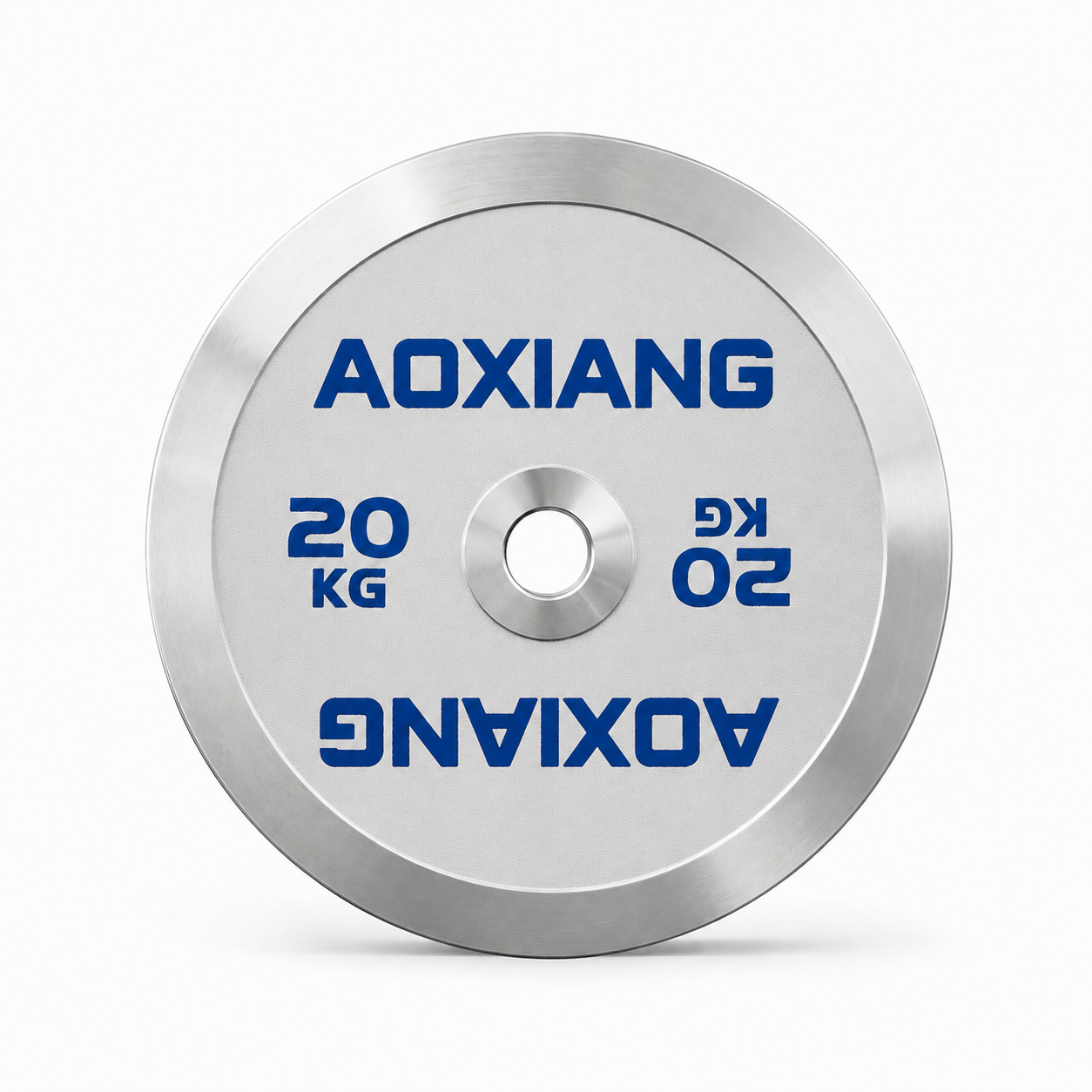
Many distributors fail by sourcing through multiple middle-tier traders, which increases the landed cost and obscures quality control. A more efficient strategy involves direct procurement from an olympic plate foundry to secure predictable margins and consistent product specs. By working with a specialized commercial weight plate manufacturer, B2B buyers can bypass unnecessary markup while ensuring the durability required for high-traffic gym environments.
The primary advantage of direct sourcing is the ability to control the TCO (Total Cost of Ownership). When purchasing wholesale gym plates, the initial purchase price is only one factor; long-term value is determined by the product's resistance to oxidation, coating adhesion, and weight stability. A professional China factory provides the transparency needed to audit these technical aspects before the container leaves the port.
Optimizing your procurement involves evaluating the balance between production volume and customized specifications. Whether you require standard cast iron or premium coated options, a direct supplier can align production cycles with your inventory needs, reducing the risks associated with long lead times and inconsistent batches.
Procurement Model Comparison: Direct Foundry vs. Trading Company
Selecting the right supply chain partner requires a clear understanding of how different business models impact your bottom line. For high-volume importers, the choice between a specialized foundry and a general trading entity often dictates the success of a product launch or a large-scale facility deployment. While traders offer a variety of goods, they often lack the technical control necessary for strict weight calibration and surface finish consistency.
| Procurement Model | Primary Material Focus | Technical Control | Typical MOQ | Lead Time Impact | Commercial Value |
|---|---|---|---|---|---|
| Specialized Foundry | Cast iron, steel, or rubber-coated | High (Direct control of casting and machining) | Higher (Production-based) | Predictable (Aligned with production cycles) | High (Optimized for distributor margins) |
| General Trading Company | Mixed fitness equipment categories | Low (Subject to third-party oversight) | Lower (Stock-based availability) | Variable (Dependent on supplier availability) | Moderate (Includes middle-tier markups) |
| OEM/ODM Service | Custom branding and specialized specs | Very High (Custom molds and branding) | Custom (Project-specific) | Longer (Includes tooling and setup) | Strategic (Builds brand identity) |
When evaluating an olympic plate foundry, buyers should prioritize partners capable of providing full-process transparency. A specialized commercial weight plate manufacturer can offer direct oversight of the casting to coating sequence, ensuring that the final product meets your specific commercial-grade requirements. This level of control is essential for managing the landed cost effectively, as it minimizes the risk of receiving defective or non-compliant batches that lead to costly returns or client dissatisfaction.
For distributors looking to scale, utilizing wholesale gym plates through a direct factory-to-port model provides the most stable path for long-term growth. By negotiating MOQ and technical specifications directly with the source, you can better manage your inventory turnover and ensure that your brand's reputation for quality remains intact across multiple global markets.
Material Specifications and Casting Processes in Commercial Production
Selecting the right olympic plate foundry requires a deep understanding of how raw material grades and casting methods impact long-term durability and weight accuracy. For professional importers and distributors, the choice between cast iron and steel-core construction directly affects the landed cost and the product's lifespan in high-traffic environments. A reliable commercial weight plate manufacturer will typically utilize standardized industrial processes to ensure consistent density and structural integrity across bulk orders.
Material Selection and Casting Methodologies
Most high-volume wholesale gym plates are produced using sand casting techniques, which is the industry standard for creating durable, cost-effective weight plates. In a professional China factory, the process begins with high-grade gray iron or ductile iron, depending on the required impact resistance. For premium commercial applications, some manufacturers utilize a steel center hub with a cast iron or polyurethane outer ring to balance precision and ruggedness.
The manufacturing sequence follows a strict path to ensure commercial-grade quality: initial sand casting of the plate shape, followed by precision CNC machining of the center bore to ensure concentricity, and finally, a surface treatment such as powder coating or phosphate treatment. This meticulous approach minimizes common failure modes like warping or uneven weight distribution, which is critical when managing inventory for large-scale gym deployments or professional distributor stock.
| Material Tier | Primary Process | Key Component | Commercial Duty | MOQ Impact | Factory QC Point |
|---|---|---|---|---|---|
| Cast Iron | Sand Casting | Bore Precision | Standard Commercial | Lower MOQ | Surface Smoothness |
| Steel-Core | Machining & Assembly | Inner Hub | Premium/High-Impact | Higher MOQ | Concentricity |
| Polyurethane/Rubber | Molding/Encapsulation | Outer Layer | High-End Studio | Variable | Coating Adhesion |
When evaluating the total cost of ownership (TCO), procurement specialists must look beyond the initial unit price. The durability of the surface finish and the quality of the encapsulation layer determine how frequently a facility must replace or refurbish its inventory. A high-performing olympic plate foundry focuses on minimizing maintenance loads through superior material-to-coating adhesion and structural consistency.
Surface Finishing and Maintenance Considerations
The final stage of production significantly impacts the long-term maintenance requirements for the end-user. For instance, a standard powder coating process provides a robust, scratch-resistant barrier that is ideal for high-volume commercial gyms. In contrast, rubber coating or polyurethane (PU) encapsulation offers better shock absorption and floor protection, which is a critical factor for studio operators looking to reduce noise and impact vibration. While these premium finishes may increase the initial landed cost, they often yield a better long-term ROI by reducing wear and tear in heavy-use environments.
During the pre-shipment QC process, a professional supplier will typically perform adhesion tests and weight tolerance spot-checks. This ensures that the coating does not peel or crack under repeated impact and that the plate remains balanced. For distributors managing large-scale shipments, verifying these technical specifications at the factory level is essential to prevent costly returns or client dissatisfaction regarding product uniformity.
Quality Control and Pre-Shipment Inspection Standards
For professional buyers, the risk of receiving inconsistent batches is a major procurement pain point. A single shipment with uneven weight distribution or peeling coatings can damage a distributor's reputation and increase the total cost of ownership for their clients. To mitigate these risks, a professional olympic plate foundry implements a multi-stage QC protocol that begins long before the product reaches the container.
The inspection sequence typically moves from structural integrity to aesthetic durability. After the initial CNC machining phase, each unit undergoes a concentricity check to ensure the center bore is perfectly aligned, preventing wobbling during high-intensity use. Following this, a critical stage in the China factory workflow is the coating adhesion test. This ensures that the powder coating or rubber encapsulation is chemically and mechanically bonded to the substrate, preventing the common failure mode of surface peeling in high-impact commercial settings.
Before final export packaging, a rigorous pre-shipment inspection is conducted. This includes a weight calibration spot-check to verify that the cast weight remains within industry-standard tolerances and a visual audit of the logo and surface finish. For those managing large-scale sourcing, we recommend requesting a sample approval or a factory audit to verify these steps firsthand. Whether you are looking for custom branding via OEM or standard bulk orders, confirming these technical QC benchmarks ensures your landed cost remains predictable and your product quality stays high.
Comparing Material Grades and Manufacturing Routes
Selecting the right material for your inventory depends heavily on the specific target market, whether it is a budget-friendly garage gym or a high-traffic professional facility. When sourcing from an olympic plate foundry, understanding the trade-offs between initial procurement costs and long-term replacement cycles is essential for maximizing your distributor margins. A professional commercial weight plate manufacturer typically offers several tiers of production to meet diverse TCO requirements.
For high-volume distribution, standard cast iron remains the industry standard due to its cost-efficiency and durability in heavy-duty environments. However, for premium studio applications where floor protection and noise reduction are critical, urethane or high-grade steel construction provides a superior solution. Choosing the correct specification during the sourcing phase ensures that your landed cost aligns with the expected lifespan of the equipment in a commercial setting.
| Material Tier | Primary Process | Commercial Duty | TCO Profile | MOQ Impact |
|---|---|---|---|---|
| Cast Iron | Sand Casting & Machining | Standard Commercial | Lowest initial cost; high durability | Standard wholesale tiers |
| Steel (Machined) | CNC Machining & Coating | Premium/Professional | Moderate cost; high precision | Medium MOQ requirements |
| Urethane | Molding & Vulcanization | Elite/High-End Studio | Higher upfront; lowest maintenance | Higher wholesale thresholds |
When evaluating wholesale gym plates, buyers should consider that while cast iron offers the most competitive entry price, urethane options significantly reduce long-term maintenance and floor-related liabilities. A reliable China factory will provide clear documentation on the coating adhesion and the quality of the internal filler or base material to ensure your bulk orders meet the expected commercial standards.
A strategic decision between different manufacturing routes directly impacts your long-term ROI and inventory turnover. For example, a standard sand casting process is highly efficient for high-volume production, but it requires a different level of quality control compared to precision CNC machining. When you engage with an olympic plate foundry, you must verify whether the manufacturer utilizes a single-piece casting method or a multi-part assembly, as this affects both the structural integrity and the final weight tolerance of the units. A professional commercial weight plate manufacturer will typically offer these distinct tiers to help you balance your upfront capital expenditure with the durability requirements of your end-users.
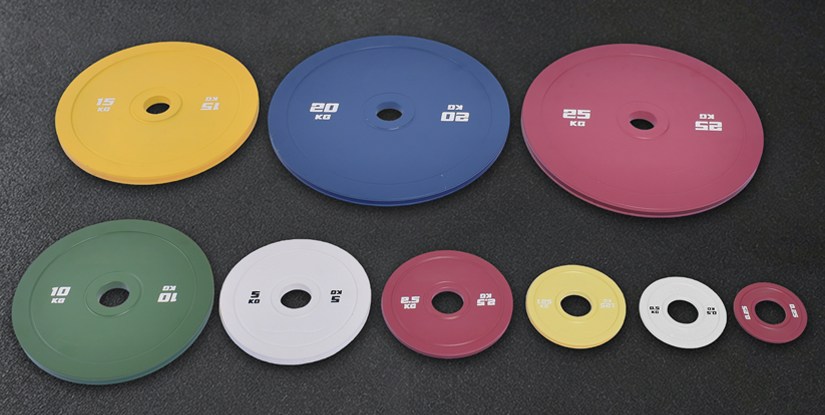
The following comparison outlines how different manufacturing paths influence your procurement strategy, from initial sourcing costs to the final MOQ requirements. High-end facilities often demand the precision of machined steel or the impact resistance of vulcanized urethane, whereas traditional strength gyms may prioritize the high-volume availability of wholesale gym plates made from cast iron. Understanding these technical nuances allows you to better manage your landed cost and predict the replacement cycles for your clients.
| Material Tier | Manufacturing Process | Key Component/Detail | Commercial Application | Sourcing Advantage |
|---|---|---|---|---|
| Cast Iron | Sand Casting & Machining | Bore concentricity & base flatness | Standard Gyms & Garage Gyms | Optimal for high-volume wholesale |
| Machined Steel | CNC Machining & Coating | Precision edge & surface finish | Professional Strength Facilities | High precision for specialized OEM |
| Urethane/Rubber | Molding & Vulcanization | Coating adhesion & internal filler | Elite Studios & High-Traffic Areas | Maximum floor protection & durability |
Before finalizing your bulk order, we recommend requesting a detailed specification sheet to confirm the specific manufacturing route used for each SKU. Whether you are looking for a standard factory-direct cast iron option or a premium custom-branded solution, ensuring that the China factory adheres to consistent calibration and pre-shipment QC protocols is the most effective way to mitigate the risk of weight discrepancies or surface failures upon arrival at your warehouse.
Before finalizing your bulk order, we recommend requesting a detailed specification sheet to confirm the specific manufacturing route used for each SKU. Whether you are looking for a standard factory-direct cast iron option or a premium custom-branded solution, ensuring that the China factory adheres to consistent calibration and pre-shipment QC protocols is the most effective way to mitigate the risk of weight discrepancies or surface failures upon arrival at your warehouse.
Quality Control and Inspection Standards for China Factory Exports
Maintaining strict oversight during the production of an olympic plate foundry batch is essential for distributors managing long-term landed costs and client satisfaction. For professional importers, the primary B2B procurement risk involves receiving shipments with inconsistent weight distribution or poor structural integrity. A reliable commercial weight plate manufacturer must implement a systematic calibration process to ensure every unit meets the expected density and dimensional standards required for high-traffic gym environments.
Effective wholesale gym plates sourcing requires more than just a low price; it demands a rigorous inspection of the surface finish and physical geometry. During the pre-shipment stage, a professional China factory conducts multi-point checks to identify common casting defects such as air pockets, surface pitting, or uneven thickness. Without these controls, a single faulty batch can lead to significant replacement costs and damage to a distributor's reputation.
To mitigate these risks, we emphasize high-precision weight tolerance management through a standardized sequence: initial sand casting, followed by precision CNC machining of the center bore, and concluding with a final weight calibration check. This ensures that the concentricity of the hole remains consistent, preventing uneven wear on your customers' barbell sleeves.
Pre-Shipment Inspection Checklist for Importers
To ensure your inventory meets the high expectations of commercial gym operators, we recommend implementing a standardized inspection protocol before any bulk order leaves the factory. A thorough audit of the olympic plate foundry output prevents the high landed cost of returns and mitigates the risk of shipping damaged or non-compliant goods. Use the following technical checklist to evaluate your next batch of wholesale gym plates during a site visit or a third-party inspection.
| Inspection Point | Technical Focus | Commercial Duty Requirement | Typical QC Method |
|---|---|---|---|
| Weight Accuracy | Mass consistency across the batch | High (Commercial/Premium) | Random sample calibration check |
| Bore Concentricity | Center hole alignment and circularity | Essential for barbell longevity | Visual and manual gauge testing |
| Coating Adhesion | Durability of powder coating or rubber | Resistance to chipping and wear | Surface scratch and bond test |
| Surface Flatness | Plate warping or unevenness | Stable stacking and movement | Flatness check on inspection table |
| Packaging Durability | Outer carton and pallet stability | Safe long-distance ocean transit | Drop test and load-bearing check |
When evaluating a commercial weight plate manufacturer, always request a sample approval phase that includes a detailed spec sheet. A professional supplier will provide transparent data regarding the casting process and the final calibration steps used to reach the target weight. For large-scale wholesale orders, we suggest booking a pre-shipment inspection to verify that the China factory has met all OEM or ODM specifications regarding both the physical dimensions and the structural integrity of the coating layer.
Export Packaging and Sea Freight Durability Standards
For high-volume B2B importers, the risk of transit damage during ocean freight can drastically increase the total landed cost. A professional olympic plate foundry must prioritize export-ready logistics to protect heavy, high-density cargo. Standardizing the way wholesale gym plates are packed is a critical step in mitigating the impact of sea freight movement and long-distance handling. Relying on inadequate packaging often results in dented edges, compromised coatings, or damaged pallets upon arrival at the destination warehouse.
To ensure maximum sea freight durability, our China factory utilizes heavy-duty palletization and reinforced structural protection. This includes high-strength corrugated outer boxes and heavy-duty wooden crates or reinforced pallets designed to withstand the weight and shifting pressures of a shipping container. We implement strict export packaging protocols—such as edge protectors, moisture-resistant liners, and secure strapping—to maintain the integrity of every commercial weight plate manufacturer standard unit. When managing your lead time and shipping logistics, please confirm your specific palletization requirements to ensure the shipment is optimized for your local distributor's warehouse space and handling equipment.
OEM and Private Label Customization Capabilities
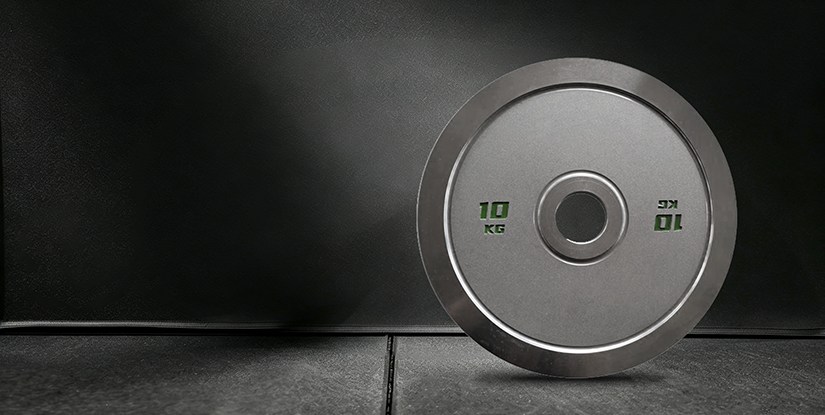
For distributors and global fitness brands, standardizing a product line requires more than just bulk procurement; it requires a partner capable of high-fidelity custom branding. A professional olympic plate foundry provides the technical infrastructure to transition from generic stock to a proprietary product line that strengthens your market position.
Our China factory offers comprehensive OEM and ODM solutions designed to meet strict brand identity requirements. Whether you are looking to implement logo embossing directly into the cast iron surface for a permanent, high-end look, or requiring specialized mold customization for unique plate shapes and textures, our production lines are engineered for precision. This level of customization allows a commercial weight plate manufacturer to deliver products that align with your specific tier—whether you are supplying budget-friendly training centers or premium strength studios.
To maintain high margins and brand consistency, we manage the entire private label workflow, from initial mold design to final weight calibration. While wholesale orders for standard stock move quickly, OEM projects involving custom molds typically require a specific MOQ to offset tooling costs. We work closely with procurement leads to ensure that your custom specifications—such as specific diameter tolerances or specialized coating colors—are integrated into the standard manufacturing sequence, ensuring a seamless transition from factory-direct production to your local distribution network.
Customization Tier Comparison for B2B Procurement
Selecting the appropriate customization level is a critical decision for importers managing landed costs and product differentiation. A professional olympic plate foundry understands that different market segments—from high-volume commercial gyms to boutique strength studios—require distinct levels of branding and material finish. Choosing between standard stock and a fully customized wholesale gym plates program depends heavily on your target margin, your specific MOQ, and the desired longevity of the brand identity.
The following table outlines the qualitative differences in production requirements and supply chain impact to assist in your sourcing evaluation. While standard products offer the fastest lead times, a specialized commercial weight plate manufacturer can provide high-tier customization to elevate your private label presence.
| Customization Tier | Logo Type | Coating Options | Weight Tolerance | Typical MOQ Impact | Primary Sourcing Use Case |
|---|---|---|---|---|---|
| Standard/Stock | Pad Printed | Paint or Powder Coating | Industry-standard | Lower (Standard Bulk) | General Gym/Distributor Stock |
| Mid-Tier Custom | Embossed/Raised | Standard Powder Coating | Improved Calibration | Moderate (Tooling Required) | Commercial Fitness Chains |
| Premium/Elite | Recessed/Deep Mold | High-Grade PU or Rubber | Strict Calibration | Higher (Custom Mold/Design) | Professional Strength Studios |
When evaluating your next batch, consider that deep-mold embossing or specialized coatings may extend the production lead time due to additional steps in the casting or vulcanization phases. We recommend confirming your specific requirements during the initial sourcing phase to ensure that your custom branding does not negatively impact your shipping schedules or container loading efficiency.
Standardizing the Production Workflow for Custom Orders
A successful olympic plate foundry operation relies on a disciplined sequence to ensure that custom branding does not compromise structural integrity. The workflow begins with professional design approval, where your brand's logo and plate dimensions are translated into a technical specification. This is followed by precision mold making, a critical stage where the geometry of the plate—including the central bore and any embossed or recessed branding—is established. For high-tier orders, this mold determines the long-term consistency of your private label line.
Once the mold is finalized, the casting process begins, typically utilizing sand casting for robust commercial-grade iron. After the raw casting is cooled, the plates undergo several manufacturing stages, including CNC machining for bore concentricity and surface finishing to ensure a smooth, professional texture. Depending on your specifications, the plates may move to a powder coating line or a specialized vulcanization stage for rubber-coated variants. This rigorous sequence ensures that every unit meets the commercial durability standards expected by international distributors.
The final stage of production is dedicated to pre-shipment inspection and export packaging. To minimize damage during long-distance transit, we implement heavy-duty export packaging solutions, such as reinforced cartons or custom-sized crates, optimized for container loading efficiency. Before leaving the China factory, each batch undergoes a final QC check to verify weight calibration and coating adhesion. For procurement leads managing large-scale deployments, this strict adherence to the production-to-packaging workflow ensures that your landed cost remains predictable and your product arrives ready for immediate commercial use.
Logistics, MOQ, and Sourcing Strategies for Global Distributors
Optimizing the landed cost of heavy iron goods requires a strategic approach to container utilization and order volume. For distributors and gym equipment importers, sourcing from an olympic plate foundry involves balancing the MOQ against shipping weight density to ensure maximum profitability per cubic meter.
Managing the logistics of wholesale gym plates is more complex than lighter equipment due to the high weight-to-volume ratio. To achieve the best sourcing efficiency, professional buyers must coordinate with the China factory to align production cycles with ocean freight schedules. A well-planned procurement strategy focuses on maximizing container loadability—often opting for nested or tightly packed configurations—to reduce the per-unit freight expense. When negotiating with a commercial weight plate manufacturer, it is essential to confirm whether the wholesale pricing includes specific export packaging standards that protect the coating and prevent dimensional warping during long-haul transit.
Procurement Model Comparison for Global Importers
Selecting the correct supply chain partner is a critical decision for long-term distributor margins. Depending on your business scale and brand requirements, you may choose between direct manufacturing or utilizing a trading intermediary. A professional commercial weight plate manufacturer typically offers more control over the OEM and ODM processes, whereas traders may offer more varied product catalogs but with less transparency in quality control.
| Procurement Model | Primary Advantage | Customization Capability | Typical MOQ | QC Oversight |
|---|---|---|---|---|
| Direct China factory | Optimized landed cost | High (OEM/ODM) | Higher (Container-based) | Direct pre-shipment inspection |
| Trading Company | Low initial volume | Limited (Stock-based) | Lower (Mixed orders) | Third-party reliant |
| Wholesale Distributor | Fast replenishment | Standardized products | Medium | Standardized QC |
To ensure a successful sourcing outcome, we recommend requesting a detailed specification sheet and a formal quote for your target volume. Before finalizing a large bulk order, it is standard practice to arrange for a sample approval or a professional factory audit to verify the olympic plate foundry output and pre-shipment QC protocols. This proactive approach mitigates risks regarding weight tolerance and coating adhesion before the goods reach your warehouse.
Export Packaging and Shipping Safety Standards
Maintaining product integrity during transoceanic transit is a primary concern for any professional sourcing lead. For high-density goods from an olympic plate foundry, standard shipping methods are often insufficient to prevent surface damage or dimensional shifts. Professional wholesale buyers should ensure that the China factory utilizes reinforced export packaging, such as heavy-duty corrugated boxes or customized wooden crates, to protect the coating and prevent metal-on-metal friction during container movement.
Beyond physical protection, rigorous pre-shipment protocols are essential to protect your distributor margins. A reliable commercial weight plate manufacturer will conduct a final weight tolerance check and a surface adhesion inspection to ensure the plates meet the required commercial-grade standards before being loaded. This level of detail in the QC process ensures that the wholesale gym plates arrive at your warehouse in optimal condition, reducing the risk of costly returns or customer dissatisfaction due to transit-related defects.