Bumper Plate OEM ODM: Cast Iron vs Rubber Material Options
Bumper Plate OEM ODM: Material Performance and Procurement Criteria
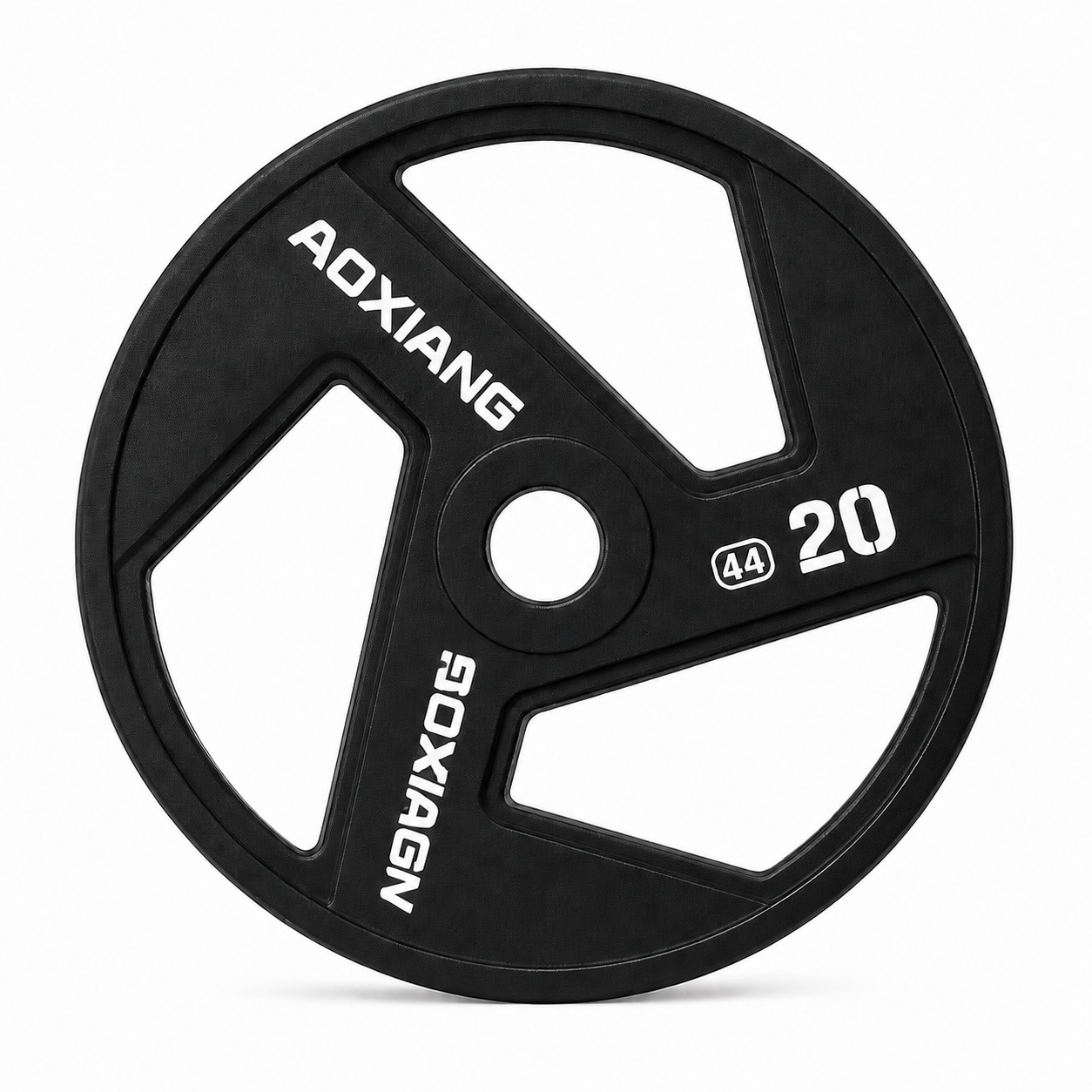
Distributors often fail by choosing a single material type across an entire facility, leading to unexpected maintenance costs or floor damage. A professional bumper plate OEM ODM strategy requires matching the specific material to the training environment—utilizing cast iron for high-density strength zones and rubber for high-impact lifting areas. When sourcing from China factory direct channels, buyers must evaluate how these material choices impact long-term TCO and facility longevity.
In high-traffic commercial gym environments, the choice between cast iron and rubber dictates the frequency of replacement cycles and the level of floor protection required. While wholesale rubber bumper plates offer superior impact absorption and noise reduction for Olympic lifting platforms, cast iron remains a staple for traditional strength training due to its compact profile and lower production costs. For importers, understanding these trade-offs is essential for optimizing the landed cost of a complete facility build-out.
Selecting the correct commercial gym durability standard prevents the common pitfall of premature material fatigue. For instance, low-grade rubber compounds may crack under extreme temperature shifts, while poorly cast iron plates may suffer from concentricity issues over time. A commercial weight_plate manufacturer provides the necessary technical specifications to ensure your wholesale order meets the rigorous demands of professional strength and conditioning centers.
Material Specification and Procurement Comparison
To ensure a successful bumper plate OEM ODM program, procurement officers must move beyond surface-level aesthetics and evaluate the technical production route of each unit. A professional commercial weight plate manufacturer will typically provide distinct specifications for different training tiers. For example, the transition from a sand casting process to a precision machining step significantly affects the concentricity and weight stability of the final product, which is a critical factor for high-end distributors.
The following table outlines the technical differences between the two primary material paths. This comparison is designed to help importers determine the best fit for their specific client needs, whether they are prioritizing low-cost volume or premium performance durability.
| Material Type | Primary Process | Commercial Use Case | Maintenance Level | Factory QC Focus |
|---|---|---|---|---|
| Cast Iron | Sand Casting & Powder Coating | Traditional Strength & High-Density Training | Low (Standard surface upkeep) | Base flatness & coating adhesion |
| Rubber/Urethane | Compression Molding or Dip Coating | Olympic Lifting & High-Impact Zones | Moderate (Surface wear monitoring) | Bond line integrity & weight tolerance |
When evaluating wholesale rubber bumper plates, buyers should specifically request details regarding the internal filler and the thickness of the outer encapsulation layer. High-quality production ensures the rubber remains resilient under heavy impact, reducing the risk of delamination. For those managing large-scale facility deployments, confirming these technical details during the sourcing phase can drastically reduce long-term replacement cycles and maintenance overhead.
Impact on Logistics and Branding Identity
Material selection directly influences the total landed cost through shipping volume and weight-to-volume ratios. While cast iron provides a compact footprint, the dense weight of wholesale rubber bumper plates can increase shipping weight, requiring careful calculation of container loading efficiency. Professional buyers must balance the high-impact protection of rubber with the logistics-friendly density of iron to optimize freight budgets. A reliable commercial weight plate manufacturer will assist in calculating these dimensions to ensure your container utilization is maximized during the sourcing process.
Beyond physical specs, the bumper plate OEM ODM process is the primary vehicle for establishing a premium brand identity. Whether you are a distributor or a large-scale facility operator, utilizing OEM or ODM capabilities allows for advanced custom branding, such as precision laser-etched logos or color-coded weight markings. This level of customization transforms a generic commodity into a proprietary product line, increasing your market value and strengthening brand recognition in the professional fitness industry.
Cast Iron vs. Rubber: Evaluating TCO and Durability
When managing long-term procurement for high-traffic fitness facilities, understanding the bumper plate OEM ODM implications on your operational budget is vital. Professional buyers must look beyond the initial unit price and consider the total lifecycle of the equipment. Whether you are sourcing from a China factory for a single studio or a large-scale gym chain, the choice between cast iron and rubber significantly impacts your long-term landed cost and replacement cycles.
The primary distinction lies in how these materials handle impact and environmental wear. Cast iron is a staple for strength-focused training due to its density and cost-effectiveness, but it requires more rigorous floor protection and can be prone to chipping under heavy use. Conversely, wholesale rubber bumper plates are designed specifically to absorb high-velocity impacts, protecting both the equipment and your facility's flooring, which reduces long-term maintenance costs.
| Material Type | Primary Use Case | Durability Profile | Maintenance Load | Procurement Tier |
|---|---|---|---|---|
| Cast Iron | Traditional Strength Training | High density; susceptible to surface chipping | Moderate; requires floor protection | Budget to Commercial |
| Rubber (Bumper) | Olympic Lifting & High Impact | High impact absorption; protects surfaces | Low; highly resilient to dropping | Premium Commercial |
| Steel/Hybrid | Mixed Functional Training | Rigid structure; moderate surface wear | Low to Moderate | Mid-Tier Commercial |
For distributors looking to optimize commercial gym procurement, a commercial weight plate manufacturer can provide tailored solutions to balance these variables. While rubber options may carry a higher initial MOQ or unit price, their ability to withstand constant dropping without compromising the integrity of the facility's flooring often results in a superior ROI for high-intensity training environments. Selecting the right bumper plate OEM ODM specification ensures that your inventory remains functional and aesthetically consistent over multiple replacement cycles.
Optimizing the procurement process requires a deep dive into the manufacturing variables that influence long-term operational expenditure. A professional commercial weight plate manufacturer will often provide distinct production routes for these two categories, which directly affects the unit cost and the final durability of your shipment. For instance, the casting and machining steps for iron are fundamentally different from the molding and encapsulation processes used for high-grade rubberized units.
| Material | Manufacturing Process | Key Component/Detail | Commercial Duty | MOQ Impact | Factory QC Point |
|---|---|---|---|---|---|
| Cast Iron | Sand Casting & Machining | Bore concentricity & Flatness | Standard Strength Training | Lower; easier for small batches | Surface finish & edge smoothness |
| Rubber (Bumper) | Compression Molding | Encapsulation layer & Bond line | High-Impact Olympic Lifting | Higher; requires specialized tooling | Weight tolerance & coating adhesion |
When negotiating bumper plate OEM ODM contracts, it is essential to verify how the factory handles the specific vulnerabilities of each material. For iron plates, the focus is typically on the quality of the sand casting and the precision of the center bore to prevent wobbling. For rubberized versions, the critical inspection point shifts to the adhesion between the internal core and the outer rubber layer to prevent delamination during heavy drops. Engaging in direct sourcing with a specialized supplier allows you to request specific pre-shipment reports that cover these technical nuances, ensuring your landed cost is not inflated by high replacement rates or premature equipment failure.
Optimizing the procurement process requires a deep dive into the manufacturing variables that influence long-term operational expenditure. A professional commercial weight plate manufacturer will often provide distinct production routes for these two categories, which directly affects the unit cost and the final durability of your shipment. For instance, the casting and machining steps for iron are fundamentally different from the molding and encapsulation processes used for high-grade rubberized units.
| Material | Manufacturing Process | Key Component/Detail | Commercial Duty | MOQ Impact | Factory QC Point |
|---|---|---|---|---|---|
| Cast Iron | Sand Casting & Machining | Bore concentricity & Flatness | Standard Strength Training | Lower; easier for small batches | Surface finish & edge smoothness |
| Rubber (Bumper) | Compression Molding | Encapsulation layer & Bond line | High-Impact Olympic Lifting | Higher; requires specialized tooling | Weight tolerance & coating adhesion |
When negotiating bumper plate OEM ODM contracts, it is essential to verify how the factory handles the specific vulnerabilities of each material. For iron plates, the focus is typically on the quality of the sand casting and the precision of the center bore to prevent wobbling. For rubberized versions, the critical inspection point shifts to the adhesion between the internal core and the outer rubber layer to prevent delamination during heavy drops. Engaging in direct sourcing with a specialized supplier allows you to request specific pre-shipment reports that cover these technical nuances, ensuring your landed cost is not inflated by high replacement rates or premature equipment failure.
Manufacturing Processes for High-Tolerance Bumper Plates
Understanding the technical divergence between materials is critical for distributors managing long-term inventory and facility wear. When sourcing bumper plate OEM ODM solutions, procurement professionals must distinguish between the structural density of cast iron and the impact-absorption properties of high-grade rubber. Selecting the correct manufacturing route ensures that your landed cost aligns with the intended commercial application, whether for high-impact strength training or high-density weight lifting.
For high-volume importers, the choice between a commercial weight plate manufacturer producing cast iron versus rubber units dictates the maintenance load of the end-user facility. Cast iron production relies heavily on precision sand casting and CNC machining to ensure bore concentricity, whereas wholesale rubber bumper plates require advanced molding processes to ensure consistent density and layer adhesion. A professional China factory can provide both, but the manufacturing complexity and tooling requirements differ significantly between these two material paths.
The engineering distinction lies in how each material handles kinetic energy. Cast iron offers superior dimensional stability and a smaller footprint, making it ideal for space-constrained commercial environments. However, the lack of natural shock absorption means the manufacturing process must include rigorous surface treatment to prevent cracking. Conversely, rubber-based bumper plate OEM ODM production focuses on the vulcanization or molding of the rubber compound around a central core, a process that directly impacts the long-term durability and "bounce" characteristics of the plate.
Technical Comparison of Material Production and Procurement Impact
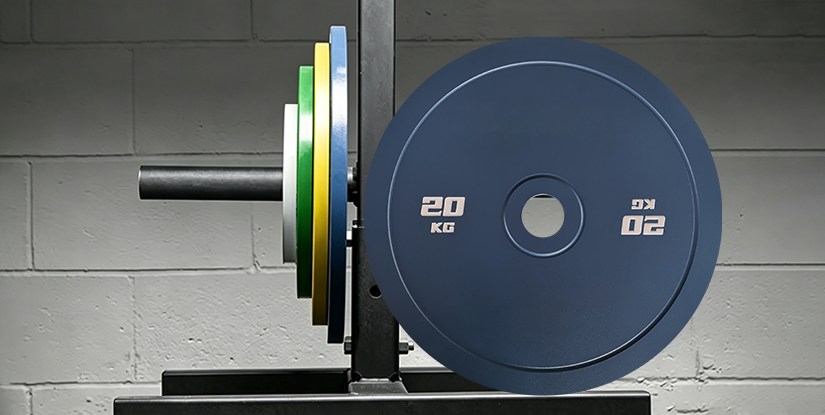
When evaluating a bumper plate OEM ODM project, decision-makers must look beyond the surface to the underlying manufacturing architecture. The choice between cast iron and rubber is not merely a preference for aesthetics; it is a strategic decision affecting the total cost of ownership (TCO), shipping volume, and long-term durability in high-traffic facilities. A professional commercial weight plate manufacturer will utilize different production lines to ensure each material meets industry-standard performance metrics for commercial use.
| Material | Manufacturing Process | Key Component/Detail | Commercial Application | MOQ Impact | Factory QC Point |
|---|---|---|---|---|---|
| Cast Iron | Sand Casting & CNC Machining | Bore Concentricity | High-density lifting/Strength training | Lower baseline for standard shapes | Surface flatness & weight calibration |
| Rubber/Polymer | Compression Molding or Dip Coating | Bond Line Adhesion | High-impact/Olympic/Cross-training | Higher due to specialized tooling | Coating thickness & density consistency |
| Steel/Hybrid | Precision Machining & Powder Coating | Surface Finish Integrity | Premium commercial/Competition | Varies by custom branding needs | Weight tolerance & coating adhesion |
For distributors, the procurement logic follows the specific utility of the gym environment. Cast iron units are often selected for their compact size and cost-effectiveness in standard strength training setups. However, for facilities prioritizing floor protection and noise reduction, wholesale rubber bumper plates are the superior choice despite the potentially higher lead time associated with rubber vulcanization and molding cycles. When negotiating with a supplier, it is advisable to confirm whether the production includes a central steel core or a full-mold process, as this significantly affects the weight stability and long-term replacement planning for your client's inventory.
To ensure the highest quality for your bulk order, we recommend a detailed technical review of the production sequence. Before finalizing your bumper plate OEM ODM specifications, please request a sample to evaluate the material density, bore precision, and surface finish. Our team is available to provide detailed spec sheets, confirm current MOQ for custom colors, and assist with the technical audit of your requested production parameters to ensure seamless export delivery.
China Factory QC Standards for Bulk Bumper Plate Orders
For international distributors and gym equipment importers, maintaining consistent product standards during high-volume bumper plate OEM ODM production is a critical logistical requirement. Relying on a professional commercial weight plate manufacturer ensures that every unit meets the rigorous structural demands of high-traffic fitness facilities. A standardized China factory must implement a multi-stage verification process to mitigate the risks of material defects or dimensional inaccuracies during mass production.
The quality control sequence typically begins with raw material verification, transitioning from initial casting or molding to precision calibration. For high-tier wholesale rubber bumper plates, the pre-shipment inspection must focus on several technical touchpoints: weight tolerance consistency, the integrity of the bond line between the internal core and the outer shell, and the uniformity of the surface finish. Discrepancies in these areas can lead to uneven wear or premature failure in a commercial setting, ultimately increasing the total cost of ownership for the end-user. Professional sourcing managers should prioritize factory protocols that include concentricity checks and thickness uniformity tests to ensure long-term durability and professional-grade performance.
Material Performance and QC Checkpoints
Selecting the correct material profile is essential for optimizing the landed cost and long-term durability of your inventory. When managing bumper plate OEM ODM projects, the technical requirements for cast iron and rubber-encapsulated plates differ significantly. A professional commercial weight plate manufacturer will provide distinct inspection protocols for each to ensure the finished product meets commercial-grade standards. For example, the precision of the internal steel ring and the adhesion of the outer coating are critical factors that impact the return rate and distributor margins.
| Material Type | Primary Process | Key Component/Detail | Commercial Duty Tier | MOQ Impact | Factory QC Point |
|---|---|---|---|---|---|
| Cast Iron | Sand Casting & Machining | Bore Concentricity | Budget / High-Durability | Standard | Surface Flatness & Weight Calibration |
| Rubber Bumper | Injection Molding / Dip | Bond Line Adhesion | Premium / High-Impact | Higher | Shell Thickness & Coating Uniformity |
Evaluating these technical variables allows importers to better manage their wholesale rubber bumper plates procurement strategy. When negotiating OEM or ODM specifications, always request a detailed breakdown of the weight calibration and surface finishing stages. A reliable supplier will offer transparency regarding the manufacturing sequence—from initial casting to the final pre-shipment QC—to ensure that the bulk order aligns with your brand identity and performance expectations.
Export Packaging and Container Loading Efficiency
Optimizing the landed cost for high-volume orders requires more than just selecting the right material; it necessitates advanced export packaging strategies. For professional bumper plate OEM ODM procurement, the primary logistical challenge is preventing structural deformation or surface abrasions during sea freight. A specialized China factory will utilize heavy-duty, reinforced corrugated cartons and high-density dividers to secure plates, ensuring that the weight distribution remains stable within the shipping container. This level of detail is essential for distributors to minimize damage claims and maintain healthy profit margins upon arrival at the destination warehouse.
Efficient palletization is another critical factor in maximizing container utilization. When ordering wholesale rubber bumper plates, the factory must design custom pallet layouts that account for the high density and weight of the product. Utilizing heat-treated pallets and robust shrink-wrapping techniques ensures that the entire shipment remains a single, cohesive unit during transit. For large-scale bulk orders, we recommend coordinating with your supplier to confirm exact dimensions and stacking limits. This proactive approach to sourcing and container loading optimization reduces the risk of shifting and helps streamline the final delivery to your commercial facility or distribution center.
Custom Branding and OEM/ODM Capabilities for Distributors
For professional distributors and importers, leveraging bumper plate OEM ODM services is a critical strategy to move beyond generic commodity trading. When you source directly from a China factory, you gain the ability to integrate your unique brand identity into every unit shipped, transforming a standard weight plate into a signature product for your specific market. This transition from a mere importer to a branded provider significantly enhances your distributor margin and long-term market positioning.
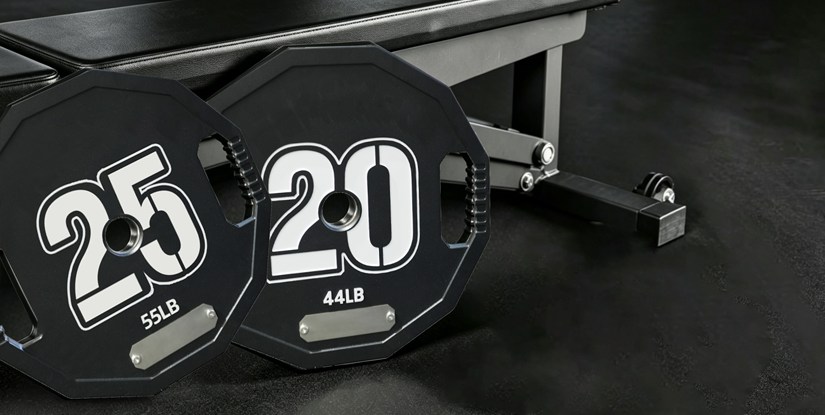
Establishing a private label program allows you to differentiate your catalog from other commercial gym brands that rely on unbranded, off-the-shelf stock. Whether you require custom color-coded numbering, specific logo placement via silk-screen or recessed casting, or specialized wholesale rubber bumper plates with unique density profiles, a professional supplier can align production with your technical requirements. This level of customization ensures your product lineup meets the exact durability and aesthetic standards expected by high-end commercial facilities and professional strength athletes.
Technical Specification Comparison for Bulk Procurement
Selecting the correct material profile is a decisive factor in calculating total cost of ownership (TCO) and long-term maintenance for commercial facilities. For instance, procurement officers must weigh the high density and cost-efficiency of iron against the impact-reduction benefits of rubberized compounds. Understanding these distinctions via a professional bumper plate OEM ODM framework ensures your order aligns with both budget constraints and facility durability needs.
| Material Type | Manufacturing Process | Key Component / Feature | Commercial Duty Tier | MOQ Impact | Typical Factory QC Point |
|---|---|---|---|---|---|
| Cast Iron | Sand casting and CNC machining | Precision-machined center bore | Budget / Standard Commercial | Lower MOQ for stock colors | Bore concentricity and flatness |
| Rubber Coated | Compression molding or dip coating | High-density rubber outer layer | Premium / High-Impact Use | Higher MOQ for custom colors | Coating adhesion and seam integrity |
| Polyurethane (PU) | Injection molding | Seamless high-durability shell | Elite / Competition Grade | Highest MOQ for custom branding | Surface smoothness and weight tolerance |
When evaluating a commercial weight plate manufacturer, it is essential to verify how these processes affect your landed cost. While cast iron offers a more stable wholesale price point, rubber and PU options provide higher value in high-traffic environments by reducing floor vibration and equipment wear. A professional supplier will provide detailed spec sheets regarding the molding process and weight calibration to ensure your sourcing strategy remains optimized for both durability and profit margins.
Execution Excellence: From Production to Global Export
A reliable commercial weight plate manufacturer must manage a complex production sequence that guarantees both brand consistency and product longevity. The manufacturing workflow typically begins with high-precision casting or molding, followed by rigorous machining of the center bore to ensure concentricity. For specialized orders, the process integrates advanced surface treatments such as powder coating or high-density rubber encapsulation. Professional bumper plate OEM ODM workflows include a dedicated stage for silk-screen or laser-etched weight markings, ensuring that your custom branding remains legible even after heavy commercial use.
To minimize risk during international sourcing, we emphasize a strict pre-shipment QC protocol. This includes weight tolerance spot-checks, coating adhesion testing, and visual inspections of the logo finish. Once the batch meets all technical specifications, the goods are secured in heavy-duty export packaging designed to withstand maritime transit and container loading stresses. Understanding these variables—from the initial MOQ requirements to the final production lead time—allows distributors to plan inventory cycles effectively and maintain a reliable supply chain for their local markets.
Optimizing Logistics and Export Packaging for Global Sourcing
For distributors and gym owners, the bumper plate OEM ODM process involves more than just material selection; it requires strategic planning for the landed cost. Because weight plates are high-density, low-volume products, shipping density and container optimization are critical to maintaining healthy distributor margins during bulk sourcing.
When evaluating cast iron vs rubber volume, buyers must account for the different volume-to-weight ratios. Cast iron plates are significantly more compact, allowing for tighter packing and higher weight capacity per cubic meter. Conversely, rubber bumper plates have a larger physical footprint due to the thickness of the outer compound. If your wholesale order focuses on high-volume rubber units, you must plan for increased volumetric weight, which can impact your landed cost if container utilization is not maximized. A professional commercial weight plate manufacturer will provide precise dimensions and weight specs to help you calculate the most efficient shipping configurations for your wholesale rubber bumper plates order.
Logistics and Storage Efficiency Comparison
Understanding the physical dimensions of your order is essential for managing warehouse space and ocean freight expenditures. When planning a bulk bumper plate OEM ODM project, the choice between metal and synthetic materials dictates your total shipping volume and container loading efficiency. A professional commercial weight plate manufacturer will provide detailed volumetric data to ensure your wholesale rubber bumper plates do not lead to unexpected surcharges due to high dimensional weight.
| Material Type | Packaging Durability | Shipping Volume | Storage Footprint | Container Loading Efficiency |
|---|---|---|---|---|
| Cast Iron (Standard) | High (Metal-on-metal resistance) | Low (Dense/Compact) | Minimal | High (Optimized for heavy weight) |
| Rubber Bumper (Premium) | Medium (Requires reinforced corners) | High (Thicker profile) | Moderate | Moderate (Volume-limited) |
For distributors managing large-scale inventory, the physical thickness of the rubber compound affects how many units fit within a standard pallet or shipping crate. While cast iron allows for extremely dense stacking, wholesale rubber bumper plates require specialized export packaging to prevent deformation during long-transit sea freight. We recommend confirming specific packaging requirements and pallet dimensions with your supplier during the initial sourcing phase to optimize your final container load and reduce the landed cost.
Export Packaging and Pre-Shipment QC Standards
To protect your investment during long-distance sea freight, a professional commercial weight plate manufacturer must implement rigorous export packaging protocols. Unlike standard consumer shipments, a bulk bumper plate OEM ODM order requires reinforced palletization to prevent structural damage and ensure the integrity of the rubber compound. High-density weight plates exert extreme pressure on packaging materials; therefore, we utilize heavy-duty corrugated boxes and reinforced corner protectors to ensure stability within the shipping container.
Beyond physical protection, a critical component of the sourcing process is the pre-shipment QC stage. Before any wholesale shipment leaves the factory, we conduct comprehensive inspections focusing on breakage prevention and dimensional accuracy. This includes checking the bond line adhesion of the rubber to the inner core and verifying that the weight tolerances meet your specific branding requirements. By implementing these strict QC steps, we help distributors minimize the risk of transit-related damage and ensure that every unit in your wholesale rubber bumper plates order arrives ready for immediate commercial deployment, thereby protecting your long-term margins and reputation.