Fitness Equipment Casting Manufacturer: Manufacturing
Understanding the Role of a Fitness Equipment Casting Manufacturer
Many importers mistakenly prioritize low unit costs from small-scale workshops, only to face high replacement rates due to brittle iron or uneven weight distribution. A professional fitness equipment casting manufacturer avoids these pitfalls by integrating industrial-grade commercial casting process standards into every production run. For distributors and gym owners, sourcing directly from a specialized China factory ensures that raw metal is transformed into high-durability, precision-engineered assets that meet the rigorous demands of high-traffic commercial environments.
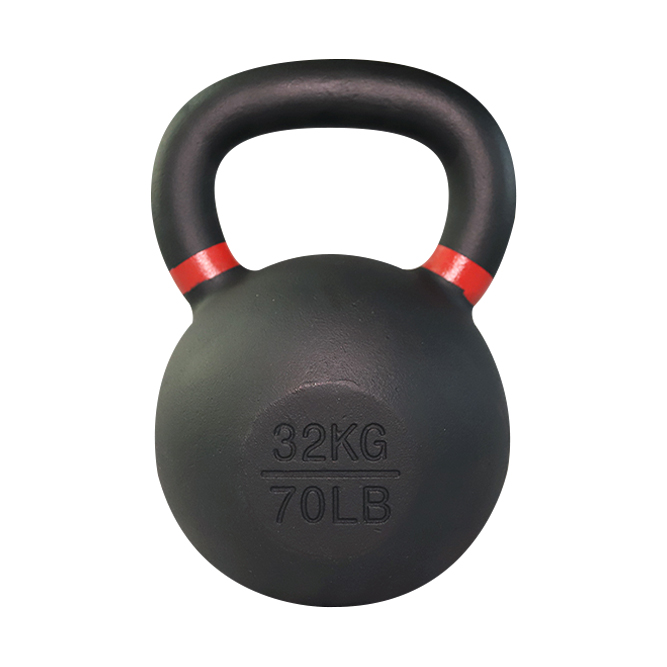
Effective fitness equipment OEM manufacturing requires more than just a mold; it demands a controlled transition from raw molten iron to a finished, coated product. Whether you are developing a private label line of kettlebells or heavy-duty dumbbells, the manufacturer must manage the entire lifecycle—from sand casting and CNC machining to final surface treatment. This structural integrity is what differentiates a premium commercial product from a budget-tier item, directly impacting your long-term maintenance costs and distributor margins.
In a high-traffic commercial use scenario, the failure of a single cast component can lead to disproportionate downtime and increased maintenance costs. This is why professional cast iron equipment production is a critical factor in total cost of ownership (TCO) calculations. When procurement leads evaluate a new batch, they are not just buying weight; they are investing in the structural reliability of the equipment. A specialized fitness equipment casting manufacturer ensures that the density and surface consistency of the iron are uniform, preventing the cracking or chipping often seen in lower-tier manufacturing.
For those engaged in large-scale wholesale procurement, the technical nuance of the casting route directly influences the product's lifespan. High-end commercial facilities require equipment that maintains its shape and coating adhesion despite constant impact and heavy use. By sourcing through established sourcing channels that prioritize industrial-grade casting, distributors can guarantee a more stable ROI for their clients, reducing the frequency of part replacements and protecting the brand identity of the end-user facility.
Commercial-Grade Casting Comparison for Procurement
When evaluating your next batch of heavy-duty weights, it is essential to understand how different production standards impact long-term durability and maintenance. A professional fitness equipment casting manufacturer provides clear distinctions between standard production and high-tier commercial outputs. The following table assists procurement leads in determining the appropriate tier for their specific market needs, whether for budget-friendly studio setups or high-traffic training centers.
| Material & Process Tier | Primary Casting Route | Surface Finish Standard | Commercial Duty Level | Procurement Impact | Typical QC Focus |
|---|---|---|---|---|---|
| Budget / Entry-Level | Basic Sand Casting | Standard Paint or Bare Iron | Home Gym / Light Studio | Low Initial Capex | Surface Roughness |
| Standard Commercial | Refined Sand Casting | Industrial Powder Coating | General Fitness Centers | Balanced TCO | Coating Adhesion |
| Premium / Professional | Precision commercial casting process | Multi-layer PU or High-Grade Enamel | High-Traffic Professional Gyms | Minimized Maintenance/Replacement | Weight Tolerance & Density |
Choosing the correct cast iron equipment production method is a strategic decision that affects your landed cost and after-sales support requirements. While budget options offer lower upfront costs, premium-tier manufacturing ensures the material integrity required for professional settings, where equipment must withstand constant impact without surface degradation or structural failure.
Industrial Casting and Material Selection for Commercial Durability
For distributors and gym equipment importers, the structural integrity of heavy-duty implements is the primary factor in reducing long-term maintenance costs and replacement cycles. A professional fitness equipment casting manufacturer utilizes specialized metallurgical processes to ensure that every unit can withstand the high-frequency impact and heavy usage typical of commercial environments. When managing bulk sourcing, understanding the distinction between basic casting and high-grade production is essential to protecting your distributor margins and ensuring product longevity.
Reliable cast iron equipment production relies on controlled cooling and precise mold shapes to prevent internal fractures or surface inconsistencies. In many commercial settings, a standard commercial casting process involves sand casting or centrifugal casting to achieve a uniform density. This density is critical for maintaining weight tolerances and ensuring that the center of gravity remains consistent, which prevents uneven wear on both the equipment and the facility flooring. High-quality fitness equipment OEM manufacturing focuses on minimizing these structural flaws through rigorous material selection and standardized production sequences.
Selecting a China factory that prioritizes these technical standards allows buyers to mitigate the risks of receiving substandard batches that fail under heavy load. Whether you are ordering custom branded kettlebells or standard weight plates, the quality of the base casting dictates the success of subsequent steps like machining and surface coating. For large-scale wholesale buyers, investing in higher-grade casting processes upfront often results in a lower total cost of ownership for the end-user and fewer warranty claims for the distributor.
Technical Comparison of Casting and Finishing Methods
A strategic procurement decision must account for how the surface treatment affects the long-term durability of the item. While the base casting provides the structural strength, the secondary finishing process determines the equipment's resistance to oxidation, moisture, and user wear. For example, a simple paint finish may peel under high-frequency use, whereas a high-grade coating provides a more resilient barrier. Understanding these distinctions helps importers and gym owners balance initial wholesale costs against the total lifecycle value of the product.
The following table outlines the common material and process combinations encountered when working with a professional fitness equipment casting manufacturer. This comparison assists in selecting the appropriate tier for your specific market needs, whether you are targeting budget-friendly commercial gyms or premium boutique studios.
| Material Type | Primary Process | Surface Finish | Commercial Duty Tier | MOQ Impact | Factory QC Point |
|---|---|---|---|---|---|
| Cast Iron | Sand Casting | Powder Coating | Standard Commercial | Standard | Coating Adhesion |
| Cast Iron | Sand Casting | PU Coating | Premium Commercial | Higher | Encapsulation Uniformity |
| Solid Steel | Machining | Chrome Finish | High-End / Competition | High | Surface Smoothness |
| Cast Iron | Centrifugal Casting | Rubber Coating | Heavy-Duty / High Impact | Moderate | Base Flatness |
When evaluating a China factory for large-scale orders, it is vital to verify the specific application of these finishes. For instance, a high-quality PU coating offers superior protection for high-end studio equipment, but it may require a higher MOQ due to the specialized application steps involved. Conversely, standard powder coating is a versatile, cost-effective solution for high-volume wholesale distribution. Always request a sample evaluation to inspect the coating thickness and the integrity of the handle-to-body junction before finalizing your bulk order.
Critical Quality Control and Export Readiness
For high-volume importers, the most significant risk in international procurement is not just the product quality, but the consistency of the entire shipment. A professional fitness equipment casting manufacturer must implement a multi-stage inspection protocol that moves beyond the casting floor to the final loading dock. Relying on a China factory that lacks a structured pre-shipment protocol can lead to high landed costs caused by damaged goods or weight discrepancies upon arrival at your warehouse.
A reliable commercial casting process includes several non-negotiable checkpoints. First, a strict weight tolerance check is mandatory to ensure that bulk orders of cast iron plates or kettlebells meet the specified mass requirements. Second, testing for coating adhesion is essential; if the powder coating or PU layer is not properly bonded to the iron, it will flake during heavy use, leading to premature oxidation and customer complaints. Finally, a thorough pre-shipment QC must verify the structural integrity of all handles and the flatness of the base to ensure the equipment is safe for commercial floor use.
Logistics efficiency is the final pillar of successful fitness equipment OEM manufacturing. High-quality export packaging is not an optional extra—it is a requirement for protecting heavy, dense cast iron units during sea freight. This includes using reinforced corner protectors, heavy-duty corrugated boxes, and optimized palletizing to maximize container density. When negotiating your lead time, ensure that the manufacturer accounts for both the production cycle and the necessary time for rigorous quality inspections and secure packaging. For distributors seeking to minimize replacement rates and maximize profit margins, confirming these logistics and QC standards during the initial sourcing phase is the best way to ensure a seamless transition from the factory to your local market.
Comparing Casting Routes and Surface Finishing Standards
Selecting a professional fitness equipment casting manufacturer requires understanding how different production methods influence the long-term durability and maintenance requirements of your inventory. For distributors and gym owners, the choice between casting techniques directly impacts the landed cost and the replacement cycle of the equipment. When sourcing in bulk, the distinction between a standard commercial casting process and high-precision methods determines whether the product meets the rigorous demands of high-traffic commercial environments.
Standard sand casting is the most common method for producing heavy-duty items like kettlebells and weight plates due to its cost-effectiveness for large wholesale volumes. However, for components requiring tighter tolerances or smoother surfaces, manufacturers may utilize die casting or precision machining. Understanding these nuances helps importers manage expectations regarding weight consistency and surface quality during sourcing.
| Casting Method | Primary Material | Surface Finish Type | Commercial Duty Tier | Sourcing Context |
|---|---|---|---|---|
| Sand Casting | Gray Iron | Powder Coating or Paint | Standard Commercial | High Volume / Low MOQ Impact |
| Die Casting | Zinc or Aluminum Alloys | Smooth Enamel or Chrome | Premium / Specialized | Precision Parts / Higher Cost |
| Centrifugal Casting | Cast Iron / Steel | Rubber or PU Encapsulation | High-End Commercial | Durability Focused / Specialized OEM |
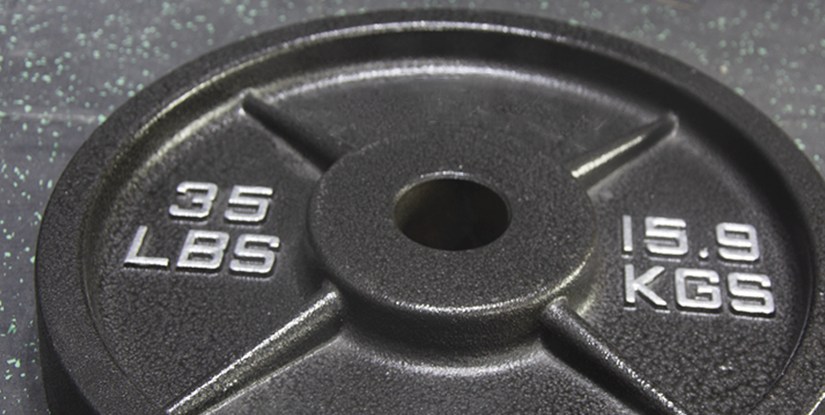
A reliable fitness equipment casting manufacturer will typically offer various surface treatments to suit different market segments. While a basic paint finish may suffice for budget-tier studios, premium distributors often request multi-layer powder coating or polyurethane encapsulation to enhance commercial-grade durability and protect against oxidation in humid environments. This selection is a critical sourcing decision factor when calculating the total cost of ownership and potential after-sales support needs for your clients.
When evaluating cast iron equipment production, procurement specialists must look beyond the initial price per unit to the long-term maintenance load. A mismatch between the casting route and the intended environment can lead to premature oxidation or coating failure, increasing the total cost of ownership for your clients. For example, while basic paint might be acceptable for low-impact settings, high-traffic commercial facilities demand more robust finishing to ensure product longevity.
The technical complexity of fitness equipment OEM manufacturing often resides in the integration of the casting and the finishing stages. A high-quality commercial casting process involves a sequence of steps—from the initial mold creation to the final coating adhesion check—to ensure that the surface remains intact under constant mechanical stress. This is particularly vital for items like kettlebells or specialized weights where handle-to-body junctions or textured knurling must remain consistent and free of debris or rust.
To mitigate risks during bulk procurement, we recommend that buyers request specific details regarding the coating adhesion and the base metal's consistency. Before finalizing a large order, it is standard practice to confirm the manufacturer's approach to surface preparation, such as phosphate treatment, which is a common industry-standard step to prevent future peeling. This level of technical scrutiny during the pre-shipment phase ensures that your imported stock arrives ready for immediate, high-intensity commercial use.
To mitigate risks during bulk procurement, we recommend that buyers request specific details regarding the coating adhesion and the base metal's consistency. Before finalizing a large order, it is standard practice to confirm the manufacturer's approach to surface preparation, such as phosphate treatment, which is a common industry-standard step to prevent future peeling. This level of technical scrutiny during the pre-shipment phase ensures that your imported stock arrives ready for immediate, high-intensity commercial use.
Optimizing Procurement via Fitness Equipment OEM Manufacturing
For international distributors and large-scale gym operators, the ability to scale inventory without compromising margins depends on selecting a reliable fitness equipment casting manufacturer. When managing high-volume orders, the complexity of the commercial casting process directly influences your final landed cost. Sourcing directly from a China factory allows importers to bypass intermediary markups, ensuring that wholesale pricing remains competitive even as product specifications become more specialized.
Efficient fitness equipment OEM manufacturing is not merely about producing units; it is about optimizing the entire supply chain. A professional supplier must balance strict MOQ requirements with predictable lead time schedules to prevent warehouse stockouts or excessive capital tie-ups. By integrating sourcing strategies with high-capacity production, distributors can secure better profit margins while offering premium, custom-branded heavy equipment to their local markets.
Strategic Sourcing: Standard Casting vs. Premium Production
Distributors must decide between high-volume, cost-effective standard production and specialized, high-spec units. Choosing the right tier of cast iron equipment production is critical for maintaining a healthy distributor margin while meeting the durability expectations of high-traffic commercial facilities. While standard casting fulfills basic wholesale needs, premium OEM options provide the branding and precision required for high-end studio clients.
| Material Tier | Production Process | Primary Use Case | Commercial Duty | MOQ Impact | Factory QC Point |
|---|---|---|---|---|---|
| Standard Gray Iron | Sand Casting | General Gym/Home Use | Moderate | Lower | Surface Smoothness |
| Premium Cast Iron | Precision Casting & CNC | Professional Training Centers | High | Moderate | Weight Tolerance |
| Specialized Steel/Coated | Advanced fitness equipment OEM manufacturing | Premium Fitness Brands | Extreme | Higher | Coating Adhesion |
When evaluating a potential fitness equipment casting manufacturer, procurement leads should request detailed technical spec sheets to verify how the commercial casting process handles weight calibration and surface finishing. A thorough pre-shipment inspection of the casting density and handle texture can prevent high return rates and protect your long-term brand reputation.
Logistics Efficiency and Export-Ready Standards
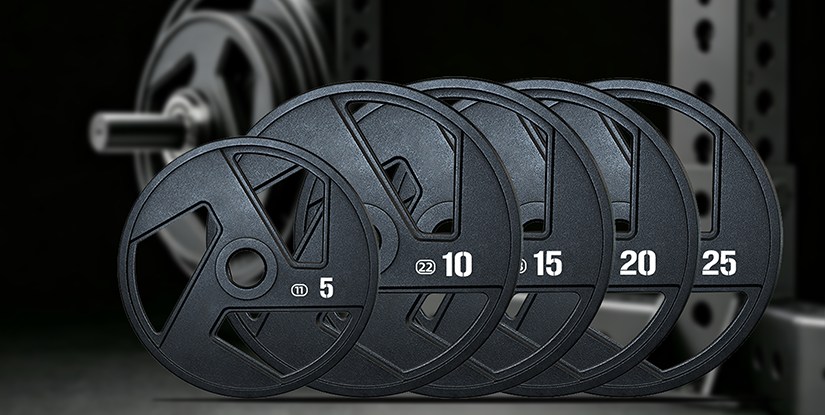
Beyond the production line, the final stage of the cast iron equipment production cycle determines the total landed cost and warehouse efficiency. For high-volume importers, the risk of transit damage or incorrect weight distribution during sea freight is a significant concern. A specialized fitness equipment casting manufacturer mitigates these risks by implementing rigorous export packaging protocols. This includes heavy-duty reinforced cartons and palletization designed to withstand the rigors of international container loading, ensuring that bulk orders arrive at your distribution center in optimal condition.
To maintain high distributor margins, professional procurement teams should prioritize a China factory that offers transparent pre-shipment QC. This inspection process typically focuses on critical compliance points such as weight tolerance consistency and the structural integrity of the casting. By confirming these details before the goods leave the floor, you reduce the likelihood of costly returns or client disputes. We recommend that buyers request a sample approval and a detailed inspection report to verify that all fitness equipment OEM manufacturing standards meet your specific commercial-grade requirements before finalizing any large-scale wholesale shipment.
Factory QC Protocols and Export Packaging Standards
Maintaining consistent quality is the highest priority for any professional fitness equipment casting manufacturer working with international distributors. When managing high-volume orders, the risk of receiving units with uneven weight distribution or surface defects can significantly impact your landed cost and brand reputation. To mitigate these risks, a rigorous commercial casting process must integrate multiple inspection stages—from raw material verification to final crate assembly—ensuring every unit meets the strict standards required for heavy-duty gym environments.
Reliability in bulk fitness equipment OEM manufacturing depends on precise control over variables like weight tolerance and surface finish. A professional China factory does not merely check the final product; they implement a multi-layered pre-shipment inspection protocol. This includes verifying the concentricity of the cast iron, checking the adhesion of the powder coating, and ensuring that any branding or logo plates are perfectly aligned. For importers, this level of detail is essential to avoid the high costs of replacement and the logistical headaches of shipping defective heavy goods.
Standardized quality control ensures that your wholesale shipments arrive in a condition that is ready for immediate retail or commercial installation. During the final stages, the factory focuses on export-ready packaging, utilizing reinforced cartons and heavy-duty pallets to withstand the rigors of sea freight. By establishing clear MOQ requirements and transparent lead time expectations, a supplier can provide the stability needed for long-term distribution planning and inventory management.
For professional importers, the final stage of the supply chain is just as critical as the initial casting. Inefficient export packaging can lead to unexpected damage during long-distance sea freight, resulting in high replacement costs and diminished distributor margin. To prevent these losses, a specialized fitness equipment casting manufacturer employs specific protocols designed for the movement of heavy, high-density goods across oceans.
Standardized palletization is the first line of defense against transit damage. Rather than stacking loose items, high-volume bulk orders are typically secured onto reinforced, heat-treated pallets and wrapped in heavy-duty shrink film. This method ensures stability within the shipping container and facilitates easier unloading at the destination warehouse. By prioritizing robust shipping damage prevention, a reliable China factory helps maintain the integrity of the product from the production floor to your local distribution center.
Ultimately, the goal of professional cast iron equipment production is to minimize the total landed cost through logistical efficiency. When a supplier provides detailed packaging specifications and confirms container loading plans in advance, it allows buyers to better calculate storage requirements and shipping timelines. We recommend that all procurement leads request a detailed packaging spec sheet and confirm any specific OEM requirements for custom crating or pallet stacking to ensure your inventory arrives ready for commercial use.
To assist with your procurement planning, the following table illustrates how different sourcing tiers typically manage quality and logistics. Choosing the right tier depends on your specific market positioning and your required MOQ.
| Procurement Tier | Primary Use Case | Typical Packaging Standard | QC Focus Area | Shipping Safety Level |
|---|---|---|---|---|
| Budget Tier | Entry-level fitness studios | Standard single-wall carton | Visual surface defects | Standard sea freight |
| Commercial Tier | Gym chains and distributors | Reinforced double-wall carton | Weight consistency and coating | Palletized with edge protectors |
| Premium Tier | High-end boutique fitness | Custom branded heavy-duty crate | Full dimensional and surface precision | Full container protection and custom stacking |
Selecting the appropriate tier from a fitness equipment casting manufacturer allows you to balance your initial capital expenditure with the long-term durability required by your clients. For high-volume wholesale distribution, we recommend opting for at least the commercial-grade packaging to ensure high shipping safety and to protect your distributor margin against transit-related claims. Before finalizing your next bulk order, we suggest requesting a sample of the packaging or a detailed loading plan to confirm it meets your local warehouse handling capabilities.
Strategic Sourcing and Lead Time Management for Importers
Effective procurement begins with understanding how a fitness equipment casting manufacturer manages the balance between technical complexity and logistics. For distributors and large-scale gym operators, the production cycle is rarely a fixed number; it is a variable dictated by the specific commercial casting process selected for the order. When sourcing high-volume orders, professional buyers must account for how tooling, material availability, and casting cooling times influence the final lead time.
Complexity in fitness equipment OEM manufacturing directly impacts your inventory turnover and landed cost. For example, a standard sand casting run for basic weight components typically follows a predictable timeline, whereas orders requiring advanced surface treatments or specialized handle textures may require additional stages in the factory. Navigating these variables is essential for maintaining a stable supply chain and meeting seasonal demand in the North American market.
| Order Type | Production Complexity | Typical MOQ Impact | Lead Time Variable |
|---|---|---|---|
| Standard Stock Items | Low - Basic sand casting and powder coating | Lower threshold for wholesale | Short - Optimized for rapid export |
| Custom OEM Designs | High - Requires specialized molds and CNC machining | Higher MOQ due to tooling costs | Extended - Includes mold creation and calibration |
| Premium Specialized Series | Advanced - Multi-stage coating or precision plating | Variable based on material sourcing | Moderate to Long - Dependent on finishing stages |
To optimize your sourcing strategy, we recommend aligning your purchase orders with the specific requirements of your China factory partner. Whether you are requesting a quote for standard commercial-grade units or initiating a private label project, early communication regarding technical specifications will ensure a smoother pre-shipment process and more predictable arrival dates for your warehouse.
When managing a bulk order, procurement teams must differentiate between high-volume standard runs and specialized production. A professional fitness equipment casting manufacturer will typically offer different tiers of service based on your technical requirements. For instance, cast iron equipment production for standard weight sets relies on established sand casting methods, which allows for a lower MOQ and faster turnaround for wholesale distribution. However, as you move toward higher-end specifications, the production complexity and the necessary lead time will naturally shift.
Understanding these variables helps importers mitigate the risk of stockouts or delayed launches. A supplier specializing in fitness equipment OEM manufacturing can provide more accurate timelines if the order parameters—such as custom handle textures or specialized coatings—are finalized during the initial sourcing phase. To ensure your shipping logistics remain efficient, we suggest reviewing the production tiers below to align your inventory planning with realistic factory output capabilities.