Olympic Plate Procurement: Top China Factory for OEM Buyers
The Economic Impact of Olympic Plate Procurement Errors
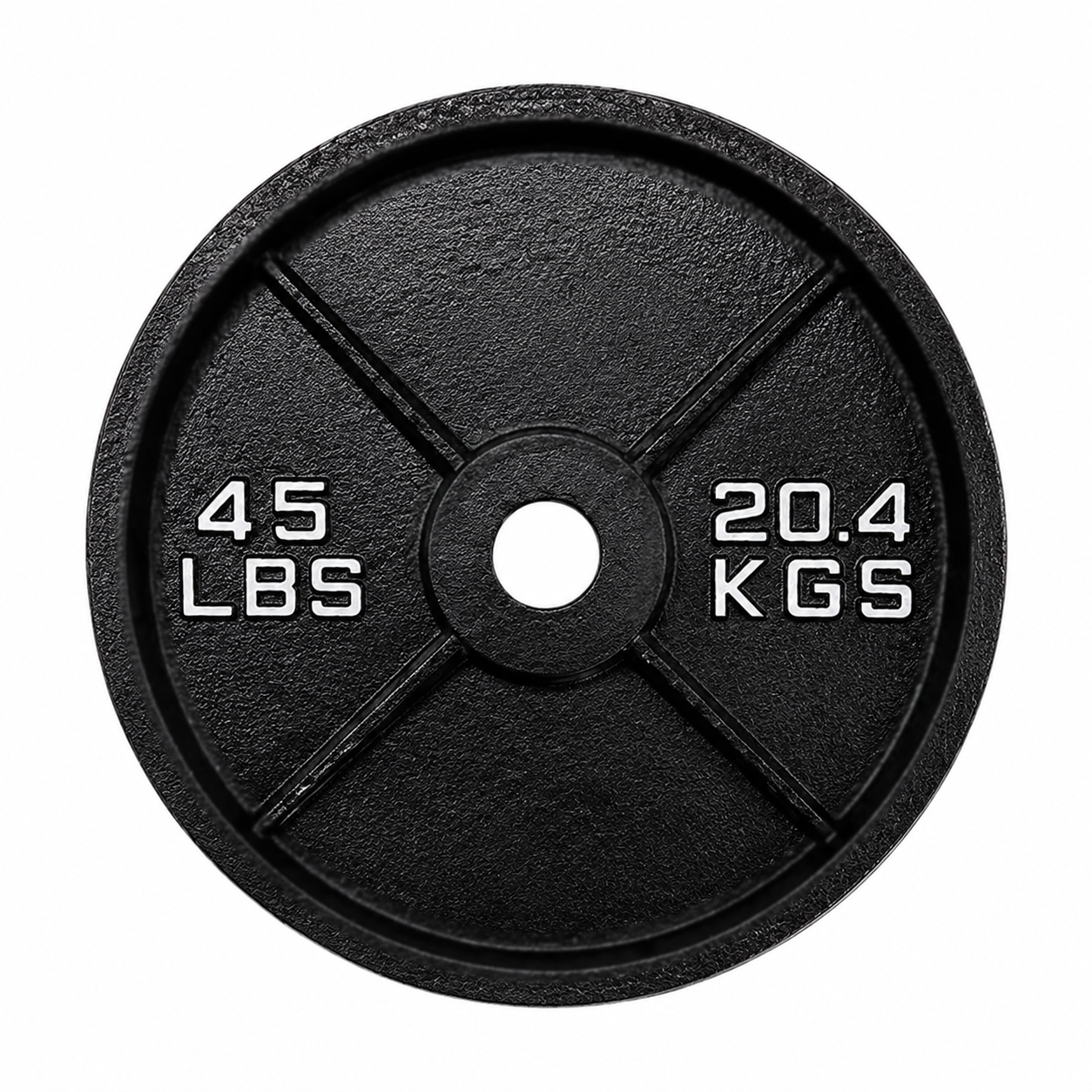
Successful olympic plate procurement requires a rigorous evaluation of three critical pillars: technical specifications, material durability, and logistical reliability. For distributors and gym operators, failing to verify these elements during the sourcing phase leads to more than just minor inconveniences; it creates a cascade of operational inefficiencies. When a China factory delivers units with substandard precision, the resulting friction in a commercial environment can jeopardize your entire investment.
The primary risk in olympic plate procurement stems from inconsistent material selection and poor machining tolerances. If a commercial weight plate OEM produces units with uneven thickness or poorly calibrated center bores, the plates will not sit flush on the barbell. This lack of concentricity causes weight oscillation during heavy lifts, which accelerates the wear on high-end barbell sleeves and increases the frequency of equipment replacement. For a facility manager, these small technical failures aggregate into significant long-term maintenance costs and reduced ROI.
Furthermore, substandard surface treatments often lead to uneven wear and premature oxidation. When a wholesale order consists of plates with inconsistent powder coating or weak bond line adhesion, the aesthetic and structural integrity of the set degrades rapidly under heavy usage. For a distributor, this translates to a higher rate of client returns and a damaged reputation. Ultimately, a lower initial landed cost achieved by ignoring these quality markers often results in a much higher Total Cost of Ownership (TCO) due to the necessity of frequent re-orders and replacement of damaged inventory.
Comparison of Production Tiers and Procurement Risks
To optimize your long-term ROI, it is essential to understand how production methods directly influence the commercial lifespan of your inventory. When evaluating wholesale olympic plates China options, buyers must distinguish between low-cost casting and high-standard manufacturing. A single procurement error—choosing a tier that does not match your facility's intensity—can lead to increased replacement cycles and diminished distributor margins.
The following table illustrates the qualitative differences between standard casting and high-tier commercial production. This comparison focuses on the technical variables that impact the long-term value of your olympic plate procurement strategy.
| Material & Process | Key Component Focus | Commercial Duty Tier | Procurement Risk Factor | Typical Factory QC Point |
|---|---|---|---|---|
| Basic Sand Casting | Bore Concentricity | Budget / Light Commercial | High: Weight oscillation & uneven barbell wear | Surface flatness & bore diameter |
| Machined Cast Iron | Precision Center Bore | Standard Commercial | Medium: Inconsistent weight distribution | Calibration & concentricity check |
| Premium Steel / PU Coating | Bond Line Adhesion | High-Intensity / Professional | Low: Minimal maintenance & high durability | Coating thickness & impact resistance |
For professional buyers, selecting a supplier that offers precision-machined components ensures that the weight remains stable during high-volume use. We recommend requesting a technical spec sheet or a sample evaluation to verify that the machining and coating processes meet your specific commercial requirements before finalizing any large-scale wholesale agreement.
Beyond the physical product, professional olympic plate procurement must account for the invisible costs of logistics and inventory management. A failure in pre-shipment inspection or a lack of standardized weight calibration can result in a shipment that is legally non-compliant or functionally unusable for high-end facilities. For a large-scale distributor, receiving a container where weight variances exceed acceptable commercial thresholds is not just a technical error—it is a direct hit to the distributor margin.
Effective replacement planning is also heavily dependent on the reliability of your China factory partner. If a supplier lacks the capability for consistent OEM production, you will face irregular lead times and difficulty in sourcing matching sets for future expansions. This inconsistency forces buyers into higher replacement planning costs, as they may be forced to switch entire equipment lines to maintain a uniform aesthetic and performance standard. To mitigate these risks, we suggest confirming the factory ability to provide consistent batch-to-batch quality and verifying their export packaging standards to ensure safe arrival and reduced transit damage.
Material Selection and Precision Machining for Commercial Use
Effective olympic plate procurement requires a deep understanding of how base materials and manufacturing tolerances dictate the long-term TCO for a fitness facility. For distributors and gym operators sourcing from a China factory, the distinction between high-grade cast iron and standard industrial casting is the primary driver of product lifespan and client satisfaction.
When selecting commercial weight plate OEM solutions, the choice between cast iron and rubber/urethane bumper options depends on the intended facility use and impact requirements. While cast iron provides a cost-effective, high-density solution for traditional strength training, high-end wholesale olympic plates China suppliers often offer urethane-encapsulated versions to enhance floor protection and reduce noise in premium commercial environments.
Precision in the weight tolerance of each unit is critical for maintaining professional standards. A reliable supplier ensures that the casting and subsequent machining processes—such as the calibration of the center bore—meet industry-standard concentricity. Failure to verify these specifications during sourcing can lead to uneven weight distribution, increased maintenance costs, and a diminished professional image for the end-user's facility.
Technical Material and Manufacturing Comparison
To optimize your olympic plate procurement, buyers must differentiate between manufacturing routes that impact both the landed cost and the durability of the equipment. For example, standard plates often rely on sand casting, which is highly cost-effective for bulk orders but may result in less uniform surface textures. In contrast, premium tiers utilize CNC machining to ensure the center bore is perfectly concentric, which is essential for a smooth fit on high-end barbells.
Surface finishing also plays a vital role in the longevity of your inventory. While a simple paint application may suffice for budget-tier gym setups, professional distributors typically look for high-durability options like powder coating or PU coating. These finishes offer superior adhesion and resistance to oxidation, reducing the frequency of replacement and improving the long-term ROI for your clients. When negotiating with a China factory, always verify the specific coating method used for your custom branding requirements.
| Material Type | Primary Process | Key Component Focus | Commercial Duty | MOQ Impact | Factory QC Point |
|---|---|---|---|---|---|
| Cast Iron | Sand Casting | Bore Concentricity | Standard Commercial | Low | Surface Flatness |
| Steel/Chrome | CNC Machining | Precision Bore Fit | Premium/Competition | High | Weight Calibration |
| Rubber/PU | Molding/Encapsulation | Bond Line Adhesion | High-Impact/CrossFit | Medium | Coating Uniformity |
Before finalizing your bulk order, we recommend requesting a detailed specification sheet or a physical sample to evaluate the coating adhesion and the quality of the center bore. Confirming these technical details early in the sourcing process ensures that your private label products meet the rigorous demands of professional strength training environments.
Critical Inspection Points for Professional Importers
For distributors managing high-volume inventory, the risk of high return rates often stems from overlooked technical discrepancies in the manufacturing chain. During olympic plate procurement, it is essential to look beyond the exterior finish and inspect the core structural integrity. A professional China factory should provide transparency regarding their calibration and testing protocols to ensure every unit delivered meets the weight and balance requirements expected by commercial clients.
Reliable wholesale olympic plates China production relies on a strict sequence of quality control. This typically begins with a weight tolerance spot-check after the initial casting or molding phase, followed by a precision check of the bore concentricity to ensure a smooth rotation on Olympic barbells. Furthermore, for coated or bumper-style units, verifying the bond line adhesion—the strength of the connection between the internal core and the outer coating—is a vital step to prevent premature peeling or structural failure in high-use environments.
To mitigate logistics-related damage and ensure a professional unboxing experience for your customers, always confirm the standards for export packaging. High-quality commercial weight plate OEM manufacturers utilize reinforced, moisture-resistant packaging and heavy-duty corner protection to safeguard shipments during long-haul sea freight. When discussing your next bulk order, clarify the lead time and ensure that pre-shipment inspection protocols include a final review of the packaging durability and the accuracy of the weight markings before the container is loaded.
Comparing Production Standards for Wholesale Orders
In professional olympic plate procurement, the disparity between budget-grade casting and high-spec manufacturing determines your long-term distributor margins. For distributors and gym owners sourcing from a China factory, understanding the technical trade-offs in material and machining is essential to avoid the high replacement costs associated with uneven weight distribution or coating failure.
Standard production often relies on basic sand casting with minimal secondary processing, which can lead to inconsistent machining tolerances and uneven thickness. In contrast, premium commercial weight plate OEM services utilize precision CNC machining and multi-stage surface treatments to ensure the center of gravity remains stable during high-volume commercial use. For high-end facility requirements, selecting a wholesale partner that prioritizes weight calibration and high-grade rubber coating adhesion will significantly reduce your total cost of ownership and maintenance overhead.
| Material & Process Tier | Primary Material | Surface Finish | Machining Precision | Typical Commercial Application | Procurement Value |
|---|---|---|---|---|---|
| Standard Cast | Gray Iron | Paint or Enamel | Basic Casting Mold | Budget Gyms / Home Use | Low Initial Cost |
| Commercial Grade | Cast Iron | Powder Coating | Standard Machining | Commercial Fitness Centers | Balanced TCO |
| Premium Competition | Steel or High-Grade Iron | Rubber Coated or PU | Precision CNC Machining | Professional Training Facilities | High Durability / Low Maintenance |
When managing wholesale olympic plates China orders, we recommend evaluating the weight calibration protocols and the thickness of the rubber coating layer. A robust commercial weight plate OEM process ensures that the bond line between the core and the outer layer is seamless, preventing the delamination issues common in lower-tier sourcing options. Always request a sample to verify the concentricity of the center bore and the consistency of the surface texture before finalizing your bulk olympic plate procurement contract.
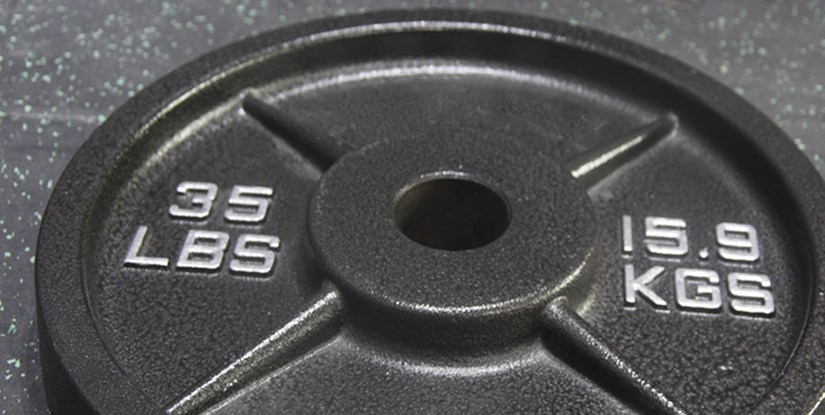
When evaluating a China factory for high-volume orders, the distinction between a simple trader and a specialized supplier lies in their ability to control the manufacturing sequence. For professional olympic plate procurement, the technical integrity of the center bore and the surface finish directly impacts the lifespan of your inventory and the satisfaction of your end-users.
Technical Specifications and Quality Benchmarks
A high-tier commercial weight plate OEM partner will implement a structured manufacturing route: starting with high-quality gray iron or steel casting, followed by CNC machining to refine the inner diameter, and concluding with advanced surface treatments. This sequence ensures the precision of the Olympic collar fit, which is a critical metric for professional weightlifting environments. In contrast, lower-tier wholesale olympic plates China options may skip the secondary machining stage, resulting in poor concentricity and uneven weight distribution that can damage barbell sleeves over time.
| Production Tier | Core Material | Primary Process | Key Component Focus | Typical Commercial Use | Procurement Goal |
|---|---|---|---|---|---|
| Economy Tier | Standard Gray Iron | Basic Sand Casting | Surface Paint | Budget Training Centers | Low Landed Cost |
| Standard Commercial | Cast Iron | Casting + Powder Coating | Bore Concentricity | Commercial Gyms/Studios | Reliable Durability |
| Premium Performance | Steel or High-Grade Iron | CNC Machining + PU/Rubber | Bond Line Adhesion | Professional Training Hubs | Maximum TCO/ROI |
To ensure your wholesale order meets international standards, we advise focusing your pre-shipment inspection on three specific areas: the thickness of the coating, the smoothness of the knurled edges, and the flatness of the plate face. A reliable factory will provide detailed documentation regarding their weight calibration and surface treatment stability. Before proceeding with full-scale olympic plate procurement, always confirm the MOQ for custom branding and request a technical spec sheet to verify that the manufacturing tolerances align with your brand's quality requirements.
Optimizing OEM/ODM Specifications for Brand Identity
Establishing a distinct market presence requires more than just generic sourcing; it demands precision in olympic plate procurement to ensure your product line reflects your premium standards. For distributors and gym owners, the ability to leverage OEM and ODM services allows for the integration of unique aesthetics and functional signatures that separate a high-end facility from a budget-oriented one.
Effective customization goes beyond merely adding a logo. It involves selecting specific material finishes—such as high-gloss powder coating or specialized urethane textures—to match your brand identity. When a commercial weight plate OEM partner provides control over the weight marking methods, such as precision laser etching versus traditional silk-screen printing, it directly impacts the perceived value of your inventory. This level of detail is essential for market differentiation, allowing you to position your brand as a top-tier provider in the competitive fitness landscape.
For professional importers, working with a China factory that understands these nuances is critical. Whether you are requesting a specific color-coding system for bumper plates or a unique textured grip on cast iron plates, the wholesale process must include rigorous verification of these custom elements to ensure the final landed product meets your brand's specific commercial-grade expectations.
Technical Comparison of Material and Finish Tiers
When managing olympic plate procurement, understanding the relationship between material composition and surface finishing is vital for calculating long-term replacement cycles. A mistake in selecting the wrong coating for a high-traffic commercial facility can lead to premature oxidation or peeling, increasing your total cost of ownership. To maximize your distributor margins, you must align the material specifications with the intended market tier.
For high-volume wholesale olympic plates China orders, the choice between cast iron and steel affects both the weight distribution and the durability of the center bore. While cast iron is the industry standard for budget-to-mid-tier commercial gyms, high-end boutique studios often require steel-core construction for superior impact resistance. The following table outlines the qualitative differences between common specifications provided by a professional supplier.
| Material Tier | Surface Finish | Common Process | Commercial Duty | MOQ Impact | Factory QC Point |
|---|---|---|---|---|---|
| Cast Iron | Powder Coating | Sand Casting & Coating | Standard Commercial | Lower | Coating Adhesion |
| Cast Iron | Rubber/PU Coating | Molding/Encapsulation | Premium/High-Impact | Medium | Bond Line Integrity |
| Solid Steel | Chrome/Enamel | Machining & Plating | Professional/Competition | Higher | Bore Concentricity |
Selecting the right commercial weight plate OEM specifications involves more than just aesthetics; it is a decision regarding maintenance load and floor protection. For example, a PU coating provides better shock absorption for high-intensity environments, whereas a standard powder coating offers a cost-effective solution for traditional weight rooms. We recommend requesting a sample evaluation to inspect the thickness and uniformity of the coating before finalizing your bulk order. Once the material and finish are approved, we can move to the pre-shipment QC stage to ensure every unit meets your specific commercial-grade requirements.
China Factory QC and Pre-Shipment Inspection Protocols
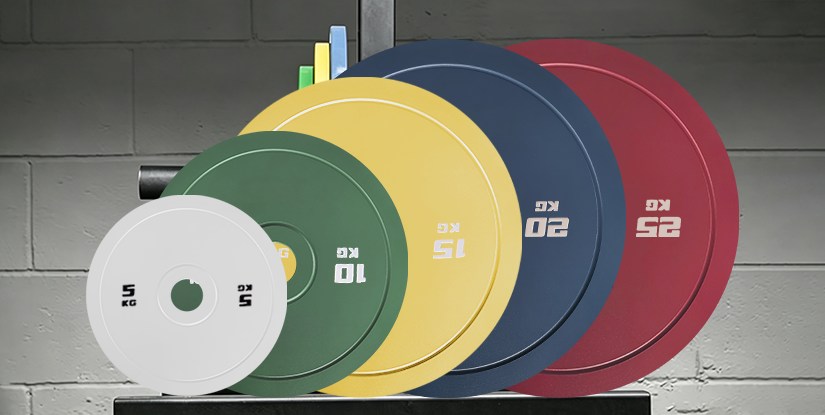
Effective olympic plate procurement requires more than just selecting a supplier; it demands a rigorous verification of manufacturing consistency to protect your commercial ROI. For distributors and gym owners, the cost of receiving a shipment with inconsistent weight or poor finishing far outweighs the initial savings of a low-cost order. A professional China factory must implement multi-stage inspection protocols to ensure every unit meets international commercial-grade standards before leaving the warehouse.
Standard wholesale olympic plates China production cycles must include specific checkpoints for machining precision and weight tolerance. During the calibration stage, technicians typically perform spot-checks on the center bore to ensure concentricity, preventing uneven wear on barbell sleeves. Furthermore, a reliable commercial weight plate OEM partner will conduct adhesion tests on the powder coating or rubber encapsulation to ensure the finish does not peel under high-volume usage, which directly impacts the long-term durability and resale value of your inventory.
To mitigate the risks of high landed cost due to damaged or non-compliant goods, we recommend a structured inspection process. B2B buyers should request a detailed pre-shipment report that covers the following critical dimensions:
| Inspection Dimension | Focus Area | Typical Commercial Standard | Procurement Impact |
|---|---|---|---|
| Dimensional Accuracy | Center Bore & Thickness | Consistent diameter for smooth barbell fit | Reduces equipment wear and tear |
| Weight Calibration | Mass Deviation | Standardized weight within acceptable industry range | Ensures professional training integrity |
| Surface Integrity | Coating Adhesion & Smoothness | Uniform finish without jagged edges | Minimizes maintenance and user injury risk |
| Visual QC | Logo & Branding Clarity | High-definition silk-screen or laser marking | Protects your brand identity and professional image |
Beyond basic weight verification, a high-tier China factory must prioritize the structural and surface-level integrity of the unit. During the final stages of olympic plate procurement, the focus shifts to how the product will perform in a high-traffic commercial environment. This includes testing the bond line of the outer shell and the precision of the internal components to ensure long-term durability.
A professional commercial weight plate OEM will implement a specialized checklist to prevent common failure modes such as surface chipping or uneven loading. For instance, the inspection of the center bore's concentricity is vital; if the hole is not perfectly centered, it creates uneven pressure on barbell sleeves, increasing maintenance costs for your clients. Additionally, verifying the coating adhesion is a critical step. Whether the plates are finished with a high-density urethane or a durable powder coating, the surface must remain intact under repeated impact to maintain a premium appearance and protect the internal steel or iron core.
When managing a wholesale order, we advise importers to confirm that the factory's pre-shipment protocols include a visual audit of the branding—ensuring that laser-etched or silk-screened logos are crisp and well-positioned. This attention to detail ensures that your private label or custom branding arrives in perfect condition, ready for immediate distribution or facility installation.
To ensure long-term durability and minimize post-arrival claims, professional buyers should request a formal sample approval or a pre-shipment inspection report before finalizing any large-scale wholesale movement. A high-standard China factory will not only verify the core mass but also provide transparency regarding the manufacturing sequence—from the initial casting stage through to the final calibration and export packaging. This level of documentation is essential for maintaining high distributor margins and ensuring the landed cost remains optimized by avoiding costly returns or replacements due to manufacturing defects.
For those engaged in olympic plate procurement, the final step in a successful sourcing strategy is to align on specific OEM or ODM requirements. We recommend requesting a detailed specification sheet that outlines the material density, the specific type of surface treatment used, and the exact tolerances for the center bore. By confirming these technical details and establishing a clear protocol for weight-spot-checks and surface-adhesion testing, you can build a reliable supply chain that supports the growth of your commercial fitness brand.
Logistics and Export Packaging for Bulk Shipments
Effective olympic plate procurement requires more than just selecting the right material; it demands a rigorous logistics strategy to protect your investment during long-haul transit. For distributors and gym owners, the cost of damaged goods or inefficient container utilization can quickly erode profit margins. A professional China factory must prioritize specialized export packaging and palletization standards to ensure that high-density weight plates arrive in optimal condition, ready for immediate inventory integration.
When managing bulk shipments, the primary objective is damage prevention through structural reinforcement. Standard cardboard is insufficient for the extreme weight and potential movement of Olympic plates. Instead, high-quality wholesale olympic plates China suppliers utilize heavy-duty wooden crates or reinforced, heat-treated pallets designed to withstand the rigors of maritime shipping. Proper palletization prevents the shifting of loads, which is critical for maintaining both product integrity and safety during sea freight transitions.
Beyond protection, container loading efficiency is a vital component of landed cost optimization. Because weight plates are high-density items, the ability to maximize every cubic meter of a 20ft or 40ft container directly impacts your shipping-to-product ratio. A supplier with expertise in commercial weight plate OEM production will offer optimized stacking patterns and customized packaging dimensions. This strategic approach reduces the volumetric weight impact and ensures that your sourcing budget is spent on high-quality equipment rather than wasted shipping space or avoidable transit damage.
Comparing Packaging Specifications for Different Plate Types
Selecting the correct packaging method is a critical decision during the olympic plate procurement process. Because Bumper plates and Cast Iron plates possess different physical properties and surface sensitivities, a one-size-fits-all approach to logistics can lead to unnecessary damage or inefficient container utilization. Professional importers must evaluate how different packaging tiers affect both the protection of the product and the final landed cost of the shipment.
Bumper plates, often featuring a rubber or PU coating, require specialized handling to prevent surface abrasions or edge deformation. In contrast, Cast Iron plates are highly durable but can be prone to surface oxidation or chipping if not secured correctly. A reliable China factory will provide differentiated packaging solutions based on these material characteristics to ensure your wholesale olympic plates China order arrives at your warehouse in premium condition.
| Plate Type | Standard Protection Level | Primary Packaging Method | Shipping Volume Efficiency | Commercial Application |
|---|---|---|---|---|
| Bumper Plates (Rubber/PU) | High (Surface & Edge Protection) | Reinforced Cardboard Boxes & Pallets | Moderate | High-traffic Commercial Gyms |
| Cast Iron Plates | Medium (Impact & Oxidation Control) | Heavy-Duty Wooden Crates | High (Dense Stacking) | Standard Weight Rooms & Studios |
| Steel/Machined Plates | Maximum (Precision & Finish) | Custom Crated Pallets | Moderate | Premium Training Facilities |
For large-scale commercial weight plate OEM projects, we recommend discussing customized palletization requirements during the initial sourcing phase. Whether you require standard export crates or customized dimensions for 40ft HQ container optimization, aligning these details early helps manage MOQ expectations and shipping timelines. We suggest requesting a detailed packing list and photos of a sample palletized load to confirm that the protection levels meet your specific distributor standards before the final pre-shipment inspection.
Finalizing the Shipment: Pre-Shipment QC and Loading Protocols
Before the finalization of any olympic plate procurement, the most critical phase for a distributor is the rigorous pre-shipment QC. A professional China factory does not merely rely on a single check; rather, they implement a multi-stage verification process to ensure that every unit meets the weight and dimensional tolerances required for commercial use. This includes a comprehensive weight tolerance spot-check, where a statistically significant sample of the batch is weighed on calibrated industrial scales to ensure consistency across the entire wholesale order. This step is essential for maintaining the reputation of your brand and preventing disputes regarding weight discrepancies upon arrival.
Once the individual units pass inspection, the focus shifts to container loading and long-term transit stability. High-density products like weight plates are prone to shifting during maritime transit, which can lead to container wall damage or broken pallets. To mitigate this, professional commercial weight plate OEM manufacturers utilize advanced moisture protection, such as industrial-grade desiccants or specialized plastic wrapping, to prevent oxidation of the metal surfaces. Furthermore, we emphasize pallet stability by using heavy-duty strapping and reinforced corner protectors. This ensures that the high-density load remains a single, secure unit throughout the journey, protecting your sourcing investment and ensuring a predictable landed cost for your facility or retail distribution center.