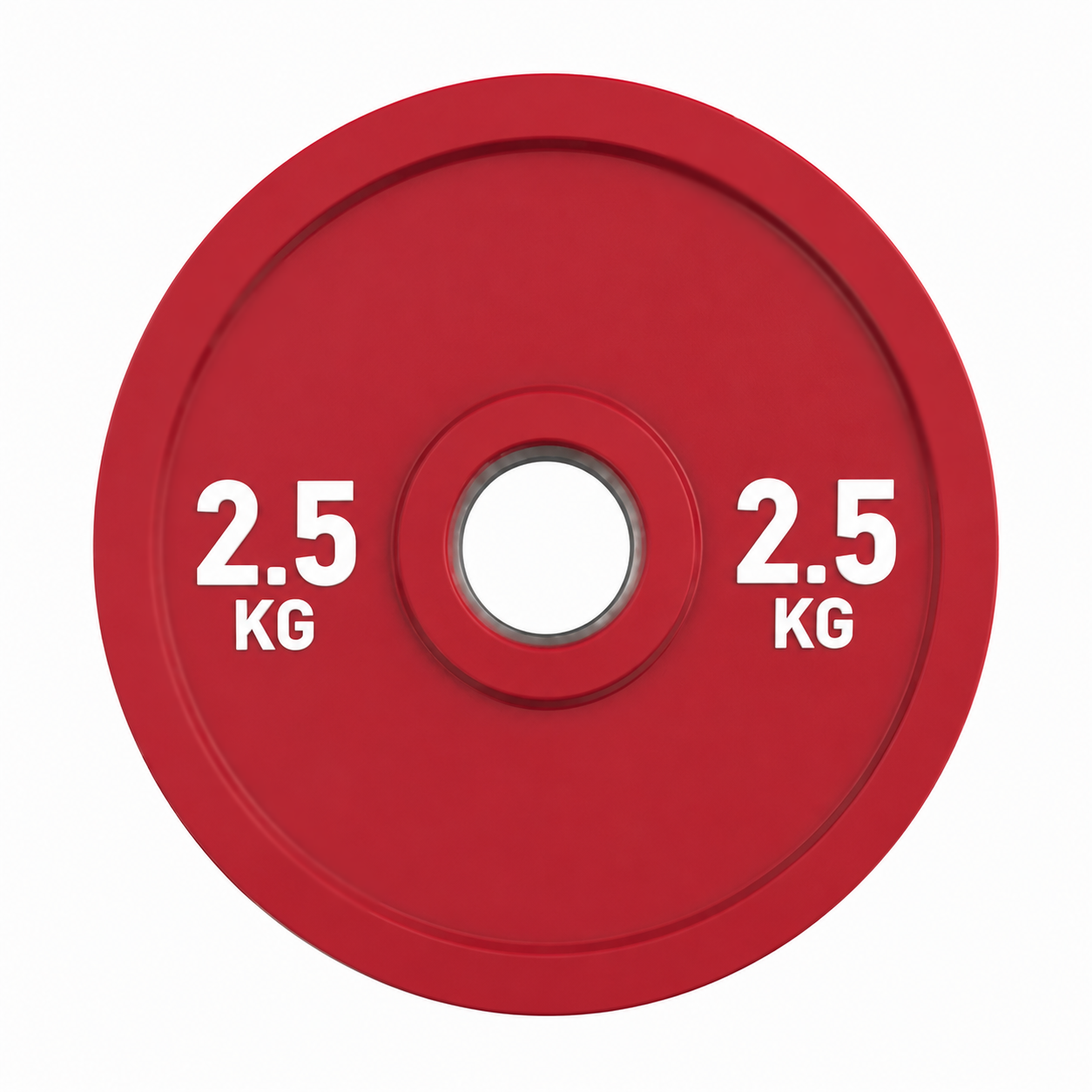
Olympic Plate Bulk Order: OEM Wholesale for Dealers
Optimizing Inventory with an Olympic Plate Bulk Order
Many distributors fail by sourcing small, inconsistent batches from fragmented traders, leading to high landed costs and mismatched SKU profiles. A professional olympic plate bulk order solves this by consolidating volume through a single China factory, ensuring uniform weight tolerances and a streamlined landed cost. By shifting from reactive purchasing to strategic wholesale olympic plates procurement, you secure predictable stock levels and higher distributor margin through direct-from-source pricing.
For warehouse managers and commercial equipment importers, the goal is maximizing turnover while minimizing the risk of defective units. Relying on a specialized commercial weight plate supplier allows for better planning of seasonal stock requirements and the ability to leverage OEM capabilities for private label growth. Efficiently managing your sourcing strategy ensures that your inventory reflects the high-durability standards required by professional gym chains and premium fitness studios.
Material Selection and Manufacturing Tier Comparison
Selecting the right material profile is critical for long-term inventory turnover. When executing an olympic plate bulk order, buyers must decide between the cost-efficiency of cast iron and the high-durability requirements of premium facilities. A professional olymeric plate OEM manufacturing partner provides various finishing options that directly impact the product's lifespan and your replacement rate. Choosing the wrong coating for a high-traffic commercial environment can lead to premature peeling or surface degradation, increasing maintenance costs for your clients.
The following table outlines the standard technical tiers available through a China factory to help you align your procurement with specific market segments.
| Material Type | Primary Process | Surface Finish | Commercial Duty | MOQ Impact | Factory QC Point |
|---|---|---|---|---|---|
| Cast Iron | Sand Casting | Powder Coating | Standard Commercial | Lower | Coating Adhesion |
| Steel Core | Centrifugal Casting | Rubber Coating | High-Traffic / Premium | Moderate | Edge Bonding |
| Solid Steel | CNC Machining | Polyurethane (PU) | Elite / Competition | Higher | Weight Tolerance |
For distributors focusing on high-volume, budget-friendly gym setups, powder-coated cast iron remains a staple due to its stable production cycle. However, for premium studio clients, wholesale olympic plates with rubber or PU encapsulation offer superior floor protection and noise reduction. During pre-shipment QC, our technical team performs weight tolerance spot-checks and inspects the concentricity of the center bore to ensure seamless fitment on standard Olympic bars, reducing the risk of uneven wear or client complaints.
Technical Specification and Procurement Optimization
Understanding the nuance between manufacturing routes is essential for a successful olympic plate bulk order. While sand casting is a standard and cost-effective method for producing high volumes of commercial plates, precision-oriented buyers often look for centrifugal casting or CNC machining to achieve more consistent weight distribution. A reliable commercial weight plate supplier will provide transparency regarding these processes, as they directly influence the long-term durability and the total cost of ownership for your end-users.
When managing an olympic plate OEM manufacturing project, pay close attention to the secondary finishing stages. For instance, the thickness of a powder coating or the quality of a rubber molding process determines how well the unit withstands the rigorous impact of a high-traffic training environment. We recommend that importers request specific details on the coating adhesion and the precision of the center bore during the initial sourcing phase to avoid common issues such as uneven loading or surface peeling during heavy use.
To ensure your inventory meets professional standards, we suggest requesting a detailed specification sheet and confirming the MOQ for any custom branding requirements. Our team can also provide guidance on optimized export packaging to protect your shipment during long-distance transit, ensuring that every unit arrives at your warehouse ready for immediate distribution or client delivery.
Material Selection and Casting Standards for Commercial Use
Selecting the right material is the first step in a successful olympic plate bulk order. For distributors and gym equipment importers, understanding the distinction between various metal compositions ensures that the inventory meets the durability requirements of high-traffic facilities. Most professional wholesale olympic plates are produced using high-grade cast iron to balance cost-efficiency with long-term commercial durability.
A reliable commercial weight plate supplier typically utilizes sand casting methods to create the base structure of the plate. This process involves pouring molten gray iron into specialized sand molds, a method that is industry-standard for producing heavy-duty, thick-walled plates. This approach allows for a consistent density and structural integrity, which is essential when managing the landed cost and long-term replacement cycles of a large-scale facility.
For specialized olympic plate OEM manufacturing, the production sequence involves several critical stages: initial casting, followed by precision machining of the center bore to ensure a smooth fit on Olympic barbells, and finally, surface treatment. Depending on the target market, the surface may undergo phosphate treatment for a matte finish, or a high-durability powder coating to prevent oxidation and surface wear during heavy use.
| Material Type | Primary Process | Key Component/Finish | Commercial Duty Tier | MOQ Impact | Factory QC Point |
|---|---|---|---|---|---|
| Gray Iron | Sand Casting | Phosphate or Paint | Budget/Standard Commercial | Lower | Surface Smoothness |
| Cast Iron | Sand Casting | Powder Coating | Premium Commercial | Medium | Coating Adhesion |
| Solid Steel | Machining | Chrome or PU Coating | High-End/Competition | Higher | Bore Concentricity |
When conducting a factory audit or requesting samples, importers should focus on the precision of the center bore and the uniformity of the surface coating. A professional China factory will implement a weight tolerance spot-check and a concentricity check to ensure that the plates do not cause uneven loading on the bar. These technical details are vital for maintaining high standards of quality control across a complete olympic plate bulk order.
Choosing between different surface treatments can significantly impact the total cost of ownership and the maintenance load for your clients. For instance, while basic painted finishes offer a cost-effective solution for entry-level studios, a high-quality powder coating provides a much tougher barrier against oxidation and physical impact. This is a critical consideration for distributors managing long-term product reliability and replacement planning in humid or high-use environments.
For premium facility requirements, advanced encapsulation methods like urethane or rubberized coatings are frequently utilized. These processes involve molding high-density materials over a steel or iron core to provide superior shock absorption and floor protection. While these options typically require a higher MOQ due to the complexity of the vulcanization or molding stages, they offer a premium aesthetic and durability that can justify a higher retail margin for your brand.
When finalizing your sourcing strategy, we recommend requesting a detailed specification sheet that outlines the specific coating thickness and material composition. A professional supplier will provide clarity on whether the finish is applied via a spray-on method or a full encapsulation process. To ensure your inventory meets local market expectations, you may also request a sample evaluation to test the coating adhesion and the density of the rubberized or urethane outer layer before proceeding with a full wholesale shipment.
Maintaining consistency across a large-scale olympic plate bulk order requires more than just basic casting; it demands rigorous technical oversight at every stage of production. For professional distributors, the primary risk in high-volume wholesale procurement is weight variance and bore misalignment, which can lead to uneven barbell loading and increased client dissatisfaction. A sophisticated China factory mitigates these risks by integrating precision measurement into the standard manufacturing workflow.
The production cycle begins with a strict weight calibration process. After the initial sand casting or machining phase, each unit undergoes a weight spot-check to ensure it stays within industry-standard tolerances for commercial use. This stage is critical for a supplier to manage, as even minor deviations in density can impact the perceived quality of your brand. Following calibration, a concentricity check is performed on the center bore. This ensures the hole is perfectly centered and circular, allowing for a smooth, wobble-free fit on standard Olympic barbells—a non-negotiable requirement for high-tier gym facilities.
Surface integrity is the final hurdle in the pre-shipment QC process. Whether the plates are finished with a simple paint or a high-durability powder coating, the adhesion must be tested to prevent chipping or oxidation during transit and heavy usage. For importers, verifying these steps—from the initial casting to the final packaging—is essential to reducing the landed cost associated with returns or replacements. We suggest that buyers confirm the specific QC protocols regarding bore fit and surface smoothness during the initial sourcing phase to ensure the final product aligns with your commercial-grade requirements.
Comparing Commercial Grade Weight Plate Specifications
Selecting the right material profile is critical when managing an olympic plate bulk order to ensure long-term inventory value. For distributors, the choice between cast iron and specialized coatings directly impacts the TCO (Total Cost of Ownership) and the replacement frequency for end-users. A professional commercial weight plate supplier must provide clear distinctions between budget-friendly iron and high-durability rubberized options to help buyers optimize their landed cost versus product lifespan.
When sourcing through a China factory, understanding the manufacturing route—from initial sand casting to the final surface treatment—allows importers to better predict how each unit will perform in high-traffic environments. Choosing the wrong specification can lead to increased maintenance costs or premature floor damage, negatively affecting your wholesale olympic plates margins.
| Material Type | Manufacturing Process | Primary Use Case | Commercial Durability | MOQ Impact |
|---|---|---|---|---|
| Cast Iron | Sand casting and paint coating | Standard strength training | Moderate (High wear) | Lower |
| Rubber Coated | Steel core with rubber molding | High-impact/Dynamic lifting | High (Impact resistant) | Medium |
| Bumper Plates | Precision molding or vulcanization | Olympic lifting/Cross-training | Premium (Floor protection) | Higher |
| PU Coated | Polyurethane encapsulation | Premium fitness studios | Excellent (Surface stability) | Highest |
A specialized olympic plate OEM manufacturing partner will typically offer these variations to meet different market segments, from budget-conscious garage gym distributors to premium commercial facility providers. For those looking to optimize olympic plate bulk order efficiency, we recommend evaluating the material durability against your specific target market's usage intensity. Please contact us to request a detailed spec sheet or to confirm the MOQ for specific rubber coated or bumper plates production runs.
Technical Differentiation for Procurement Decisions
Distinguishing between manufacturing tiers is essential for maintaining high distributor margins. While sand casting is the industry-standard approach for standard cast iron plates, more advanced processes like centrifugal casting or polyurethane encapsulation are required for high-end facility requirements. A professional olympic plate bulk order strategy should account for how these technical variations influence both the landed cost and the long-term durability of the product in a commercial setting.
For instance, the transition from a simple paint coating to a professional powder coating or a full PU coating significantly changes the product's resistance to oxidation and impact. When you engage with an olympic plate OEM manufacturing partner, you must clarify whether the weight tolerance is managed through basic casting or through secondary CNC machining to ensure concentricity and precision. This distinction is a critical factor for high-performance lifting environments where equipment consistency is paramount.
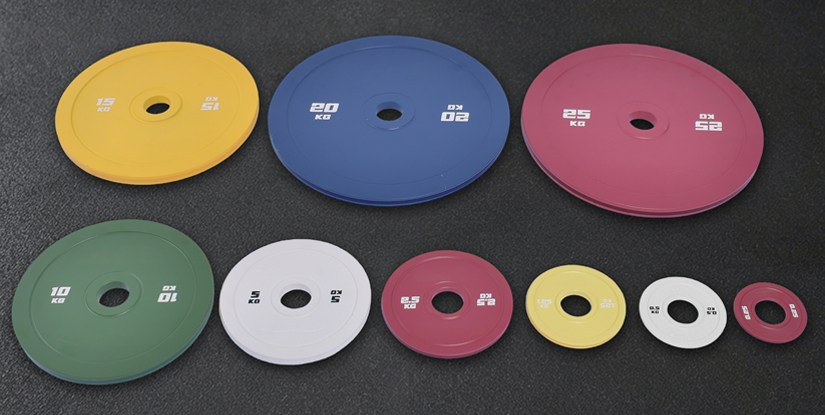
To assist in your sourcing evaluation, the following table outlines the qualitative differences in manufacturing complexity and the resulting impact on your MOQ and inventory planning. This technical overview helps buyers align their procurement with the specific needs of their clients, whether they are budget-oriented commercial gyms or premium boutique studios.
| Material Tier | Primary Manufacturing Process | Surface Finish Type | Commercial Duty Level | Typical MOQ Impact |
|---|---|---|---|---|
| Cast Iron (Standard) | Sand casting and bore machining | Paint or enamel coating | Budget / High-traffic | Low |
| Rubber Coated | Steel core with rubber molding | Vulcanized rubber layer | Standard Commercial | Medium |
| Premium Bumper | Precision molding or high-grade casting | High-density rubber or PU coating | Premium / Competition | High |
Selecting the appropriate tier ensures that your wholesale olympic plates inventory meets the durability expectations of your market without unnecessary overhead. We recommend requesting a sample evaluation or a full technical specification sheet to verify the coating adhesion and weight calibration before finalizing your next large-scale wholesale shipment. Contact our factory directly to discuss custom branding options or to confirm the specific MOQ for your customized production requirements.
China Factory Production and OEM/ODM Capabilities
Executing a professional olympic plate bulk order requires a deep understanding of the manufacturing complexities inherent in high-volume production. For distributors and importers, sourcing directly from a specialized China factory ensures that every unit meets the rigorous durability standards required for commercial gym environments. Unlike standard retail production, industrial-scale manufacturing focuses on consistency in density and structural integrity to prevent premature wear during heavy usage cycles.
A reliable commercial weight plate supplier must manage a sophisticated production sequence that begins with precise material selection. Most high-demand units utilize high-grade cast iron or solid steel, undergoing a rigorous process of sand casting and subsequent machining to ensure concentricity. When you engage in olympic plate OEM manufacturing, you are not just buying a product; you are investing in a controlled supply chain where the wholesale specifications—from the thickness of the powder coating to the precision of the center bore—are tailored to your brand identity. This level of OEM customization allows distributors to maintain high margins while offering premium, branded solutions to their local markets.
Production Methods and Surface Finish Selection
Choosing between different manufacturing routes is a critical decision for procurement leads. The production method directly impacts the unit's weight tolerance and long-term durability, which in turn dictates your landed cost and replacement frequency. For a high-volume olympic plate bulk order, understanding these technical trade-offs is essential to avoid the high costs of defective or inconsistent inventory.
Commonly, manufacturers utilize either sand casting or centrifugal casting to create the plate core. Sand casting is an industry-standard method for producing budget-friendly, heavy-duty plates, while centrifugal casting or precision machining is often used for high-end, competition-style units. Similarly, the choice between powder coating and urethane/rubber encapsulation will determine the product's lifespan and aesthetic appeal in a premium commercial setting.
| Material & Process | Key Component | Commercial Duty | MOQ Impact | Factory QC Point |
|---|---|---|---|---|
| Sand Casting + Powder Coating | Cast Iron Core | Budget / High-Volume Commercial | Lower MOQ requirements | Coating adhesion & surface smoothness |
| Machined Steel + Urethane | Solid Steel / Steel Hub | Premium / High-End Studio | Higher MOQ for specialized lines | Weight tolerance & edge thickness |
| Centrifugal Casting + Paint | Gray Iron | Standard Commercial Gym | Moderate MOQ | Bore concentricity & center hole fit |
When sourcing wholesale olympic plates, we recommend evaluating the specific surface finish requirements of your target market. A powder-coated finish offers excellent durability and a professional look for standard gym environments, whereas a rubber or PU coating provides superior floor protection and noise reduction for premium facilities. We suggest requesting a sample evaluation or a detailed spec sheet to confirm how these finishes align with your brand's positioning before finalizing your sourcing plan.
Standardizing Quality Through Pre-Shipment QC and Export Packaging
A successful olympic plate bulk order depends heavily on the rigor of the final inspection stages. For professional buyers, the risk of receiving inconsistent weight or damaged surfaces is a significant threat to distributor margins and customer satisfaction. To mitigate this, a professional commercial weight plate supplier implements a multi-stage pre-shipment QC protocol that focuses on the most common failure points in long-distance shipping.
The inspection process typically begins with weight calibration and concentricity checks to ensure every plate meets the promised specifications. Following this, technicians perform a surface adhesion test to ensure the coating—whether powder or rubber—will not peel or crack under heavy use. Finally, the export packaging must be robust enough to withstand container loading and maritime transit. This includes checking the thickness of the carton walls, the stability of the internal dividers, and the integrity of the palletizing method. By prioritizing these technical details, a China factory helps importers minimize the risk of damaged goods and ensures that the landed cost remains predictable and the product arrives ready for immediate commercial deployment.
Whether you require OEM branding for a private label line or standard high-volume inventory, we recommend scheduling a factory audit or requesting a sample approval to verify these standards firsthand. Please contact us to confirm the current MOQ and lead time for your specific customization requirements.
Pre-Shipment QC and Export Packaging Standards
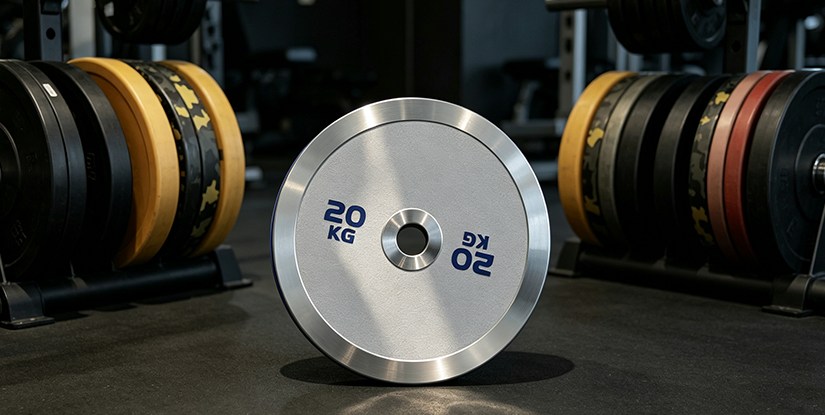
Securing a reliable olympic plate bulk order requires more than just selecting a competitive price; it demands rigorous oversight of the final production stages. For distributors and gym equipment importers, the greatest risks involve weight inaccuracies and transit-related surface damage that can erode profit margins and damage brand reputation.
A professional commercial weight plate supplier must implement a multi-stage pre-shipment inspection protocol to mitigate these variables. At the China factory level, this typically involves a systematic verification of the bore diameter, concentricity, and the structural integrity of the coating. Relying on a wholesale olympic plates provider that lacks these specific quality checkpoints often leads to increased landed costs due to replacement claims and customer dissatisfaction.
To ensure logistics safety during long-haul maritime transport, specialized export packaging is mandatory. High-volume olympic plate OEM manufacturing partners utilize heavy-duty reinforced cartons and customized palletization to prevent shifting within containers. This standard practice protects the plates from impact and moisture, ensuring that the inventory arriving at your warehouse matches the exact weight tolerance and aesthetic finish promised in your initial sourcing agreement.
Critical Inspection Points for Commercial Durability
A professional inspection protocol focuses on the structural and aesthetic variables that impact the long-term utility of the product. During the final quality control (QC) phase, technicians must evaluate the physical alignment and surface durability to prevent common failure modes. A single oversight in the manufacturing sequence can lead to significant issues during high-frequency commercial usage.
Technical inspectors typically prioritize the following three dimensions to ensure the product meets professional standards:
- Concentricity and Bore Precision: Each unit is checked to ensure the central hole is perfectly centered. Poor concentricity leads to uneven weight distribution and excessive vibration when loaded onto a barbell, which is a primary cause of equipment wear in commercial settings.
- Surface Finish and Coating Adhesion: For plates utilizing a powder coating or paint finish, the adhesion must be verified. Inspectors look for any signs of peeling, bubbling, or unevenness that could indicate poor surface preparation or insufficient curing, which eventually leads to rust and aesthetic degradation.
- Casting Integrity: The inspection includes a visual and tactile scan for casting defects such as air pockets, surface pits, or structural cracks. These flaws can compromise the plate's durability under heavy impact, making it essential to verify the material density before finalizing the wholesale shipment.
By enforcing these rigorous standards, a reliable supplier ensures that every unit in an olympic plate bulk order maintains its structural integrity and professional appearance throughout its lifecycle, protecting your investment and reducing the frequency of replacement-related logistics.
Logistics and Packaging Optimization Table
Selecting the appropriate shipping method is a critical decision for optimizing your landed cost and ensuring inventory arrival quality. Whether you are managing a small boutique studio replenishment or a large-scale distributor warehouse, understanding how different transport modes affect packaging requirements is essential for maintaining high distributor margins.
The following table compares standard export packaging configurations used by professional manufacturers to protect your olympic plate bulk order across different global logistics channels.
| Shipping Method | Primary Packaging Type | Protection Level | Typical Logistics Use Case | Impact on Landed Cost |
|---|---|---|---|---|
| Sea Freight (LCL/FCL) | Reinforced heavy-duty cartons and heat-treated wooden pallets | High: Optimized for heavy weight and long-duration moisture resistance | Large-scale wholesale olympic plates distribution | Lowest: Best for maximizing volume and minimizing per-unit shipping fees |
| Air Freight | Double-walled corrugated boxes with lightweight protective layering | Medium: Focus on impact protection and weight reduction | Urgent replenishment for premium commercial showrooms | Highest: Rapid delivery but significantly higher cost per kg |
| Express / Courier | Standard export-grade cartons with minimal palletization | Low/Medium: Best for small MOQ testing or samples | Small studio orders or OEM prototype evaluation | Moderate: Higher per-unit cost due to dimensional weight pricing |
For large-scale olympic plate OEM manufacturing, we recommend sea freight with full palletization. This method ensures that the weight distribution remains stable during maritime transit, reducing the risk of structural damage or coating abrasion. When planning your next sourcing cycle, always confirm with your factory whether the quoted price includes reinforced palletization to ensure your inventory arrives in showroom-ready condition.
Strategic Sourcing for Long-Term Distributor Margins
For professional importers, a successful olympic plate bulk order is not merely about the lowest unit price; it is about maximizing the spread between the landed cost and the final market value. When you source directly from a China factory, you gain control over the manufacturing variables that dictate long-term profitability and product longevity in the commercial fitness market.
Selecting a reliable commercial weight plate supplier allows you to optimize your inventory based on specific market tiers. A mismatch in material quality—such as inconsistent casting or poor coating adhesion—can lead to high return rates and damaged distributor margins. By understanding the relationship between the manufacturing processes, such as sand casting and powder coating, and the eventual durability of the unit, you can better predict the total cost of ownership for your clients.
Effective sourcing requires a balance of high-volume efficiency and strict quality control. When you execute wholesale olympic plates procurement, you must ensure that the weight calibration and surface finish meet industry-standard commercial specs to prevent the common failure modes associated with lower-tier production. This strategic approach ensures that your olympic plate OEM manufacturing partnerships provide both a competitive edge and a stable, high-margin product line for your distribution network.
Product Mix and Material Comparison for Market Segmentation
To effectively segment your catalog, you must understand how material selection and manufacturing complexity impact both the unit price and the target end-user. A diverse product mix allows you to serve everything from budget-friendly local training centers to high-end performance studios. When managing an olympic plate bulk order, aligning your inventory with these tiers ensures you do not over-invest in premium specs where budget solutions suffice, or vice versa.
| Material Tier | Primary Process | Key Component / Finish | Commercial Duty | MOQ Impact |
|---|---|---|---|---|
| Cast Iron | Sand Casting & Machining | Powder Coating or Paint | Standard Commercial / Budget | Lower MOQ for basic series |
| Steel | Precision Machining | Chrome or Enamel Finish | High-Frequency Training | Moderate MOQ requirements |
| Urethane / Rubber | Molding or Vulcanization | High-Density Encapsulation | Premium / Performance Center | Higher MOQ for custom colors |
Choosing the right wholesale olympic plates depends on your specific distribution strategy. For example, a factory producing cast iron plates typically offers a more cost-effective solution for high-volume, standard commercial environments. Conversely, if your clients demand high-durability performance gear, investing in olympic plate OEM manufacturing for urethane-coated or precision-machined steel plates will yield higher margins per unit, despite the higher initial sourcing investment.
Ensuring Quality and Logistical Efficiency in Bulk Procurement
Maintaining high margins during an olympic plate bulk order requires more than just selecting the right material; it requires a partner who masters the entire export workflow. Inconsistent weight tolerances or substandard export packaging can lead to unexpected landed costs, such as shipping damages or client disputes, which quickly erode your profits. To protect your business, you must verify that your supplier implements rigorous pre-shipment inspections that cover critical areas like bore diameter consistency, coating adhesion, and weight calibration.
Logistical efficiency is equally vital when managing large-scale wholesale shipments. A professional China factory will optimize container loading density to reduce your shipping-to-unit ratio, ensuring that your volume-based sourcing remains cost-effective. By prioritizing a partner capable of high-standard export packaging—including reinforced carton corners and moisture-resistant linings—you mitigate the risks of transit damage. When you align your olympic plate OEM manufacturing requirements with a manufacturer that understands both production lead time and shipping optimization, you secure a more predictable and profitable supply chain for your distribution business.