Olympic Plate B2B Supplier: Private Label OEM Factory
Strategic Sourcing: Why Partnering with an Olympic Plate B2B Supplier Matters
When scaling a commercial fitness facility or managing a distribution network, procurement decisions extend far beyond the initial purchase price. A professional olympic plate B2B supplier provides value by addressing three critical pillars of long-term success: mitigating the risk of uneven weight distribution, ensuring strict adherence to technical specifications, and optimizing the logistics of international shipping. For high-volume importers, the true cost of equipment is found in the stability of the supply chain and the consistency of the product over multiple replacement cycles.
Selecting a reliable commercial gym equipment manufacturer allows distributors to move from reactive purchasing to proactive inventory management. Instead of dealing with the unpredictable quality of low-tier batches, professional partners offer predictable manufacturing workflows. This stability is essential for maintaining high margins and ensuring that your brand identity remains consistent across all weight classes, from standard cast iron to premium polyurethane options.
The decision to source wholesale olympic plates from a specialized factory involves calculating the Total Cost of Ownership (TCO). While low-cost, unverified sources may offer a lower upfront invoice, they often result in higher landed costs due to shipping damages, weight inaccuracies, or premature coating failure. By prioritizing a supplier with robust quality control, businesses improve their long-term ROI through increased product durability and reduced maintenance or replacement frequency.
Sourcing Model Comparison: Impact on Margins and Quality
For procurement professionals, the difference between a direct partnership and a middleman service is often the difference between a profitable product line and a logistical headache. When evaluating your next batch, understanding the structural differences in the supply chain is vital to protecting your distributor margins. A direct olympic plate B2B supplier offers the transparency required to manage long-term inventory and technical specifications without the added markup of intermediary services.
The following table illustrates how different sourcing models impact your landed cost and the ability to implement custom branded weight plates for your own product lines. While trading companies may offer smaller order volumes, they often lack the control over the calibration and coating processes necessary for high-end commercial use.
| Sourcing Model | Primary Advantage | Standard MOQ | Lead Time Impact | Primary QC Focus | Profit Margin Potential |
|---|---|---|---|---|---|
| Direct Factory | Price & Control | Higher | Controlled/Predictable | Weight Calibration & Material Integrity | Maximum |
| Trading Company | Low Entry Barrier | Lower | Variable/Unpredictable | Basic Visual Inspection | Moderate |
| Local Distributor | Immediate Availability | Varies | Short-term/Local | Batch Consistency | Lower |
Choosing a factory for direct sourcing allows for tighter integration during the production phase. For example, you can specify exact requirements for the thickness of the powder coating or the precision of the center bore during the CNC machining stage. This level of control ensures that the product arriving at your warehouse meets the exact commercial-grade standards your clients expect, effectively reducing the risk of expensive returns or reputation damage.
Material Engineering and Manufacturing Standards for Commercial Plates
Selecting a reliable olympic plate B2B supplier requires a deep understanding of the mechanical integrity and material composition that distinguishes professional-grade gear from budget alternatives. For high-volume distributors and gym operators, the engineering behind the plate directly impacts long-term maintenance costs and equipment lifespan in high-traffic environments.
A professional commercial gym equipment manufacturer focuses on three critical engineering pillars: material density, surface adhesion, and dimensional stability. Whether you are sourcing wholesale olympic plates for a new facility or developing a custom branded weight plates line, the technical specifications of the core material will dictate the product's durability and the overall perceived value of your brand.
Material Composition and Precision Engineering
In high-performance environments, the structural integrity of a plate depends on the quality of the casting and the subsequent machining processes. Most premium options utilize high-grade cast iron or solid steel to ensure consistent density. During the manufacturing process, a factory must execute a strict sequence: casting, followed by precision machining to ensure the center bore remains perfectly aligned. This concentricity check is vital to prevent uneven wear on barbell sleeves and to ensure smooth rotation during heavy lifts.
Surface treatments also play a decisive role in the Total Cost of Ownership (TCO). While bare iron is cost-effective, it is prone to oxidation. For commercial-grade durability, we typically offer advanced coating solutions such as powder coating or high-density urethane encapsulation. These layers provide essential protection against environmental moisture and impact-related chipping, reducing the frequency of replacement cycles for the end-user.
| Material Type | Manufacturing Process | Typical Coating | Commercial Duty Tier | Procurement Impact |
|---|---|---|---|---|
| Cast Iron | Sand Casting & Machining | Powder Coating | Standard Commercial | High Margin / Low TCO |
| Solid Steel | Precision Machining | Chrome or Enamel | Premium / Competition | Higher MOQ / High Durability |
| Urethane / Rubber | Injection Molding | PU Encapsulation | Elite / High-End Studio | Premium Pricing / Floor Protection |
When evaluating your next sourcing project, consider how these material choices affect your landed cost and shipping weight. While steel-core plates offer higher precision, cast iron remains the industry standard for wholesale orders due to its balance of durability and competitive pricing. We recommend requesting a sample to inspect the coating adhesion and the smoothness of the center bore before confirming your full MOQ.
Technical Comparison of Plate Construction and Surface Finishes
Procurement officers must differentiate between surface aesthetics and structural integrity when vetting an olympic plate B2B supplier. A common failure mode in lower-tier production is poor coating adhesion or uneven weight distribution due to substandard casting. To mitigate these risks, we implement rigorous pre-shipment inspection protocols, focusing on center bore concentricity and the density of the encapsulation layer to ensure every unit meets the standards of a professional commercial gym equipment manufacturer.
The following table provides a qualitative comparison of common configurations. This data assists in determining the appropriate tier for your specific market—whether you are targeting budget-conscious local gyms or high-end boutique studios requiring custom branded weight plates. Choosing the correct material-to-finish ratio is essential for optimizing your distributor margins and long-term client satisfaction.
| Material Basis | Surface Treatment | Durability Profile | Typical Commercial Use | Sourcing/MOQ Impact | Critical Factory QC Point |
|---|---|---|---|---|---|
| Cast Iron | Powder Coating | High (Impact Resistant) | Standard Commercial Gyms | Standard wholesale Tier | Coating Adhesion & Flatness |
| Steel Core | Chrome / Enamel | Very High (Precision) | Elite Training / Competition | Higher MOQ Required | Bore Concentricity |
| Solid Rubber/PU | Encapsulation | Extreme (Floor Protection) | Premium Studios / CrossFit | Higher sourcing Cost | Bond Line Integrity |
For large-scale distribution, we suggest aligning your material selection with your target landed cost and brand positioning. If your goal is rapid stock turnover, high-quality powder-coated cast iron offers the best ROI. For specialized premium lines, our factory can facilitate advanced customization to ensure your product stands out in the market. We invite you to contact us directly to request a detailed specification sheet or to discuss your specific OEM or ODM requirements.
Precision Machining and Weight Calibration Processes
For distributors and gym equipment importers, the technical integrity of a weight set determines long-term replacement costs and client satisfaction. When sourcing from an olympic plate B2B supplier, the difference between budget-grade cast iron and professional-grade equipment lies in the precision of the manufacturing sequence. High-end commercial facilities require consistent balance to prevent uneven wear on barbell sleeves and to ensure user safety during heavy lifts.
A professional commercial gym equipment manufacturer must implement a rigorous production line that moves from raw casting to fine-tuned finishing. If the production process lacks strict oversight, distributors risk receiving batches with irregular thickness or uneven weight distribution, which increases the TCO (Total Cost of Ownership) for the end-user due to frequent replacements. To mitigate these risks, high-tier wholesale olympic plates undergo a multi-stage refinement process designed for heavy-duty durability.
The Necessity of Cnc Machining and Concentricity
Standard casting often results in slight variations in the center bore and surface flatness. To achieve professional standards, a China factory specializing in premium exports utilizes CNC machining to refine the inner diameter and the outer circumference. This step is critical for maintaining high concentricity, ensuring that the plate sits perfectly centered on the barbell. Without this precision, plates can wobble or cause "hunting" during a lift, which is unacceptable in high-traffic commercial environments.
Beyond the bore, the surface finish is typically achieved through a controlled powder coating or specialized paint application. This coating must adhere perfectly to the metal substrate to prevent chipping during high-volume use. A reliable custom branded weight plates production line will include a calibration stage where each unit is checked against a strict weight tolerance standard. This ensures that the 10kg, 20kg, or 25kg markings are accurate and consistent across the entire shipment, protecting the distributor's reputation and the landed cost efficiency of the bulk order.
Technical Comparison: Casting vs. Precision Machining
When evaluating your next bulk shipment, understanding the technical trade-offs between manufacturing routes is essential for accurate procurement planning. Most importers must decide between the high-volume efficiency of standard casting and the technical precision of machined units. This decision directly impacts the long-term durability and performance profile of your inventory.
The following table illustrates how different production methods affect the final product quality and the sourcing variables a supplier must manage. Choosing the correct tier ensures that your wholesale orders meet the specific demands of your target market, whether for budget-friendly commercial gyms or high-performance training centers.
| Material & Process | Key Component/Focus | Commercial Duty | Procurement Impact | Factory QC Point |
|---|---|---|---|---|
| Standard Sand Casting | Base Iron Density | Budget Commercial | Lower landed cost | Surface flatness & casting seams |
| Precision Machined Steel | Center Bore Concentricity | Premium/Professional | Higher MOQ requirements | Inner diameter tolerance & balance |
| Rubber/PU Coated Casting | Encapsulation Layer | High-Traffic/Noise Control | Increased shipping weight/volume | Bond line adhesion & coating thickness |
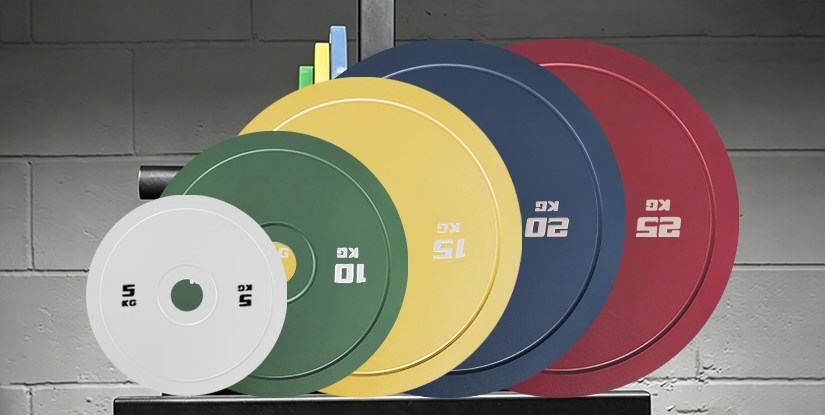
For professional buyers, the choice between these tiers should be driven by the end-user's requirements. While standard casting offers an excellent wholesale margin for general fitness centers, precision-machined plates are necessary for clients demanding high-performance stability. Always confirm with your factory whether the weight calibration includes a secondary machining step to ensure the highest level of concentricity before the pre-shipment inspection begins.
Successful bulk procurement depends as much on the final logistics chain as it does on the manufacturing precision. For an olympic plate B2B supplier, the responsibility extends beyond the factory floor to ensure that high-density shipments arrive at the destination without structural or cosmetic compromise. Inconsistent packaging or a lack of rigorous pre-shipment protocols can lead to damaged goods, increased returns, and a significantly higher landed cost for the importer.
To protect distributor margins, a professional China factory must implement a standardized export packaging and inspection workflow. This is especially critical when ordering custom branded weight plates, where the visual integrity of the logo and the surface finish must match the premium branding promised to the end-user. A robust OEM/ODM partner will provide transparent documentation regarding their QC steps, ensuring every container meets international shipping standards.
Pre-Shipment Inspection and Export Readiness
Before any bulk order leaves the facility, a comprehensive pre-shipment audit is required to verify the integrity of the entire batch. This process is not merely a visual check; it involves a technical weight tolerance spot-check to ensure that the mass of the plates remains within the acceptable industry-standard range after the final coating application. Furthermore, a coating adhesion test is often performed to ensure that the paint or rubber layer does not peel or crack under thermal expansion or physical impact during transit.
Effective export packaging strategies are designed to maximize container utilization while preventing denting or oxidation. This typically involves reinforced corner protectors, heavy-duty corrugated dividers, and moisture-absorbent materials for sea freight. By prioritizing these technical details, an olympic plate B2B supplier ensures that the wholesale volume reaches the client in optimal condition, reducing the need for replacement parts and supporting a reliable long-term supply chain. We recommend that buyers request a detailed packaging specification and pre-shipment report during the sourcing phase to confirm these standards are met.
Custom Branding and OEM/ODM Solutions for Global Distributors
For distributors seeking to strengthen their market presence, partnering with a professional olymic plate B2B supplier offers a strategic advantage through full-scale customization. Rather than merely reselling generic stock, importers can leverage OEM and ODM capabilities to integrate their own brand identity directly into the production phase. This transition from a generic importer to a recognized brand owner helps increase long-term enterprise value and consumer trust.
Our China factory specializes in producing custom branded weight plates that meet specific aesthetic and functional requirements. Whether you require specialized color schemes for your private label line or specific embossed logos on cast iron surfaces, we provide scalable solutions. We manage the complexities of wholesale manufacturing—from initial design consultation to final sourcing and export—ensuring your brand maintains a premium, consistent appearance across your entire product catalog. To maintain high-quality standards while managing MOQ requirements, we offer various levels of customization, allowing for efficient global distribution and optimized landed costs.
Technical Specifications for Custom Branding
Achieving a high-end brand identity requires precise control over the surface finish and structural detailing. For clients requesting high-volume wholesale olympic plates, we provide several specialized manufacturing routes to ensure your logo and colorway remain durable under heavy commercial use. The choice between different finishing processes often depends on your target market segment—whether you are positioning your line as a budget-friendly utility brand or a premium commercial series.
Common customization options available through our commercial gym equipment manufacturer services include:
- Logo Application: We utilize deep logo embossing during the sand casting stage for a permanent, high-relief look, or precision CNC machining for a cleaner, recessed aesthetic. This ensures the brand mark does not peel or wear off during high-frequency use.
- Surface Finishing: Beyond standard bare iron, we offer professional powder coating in various colors to match your brand's palette. For high-end boutique aesthetics, we can provide PU coated or rubberized finishes which provide superior floor protection and a premium tactile feel.
- Material & Weight Calibration: We can adjust the internal density or use specific steel alloys to meet your exact weight tolerance requirements, ensuring your branded sets are consistent across all weight increments.
When managing a private label project, the technical complexity of the manufacturing process directly impacts your lead time and landed cost. For example, a simple powder coating process offers a faster turnaround for standard wholesale orders, whereas complex multi-layer urethane or specialized color customization may require a higher MOQ and longer production windows. We recommend consulting with our technical team during the initial sourcing phase to align your design vision with realistic production timelines and budget constraints.
| Customization Level | Branding Method | Material/Finish Options | Typical MOQ | Best For |
|---|---|---|---|---|
| Standard Wholesale | Standard relief casting or decal | Cast iron, powder coating | Low | General distributors and retail resellers |
| Mid-Tier Private Label | Surface paint or embossed logo | Color-matched powder coating | Medium | Gym chains and specialized fitness studios |
| Premium OEM/ODM | CNC machined or high-relief molding | PU coated, rubberized, or chrome finish | High | Global brands and premium equipment manufacturers |
Selecting the right tier of customization allows you to balance your brand identity with your target distributor margins. For instance, a budget-tier wholesale olympic plates order might prioritize high-volume throughput and lower landed costs using standard casting methods. Conversely, a full OEM program for a premium product line would involve more complex surface finishing and specific weight calibration to ensure long-term reliability for high-end facilities.
We recommend that procurement leads evaluate these tiers based on their long-term inventory strategy. If your goal is rapid market entry, standard wholesale options provide the fastest lead time. However, for established players looking to build a distinct, high-value catalog, utilizing our ODM and private label solutions ensures that every piece of equipment serves as a durable marketing tool for your brand.
To move forward with your specific requirements, please contact our supplier team to request a detailed spec sheet, confirm the current MOQ for your chosen customization level, or arrange a sample approval process before proceeding to full-scale production.
Optimizing Your Supply Chain: MOQ, Lead Times, and Export Logistics
Navigating the logistics of international procurement requires more than just selecting a product; it requires a strategic partnership with a reliable olympic plate B2B supplier. For distributors and large-scale gym operators, the complexity of managing wholesale inventory levels directly impacts both warehouse efficiency and distributor margin. Relying on a China factory that understands the nuances of global shipping can mean the difference between a seamless product launch and a costly stockout.
Unpredictable lead time fluctuations often disrupt the supply chain, especially when scaling a custom branded weight plates line. Without a structured MOQ policy, buyers may face high unit costs or, conversely, excessive capital tie-up in overstock. A professional commercial gym equipment manufacturer provides clear visibility into production cycles, ensuring that your landed cost calculations remain accurate from the factory floor to your local distribution center.
Strategic Procurement: Stock vs. Custom OEM Models
Choosing between ready-to-ship inventory and bespoke manufacturing depends on your current market scale and brand maturity. For many distributors, the decision between purchasing wholesale olympic plates or initiating an OEM project is a balance of immediate availability versus long-term brand equity. While stock orders offer rapid fulfillment, high-growth operators often transition to custom branded weight plates to secure higher margins and unique market positioning.
| Procurement Model | Primary Material/Finish | Branding Flexibility | Typical MOQ | Lead Time Impact | Commercial Utility |
|---|---|---|---|---|---|
| Standard Stock | Cast iron or basic powder coating | Generic or supplier brand | Lower/Volume-based | Short (Ready to ship) | Rapid replenishment |
| Custom ODM | Variable (PU, Rubber, or Steel) | Your brand identity/logo | Higher/Tier-based | Medium (Production cycle) | Market differentiation |
| Full olympic plate B2B supplier Program | Premium/Competition spec | Complete private label | High/Strategic | Long (Casting to QC) | Exclusive distribution |
Understanding the production cycle is critical when planning your seasonal inventory. A standard wholesale order may bypass the lengthy casting and calibration phases required for custom molds. However, if you are building a premium line, the extra time spent on specialized coating or precision machining is a necessary investment to ensure your branded products meet international commercial standards. We recommend confirming your MOQ and specialized shipping logistics requirements early in the sourcing process to avoid unexpected delays in your distribution network.
When scaling a product line, the most effective way to reduce friction is to align your procurement strategy with a transparent factory workflow. Whether you are selecting standard cast iron units or high-end custom branded weight plates, the interplay between production depth and logistics speed will dictate your final profitability. A professional olympic plate B2B supplier will always provide a clear distinction between high-turnover stock and long-term manufacturing commitments to help you manage capital and warehouse space more effectively.
| Procurement Model | Customization Level | lead time | MOQ | Cost Impact | Logistics Complexity |
|---|---|---|---|---|---|
| Standard Wholesale | Low (Generic) | Short (Pre-stock) | Lower | Low/Competitive | Standard Export |
| OEM Customization | Medium (Logo/Color) | Medium (Production) | Moderate | Moderate | Container Optimization |
| Full ODM Development | High (Bespoke Spec) | Long (R&D/Molding) | Higher | Higher | Complex/Project-based |
To maximize your competitive edge, we suggest evaluating the total landed cost rather than just the unit price. High-volume wholesale olympic plates orders often benefit from optimized container loading patterns, which can significantly lower the per-unit shipping expense. Before finalizing your next sourcing contract, please contact our team to request a detailed specification sheet, confirm your specific MOQ requirements, or arrange a factory audit to ensure our quality standards align with your brand identity.
Pre-Shipment Inspection and Quality Control Protocols
For distributors and large-scale importers, the cost of receiving a shipment with inconsistent weights or poor surface integrity far outweighs the initial savings of a low-cost vendor. Relying on a professional olymic plate B2B supplier ensures that every batch meets the rigorous standards required for high-traffic commercial facilities. Effective pre-shipment inspection protocols are essential to mitigate the risk of high return rates and damaged brand reputation in your local market.
A reliable commercial gym equipment manufacturer implements a multi-stage verification process that moves beyond basic visual checks. During the final stage of production, technical teams perform detailed audits to ensure that the product aligns with the agreed-upon specifications for both physical dimensions and weight accuracy. This level of scrutiny is standard when sourcing high-volume orders to ensure that the landed cost remains optimized by preventing costly replacements.
Standard Inspection Points for Commercial Weight Plates
When conducting a factory audit or requesting a wholesale olympic plates inspection report, buyers should focus on specific technical indicators. A high-quality custom branded weight plates order must demonstrate consistency across the entire production run. The following inspection points are critical for verifying commercial-grade durability and precision:
- Weight Tolerance Verification: Spot-checking individual units to ensure the mass remains within the industry-standard deviation for the specific material type, whether cast iron or steel.
- Surface Finish and Coating Adhesion: Inspecting the powder coating or rubber encapsulation for bubbles, uneven thickness, or peeling, which can lead to premature wear in a commercial setting.
- Bore Concentricity and Flatness: Verifying that the center hole is perfectly centered and that the plate surface remains flat without warping, ensuring a smooth fit on standard Olympic bars.
- Logo and Branding Clarity: Confirming that the OEM or ODM custom branding is crisp, correctly positioned, and deeply integrated into the mold or surface treatment.
By prioritizing these technical checkpoints, procurement managers can ensure that their China factory partner delivers a product that supports long-term commercial utility. We recommend requesting a sample approval and a detailed QC report before finalizing any large-scale sourcing contract to guarantee that your inventory meets the expectations of professional gym operators.
Technical Inspection Checklist for Bulk Procurement
To facilitate smoother import processes and minimize the risk of defective stock, we utilize a standardized inspection framework. This technical breakdown allows distributors to verify that our olympic plate B2B supplier protocols align with their specific commercial requirements before the goods leave the factory.
| Inspection Category | Specific Check Point | Commercial Standard |
|---|---|---|
| Mass Accuracy | Weight Deviation Spot-Check | Standardized mass consistency per material type |
| Geometric Integrity | Bore Concentricity & Flatness | Smooth rotation and prevention of barbell wobble |
| Surface Quality | Coating Adhesion & Texture | Uniform thickness without peeling or air bubbles |
| Branding Precision | Logo & Custom Marks | Clear, durable, and correctly positioned |
| Dimensional Fit | Inner Diameter (Bore) | Consistent fit for standard Olympic bar compatibility |
Maintaining these standards is vital when managing wholesale olympic plates orders, as even minor inconsistencies in plate thickness or bore alignment can lead to increased maintenance loads for your end-users. For clients requesting custom branded weight plates, we also perform a final visual audit to ensure your brand identity is represented with high fidelity across all production batches. We invite you to discuss your specific MOQ and inspection requirements with us to ensure your upcoming sourcing project meets all technical benchmarks.
Export Packaging and International Logistics Optimization
Effective logistics management is the final, critical link in the procurement chain. For importers managing large-scale bulk orders, the risk of transit damage—such as dented edges, scratched coatings, or crushed boxes—can significantly inflate the total landed cost and damage local distributor margins. A professional olympic plate B2B supplier must prioritize robust export packaging strategies designed specifically for the weight and density of heavy iron and steel components.
We utilize industry-standard heavy-duty packaging protocols to ensure shipping safety during long-distance maritime transport. This typically involves reinforced corrugated cartons or custom-sized wooden crates for extremely high-volume shipments. To maximize container utilization and optimize shipping costs, we provide standardized palletizing options that stabilize the load and prevent shifting within the container. When planning your next shipment, we recommend discussing the specific lead time and packing dimensions with our factory team to ensure your warehouse space and delivery schedules are perfectly aligned.