Bumper Plate Casting Manufacturer: OEM Manufacturing Process
Bumper Plate Casting Manufacturer: Optimizing Gym Throughput and Facility Layout
Many importers fail by sourcing low-density plates that consume excessive floor space or lack the structural integrity for high-traffic environments, leading to rapid replacement costs. A professional bumper plate casting manufacturer provides high-density solutions that optimize your facility layout by maximizing weight-to-volume ratios. When managing bulk orders or wholesale distribution, selecting a factory that understands the balance between weight density and durability ensures your clients achieve higher training throughput without constant equipment turnover.
In high-performance commercial settings, the efficiency of a gym depends on how much weight can be stored in a limited footprint. Utilizing high-quality commercial bumper plate production allows facility operators to stack more mass on a single barbell and within smaller storage racks. This space optimization is a critical factor for distributors looking to provide value to boutique studios or large-scale training centers where square footage is a premium expense. By sourcing directly from a China factory, you can ensure that the density of the cast iron core meets the rigorous standards required for professional-grade strength training.
Commercial Plate Type Comparison for Facility Management
Choosing the correct material profile is essential for calculating total cost of ownership and long-term maintenance loads. A professional OEM fitness equipment factory offers various finishing options to suit different budget tiers and facility needs. Whether you are prioritizing low landed costs for budget-friendly training zones or high-end aesthetics for premium studio environments, understanding the relationship between material and durability is vital for successful sourcing.
| Material Type | Manufacturing Process | Key Component | Commercial Duty | MOQ Impact | Factory QC Point |
|---|---|---|---|---|---|
| Bare Iron | Sand Casting | Gray Iron Core | Budget / High-Traffic | Lower | Surface Flatness |
| Painted/Enamel | Casting & Spray | Coating Layer | Standard Commercial | Medium | Coating Adhesion |
| Powder Coated | Casting & Powder Line | Protective Finish | Premium / Boutique | Higher | Bore Fit & Uniformity |
| Rubber/PU Coated | Molding or Dip | Encapsulation Layer | High-End / Impact Control | Highest | Edge Bonding |
For distributors managing large-scale inventory, cast iron plate manufacturing provides a reliable foundation for various product tiers. While bare iron offers the most competitive pricing for high-volume wholesale, specialized coatings like powder or PU increase the lifespan of the unit in high-use areas. When evaluating your next batch, confirm with your supplier whether the specific coating process meets your branding requirements for a customized look. We recommend requesting a sample evaluation or a detailed specification sheet to verify the weight calibration and edge quality before finalizing your bulk order.
When calculating the total landed cost for a global shipment, professional buyers must look beyond the unit price to the long-term maintenance and shipping volume efficiency. A reliable bumper plate casting manufacturer understands that high-density casting reduces the physical footprint of a container, directly lowering your shipping costs per kilogram. For those managing large-scale deployments, the relationship between material density and product volume is a primary driver of your overall ROI and warehouse efficiency.
Procurement professionals should prioritize a China factory that offers transparent lead time management and scalable production capacities. Whether you are seeking a standard stock replenishment or a specialized OEM run for a new product line, the ability to control the manufacturing sequence—from initial sand casting to final weight calibration—is essential. To ensure your facility maintains high throughput with minimal downtime, we suggest discussing specific MOQ tiers and custom branding options directly with your supplier to align production with your market demand and inventory turnover goals.
Material Selection and Casting Processes for Commercial Bumper Plate Production
Selecting a reliable bumper plate casting manufacturer is a critical decision for distributors seeking to balance durability with landed cost. For high-volume commercial bumper plate production, the choice between casting methods directly impacts the structural integrity and the long-term replacement rate of the inventory. Most professional importers focus on the stability of the base metal to ensure consistent performance in high-traffic gym environments.
In the context of cast iron plate manufacturing, the two most prevalent industrial methods are sand casting and centrifugal casting. Sand casting is a widely used, cost-effective approach in many China factory settings, utilizing molds to create the initial shape of the plate. While highly efficient for wholesale orders and complex geometries, it requires rigorous post-casting machining to ensure the center bore meets commercial standards. Conversely, centrifugal casting often produces a more uniform density, which can be a preferred specification for premium-tier clients, though it may affect the MOQ requirements due to higher setup complexities.
The fundamental material used in standard commercial-grade units is typically gray iron. This material is selected for its excellent vibration damping properties and ease of machining, making it a staple for OEM fitness equipment production. When sourcing, buyers must evaluate how the material interacts with the final finish—whether it is a simple painted surface or a more robust powder coating—to prevent premature oxidation and ensure the product maintains its aesthetic value throughout its commercial lifecycle.
| Material Type | Primary Process | Commercial Duty Tier | Key Component Focus | Sourcing Advantage |
|---|---|---|---|---|
| Gray Iron | Sand Casting | Budget / Standard Commercial | Bore Concentricity | Lower Landed Cost |
| Ductile Iron | Centrifugal Casting | Premium Commercial | Structural Uniformity | High Durability |
| Steel Core | Machined / Welded | High-End / Competition | Impact Resistance | Specialized Performance |
Technical Specification Comparison for Procurement Planning
Understanding the nuances between various production tiers allows procurement managers to better align their orders with specific market needs. For instance, while a basic painted finish may suffice for budget-focused gym setups, a professional OEM fitness equipment factory will offer more advanced surface treatments to increase the product's lifespan and perceived value. Choosing the correct combination of casting and coating is essential for managing the total cost of ownership and ensuring that your branded inventory survives the rigors of heavy commercial use.
When negotiating with a bumper plate casting manufacturer, it is standard practice to request specific details regarding the coating adhesion and the density of the cast metal. Higher-tier options, such as polyurethane-encapsulated plates, offer superior impact protection compared to traditional painted iron, which is a vital consideration for distributors looking to supply high-end boutique studios or professional training facilities. Always confirm if the coating is applied via a single-stage or multi-stage process, as this directly affects the resistance to chipping and long-term aesthetic maintenance.
| Material Tier | Casting Process | Coating Type | Commercial Application | QC Focus | Sourcing Tier |
|---|---|---|---|---|---|
| Gray Iron | Sand Casting | Paint / Enamel | Standard Gyms / Budget Sets | Surface Smoothness | Entry-Level Wholesale |
| Ductile Iron | Centrifugal Casting | Powder Coating | Commercial Strength Training | Coating Adhesion | Mid-Tier Commercial |
| High-Density Polymer/Steel | Precision Molding | PU / Rubber Encapsulation | Premium Studios / Competition | Bore Fit & Impact Density | Premium Tier / High MOQ |
Before finalizing your bulk order, we recommend requesting a sample or a technical spec sheet to verify the weight tolerance and the finish quality. Whether you are looking for a simple OEM solution for your existing brand or a full ODM development for a new product line, a detailed factory audit and pre-shipment inspection of the coating and bore dimensions will significantly reduce your long-term replacement risks.
For international distributors, the technical success of a shipment depends heavily on the factory QC protocols established by the bumper plate casting manufacturer. Even with high-quality casting, a failure in the final stages—such as improper weight calibration or poor packaging—can lead to significant losses in landed cost through returns or damaged inventory. A professional China factory must demonstrate a rigorous sequence of inspections that moves from the raw casting through to the final container loading to ensure every unit meets the commercial weight tolerance required by professional gym operators.
The pre-shipment inspection process typically focuses on three critical areas: weight accuracy, surface integrity, and structural fit. First, a weight tolerance spot-check is performed to ensure the cast iron or rubber-encapsulated plates match the declared specifications, as even slight deviations can impact the reputation of a distributor's brand. Second, the coating adhesion is tested to ensure that the finish will not chip or peel under heavy commercial use. Finally, the bore fit is inspected to guarantee that the plates slide smoothly onto standard Olympic barbells without excessive play or friction.
Effective export packaging is the final safeguard in the supply chain. For bulk orders, plates should be secured in heavy-duty, reinforced cartons or specialized wooden crates designed to withstand the rigors of ocean freight. This prevents any shifting or impact damage during transit, which is essential for maintaining the integrity of the coating and the precision of the center bore. When planning your logistics, always confirm the packaging specifications with your supplier to ensure the goods are optimized for container loading efficiency and to minimize the risk of damage during long-haul shipping.
To mitigate procurement risks, we suggest that buyers coordinate a pre-shipment inspection or a factory audit before the final dispatch. This allows your team to verify that the commercial bumper plate production has met all agreed-upon standards for weight, finish, and packaging durability. Whether you are managing a small wholesale order or a large-scale distribution project, proactive quality verification is the most effective way to ensure a reliable and profitable long-term partnership.
Comparing Production Standards for Commercial Bumper Plate Manufacturing
Selecting a reliable bumper plate casting manufacturer requires a deep understanding of how different production methods impact long-term durability and total cost of ownership. For distributors and gym owners, the distinction between budget-tier and professional-grade units is not just about aesthetics, but about the structural integrity of the cast iron plate manufacturing process and the precision of the weight calibration. When sourcing from China factory direct sources, buyers must evaluate whether the production line utilizes standardized industrial workflows or unrefined casting techniques that may lead to premature failure under heavy usage.
In professional commercial bumper plate production, the stability of the weight and the quality of the outer layer are critical to preventing cracks or uneven wear. High-volume importers often face the risk of receiving inconsistent batches if the manufacturer lacks rigorous control over the casting and coating stages. To avoid high replacement costs and maintenance overhead, it is essential to differentiate between standard commercial-duty options and premium-tier specifications during the initial procurement phase.
| Material Tier | Production Process | Durability Level | Commercial Application | Procurement Impact |
|---|---|---|---|---|
| Standard Cast Iron | Sand Casting & Paint | Moderate | General Fitness Studios | Low Landed Cost |
| Enhanced Bumper | Casting & Powder Coating | High | Commercial Gyms | Balanced ROI |
| Premium Competition | Precision Casting & PU/Rubber | Maximum | Professional Training Centers | Higher MOQ/Lead Time |
Understanding these tiers allows a supplier to better align their inventory with their target market's needs. For instance, a wholesale order for a standard commercial gym might prioritize lower MOQ and cost-efficiency, whereas a high-end facility will require the technical precision of a specialized OEM production run to ensure consistent weight tolerance and impact resistance.
When negotiating with an OEM fitness equipment factory, procurement leads should focus on the specific quality control checkpoints that safeguard the final landed cost. A professional bumper plate casting manufacturer does not merely cast shapes; they manage a multi-stage workflow that includes sand casting, precision machining for the center bore, and high-durability surface application. For bulk importers, the difference between a budget-grade unit and a premium commercial-duty unit often lies in the consistency of the coating adhesion and the precision of the weight calibration during the pre-shipment stage.
To ensure high-volume reliability, we recommend that buyers request a detailed technical spec sheet and confirm the specific QC protocols used for weight spot-checks and coating thickness. Whether you are looking for a high-volume wholesale partner for standard gym sets or a specialized OEM solution for high-end training facilities, understanding the interplay between production complexity and lead time is vital. We invite distributors to contact us directly to discuss your specific MOQ requirements, request sample evaluations, or schedule a factory audit to ensure our production standards align with your brand identity and market positioning.
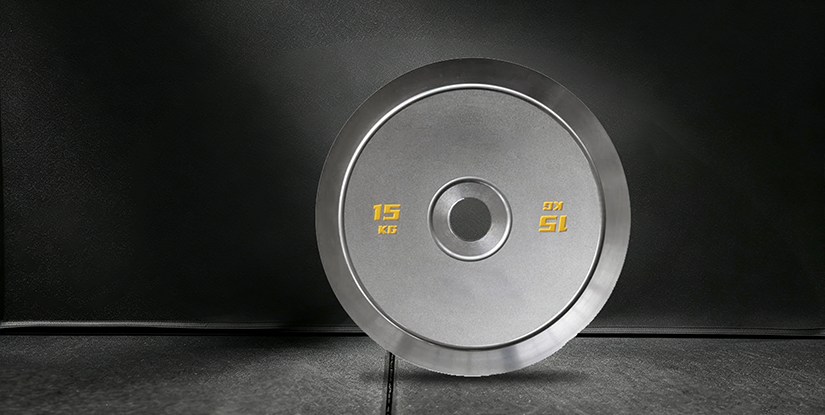
OEM and Private Label Capabilities for Global Distributors
Expanding your product catalog requires more than just sourcing generic stock; it demands a bumper plate casting manufacturer that can translate your brand identity into high-performance physical assets. For distributors and gym equipment importers, the ability to move from white-label products to fully branded, specialized equipment is a critical lever for increasing market authority and protecting distributor margins.
Our OEM and ODM services are designed to support the full spectrum of custom branding requirements. Whether you need precision logo embossing directly into the iron mold for a permanent, premium look, or high-visibility silk-screened weight markings for easier color-coding in commercial settings, our China factory provides the technical infrastructure to execute these specifications at scale. We understand that for professional distributors, brand consistency is non-negotiable when building a long-term presence in the North American or European markets.
Beyond visual identity, our commercial bumper plate production capabilities allow for deep technical customization. We offer flexibility in weight specifications to meet specific regional standards or to fill gaps in your existing product lines. From adjusting the thickness of the rubberized outer rim to customizing the inner bore diameter for specific barbell compatibility, our engineering team works alongside your procurement specialists. We maintain a structured MOQ framework that balances the need for customization with the efficiency required for global distribution, ensuring that your specialized product runs remain cost-effective and your sourcing cycles stay predictable.
Customization Tiers for Professional Procurement
Selecting the appropriate level of customization is a strategic decision that affects your landed cost, lead time, and brand differentiation. While standard production offers the fastest turnaround for high-volume replenishment, specialized manufacturing allows you to capture premium market segments through unique product attributes.
| Customization Level | Typical Specification Scope | Primary Customization Elements | Impact on MOQ | Commercial Application |
|---|---|---|---|---|
| Standard Wholesale | Standard weight increments and colors | Standard colors, basic weight markings | Lowest | Budget commercial gyms and general distribution |
| Advanced OEM | Brand integration and specialized finishes | Custom logos, custom colors, specialized coatings | Moderate | Premium fitness studios and specialized retailers |
| Full ODM | Complete technical specification control | Custom bore sizing, custom rubber density, unique thickness | Highest | High-end training facilities and specialized equipment brands |
When evaluating your next cast iron plate manufacturing project, consider how technical variations impact your long-term maintenance load. For example, opting for specialized coatings or high-grade polyurethane can increase initial procurement costs but significantly improves the durability of the product in high-traffic environments. We recommend consulting with our technical team to confirm how specific custom colors or logo placement methods—such as deep-mold casting versus surface printing—will affect your final product's aesthetic longevity and your overall sourcing strategy. To move forward with a specific configuration, please request a detailed specification sheet or confirm your required MOQ for a custom production run.
Export Logistics and Quality Assurance Standards
For international distributors, the risk of receiving damaged or incorrectly specified inventory can devastate profit margins. A professional OEM fitness equipment factory must mitigate these risks through rigorous logistics management. We prioritize standardized export packaging protocols to ensure that high-density products survive long-haul ocean freight and multiple handling points. This typically involves reinforced heavy-duty cartons, protective corner guards, and palletization optimized for container loading density. By focusing on volume-efficient stacking, we help you maximize container utilization and lower your overall landed cost per unit.
Quality control is not a single event but a continuous sequence integrated into our production line. Before any bulk order departs our facility, a comprehensive pre-shipment QC process is executed. This includes a multi-point inspection of the cast iron base, checking for surface imperfections, verifying weight tolerances through spot-checks, and testing the adhesion of any custom coatings. For wholesale clients, we also perform a final audit of the branded labeling to ensure that your logo and weight markings are perfectly legible and correctly positioned according to your brand identity. Our goal is to ensure that every batch arriving at your warehouse meets the exact specifications agreed upon during the initial sourcing phase, reducing the need for costly returns or replacements.
Factory QC Protocols and Export Packaging Standards
For international distributors and gym equipment importers, the cost of a faulty shipment far exceeds the initial savings of a low-tier bumper plate casting manufacturer. A single batch of plates with inconsistent weight or poor coating adhesion can damage your brand reputation and increase replacement costs. Professional commercial bumper plate production requires a rigorous oversight structure to ensure that every unit meets the high-performance demands of commercial fitness facilities.
Reliable cast iron plate manufacturing involves more than just the initial pour; it requires a systematic approach to quality assurance that spans from the raw material stage to the final container loading. A professional OEM fitness equipment factory must implement a multi-stage inspection workflow to mitigate the risks of shipping defective goods overseas, ensuring that the landed cost remains optimized by reducing returns and after-sales disputes.
Critical Inspection Points for Bulk Sourcing
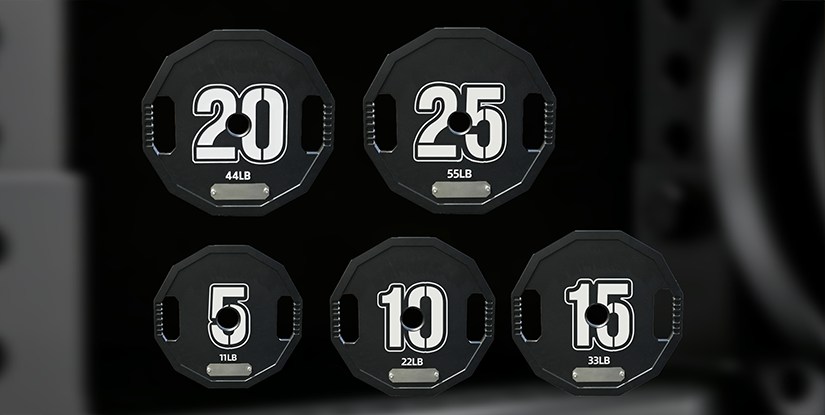
During the pre-shipment inspection, technical buyers should focus on specific physical attributes that determine long-term durability. We typically monitor the following parameters to ensure wholesale standards are met:
- Weight Tolerance: Systematic spot-checks to ensure each plate stays within industry-standard deviations for commercial use.
- Surface Finish: Inspection of the coating or rubber encapsulation for adhesion, ensuring no bubbling or peeling occurs under heavy use.
- Bore Integrity: Verifying the concentricity and fit of the center hole to ensure smooth rotation on Olympic barbells.
- Edge Smoothness: Checking the transition between the cast body and the coating to prevent surface damage to flooring or equipment.
By establishing these strict QC protocols, a factory provides the transparency needed for high-volume sourcing. Whether you are ordering a standard stock item or a private label run, verifying these technical details during a factory audit or through sample approval is essential for maintaining high distributor margins.
Ensuring Dimensional Accuracy and Surface Integrity
A high-tier bumper plate casting manufacturer must prioritize the physical precision of every unit to prevent operational friction in commercial gyms. During the machining phase, we focus on the concentricity of the central bore to ensure it interfaces seamlessly with standard Olympic bars. This level of dimensional accuracy is a hallmark of professional commercial bumper plate production, preventing the uneven wear or bar-binding issues that often plague lower-quality imports.
Furthermore, the durability of the outer layer is a critical variable for long-term ROI. We conduct routine checks on the coating adhesion to ensure the finish remains intact despite the high-impact nature of weightlifting. In a professional OEM fitness equipment factory, this involves inspecting the bond between the cast iron core and the protective layer to prevent peeling or cracking. Ensuring this structural integrity at the source minimizes the need for replacement parts and maintains the aesthetic quality of your branded inventory.
To protect your investment during long-distance transit, export packaging must be as robust as the product itself. We recommend that distributors confirm the use of reinforced carton boxes and heavy-duty pallets for all bulk orders. This rigorous approach to both product and packaging ensures that your shipment arrives in optimal condition, ready for immediate deployment in high-traffic commercial environments.
Export Packaging and Sea Freight Protection for Bulk Orders
For professional importers, the risk of shipping damage can significantly inflate the total landed cost if the packaging is inadequate. When managing high-volume wholesale shipments, a professional bumper plate casting manufacturer must implement standardized export packaging protocols designed for the rigors of sea freight and long-distance logistics. Relying on standard retail-grade boxes is a common mistake that leads to crushed corners and compromised surface finishes upon arrival at the warehouse.
To ensure maximum protection during transit, we utilize heavy-duty, reinforced cartons and high-density palletization. For large-scale bulk orders, plates are often arranged in optimized configurations to maximize container space efficiency while providing structural support. We employ professional palletization techniques, including corner protectors and industrial-grade shrink wrapping, to secure the load against shifting during maritime transport. This systematic approach to shipping damage prevention ensures that your inventory arrives at the destination in pristine condition, protecting your distributor margins and reducing the need for costly claims or replacements.
Sourcing Strategy: Managing MOQ and Lead Times with China Factories
Optimizing your procurement pipeline requires a deep understanding of how order scale influences production cycles. For professional distributors and gym equipment importers, working directly with a bumper plate casting manufacturer allows for much better control over both unit costs and inventory turnover. When sourcing at a wholesale level, the relationship between your volume and the factory's production schedule is the primary driver of your landed cost and market competitiveness.
A common challenge for B2B buyers is balancing the desire for low MOQ requirements with the need for rapid replenishment. In many commercial bumper plate production environments, smaller batches may be fulfilled from existing stock, but customized OEM orders—such as those requiring specific branding or unique weight increments—will naturally require a longer lead time to accommodate the casting and coating sequences. By aligning your procurement cycles with the capacity of a reliable China factory, you can mitigate the risks of stockouts during peak seasonal demand.
Strategic buyers often utilize tiered ordering to maximize efficiency. For instance, high-volume cast iron plate manufacturing runs allow the factory to optimize the melting and casting stages, reducing the setup time per unit. This scale is essential for maintaining healthy distributor margins while ensuring that high-demand items remain available for your commercial clients.
Comparison of Sourcing Models for Professional Buyers
Selecting the correct procurement route depends on your specific inventory strategy and branding requirements. A professional OEM fitness equipment factory typically offers two distinct paths: sourcing from standardized production runs or initiating a fully customized manufacturing sequence. While stock orders offer speed, custom runs provide the differentiation necessary for long-term brand identity in the commercial fitness market.
| Sourcing Model | Typical MOQ | Lead Time | Customization Potential | Primary Procurement Benefit |
|---|---|---|---|---|
| Standard Stock Sourcing | Low to Medium | Short (Ready to Ship) | Limited to standard weights/colors | Rapid replenishment and lower initial capital outlay |
| Custom OEM Production | High | Long (Production + QC Cycles) | High (Logo, Color, Specialized Specs) | Optimized landed cost and strong brand identity |
| Private Label Manufacturing | Very High | Extended | Full (Custom Packaging & Design) | Maximum distributor margins and market differentiation |
When evaluating your next batch, consider that a specialized bumper plate casting manufacturer will prioritize production schedules based on order volume. If your goal is to minimize the risk of stockouts, we recommend a hybrid approach: maintaining a baseline of standard stock for immediate fulfillment while scheduling large-scale OEM runs several months in advance. This strategy ensures that your custom-branded products arrive with consistent quality and meet your specific commercial-grade standards without disrupting your supply chain.
To ensure the highest efficiency, we suggest contacting our supplier team to request a detailed spec sheet and confirm current MOQ tiers for your specific region. Whether you require a single sample for evaluation or a full container load for global distribution, understanding these production variables is the first step toward a successful partnership.
Logistics and Export QC Standards for Large-Scale Shipments
Managing the transition from production to global distribution requires rigorous oversight of the final stages of the supply chain. For importers, the risk of transit damage or weight discrepancies is a significant concern that can erode distributor margins. A professional bumper plate casting manufacturer must implement a multi-stage inspection process that covers not only the physical product but also the integrity of the export packaging and container loading protocols.
Before any shipment leaves the China factory, a comprehensive pre-shipment QC process is essential. This typically involves a spot-check of weight tolerances, an inspection of the coating adhesion on the cast iron, and a thorough verification of the center bore diameter to ensure compatibility with standard barbell sleeves. For high-volume commercial bumper plate production, quality control must also extend to the packaging; using heavy-duty, reinforced cartons and moisture-resistant liners is industry-standard to protect the metal surfaces during long-distance maritime transit.
Efficient logistics management also involves coordinating with freight forwarders to optimize container utilization. Since bumper plates are high-density, heavy-duty items, the way they are palletized and secured within a container directly impacts your landed cost. We recommend that buyers coordinate closely with their supplier to confirm the exact volume and weight per pallet, ensuring that the shipping configuration maximizes space without compromising safety. By establishing clear protocols for warehouse receiving and inspection upon arrival, you can ensure that your bulk orders arrive in a condition that meets the strict requirements of professional gym and studio environments.