Bumper Plate Distributor: Top Tier China Factory OEM
Bumper Plate Distributor: Optimizing Procurement Economics and SKU Breadth
A common procurement error for gym owners is prioritizing low initial unit costs over long-term material performance, often resulting in high replacement frequencies. A professional bumper plate distributor understands that the most efficient sourcing strategy balances upfront capital expenditure with the total cost of ownership. By choosing between high-durability rubberized options and cost-effective iron-based units, importers can optimize their inventory for different facility types, from high-impact functional training zones to standard strength areas.
When managing large-scale facility builds or distribution networks, the decision between a rubber bumper plate manufacturer and a traditional cast iron plate supplier dictates your long-term maintenance load. Rubberized plates offer superior noise reduction and floor protection, making them essential for premium studios, while cast iron remains a high-margin staple for budget-conscious commercial settings. Selecting the right commercial bumper plate wholesale tier ensures your SKU breadth matches your clients' specific durability requirements and spatial constraints.
Material Performance and Commercial Utility Comparison
Evaluating the technical specifications between different material types is critical for determining the landed cost and durability profile of your inventory. A professional bumper plate distributor must align material selection with the specific training environment to ensure product longevity and minimize replacement cycles. Below is a qualitative comparison designed to assist procurement professionals in selecting the appropriate material tier for their specific market needs.
| Material Type | Primary Benefit | Commercial Application | Noise/Impact Level | Sourcing/MOQ Context |
|---|---|---|---|---|
| Rubber Coated | High impact absorption and floor protection | Premium functional training and CrossFit zones | Low noise; high shock absorption | Higher unit cost; typical for premium OEM orders |
| Polyurethane (PU) | Extreme durability and premium finish | High-end fitness clubs and competition venues | Minimal bounce; high durability | Premium tier; requires specialized production capacity |
| Cast Iron | High density and cost-efficiency | Standard strength training and budget gyms | High impact; requires floor mats | Lower unit cost; ideal for high-volume wholesale |
| Painted/Powder Coated | Corrosion resistance and aesthetic variety | General commercial gym environments | Moderate impact; standard durability | Versatile for various private label branding |
When negotiating with a rubber bumper plate manufacturer, consider how the molding process affects the edge durability and weight consistency. For distributors focusing on high-volume, budget-friendly strength equipment, sourcing from a reliable cast iron plate supplier can significantly improve your margin through lower shipping weights and reduced production complexity. Always confirm the specific coating adhesion and weight calibration protocols with your China factory to ensure the finished goods meet the expected commercial-grade standards before final export packaging.
Logistics and Sourcing Strategy for Bulk Orders
For professional importers, the relationship between material density and shipping volume is a critical factor in calculating the total landed cost. When managing bulk orders, the volumetric weight of the product can significantly impact your freight budget. For instance, while rubberized plates offer premium durability for commercial gyms, their specialized molding and potential for higher volume-to-weight ratios must be factored into container loading optimization. Conversely, a cast iron plate supplier provides a high-density solution that maximizes the weight capacity of a standard 40HQ container, often resulting in a more efficient shipping-to-value ratio for large-scale distribution.
To mitigate procurement risks, we recommend a structured approach to sourcing that includes a formal factory audit and sample evaluation. Before finalizing any wholesale agreement, confirm that the China factory adheres to strict weight tolerance and concentricity checks. For OEM or ODM projects involving private label branding, ensure that the pre-shipment inspection covers not only the core material quality but also the export packaging integrity. This proactive verification of edge durability and coating adhesion prevents costly returns and maintains your reputation as a reliable distributor in the North American market.
Material Performance: Comparing Rubber and Cast Iron for Commercial Use
Selecting the right material profile is a critical decision for any bumper plate distributor managing long-term inventory and client satisfaction. When sourcing in bulk from a China factory, professional buyers must weigh the immediate landed cost against the long-term Total Cost of Ownership (TCO). The choice between high-density rubber and traditional cast iron significantly impacts facility maintenance, floor longevity, and equipment lifespan.
For high-traffic strength zones, a professional rubber bumper plate manufacturer provides units designed for impact absorption and noise reduction. Conversely, a cast iron plate supplier offers more compact, high-density options suitable for stationary lifting environments. Understanding these material distinctions ensures your commercial bumper plate wholesale orders align with the specific durability requirements of your end-users.
| Material Type | Primary Benefit | Noise Level | Floor Protection | Commercial Duty Tier | Typical Sourcing Context |
|---|---|---|---|---|---|
| High-Density Rubber | Impact Absorption | Low | High | Premium/High-Intensity | CrossFit & Olympic Training |
| Cast Iron | Space Efficiency | High | Low | Standard/Budget | Traditional Strength Gyms |
| Steel/Iron Hybrid | Durability/Density | Moderate | Moderate | Mid-Tier | Commercial Weight Rooms |
When evaluating commercial bumper plate wholesale options, procurement leads should consider that rubber-encapsulated units typically require more rigorous pre-shipment QC to ensure coating adhesion and edge integrity. While cast iron offers a lower MOQ for basic strength setups, rubber plates are often preferred for premium facilities to minimize structural vibration and protect expensive flooring investments.
Material, Process, and Procurement Specifications
Effective sourcing requires a deep understanding of how manufacturing routes dictate the final product's utility. A professional bumper plate distributor must differentiate between the casting and molding processes to ensure the client receives the correct specification for their facility type. While cast iron relies on traditional foundry methods, high-performance rubber plates involve complex multi-stage assembly and encapsulation to ensure long-term durability under heavy use.
| Material | Typical Process | Key Component/Detail | Commercial Duty | MOQ Impact | Factory QC Point |
|---|---|---|---|---|---|
| High-Density Rubber | Molding & Encapsulation | Rubber/PU Coating Adhesion | Premium/High-Impact | Higher due to specialized tooling | Edge integrity & weight spot-check |
| Cast Iron | Sand Casting & Machining | Bore Fit & Concentricity | Standard/Budget | Lower/Standard for volume | Surface finish & weight tolerance |
| Steel Core/Hybrid | Forging & Coating | Base Flatness | Mid-Tier/Commercial | Moderate | Coating adhesion & weight accuracy |
From a procurement standpoint, the manufacturing complexity of a rubber bumper plate manufacturer often influences the lead time and shipping volume. Rubber plates are generally more voluminous, which can impact container loading efficiency and landed cost calculations compared to the compact nature of iron plates. When conducting a factory audit or reviewing sample approvals, we recommend focusing on the coating adhesion of rubber units and the concentricity of the center bore on iron units to prevent future maintenance issues for your clients.
Manufacturing Processes: From Casting to Precision Calibration
Understanding the technical divergence between material types is essential when selecting a bumper plate distributor for high-volume procurement. For distributors sourcing from a China factory, the choice between traditional metal casting and advanced polymer molding dictates the long-term durability and maintenance requirements of the end-user facility.
Standard weight plates typically originate from a cast iron plate supplier using sand casting methods to create the core structure. This process involves pouring molten iron into sand molds, which is a cost-effective, industry-standard route for producing high-density plates. For more specialized units, centrifugal casting may be utilized to ensure a more uniform density. In contrast, high-end bumper plates require advanced rubber/PU molding, where a high-density core is encapsulated in a resilient polyurethane or rubber layer to provide impact absorption and floor protection.
A critical stage in the production of premium units is the weight calibration and concentricity machining. Unlike basic plates, commercial-grade bumper plates undergo rigorous calibration to ensure weight consistency across a full set. This precision is vital for professional athletes and high-traffic commercial gyms where even slight imbalances can affect training performance and increase wear on barbell sleeves. When managing commercial bumper plate wholesale orders, importers should verify that the rubber bumper plate manufacturer employs standardized calibration steps to minimize weight variance and ensure professional-grade concentricity.
Technical Comparison of Manufacturing and Material Tiers
To optimize your total cost of ownership (TCO) and facility longevity, procurement specialists must differentiate between the manufacturing routes of various plate types. Selecting the correct material-process combination ensures that your bulk order aligns with the specific impact requirements of your client's facility, whether it is a high-intensity CrossFit box or a standard commercial strength floor.
The following table outlines the qualitative differences in production and application to assist in your sourcing decisions. When evaluating a rubber bumper plate manufacturer, consider how these processes affect the final landed cost and long-term replacement cycles.
| Material Type | Primary Process | Key Component/Detail | Commercial Use Case | MOQ Impact | Factory QC Focus |
|---|---|---|---|---|---|
| Cast Iron | Sand Casting & Machining | Concentricity & Bore Fit | Budget Commercial / Strength Training | Lower | Weight Spot-check & Surface Smoothness |
| Rubber-Encapsulated | Molding & Injection | High-Density Rubber Layer | High-Traffic / CrossFit / Olympic Lifting | Medium | Coating Adhesion & Impact Resilience |
| Polyurethane (PU) | Advanced PU Molding | Precision Core & Protective Skin | Premium Performance / Competition | Higher | Weight Tolerance & Surface Uniformity |
When negotiating commercial bumper plate wholesale contracts, we recommend requesting specific documentation regarding the calibration stages. A reliable bumper plate distributor will provide transparency regarding how the core density is maintained during the molding process to prevent premature cracking or de-lamination. For large-scale projects, confirming the factory's ability to handle both standard casting and advanced molding via OEM or ODM requests can significantly improve your inventory versatility and market competitiveness.
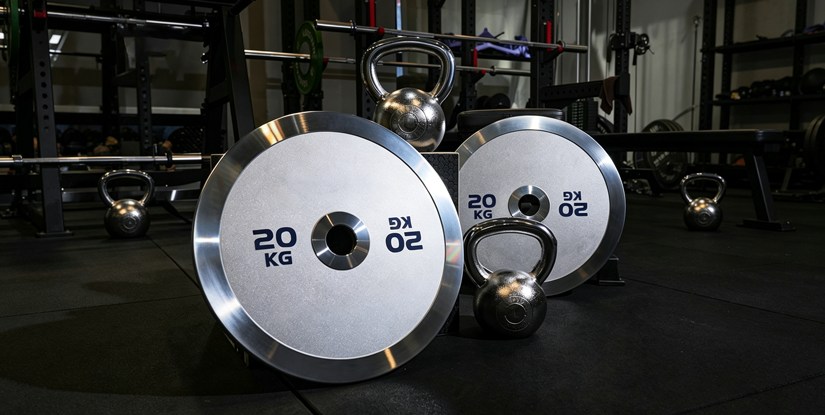
Strict Quality Control and Pre-Shipment Inspection Protocols
For professional importers, the risk of receiving a shipment with inconsistent weight or poor structural integrity can damage distributor margins and client trust. To mitigate this, a high-tier bumper plate distributor must ensure that the China factory implements a multi-stage inspection process that goes beyond simple visual checks. Quality control must be integrated into the production sequence—from the initial casting or molding stage through to the final surface treatment.
A rigorous pre-shipment QC protocol typically includes three critical technical checkpoints. First, a weight tolerance spot-check is performed on a randomized sample from the batch to ensure the deviation remains within industry-standard limits for commercial use. Second, a concentricity check is essential; this verifies that the central bore remains perfectly centered, preventing barbell wobble and uneven wear on expensive equipment. Finally, for any encapsulated or coated units, a coating adhesion test is conducted to ensure the rubber or PU layer will not peel or crack under heavy impact or temperature fluctuations.
When managing large-scale commercial bumper plate wholesale orders, we advise procurement leads to request a detailed inspection report that covers these specific technical metrics. Whether you are sourcing standard iron or high-performance rubber units, verifying these calibration and adhesion standards at the source is the most effective way to reduce long-term maintenance costs and ensure your landed cost reflects a premium, durable product. For customized projects, confirm that your OEM or ODM specifications are being verified at each stage of the manufacturing line.
China Factory QC: Ensuring Export Standards for Bulk Orders
Maintaining consistent weight accuracy and structural integrity is the primary challenge when sourcing high-volume fitness inventory. A reliable bumper plate distributor must implement rigorous inspection protocols to mitigate the risks of uneven weight distribution or coating failure during transit. For professional importers, a standardized quality control framework ensures that every unit arriving at a warehouse meets the exact specifications required for commercial gym environments.
In a professional China factory, the inspection sequence typically begins with the raw casting phase to check for structural voids. Once the plates undergo machining and surface finishing, the quality control process transitions to verifying the weight tolerance and the integrity of the outer layer. For a rubber bumper plate manufacturer, this includes testing the bonding strength of the rubber to the inner core to prevent delamination. Without these stringent export standards, bulk shipments may suffer from high defect rates, negatively impacting the landed cost and long-term reliability of the product line.
To ensure high-performance delivery, a cast iron plate supplier will often conduct spot-checks on concentricity and bore fit before final packaging. This level of oversight is critical when managing commercial bumper plate wholesale orders, where even minor deviations in diameter or weight can lead to significant logistical issues or client dissatisfaction. By prioritizing these technical checkpoints, a supplier can guarantee that the finished goods are ready for high-intensity commercial use and international shipping.
Technical Inspection Benchmarks for Global Procurement
When managing high-volume inventory, procurement officers must distinguish between surface-level aesthetics and structural durability. A professional bumper plate distributor understands that the most critical failure points occur at the interface of the core material and the outer coating. For a rubber bumper plate manufacturer, the primary technical focus during pre-shipment is the adhesion strength between the high-density rubber and the internal structural core to prevent delamination under high-impact use.
In contrast, a cast iron plate supplier focuses on the precision of the machining phase. For commercial bumper plate wholesale orders, the inspection must verify the concentricity of the center bore and the uniformity of the surface finish. If the machining or the weight calibration is inconsistent, the plates may not sit flat on the barbell, causing uneven loading and increased wear on the equipment. A reliable factory will implement a tiered inspection strategy to ensure these technical specifications align with international commercial-grade standards.
| Material Type | Primary Process | Key Component / Focus | Commercial Duty Tier | Factory QC Point |
|---|---|---|---|---|
| Rubber Bumper | Molding & Encapsulation | Rubber-to-Core Bonding | Premium / High-Impact | Bonding Adhesion & Surface Uniformity |
| Cast Iron | Casting & Machining | Center Bore & Weight Accuracy | Budget / Standard Commercial | Concentricity & Weight Tolerance |
| Steel / Iron | Powder Coating / Painting | Surface Coating Adhesion | Standard Commercial | Coating Thickness & Chip Resistance |
To optimize your sourcing strategy, we recommend requesting a detailed specification sheet or a sample evaluation before finalizing large-scale orders. We can provide documentation regarding our standard weight tolerances and coating processes to ensure they meet your specific commercial requirements. Contact us to confirm current MOQ levels, discuss potential OEM branding options, or request a formal quote for your next bulk shipment.
Export Packaging and Container Loading Efficiency
For a professional bumper plate distributor, the logistical challenge extends beyond manufacturing to the final stage of export-ready protection. High-density plates, whether rubber or iron, present significant weight-to-volume ratios that require specialized handling to prevent damage and optimize the landed cost. Efficient export packaging is not merely about protection; it is a critical component of warehouse and shipping efficiency for large-scale distributors.
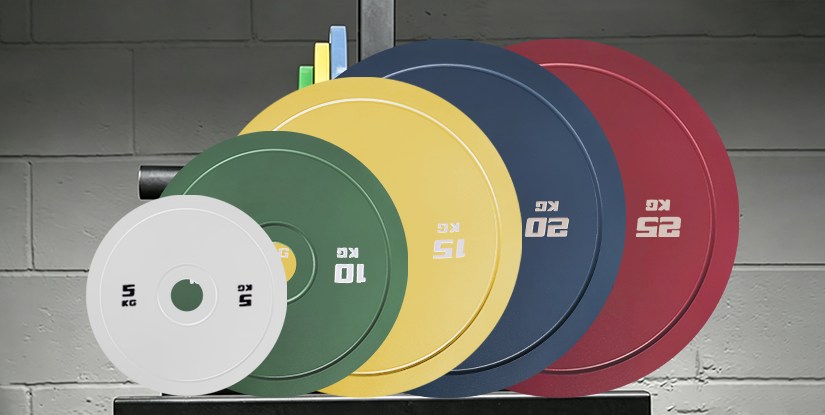
A standard procedure in a high-tier China factory involves multi-layered protection. For rubber-encapsulated units, this typically includes heavy-duty corrugated cartons and reinforced corner protectors to mitigate impact during transit. For cast iron variants, palletization and shrink-wrapping are essential to prevent moisture-induced oxidation and surface abrasion. When managing bulk orders, a reliable supplier will also provide detailed packing lists, specifying the weight per carton and total pallet dimensions to assist with freight forwarding and container loading optimization.
Optimizing the loading density within a 20ft or 40ft container is vital for maintaining healthy margins. A professional rubber bumper plate manufacturer will work closely with procurement leads to ensure that the physical dimensions of the packaging align with the shipping configuration, reducing wasted space and lowering the per-unit shipping cost. We invite you to request a detailed loading plan or a sample evaluation to verify our packaging durability. Please contact us to confirm the current MOQ, discuss OEM branding requirements, or receive a formal quote for your next international shipment.
OEM and Private Label Solutions for Global Distributors
For professional distributors looking to move beyond generic inventory, transitioning to a bumper plate distributor model that offers proprietary branding is a critical strategic shift. Relying solely on unbranded, off-the-shelf products often results in thin margins and high competition. By leveraging a China factory with robust OEM and ODM capabilities, you can transform a standard commodity into a high-value asset with a distinct brand identity. This approach allows you to control the market positioning of your product line, shifting from a simple supplier to a specialized brand provider.
The ability to implement private label solutions is a primary driver for market differentiation in the commercial fitness sector. Instead of competing on price alone with generic commercial bumper plate wholesale options, a factory-direct partnership enables you to customize essential elements such as color schemes, logo placement, and specialized packaging. While standard wholesale orders focus on volume, a structured OEM agreement allows you to define specific quality benchmarks that align with your target clientele, whether you are supplying boutique studios or large-scale commercial gym chains. Understanding the MOQ requirements for customized production is the first step in optimizing your sourcing strategy to balance brand exclusivity with efficient landed cost management.
Strategic Selection: Material and Customization Tiers
Effective procurement requires a clear understanding of how material selection and production depth impact your final landed cost and market positioning. When sourcing through a bumper plate distributor, buyers must evaluate whether the application requires the high-impact durability of a rubber bumper plate manufacturer or the cost-efficiency of a cast iron plate supplier. Choosing the correct tier ensures that your inventory meets the specific durability and noise-reduction requirements of your target gym environments while maintaining healthy distributor margins.
| Material Tier | Primary Process | Key Component/Feature | Commercial Duty | MOQ Impact | Factory QC Focus |
|---|---|---|---|---|---|
| Cast Iron | Sand Casting & Machining | Weight Calibration | Budget Commercial | Lower | Weight Tolerance & Surface Finish |
| Painted/Powder Coated | Casting & Coating Line | Color-Matched Logo | Standard Commercial | Medium | Coating Adhesion & Base Flatness |
| Rubber/PU Encapsulated | Molding or Dip Coating | Impact-Absorbing Edge | Premium/High-Impact | Higher | Edge Bonding & Diameter Uniformity |
Selecting the right production path is essential for long-term reliability. For instance, a rubber bumper plate manufacturer typically employs specialized molding processes to ensure the outer layer remains securely bonded to the internal weight, which is a critical failure point in low-quality batches. Conversely, when working with a cast iron plate supplier, the focus shifts toward the precision of the CNC machining and the quality of the powder coating to prevent rust during export and long-term storage. We recommend requesting a sample evaluation or a detailed spec sheet to confirm that the material density and coating durability align with your specific commercial requirements before finalizing bulk orders.
Optimizing Logistics and Global Export Readiness
Efficient sourcing requires more than just selecting a product; it demands a partner capable of managing the complexities of international freight and high-volume distribution. When placing a bulk order, the total landed cost is often determined by how effectively the factory manages weight-to-volume ratios and shipping efficiency. A professional bumper plate distributor must account for the substantial weight of metal plates and the bulk of rubberized units, ensuring that container loading density is maximized to reduce per-unit shipping expenses.
To mitigate the risks associated with long-distance transit, we implement rigorous export packaging standards. For metal-heavy shipments, this includes reinforced carton corners and moisture-resistant liners to prevent oxidation during sea freight. For high-end rubber units, the packaging is designed to maintain shape and protect the edge integrity. Every shipment undergoes a strict pre-shipment QC protocol, focusing on weight calibration, surface finish consistency, and packaging durability. By coordinating directly with a China factory, buyers can better manage the lead time and ensure that all products meet the exact specifications required for immediate distribution upon arrival. We encourage procurement leads to confirm the specific MOQ and request a detailed shipping plan to optimize their logistics budget.
Logistics and Landed Cost Optimization for B2B Buyers
When evaluating a bumper plate distributor, professional procurement leads must look beyond the unit price to the total landed cost. For large-scale gym installations or distributor stock replenishment, the choice between a cast iron plate supplier and a rubber bumper plate manufacturer significantly impacts shipping density, container utilization, and long-term maintenance budgets. Selecting the correct material profile ensures that your bulk order arrives with minimal damage and fits your specific facility requirements.
Selecting the wrong material can lead to unexpected operational expenses. While cast iron offers high density and lower initial costs, it lacks the impact absorption required for high-intensity training environments. Conversely, high-quality rubberized options provide essential noise reduction and floor protection, which reduces long-term facility maintenance. For importers, balancing these material properties with shipping volumes is a critical step in commercial bumper plate wholesale sourcing to maximize long-term ROI.
| Material Type | Primary Process | Key Component/Feature | Commercial Duty | MOQ Impact | Factory QC Point |
|---|---|---|---|---|---|
| Cast Iron | Sand Casting | Enamel or Powder Coating | Budget/Standard Commercial | Lower | Weight Tolerance Spot-check |
| Rubber Bumper | Compression Molding | High-Density Rubber Shell | Premium/High-Impact Commercial | Higher | Coating Adhesion & Edge Bonding |
To optimize your sourcing strategy, we recommend requesting a detailed specification sheet for each material grade. A professional China factory can provide specific data on coating durability and density profiles to ensure the product meets your brand standards. Whether you require OEM customization for branding or standard wholesale quantities, confirming the pre-shipment inspection protocols for weight calibration and packaging integrity is essential for a successful import.
To minimize logistical friction, procurement teams should evaluate how material density affects container loading efficiency. A professional bumper plate distributor will provide optimized packing lists that account for the volumetric weight of rubberized units versus the high-density profile of iron. For high-volume commercial bumper plate wholesale orders, understanding the relationship between product weight and pallet stability is vital for reducing breakage during sea freight and minimizing the landed cost per unit.
Beyond the product itself, the China factory must demonstrate expertise in export-grade packaging. This includes using reinforced corner protectors and heavy-duty cartons designed to withstand multi-stage handling. For OEM clients, ensuring that custom branding or private label markings are protected by high-quality surface finishes—such as specialized powder coating or durable rubber encapsulation—prevents aesthetic degradation during transit. We suggest confirming the pre-shipment inspection checklist with your supplier to include carton drop tests and weight calibration spot-checks, ensuring your wholesale shipment arrives ready for immediate commercial deployment.
To minimize logistical friction, procurement teams should evaluate how material density affects container loading efficiency. A professional bumper plate distributor will provide optimized packing lists that account for the volumetric weight of rubberized units versus the high-density profile of iron. For high-volume commercial bumper plate wholesale orders, understanding the relationship between product weight and pallet stability is vital for reducing breakage during sea freight and minimizing the landed cost per unit.
Beyond the product itself, the China factory must demonstrate expertise in export-grade packaging. This includes using reinforced corner protectors and heavy-duty cartons designed to withstand multi-stage handling. For OEM clients, ensuring that custom branding or private label markings are protected by high-quality surface finishes—such as specialized powder coating or durable rubber encapsulation—prevents aesthetic degradation during transit. We suggest confirming the pre-shipment inspection checklist with your supplier to include carton drop tests and weight calibration spot-checks, ensuring your wholesale shipment arrives ready for immediate commercial deployment.