Bumper Plate Private Label Manufacturer: Cast Iron vs Rubber
Bumper Plate Private Label Manufacturer: Material Selection for Commercial Deployment
Selecting the wrong material can lead to high replacement costs and damaged flooring, a common error for importers who prioritize low unit costs over long-term durability. A professional bumper plate private label manufacturer helps mitigate this risk by aligning material specs with your specific commercial use scenario. Whether you are outfitting a high-traffic strength facility or a premium boutique studio, understanding the technical trade-offs between cast iron vs rubber is essential for optimizing your total cost of ownership and ensuring facility longevity.
For high-volume distributors, the choice often dictates the maintenance load of the end-user facility. While traditional iron plates offer high density and a compact footprint, they lack the shock absorption required for modern dynamic training. Conversely, wholesale rubber bumper plates are designed to withstand high-impact drops, protecting both the equipment and the structural integrity of the gym floor. When sourcing at scale, professional buyers must evaluate whether the requirement is for static strength training or high-impact functional movement.
Technical Comparison of Material Specifications
To optimize procurement decisions, importers should evaluate the mechanical differences between weight plate types. While iron-based plates are a standard for traditional strength training, rubber-encapsulated options provide essential shock absorption for high-intensity environments. A reliable commercial weight plate OEM will provide detailed specifications regarding the core material and the outer coating to ensure the product meets your specific facility requirements.
| Material Type | Production Process | Key Component | Commercial Duty | MOQ Impact | Factory QC Point |
|---|---|---|---|---|---|
| Cast Iron | Sand casting and machining | Steel center hub | Standard Strength Training | Lower | Weight tolerance spot-check |
| Rubber Bumper | Steel hub and rubber molding | Internal weight filler | High-Impact Functional Training | Moderate | Coating adhesion and thickness |
| PU Coated | Injection molding or dip | Precision steel core | Premium Boutique Studios | Higher | Concentricity and surface finish |
When managing a commercial use scenario, the technical distinction between a single-piece cast iron plate and a multi-part rubber bumper plate is significant. Cast iron plates are often more cost-effective for bulk orders but can increase the impact force on flooring. In contrast, high-grade rubber or PU options are essential for protecting facility assets during heavy drops. A professional bumper plate private label manufacturer will ensure that the bonding between the core and the outer layer is secure to prevent premature peeling or separation during heavy usage.
Manufacturing Integrity and Quality Control Protocols
For professional importers, the value of a bumper plate private label manufacturer is defined by the rigor of their production line. The manufacturing process for high-performance plates involves complex sequences, such as sand casting for the core, precision CNC machining for the center hole, and specialized molding or dip coating for the outer layer. A high-quality commercial weight plate OEM must ensure that the transition between the steel hub and the external material is seamless to prevent structural failure under heavy load.
Reliable wholesale rubber bumper plates undergo strict quality control to ensure they meet international commercial standards. During the pre-shipment phase, a reputable China factory will conduct multiple inspection points, including weight tolerance spot-checks, coating adhesion tests, and concentricity verification. These steps are vital to avoid the common failure mode where the rubber or PU layer separates from the internal filler due to poor vulcanization or improper molding. When managing your sourcing strategy, verifying these specific QC protocols can significantly reduce the risk of high return rates and ensure a better landed cost for your distribution network.
Beyond the physical product, a professional China factory provides essential logistical support to manage your inventory and lead time. Whether you are requesting a custom logo for your private label or adjusting the weight increments for a specialized training program, the OEM or ODM capabilities of the supplier will dictate your ability to scale. We recommend that buyers confirm the MOQ and request a detailed specification sheet or a sample approval process before finalizing any large-scale bulk order to ensure the finished goods align with your brand identity and commercial durability requirements.
Comparing Cast Iron and Rubber Construction for High-Traffic Facilities
Selecting the right material is a critical decision for long-term asset management. When working with a bumper plate private label manufacturer, procurement professionals must weigh initial capital expenditure against long-term operational costs. The choice between cast iron and rubber significantly impacts the TCO of a facility, affecting floor maintenance, equipment replacement cycles, and overall facility noise levels during high-intensity training sessions.
For distributors and gym operators, understanding the durability profiles of these materials is essential for successful commercial gym deployment. While cast iron offers high density and traditional aesthetics, rubber-encapsulated options provide essential shock absorption for high-impact environments. Sourcing directly from a China factory allows buyers to optimize these material choices based on their specific market positioning and target MOQ requirements.
| Material Type | Primary Use Case | Durability Profile | Maintenance Demand | Procurement Tier |
|---|---|---|---|---|
| Cast Iron | Strength & Powerlifting | High (Rigid) | Moderate (Surface Wear) | Budget to Commercial |
| Rubber Bumper | CrossFit & High-Impact | High (Shock Absorption) | Low (Floor Protection) | Premium Commercial |
| PU Coated | Competition & Studio | Very High (Resilient) | Very Low | Premium/Elite |
Optimizing your inventory involves more than just selecting a product; it requires a strategic sourcing approach. Whether you are looking for wholesale rubber bumper plates for a high-traffic training center or durable iron plates for a traditional weight room, your supplier should provide clear technical specifications. A professional commercial weight plate OEM can assist in balancing these material trade-offs to ensure your landed cost aligns with your projected ROI and facility lifespan.
Technical Material and Manufacturing Comparison
To ensure long-term reliability, procurement teams must analyze the specific manufacturing routes used by their chosen bumper plate private label manufacturer. The divergence in production methods—ranging from sand casting for iron to injection molding for rubber—directly affects the weight tolerance, surface finish, and long-term maintenance load of the equipment. Understanding these technical nuances prevents unexpected replacement costs and ensures consistent quality across large-scale orders.
A professional commercial weight plate OEM will typically provide documentation regarding the manufacturing sequence to verify structural integrity. For example, high-grade rubber plates require a precise vulcanization or molding process to ensure the outer layer remains securely bonded to the internal steel hub, preventing delamination during heavy use. For iron-based products, the focus shifts to the quality of the casting and the precision of the CNC machining used to finalize the center bore.
| Material & Process | Key Component / Detail | Commercial Utility | Typical QC Point | MOQ Impact |
|---|---|---|---|---|
| Cast Iron (Sand Casting) | Steel center bore & rim | High density; space-efficient storage | Base flatness & weight calibration | Lower |
| Rubber (Molding/Vulcanization) | Internal steel hub & outer shell | Impact absorption; floor protection | Coating adhesion & seam integrity | Moderate |
| PU (Polyurethane Coating) | Precision-molded shell | Elite competition; extreme durability | Surface smoothness & density consistency | Higher |
When evaluating wholesale rubber bumper plates, it is vital to inspect the quality of the internal hub. A common failure mode in lower-tier manufacturing is the separation of the rubber skin from the core under repeated impact. We recommend that distributors request sample evaluations or pre-shipment inspections that specifically check the bonding strength and the concentricity of the center hole. This rigorous approach to sourcing ensures that the finished product meets the high-traffic demands of professional training facilities.
Ultimately, the decision between cast iron and rubber-based construction should be viewed through the lens of long-term procurement strategy rather than just initial unit price. For high-volume importers, the goal is to minimize the total cost of ownership (TCO) by selecting products that align with specific facility maintenance capabilities and training styles. Whether you are building out a heavy-duty strength center or a high-intensity functional training zone, your choice of a bumper plate private label manufacturer will determine how effectively you manage replacement cycles and floor protection over several years.
To maximize your distributor margins and ensure brand consistency, we offer comprehensive OEM and ODM solutions tailored to your specific market needs. This includes high-level custom branding options, from specialized colorways to precision-stamped logos, allowing you to build a distinct brand identity. Our factory-direct model is designed to support large-scale facility deployments with predictable lead time management and robust export packaging protocols to protect your inventory during transit.
As you finalize your next bulk order, we encourage you to contact us to request a detailed spec sheet, confirm your specific MOQ, or discuss custom production requirements. Whether you require a formal factory audit or a sample approval process to verify material quality, our team is ready to assist in your global sourcing journey.
Manufacturing Processes and Component Integrity in Bumper Plate Production
Understanding the technical divergence between material types is critical when selecting a bumper plate private label manufacturer for large-scale procurement. For distributors and gym operators, the choice between cast iron and rubber involves balancing structural rigidity against impact absorption. A professional China factory utilizes distinct manufacturing routes to ensure each unit meets the heavy-duty requirements of commercial gym deployment.
Cast iron plates are typically produced through a sand casting process, followed by CNC machining to ensure the inner diameter remains concentric and true. This method produces a high-density, rigid component that maintains its shape under extreme weight. In contrast, high-tier wholesale rubber bumper plates involve a multi-stage assembly: a solid steel or high-density core is encapsulated within a premium rubber compound through a vulcanization or molding process. This integration is essential for shock absorption during high-volume training, protecting both the equipment and the facility floor.
When conducting sourcing for a premium facility, buyers must evaluate the internal structural integrity of the assembly. A high-quality commercial weight plate OEM will ensure the bond between the inner steel hub and the outer rubber shell is seamless to prevent delamination over time. This attention to the manufacturing process—from the initial casting of the core to the final calibration of the weight—determ%s the long-term TCO (Total Cost of Ownership) and reduces replacement frequency in high-traffic environments.
Technical Material and Process Comparison for Commercial Procurement
To optimize your inventory selection and long-term durability, it is essential to compare the manufacturing standards of different plate types. A professional bumper plate private label manufacturer will provide clear distinctions between material performance and production complexity. The following table outlines the standard technical tiers used during bulk production to assist in your procurement decision-making.
| Material | Manufacturing Process | Key Component | Commercial Duty | MOQ Impact | Factory QC Point |
|---|---|---|---|---|---|
| Cast Iron / Gray Iron | Sand Casting and CNC Machining | Precision Bore Inner Ring | Budget / High-Density Training | Lower (Standard Casting) | Concentricity and Flatness |
| Rubber-Encapsulated Steel | Steel Core Molding and Vulcanization | High-Density Steel Hub | Premium / Impact Absorption | Higher (Multi-stage Assembly) | Coating Adhesion and Bond Integrity |
| Polyurethane (PU) | High-Precision Injection Molding | Reinforced Internal Core | Elite / Competition Spec | Highest (Precision Molding) | Surface Uniformity and Weight Tolerance |
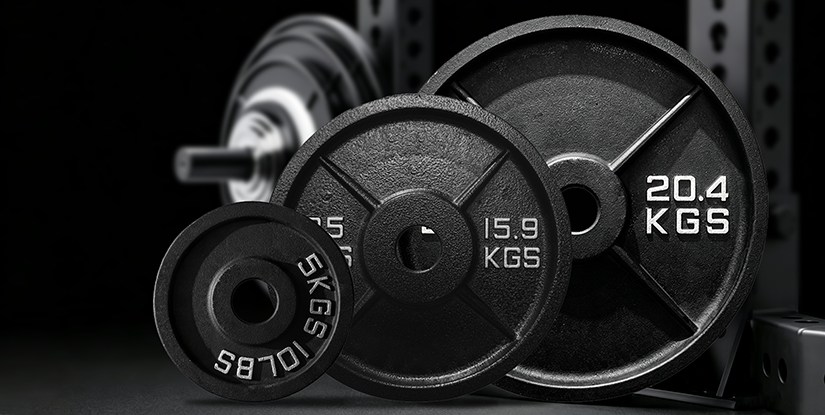
When evaluating a commercial weight plate OEM, we recommend inspecting the thickness and uniformity of the outer layer. For rubber-based options, the quality of the vulcanization process determines whether the shell will peel or crack under repetitive heavy impact. For cast iron, the focus should be on the precision of the inner ring to ensure a smooth fit on Olympic bars. These technical nuances directly influence your landed cost and the eventual maintenance load for your clients.
Beyond the basic material composition, professional buyers must scrutinize the final assembly and pre-shipment oversight to mitigate the risks of high replacement rates. A reliable bumper plate private label manufacturer integrates strict quality control at multiple touchpoints—from the initial casting or molding phase to the final calibration and export packaging. For large-scale distributors, a single failure in the weight-marking or surface finish can lead to significant logistical costs and damaged brand reputation.
During the pre-shipment inspection, technical teams typically focus on three critical areas: weight calibration, surface adhesion, and structural concentricity. For high-performance wholesale rubber bumper plates, the inspection must verify that the rubber-to-steel bond is consistent across the entire circumference to prevent delamination. For cast iron orders, the focus shifts to the precision of the inner ring and the quality of the powder coating or paint, ensuring no chipping or unevenness occurs during heavy-duty usage. These rigorous steps are standard in a high-tier factory setting to ensure that the final product arrives ready for immediate commercial deployment.
When planning your next bulk shipment, consider how these technical requirements influence your lead time and MOQ. While complex multi-stage assembly processes for premium bumper plates may require longer production windows, the reduction in long-term maintenance and replacement costs often yields a superior ROI for facility operators. We suggest reviewing the specific technical spec sheets and requesting a sample approval or a scheduled factory audit to ensure the production standards align with your brand's requirements before finalizing the landed cost and shipping arrangements.
Custom Branding and OEM/ODM Capabilities for Global Distributors
Establishing a distinct market presence requires more than just generic stock; it demands a strategic partnership with a bumper plate private label manufacturer that understands the nuances of brand identity. For global distributors and large-scale gym developers, moving beyond off-the-shelf products to a specialized commercial weight plate OEM model is a critical step in increasing distributor margin and building long-term client loyalty.
When scaling a fitness brand, the ability to control aesthetic and functional specifications is a significant competitive advantage. Whether you are managing a high-end studio rollout or a massive commercial gym deployment, utilizing ODM services allows you to integrate custom logos, specific color palettes, and unique weight markings directly into the manufacturing process. This level of customization ensures that your equipment serves as a professional marketing tool rather than just a functional commodity.
For procurement leads looking to optimize their sourcing strategy, working directly with a China factory offers the flexibility to balance high-volume wholesale needs with precise design requirements. While standard wholesale rubber bumper plates are excellent for general use, a specialized factory can implement custom branding—such as embossed logos or specialized color-coded rims—to differentiate your catalog in a crowded international market. Depending on your MOQ, these services allow you to transition from a simple importer to a full-scale equipment provider with a proprietary product line.
Technical Comparison: Cast Iron vs. Rubber Bumper Plate Specifications
Selecting the appropriate material profile is essential for optimizing total cost of ownership and ensuring long-term durability in high-traffic environments. A professional bumper plate private label manufacturer provides distinct production routes for cast iron and rubberized options to suit different commercial use cases. While cast iron is typically favored for its density and lower production cost, rubberized or PU-coated plates offer superior impact absorption, which is critical for protecting flooring and reducing noise in modern facilities.
The following table outlines the technical and procurement differences between these two primary material categories to assist in your selection process.
| Material Category | Primary Production Process | Key Component / Feature | Commercial Duty Tier | MOQ Impact | Factory QC Point |
|---|---|---|---|---|---|
| Cast Iron (Gray Iron) | Sand casting and CNC machining | Precision bored center hole | Budget to Standard Commercial | Lower threshold for wholesale | Weight tolerance and flatness |
| Rubber Bumper | Steel hub molding or vulcanization | High-density rubber/PU rim | Premium Commercial / High-Impact | Higher MOQ for OEM | Coating adhesion and concentricity |
When evaluating your next batch, consider that the complexity of the production process directly influences the landed cost. Cast iron plates involve a relatively straightforward casting and powder coating sequence, making them efficient for high-volume sourcing of standard weight sets. Conversely, high-end rubber bumper plates require a more complex multi-stage assembly involving a steel hub and specialized molding, which provides better longevity for heavy-use environments but requires more detailed ODM planning. We recommend requesting a detailed spec sheet or a sample evaluation to confirm how these material differences align with your specific commercial deployment requirements.
Optimizing Export Logistics and Pre-Shipment Inspection
For professional importers, the manufacturing cycle does not end at the production line; it extends through rigorous QC and strategic export packaging. A reliable bumper plate private label manufacturer must ensure that high-density products are prepared to withstand the rigors of long-haul ocean freight. For heavy weight plates, the risk of dented edges or damaged surface coatings during transit can significantly impact your landed cost and customer satisfaction levels. Consequently, robust packaging protocols—such as reinforced corner protection and heavy-duty corrugated boxing—are standard requirements for any serious factory-direct partnership.
To minimize procurement friction, we recommend coordinating a specific pre-shipment inspection window. During this phase, your team or a third-party inspector can verify critical quality benchmarks, including the concentricity of the steel hub, the adhesion of the rubber or powder coating, and the overall weight tolerance. Aligning these inspection steps with your lead time planning ensures that bulk orders arrive at your warehouse or distribution center ready for immediate commercial deployment. Whether you are managing a small-scale wholesale distribution or a large-scale facility rollout, transparency in the transition from the China factory to the final shipping container is the foundation of a successful sourcing strategy. We invite you to contact us to confirm current MOQ levels, request a formal quote for your OEM specifications, or schedule a factory audit to validate our production standards.
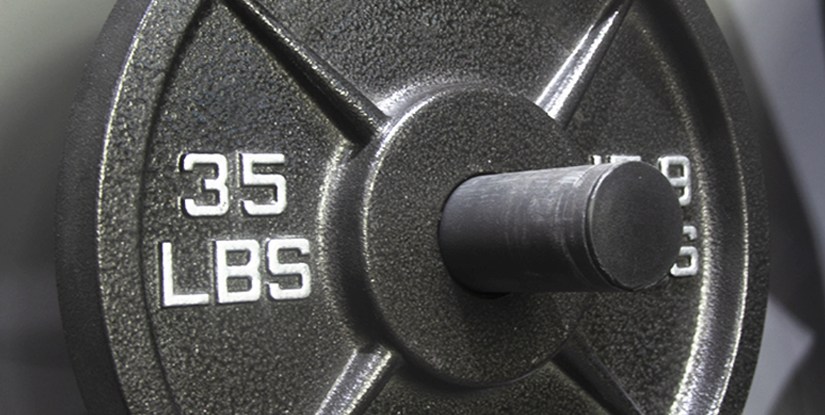
Factory Quality Control and Pre-Shipment Inspection Standards
Maintaining consistent product standards is the primary challenge for distributors sourcing directly from a bumper plate private label manufacturer. Whether you are importing cast iron or high-density rubber units, the lack of a rigorous pre-shipment inspection can lead to uneven weight distribution, surface defects, or non-compliance with commercial specifications, ultimately hurting your brand reputation and increasing replacement costs.
A professional commercial weight plate OEM must implement a multi-stage verification process to ensure every batch meets international shipping and durability standards. For buyers managing large-scale gym deployments, understanding the specific inspection points for different materials is essential for successful sourcing.
Inspection Protocols for Cast Iron and Rubber Materials
The inspection scope varies significantly depending on whether the production line is focused on metal casting or rubber molding. A reliable China factory will conduct distinct tests to ensure material consistency and structural integrity before the goods leave the warehouse.
For cast iron plates, the weight tolerance and concentricity are the most critical metrics. Inspectors typically check the flatness of the plate surface and the precision of the center bore to ensure a smooth fit on Olympic barbells. For wholesale rubber bumper plates, the focus shifts to the quality of the outer encapsulation and the density of the rubber compound. This includes checking for air bubbles within the molding, the adhesion of the coating to the internal steel hub, and the uniformity of the thickness across the entire circumference to prevent wobbling during high-impact drops.
Standard quality control documentation should include reports on surface finish quality, weight calibration results, and packaging durability. For high-volume orders, we recommend a third-party audit or a video-call inspection to verify these specific components before the final FOB or CIF handover.
| Material | Primary QC Focus | Inspection Method | Commercial Impact | B2B Sourcing Note |
|---|---|---|---|---|
| Cast Iron | Bore Precision & Flatness | Manual Gauge & Visual Surface Check | Ensures seamless barbell fit and prevents uneven wear on equipment | Essential for high-density strength training setups |
| Rubber Bumper | Encapsulation & Density | Visual Density Inspection & Impact Test | Reduces floor damage and extends the lifespan of the plate | Critical for high-traffic commercial gym environments |
| Steel Hub/Core | Structural Integrity | Weight Calibration & Tolerance Check | Guarantees accuracy of weight markings for professional use | Standard requirement for premium wholesale rubber bumper plates |
Selecting a qualified bumper plate private label manufacturer requires looking beyond the initial quote to the actual technical rigor of their production line. For a professional commercial weight plate OEM, the difference between a profitable batch and a costly return lies in the precision of the manufacturing sequence—from the initial casting or molding to the final calibration. To ensure your brand identity remains protected, we recommend requesting a detailed specification sheet and confirming the specific MOQ for custom branding or specialized rubber compounds before finalizing your order.
Export Packaging and Container Loading Optimization
Once the technical inspection is complete, the focus shifts to protecting your investment during long-haul transit. For international distributors, the total landed cost is heavily influenced by shipping efficiency and the prevention of transit-related damage. A professional bumper plate private label manufacturer must implement specialized export packaging protocols to handle the high density and extreme weight of commercial-grade plates.
Standardized palletization is the industry benchmark for high-volume wholesale rubber bumper plates. To prevent shifting or structural damage, plates should be stacked in a way that distributes weight evenly across the pallet base. We utilize heavy-duty, reinforced corrugated boxes or customized wooden crates, depending on the specific MOQ and shipping method. Each layer is typically secured with industrial-grade shrink wrap and edge protectors to ensure the stack remains stable during sea freight movement. This meticulous approach to export packaging significantly reduces the risk of dented edges or compromised weight accuracy upon arrival at your warehouse.
Furthermore, optimizing container loading is a critical step for professional sourcing. Efficiently calculating the volumetric weight and weight distribution allows for maximum density within a 20ft or 40ft container, effectively lowering your per-unit shipping cost. Our logistics team works to ensure that heavy cast iron and high-volume rubber units are positioned to maintain the center of gravity within the container, preventing load shifts during ocean transit. We recommend that buyers confirm the specific loading plan and pallet dimensions during the initial quote stage to better project final landed costs and warehouse storage requirements.
Optimizing Logistics and Landed Costs for Bulk Sourcing
For professional importers and distributors, the decision between sourcing cast iron or rubber-coated units extends far beyond simple durability. When working with a bumper plate private label manufacturer, the material choice dictates your entire supply chain efficiency, from container volume utilization to the final landed cost of your inventory. Understanding how material density affects shipping logistics is critical for maintaining healthy distributor margins.
Cast iron plates typically offer higher density, allowing for more weight to be packed into a standard 20ft or 40ft container. This high weight-to-volume ratio is a significant advantage during sourcing from a China factory, as it minimizes the "shipping air" that often inflates freight costs for lighter, bulkier items. Conversely, while wholesale rubber bumper plates provide superior floor protection and noise reduction for commercial gym deployment, their increased thickness and volume can lead to higher shipping costs per kilogram. A professional commercial weight plate OEM will help you calculate these variables to ensure your wholesale order is optimized for the most efficient container loading patterns.
Material Density and Shipping Efficiency Comparison
To assist in your procurement planning, the following table outlines the logistical trade-offs between standard cast iron and rubber-coated options. A specialized bumper plate private label manufacturer will typically provide specific packing dimensions to help you maximize container utilization and manage your total landed cost effectively.
| Material Type | Shipping Density | Storage Footprint | Packaging Durability | Freight Cost Impact |
|---|---|---|---|---|
| Cast Iron | High (Compact) | Low (Stackable) | Standard Industrial | Lower per kg due to volume efficiency |
| Rubber Coated | Moderate (Bulky) | Higher (Thicker profile) | High (Protective layer) | Higher per kg due to volume requirements |
When placing a wholesale order, consider that rubber-coated products often require more robust export packaging to prevent surface deformation during long-haul transit. We recommend requesting a detailed packing list and container loading plan from your supplier during the OEM or ODM design phase. This allows you to verify the exact shipping density and ensure your commercial weight plate OEM production meets your warehouse space constraints and budget targets. Before finalizing your shipment, confirm the specific palletization or crate requirements to prevent any unexpected costs at the port of entry.
Managing MOQ and Production Lead Times
Effective procurement requires a clear understanding of how material availability influences your lead time. For instance, standard cast iron plates often benefit from more predictable production cycles due to established sand casting and machining workflows. However, high-demand items like premium wholesale rubber bumper plates may require longer lead times to accommodate the specialized vulcanization or molding processes used for the outer coating. A professional bumper plate private label manufacturer will provide a transparent production schedule to help you align your inventory replenishment with seasonal demand shifts.
When negotiating your MOQ, it is essential to recognize that custom branding or specialized color requests can affect both the minimum order quantity and the total production window. For distributors seeking to optimize their landed cost, we suggest balancing orders between high-density cast iron and high-volume rubber plates within a single shipment. This strategy, supported by professional export packaging and container optimization, ensures that your factory-direct sourcing remains cost-effective. We recommend contacting our supplier team to request a specific quote and confirm the current production capacity for your requested OEM specifications.