Strength Equipment Casting Manufacturer: Production and QC
Strength Equipment Casting Manufacturer: Production and QC Overview
Many distributors fail by sourcing equipment based solely on low unit prices, only to face high replacement costs due to casting defects or poor coating adhesion. A professional strength equipment casting manufacturer avoids these pitfalls by implementing a standardized manufacturing sequence that ensures structural integrity. For high-volume commercial fitness equipment wholesale, successful procurement relies on a factory that moves logically from raw material casting to precision finishing, ensuring every unit meets commercial-grade durability standards before export.
The production workflow begins with high-grade sand casting to create the primary structural forms. This initial stage is critical for the long-term reliability of the equipment. Following the casting phase, the components undergo CNC machining to refine critical contact points and weight-bearing surfaces. This precision ensures that the final product maintains the necessary tolerances for professional use. A reliable China gym equipment factory will then transition the parts to a dedicated surface finishing line, where processes such as powder coating or specialized plating are applied to prevent oxidation and enhance wear resistance in high-traffic environments.
Casting Specification and Surface Treatment Comparison
Selecting the correct specification is a critical decision for importers and distributors. The choice between different casting methods and finishing options directly impacts your total cost of ownership, maintenance cycles, and the target market tier. When sourcing through a strength equipment casting manufacturer, understanding how these variables affect your landed cost and product durability is essential for maintaining high distributor margins.
The following table provides a technical overview to assist in your procurement planning. It compares common industry-standard options to help you align your order with your specific market needs, whether you are targeting high-traffic commercial centers or high-end boutique studios.
| Material / Process | Surface Treatment | Commercial Application | MOQ Impact | Factory QC Point |
|---|---|---|---|---|
| Sand Casting | Phosphate Treatment | Budget Commercial / Basic Strength | Lower MOQ threshold | Base flatness and surface texture |
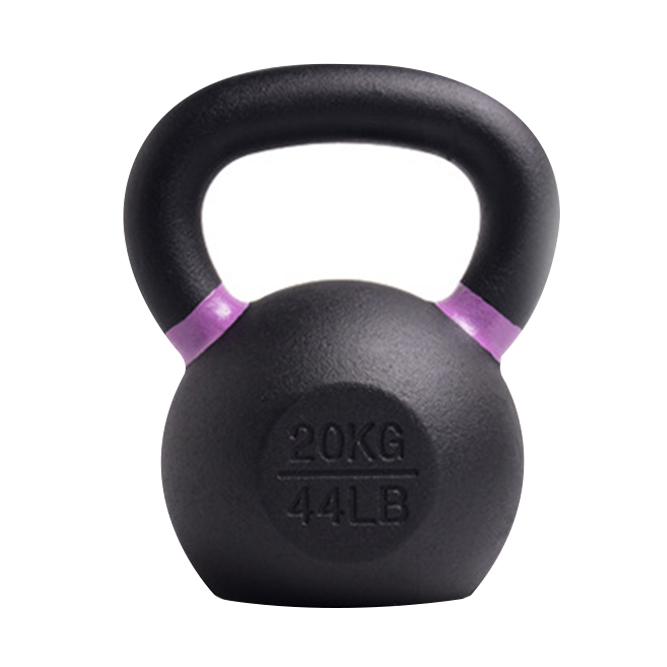
| Sand Casting | Powder Coating | Standard Commercial Gyms | Standard wholesale volume | Coating adhesion and thickness |
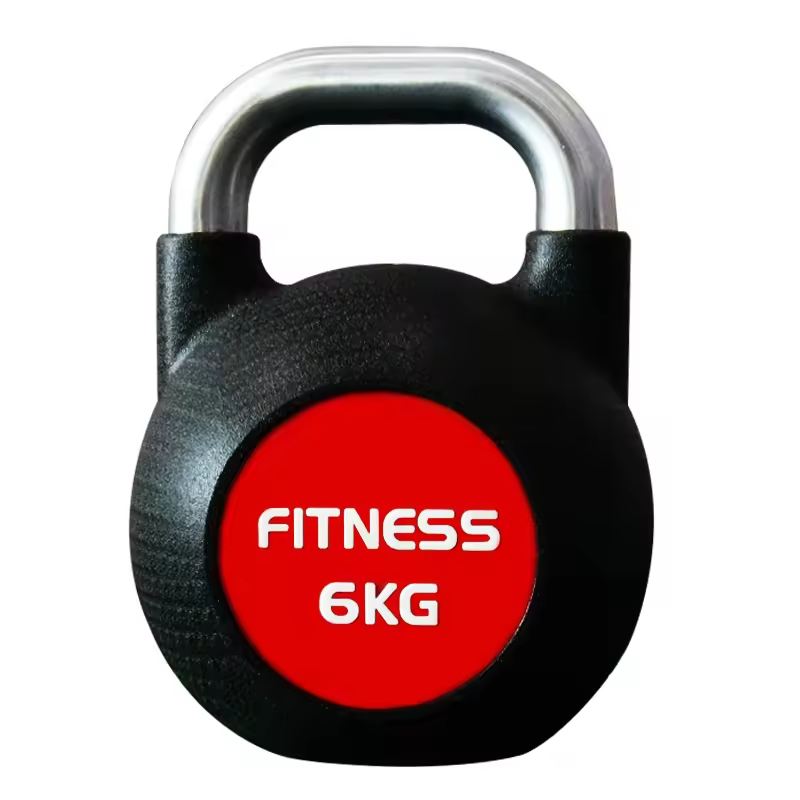
| Precision Casting | PU Coated / Polyurethane | Premium Studio / Boutique | Higher MOQ requirements | Encapsulation layer uniformity |
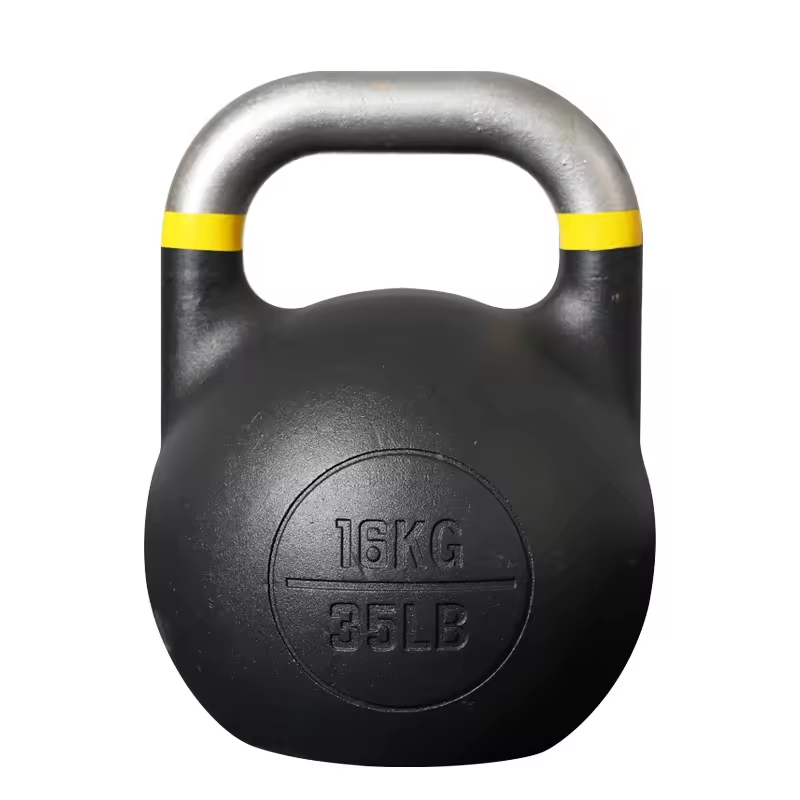
| Die Casting | Chrome Finish | High-End / Competition Spec | High volume / Bulk orders | Handle-to-body junction integrity |
A professional strength equipment casting manufacturer ensures that the transition from casting to coating is seamless. For instance, when a China gym equipment factory handles powder coating, the pre-treatment stage is just as vital as the coating itself to prevent future chipping. For those looking into commercial fitness equipment wholesale, we recommend requesting a sample evaluation or a detailed spec sheet to verify the weight tolerance and coating adhesion before finalizing large-scale production runs.
Pre-Shipment Inspection and Export-Ready Packaging
For distributors managing large-scale imports, the final stage of the supply chain is often the most volatile. A failure in logistics or packaging can result in damaged goods, high return rates, and eroded profit margins. A professional strength equipment casting manufacturer mitigates these risks through rigorous pre-shipment QC and specialized export packaging designed for long-distance maritime transit. This ensures that the landed cost remains predictable and that the product arrives in a condition suitable for immediate commercial deployment.
During the final inspection phase, a competent China gym equipment factory conducts targeted spot-checks on several critical variables. This includes verifying weight tolerance to ensure consistency across the batch and performing adhesion tests on the powder coating or PU layer to prevent chipping during handling. Furthermore, inspectors examine the integrity of all structural joints and attachment hardware. Once passed, items are secured using reinforced export packaging—often involving heavy-duty cartons, corner protectors, and palletized configurations—to withstand the mechanical stresses of international shipping and warehouse handling. When planning your next bulk order, we recommend confirming the specific packaging standards and lead time with your supplier to align with your local logistics and warehousing capacity.
Material Selection and Casting Processes for Commercial Durability
For distributors and gym operators, the long-term TCO of strength equipment depends heavily on the structural integrity of the base components. A professional strength equipment casting manufacturer selects materials that withstand high-frequency impact and heavy usage cycles. In a typical China factory setting, the focus is on ensuring that the raw material can support the rigorous demands of a commercial environment without premature cracking or surface degradation.
High-quality cast iron remains the industry standard for heavy-duty strength products due to its density and predictable casting properties. When sourcing from China factory lines, buyers should evaluate whether the manufacturer utilizes sand casting or centrifugal casting, as these processes directly affect the density and surface finish of the final unit. A robust casting process ensures that the equipment maintains its shape and weight tolerance over years of commercial use, protecting your investment and reducing replacement frequency.
Selecting the right commercial fitness equipment wholesale partner means verifying that the casting process includes necessary secondary steps, such as precision machining for handle-to-body junctions or specialized surface treatments. For example, a well-executed powder coating or phosphate treatment prevents oxidation, which is critical for maintaining brand identity and product aesthetics in high-traffic fitness centers. For large-scale commercial-grade durability, the transition from raw casting to final assembly must be governed by strict metallurgical standards to prevent common failure modes like brittle fractures under load.
Technical Comparison of Casting and Surface Finishes
Understanding the distinction between different finishing methods is vital when managing procurement for high-traffic facilities. While the core casting process provides the structural foundation, the secondary coating determines the maintenance load and long-term aesthetic value of the product. For example, choosing between a standard powder coating and a premium PU coating can significantly impact the landed cost and the durability of the equipment in humid or high-use environments.
| Material Base | Primary Process | Common Finish | Commercial Duty Tier | MOQ Impact | Factory QC Point |
|---|---|---|---|---|---|
| Gray Iron | Sand Casting | Powder Coating | Budget / Standard Commercial | Lower | Coating Adhesion |
| Cast Iron | Sand Casting | PU Coating | Premium / High-End Studio | Moderate | Surface Smoothness |
| Solid Steel | Machining | Chrome Finish | Competition / Professional | Higher | Concentricity & Weight |
When evaluating a strength equipment casting manufacturer, buyers should look beyond the base weight and inspect the technical execution of these finishes. A standard powder coating offers excellent protection against oxidation and is a cost-effective choice for large-scale commercial fitness equipment wholesale orders. However, for premium studio environments where tactile feel and impact resistance are priorities, a PU coating (polyurethane) provides a more durable, high-end finish that resists chipping during heavy use. A reliable China gym equipment factory will provide clear documentation on how these layers are applied and how they affect the final weight tolerance of the unit.
To ensure optimal results for your brand, we recommend requesting a sample evaluation or a technical spec sheet to confirm that the coating adhesion meets your regional standards. Whether you are looking for a simple phosphate treatment or a complex multi-layer finish, our factory can adjust production parameters to meet your specific OEM/ODM requirements and branding needs.
For distributors and gym operators, the long-term TCO of strength equipment depends heavily on the structural integrity of the base components. A professional strength equipment casting manufacturer selects materials that withstand high-frequency impact and heavy usage cycles. In a typical China factory setting, the focus is on ensuring that the raw material can support the rigorous demands of a commercial environment without premature cracking or surface degradation.
High-quality cast iron remains the industry standard for heavy-duty strength products due to its density and predictable casting properties. When sourcing from China factory lines, buyers should evaluate whether the manufacturer utilizes sand casting or centrifugal casting, as these processes directly affect the density and surface finish of the final unit. A robust casting process ensures that the equipment maintains its shape and weight tolerance over years of commercial use, protecting your investment and reducing replacement frequency.
Selecting the right commercial fitness equipment wholesale partner means verifying that the casting process includes necessary secondary steps, such as precision machining for handle-to-body junctions or specialized surface treatments. For example, a well-executed powder coating or phosphate treatment prevents oxidation, which is critical for maintaining brand identity and product aesthetics in high-traffic fitness centers. For large-scale commercial-grade durability, the transition from raw casting to final assembly must be governed by strict metallurgical standards to prevent common failure modes like brittle fractures under load.
Comparing Casting Routes and Surface Finishes for Wholesale Sourcing
Selecting a professional strength equipment casting manufacturer requires a strategic understanding of how different production methods impact your long-term TCO. For distributors and gym owners, the choice between casting techniques and surface treatments directly dictates the maintenance load and the replacement cycle of the equipment. When managing commercial fitness equipment wholesale orders, the goal is to balance initial procurement costs with the durability required for high-traffic environments.
The decision between sand casting and die casting, or choosing between a powder-coated finish versus a PU coating, influences both the unit's aesthetic longevity and its resistance to oxidation. A mismatch in these specifications can lead to premature surface degradation, increasing the landed cost through higher warranty claims or replacement needs. For high-volume China gym equipment factory procurement, understanding these technical trade-offs is essential for protecting distributor margins.
| Casting/Finish Type | Primary Material Base | Commercial Duty Tier | Durability Profile | Sourcing Impact |
|---|---|---|---|---|
| Sand Casting | Gray Iron | Standard Commercial | High impact resistance; textured finish | Lower MOQ; cost-effective for bulk |
| Die Casting | Precision Alloy | Premium / Competition | High precision; smooth surface finish | Higher tooling cost; longer lead time |
| Powder Coating | Cast Iron / Steel | Standard Commercial | Excellent chip resistance; matte finish | Standard wholesale specification |
| PU Coating | Cast Iron Core | Premium / Boutique | High moisture/abrasion resistance | Higher unit cost; specialized sourcing |
When evaluating a strength equipment casting manufacturer, procurement leads should verify the specific coating adhesion and the consistency of the base casting. A reliable factory will provide clear documentation regarding the surface treatment process to ensure the finished product meets the rigorous demands of commercial strength training. Always confirm if the OEM or ODM specifications include secondary protective layers to mitigate rust in high-humidity gym settings.
To optimize your inventory selection, consider how these technical variables interact with your local market demands. A strength equipment casting manufacturer that offers diverse finishing options allows you to cater to both high-traffic commercial gyms and high-end boutique studios within a single wholesale procurement cycle. For example, while sand casting remains the industry standard for robust, cost-effective strength training, the addition of a premium PU coating can significantly increase the perceived value and longevity of your product line.
Before finalizing your next bulk order, we recommend requesting a sample evaluation to inspect the knurling consistency and the coating adhesion under stress. A professional China factory will be able to provide detailed specification sheets for each tier, ensuring your landed cost remains competitive while meeting the durability expectations of your clients. If your brand requires a specific aesthetic, discuss OEM customization options for handle textures or color-coded weight identification to differentiate your catalog.
The final selection of surface finishes is not merely an aesthetic choice but a critical factor in managing the total cost of ownership (TCO) for your clients. For instance, a bare iron finish requires minimal initial investment but demands higher maintenance to prevent oxidation in humid environments. Conversely, high-grade powder coating provides a robust barrier against chips and corrosion, making it a preferred standard for commercial fitness equipment wholesale. For premium boutique studios, a PU coating offers superior tactile comfort and moisture resistance, though it may impact your initial sourcing budget per unit.
Logistics efficiency is also tied to these material choices. When planning large-scale shipments, the volume and weight of the casting must be balanced against the protective requirements of the finish. A professional strength equipment casting manufacturer will utilize optimized export packaging—such as reinforced corner protectors and heavy-duty corrugated boxes—to ensure that high-density cast items do not suffer surface abrasion during sea freight. This attention to detail reduces the risk of damaged goods upon arrival, protecting your distributor margins and ensuring smoother customs clearance.
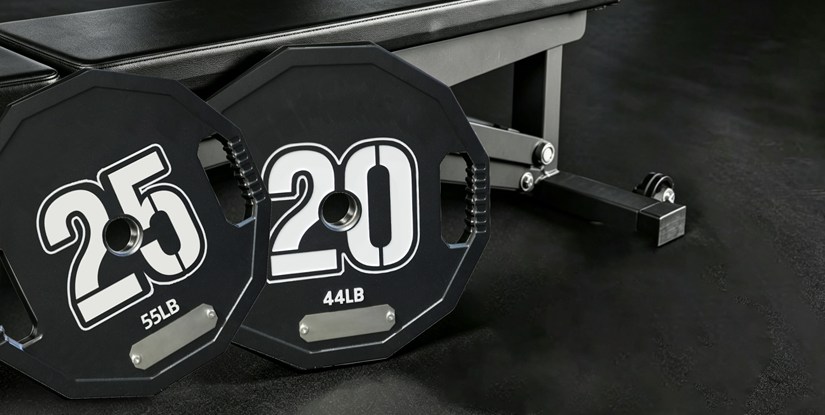
To mitigate long-term maintenance costs, we advise procurement managers to verify the adhesion strength of the applied coatings during the pre-shipment QC stage. Whether you are ordering standard sand-cast units or precision-machined premium equipment, ensuring the finish remains intact under heavy usage is vital for brand reputation. We invite you to contact our factory to request a detailed specification sheet or to discuss OEM branding options for your next bulk procurement cycle.
Critical Component Inspection and Regional Factory QC Standards
For distributors managing high-volume orders, the primary risk in sourcing heavy strength equipment is the variability in weight and surface integrity. A professional strength equipment casting manufacturer must implement a multi-stage inspection protocol to ensure every unit meets international commercial standards. Without rigorous quality control, importers face the high cost of returns, damaged reputation, and increased maintenance loads for their end-users.
Reliable commercial fitness equipment wholesale procurement relies on more than just a low unit price; it requires a verified China factory that conducts specific technical checks. Effective risk mitigation involves inspecting the weight tolerance of cast iron cores and the adhesion strength of the powder coating. When sourcing at scale, a strength equipment casting manufacturer should provide documentation regarding the consistency of the casting density and the smoothness of the surface finish to prevent premature wear or structural failure in high-traffic gym environments.
To ensure long-term durability and minimize the total cost of ownership (TCO), we recommend that buyers request a detailed pre-shipment inspection report. This report should verify the precision of the handle knurling, the flatness of the base, and the integrity of the coating across the entire batch. Confirming these sourcing standards before container loading helps protect your distributor margins and ensures that your wholesale shipments arrive ready for immediate commercial deployment.
Technical Inspection Matrix for Bulk Procurement
When evaluating a potential strength equipment casting manufacturer, professional buyers should move beyond superficial visual checks. A comprehensive inspection framework is essential for mitigating the risks associated with high-volume commercial fitness equipment wholesale. The following table outlines the critical technical checkpoints required to ensure that the products arriving at your warehouse meet the rigorous demands of professional training facilities.
| Inspection Category | Specific Check Point | Commercial Impact | Typical QC Method | OEM/ODM Requirement |
|---|---|---|---|---|
| Casting Integrity | Surface Porosity & Density | Reduces structural failure risk in high-traffic gyms | Visual surface scan & density spot-check | Standardized casting mold consistency |
| Weight Accuracy | Mass Tolerance Stability | Ensures consistent training experience for users | Randomized batch weighing | Strict weight deviation limits per batch |
| Surface Finish | Powder Coating Adhesion | Prevents chipping and rust during long-term use | Cross-cut adhesion or friction test | Custom branding/logo durability specs |
| Handle Ergonomics | Knurling Depth & Uniformity | Maintains grip security and prevents user fatigue | Tactile inspection & depth measurement | Custom grip texture per client design |
| Dimensional Precision | Base Flatness & Symmetry | Ensures stability on gym flooring and prevents wobbling | Flatness gauge or surface level check | Precision machining for premium tiers |
A high-tier China gym equipment factory will typically provide these inspection results as part of a pre-shipment report. For partners utilizing OEM or ODM services, we recommend verifying that the custom branding—whether it is a laser-etched logo or a specialized coating—is applied with high precision and does not compromise the structural integrity of the cast component. By confirming these technical standards during the sampling or pre-shipment phase, importers can effectively manage their landed cost and ensure a seamless distribution process.
Export Packaging and Logistics Optimization
Once the final audit is complete, the focus shifts to protecting your investment during international transit. For any strength equipment casting manufacturer, the transition from factory floor to shipping container is a high-risk phase. Heavy cast components are subject to significant vibration and impact during sea freight. Without professional export packaging, even a high-quality bulk order can arrive with chipped powder coating, surface scratches, or structural misalignment, directly eroding your distributor margins.
Standard industrial-grade protection for commercial fitness equipment wholesale typically involves heavy-duty corrugated cartons, reinforced corner protectors, and high-density foam padding. For large-scale wholesale shipments, palletization is a critical requirement. A professional China factory will use heat-treated, ISPM-15 compliant wooden pallets and industrial stretch wrap to ensure load stability. This prevents shifting during container loading and protects the component integrity of the equipment against moisture and physical abrasion during long-distance logistics.
To optimize your landed cost, we recommend coordinating closely with your supplier regarding container loading plans. Efficiently stacking varied SKUs can maximize container volume, reducing the shipping cost per unit. Before finalizing your sourcing agreement, always confirm the specific packaging specifications and the lead time required for both production and export preparation. This proactive approach ensures that your inventory arrives at your warehouse in showroom condition, ready for immediate commercial distribution.
Optimizing Procurement with OEM and Custom Branding Capabilities
For distributors and gym equipment importers, relying solely on stock inventory limits your ability to scale a unique market presence. Partnering with a specialized strength equipment casting manufacturer allows you to move beyond generic product lines toward a sophisticated private label strategy. By utilizing OEM and ODM services, you can integrate your specific design requirements and brand aesthetics directly into the production phase, ensuring your catalog meets the exact standards of your target demographic.
The strategic value of custom branding lies in long-term market differentiation. When you source commercial fitness equipment wholesale through a direct China factory, you gain the ability to control your brand identity through customized logo placement, specific color palettes, and unique handle textures. This level of customization transforms a standard commodity into a proprietary asset, increasing your brand equity and providing a competitive edge when bidding for large-scale commercial contracts or studio fit-outs.
Technical Execution of Branding: Casting vs. Post-Production
Effective branding for high-end strength products requires choosing between permanent structural integration and surface-level application. For premium distributors, the method of integration directly impacts the perceived quality and the long-term durability of the equipment in high-traffic commercial environments. A professional strength equipment casting manufacturer typically offers two primary paths: integral casting or secondary branding processes.
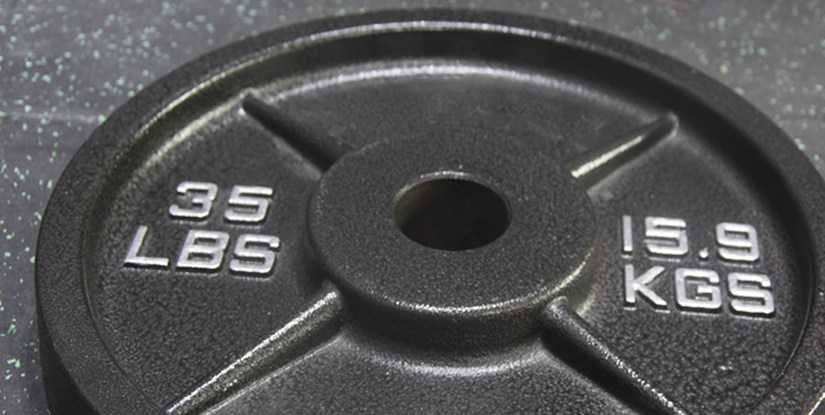
The most durable method involves integrating the brand directly into the mold design during the initial sand casting phase. By creating an embossed logo within the casting mold, the brand identity becomes a physical part of the iron structure. This ensures the logo cannot be scratched or worn away through heavy use, which is a critical factor for maintaining a high-end look in commercial gyms. For more intricate or high-precision requirements, secondary methods like CNC machining are used to refine the surface before the final powder coating application. This allows for cleaner lines and sharper edges on the branding elements.
While integral casting offers maximum durability, other branding options like metal logo plates or high-durability silk screening are more cost-effective for certain product lines. However, when managing a large-scale commercial fitness equipment wholesale order, the choice between these methods will influence both the production lead time and the total landed cost. For instance, developing a custom casting mold adds to the initial setup time and may require a higher MOQ, but it significantly reduces the long-term risk of branding degradation during shipping or intensive commercial use.
| Branding Method | Technical Process | Durability Level | Production Impact | Best Use Case |
|---|---|---|---|---|
| Embossed/Debossed Casting | Integral Mold Design | Highest (Structural) | Higher MOQ & Setup Time | Premium Private Label Lines |
| CNC Machined Logo | Precision Machining | High (Surface Detail) | Increased Lead Time | High-End Competition Gear |
| Metal Logo Plate | Post-Production Attachment | Medium (Surface Mount) | Lower MOQ Impact | Standard Commercial Equipment |
| Custom Powder Coating | Multi-stage Coating | High (Color/Texture) | Standard Lead Time | Brand Color Consistency |
When evaluating your next batch, consider how these technical choices align with your distributor margins. While custom molds increase the initial investment, they provide a more professional finish that supports a premium market position. We recommend discussing your specific branding requirements during the sample approval stage to ensure the final product aligns with your brand identity and meets your expectations for commercial-grade quality.
Sourcing Decision Matrix: Stock vs. Custom Solutions
To streamline your procurement process, it is essential to understand the trade-offs between immediate availability and long-term brand differentiation. Most professional importers choose between high-velocity stock orders and high-margin customized solutions. Selecting the right path depends on your current inventory strategy, target market positioning, and budget for development.
When sourcing from a China gym equipment factory, the decision to move from standard products to full customization often hinges on your scale and the level of control you require over the end-user experience. A professional strength equipment casting manufacturer provides both paths to ensure your supply chain remains agile, whether you are fulfilling small boutique studio orders or large-scale distribution contracts.
| Feature | Standard Wholesale | Full OEM/ODM Customization |
|---|---|---|
| Product Specification | Standard industry-grade specs | Customized dimensions and weight tolerances |
| Branding Integration | Generic or basic logo plate | Integral casting or precision CNC branding |
| Color & Finish | Standard black/gray powder coating | Custom color palettes and specialized textures |
| Development Time | Immediate shipping from stock | Extended lead time for mold/sample approval |
| Typical MOQ | Lower, volume-based thresholds | Higher, due to custom tooling requirements |
| Primary Benefit | Fast turnover and low upfront cost | High market differentiation and brand equity |
For distributors looking to optimize their landed cost and warehouse efficiency, starting with standard commercial fitness equipment wholesale options allows for faster market entry. However, if your goal is to establish a proprietary line with a distinct competitive advantage, investing in the strength equipment casting manufacturer capabilities for custom molds and specialized finishes will yield a much higher return on brand investment. We suggest requesting a detailed spec sheet and confirming the specific MOQ for any custom branding requests during your initial inquiry to ensure alignment with your project timelines.
Managing Logistics, MOQ, and Export Packaging for Global Distribution
Effective procurement requires balancing volume against transit efficiency. When sourcing from a strength equipment casting manufacturer, buyers must align their purchase orders with shipping container capacities to optimize the landed cost. For distributors and gym chains, managing the relationship between MOQ and freight logistics is a critical lever for maintaining healthy profit margins.
Ordering in bulk orders typically allows for better container utilization, reducing the per-unit shipping expense. A professional China gym equipment factory will often provide guidance on how many units of a specific casting or weight set can fit into a 20ft or 40ft High Cube container. This planning is essential to avoid the high costs of shipping "dead air" and to ensure that the wholesale pricing remains competitive in your local market.
Furthermore, a reliable commercial fitness equipment wholesale partner understands that lead time is not just about production, but also about the time required for export-ready packaging and vessel booking. Delays in the sourcing phase can disrupt your entire distribution schedule. To mitigate this, professional importers often request detailed packing lists and container load plans during the pre-shipment stage to verify that the factory has accounted for both volume and structural protection during transit.
Standardizing Export Packaging for Heavy Cast Iron Products
The high density and weight of cast iron components present significant risks during long-distance sea freight. Without professional export packaging, heavy cast products can shift within a container, leading to impact damage or structural compromise of the shipping unit. For a professional strength equipment casting manufacturer, ensuring shipping safety is a core component of the pre-shipment QC process, directly affecting the final landed cost and your distributor margins.
To prevent surface oxidation and mechanical damage, industry-standard protocols involve several layers of protection. First, cast iron surfaces are typically treated with a protective coating or a light oil film to prevent rust during transit. Each item is then individually wrapped or grouped with high-density foam or corrugated cardboard to prevent metal-on-metal friction. Finally, the products are secured through rigorous palletizing and heavy-duty strapping. This ensures that even under the movement typical of ocean transit, the load remains stable and the product arrives in a retail-ready state for your clients.
For large-scale importers, we recommend requesting a detailed loading plan during the sourcing phase. This allows you to confirm how the weight distribution is managed within the container to optimize stability. By verifying these packaging standards before the vessel departs, you reduce the risk of transit-related claims and ensure that your commercial fitness equipment wholesale inventory reaches your warehouse in peak condition.
Logistics and Packaging Configuration Comparison
Selecting the right shipping configuration is essential for managing the total landed cost of heavy casting orders. Depending on your distribution model—whether you are a large-scale gym chain or a regional distributor—the way you package and ship your order will directly impact your warehouse efficiency and per-unit profit margins. A professional China gym equipment factory will offer different tiers of packaging to accommodate varying levels of protection and volume requirements.
| Shipping Method | Packaging Type | Weight/Volume Impact | Typical Use Case | Cost Efficiency |
|---|---|---|---|---|
| LCL (Less than Container Load) | Standard Export Carton | High volume per unit; higher risk of transit damage | Small studio replenishment or sample testing | Lower initial outlay; higher per-unit freight cost |
| FCL (Full Container Load - 20ft/40ft) | Reinforced Palletization & Shrink Wrap | Optimized weight distribution; maximum stability | Major distributor bulk orders and gym chains | Highest efficiency for large-scale wholesale |
| Custom OEM/ODM Project | Heavy-Duty Crating & Protective Foam | Highest protection; increased dimensional volume | High-end commercial equipment with premium finishes | Premium cost; minimizes damage-related claims |
When evaluating a strength equipment casting manufacturer, we recommend requesting a specific container load plan (CLP) during the sourcing process. This allows you to visualize how the weight of the cast iron items will be distributed to prevent shifting. For high-density orders, ensuring the factory utilizes heavy-duty strapping and palletized layers is a vital step in your pre-shipment inspection to guarantee that your inventory arrives ready for immediate commercial deployment.