Weight Disc Wholesale Manufacturer: OEM Wholesale Supply
The Hidden Costs of Low-Quality Weight Disc Procurement
A professional weight disc wholesale manufacturer provides high-density cast iron or urethane-coated plates designed for high-traffic gym environments. For distributors and facility owners, sourcing from a reliable commercial weight disc supplier ensures consistent weight tolerances and long-term durability, which are essential for maintaining professional facility standards.
Procurement teams often focus solely on the unit price, but neglecting technical specifications leads to significant operational deficits. When a commercial weight disc supplier provides units with inconsistent casting or poor surface finishes, the landed cost of the shipment increases due to unforeseen variables. Low-grade plates often suffer from uneven weight distribution or brittle coatings, leading to a high replacement rate that erodes distributor margins and damages brand reputation. Furthermore, substandard materials can lead to premature degradation of flooring or equipment, turning a low-cost initial buy into a high-cost long-term liability.
Beyond the immediate bulk weight plates OEM order, the risk of shipping damage becomes a major factor. If the factory does not implement rigorous export-grade packaging, the impact of transit vibration can cause micro-cracks in the coating or structural deformation. These issues are often only discovered after the wholesale shipment has cleared customs and reached the final destination, making returns and replacements logistically expensive and time-consuming. Investing in high-standard fitness equipment wholesale manufacturing mitigates these risks by ensuring that every unit meets the strict quality control requirements necessary for global export.
Comparing TCO: Budget-Grade vs. Commercial-Grade Standards
To avoid the pitfalls of low-quality sourcing, procurement officers must evaluate the total cost of ownership rather than just the initial invoice. A single order from a budget-oriented source might appear cost-effective, but the cumulative impact of frequent replacements and maintenance can quickly outweigh the initial savings. When sourcing through a weight disc wholesale manufacturer, understanding these qualitative differences is essential for long-term profitability.
The following comparison illustrates the typical gap between standard low-tier production and high-standard fitness equipment wholesale manufacturing. This data is designed to help distributors and gym owners assess the long-term value of their investment.
| Specification Category | Budget-Grade (Low-Tier) | Commercial-Grade (Tier-One) |
|---|---|---|
| Primary Material | Standard gray iron or low-density cast iron | High-density cast iron or premium urethane |
| Surface Finish | Basic paint or thin enamel coating | Heavy-duty powder coating or thick PU coating |
| Weight Tolerance | Inconsistent weight distribution | Strict, industry-standard calibration |
| Commercial Duty | Light use or home-gym environments | High-traffic commercial and professional gyms |
| Procurement Risk | High risk of coating failure and unevenness | Low risk of degradation or structural issues |
| Typical Sourcing Context | Small-batch or non-specialized production | OEM and high-volume OEM orders |
Choosing a specialized commercial weight disc supplier allows you to prioritize material integrity and finish adhesion. While the unit price may be slightly higher, the stability of the product ensures a lower landed cost over a five-year lifecycle by reducing the need for frequent restocking and replacement. We recommend requesting a detailed spec sheet or sample approval to confirm that the material and surface finish meet your specific commercial requirements before finalizing any large-scale bulk weight plates OEM contract.
The Hidden Costs of Low-Quality Weight Disc Procurement
A professional weight disc wholesale manufacturer provides high-density cast iron or urethane-coated plates designed for high-traffic gym environments. For distributors and facility owners, sourcing from a reliable commercial weight disc supplier ensures consistent weight tolerances and long-term durability, which are essential for maintaining professional facility standards.
Procurement teams often focus solely on the unit price, but neglecting technical specifications leads to significant operational deficits. When a commercial weight disc supplier provides units with inconsistent casting or poor surface finishes, the landed cost of the shipment increases due to unforeseen variables. Low-grade plates often suffer from uneven weight distribution or brittle coatings, leading to a high replacement rate that erodes distributor margins and damages brand reputation. Furthermore, substandard materials can lead to premature degradation of flooring or equipment, turning a low-cost initial buy into a high-cost long-term liability.
Beyond the immediate bulk weight plates OEM order, the risk of shipping damage becomes a major factor. If the factory does not implement rigorous export-grade packaging, the impact of transit vibration can cause micro-cracks in the coating or structural deformation. These issues are often only discovered after the wholesale shipment has cleared customs and reached the final destination, making returns and replacements logistically expensive and time-consuming. Investing in high-standard fitness equipment wholesale manufacturing mitigates these risks by ensuring that every unit meets the strict quality control requirements necessary for global export.
Material Selection and Manufacturing Standards for Commercial Duty
Selecting a reliable weight disc wholesale manufacturer requires a deep understanding of how material composition directly impacts long-term durability and total cost of ownership. For distributors and gym operators, the choice between cast iron, steel, or urethane-coated options determines the frequency of replacement and the maintenance load of the facility. High-quality fitness equipment wholesale manufacturing must prioritize consistent density and surface integrity to mitigate the risk of uneven wear or structural failure under heavy use.
When sourcing from a China factory, professional buyers should evaluate the manufacturing route—from the initial casting process to the final surface treatment. A standard industrial sequence involves sand casting for iron, followed by machining to ensure concentricity, and finally a specialized coating process to prevent oxidation. Understanding these technical layers helps importers avoid the procurement risk of receiving batches with inconsistent weight tolerances or poor coating adhesion, which can compromise the reputation of your brand or distribution network.
| Material Type | Common Process | Commercial Duty Tier | Durability Profile | Procurement Focus |
|---|---|---|---|---|
| Cast Iron | Sand Casting & Powder Coating | Standard Commercial | High impact resistance | Cost-effective bulk volume |
| Steel | Machining & Chrome Finish | Premium/Competition | Precision & high density | High-end studio fit |
| Rubber/Urethane | Molding or Dip Coating | Elite/High-Traffic | Floor protection & noise reduction | Long-term TCO optimization |
A professional commercial weight disc supplier will provide clarity on how these materials affect your landed cost and shipping efficiency. For example, while rubber-coated plates offer superior floor protection, they may impact container loading density differently than compact cast iron plates. When negotiating bulk weight plates OEM orders, always request a detailed specification sheet that outlines the coating method and the weight calibration steps taken during the pre-shipment QC process to ensure every unit meets your required standards.
Technical Breakdown of Manufacturing Processes
The integrity of a commercial weight plate is determined by the precision of its manufacturing sequence. Most high-volume weight disc wholesale manufacturer operations utilize sand casting as the foundational method for iron-based products. This process involves pouring molten metal into specialized molds, a step that must be closely monitored to prevent air pockets or structural inconsistencies. Following the casting phase, the plates undergo CNC machining to ensure the center hole is perfectly concentric, which is a critical factor in preventing wobbling during high-frequency training sessions.
Surface finishing is the second critical stage where many low-tier suppliers fail. A reputable commercial weight disc supplier will employ advanced coating lines to ensure long-term reliability. For standard commercial use, powder coating is the industry standard due to its ability to provide a durable, scratch-resistant layer that prevents oxidation. For premium facilities focusing on noise reduction and floor protection, a specialized PU coating or high-density rubber encapsulation is applied. This secondary layer adds significant value to the product by reducing the maintenance load and increasing the lifespan of the equipment in high-traffic environments.
During the final stages of bulk weight plates OEM production, a rigorous weight tolerance spot-check is essential. Rather than relying on a single sample, a professional factory performs calibration checks across different batches to ensure consistency. This level of technical oversight is vital for distributors to maintain a predictable inventory and avoid the costs associated with uneven weight distribution across a single set. When evaluating a potential China factory, it is advisable to ask for specific details regarding their coating adhesion protocols and their standard calibration sequence before the final export packaging is applied.
Weight Tolerance and Precision Calibration in Mass Production
In high-volume procurement, failing to account for weight accuracy is a significant procurement risk. For distributors and gym chains, inconsistent mass across a single batch can disrupt training ergonomics and lead to equipment imbalances. A professional weight disc wholesale manufacturer must implement rigorous precision calibration protocols during mass production to ensure every unit meets commercial gym standards. When you source bulk weight plates OEM orders, the deviation in mass directly affects your brand's reputation and the long-term durability of the barbell systems they are paired with.
Standardized weight tolerance management is a critical differentiator between a high-tier commercial weight disc supplier and low-quality low-cost options. During the manufacturing sequence—typically moving from sand casting to machining and finally to surface coating—the China factory must perform systematic weight spot-checks. Without these controlled steps, a batch of plates may arrive with significant weight variances, leading to uneven loading and increased maintenance costs for the end-user. For professional fitness equipment wholesale manufacturing, precision is not optional; it is a baseline requirement for global export quality.
Calibration Methodologies: Casting vs. Machining
The technical approach to weight accuracy depends heavily on the production route chosen for your order. Most distributors selecting a weight disc wholesale manufacturer must decide between the efficiency of sand casting and the precision of CNC machining. While sand casting is the industry standard for high-volume, cost-effective production, it often requires more intensive post-production calibration to manage the inherent variability of the mold. In contrast, machining-intensive processes offer much tighter control over the final dimensions and mass, making them ideal for high-end commercial applications where precision is a primary requirement.
To assist in your sourcing decision, the following table outlines how different manufacturing methods impact the final product quality and the total landed cost for your business.
| Material & Process | Production Route | Key Component Detail | Commercial Duty Tier | MOQ Impact | Factory QC Point |
|---|---|---|---|---|---|
| Cast Iron (Sand Casting) | Casting & Surface Finishing | Standard flange & grip | Budget / Standard Commercial | Lower MOQ requirements | Weight tolerance spot-check |
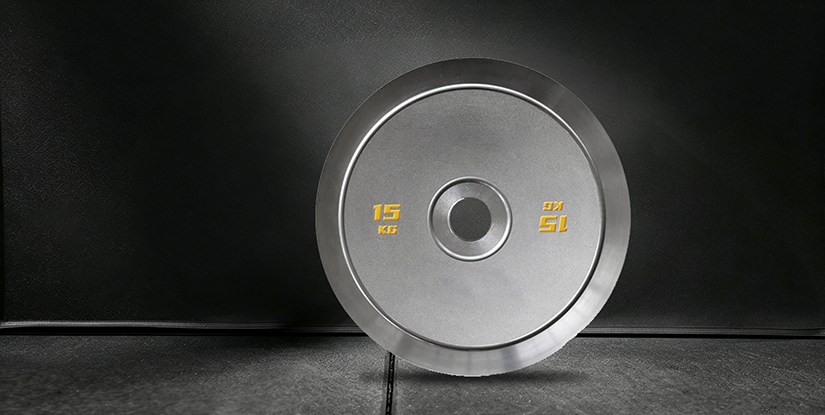
| Machined Steel | Casting & CNC Machining | Precision center hole | Premium Commercial | Higher MOQ for cost efficiency | Concentricity & mass check |
| Rubber Coated | Casting & Injection Molding | Encapsulation layer | High-End / Floor Protection | Variable based on volume | Coating adhesion & density |
When evaluating a commercial weight disc supplier, it is essential to ask how the weight tolerance is verified before the final export packaging. A reliable factory will not only perform a random sample check but will also utilize a systematic calibration step—often after the coating process—to ensure the final mass aligns with the specified weight class. This level of control protects your distributor margins by reducing the rate of returns and customer complaints regarding uneven loading during high-intensity training.
Ensuring Consistency Through Pre-Shipment QC
For an importer or a large-scale distributor, the true value of a partnership is measured by the consistency of the received goods. A reliable weight disc wholesale manufacturer does not rely solely on the initial casting accuracy; instead, they implement a multi-stage pre-shipment QC protocol. This process typically involves a final verification of the center hole concentricity and the thickness of the surface coating, as even minor imperfections in the encapsulation layer can lead to uneven weight distribution or premature wear in a commercial environment.
When you engage in fitness equipment wholesale manufacturing, your technical audit should focus on these final-stage inspection points. A high-quality supplier will verify that the weight variance across a single pallet remains within the industry-standard tolerance bands. By ensuring that every plate in a bulk order is calibrated and inspected for structural integrity, the factory helps you mitigate the risk of high return rates and protects your brand's reputation for providing professional-grade equipment. We recommend requesting a detailed specification sheet or a sample batch approval to confirm that these calibration standards align with your specific market requirements before finalizing your wholesale order.
Optimizing Your Supply Chain with a Weight Disc Wholesale Manufacturer
Selecting a professional weight disc wholesale manufacturer is a strategic decision that directly dictates your competitive advantage in the fitness distribution market. For distributors and importers, the goal extends beyond simple procurement; it is about securing a reliable commercial weight disc supplier that can provide consistent product specifications and predictable landed cost structures. By bypassing intermediaries and establishing a direct relationship with a China factory, you gain control over essential variables such as MOQ, production lead time, and the ability to scale your inventory according to seasonal demand or large-scale gym fit-out projects.
A common pitfall for many importers is failing to account for the total cost of ownership, often focusing solely on the unit price while overlooking the hidden expenses of poor quality. When you source bulk weight plates OEM services, you are not just buying metal; you are investing in a standardized production line that ensures every unit meets the weight tolerances required for commercial use. High-quality fitness equipment wholesale manufacturing minimizes the risk of costly returns, shipping damage, and client dissatisfaction, ultimately protecting your distributor margin and long-term brand reputation in the competitive North American market.
Sourcing Model Comparison: Factory-Direct vs. Trading Company
To maximize your profitability, you must decide whether to engage directly with a weight disc wholesale manufacturer or work through a trading company. While trading entities can offer a broader product catalog, a factory-direct approach provides the transparency and cost control necessary for high-volume wholesale operations. Understanding these differences is critical for optimizing your sourcing strategy and ensuring your landed cost remains competitive.
| Sourcing Model | Primary Advantage | Customization Capability | Typical MOQ | Quality Control (QC) | Shipping & Logistics |
|---|---|---|---|---|---|
| Factory-Direct | Lowest unit price and direct OEM control | High (Custom branding & specs) | Higher (Volume-based) | Direct oversight of production & pre-shipment | Efficient container loading optimization |
| Trading Company | Low initial volume requirements | Limited to existing stock items | Lower (Mixed SKU capability) | Indirect (Third-party inspection) | Simplified single-invoice consolidation |
For professional distributors, the factory-direct model is usually preferred for long-term growth. Although it may require a higher initial MOQ, the ability to implement ODM requests and direct QC protocols ensures that your commercial weight disc supplier produces items that meet your specific brand standards. This direct control is the most effective way to safeguard your distributor margin against unexpected quality failures or specification drifts.
Strategic Value of OEM and ODM Capabilities
To scale your market presence, your weight disc wholesale manufacturer must offer more than just standard inventory; they must provide robust OEM and ODM solutions. For distributors looking to build a premium brand identity, the ability to customize the coating type, weight tolerance bands, or even the center hole diameter is essential. Whether you are requesting a specialized rubber coating for floor protection or a custom logo plate for high-end boutique studios, a capable factory can integrate these specifications into the primary production workflow. This level of customization allows you to move away from generic commodities and toward a proprietary product line that commands higher market value.
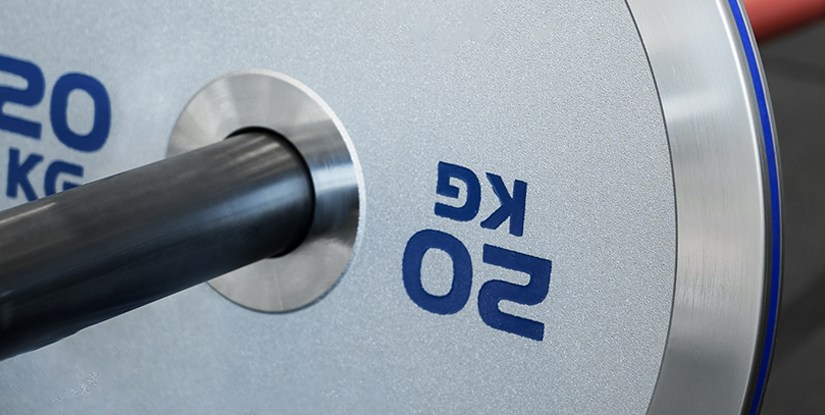
Effective fitness equipment wholesale manufacturing also requires a partner who understands the nuances of brand-specific requirements. When you utilize ODM services, you are leveraging the manufacturer's existing technical expertise to bring a unique product concept to your local market. This partnership ensures that your custom branding is not just a superficial layer, but a standard-compliant feature integrated during the casting or molding phase. By securing these high-value customization capabilities, you ensure a superior long-term ROI through increased customer loyalty and reduced replacement frequency in high-traffic commercial environments.
Custom Branding and OEM Capabilities for Global Distributors
For distributors and large-scale importers, moving beyond generic stock items is essential for building long-term market authority. Partnering with a professional weight disc wholesale manufacturer allows you to transition from a simple reseller to a recognized brand owner. Through OEM and ODM solutions, you can integrate your unique identity into the product lifecycle, ensuring your catalog stands out in a crowded commercial fitness market.
The strategic advantage of custom branding lies in the ability to control your brand identity and product perception. By utilizing private label manufacturing, you can request specific aesthetic details—such as custom logo embossing on cast iron surfaces or unique color schemes for urethane coatings—that align with your target market's premium expectations. This level of customization is a primary driver for market differentiation, allowing you to escape the price wars associated with unbranded, commodity-grade equipment.
Effective sourcing strategies must also account for the scaling of your product lines. A reliable commercial weight disc supplier provides the infrastructure to manage diverse product tiers, from entry-level cast iron sets to high-end competition plates. Depending on the complexity of your custom branding requirements and the specific material finishes requested, the MOQ and production lead times will vary. Working directly with a China factory ensures that your specifications are implemented at the source, protecting your distributor margin by reducing middleman markups and ensuring technical compliance from the initial casting stage through to final export packaging.
Technical Customization Tiers for Bulk Procurement
Selecting the right specification is a critical decision for any procurement lead. The choice between cast iron, rubber, or polyurethane (PU) coatings affects not only the aesthetic of your brand but also the long-term maintenance load and floor protection requirements of your end-users. When engaging in bulk weight plates OEM projects, it is vital to understand how material selection influences both the unit cost and the total cost of ownership for the commercial facility.
To assist in your technical evaluation, the following table outlines the standard industry tiers provided by a professional weight disc wholesale manufacturer. This comparison focuses on the relationship between material, surface finish, and the resulting commercial utility to help optimize your sourcing budget.
| Material Tier | Surface Finish Options | Key Component/Detail | Commercial Duty | MOQ Impact | Factory QC Point |
|---|---|---|---|---|---|
| Cast Iron | Powder Coating or Enamel | Embossed Logo / Knurling | Standard Commercial / Budget | Lower | Coating Adhesion |
| Rubber Coated | Vulcanized Rubber Layer | Internal Steel Core | High-Traffic Gyms | Medium | Encapsulation Integrity |
| Polyurethane (PU) | Smooth Urethane Finish | Precision Calibration | Premium / Competition | Higher | Weight Tolerance |
For high-end boutique studios or professional training centers, the precision of the branding method—whether it be deep-mold embossing for cast iron or high-durability printing for PU surfaces—must be verified during the pre-shipment stage. As a specialized fitness equipment wholesale manufacturing partner, our factory ensures that custom branding remains intact through rigorous handling and transport. We recommend requesting a sample approval or a technical spec sheet to confirm that your chosen finish meets the durability standards required for your specific regional market before finalizing your bulk order.
Pre-Shipment Inspection and Export Packaging Protocols
Maintaining strict quality control protocols is essential when sourcing from a weight disc wholesale manufacturer to ensure that bulk orders arrive at your warehouse without discrepancies. For distributors and large-scale gym operators, the risk of receiving plates with incorrect weight or surface defects can significantly impact landed costs and customer satisfaction. A professional commercial weight disc supplier must implement rigorous inspection stages before any container is sealed.
Standard operating procedures at a reliable China factory involve a systematic approach to verifying weight tolerance and surface integrity. Before palletization, technicians typically perform a weight tolerance spot-check on a randomized sample from each batch to ensure the units meet the agreed-upon specifications. This stage is critical because even slight deviations in casting or coating thickness can lead to non-compliance with commercial standards. Furthermore, a comprehensive fitness equipment wholesale manufacturing workflow includes a visual inspection of the coating adhesion and the concentricity of the center hole to prevent any structural or aesthetic issues during high-volume usage.
Beyond product accuracy, shipping damage prevention is a major factor in protecting your distributor margins. High-density weight plates are heavy and prone to impact damage during sea freight if not secured correctly. A professional bulk weight plates OEM process utilizes reinforced export-grade packaging, including heavy-duty pallets, corner protectors, and shrink wrapping, to stabilize the load within the shipping container. By prioritizing these pre-shipment steps, importers can minimize the risk of damaged goods and ensure that their inventory remains in premium condition upon arrival.
To ensure maximum durability during long-distance sea freight, the palletization process must follow strict industrial standards. Standard shipping protocols involve placing plates in heavy-duty, reinforced cardboard boxes or customized steel rings, followed by meticulous stacking to prevent shifting. Each pallet is typically secured with multiple layers of heavy-duty shrink wrap and edge protectors to maintain structural integrity throughout the transit. This level of protection is a hallmark of a professional weight disc wholesale manufacturer, as it directly reduces the incidence of dented edges or cracked coatings during container handling.
Effective moisture protection is another critical layer in the fitness equipment wholesale manufacturing workflow. To prevent oxidation or rust on bare iron or phosphate-treated surfaces, high-quality manufacturers often include moisture-absorbing silica packets or utilize specialized vapor-barrier films within the palletized units. This attention to detail ensures that the products arriving at your distribution center are ready for immediate retail or gym installation without the need for costly cleaning or refurbishment. For buyers managing large-scale imports, these standardized export packaging protocols are essential for maintaining predictable lead times and protecting the overall landed cost of the shipment.
Packaging Standard vs. Shipping Mode
Procurement managers must evaluate how shipping methods influence both the safety of the cargo and the total landed cost. Choosing the wrong configuration can lead to damaged edges or coating failures, which directly reduces your distributor margins. The following table provides a technical comparison of standard packaging protocols used by a professional commercial weight disc supplier to assist in your logistics planning.
| Packaging Standard | Shipping Mode | Protection Level | Cost Impact |
|---|---|---|---|
| Standard reinforced cardboard & palletization | Sea Freight (LCL/FCL) | High (Industrial Grade) | Optimized for bulk efficiency |
| Heavy-duty steel ring or reinforced crate | Sea Freight (Long-haul) | Maximum (Impact Resistant) | Higher freight stability/lower damage risk |
| Lightweight protective film & single box | Air Freight | Medium (Standard) | Higher per-unit shipping cost |
| Customized pallet with edge protectors | Express/Courier | High (Short-term) | Premium handling requirement |
When managing a bulk weight plates OEM order, we recommend prioritizing sea freight with reinforced palletization for large-scale inventory replenishment. This method offers the most predictable landed cost for heavy iron or rubber-coated products. For smaller, urgent shipments, ensure your weight disc wholesale manufacturer provides specialized corner protection to mitigate the vibrations typical of air transport. Always confirm the specific packaging requirements and weight limits with your contact during the initial sourcing phase to prevent unexpected logistics expenses.