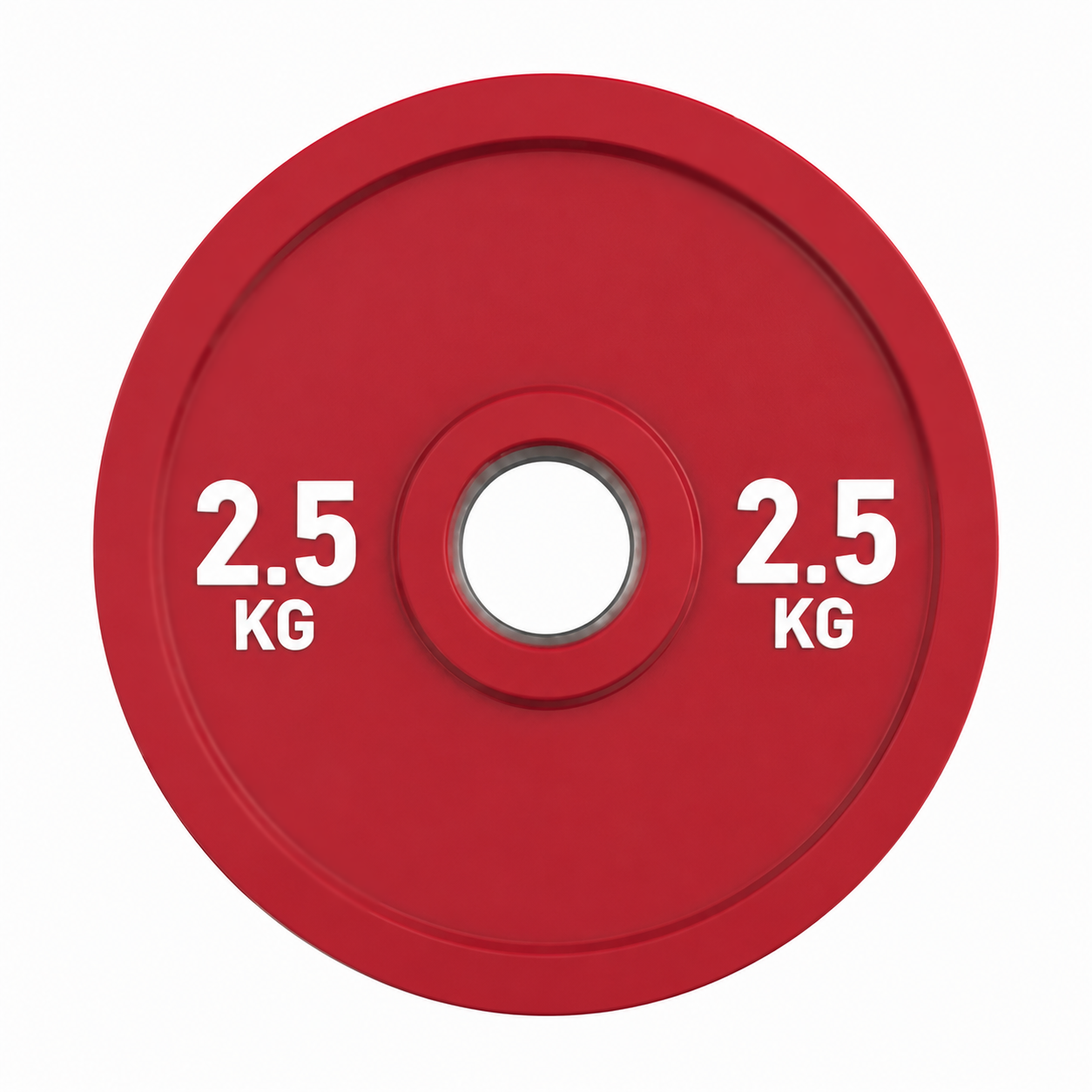
Olympic Plate Bulk Supplier: Export Wholesale Factory Supply
Strategic Sourcing for Olympic Plate Bulk Supplier Requirements
For large-scale facility operators, such as multi-location commercial gym chains or regional fitness distributors, managing inventory through fragmented retail channels leads to inconsistent weight tolerances and high landed costs. An experienced olympic plate bulk supplier ensures that high-volume orders meet the rigorous durability standards required for high-traffic environments. Whether you are outfitting a new warehouse or replenishing stock for a professional studio, factory-direct sourcing provides the scale and specification control necessary to maintain long-term operational efficiency.
Procuring through a commercial weight plate manufacturer allows buyers to move beyond consumer-grade products and secure equipment designed for professional throughput. For distributors, managing wholesale olympic plates involves more than just price; it requires a supplier capable of handling complex olympic plate bulk purchase logistics, ensuring that every batch maintains the same dimensional integrity and coating adhesion standards. By working with a specialized China factory, procurement leads can optimize their MOQ and lead times while securing OEM or ODM capabilities to strengthen their own brand identity in the competitive fitness market.
Material and Coating Selection for Commercial Durability
When evaluating long-term total cost of ownership (TCO), the choice between metal types and surface treatments determines how frequently a facility must replace damaged or worn inventory. Professional buyers must select materials based on the specific use case—whether it is high-impact training for heavy lifting or high-frequency turnover in a general fitness studio. A reliable olympic plate bulk supplier will provide technical clarity on how casting methods and coating layers affect both the weight tolerance and the surface durability of the finished product.
For high-traffic environments, the coating process is as critical as the core material. While bare iron is cost-effective for certain industrial or vintage-style setups, it requires more frequent maintenance to prevent oxidation. In contrast, professional-grade rubberized or PU coatings offer better floor protection and noise reduction, which are vital for reducing facility maintenance loads. Understanding these technical distinctions is essential for any successful olympic plate bulk purchase intended for long-term commercial deployment.
| Material Type | Manufacturing Process | Surface Finish | Commercial Duty Tier | MOQ Impact | Factory QC Point |
|---|---|---|---|---|---|
| Cast Iron | Sand Casting & Machining | Powder Coating or Paint | Budget / Standard Commercial | Lower | Bore concentricity & surface flatness |
| Rubber Coated | Molding or Vulcanization | High-Density Rubber Layer | Premium / High-Traffic Gym | Moderate | Coating adhesion & thickness uniformity |
| Polyurethane (PU) | Injection or Dip Coating | Smooth PU Finish | Elite / Professional Studio | Higher | Weight tolerance & color consistency |
| Steel Core | Machined Steel Hub | Chrome or Specialized Coating | Competition / High-End | Highest | Bore precision & edge smoothness |
Selecting the right specification helps distributors optimize their margins by reducing after-sales replacement requests. When negotiating with a commercial weight plate manufacturer, we recommend requesting samples of the coating adhesion and the bore finish to ensure they meet your specific brand standards. This level of scrutiny during the initial sourcing phase prevents costly shipping of substandard units and ensures your wholesale olympic plates shipment arrives ready for immediate professional use.
Logistics, Inspection, and Export Efficiency
Large-scale procurement requires more than just selecting the correct material; it demands a robust logistical framework to manage shipping volumes and reduce the risk of transit damage. For distributors and facility operators, the final landed cost is heavily influenced by how efficiently the olympic plate bulk supplier manages container loading and export packaging. Inefficient palletization or inadequate protection can lead to surface scuffing or deformed edges, increasing the burden of returns and local replacement costs.
To ensure seamless international delivery, a professional China factory utilizes standardized export packaging, often involving heavy-duty corrugated boxes or reinforced pallets designed to withstand the mechanical stresses of sea freight. We recommend that buyers verify the specific packaging protocols during the sourcing phase. A high-tier commercial weight plate manufacturer should offer detailed pre-shipment documentation, including weight verification and a clear breakdown of the loading plan to optimize container space. This level of transparency allows you to better predict your arrival timelines and manage warehouse readiness upon the shipment's arrival.
Before the final dispatch, a rigorous QC process is essential to verify that the bulk order meets the pre-approved sample standards. This includes a visual check for coating adhesion, a measurement of the inner bore concentricity, and a weight tolerance spot-check across the batch. For complex olympic plate bulk purchase orders, we suggest booking a third-party or factory-led pre-shipment inspection. This proactive step ensures that every unit in your wholesale olympic plates shipment is ready for high-traffic deployment, protecting your margins and your brand's reputation for quality.
Material Standards and Manufacturing Processes for Commercial Weight Plates
When establishing a long-term procurement strategy, selecting a reliable olympic plate bulk supplier involves more than just comparing price points; it requires a deep understanding of material durability and how manufacturing precision affects long-term TCO. For distributors and gym operators, the difference between a high-quality commercial weight plate manufacturer and a low-tier production facility is often found in the structural integrity and the longevity of the surface finish.
Standard wholesale olympic plates are typically produced using one of several manufacturing routes, such as sand casting or precision machining, to ensure weight consistency and structural stability. The choice between cast iron, rubber-coated, or PU-encapsulated units significantly impacts your landed cost and the frequency of replacement cycles in high-traffic commercial environments.
| Material Type | Primary Process | Key Component/Finish | Commercial Duty Tier | Procurement Impact |
|---|---|---|---|---|
| Cast Iron | Sand Casting & Machining | Powder Coating | Budget/Standard | Lowest TCO for high-volume wholesale |
| Rubber Bumper | Compression Molding | High-Density Rubber | Premium/Performance | Optimized for floor protection and noise |
| Urethane/PU | Injection/Dip Coating | Polyurethane Layer | Elite/Professional | Highest durability for high-end studios |
Selecting the right olympic plate bulk purchase options requires evaluating how each material handles constant impact. For instance, a high-quality China factory will typically implement a multi-step process involving casting, followed by CNC machining for the center bore to ensure concentricity, and finishing with a robust powder coating or specialized molding to prevent chipping or delamination during heavy use.
Technical Manufacturing and Quality Control Specifications
Precision in the manufacturing sequence is a non-negotiable factor for professional buyers. A reliable olympic plate bulk supplier ensures that the production workflow follows a strict path—from raw material casting to final calibration—to minimize the risk of uneven weight distribution or bore misalignment. For high-volume wholesale orders, understanding these technical nuances helps in auditing a potential partner's ability to meet global commercial standards.
In many commercial settings, the center bore is the most critical component for mechanical safety. A professional commercial weight plate manufacturer will typically utilize CNC machining after the initial sand casting phase. This ensures the concentricity of the Olympic collar fit, preventing the plate from wobbling or unevenly wearing down the barbell sleeves during heavy lifting sessions. For high-end distributors, verifying the precision of the center hole and the adhesion of the outer coating is essential for maintaining a premium brand image.
During the pre-shipment stage, a reputable China factory performs specific QC checkpoints to ensure the shipment meets the buyer's specifications. This includes a weight tolerance spot-check to ensure every plate in the batch adheres to the declared mass, and a visual inspection of the surface finish—whether it be powder coating or rubber encapsulation—to identify any potential delamination or chipping. These rigorous steps are vital for reducing the frequency of after-sales claims and ensuring a stable landed cost for the importer.
Optimizing Inventory with Wholesale Olympic Plates
For distributors and large-scale gym operators, the ability to maintain high stock levels without compromising cash flow is critical. Sourcing from a professional olympic plate bulk supplier allows you to balance volume requirements with manageable capital expenditure. By working directly with a China factory, importers can secure predictable MOQ tiers that align with their warehouse capacity and regional demand cycles.
Managing a diverse product catalog requires precision in understanding the landed cost of every unit. When you engage in wholesale olympic plates procurement, the goal is to reduce the total cost of ownership through efficient shipping densities and optimized packaging. A specialized commercial weight plate manufacturer understands that high-volume orders must account for container loading efficiency to maximize your distributor margin. Efficient inventory turnover is achieved not just by sales speed, but by selecting products that minimize replacement needs and shipping damage during transit.
Strategic olympic plate bulk purchase planning involves more than just selecting a supplier; it requires a deep dive into sourcing timelines and lead time reliability. Whether you are developing a private label line or stocking a standard commercial catalog, understanding the interplay between production cycles and global logistics ensures your warehouse remains a revenue-generating asset rather than a stagnant cost center.
Selection Matrix for Commercial Tiering
To maximize your ROI and avoid the high costs of product returns or client dissatisfaction, you must select the specific plate type that matches your target market's durability requirements. Choosing the wrong grade can lead to increased maintenance loads or premature wear, impacting your long-term reputation. A professional olympic plate bulk supplier provides diverse material options to ensure your inventory fits your specific commercial niche, whether it is a budget-friendly studio or a high-end performance center.
| Material | Process | Key Component | Commercial Application | MOQ Impact | Factory QC Point |
|---|---|---|---|---|---|
| Cast Iron | Sand Casting | Bore concentricity | Standard commercial gyms | Low | Flatness of base |
| Rubber Coated | Steel Core + Vulcanization | Bond line adhesion | High-traffic training centers | Medium | Coating thickness |
| Polyurethane (PU) | Steel Core + PU Molding | Encapsulation layer | Premium fitness clubs | High | Surface smoothness |
| Machined Steel | CNC Machining | Precision bore fit | Competition/Performance | High | Weight tolerance spot-check |
When evaluating your next olympic plate bulk purchase, use this matrix to align your sourcing strategy with your business model. For instance, high-volume distributors often prioritize cast iron for its lower landed cost, while premium brands may require the precision of a commercial weight plate manufacturer specializing in high-end coatings. Always confirm the specific QC protocols for bore concentricity and coating adhesion with your supplier before finalizing your order to ensure consistent quality across all batches.
Logistics and Quality Control Standards for Global Export
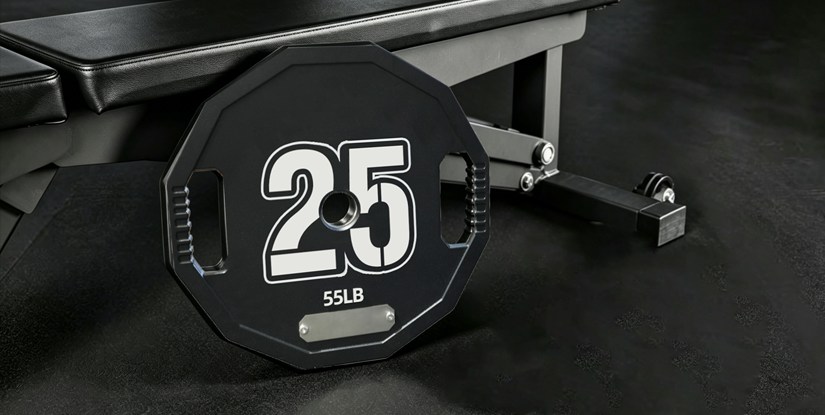
Successful bulk procurement depends on the reliability of the pre-shipment process. A professional olympic plate bulk supplier does not merely ship goods; they manage a rigorous sequence of production and logistics to protect your distributor margin. From the initial casting and CNC machining stages to final weight calibration, every step must be verified to prevent the high costs of returns and client dissatisfaction. When sourcing from a China factory, the goal is to ensure that the product arriving at your warehouse matches the exact specifications of the approved sample.
A comprehensive pre-shipment QC protocol is essential for maintaining the high standards of a commercial weight plate manufacturer. During the inspection phase, technical teams typically focus on critical technical metrics such as bore concentricity, the smoothness of the surface finish, and the strength of the bond line adhesion for coated models. These checks ensure that the weight tolerance remains within industry-standard limits, preventing the functional discrepancies that often plague low-tier imports. By requiring these specific inspections, you mitigate the risk of receiving a shipment that fails to meet the durability requirements of professional gym environments.
Beyond the physical product, the efficiency of your olympic plate bulk purchase is heavily influenced by export packaging and container loading optimization. High-density packaging is required to protect the integrity of the metal and coatings during long-distance ocean freight. A capable supplier will provide robust, reinforced packaging solutions that prevent denting or surface oxidation. For buyers utilizing OEM or ODM services, coordinating the container loading plan with the factory allows for maximizing space efficiency, which directly lowers your landed cost and improves your overall supply chain ROI.
Quality Control and Pre-Shipment Inspection for China Factory Exports
For professional distributors and gym equipment importers, the primary risk in overseas procurement is the arrival of a defective batch that compromises brand reputation and increases landed costs. Relying on a reputable olympic plate bulk supplier ensures that every unit undergoes standardized testing before leaving the China factory. Without rigorous inspection, issues such as uneven weight distribution or poor surface adhesion can lead to high replacement costs and diminished profit margins for your distribution business.
A professional commercial weight plate manufacturer mitigates these risks by implementing strict inspection protocols that cover the entire production-to-export sequence. This process typically begins with raw material verification, followed by casting, precision machining of the center bore, and finally, the application of the surface finish. For wholesale olympic plates, quality control is not just about the final weight, but also the structural integrity and dimensional accuracy of each component.
High-volume olympic plate bulk purchase orders require a multi-stage verification process to ensure long-term commercial durability. A standard QC workflow includes:
- Bore Concentricity Check: Verifying that the center hole is perfectly centered to ensure a smooth fit on Olympic barbells.
- Weight Tolerance Verification: Spot-checking units against industry-standard weight classes to ensure consistency across the batch.
- Surface Finish Inspection: Examining the powder coating or rubber encapsulation for adhesion quality and thickness.
- Flatness Testing: Ensuring the face of the plate is level to prevent wobbling during high-intensity use.
When managing your sourcing strategy, always confirm with your supplier whether they allow third-party pre-shipment inspections. This step is critical for large-scale OEM or ODM orders to ensure the finished goods meet your specific technical requirements before they are loaded into containers for export.
Export Packaging and Container Loading Optimization
Effective logistics management is a critical component of the total landed cost when finalizing an olympic plate bulk purchase. Because weight plates are high-density, heavy-duty items, the structural integrity of the export packaging directly impacts whether your shipment arrives in retail-ready condition or suffers from transit-related damage. A professional olympic plate bulk supplier does not merely use standard boxes; they implement a systematic approach to protection and space efficiency.
To protect your investment, a reliable commercial weight plate manufacturer typically follows a tiered packaging protocol. For high-volume wholesale olympic plates, this includes heavy-duty corrugated cartons or reinforced wooden crates designed to withstand the pressure of stacking. We focus on two key areas: protecting the surface finish and optimizing the internal volume of the shipping container.
For large-scale olympic plate bulk purchase orders, we utilize professional palletization and container loading strategies to maximize your ROI. This includes:
- Structural Palletization: Using reinforced pallets and heavy-duty strapping to prevent shifting during sea freight transit.
- Edge Protection: Implementing corner protectors and high-density foam buffers to prevent impact damage to the coating or edges.
- Shipping Container Optimization: Strategic placement of weight to ensure even distribution within the container, preventing damage to the vessel or the goods themselves.
- Moisture Control: Utilizing desiccants and moisture-resistant wrapping to protect metal surfaces from oxidation during long-distance ocean transport.
For distributors managing complex sourcing requirements, we recommend requesting a detailed packaging specification sheet during the quote stage. Confirming the pallet dimensions and the total weight per container allows you to accurately calculate your shipping costs and warehouse receiving requirements before the production lead time begins. Once the specifications are approved, we can proceed with your OEM or ODM order to ensure a seamless transition from the factory to your local distribution center.
Standardized Inspection Tiers for Commercial Procurement
To streamline your sourcing process, it is essential to understand the qualitative differences between production tiers. A professional olympic plate bulk supplier will provide clear distinctions between production grades to ensure the product matches your specific market positioning. Whether you are procuring for a high-end fitness club or a budget-friendly distribution network, aligning your order with the correct material and process specification is vital for controlling your landed cost and maintaining customer satisfaction.
The following table outlines the typical differences in manufacturing standards between various commercial tiers. Use this as a reference when negotiating MOQ and technical specifications with your China factory to ensure the final product meets your brand identity requirements.
| Material Tier | Primary Process | Key Component Focus | Commercial Grade Application | MOQ Impact | Factory QC Point |
|---|---|---|---|---|---|
| Cast Iron | Sand Casting & Powder Coating | Base Flatness & Surface Adhesion | Standard Commercial Gyms | Lower | Surface Thickness |
| Machined Steel | CNC Machining & Calibration | Bore Concentricity & Precision Fit | Premium Training Facilities | Moderate | Bore Centering |
| Urethane/Rubber | Molding & Vulcanization | Bond Line Adhesion & Edge Durability | High-Traffic Professional Centers | Higher | Encapsulation Integrity |
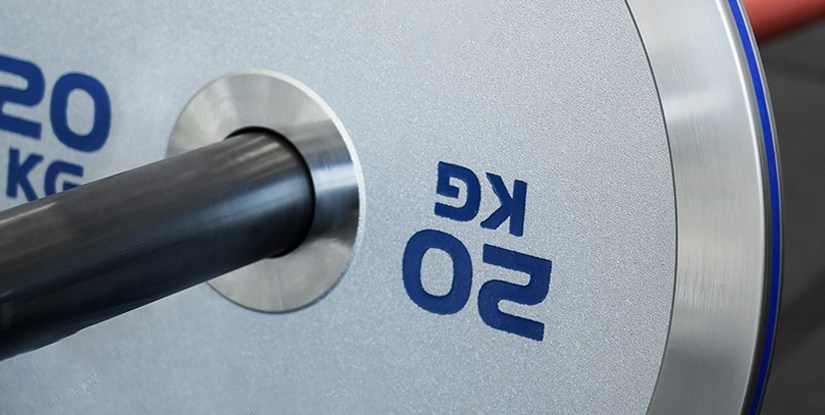
When evaluating a commercial weight plate manufacturer, we recommend requesting a sample or a detailed technical data sheet for your specific tier. For wholesale olympic plates, it is standard practice to confirm the specific weight tolerance and surface treatment methods before the production run begins. Once your sample is approved, you can proceed with your OEM or ODM order, knowing that the manufacturing output aligns with your quality benchmarks.
Custom Branding and OEM/ODM Capabilities for Importers
Establishing a recognizable brand identity is a critical strategic move for distributors and large-scale gym operators looking to differentiate themselves in a saturated market. Partnering with a professional olympic plate bulk supplier allows you to move beyond generic sourcing toward a specialized private label model. Whether you are launching a boutique studio line or supplying a regional fitness chain, our China factory provides the technical infrastructure to transform standard weight plates into branded assets that command higher market value.
The depth of our OEM and ODM services is designed to accommodate varying levels of customization, from subtle logo integration to fully bespoke plate designs. For high-volume wholesale olympic plates orders, we offer two primary methods of branding: precision casting and high-durability printing. Casting the logo directly into the mold of the iron or steel ensures the brand mark is permanent and resistant to the wear and tear of heavy commercial use. For a more contemporary aesthetic, we can utilize industrial-grade paint or specialized coatings for surface-level logo application, which is a common choice for premium commercial gym branding requirements.
Understanding the MOQ for these custom services is essential for effective procurement planning and inventory management. While standard stock items allow for faster turnaround, customized custom branding projects typically require a higher volume commitment to offset the initial setup costs of new molds or specialized coating lines. By coordinating with your supplier during the early stages of your olympic plate bulk purchase, you can align your design specifications with our production lead times to ensure a seamless transition from concept to container loading.
Technical Execution of Custom Specifications
To ensure high-fidelity branding, our technical workflow begins at the foundational stage of production. For premium clients, the process starts with sand casting, where the brand logo is integrated directly into the casting mold. This method ensures that the logo is an integral part of the plate's structure, offering permanent durability that standard printing cannot match. For more refined designs, we utilize CNC machining to ensure the bore and outer circumference meet strict concentricity standards before any surface treatment is applied. This precision is vital for maintaining the high weight tolerance expected in professional strength environments.
Once the base shape is finalized, we move to advanced surface finishing to meet your specific aesthetic or protective requirements. Our factory utilizes an automated powder coating line to provide a consistent, heavy-duty finish that resists chipping and oxidation. This process allows for a wide range of custom color options, enabling distributors to match their brand identity to a specific color palette. For high-end applications, the integration of a PU coated or rubberized layer is executed through a controlled molding process, ensuring excellent coating adhesion and long-term durability. We recommend that buyers confirm all technical specifications and color samples during the pre-shipment stage to ensure the final product aligns with your brand's market positioning.
Customization Tier Comparison for Procurement Planning
Selecting the appropriate level of customization is a strategic decision that impacts your total landed cost and long-term branding strength. As a professional olympic plate bulk supplier, we provide tiered options to help you balance initial investment with the level of market differentiation required for your specific commercial segment.
| Customization Level | Branding Method | Typical MOQ | Branding Depth | Lead Time Impact | Best For |
|---|---|---|---|---|---|
| Standard Wholesale | Existing Mold / Color Selection | Low | Minimal (Standard Logo) | Minimal | General distribution and fitness retail |
| Enhanced Branding | Precision Painting / Decal Application | Medium | Moderate (Visual Identity) | Moderate | Studio chains and specialized gym setups |
| Full Private Label | Direct Mold Casting / Custom CNC | High | Maximum (Integral Brand Identity) | Significant | Premium commercial brands and global importers |
When planning an olympic plate bulk purchase, we recommend reviewing these tiers against your projected distributor margins. For instance, opting for full ODM services with custom mold casting provides the highest level of brand permanence but necessitates a higher MOQ and a longer production window to account for mold engineering and testing. Conversely, standard wholesale olympic plates allow for much faster fulfillment and lower entry costs, making them ideal for rapid stock replenishment. We suggest requesting a detailed quote and sample approval for your chosen tier to ensure all material and branding specifications meet your quality control standards before final production.
Evaluating Total Cost of Ownership in Bulk Procurement
For professional importers and distributors, selecting an olympic plate bulk supplier involves more than comparing the initial unit price. In a high-traffic commercial gym setting, the true expense is defined by the landed cost and the long-term durability of the equipment. A low-cost order that requires frequent replacement or high maintenance due to poor construction significantly increases the total cost of ownership (TCO) and disrupts operational efficiency.
When managing a wholesale olympic plates budget, procurement specialists must weigh the upfront savings against potential failure modes, such as coating peeling or dimensional inconsistencies. A reliable commercial weight plate manufacturer provides value by delivering products that maintain their structural integrity and aesthetic appeal through years of heavy use. This strategic approach ensures that your olympic plate bulk purchase serves as a long-term asset rather than a recurring expense, protecting your profit margins and equipment replacement cycles.
Qualitative Procurement Tiers for Commercial Volume
To optimize your procurement strategy, it is essential to understand how material selection and manufacturing precision impact your long-term ROI. Below is a qualitative comparison designed for distributors and gym owners evaluating different sourcing tiers. This table highlights why a premium olympic plate bulk supplier provides better value through reduced replacement frequency and consistent performance.
| Material & Process | Key Component/Detail | Commercial Duty Tier | Landed Cost Impact | Typical Factory QC Point |
|---|---|---|---|---|
| Cast Iron / Sand Casting | Bore concentricity & flatness | Standard/Entry-Level | Lowest initial wholesale cost | Surface pitting & weight tolerance |
| Steel with Powder Coating | Coating adhesion & thickness | Mid-Tier Commercial | Moderate (balanced ROI) | Coating peel & edge smoothness |
| High-Grade Steel / PU Molding | Bond line & rubber/PU encapsulation | Premium/High-Traffic | Higher upfront sourcing investment | Encapsulation integrity & bounce rate |
When executing an olympic plate bulk purchase, the divergence in surface integrity becomes evident over time. While budget-grade options may offer immediate savings, they often suffer from rapid oxidation or uneven weight distribution. In contrast, sourcing from a professional commercial weight plate manufacturer ensures that critical components, such as the Olympic collar fit and the outer coating layer, meet industry-standard durability for high-volume environments. We recommend requesting a sample or a technical spec sheet to verify the manufacturing route and weight calibration before finalizing your high-volume order.
Optimizing Logistics and Replacement Cycles
A critical factor in the olympic plate bulk purchase decision is the mitigation of hidden costs through optimized logistics and superior quality control. When sourcing directly from a factory, buyers can bypass the markups of secondary traders and gain direct control over the entire supply chain. This includes monitoring the lead time for production, ensuring the China factory adheres to strict pre-shipment inspection protocols, and verifying that export packaging is robust enough to withstand long-distance maritime transit without damage.
Effective sourcing also involves planning for the long-term lifecycle of the product. Relying on a commercial weight plate manufacturer that utilizes consistent casting and precision machining reduces the frequency of replacement costs caused by dimensional errors or uneven surfaces. By prioritizing items with high coating adhesion and precise bore concentricity, distributors can ensure a lower total cost of ownership. We invite procurement leads to contact us to discuss your specific MOQ, request a formal quotation for your volume requirements, or arrange for a sample evaluation to confirm our manufacturing standards meet your commercial specifications.