Bumper Plate Foundry: Cast Iron vs Rubber Material Options
Bumper Plate Foundry: Material Selection for Commercial Durability
Many procurement leads fail to distinguish between surface-level aesthetics and structural integrity, leading to high replacement costs and diminished commercial durability. While some importers focus solely on low unit prices, professional sourcing requires evaluating the core density of the bumper plate foundry output to ensure long-term procurement ROI. Selecting the wrong material profile can result in premature cracking or uneven wear, which increases maintenance overhead for distributors and facility operators.
In the context of commercial weight plate manufacturing, the engineering distinction between cast iron and rubberized options defines the product's lifecycle. A high-standard China factory typically offers these as two distinct tiers: a rigid, high-density core for stability and a resilient outer layer for impact absorption. Understanding these technical specifications is essential for wholesale gym equipment sourcing to ensure the landed cost aligns with the intended usage intensity of the end-user facility.
Engineering Specifications and Material Comparison
When evaluating inventory for a professional facility, buyers must assess how the manufacturing route affects the final weight tolerance and impact response. The following table outlines the qualitative differences between the two primary production standards used in high-volume export.
| Material Type | Core Process | Key Component | Commercial Duty | MOQ Impact | Factory QC Point |
|---|---|---|---|---|---|
| Cast Iron Base | Sand Casting | Density Core | Standard Commercial | Lower | Weight Tolerance |
| Rubberized Bumper | Injection/Molding | Impact Layer | Premium/High-Impact | Higher | Bonding Adhesion |
For high-volume distributors, the technical choice between a rigid core and a resilient exterior directly affects the total cost of ownership. A standard bumper plate foundry produces two distinct profiles: a high-density cast iron base for stability and a specialized outer layer for shock absorption. Choosing the correct profile during wholesale gym equipment sourcing ensures that the equipment meets the specific impact requirements of the end-user facility, whether it is a high-traffic strength club or a specialized training studio.
The manufacturing route for these plates involves several critical stages to ensure professional-grade performance. For cast iron variants, the process typically begins with sand casting, followed by precision machining to ensure concentricity. For rubberized versions, the process integrates a core with a high-quality outer layer, such as a PU coating or a heavy-duty rubber molding. When managing commercial weight plate manufacturing, it is vital to verify that the surface finish—whether it is a powder coating for iron or a specialized encapsulation for rubber—is applied with consistent adhesion to prevent peeling under heavy use.
To optimize your procurement strategy, we recommend requesting a full specification sheet from your supplier to confirm the exact material layers and the specific manufacturing sequence used for your order. If you are looking to develop a private label line, please contact us to discuss custom branding options, specific weight tolerances, and how to adjust the MOQ to suit your distribution model.
For high-volume distributors, the technical choice between a rigid core and a resilient exterior directly affects the total cost of ownership. A standard bumper plate foundry produces two distinct profiles: a high-density cast iron base for stability and a specialized outer layer for shock absorption. Choosing the correct profile during wholesale gym equipment sourcing ensures that the equipment meets the specific impact requirements of the end-user facility, whether it is a high-traffic strength club or a specialized training studio.
The manufacturing route for these plates involves several critical stages to ensure professional-grade performance. For cast iron variants, the process typically begins with sand casting, followed by precision machining to ensure concentricity. For rubberized versions, the process integrates a core with a high-quality outer layer, such as a PU coating or a heavy-duty rubber molding. When managing commercial weight plate manufacturing, it is vital to verify that the surface finish—whether it is a powder coating for iron or a specialized encapsulation for rubber—is applied with consistent adhesion to prevent peeling under heavy use.
To optimize your procurement strategy, we recommend requesting a full specification sheet from your supplier to confirm the exact material layers and the specific manufacturing sequence used for your order. If you are looking to develop a private label line, please contact us to discuss custom branding options, specific weight tolerances, and how to adjust the MOQ to suit your distribution model.
Comparing Cast Iron and Rubberized Options in the Bumper Plate Foundry
When evaluating material selection at the bumper plate foundry, professional buyers must balance initial procurement costs against long-term facility maintenance. Selecting the correct material profile is a critical decision for commercial gym durability, as it directly impacts the TCO (Total Cost of Ownership) and the lifespan of your flooring assets. Whether you are managing a high-traffic strength facility or a specialized lifting studio, understanding these engineering distinctions is vital for wholesale gym equipment sourcing.
The distinction between these two options lies primarily in energy dissipation and structural density. Cast iron plates are typically produced via sand casting, offering a dense, compact profile that is ideal for space-efficient storage and high-density strength training. Conversely, rubberized options utilize a specialized molding or dipping process to encapsulate the core, providing superior impact absorption for high-velocity movements. For distributors managing high-volume procurement, the choice between these materials often depends on the specific training environment and the required durability of the surrounding gym infrastructure.
| Material Type | Core Manufacturing Process | Primary Benefit | Commercial Durability Tier | Impact Absorption | Procurement Focus |
|---|---|---|---|---|---|
| Cast Iron | Sand Casting & Machining | High density and space efficiency | Standard Commercial | Low (Requires Mats) | Budget-friendly / High ROI |
| Rubberized Bumper | Injection Molding or Dip Coating | Floor and equipment protection | Premium Commercial | High (Shock Resistant) | Longevity / High-Traffic Use |
| Steel/Hybrid | Machined Steel & Coating | Precision and slim profile | Elite / Competition | Moderate | Specialized Strength Training |
Engineering Specifications and Sourcing Variables
Effective commercial weight plate manufacturing requires a deep understanding of how material density and surface treatment affect the end-user experience and the distributor's bottom line. For instance, a high-quality bumper plate foundry does not merely cast shapes; they manage the complex relationship between the inner core and the outer protective layer. This is especially true when navigating wholesale gym equipment sourcing, where the difference between a budget-tier cast iron plate and a premium rubberized bumper plate can significantly alter your landed cost and long-term replacement cycles.
From a procurement standpoint, the choice between these materials also dictates your logistical planning. A specialized factory will often have different MOQ requirements depending on whether you are ordering standard stock cast iron or requesting a custom OEM rubberized injection molding run. Buyers should also consider the impact on shipping volumes; rubberized plates, while more durable for high-impact zones, typically have a larger volume-to-weight ratio than dense cast iron, which can influence container loading efficiency and total freight costs during export.
| Material Type | Manufacturing Process | Surface Finish | Impact Resistance | Maintenance Level | MOQ Impact | Factory QC Point |
|---|---|---|---|---|---|---|
| Cast Iron | Sand Casting & Machining | Powder Coating or Enamel | Low (Hard Surface) | Low (Periodic Cleaning) | Standard/Lower | Bore concentricity & weight spot-check |
| Rubberized Bumper | Injection Molding or Dip | High-Density Rubber/PU | High (Shock Absorbent) | Moderate (Surface Wear) | Higher for Custom Colors | Coating adhesion & edge bonding |
To ensure the highest quality for your bulk order, we recommend a formal request for a technical spec sheet or a sample evaluation. Our supplier team can provide detailed documentation regarding the specific molding or casting methods used, as well as our pre-shipment inspection protocols to verify that every unit meets your commercial durability standards.
Manufacturing Processes and Precision Calibration Standards
Understanding the technical divergence between casting and molding is critical for distributors managing long-term inventory value. A professional bumper plate foundry must manage two distinct production paths: traditional metal casting for structural density and advanced molding for impact absorption. For high-volume wholesale gym equipment sourcing, the choice between these methods dictates the total cost of ownership and the replacement frequency of your stock.
In commercial weight plate manufacturing, precision is not merely a preference but a requirement for professional-grade equipment. The production of high-end bumper plates typically involves a multi-stage sequence starting with a robust casting or molding phase, followed by rigorous machining to ensure the center bore remains perfectly concentric. Without strict precision calibration, even minor deviations in thickness or bore alignment can lead to uneven wear on barbell sleeves, increasing maintenance costs for your end-users and reducing the lifespan of the entire weight set.
For procurement leads, selecting a factory that utilizes standardized calibration protocols ensures that every unit in a bulk shipment meets the same structural integrity. Whether you are sourcing through a China factory for budget-conscious commercial lines or premium competition-spec units, the reliability of the weight distribution depends entirely on the technical consistency of the manufacturing line.
Material and Process Comparison for Commercial Procurement
When evaluating a bumper plate foundry, the distinction between material density and impact management is the primary driver of long-term ROI. For distributors and gym owners, the decision between cast iron and rubberized profiles is a trade-off between initial landed cost and operational longevity. A professional China factory will typically offer these as two distinct production lines to meet different market tiers.
The following table outlines the technical variables that impact your wholesale gym equipment sourcing strategy, focusing on how material selection influences maintenance and durability in high-traffic commercial environments.
| Material Type | Manufacturing Process | Key Component/Feature | Commercial Duty Tier | MOQ Impact | Factory QC Point |
|---|---|---|---|---|---|
| Cast Iron | Sand Casting & Machining | Precision Center Bore | Budget/Standard Commercial | Lower (High Volume) | Weight Tolerance Spot-check |
| Rubberized/PU | Compression Molding | Encapsulation Layer | Premium/High-Impact | Higher (Specialized) | Coating Adhesion & Edge Bonding |
| Steel Core | CNC Machining | Concentricity/Balance | Competition/Professional | Variable (Precision-driven) | Bore Alignment & Flatness |
For those engaged in commercial weight plate manufacturing, understanding these variables prevents the common pitfall of over-investing in high-maintenance materials for budget-tier clients, or conversely, under-specifying for high-impact facilities. When negotiating with a supplier, always confirm the specific calibration steps used for the center bore and the thickness of the outer coating to ensure the products meet your local commercial standards.
Standardized Pre-Shipment QC and Export Reliability
A reliable bumper plate foundry must implement a rigorous quality control sequence that extends far beyond the initial casting or molding phase. For professional importers, the most critical risk in bulk procurement is the lack of uniformity in weight and bore diameter across a large shipment. To mitigate this, a high-standard China factory typically utilizes a multi-stage pre-shipment QC process that includes weight calibration spot-checks and concentricity testing to ensure every unit remains balanced during high-impact use.
Beyond structural integrity, the quality of the surface finish is a primary indicator of a manufacturer's technical capability. During commercial weight plate manufacturing, the adhesion of the outer layer—whether it is a powder coating on cast iron or a rubber encapsulation—must be tested to prevent peeling or cracking in high-traffic environments. This level of scrutiny protects your distributor margins by reducing the frequency of replacement requests and customer complaints.
When finalizing your wholesale gym equipment sourcing plan, we recommend requesting a detailed specification sheet that includes the factory's standard tolerance bands and a description of their inspection protocols. For large-scale orders, confirming the factory's ability to provide third-party inspection support or a sample approval process is essential. Whether you are pursuing an OEM custom branding project or a standard bulk order, verifying the pre-shipment QC protocols for bore fit and coating adhesion will ensure your landed cost remains optimized through reduced defect rates.
Optimizing Sourcing via China Factory Direct Production
Strategic procurement begins with understanding how the bumper plate foundry structure impacts your bottom line. For distributors looking to scale, bypassing intermediaries to work directly with a China factory is the most effective way to stabilize the landed cost of heavy equipment shipments. By controlling the production line, you can more accurately forecast budget allocations for large-scale gym builds or retail inventory replenishment.
When managing wholesale gym equipment sourcing, the primary challenge is balancing high-volume demand with strict quality standards. Sourcing directly allows you to negotiate a MOQ that aligns with your warehouse capacity and cash flow requirements. This direct relationship also provides the transparency needed to implement commercial weight plate manufacturing protocols that ensure every unit meets your brand's durability expectations before it ever reaches a shipping container.
Material Selection and Procurement ROI Comparison
Selecting the correct material is not merely a technical choice; it is a financial decision that dictates long-term maintenance costs and distributor margins. For professional buyers, the choice between a traditional cast iron base and a high-performance rubberized finish affects everything from shipping density to the lifespan of the facility's flooring. To maximize your procurement ROI, you must weigh the initial unit price against the long-term operational durability and the logistical overhead of heavy freight.
| Material Type | Manufacturing Process | Key Component/Finish | Commercial Duty | MOQ Impact | Factory QC Point |
|---|---|---|---|---|---|
| Cast Iron | Sand casting and machining | Powder coating or paint | Standard commercial/budget | Lower threshold for high volume | Weight tolerance and surface smoothness |
| Rubberized Bumper | Compression molding or dip coating | High-density rubber/PU layer | Premium/High-impact training | Higher due to specialized tooling | Coating adhesion and edge bonding |
| Steel Core | Machining and CNC calibration | Chrome or steel plating | High-durability/Precision | Moderate to high | Bore fit and concentricity |
Understanding these variables allows a bumper plate foundry to provide more accurate quotes for your specific market needs. For instance, while rubberized options offer superior floor protection, they often require different commercial weight plate manufacturing steps, such as specialized molding, which can influence the lead time and wholesale gym equipment sourcing strategy. We recommend reviewing your target facility usage and storage capacity before finalizing your bulk order specifications.
To ensure your inventory meets international standards, we suggest requesting a detailed specification sheet or a sample evaluation for any new wholesale project. Our team can also provide guidance on OEM branding options and customized packaging to protect your margins during the export process.
Quality Control and Export Packaging for Bulk Shipments
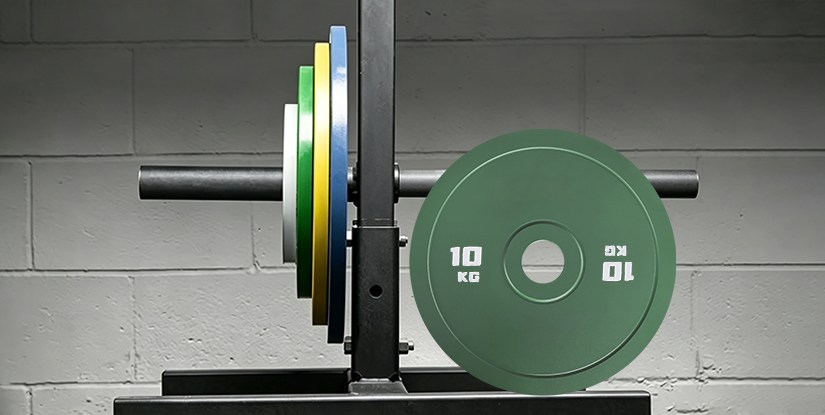
For distributors managing high-volume imports, the true cost of a shipment is determined by more than just the unit price. Relying on a low-tier bumper plate foundry without rigorous oversight often leads to hidden expenses through damaged goods or weight discrepancies. To protect your distributor margins, you must ensure your wholesale gym equipment sourcing strategy includes strict verification of both material integrity and logistical readiness.
A professional China factory should implement a multi-stage quality control protocol that extends far beyond the casting stage. This includes weight tolerance spot-checks, inspecting the adhesion of rubber coatings to prevent peeling, and verifying the concentricity of the center bore. Without these steps, the commercial gym durability of your inventory is compromised, leading to costly returns and diminished brand reputation.
Furthermore, specialized export packaging is non-negotiable for long-haul sea freight. High-density foam corner protectors, reinforced heavy-duty cartons, and standardized palletizing are essential for shipping damage prevention. When negotiating your next bulk order, always confirm the MOQ and request detailed packaging specifications to ensure your landed cost remains predictable and your inventory arrives in retail-ready condition.
Managing the logistical complexities of a large-scale shipment requires more than just trusting a supplier; it requires a technical understanding of how materials behave during transit. For instance, while cast iron plates are structurally stable, rubberized or PU-coated options require specific attention to the encapsulation layer to prevent delamination during temperature fluctuations in a shipping container. A reliable bumper plate foundry will provide transparent documentation regarding their protective layers and internal filler stability.
Standardized Inspection and Logistics Protocols
When conducting a pre-shipment inspection, procurement officers should focus on specific failure points that impact long-term utility. For rubber-encapsulated plates, this involves checking the bond strength between the core and the outer shell. For cast iron-based products, the focus shifts to surface finish consistency and the absence of casting flaws. Effective commercial weight plate manufacturing relies on these granular checkpoints to ensure every unit meets the required commercial-grade standards before leaving the factory.
| Material Type | Primary Inspection Point | Packaging Requirement | Commercial Duty Tier | MOQ Impact |
|---|---|---|---|---|
| Cast Iron | Weight tolerance and surface coating adhesion | Heavy-duty reinforced cartons | Budget / Commercial | Lower MOQ typically |
| Rubber Coated | Edge bonding and shell thickness consistency | High-density foam corner protection | Premium Commercial | Higher MOQ for specialized molding |
| PU Coated | Surface smoothness and color uniformity | Double-walled export cartons | Premium / Competition | Strict MOQ requirements |
The final stage of a successful wholesale gym equipment sourcing workflow is the verification of the loading plan. To optimize your container utilization and minimize the landed cost, confirm whether the manufacturer uses standardized pallet dimensions or if they offer custom palletizing for specific SKU mixes. A professional supplier will provide a detailed packing list and weight distribution plan, ensuring that your bulk shipment is both sea-worthy and ready for immediate distribution upon arrival at your warehouse.
Custom Branding and OEM Capabilities for Global Distributors
Establishing a unique market position requires more than just sourcing standard inventory; it demands a strategic partnership with a bumper plate foundry that understands the nuances of brand equity. For professional distributors, the ability to transition from a mere reseller to a recognized brand owner is a critical lever for increasing distributor margin and long-term client retention.
High-tier wholesale gym equipment sourcing often focuses solely on unit costs, yet the true value lies in the capacity for custom branding. By leveraging OEM and ODM services, distributors can integrate their specific brand identity directly into the manufacturing process—from custom logo relief in the casting mold to specialized color schemes in the coating stage. This level of customization allows a China factory to act as a true production arm for your business, ensuring that every piece of equipment reinforces your market presence rather than a generic supplier's.
Whether you are launching a private label line of premium rubberized plates or developing a budget-friendly cast iron series, the bumper plate foundry provides the technical infrastructure to scale your vision. Moving beyond off-the-shelf products allows you to control the aesthetic and functional specifications that differentiate your catalog in a crowded commercial market.
Customization Tiers and Procurement Impact
Selecting the appropriate level of customization is a decisive factor in your total landed cost and inventory strategy. A sophisticated bumper plate foundry provides various tiers of production, ranging from standard stock items to fully customized private label solutions. Understanding how these tiers influence the MOQ and production timelines is essential for maintaining a healthy cash flow and meeting market demand cycles.
The following table outlines how different branding and material choices impact your procurement logistics and target market segments during the commercial weight plate manufacturing process.
| Branding Type | Customization Level | Typical Application | MOQ Impact | Factory Capability |
|---|---|---|---|---|
| Standard Stock | Low (Standard Logo/Color) | Budget Commercial Gyms | Minimal (Lower MOQ) | Rapid factory dispatch |
| Private Label | Medium (Custom Color/Paint) | Mid-Tier Studio Chains | Moderate (Standardized MOQ) | Standard OEM line |
| Full Brand Identity | High (Custom Mold/Logo Relief) | Premium Fitness Brands | Significant (Higher MOQ) | Advanced ODM & Mold Engineering |
When evaluating your next bulk order, consider that high-customization requests, such as specialized logo relief within the casting mold or unique polyurethane colors, will inherently impact the lead time and minimum order requirements. We recommend coordinating with your supplier during the early stages of sourcing to ensure that your branding requirements align with the technical capabilities of the China factory, thereby optimizing both your production schedule and your overall return on investment.
Logistics, QC, and Export Readiness
For global distributors, the technical excellence of the bumper plate foundry is only as valuable as its ability to deliver intact, high-quality goods to your warehouse. A breakdown in the final stages of the supply chain—such as poor export packaging or inadequate weight spot-checks—can instantly erode your margins and damage your brand reputation. Professional wholesale gym equipment sourcing must therefore prioritize a partner that treats the final inspection and container loading with the same rigor as the initial casting process.
To mitigate these risks, a reliable supplier implements a multi-stage quality control protocol. This includes a weight tolerance spot-check to ensure precision, a coating adhesion test to prevent peeling during transit, and a rigorous carton drop test. Furthermore, specialized export packaging is utilized to protect the integrity of the plates, ensuring that high-density rubberized edges or painted cast iron surfaces remain in pristine condition during long-haul ocean freight. By confirming these QC standards during your initial sample evaluation, you can better project your total landed cost and ensure a predictable lead time for your upcoming bulk orders.
Effective logistics management also involves strategic coordination regarding container loading optimization to maximize volume efficiency. Whether you are managing small-batch OEM orders or large-scale wholesale distributions, understanding the interplay between product dimensions, packaging density, and shipping schedules is vital for maintaining a competitive edge in the international market.