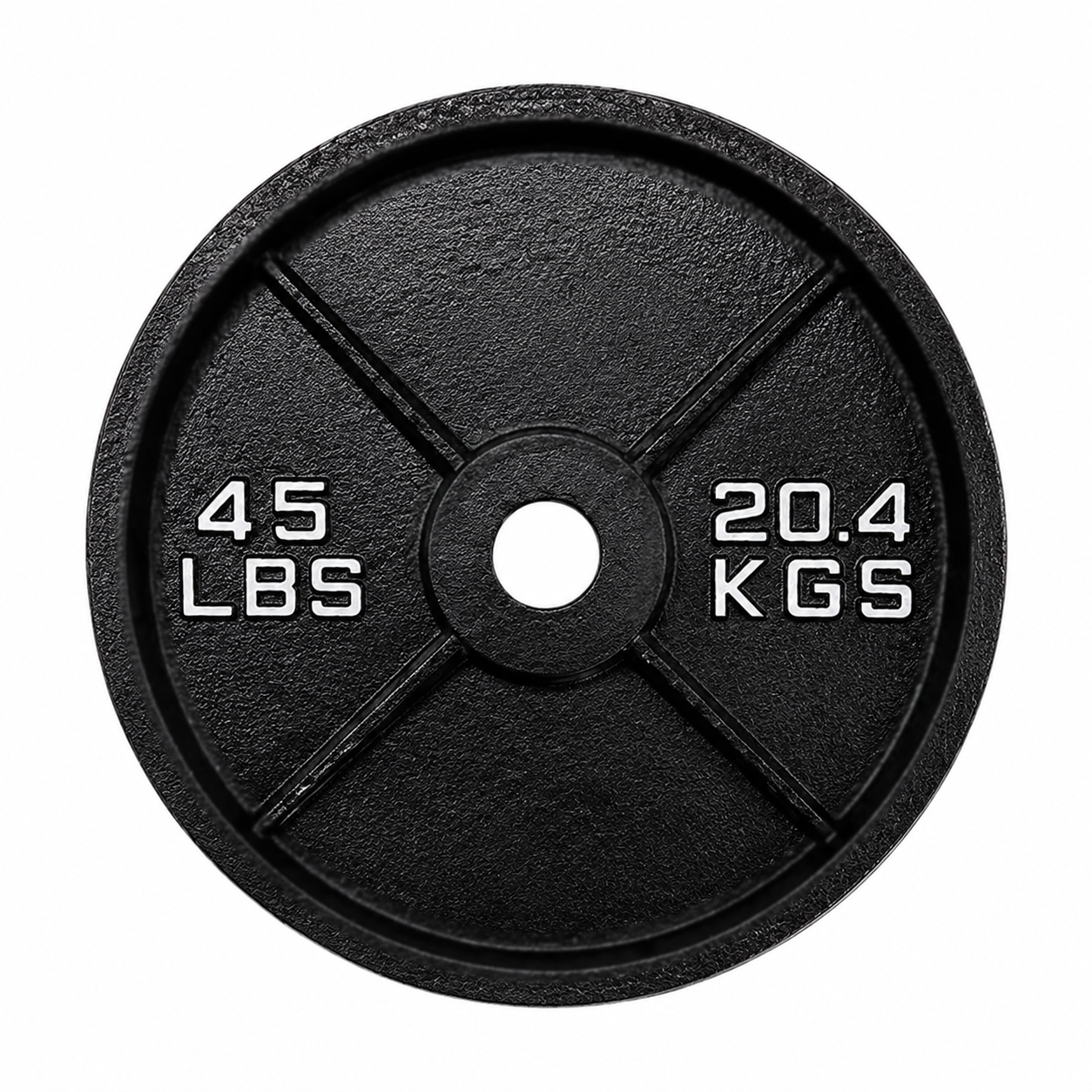
Olympic Plate Factory Direct: China Source Factory Supply
Establishing Supplier Qualification and QC Standards
Navigating the complexities of international procurement requires more than just finding a low price; it requires a rigorous validation of a olympic plate factory direct partner to mitigate long-term operational risks. Professional importers and distributors must evaluate three critical checkpoints before finalizing a bulk order: the precision of weight tolerance, the consistency of casting quality, and the reliability of the logistics and export packaging workflow. Failing to verify these standards during the sourcing stage often results in mismatched inventory, uneven barbell loading, and increased landed costs due to defective returns or shipping damage.
A professional commercial weight plate manufacturer understands that commercial-grade durability is non-negotiable for gym operators and distributors. When you engage in olympic plate wholesale, the focus shifts from individual unit aesthetics to the structural integrity of the mass production line. High-volume buyers must ensure the China olympic plate supplier employs standardized production sequences—typically moving from sand casting to precision machining and finally to surface finishing—to ensure every plate in a shipment meets the expected commercial-duty specifications. Establishing these strict QC protocols during the initial sourcing phase protects your profit margins and ensures your clients receive equipment that withstands heavy daily use.
Inspection Checklist for Bulk Procurement
To ensure the integrity of your inventory, a formal inspection of the production line is essential. A reliable olympic plate factory direct partner should provide transparent documentation regarding their manufacturing sequence. During a factory audit or pre-shipment inspection, buyers should focus on the technical transition from the initial casting process to the final surface treatment. A standard professional workflow involves sand casting, followed by CNC machining of the center bore to ensure concentricity, and ending with a multi-stage coating application to prevent oxidation.
The following table outlines the qualitative standards a professional buyer should demand when evaluating different tiers of production and material quality. This comparison helps determine the appropriate tier for your specific market segment, whether you are targeting budget-friendly gym setups or premium training facilities.
| Material Tier | Production Process | Key Component/Feature | Commercial Duty | MOQ Impact | Factory QC Point |
|---|---|---|---|---|---|
| Cast Iron | Sand Casting & Machining | Precision Center Bore | Standard Commercial/Home | Lower | Weight calibration & concentricity |
| Rubber Coated | Steel Hub & Injection Molding | Protective Outer Rim | High-Traffic Commercial | Moderate | Coating adhesion & rim thickness |
| Polyurethane (PU) | Steel Core & Vulcanization | Seamless Encapsulation | Premium/Competition | Higher | Surface finish & weight tolerance |
Beyond the physical product, the inspection checklist must include the robustness of the export packaging. For heavy-duty shipments, the China olympic plate supplier should utilize reinforced pallets and heavy-duty corrugated boxes to prevent structural damage during sea freight. For distributors, ensuring that the packaging can withstand container loading stresses is a vital step in managing the total landed cost and reducing the rate of damaged-on-arrival claims.
Material Composition and Casting Processes for Olympic Plates
For professional distributors and gym equipment importers, understanding the technical nuances of weight manufacturing is critical to reducing long-term maintenance costs and ensuring product longevity. When sourcing olympic plate factory direct, the primary distinction lies in the casting method and the resulting structural integrity of the iron. High-quality commercial weight plate manufacturer output typically utilizes either traditional sand casting or advanced centrifugal casting to achieve the density required for heavy-duty use. Selecting the correct material and manufacturing route directly impacts your landed cost and the overall durability of the inventory you provide to end-users.
Reliable olympic plate wholesale procurement requires a deep dive into how the metal is shaped and finished. Most standard commercial units are produced through sand casting, a process that is cost-effective for high-volume wholesale orders but requires strict quality control to prevent surface imperfections. For more premium requirements, centrifugal casting offers a more uniform density and smoother surface finish, which is often preferred for high-end studio environments where aesthetics and precision are paramount.
Comparison of Casting Methods and Material Tiers
| Material Type | Primary Process | Commercial Duty Tier | Key Component Focus | Sourcing Advantage |
|---|---|---|---|---|
| Cast Iron | Sand Casting | Budget / Standard | Surface texture and coating adhesion | Lowest MOQ and cost-effective for bulk |
| Gray Iron | Centrifugal Casting | Premium / Commercial | Weight tolerance and concentricity | Higher durability for high-traffic gyms |
| Steel Hub / Iron Body | Machining & Assembly | Professional / Competition | Inner ring diameter and bore precision | Ideal for specialized China olympic plate supplier orders |
When evaluating a China olympic plate supplier, it is essential to verify the weight tolerance and the quality of the secondary processes. A professional factory will not only focus on the initial casting but also on the CNC machining of the center bore to ensure a perfect fit on Olympic barbells. Discrepancies in the bore diameter or uneven weight distribution can lead to increased replacement rates and diminished distributor margins. We recommend requesting a sample to inspect the coating thickness and the precision of the inner ring before finalizing large-scale sourcing agreements.
Technical Verification for Bulk Procurement
Before finalizing a bulk order, procurement managers should prioritize the inspection of the surface finishing and component assembly. For example, in many commercial settings, the durability of the finish—whether it is a basic paint, a heavy-duty powder coating, or a specialized rubber/PU encapsulation—determ%s the long-term maintenance load for the end-user. A common failure mode in lower-tier production is poor coating adhesion, which leads to unsightly chipping during high-frequency use. When you work with a professional factory, you can request specific details on the surface treatment process to ensure the product meets your brand's quality standards.
Furthermore, the precision of the center bore and the concentricity of the plate are vital for smooth barbell rotation. High-tier manufacturing involves a meticulous sequence of casting, followed by precision machining of the inner ring to ensure the diameter remains within industry-standard tolerances. We suggest that during your pre-shipment inspection or sample approval stage, you specifically verify the flatness of the plate base and the smoothness of the inner ring edge. This level of technical due diligence ensures that your olympic plate factory direct sourcing results in a product that minimizes mechanical friction and maximizes user safety in professional training environments.
Comparison of Commercial Weight Plate Manufacturing Routes
When establishing a high-volume procurement strategy, understanding the engineering distinction between various manufacturing routes is essential for calculating long-term TCO and maintenance cycles. Selecting the right olympic plate factory direct source depends on whether your distribution model prioritizes cost-efficiency or high-impact durability. For most distributors, the choice between cast iron and rubberized options determines the target market segment, from budget-friendly garage gym suppliers to premium commercial facility providers.
A professional commercial weight plate manufacturer typically offers two primary production paths: traditional metal casting and advanced vulcanized molding. While cast iron provides a rigid, cost-effective solution for strength training environments, rubberized or PU-coated bumpers are engineered to absorb kinetic energy, reducing floor wear and equipment vibration. This decision directly impacts your wholesale volume requirements and the expected lifespan of the units in high-traffic environments.
| Material Type | Primary Process | Key Component | Commercial Duty | Sourcing Context |
|---|---|---|---|---|
| Cast Iron | Sand Casting & Machining | Steel Inner Ring | High (Strength Training) | Standard wholesale |
| Rubber Bumper | Molding & Vulcanization | Steel Hub/Core | Extreme (High Impact) | Premium sourcing |
| PU Coated | Injection/Coating | Precision Steel Hub | Elite (Competition) | High MOQ |
Each route requires a specific China olympic plate supplier capability to ensure weight tolerance remains within industry-standard commercial limits. For instance, a China factory specializing in bumper plates must master the integration of the steel hub with the outer coating to prevent delamination during heavy drops. When evaluating an olympic plate wholesale order, buyers should verify the specific manufacturing sequence—from initial casting or molding to the final calibration and surface finishing—to ensure the finished product meets the durability standards of their specific commercial target market.
The choice between these manufacturing paths involves more than just aesthetic preference; it is a decision regarding the total landed cost and the long-term maintenance load for your clients. A professional olympic plate factory direct sourcing model allows you to align the production technology with your specific market tier. While sand casting is a reliable, standard method for producing heavy, rigid plates, vulcanized molding for rubber bumpers requires more sophisticated equipment to ensure the integrity of the bond between the core and the outer layer.
When vetting a commercial weight plate manufacturer, it is critical to ask about the specific calibration steps used in their production lines. High-quality output depends on whether the manufacturer performs weight checks at the raw material stage or only after the final coating process. For distributors managing large-scale facility rollouts, the precision of the steel hub and the adhesion of the outer coating are the two most frequent failure points that can lead to expensive after-sales issues or replacement requests.
To optimize your procurement, we recommend requesting a technical spec sheet that details the manufacturing sequence—specifically how the center ring is integrated and how the surface finish is applied. Whether you are pursuing a high-volume olympic plate wholesale order for budget-friendly training centers or a specialized sourcing project for elite performance studios, understanding these technical trade-offs will ensure your landed cost remains competitive without sacrificing the structural integrity required by professional gym operators.
The choice between these manufacturing paths involves more than just aesthetic preference; it is a decision regarding the total landed cost and the long-term maintenance load for your clients. A professional olympic plate factory direct sourcing model allows you to align the production technology with your specific market tier. While sand casting is a reliable, standard method for producing heavy, rigid plates, vulcanized molding for rubber bumpers requires more sophisticated equipment to ensure the integrity of the bond between the core and the outer layer.
When vetting a commercial weight plate manufacturer, it is critical to ask about the specific calibration steps used in their production lines. High-quality output depends on whether the manufacturer performs weight checks at the raw material stage or only after the final coating process. For distributors managing large-scale facility rollouts, the precision of the steel hub and the adhesion of the outer coating are the two most frequent failure points that can lead to expensive after-sales issues or replacement requests.
To optimize your procurement, we recommend requesting a technical spec sheet that details the manufacturing sequence—specifically how the center ring is integrated and how the surface finish is applied. Whether you are pursuing a high-volume olympic plate wholesale order for budget-friendly training centers or a specialized sourcing project for elite performance studios, understanding these technical trade-offs will ensure your landed cost remains competitive without sacrificing the structural integrity required by professional gym operators.
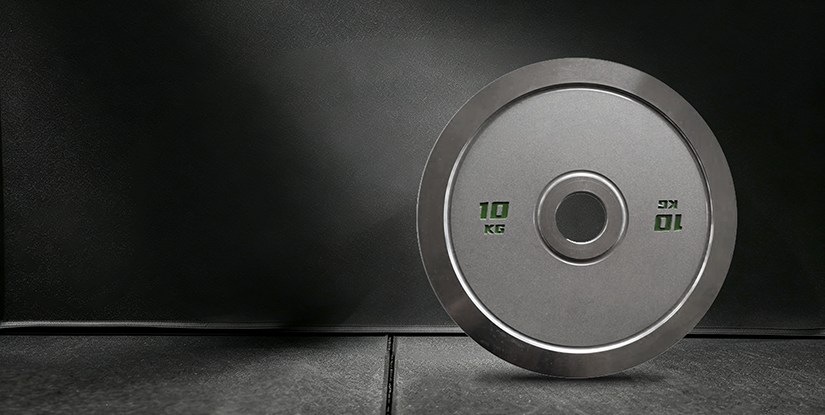
China Olympic Plate Supplier: Factory Inspection and Component QC
For professional distributors and gym equipment importers, the risk of receiving inconsistent batches is a significant threat to profit margins. When sourcing from a China Olympic plate supplier, relying solely on basic weight claims is insufficient for long-term commercial success. A single shipment of plates with uneven weight distribution or poor coating adhesion can lead to high return rates and damaged brand reputation among your end-users.
To mitigate these bulk order risks, a rigorous pre-shipment inspection protocol is mandatory. High-quality olympic plate factory direct production must include systematic checks on the structural integrity of the cast iron or steel hub, the concentricity of the center bore, and the durability of the surface finish. Without these controls, a commercial weight plate manufacturer may deliver units that fail to meet the strict weight tolerance standards required for professional strength training environments.
A reliable China factory will typically implement a multi-stage QC process—moving from raw material casting to precision machining, and finally to surface treatment and calibration. For those managing olympic plate wholesale accounts, verifying these specific technical checkpoints ensures that the commercial durability of the equipment matches the high standards of the North American market, protecting your landed cost and long-term reliability.
Critical Technical Inspection Points for Bulk Sourcing
A professional procurement specialist should focus on four specific technical dimensions during a factory audit or pre-shipment inspection. These checkpoints differentiate a standard production line from a high-tier olympic plate factory direct facility capable of meeting premium commercial demands.
First, verify the casting integrity of the base material. For cast iron or steel-hub models, inspectors should look for surface imperfections such as excessive porosity or cracks that can compromise structural stability. Second, the concentricity of the center bore is vital; any deviation in the circularity of the inner ring will cause the plates to wobble on the barbell, increasing maintenance complaints for your clients. Third, evaluate the coating adhesion. Whether the finish is a standard powder coating or a high-density rubber encapsulation, the coating must be tested for its ability to remain intact under high-impact usage to prevent premature peeling.
Finally, ensure a rigorous weight calibration process is in place. A reputable commercial weight plate manufacturer will not only check the total weight but also the uniformity across the entire batch. For large-scale olympic plate wholesale orders, this prevents the high cost of shipping replacements for underweight or overweight units. Before finalizing your sourcing plan, always request the factory to provide documentation regarding their QC protocols and confirm the MOQ and expected lead time for your specific OEM or ODM requirements to ensure a seamless supply chain.
Technical Comparison of Plate Specifications for Procurement
Understanding the technical trade-offs between different manufacturing tiers is essential for optimizing your landed cost and inventory value. When evaluating an olympic plate factory direct partner, use the following qualitative comparison to determine which production standard aligns with your target market—whether you are sourcing budget-friendly training gear or premium competition-grade equipment.
| Material Tier | Manufacturing Process | Key Component Focus | Commercial Application | Sourcing Advantage |
|---|---|---|---|---|
| Cast Iron / Gray Iron | Sand Casting & Machining | Center Bore Precision | Standard Commercial Gyms | High Volume / Low MOQ Impact |
| Rubber Coated / Bumper | Steel Hub & Vulcanization | Rim Durability & Impact Absorption | CrossFit & High-Impact Studios | Reduced Floor Maintenance |
| Urethane (PU) Coated | Precision Molding | Coating Adhesion & Color Consistency | Premium Strength & Performance Centers | High Durability / Premium Branding |
| Machined Steel | CNC Machining & Calibration | Concentricity & Weight Tolerance | Professional Competition/Training | Maximum Precision for Specialized Sourcing |
Selecting the appropriate tier allows a distributor or importer to balance durability with distributor margins. For instance, while rubber-encapsulated plates offer better floor protection, a cast iron option from a professional China factory may offer a more competitive wholesale price point for high-volume facility build-outs. Always confirm with your supplier if specialized OEM or ODM customization—such as specific knurled inner ring designs or custom logo casting—is available within your current MOQ. To ensure your technical requirements are met, we recommend requesting a detailed specification sheet or a sample evaluation before confirming large-scale bulk production orders.
Custom Branding and OEM/ODM Capabilities
For distributors and gym equipment brands, the ability to move beyond generic stock is a critical lever for market differentiation. Utilizing an olympic plate factory direct sourcing model allows you to transition from a mere reseller to a recognized brand owner. By leveraging professional OEM and ODM services, you can integrate your unique brand identity into the very core of your product line, ensuring that every piece of equipment reinforces your market positioning.
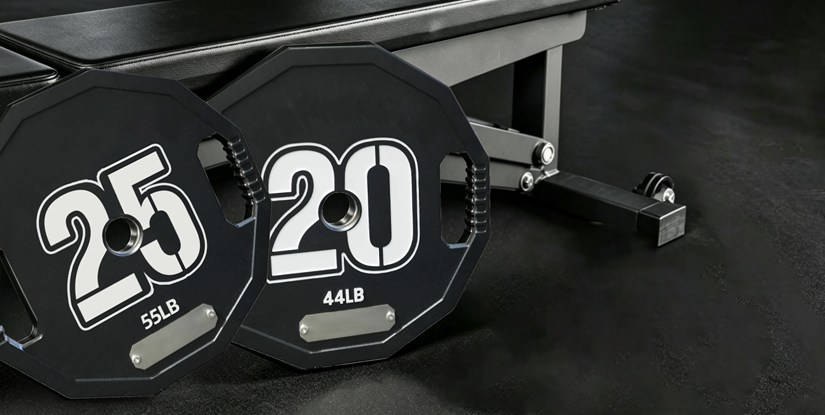
Establishing a private label program is a strategic move to increase your long-term value and customer loyalty. Whether you require custom logo embossing on cast iron surfaces, specific color-coded coatings, or unique packaging designs, a specialized commercial weight plate manufacturer can execute these requirements at scale. This level of custom branding transforms a standard commodity into a proprietary asset, allowing you to command higher margins and build a distinct presence in the global fitness market.
Navigating the complexities of custom branding requires a partner who understands the technical constraints of different manufacturing routes. While high-volume wholesale orders typically focus on standardized designs to optimize the landed cost, specialized ODM requests may involve adjusting the physical dimensions or surface textures to meet specific boutique or professional standards. Working with a China olympic plate supplier that offers robust OEM support ensures that your design specifications are translated accurately from concept to finished product, without compromising the structural integrity or weight calibration essential for commercial-grade equipment.
To maintain high standards while scaling, it is essential to clarify the MOQ for customized components. Typically, more complex branding requests—such as specialized PU coated colors or intricate CNC-machined steel hubs—will carry a higher MOQ than standard cast iron plates. We recommend discussing your sourcing roadmap early in the procurement process to align your brand identity goals with realistic production timelines and volume requirements, ensuring a seamless transition from factory production to your distribution network.
Technical Execution of Logo Integration and Surface Finishing
The precision of logo application directly impacts the perceived value of your brand. When working with an olympic plate factory direct, you must choose between two primary methods of integration: casting and etching. In high-volume wholesale production, sand casting is the industry standard. This process involves molding the logo directly into the iron during the liquid stage, creating a permanent, recessed relief that remains legible even after years of heavy commercial use. This method is highly cost-effective for large MOQ orders, as the branding becomes an inseparable part of the plate's physical structure.
For premium or boutique lines where a cleaner, more modern aesthetic is required, CNC machining or precision etching is often utilized. This provides a sharper, more detailed finish, though it may influence the overall lead time and production costs. Beyond the logo, the quality of the surface finishing determines the long-term durability of the unit. Most professional commercial weight plate manufacturer options utilize a high-grade powder coating process. This involves applying a dry powder to the cast surface and curing it under heat, resulting in a resilient, uniform layer that resists chipping and oxidation.
A high-quality China olympic plate supplier will ensure that the branding and coating do not interfere with the critical weight tolerance of the plate. Whether you are choosing a traditional bare iron look with a phosphate treatment or a vibrant, color-coded PU coated finish, the surface must remain smooth and consistent. We recommend requesting a sample evaluation to inspect the coating adhesion and the depth of the embossed logo before committing to a full-scale sourcing order. This step ensures that your custom branding meets the high expectations of professional gym operators and distributors globally.
Customization Tiers and Procurement Comparison
Deciding between standard stock and full-scale customization is a fundamental decision for any procurement manager. Choosing the right path depends on your specific balance of volume, branding goals, and budget constraints. To assist your sourcing strategy, we have outlined the typical differences between standard and customized orders below.
| Customization Level | Typical Branding Method | Material & Finish Options | Standard MOQ | Impact on lead time | Primary Procurement Goal |
|---|---|---|---|---|---|
| Standard Wholesale | Pre-set factory or generic markings | Cast iron or standard rubber coating | Lower MOQ | Short / Rapid fulfillment | Maximizing wholesale margins |
| OEM (Logo Integration) | Embossed relief via sand casting | Standard powder coating or paint | Moderate MOQ | Standard production cycle | Building brand identity |
| ODM (Full Custom) | CNC machined or precision etching | Specialized PU coated or custom colors | Higher MOQ | Extended / Longer cycle | Premium market differentiation |
When evaluating your next olympic plate factory direct partnership, consider that highly specialized custom branding often requires additional steps in the production sequence, such as specialized mold creation or secondary coating lines. While a standard wholesale order offers the fastest route to market and the lowest landed cost, an OEM or ODM approach allows you to control the aesthetic experience of your end users. We recommend confirming all technical specifications and branding requirements during the initial quote stage to ensure your production schedule remains aligned with your distribution needs.
Optimizing Logistics: Export Packaging and Landed Cost Management
For professional importers and distributors, the final landed cost of a shipment is heavily influenced by more than just the unit price. When sourcing olympic plate factory direct, the way your China olympic plate supplier handles bulk logistics determines your ultimate profit margins. Poorly managed shipping leads to unexpected damage, high replacement costs, and disrupted supply chains for your clients.
Heavy weight plates present unique challenges during long-distance sea freight. Without rigorous export packaging protocols, even high-quality cast iron or rubber-coated units can suffer from surface oxidation, dented edges, or structural deformation caused by stacking pressure. A professional commercial weight plate manufacturer understands that bulk shipping safety is a non-negotiable component of the procurement process.
Standard palletization is essential for high-volume olympic plate wholesale orders. We utilize heavy-duty, reinforced pallets and industrial-grade stretch film to ensure stability within the shipping container. This structured approach provides maximum sea freight protection, preventing shifting during transit and ensuring that the wholesale shipment arrives at your warehouse in a condition that meets your quality standards. By investing in optimized packaging at the factory level, you reduce the risk of costly returns and protect your distributor margins.
Shipping Configuration and Volume Efficiency Comparison
To accurately forecast your total procurement budget, you must evaluate how different shipping methods impact both the shipping volume (CBM) and the overall protection level of your inventory. Choosing between loose loading and palletized systems allows you to balance immediate freight savings against long-term warehouse efficiency and safety. When negotiating with a China olympic plate supplier, selecting the right configuration is a key step in reducing the total landed cost for your distribution network.
| Packaging Type | Volume Efficiency (CBM) | Protection Level | Loading Speed | Best Use Case |
|---|---|---|---|---|
| Loose Loading (Bulk) | Highest (Minimized air gaps) | Standard (High stacking pressure) | Slow (Manual loading) | Low-cost budget lines |
| Standard Palletized | Moderate (Requires pallet space) | High (Stable and structured) | Fast (Forklift compatible) | Standard wholesale orders |
| Reinforced Crates/Skids | Lower (Higher volume per unit) | Premium (Maximum impact resistance) | Very Fast (Industrial standard) | High-end commercial weight plate manufacturer products |
For high-density shipments, loose loading maximizes container capacity, but it increases the labor required for unloading at your facility. Conversely, palletized shipments facilitate faster turnaround times and more efficient warehouse management, which is critical for maintaining a lean inventory. We recommend discussing your specific MOQ and warehouse capabilities with our factory to determine which configuration offers the best ROI for your specific market needs. Please contact us to request a detailed shipping specification sheet or to confirm volume requirements for your next bulk order.
To achieve the most competitive landed cost, professional buyers must look beyond the per-unit price and focus on container loading optimization. Because weight plates are high-density products, the primary constraint is often weight capacity rather than volume. An effective olympic plate factory direct sourcing strategy involves maximizing CBM efficiency while ensuring the container does not exceed legal road weight limits in your destination country. Negotiating these technical details with your supplier is essential for maintaining a healthy distributor margin.
When calculating your shipping cost per unit, consider how the dimensions of your specific olympic plate wholesale order interact with standard 20ft or 40ft container configurations. A specialized China factory can assist in calculating the optimal mix of different plate weights to fill the container space and weight limit simultaneously. This precision prevents "dead space" in the container, which effectively lowers your freight expense per item. Whether you are managing a single MOQ or a large-scale recurring wholesale contract, optimizing the load plan is a critical step in professional sourcing. We invite you to contact our team to request a customized loading plan or to discuss how our export configurations can support your logistics efficiency.